Read, learn and have fun!

Easter is coming. Let's learn some useful vocabulary to describe that spring festivity.



Let's start!
Ash Wednesday marks the beginning of Lent and is always 46 days before Easter Sunday.
Palm Sunday marks the beginning of Holy Week, which concludes on Easter Sunday.
Good Friday, the Friday before Easter, the day on which Christians commemorate the Crucifixion of Jesus Christ.
EASTER DAYS
Holy Saturday commemorates the day that Jesus Christ lay in the tomb after his death, according to the Christian bible. It is the day after Good Friday and the day before Easter Sunday.
EASTER SUNDAY is one of the most festive Christian events. It commemorates Jesus Christ’s resurrection from death.
Easter Monday - the day after Easter Sunday is a public holiday in many countries and it’s part of the Easter period.
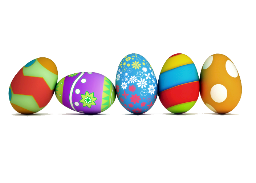
EASTER SYMBOLS
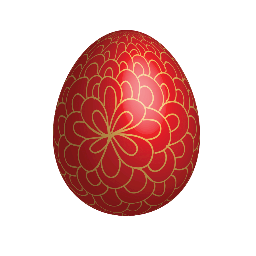
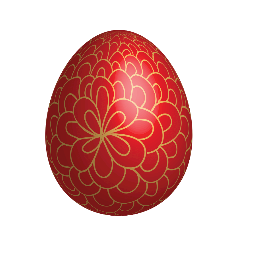
Easter egg
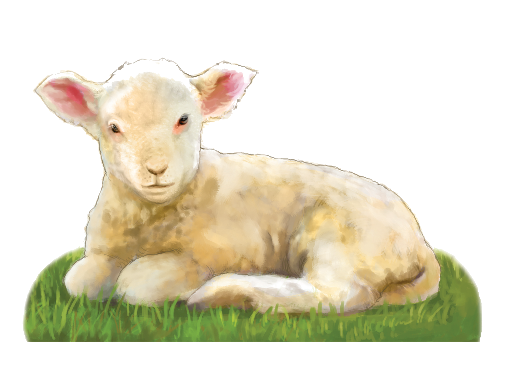
lamb
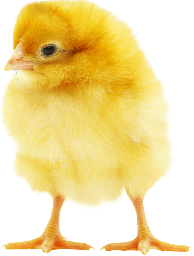
chick
The lamb signifies the sacrifice of Jesus Christ.
Eggs have always been revered as a symbol of life. The Easter egg symbolizes the tomb of Jesus from where he arose, in new light and new life.
The chick, hatching out of the egg, symbolizes new life or re-birth.

EASTER PLANTS

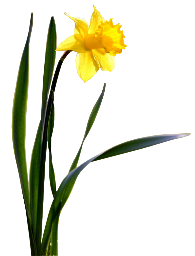


catkins
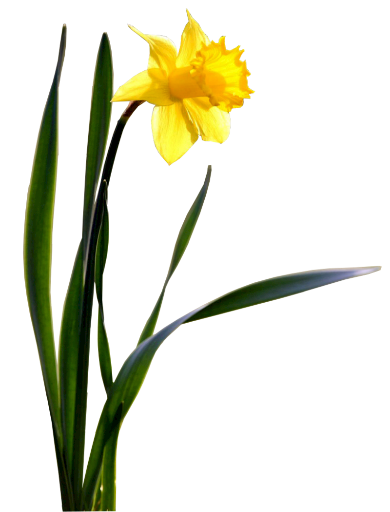
daffodil
tulip
Tulips are said to represent faith and royalty.
Daffodil promises happiness and hope.
Catkins come to life at the end of winter, or beginning of spring.
Easter plants are a sign of life,
and new beginnings.
EASTER
CUSTOMS
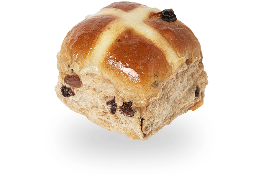
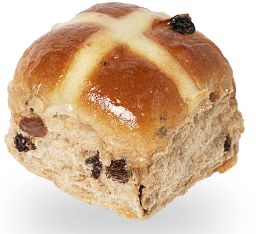
Hot Cross Bun
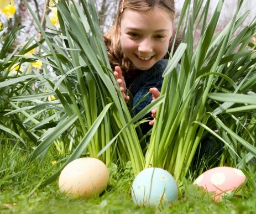
Easter Egg Hunt
Easter Egg Roll

Hot Cross Buns are traditionally eaten on Good Friday on the British Isles. They mark the end of Lent because they are made with dairy products which are forbidden during this period.
Easter Egg Hunt is a game during which decorated eggs or Easter eggs are hidden for children to find.
Easter Egg Roll is the tradition of rolling decorated eggs down grassy hills.
Książeczka została wykonana podczas realizacji
projektu eTwinning: Easter around Europe.
The booklet was made during
an eTwinning project: Easter around Europe.
- < BEGINNING
- END >
-
LIKE
-
COMMENT