
"Show Me My Country". Teachers and students from Georgia, Jordan, Romania, Italy and Armenia collected all the information they learned and shared during the project.

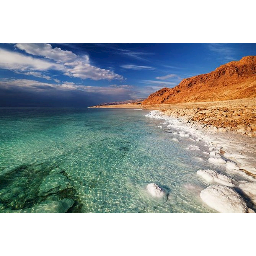
Jordan, officially the Hashemite Kingdom of Jordan, is a country in Western Asia. It is situated at the crossroads of Asia, Africa and Europe, within the levant region, on the East Bank of the Jordan River. Jordan is bordered by Saudi Arabia, Iraq, Syria, Israel and the West Bank of Palestine. The Dead Sea is located along its western borders, and the country has a 26-kilometre (16 mi) coastline on the Red Sea in its extreme south-west. Amman is the nation's capital and largest city, as well as the economic, political and cultural centre.
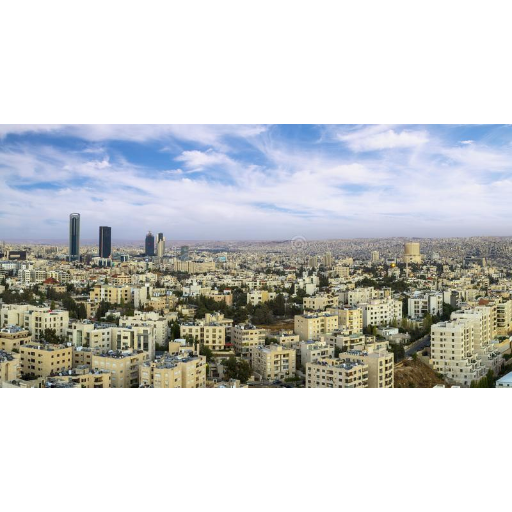
The tourism sector is considered a cornerstone of the economy and is a large source of employment, hard currency, and economic growth. The majority of tourists coming to Jordan are from European and Arab countries.
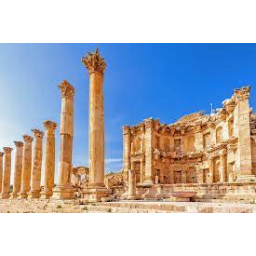
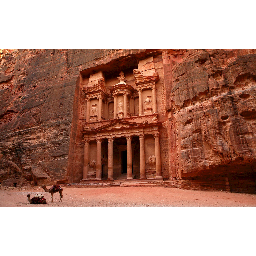
According to the Ministry of Tourism and Antiquities, Jordan is home to around 100,000 archaeological and tourist sites. Some very well preserved historical cities include Petra and Jerash, the former being Jordan's most popular tourist attraction and an icon of the kingdom.
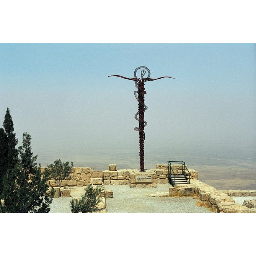
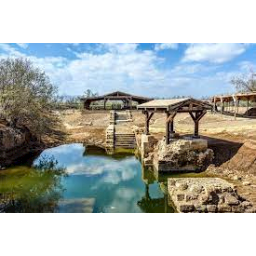
Jordan is part of the Holy Land and has several biblical attractions that attract pilgrimage activities. Biblical sites include: Al-Maghtas—a traditional location for the Baptism of Jesus, Mount Nebo, Umm ar-Rasas, Madaba and Machaerus.
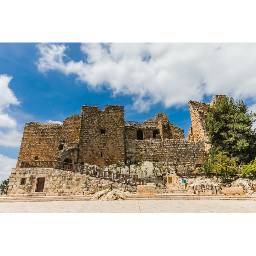
Islamic sites include shrines of the prophet Muhammad's companions such as 'Abd Allah ibn Rawahah, Zayd ibn Harithah and Muadh ibn Jabal. Ajlun Castle built by Muslim Ayyubid leader Saladin in the 12th century AD during his wars with the Crusaders is also a popular tourist attraction.
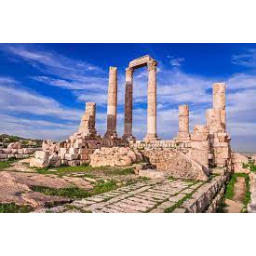
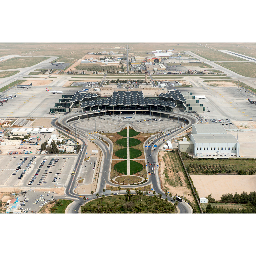
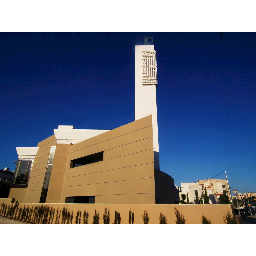
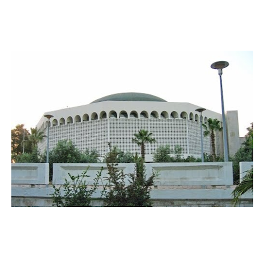
After the independence (22 May 1946), changing social and economic conditions influenced modern Jordanian architecture. As Jordan became more open to the ideals of the Western world, their architecture did so too. Rather than following the traditional Vernacular styles, buildings reflected international trends. Most commonly, new buildings attempted to incorporate the architectural heritage of past buildings with new international styles in an effort to find an Architectural identity within Jordan. Buildings were characterised by the evolving materials used during construction including; concrete, marble, glass, metal and roof tiles and the diversity of their functions.
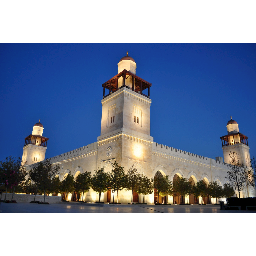
Customs and Traditions
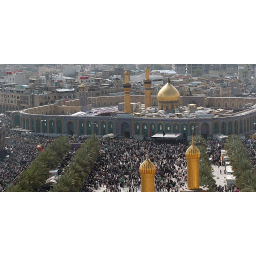
Muharram
This festival marks the start of the Islamic New Year. It is known as "Muharram" because that is the name of the first month in the Islamic calendar. It falls during a different time each year on the Gregorian calendar. This is because the Islamic calendar is a lunar one, and depends on the sighting of the new moon to mark the beginning of each new month. Muharram is celebrated in many towns and cities across Jordan with food, dances, and traditions.
Vanashen Secondary School
Hasmik Charkhchyan
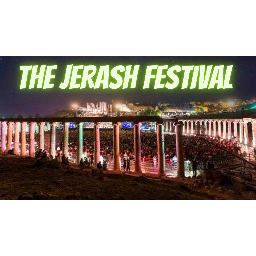
The Jerash Festival for Culture and Arts
The Jerash Festival, held in July every year, transforms the ancient city into one of the worlds liveliest and most spectacular cultural events. The festival features folklore dances by local and international groups, ballet, concerts, plays, opera, popular singers and sales of traditional handicrafts, all in the brilliantly floodlit dramatic surroundings of the Jerash ruins. Festival has been running since 1981 and is a major highlight of the cultural calendar, both in the Middle East and beyond, welcoming over 100,000 visitors each year. People wandering the colonnaded streets could enjoy artistic demonstrations and take part in craft workshops – all of which were set against a backdrop of sandstone ruins, lit by the setting sun.
Yerevan Basic School named
after Alexander Blok N122
Haykanush Ghevondyan
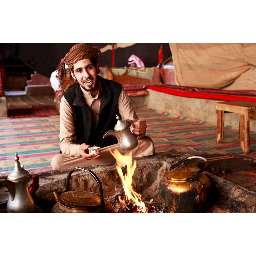
Jordan’s Coffee Culture
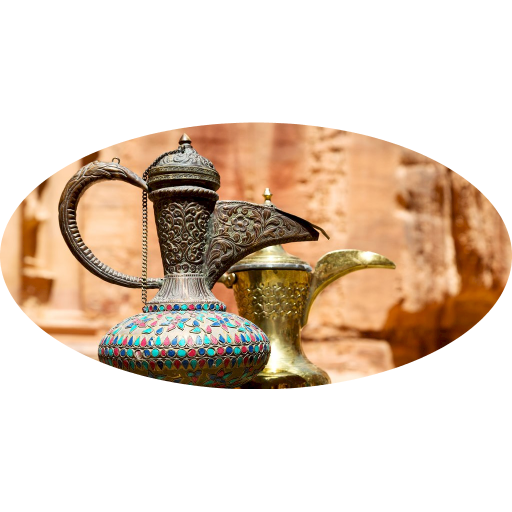
Jordan’s coffee ceremony is elaborate; it not only provides a hot drink, but is also a form of communication. Refusing a cup of coffee is not an option, as it can be construed as an insult to the host.
In the preparation of coffee, Jordanians use Arabic coffee beans, finely ground and often add in ground cardamom seeds. Coffee and water are boiled over a stove in a special pot until foam rises to the surface. The brew is poured into tiny cups, often presented in beautiful silver holders. Neither milk nor sugar are used, but the coffee is often served with sweets such as dates.
Yerevan Basic School named
after Alexander Blok N122
Sirine Kosyan
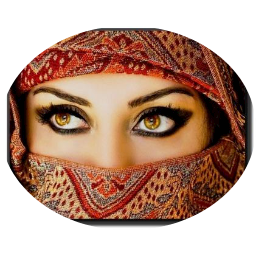
As Jordan is a very religious country, people are expected to dress respectably. For women visitors should try to cover up their arms and legs and hair should be tied back. The Jordanian people value appearances and have high expectations when it comes to clothing. Visitors should respect these expectations and men should refrain from walking around in shorts.
Dress Codes
Naira Zeynalyan
TAMARA MIRZOYAN
Yerevan, levon Mirijanyan 155 basic school
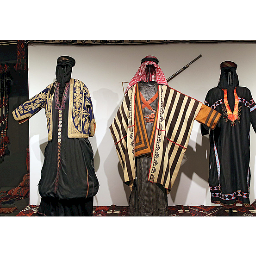
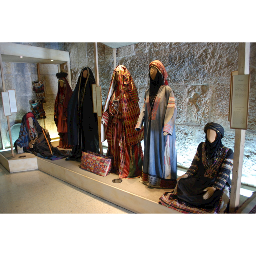
Daily or occasionally, Jordanian men and women still wear traditional customs. The traditional outfit typically worn by men is made of a one-piece full-body covering dress, called a “Dishdashah” or “Thoub”, and a head cover including a white cup called “Thagiyah” and a scarf-like head cover.
Yerevan N123 basic school
LLC Future Business School, Georgia
Giorgi Nebieridze
Compared to neighboring countries Jordan is fairly relaxed when it comes to clothing. That said the dress codes in this country are still considered strict when you compare it to many Western countries. Jordan is a very religious country and the majority of citizens here are Muslim. With that in mind, visitors should be respectful of the nation’s faith when choosing what to wear. As in most neighboring countries, the dress codes for women are slightly stricter than for men.
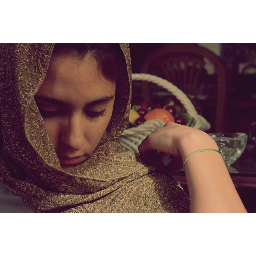
Women should refrain from showing flesh as much as possible and should wear loose clothing which covers the arms, legs, chest, and nape of the neck. Avoid wearing T-shirts, shorts, and leggings. Many female residents in Jordan wear a headscarf and those who choose not to usually keep their hair tied up. Female tourists should also try to follow this etiquette and tie their hair back but they shouldn’t wear a headscarf unless they are Muslim as it is a sign of disrespect.
Liana Markosyan Hrazdan N2 Basic School
Food and Drink
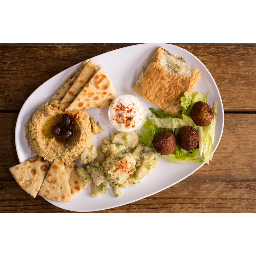
The local food in Jordan tends to consist of rice, yogurt, lamb, olives, and a range of herbs and spices. Baked pastries are also very popular in Jordan especially sweet dishes including baklava. Much of Jordan’s cooking is influenced by its neighboring country which results in bold dishes that are packed with flavor. At most restaurants in Jordan, visitors are likely to find a large number of mezze dishes.
ANUSH HAKOBYAN
KOGHB SCHOOL N 2 ARMENIA
This style of eating is popular in Jordan and consists of hot appetizers and cold appetizers which are shared across the table, followed by a large meal. Visitors do not have to eat this way but a mezze dinner is a great way to taste popular Jordanian food. Traditionally, breakfast is consumed before 8 am, lunch is between 1 pm and 3 pm, and dinner is eaten any time after 8 pm. Lots of Jordanian dishes are consumed with the hands or a spoon but it is bad luck to eat food with the left hand.
Culture of Jordan
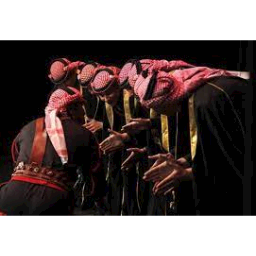
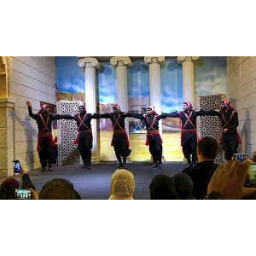
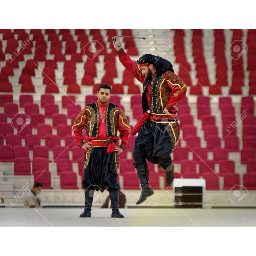
One of the most popular traditional dances in Jordan is dabke. This may be performed as gender-segregated or co-ed groups. The dancers line up shoulder-to-shoulder, holding hands or placing arms over the neighboring two dancers’ shoulders, then move as a group in a circle using steps that are punctuated by kicks and stomps. The accompanying music includes a flute called a ney, a drum called a tabl, and a reed instrument called a mizmar.
Vanashen Secondary School
Hasmik Charkhchyan
Hospitality
One of the key aspects of Jordanian culture is the hospitality shown by hosts to their guests. This is felt even while walking around the streets of Jordan, where the phrase "ahlan wa sahlan" is heard nearly everywhere you go. Some of the traditions of hospitality come from Jordanian Bedouin culture. For example, the host and his/her guest often share a cup of black coffee. The host drinks out of the cup first, ensuring that the coffee is the right temperature. The guest then drinks what remains of the first cup. A second cup is served to the guest, and then a third. The host also serves the guest copious amounts of food and is careful to make sure the guest is comfortable and stays as long as he/she would like.Such displays are referred to as karam, the Arabic word for "generosity" or "hospitality" that also has implications of "nobility," "grace," and "refinement."
Naira Zeynalyan

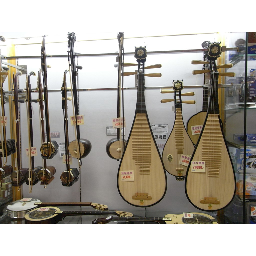
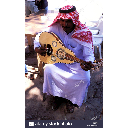
Traditional Jordanian musical instruments
Jordanian music has a lot of diversity and a range of components that makes it a well known and popular art. Over the centuries music has evolved and so did its instruments. Jordanian music comes with variety of instruments.
Flute \ reed pipe known as Shababa, Mijwiz, Arghul known as Yarghul, Oud, Tablah, Rebab, Al-Mihbash, Bagpipes known as Gerbeh, Riq, Daf,
Simsimiyya, found in the port city of Aqaba and the southern desert
Yerevan Basic School named
after Alexander Blok N122
Sirine Kosyan
The Jordanian Museum of Popular Traditions
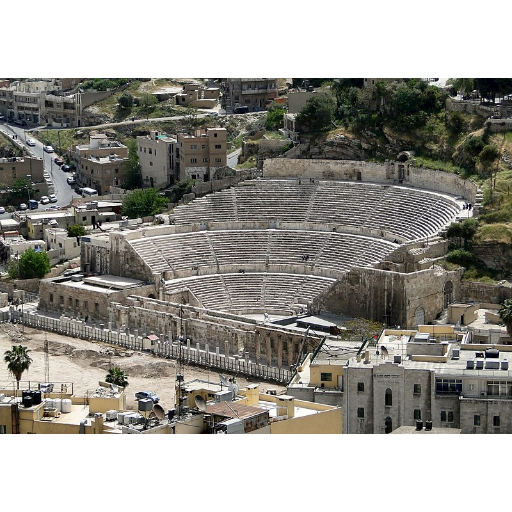
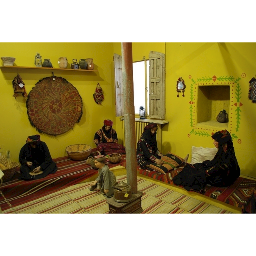
The Jordanian Museum of Popular Traditions was established in 1971. The museum is located within the eastern section of the Roman Theatre in Amman. Its aims are to collect Jordanian and Palestinian folk heritage from all over Jordan, to protect and conserve this heritage and to present it for future generations.
The museum is also concerned with introducing our popular heritage to the World. The museum has five exhibition halls. The first hall is dedicated to the traditional costumes of the East Bank. In the second hall, the traditional jewellery and cosmetic items of the various regions in the East and West Banks are on display. The fifth hall, which is in a vault of the Roman Theatre, houses a collection of mosaics from Byzantine churches in Jerash and Madaba.
Yerevan Basic School named
after Alexander Blok N122
Haykanush Ghevondyan
Tamara Mirzoyan
Yerevan, Levon Mirijanyan 155 basic school
Traditional Jordanian folklore dance Dabke
There are numerous kinds of songs that are sung during and specifically for dabke, by both men and women respectively, depending on the occasion, song, and audience.
LLC Future Business School, Georgia
Giorgi Nebieridze
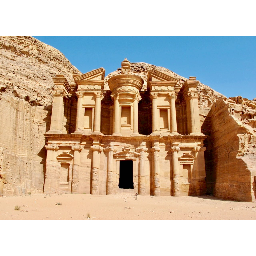
The "Lost City" still has secrets to reveal: Thousands of years ago, the now-abandoned city of Petra was thriving.
Carved directly into vibrant red, white, pink, and sandstone cliff faces, the prehistoric Jordanian city of Petra was "lost" to the Western world for hundreds of years. Located amid rugged desert canyons and mountains in what is now the southwestern corner of the Hashemite Kingdom of Jordan, Petra was once a thriving trading center and the capital of the Nabataean empire between 400 B.C. and A.D. 106.
Petra
In tribal bedouin culture, where the mark of a man is how he treats his guests, and where what is unsaid has as much (or more) resonance than what is said, coffee plays a hugely significant symbolic role.The first cup is known as l’thayf (“for the guest”), to indicate hospitality. The second is l’kayf (“for the mood”), to indicate a relaxed atmosphere. The third is l’sayf (“for the sword”) to show that any animosity has evaporated. Then, and only then, can the social interaction or discussion begin.
ANUSH HAKOBYAN
KOGHB SCHOOL N 2
THE CULTURE OF COFFEE IN JORDAN
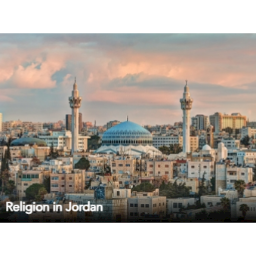
The culture of Jordan is the product of the fusion of Arabic and Islamic elements. Islam is the state religion of Jordan. The majority of Jordan population belongs to the Sunni sect with a small minority of people belonging to the Shi’a sect. Jordan offers a great degree of protection to other religions too. Since 1980s, the government is popularizing a moderate form of Islam, denouncing religious fanaticism.
Jordanian Social Life
Men and women do not mix freely in public situations. Jordanians live in extended families. However, due to the shortage of resources especially water, population control is widely advocated and practiced these days.
Due to the relaxation of social segregation of sexes, educated younger women are increasingly seen in mosques and social gatherings. The prominent aspects of Jordan’s culture include the music of Jordan along with popular sports like football and basketball.
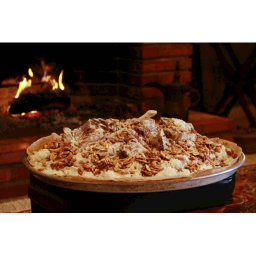
Mansaf
Liana Markosyan Hrazdan N 2 Basic School
- < BEGINNING
- END >
-
LIKE
-
COMMENT