For eTwinning project "Easter in Europe"
Prepared by VII class students of LEPL Tbilisi N207 Public School

Easter in celebrated between April 4 to May 8. The duration of Easter fast is 40 days. These weeks are called passion weeks. On Saturday night before Easter people go to churches or the ceremony is broadcast on TV and we watch it
Locals start to grow Easter grass one week before Easter Sunday, i.e. on Palm Sunday. Grass is another essential attribute to the Georgian Easter table – jejili – newly grown, grass, which is a symbol of new life and renewal.
Fresh green wheat grass grows i in your home, after which Easter eggs can be put in the grass and placed on a table. We believe that green grass symbolizes the new life Christ gave us with his resurrection
On Easter Georgians greet each other with the words “Christ is Risen!” instead of saying “hello”. The answer comes “Indeed”. On this day the doors of all houses are open to guests. One can taste homemade Paska (Easter cake) and Easter red eggs in each family.
Greeting tradition
On Easter Georgians greet each other with the words “Christ is Risen!” instead of saying “hello”. The answer comes “Indeed”. On this day the doors of all houses are open to guests. One can taste homemade Paska (Easter cake) and Easter red eggs in each family.
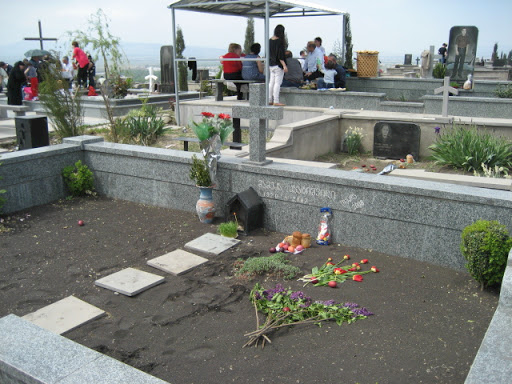
On Mondays, Georgians visit graveyards of their relatives to pay respect to the deceased

Apart from red eggs, Georgians have a special meal for Easter Sunday. It’s a lamb meat stew with fresh plums and spices called Chakapuli
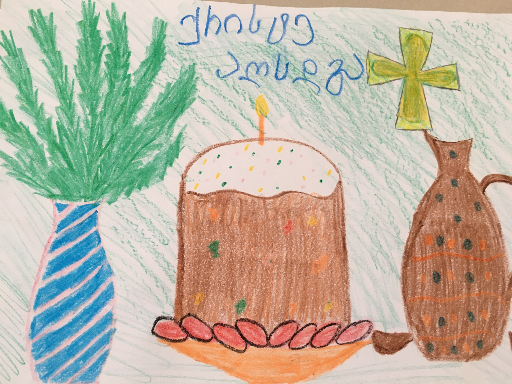

The special cake is called Paska, which has a hill-shape and raisins inside.
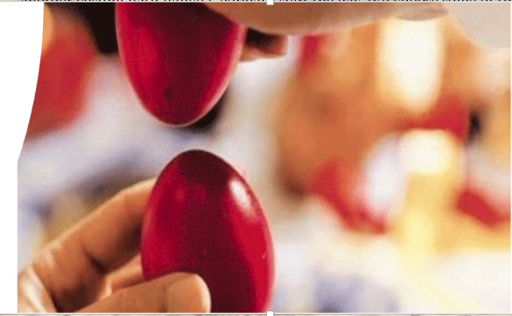
Red Friday is the day when every family dyes eggs red before the sunset. It’s believed that eggs symbolize the rebirth of Christ and eternal life. Cracking those red-colored eggs is another custom with which Georgians start the day.
- < BEGINNING
- END >
-
LIKE
-
COMMENT