Hi.I'm Gharibyan Eliza
Yerevan 194 basic school
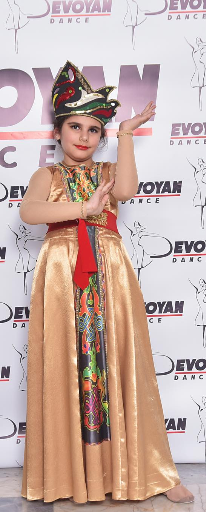

Armenia also has rich traditional clothing’s types. “Taraz” word has many meanings: dress, wear, look, fashion. Traditional dresses are expressing Armenian ethnic environment, cultural identity and climatic conditions. Basically, traditional dress consisted of wool and cotton. Then Armenians started to import silk from China, from which sew clothing for rich people. Grigor Tatevatsi interpreted the 4 colors and elements of the Taraz. The black is the symbol of earth, the white - of the water, the red - of the air and the yellow is the symbol of the flame.
A
R
M
E
N
I
A
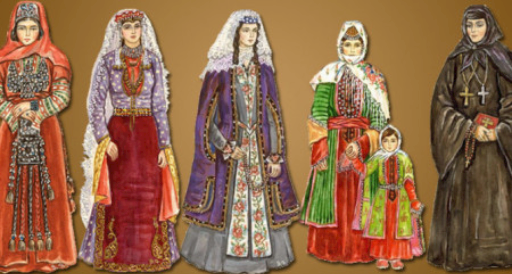
The Armenian national costume, having existed through long periods of historical development, was one of the signals of self-preservation for the Armenian culture. Being in an area at the crossroads of diverse eastern styles, Armenian dress is significant in not only borrowing but, also often playing an influential role on neighboring nations.
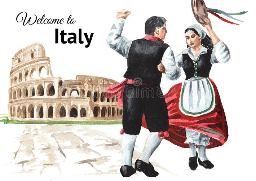
There is no Official National Dress of Italy. But They Have Traditional Dress For Man And Woman.
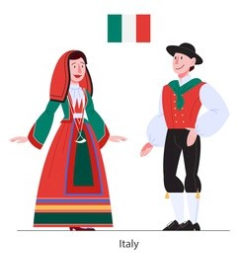
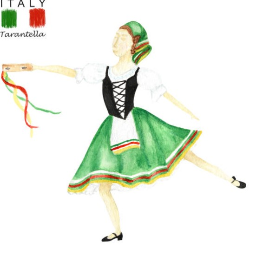
The Women Of Italy Wear colorful Embroidered skirts and bodices over light-weight chemises or blouses. The Were elaborate hats decorated with flowers or fruit.
Men’s of Italy Traditional clothing tends to be simpler but doesn’t lack attention to detail with embroidery and metal buttons and Pins. These costumes evolved from simpler peasant dresses in the Middle Ages.
Italian peasants wore practical clothing for their daily activities, with simple pants and shirts for the men and blouses and skirts for the women, sometimes with a bodice. Most items are from simple fabrics, wool being very common.
ITALIY
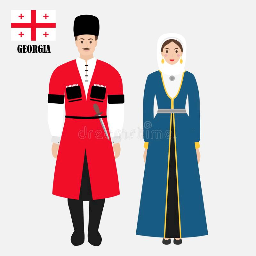
The traditional costumes in Georgia were formed by the influence of nature and way of life in this country. Every man was a warrior, a farmer and a shepherd at the same time. And every woman was (and still is) a housewife, but there are very strict rules about the behavior of Georgian women.
Traditional women's clothing in Georgia is very beautiful. It is a long dress called "kartuli", tightly belted, with ornate bodice and long laps. The belt is beautifully decorated, almost floor-length.
Georgian headdress needs special attention. It consists of "lechaki" (triangle white veil of tulle), "kopi" (thin bolster made of silk and cotton), "chikhta" (cardboard rim sewed with velvet), "baghdadi" (dark kerchief), and "chadri" (large calico veil, that covers the whole body with the exception of face or only eyes).
GEORGIA
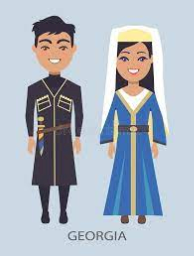
Traditional men's costumes in Georgia consist of an undershirt (it is named "piranha"), underpants "sheidishy", wide trousers "sharvali" and a kind of jacket named chokha. Chokha is the most interesting and iconic Georgian piece of clothing. It is made of wool (black, gray, white, blue, red or brown fabric), it has long sleeves and laps, and it must have a belt with a stiletto on it.
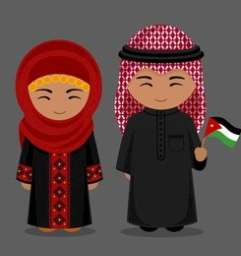
The dress of Jordanians varies by region, for example in Amman and Irbid it’s natural for people to dress in what you find in most modern cities, jeans and a t-shirt. More rural regions and Bedouin they wear more traditional clothing.
For the men it’s usually a kuffyeh and a thobe.
For the women they wear handmade embroidered dress sometimes with a hijab .
Colors are usually black and red, as well as incorporation of gold at times. For the keffyeh it’s red and white, usually with a ring holding it down as well.
JORDAN
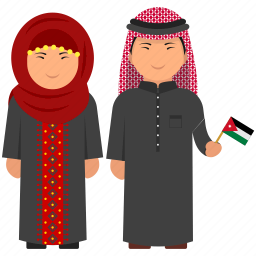
The traditional outfit typically worn by men is made of a one-piece full-body covering dress, called a “Dishdashah” or “Thoub”, and a head cover including a white cup called “Thagiyah” and a scarf-like head cover. The women’s national custom is a handmade full-body covering dress usually black with embroiled red patterns.
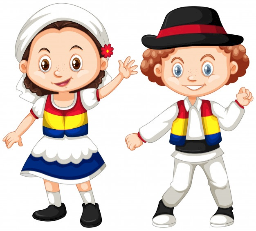
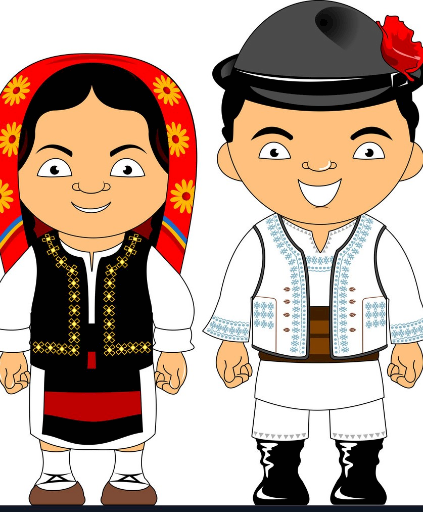
The basic Romanian traditional costume has been the same for centuries. The main element of the men’s and women’s folk clothing is a white chemise which was made from linen or cotton. Ladies used belts or aprons to tie up around the waist. The cut and decoration of outer garments differ from one region to another. And of course, all old folk costumes were richly embroidered in Romania like in other countries.
Today Romanian traditional dresses are used a lot at folk festivals and scenic performances. Here you will find also Moldova costumes that are closely related to the cultural heritage of Romania
ROMANIA
- < BEGINNING
- END >
-
LIKE
-
COMMENT