 eTwinning project
This book was created and published on StoryJumper™
©2015 StoryJumper, Inc. All rights reserved.
Publish your own children's book:
www.storyjumper.com


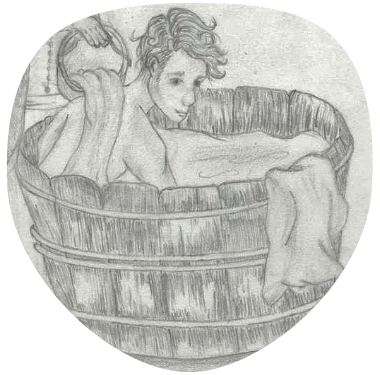
 Bath attendant
Bath attendant worked in public baths.
He prepared baths and was responsible for
heating the water. He also added and
exchanged water if it was necessary.
Additionally he was a barber and a sort of
a medic. His task was to: massage, treat
various illnesses with cupping glasses, pull out
people’s teeth, drain blood and remove corns.
In some cities he had to look after beggars.
Kinga
 Miodowar
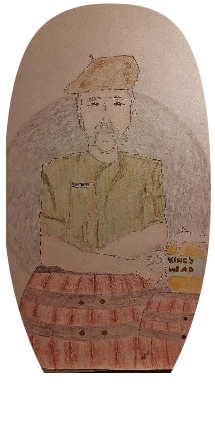
Miodowar is a person who makes drinking honey. It is
a drink made with honey and hop. Miodowar’s job was very
famous in the XVth century. West European countries
savoured polish beverage. In those days honey was the
main liquor. You could meet honey on noble and royal
tables.
Unfortunately, the development of economy didn’t last
long. Because of the wine, which was cheaper, honey lost
its value and popularity in the XIX century. The popularity
of honey hasn’t been brought back so far. The miodowar’s
job was forgotten. We hope we reminded you
this job to some degree.
Agnieszka
 Pipe maker
Pipe maker was a person who was making pipes
and accessories using many materials such as
wood, clay or porcelain. After the adaption order
he was designing a pipe and deciding which
material he will use. After that he could make
beutiful designs on them using chisels. This
profession was performed mainly in the 19th
century because the pipes were commonly used.
Nowadays, such work has been replaced by
machines.
Kinga

 The weeper
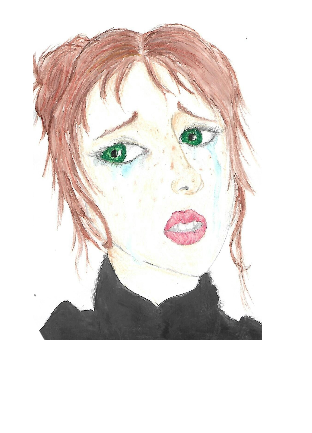
The weepers were the women who were hired to
mourn over the death of somebody, after and during
the funeral ceremony. They also composed mourning
songs. Their task was to show the feelings of their
relatives, to help them come to terms with their loss.
What’s more, the dead weren’t usually close relatives
to them. That profession was mostly done by
women, who were over 60 years old. In the Near
East’s culture, it was claimed that the weepers
haunted the graves and they got blessing from dead
souls.
Kinga
 A fuller
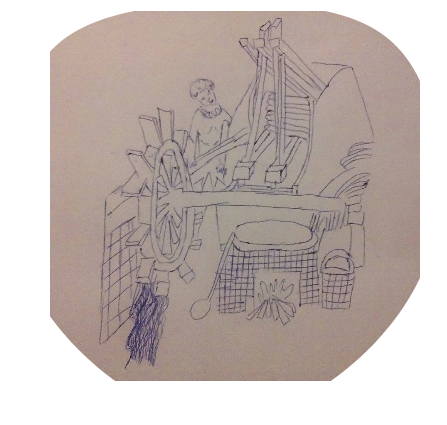
A fuller, is a craftsman who was fulling the fabric. He was
fagging out clothes, underwear and thick cloth. He
formed them in the machines which were used to keep
cloth to be straight. He also interwined straw hats and
cleaned dirty clothes. We can aslo meet the word "fuller"
in the Bible. We can state that this profession has already
occured in ancient times. It ocured in the Old and New
Testament.
In the Middle Ages wool was the main product exported
to England. There were many sheep and thanks to them
there was wool. Because there was a lot of wool, fullers
had a lot of work. They sewed clothes for knights,
bishops and squires. Their task was also to collect urine,
which was not the most pleasant work.
Klaudia
 Bell-founder
Bell-founder - a craftsman that used to work with bronze
and brass, mostly to create such things as candlesticks,
scones and bells. The job became popular in XIII century,
however in Poland bell-founders came from XVI and XVII
cenruty. But with time, the job of bell – founder changed
its usage from daily into art. So, in the XIX century the
bell-founders disappeared and metallurgic industry was
found better and easier. Nowadays bell-founders are
making bells for churches or molds for decorative
ashtrays, scones or candlesticks. In Poland bell-founding is
known as a part of cultural heritage. In Taciszów, there is
a work place for bell-founders that has existed since 1808!
Ola

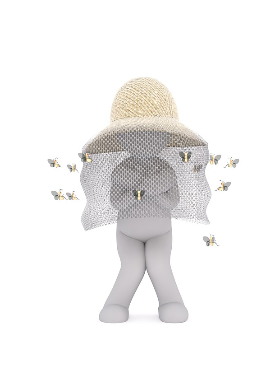
 A beekeeper
A beekeeper was making beehives in old trees
hollows. Making beehives was the hardest
beekeeper's job. Bees were making their nests
in beehives. They were set from 2 - 20 meters
high, in living trees. That trees were100 - 300
years old. Beekeeper's job was popular in 14th
century. Beehives, which we know now, gained
in popularity in 19th and 20th century. We can
associate beekeeper's job with Winnie the
Pooh. He was climbing the trees to get some
honey.
Agnieszka
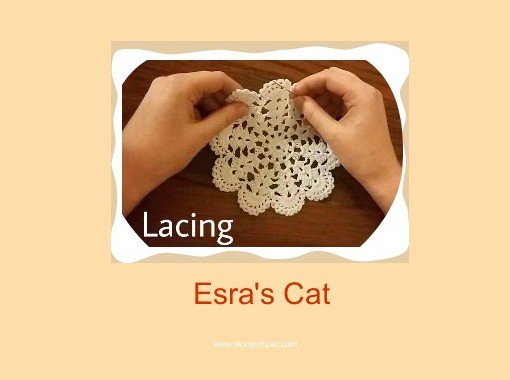
 Lacing
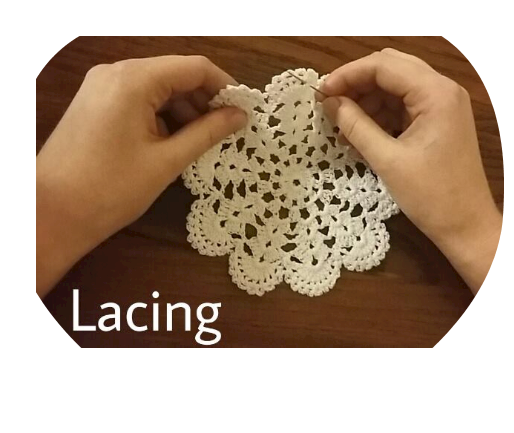
Lacing was a work done mainly by women. They
were hand – made laces. They appeared in Poland
along with queen Bona and they could be seen as an
ornament of an outfit and interior. Many years later,
there were a lot of factories which produced laces. It
was also very important to set up new lace schools
and earn money.
We can see different types of laces. The first one is
called crochet – the most popular among
housewives and the other ones are called: the
shuttle lace, mesh lace and the last one is called
bobbin lace.
Kinga
Hosiery repairer dealt with the repairing tights.
He repaired tights, stockings and socks with
his hands. This occupation was popular in
Poland in the postwar period. To repair tights,
the hosiery repairer used a special needle.
Repairing tights was successful until late
eighties. The prices of tights were high, that’s
why people preferred repairing laddered tights
to buying new ones. Unfortunately, nowadays
the profession is forgotten. The prices of
tights, stockings and socks are cheap, so the
job of hosiery repairer has faded into oblivion.
Klaudia
 Hosiery repairer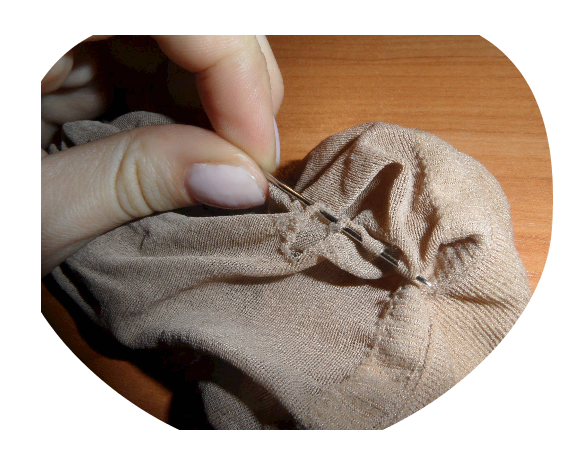
 Parasolnik (umbrellamen)
Parasolnik is a person that used to make umbrellas. This job in many countries,
including Poland, is almost forgotten, because there are big factories and most of the
umbrellas are imported. The best years for polish umbrellamen were between 60's and
70's, when Maria Koterbska sang her first song about an umbrella. Even though, the
quality of handmade umbrellas is high, they are not easily sold, because people change
their mind concerning their look. Now, many of last umbrellamen prefer to fix umbrellas
rather than create new ones. Young people, who are going into crafting choose more
popular proffesions such as: a varnisher, an umbrellaman or a potter.
If someone has already chosen it, as I wrote earlier, they fix or make umbrellas for
shows, theatres and film - making. For me, it's very important to support town industry
like this, not only because of the sake of the memory of last decades, but
I also think, it's not fair to bury professions that were able to survive…
The first information concerning umbrellas came from acient Egypt and China. Later on,
in history Chinese, umbrellas became very exclusive, expensive and a very wanted
product. People used to use them to protect themselves from the sun, snow and rain.
They also used them to show their personal status or richness.
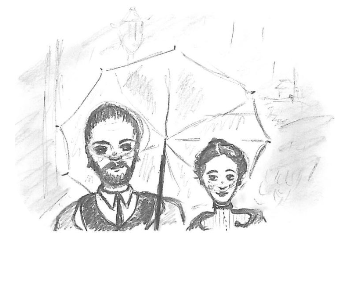
English writers, in the times of popularity of umbrellas, wrote that they were
very gentlemen things to wear. But, of course, the look of umbrellas
changed, from small Chinese ones to bigger ones that were able to move.
The last ones appeared in 1715!
Ola
 Our group


 KingaKlaudiaKingaOlaAgnieszka
 Sources
Our photos
Our drawings
pixabay.com

- < BEGINNING
- END >
-
LIKE
-
COMMENT