“Those who pass by us, do not go alone, and do not leave us alone; they leave a bit of themselves, and take a little of us.”
Antoine de Saint-Exupéry

i
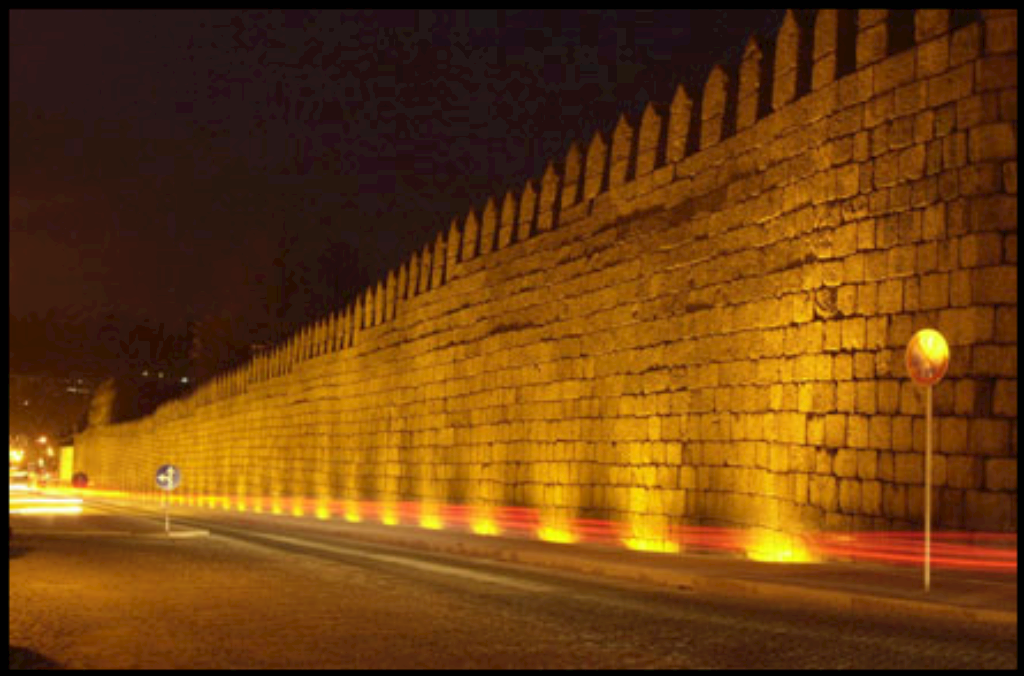
Guimarães is a city of medieval origin. It has been classified as a World Heritage Site since 2011 and was the European Capital of Culture in 2012. Our city is linked to the foundation of the Portuguese national identity in the 12th century and is considered the birthplace of the Portuguese nationality (the cradle city). Its museums, monuments, and churches are worth visiting.
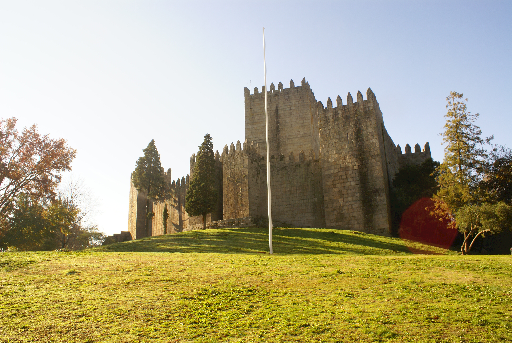
Our history is revisited every time we look at the castle, where D. Afonso Henriques, the first king of Portugal was born and whose construction dates back to the 10th century.
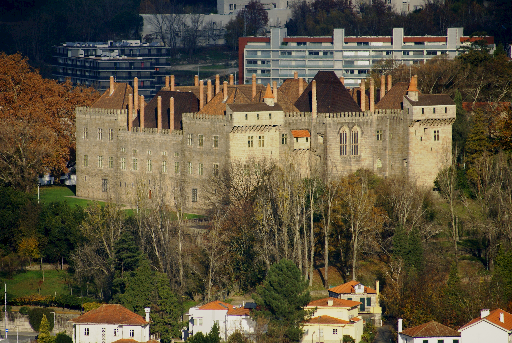
Paços dos Duques de Bragança (Palace of the Dukes of Bragança), a majestic estate residence of the 15th century, classified as a National Monument.
The 18th-century palace is the Vila Flor Palace.
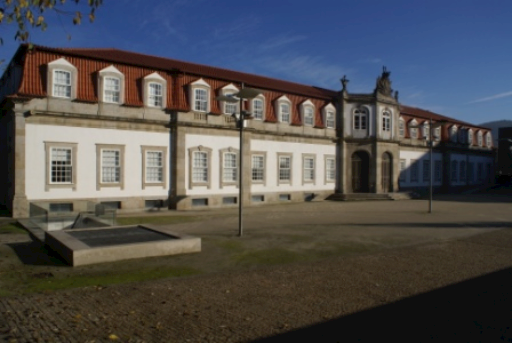
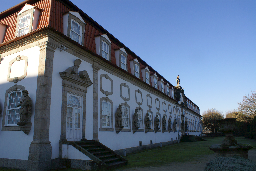
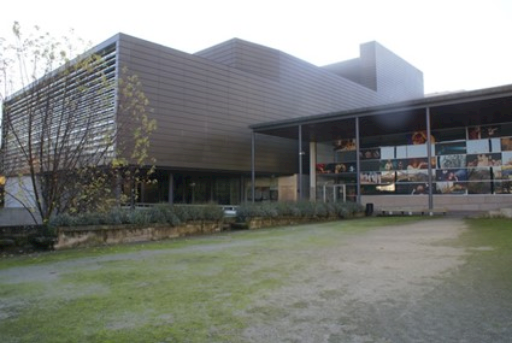
The same-named Cultural Center is located there now.
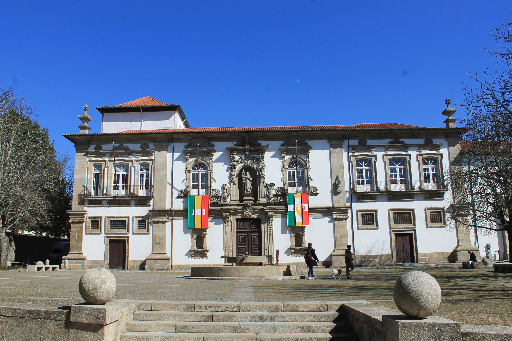
Santa Clara Convent
Founded in the 16th century, it was one of the most prosperous convents in Guimarães. The structure features a sculpture of Santa Clara in the center and a baroque façade.
Guimarães Town Hall is located in this building.
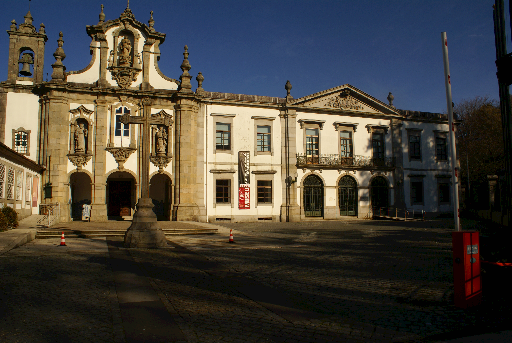
Convent of St Anthony of the Capuchos
The edifice, which was originally built as a convent in the 17th century and acquired by Misericórdia in 1842 to house its hospital, is situated in the center of Sacred Hill.
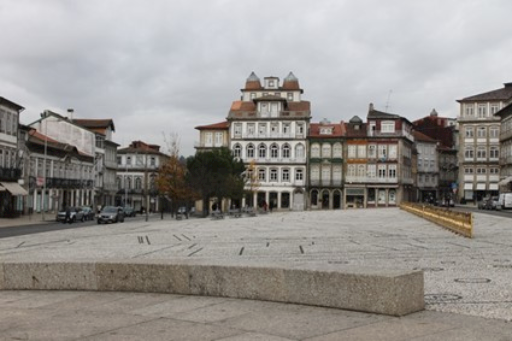
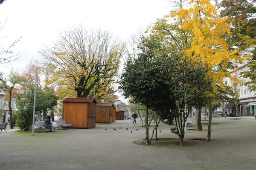
Toural Square
Although it is now regarded as the center of the city, in the 17th century it was just a square outside the main gate of the town, serving as the location of different fairs and the cattle market.
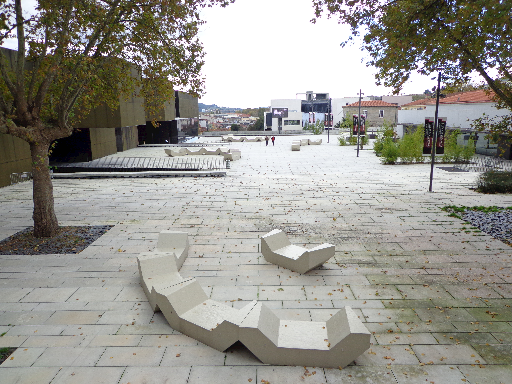
International Arts Centre José de Guimarães
The José de Guimarães International Arts Centre (Centro Internacional de Artes José de Guimarães - CIAJG) was inaugurated on June 24, 2012, as part of "Guimarães 2012 - European Capital of Culture". The CIAJG is a centered on contemporary art.
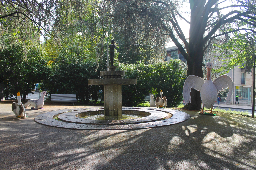
Guimarães public garden/ S. Dâmaso Avenue
Church of Our Lady of Consolation and the Holy Steps
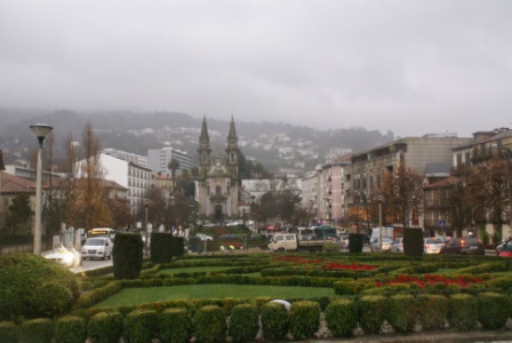
In honor of a local saint who was a Franciscan monk, the Church of Our Lady of Consolation and the Holy Steps was given the middle name San Gualter. Beginning in the 18th century chapel served as the foundation for the construction of the baroque church.
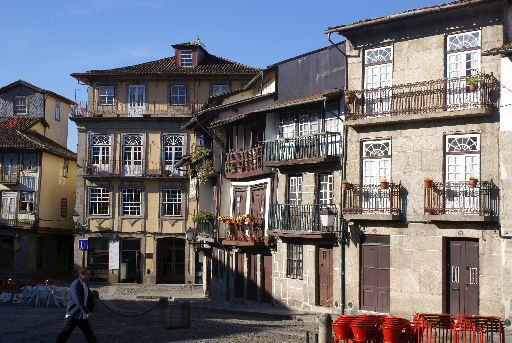
if we want to get together in a medieval atmosphere, we go to Largo de Oliveira (Oliveira Square), known for its cafés and bars where everybody goes: tourist and local inhabitants.
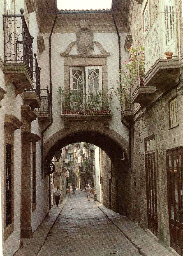
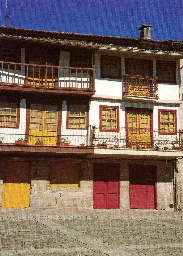
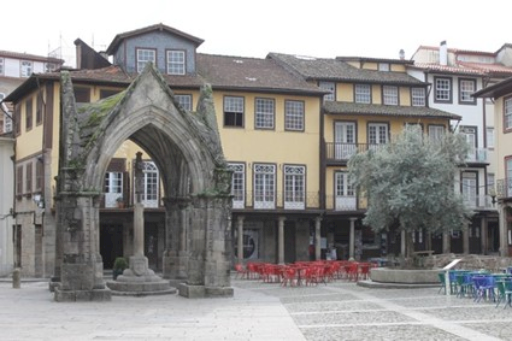
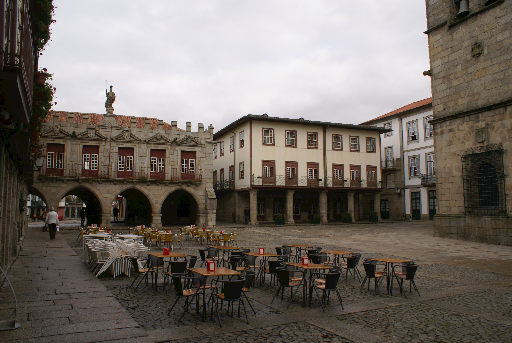
Oliveira Square
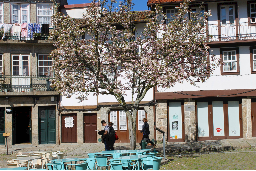
S. Tiago Square
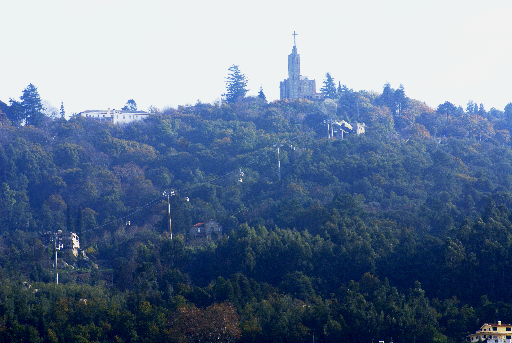
And let's not forget our mountain of Penha...
Come visit us and engage on a journey that takes you through the past, and the present, always looking to the future!
Credits
Photo credits
Manuela Paredes

- < BEGINNING
- END >
-
LIKE
-
COMMENT