






Just like you have to help keep your house clean, we as
humans living on Earth have to keep our planet clean so that
its safe for all animals and people. Let the Alphabet friends
show you how to do your part.




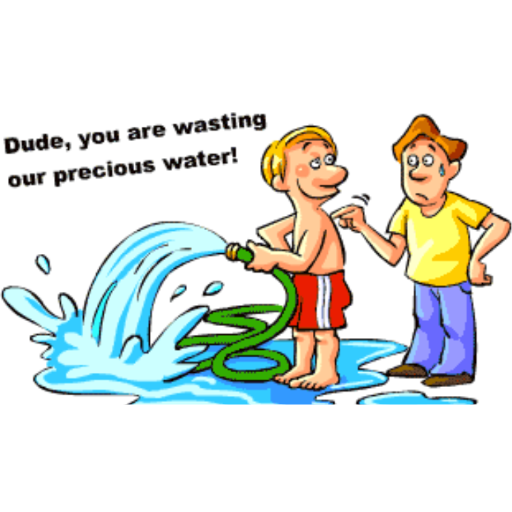










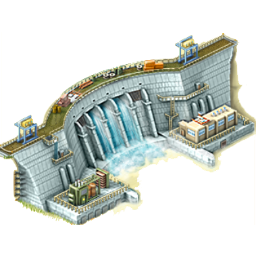



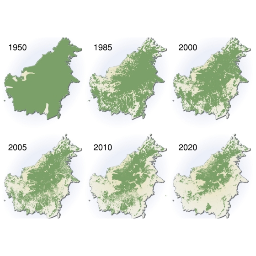














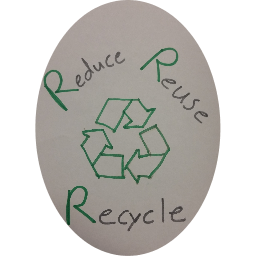

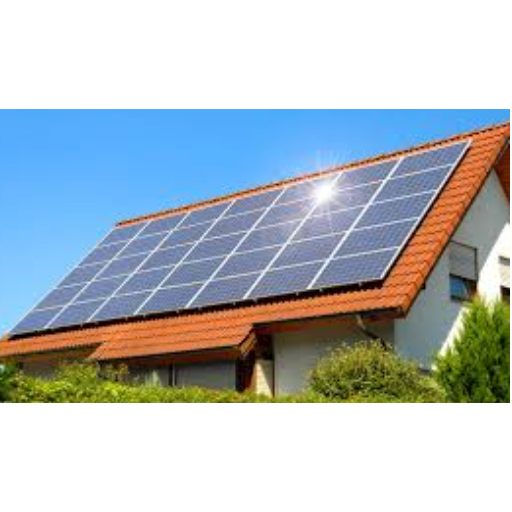

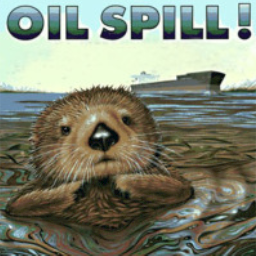

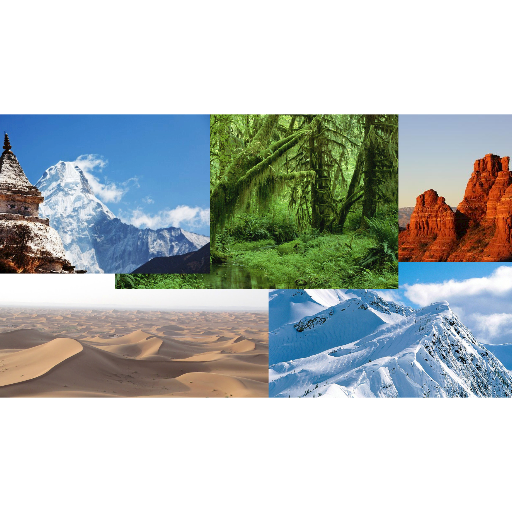




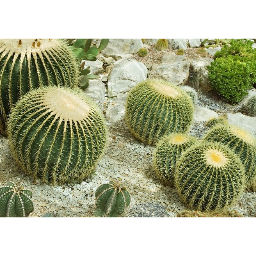
Xeriscaping is way of conservation not many people are aware of. Its a helpful way of gardening. It uses slow growing plants that retain water and can last in periods of little rain (like a cactus). Since they use less water you are actually saving resources!



Alternative - the choice of one or more options.
Decomposer - an organism, especially a soil bacterium, fungus, or invertebrate that decomposes organic material.
Decrease - to make or become smaller
Deforestation - the permanent destruction of forests in order to
make the land available for other uses.
Disaster - something that happens suddenly and causes much suffering or loss
Extinction - no longer existing, the act of being extinct
Generator - a machine by which mechanical energy is changed into
electrical energy
Glacier - a large body of ice moving slowly down a slope or valley or
spreading outward on a land surface
Greenhouse gas - any of gas compounds (such as carbon dioxide) that
absorb radiation, trap heat in the atmosphere, and
contribute to the greenhouse effect.
Habitat - the place or environment where a plant or animal naturally or
normally lives and grows.
Overabundance - too much or too great
Non-biodegradable - unable to be broken down by bacteria in the
environment and can cause damage to our ecosystems
Unique - being the only one of its kind
Vulnerable - open to attack or damage
*Definitions from Webster dictionary*
11 Facts About Endangered Species. (n.d.). Retrieved October 23, 2015,
from https://www.dosomething.org/facts/11-facts-about-endangered-species
Air Quality. (n.d.). Retrieved October 28, 2015, from http://www.clean-
airkids.org.uk/airquality.html
Avoiding Disposable Products –- What Are the Alternatives? (2009, October 28). Retrieved October 24, 2015, from http://ecosimply.com/avoiding-
disposable-products-what-are-the-alternatives-993.html
Gunther, M. (n.d.). Biodegradable and Non-biodegradable materials.
Retrieved October 27, 2015, from
http://wwf.panda.org/about_our_earth/teacher_resources/webfieldtrips/bio_nonbio_materials
How Can Kids Help The Environment. (2010). Retrieved October 25, 2015, from http://footprintseducation.org/kidz-zone/how-can-i-help.php
What is Pollution? (n.d.). Retrieved October 26, 2015, from
http://www.kidsrgreen.org/sapce_ship/pollution.html
Wind Energy Basics. (n.d.). Retrieved October 28, 2015, from
http://windeis.anl.gov/guide/basics/
Air Quality...4 Overpopulation...18
Biodegradable...5 Pollution...19
Conservation...6 Question Your Impact...20
Drilling...7 Reduce, Reuse, Recycle...21
Fossil Fuels...8 Solar power...22
Endangered Animals...9 Toxic...23
Global Warming...10 Unique Environments...24
Hydroelectric Energy...11 Vulnerable...25
Invasive Species...12 Wind Power...26
Jungle...13 Xeriscape...27
Kids...14 You...28
Littering...15 Zero Tolerance...29
Marine...16
Nonrenewable Resources...17

- < BEGINNING
- END >
-
LIKE
-
COMMENT