Bogdan and Varvara Khanenko Museum of Art
By Florian Makhynko

Bogdan Khanenko - In 1871 Khanenko graduated from the law department of Moscow University and served as a judge in St Petersburg and Warsaw. By the end of 1880 he retired and settled in Kiev, marrying Varvara Tereshchenko.Khanenko was a famous patron,He built a Museum of Western and Oriental Art with his unique and private foreign art collection. After his death, the museum opened up to the public and was named after the couple.
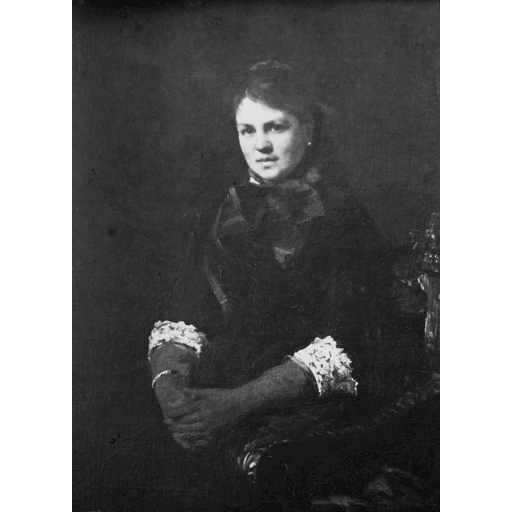
Varvara Nikolovna Tereshchenko - also known as Varvara Khanenko was the eldest daughter of the famous entrepreneur, Nikola Tereshchenko. Home schooled, she was interested, like her father, in art .Varvara Khanenko was the owner of the unique collections: icons from different eras, that she collected throughout Russia, Scythian gold accessories
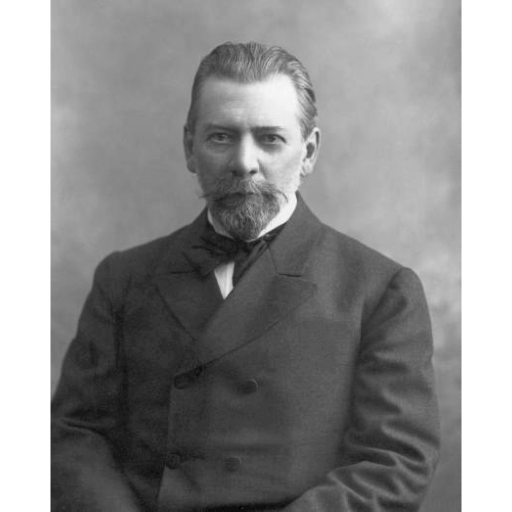
Bogdan Hanenko
Varvara Hanenko
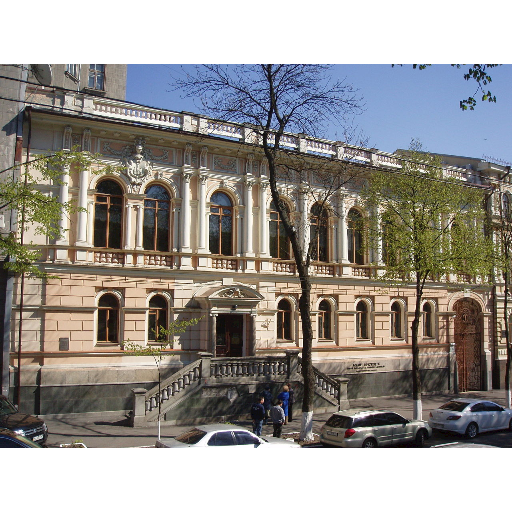
The Museum of Art named after Bogdan and Varvara Khanenko was founded in 1919 on the basis of their private museum. The museum is also called the Museum of Western and Oriental Art. Now it keeps one of the best collections of foreign art in Ukraine.The building of museum was constructed under the project of famous architect from Saint Petersburg F. Meltzer in the 80s of the 19th century. Then it was reconstructed and decorated several times according to plans of Khanenko family. Being the famous specialist in the history of Kiev V. Kovalinsky once said "this building was the shell and the architectural addition to the great art collections of Khanenko family.
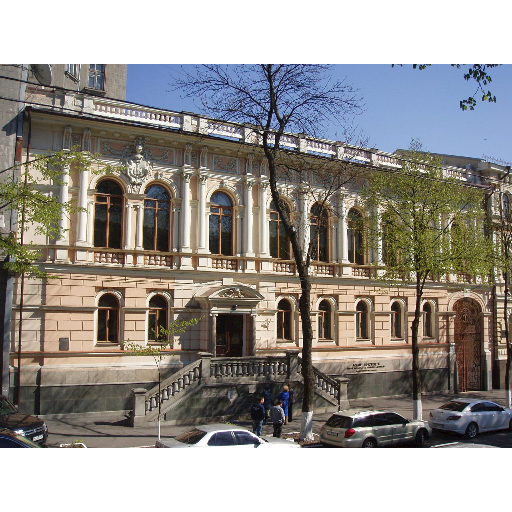
Museum
The collection of the museum consists of 25 thousands of exhibits and is considered to be the biggest foreign art collection in Ukraine.
Among the museum's collection there are real fine art masterpieces. There is, for example, the world-famous work of Diego Velasquez, The Portrait of Infanta Margaret, located in the Spanish hall of the museum
Spanish hall
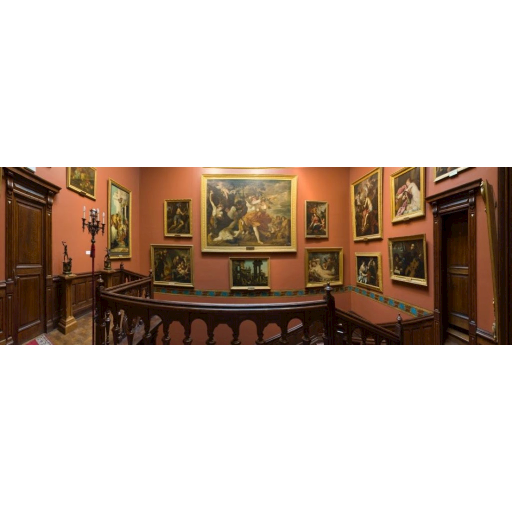
Spanish hall
The most famous work
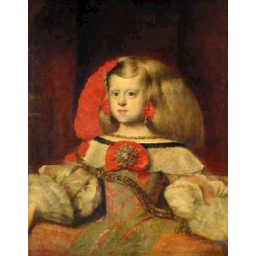
Diego Velázquez,
Portrait of Infanta Margaret, 17th century
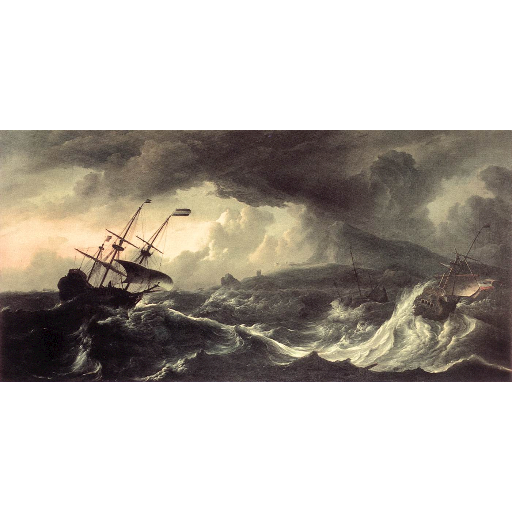
Claude Joseph Vernet,
A Storm in the Sea, 18th century
Thank you for attention
- < BEGINNING
- END >
-
LIKE
-
COMMENT