This is the collaborative book of the eTwinning project "Our Book of a magic Christmas".
Each school will share the Christmas traditions of its country, a traditional recipe, a Christmas legend, wishes in the country's language and in English, crafts.
All together the partners of this project will discover the magic of Christmas and they will share the beauty and the enchantment of this beloved festivity.

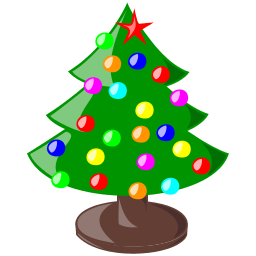


At christmas evening we eat rice pudding, roast pork, potatoes and brown sauce.
After we have eaten we dance around the Christmas tree and then we open our christmas presents.
When we dance around the Christmas tree, we hymns and christmas songs. At the end almost all families sing "nu det jul igen" - when you sing "nu det jul igen" you run around the house in a long chain.
In December you will have Christmas lunch that you can do with family, friends, work, for example.
Christmas evening in Denmark
Traditions at school in Denmark
In class we have a christmas calender where all pupils have brought a present for a classmate. Each day we draw a name and the person must guess who has brought the present.
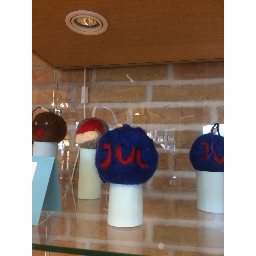
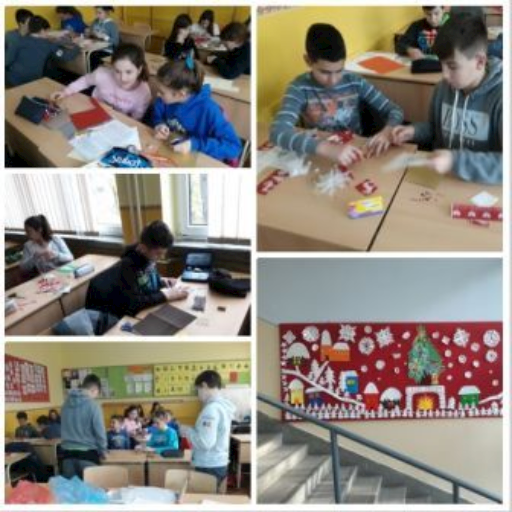
We have a tradition called “julemik” where all pupils make decorations for the school. The day before our vacation, we can bring it home.
The last day before holiday we go to church. We also dance around the school, all children.
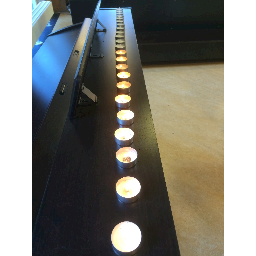
Christmas decorations at our school in Denmark
Danish christmas duck
Clean the duck thoroughly, rinse it well both inside and out and be sure to remove impurities and blood residues.
Give it a good deal of salt both inside and outside - more than you think, especially inside - also remember a good deal of freshly ground pepper.
Clear apples and put them inside the duck.
Turn on the oven at 130 degrees and put it the oven for 6 hours.
Same some of the gravy for the duck sauce.
Julemanden
“Julemand” is the danish word for Santa Claus.
Julemanden comes at christmas evening - it is an old danish tradition where your dad or someone else dresses up as the santa claus. He doesn't arrive down the chimney but he knocks on the door and as he walks in he says his iconic “ho ho ho” he walks in and all of the kids are excited when he enters with a big bag full of christmas gifts. The kids get their present, he then walks out of the door again and on to the next house.

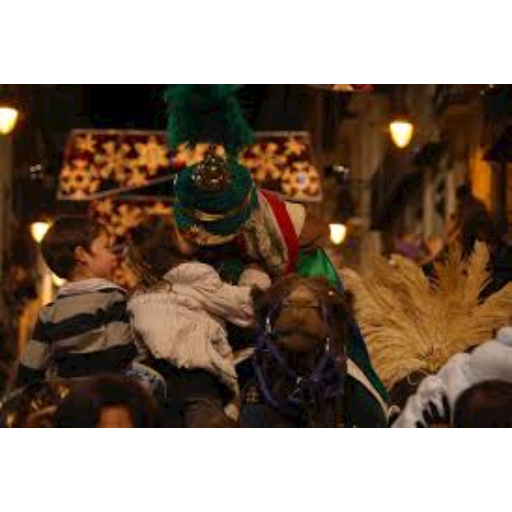
Our kids are so excited about the arrival of the three wise men and...the presents!
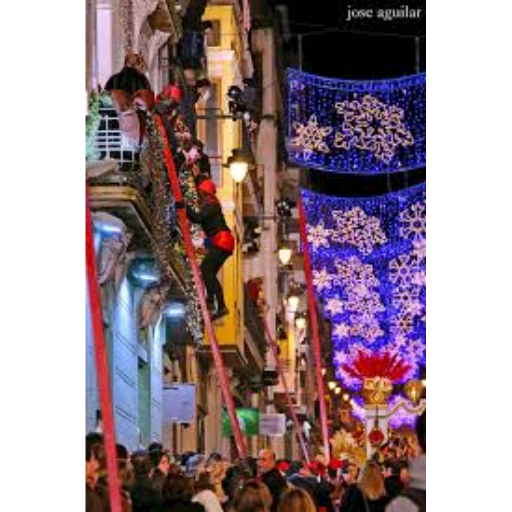
Danish tradition: Saint Lucia
We celebrate "lucia" in memory of the Christian virgin Saint Lucia who died as a martyr. "Lucia wanted to help her fellow people and went out for the night to hand out food to the poor. In order to see in the darkness of the night, and at the same time have her hands free to help, she carried a wreath of light on her head.
When Lucia's mother later on miraculously sees quick after being deadly ill, Lucia promises to dedicate her life to Christ. Lucia therefore refused to marry the man whom family after the custom had promised her away to."
"Now the light is brought forth ..."(Nu bæres lyset frem) How to begin the popular song about Santa Lucia. It is sung by white-laced lucia bridal in the traditional march on December 13th. Over the years, the custom of Lucia march has spread to schools, churches and Christmas celebrations throughout Denmark.
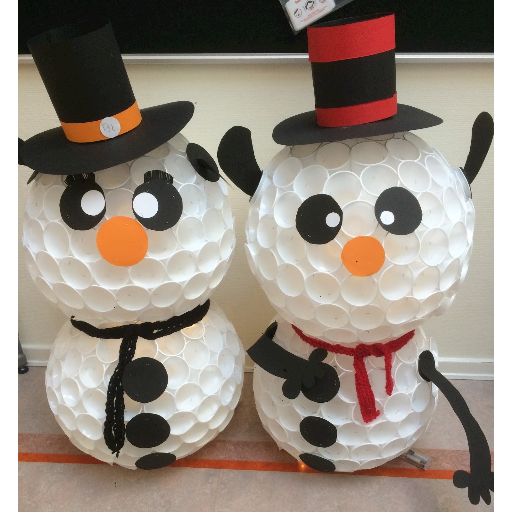
Merry Christmas from Denmark
Every 5th of January we celebrate the three wise men's parade in Alcoy
however...they are so excited about knowing your christmas traditions... how do you celebrate christmas in your country?
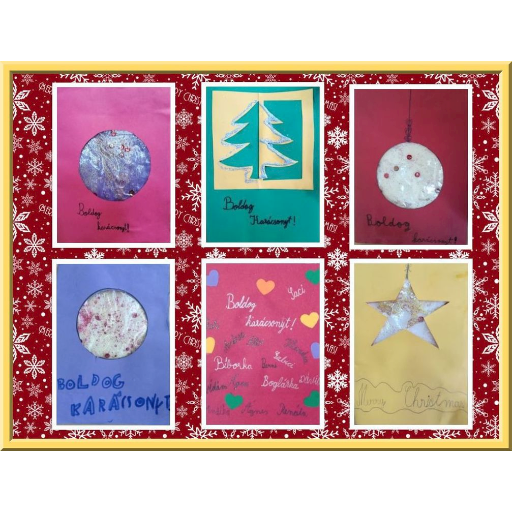
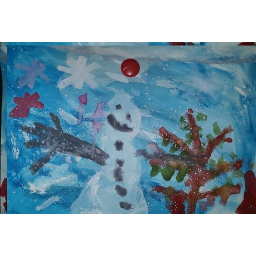
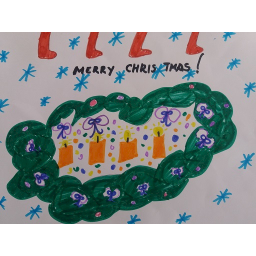
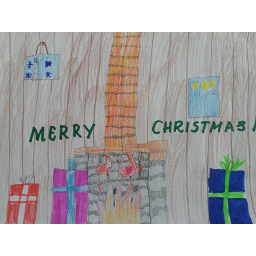
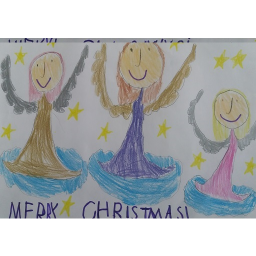
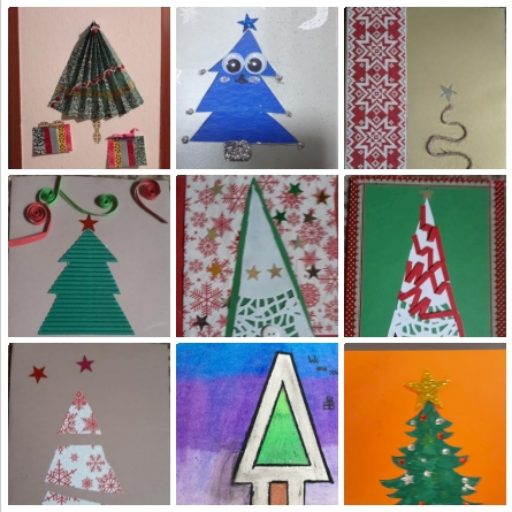
let's have a look to the christmas cards....that we made for you....with lots of love!!!
Bulgárföldi Általános Iskola 1.b
Judit Suszterné Fükő
Hungary
Christmas traditions in Hungary
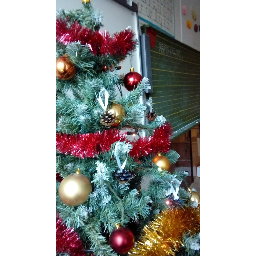
Christmas is not the only wintertime tradition, a whole series of celebrations gathered around it. Today, the Christmas-tree and gift-giving are in the spotlight. There are many interesting feasts during the time of advent, with their own traditions. This period lasts for four weeks, from the first Sunday of Advent until the last, which is mainly around the 24th of December, the Day of Adam and Eve; although the whole Christmastide lasts until Epiphany, the 6th of January. We Hungarians held and still hold many interesting traditions that are worth mentioning at this time of year.
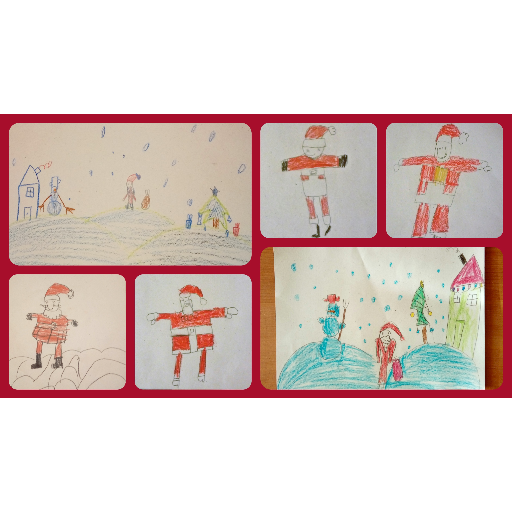
Traditions, legends
DAY OF SANTA CLAUS (SAINT NICOLAS’ DAY)
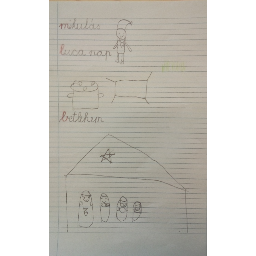
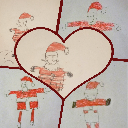
The night of the 5th and the dawn of the 6th of December is the day of Saint Nicholas, known today as ‘Mikulás’ in Hungary. He is the patron of students and children, walking around the town on this day in his red cloak and bishop mitre giving presents to them.
LUCA DAY
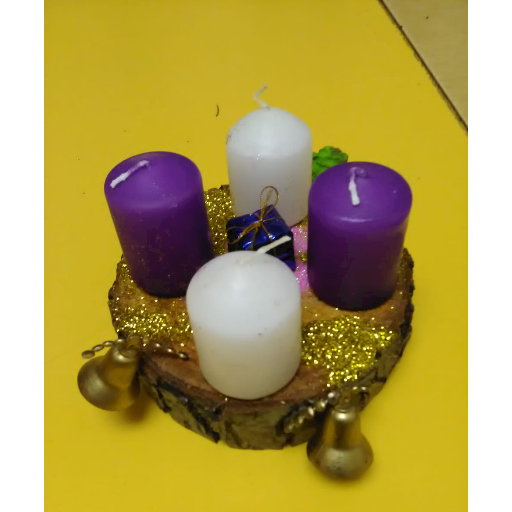
Hungarian traditions concerning Christmas start on the 13th of December, which is Luca Day. At the same time we make Advent wreaths with four candles that symbolise the four Advent Sundays leading up to Christmas. Families light one more candle every Sunday.
Legend of Lucia
It comes from Sicily. Legend has it that Lucia, born into a noble family, once went on a pilgrimage with her sick mother to the grave of Saint Agatha, Catania, to ask for her mother’s recovery. After the magical recovery Lucia vowed to chastity and cancelled her wedding. To take revenge, her fiancé reported her to the judge for her faith. They wanted to put her through torture but they weren’t able to violate her so they decided to burn her at the stake. Neither fire, nor hot oil could hurt her, so they stabbed her throat with a sword. Still, she only died after she finished her prayer.
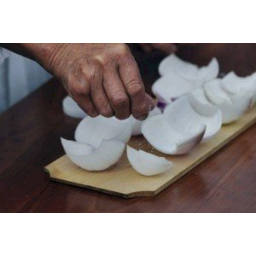
People tried to forecast the weather based on the period between Lucia Day and Christmas. This meant 12 days which represented the weather of the next 12 months. This is called the Luca calendar. Another way to forecast the weather was the ‘onion calendar’ which meant cutting an onion into 12 pieces and putting salt on the pieces. The piece that became the most moisty represented the rainiest month in the following year.
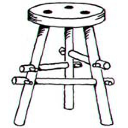
The most famous tradition is the carving of the Luca chair which is made out of 9 different wood types and forms a pentagon. It needed to be finished until Christmas Eve but you could only do one procedure a day. This is where the saying ‘It is made slowly like the Luca chair’ comes from. The maker of the chair then took it to the midnight mass. If he sat on the chair he could see who the witches were. Then he had to run home quickly while sprinkling poppy seeds behind his back so that his chasers couldn’t catch him. At home everyone was safe, but the maker had to burn the chair.
The planting of wheat is also connected to Luca Day. You put the wheat into smaller pottery and water it until Christmas. The more it grows and the greener it gets the richer the next year will be. It was forbidden to do any kind of house work on this day because it could cause misfortune.
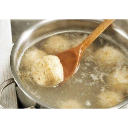
To forecast the future husband’s name was to put these pieces of paper into dumplings. Girls then started cooking the dumplings in boiling water and the one which first came up to the surface of the water was the one containing the right name.
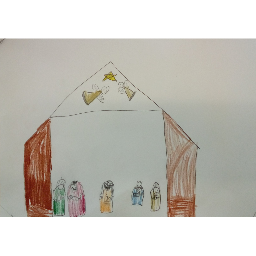
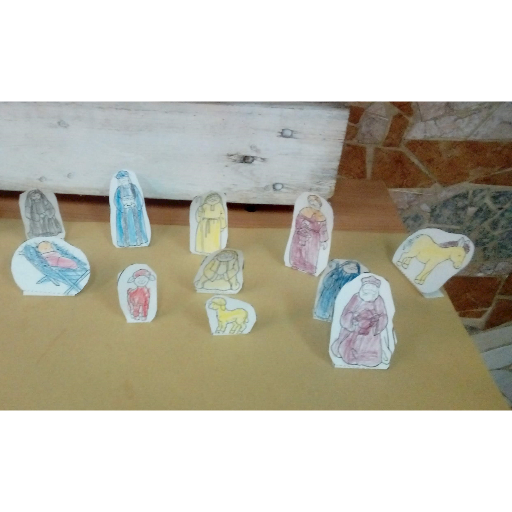
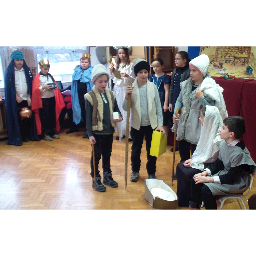
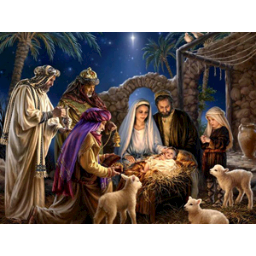
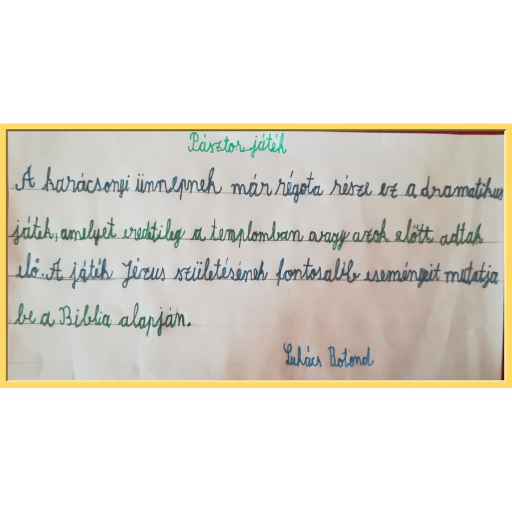
The most famous Christmas tradition is probably the Bethlehem game. This dramatic game has been part of the celebration for a long time and it was originally performed in churches or in front of churches. It shows the birth of Jesus. In some regions, the aim of the game is to dismiss ghosts by making a lot of noise. It is called regölés.
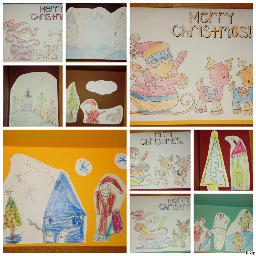
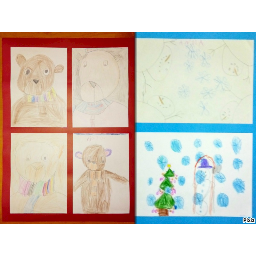
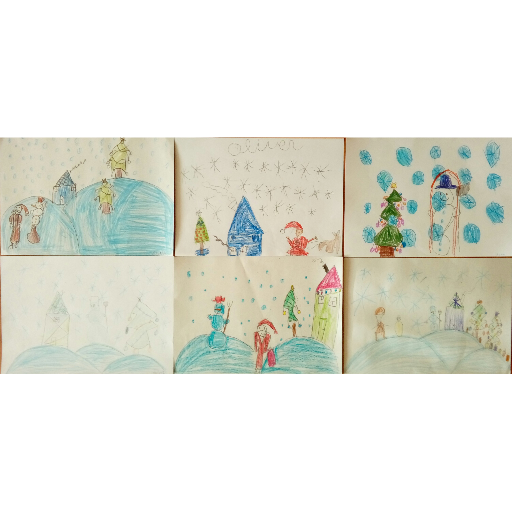
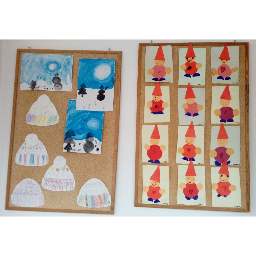
Christmas Eve
The festive dinner is the highlight of Christmas Eve. After dinner, Catholic families go to the midnight mass on the 24th of December. Calvinists also go to church service during the day. On the 25th and 26th of December, families usually visit their acquaintances and spend quality time together. The 27th of December is the day of Saint John and the consecrations of wine. Families used to bring wine to the churches which were then blessed by the priest since it was believed that blessed wine had magic powers. They cured sick people and animals with it, and poured it into wine-casks to preserve it.
Recipes
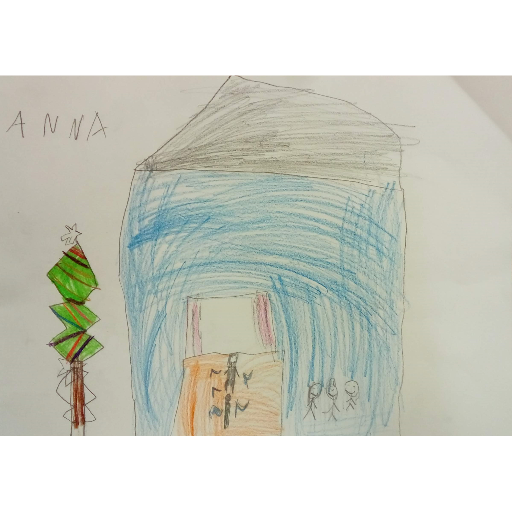
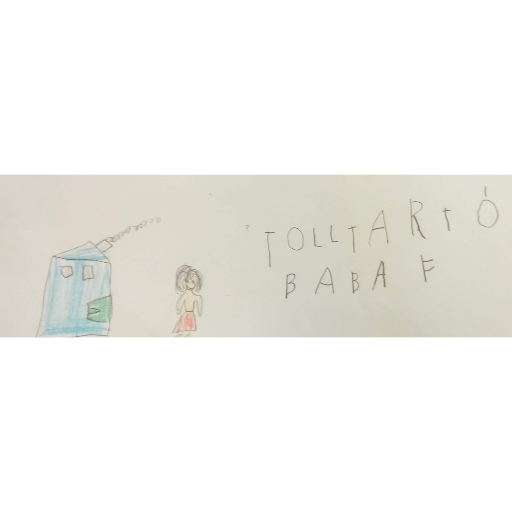
Christmas wishes
The Living Nativity Scene
Como Rebbio Primary School, Como - ITALY
An Italian tradition: the living Nativity scene
The living Nativity scene is a Christian tradition that aims to represent the birth of Christ, with true people.The first living Nativity scene in history was an idea which Saint Francis of Assisi had in 1223, in the village of Greccio, near Rieti.
He prepared a manger, brought animals and organized a procession to the cave.That night, a miracle occurred: a real Christ child appeared and Saint Francis was holding Him in his arms.
Since then, the tradition diffused to the rest of Italy and to other Christian countries.
In Lombardy, this tradition is more recent than in the Italian southern regions. The living scene is organized by the whole city, or village and the characters are usually the inhabitants.
The most beautiful living scenes are in Matera, Greccio, Alberobello, Lecce, Benevento and Trento.
A Christmas legend from Italy
A popular legend tells of a nobleman and falconer named Ughetto, who fell in love with Adalgisa, the daughter of a baker whose business had hit upon hard times. Ughetto’s family were unhappy with his choice and forbade him to marry such a lowly girl. In a bid to continue seeing his lover, Ughetto in disguise took a job at the bakery where one day after selling some of his falcons, he purchased butter and sugar and added it to the bakery’s bread mix. Ughetto’s sweet bread became popular and the ailing bakery soon began to see better times, which pleased Adalgisa. To continue pleasing her, one day near Christmas, he added candied peel and raisins to the mix and the popularity of his bread surpassed everything the bakery had ever produced before - in fact it became so popular that his family relented and gave their permission for the couple to marry.
The Legend of Panettone
A traditional Italian recipe
Miascia, Christmas cake of Lake Como
In Como, the symbol of Christmas party is Miascia, a cake which in the past was consumed instead of a meal or to celebrate parties or anniversaries. It is one of the poorest desserts of Como's tradition, prepared with stale bread to which dried fruit and fresh fruit are added.
Ingredients
500 g of stale bread
half a litre of milk
half a glass of liqueur for desserts
15 crumbled macaroons
50 g pine nuts and 100 g raisins
2 eggs
70 g sugar
2 apples cut into thin slices and 2 pears cut into thin slices
grated lemon peel
50 g melted butter
flour spoon
Preparation
1) Soften the bread into small pieces with milk and liqueur for about 2 hours
2)Add all the other ingredients to the softened bread (pinenuts, crumbled macaroons, raisins, eggs, sugar, grated lemon peel, butter, flour) and mix well
3)Butter and flour a cake tin and pour the dough
4)Heat the oven to 200 grades
5) Bake for 15 minutes at 200 grades, then for 20 minutes at 150 grades
6) Remove from oven and allow to cool
7) Sprinkle with powdered sugar and taste.
Miascia, traditional Christmas cake of Lake Como
Miascia, traditional Christmas cake of Lake Como
Merry Christmas from Como Rebbio Primary School
Christmas at table


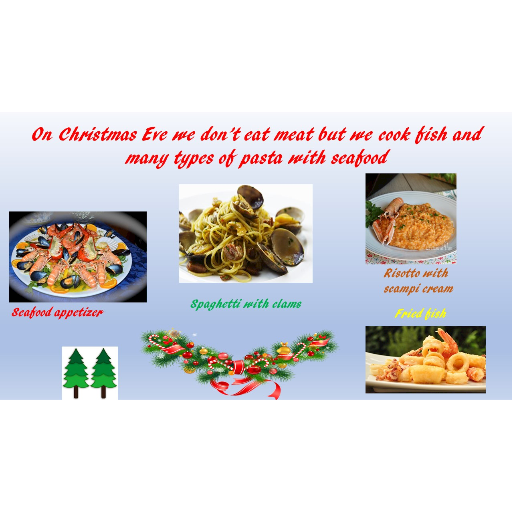
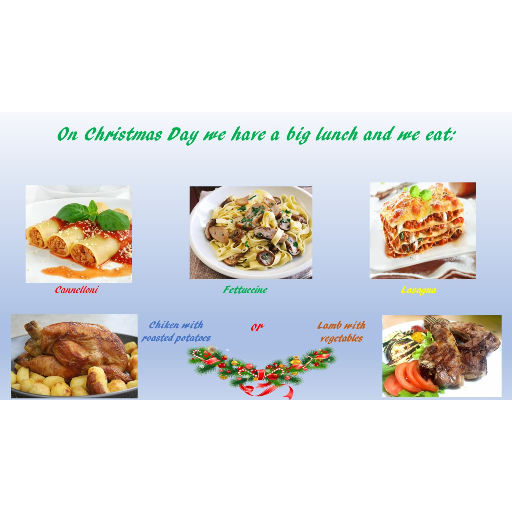
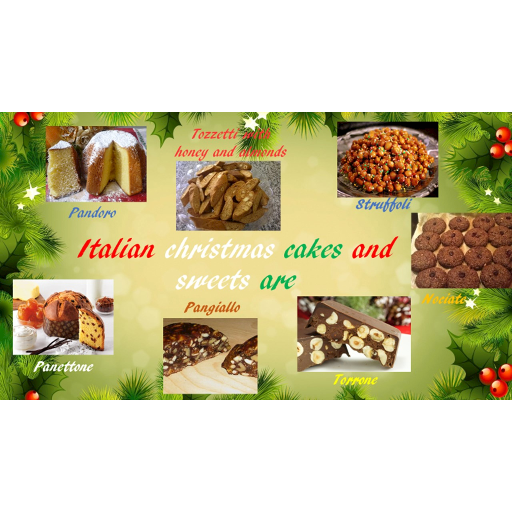


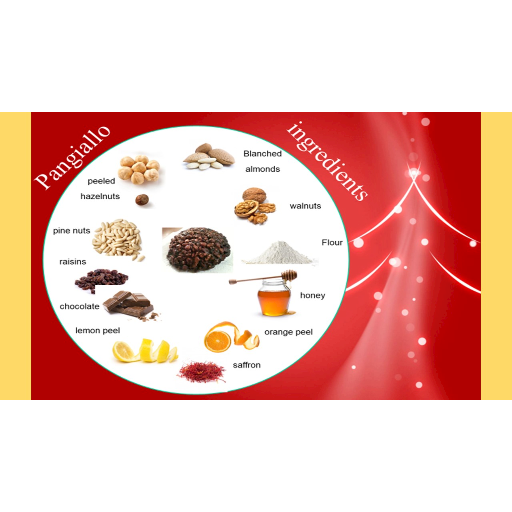
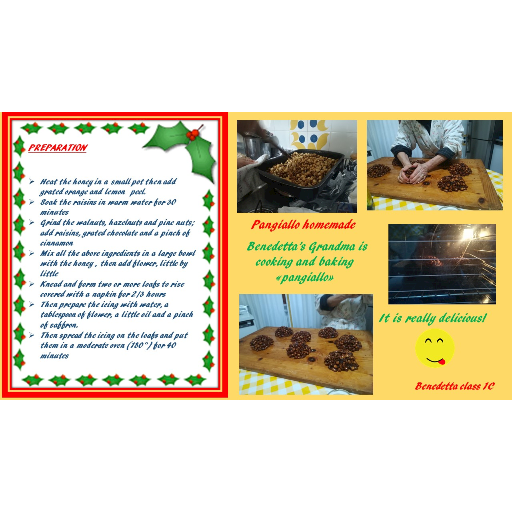
"Pangiallo" a traditional Roman recipe


CHRISTMAS AND NEW YEAR CELEBRATIONS IN ARMENIA
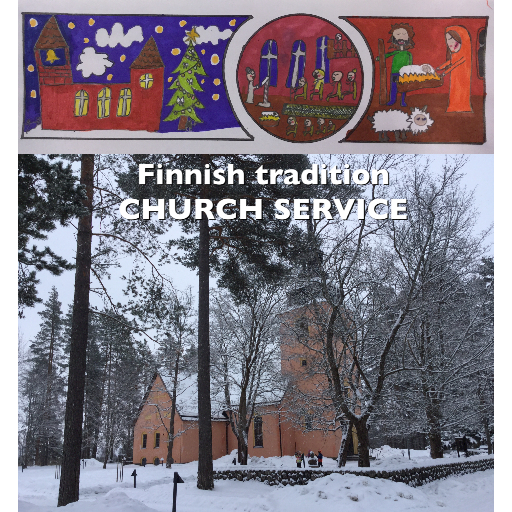
The first advent is the most popular day to take part in church service. We sing psalm "Hoosianna"
with pride and joy!
In the Christmas eve we light candles to the gravestones.
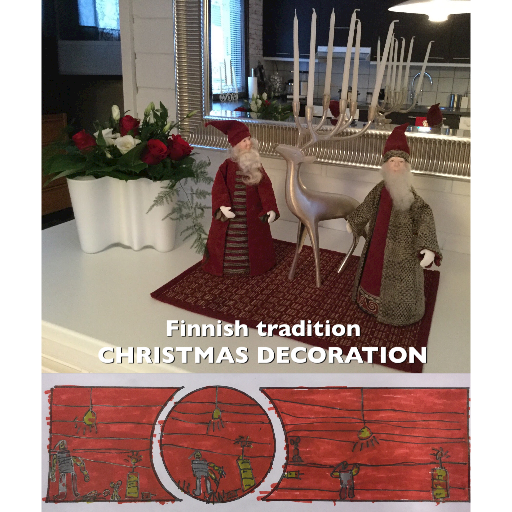
We clean the house and decorate it.
Red, green, grey, gold and silver are the most popular colours.
We have flowers, fruits, peanuts, figures like elfs and Santa Claus, angels and Nativity Scene of cource.
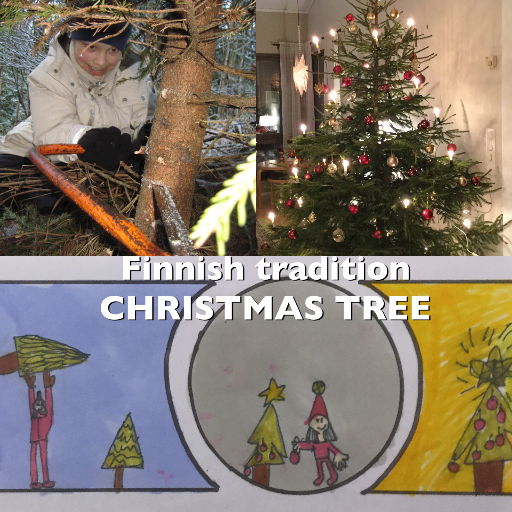
The Christmas tree is got from the forest or bought from market places.
Children decorate it with balls and candles.
The star is put top to the tree.
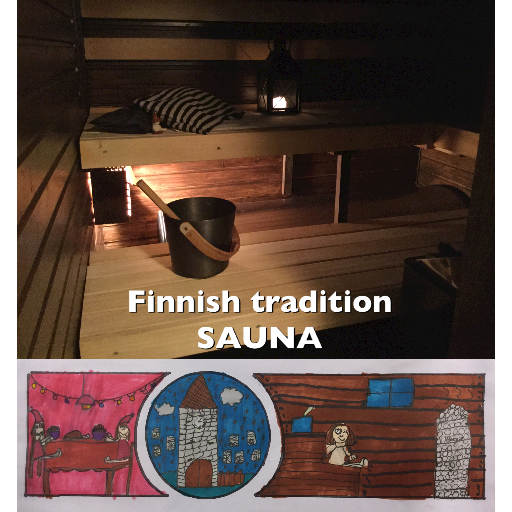
The sauna has been the most important traditon in Finland throw ages.
We can go to sauna to relax and enjoy of peace.
Sometimes we can run out and roll in the snow and make angelfigures!
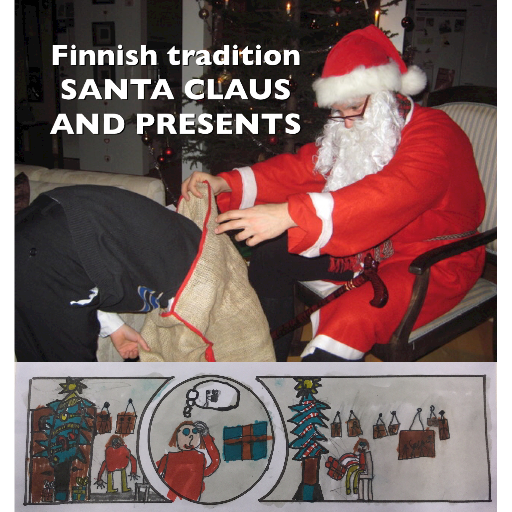
Christmas is for children!
Santa Claus visits and brings presents!
He often asks how the children have behaved themselves during the year.
Children usually sing to the Santa Claus.
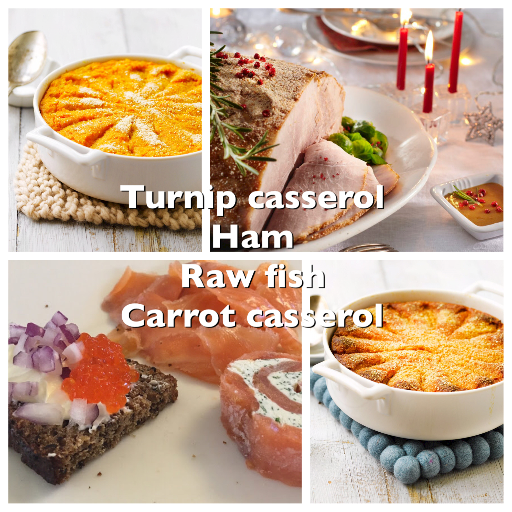
MENU
Starter:
Different kind of fish like raw and smoked.
Cooked potatoes and salad.
Main dish:
Ham, casserols of turnips, carrot and potatoes
Dessert:
coffee and plumpie
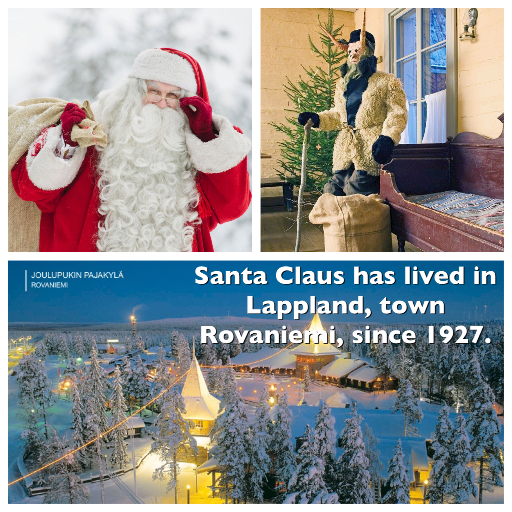
THE LEGEND
Before Christian time we celebrate the middle winter fest. Young adults wore a goat suit and made some nasty jokes to their neighbours. Children were afraid of them.
Nowadays Santa Claus is kind old man, with The Rudolf the Rednose reindeer!
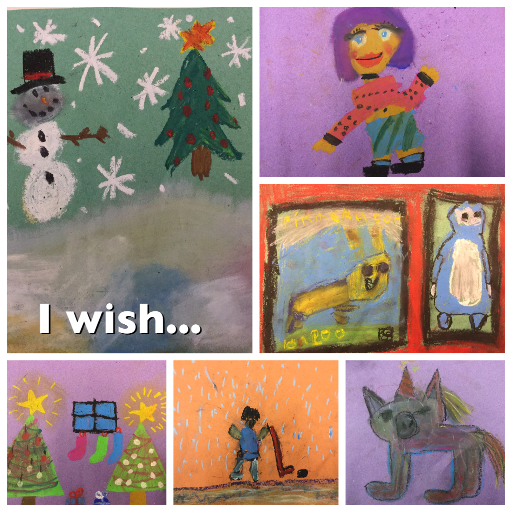
...to go to the grannies.
...to bake the gingerbreadhouse.
...to eat Christmas ham.
...to decorate the christmas tree.
...to go to the Lappland.
...to hug the Santa Claus.
Christmas
in Romania-Transylvania
Petőfi Sándor Technological High School, 3 SBS
Julianna Szabó
The period from Christmas begin with the first Sunday of Advent lasts until Epiphany, the 6th of January.
During this period, the Transylvanian Hungarians preserve many interesting traditions: Advent wreaths, Santa Claus, Looking for lodgings, installing and lighting of Christmas trees, gingerbread, candy canes, and the creation of Nativity scenes depicting the birth of Jesus Christ, midnight Mass on Christmas Eve, House Blessings.
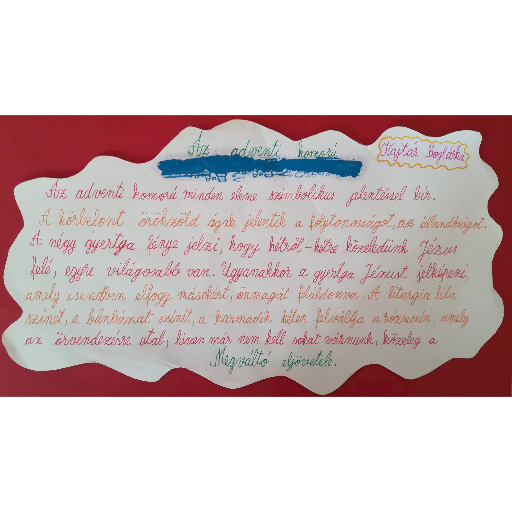
The Advent Crown, made of woven fir branches and four candles, representing the four seasons of the year. The four candles are lit one by one, on each of the four Sundays before Christmas.
Christmas celebrations begin with Advent, the first day of which is the Sunday that falls closest to St. Andrew’s Day, from then on all loud musical entertainment was forbidden.
Our
Advent Crown
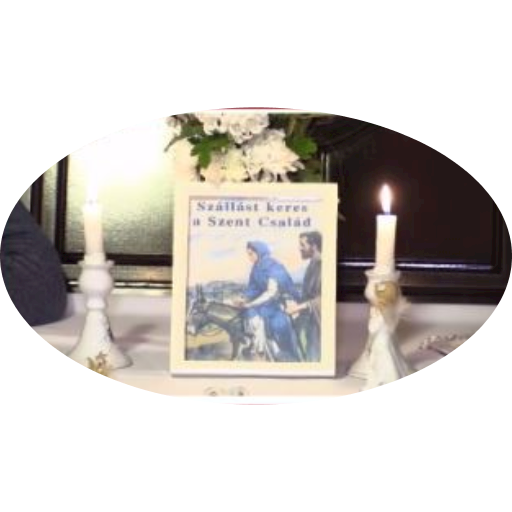
A custom called “Looking for lodgings” is a recent religious custom.
Nine families gathered together and from December 15 on carried the picture of the Holy Family to a different house every day, singing and praying in front of it.
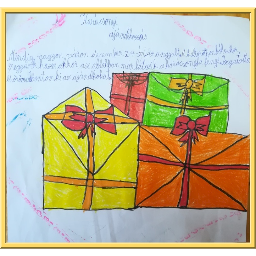
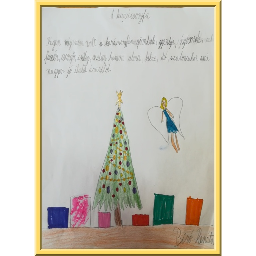
Before Christmas the children write/draw a letter to the angel in which they write what gift they want for Christmas. The letter is put in the window and the angel takes it.
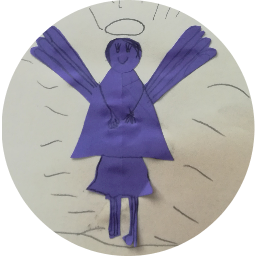
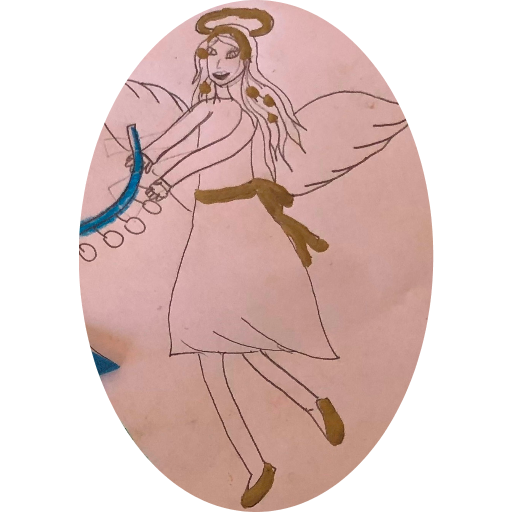
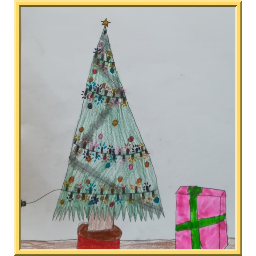
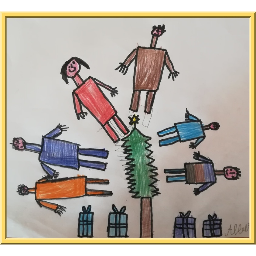
In the evening the Angel delivers the presents. This is the most intimate moment of Christmas, featuring warmly lit Christmas tree and candles, soft Christmas music, family singing of Christmas or religious songs and gift pack openings.
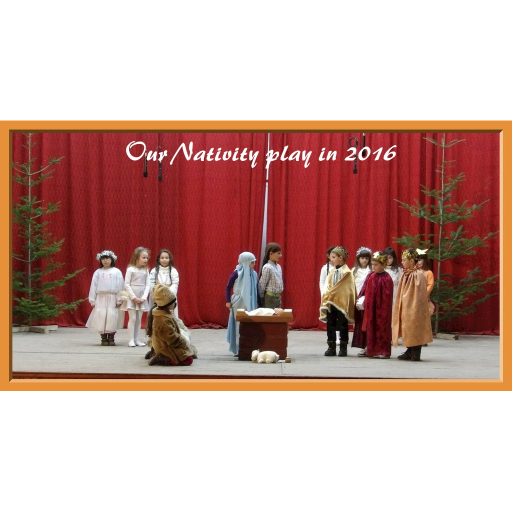
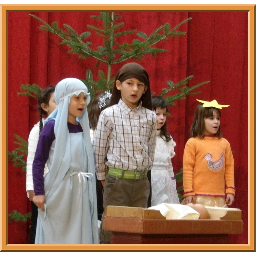
The most popular Christmas custom is the
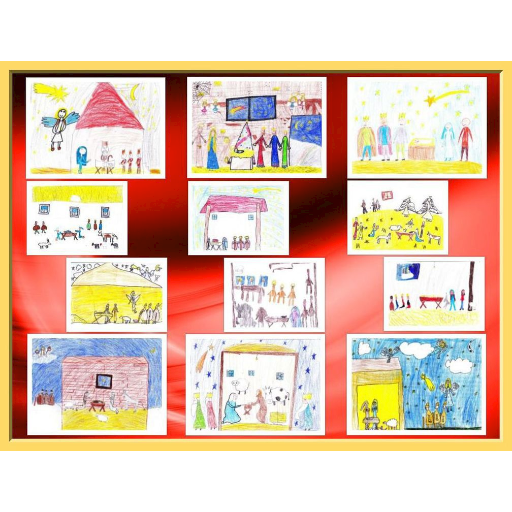
Nativity play,
in which children present the birth of Jesus.
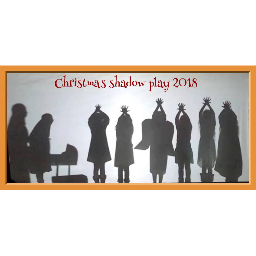
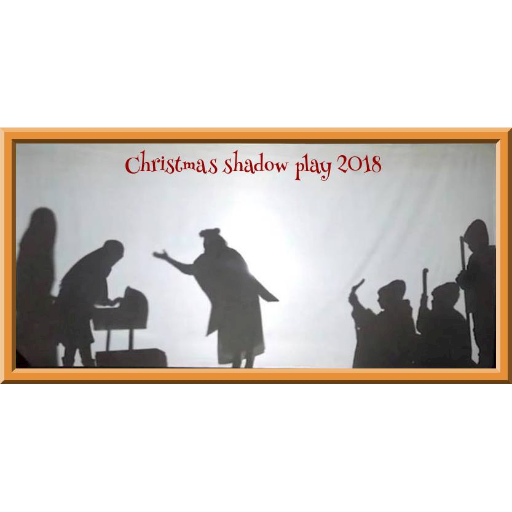
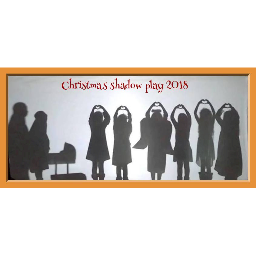
The decor of the church is the Nativity Scene.
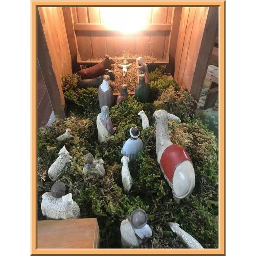
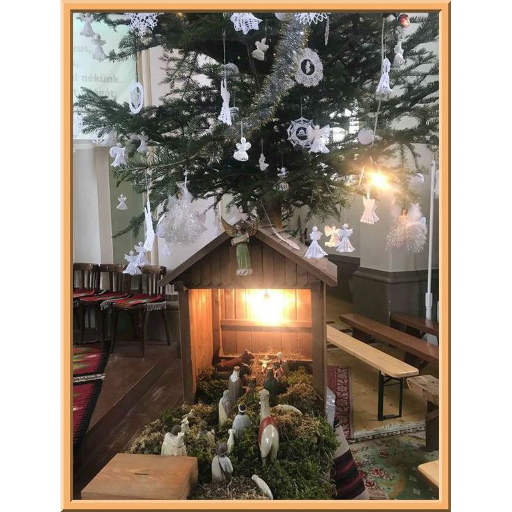
Nativity Scene
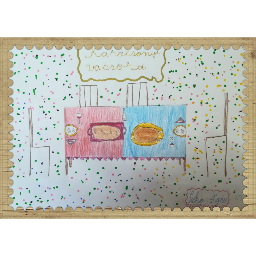
Traditional
dishes of the
Christmas Eve
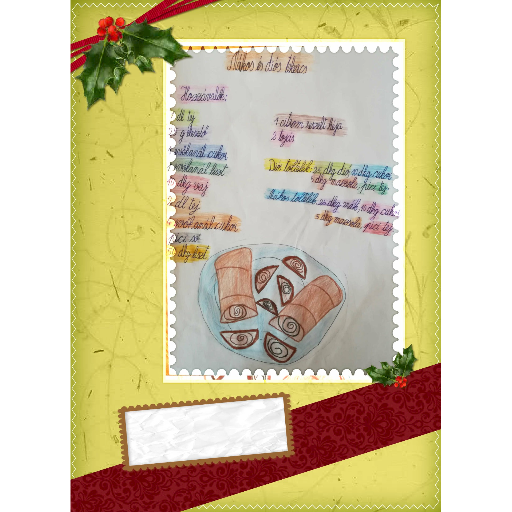
Beigli
with walnut and poppy seeds
Transylvanian Stuffed cabbage
Gingerbreads
In Romania, an ancient Christian tradition of Roman Catholic Hungarian families
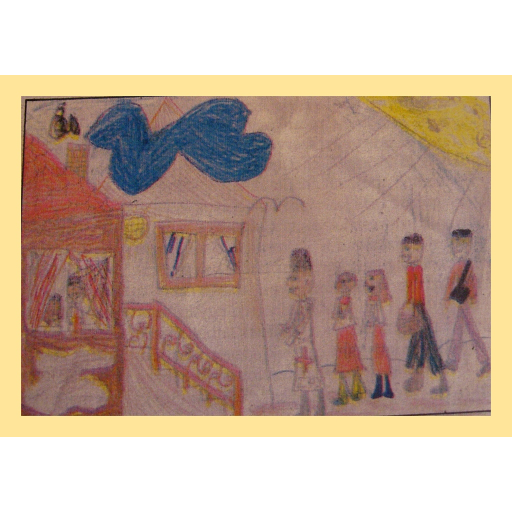
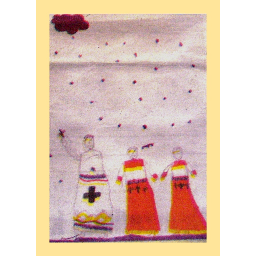
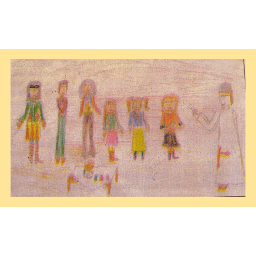
Epiphany House Blessing
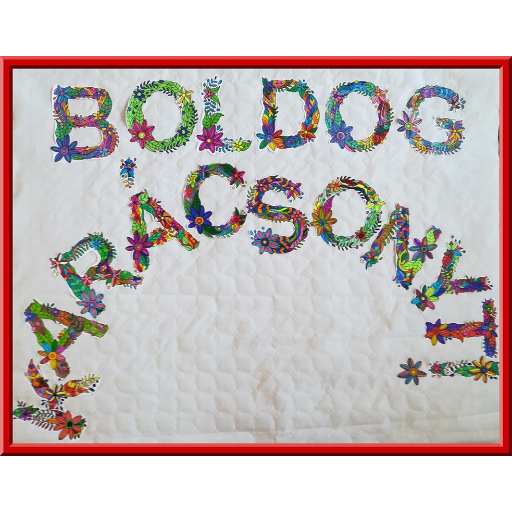
Christmas wishes
Christmas in Prosotsani Greece
1st Kindergarten
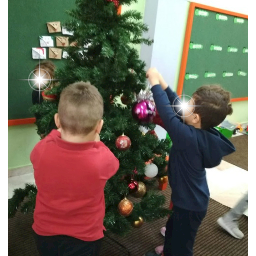
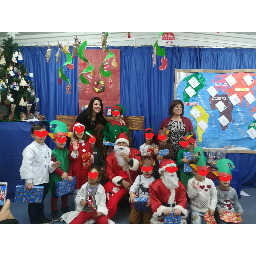
On Christmas Eve and New Year's Day, children, often go out singing 'kalanda' (carols) in the streets. They play drums and triangles as they sing and giving them money. All people decorate a Christmas tree
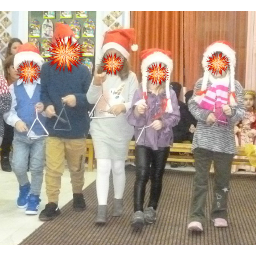
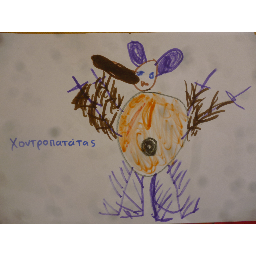
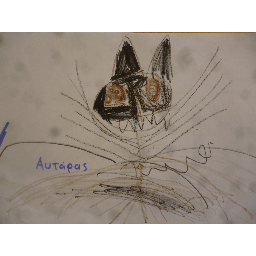
A custom is also the 'kallikantzaroi' (bad spirits) away. The kallikantzaroi are meant to appear only during the 12-day period from Christmas to Epiphany (January 6th). They are supposed to come from the middle of the earth and get into people's house through the chimney! The kallikantzaroi do things like putting out fires and making milk go off. Having a fire burning through the twelve days of Christmas is also meant to keep the kallikantzaroi away (burning old shoes is meant to be a very good way of scaring off the kallikantzaroi).
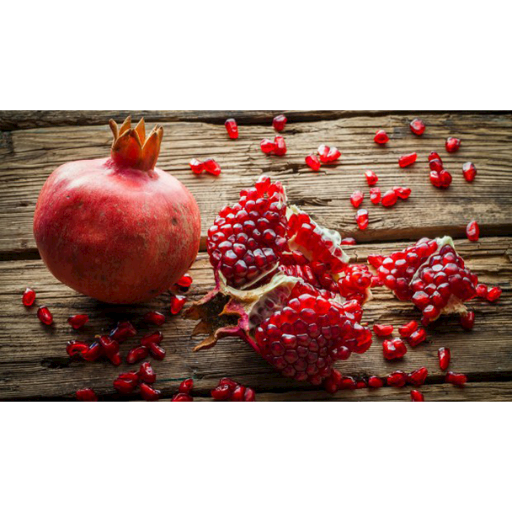
In many parts of Greece, people hang a pomegranate above the front door of their house. By the New Year, when the fruit will have dried, Greeks throw it on the ground so it breaks, and step into their house on their right foot. According to tradition, this brings good luck for the year to come.
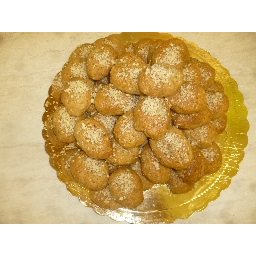
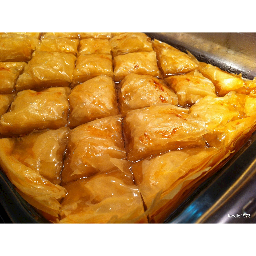
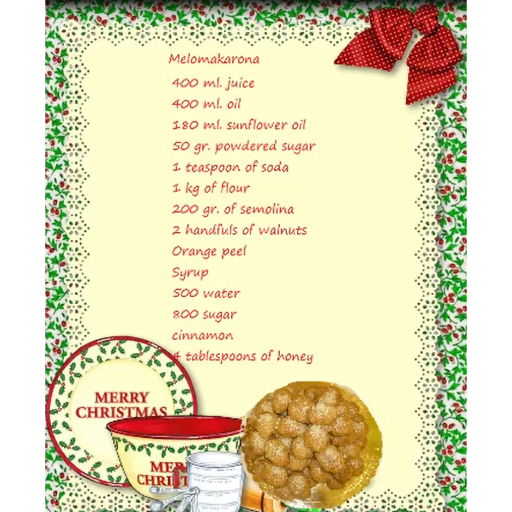
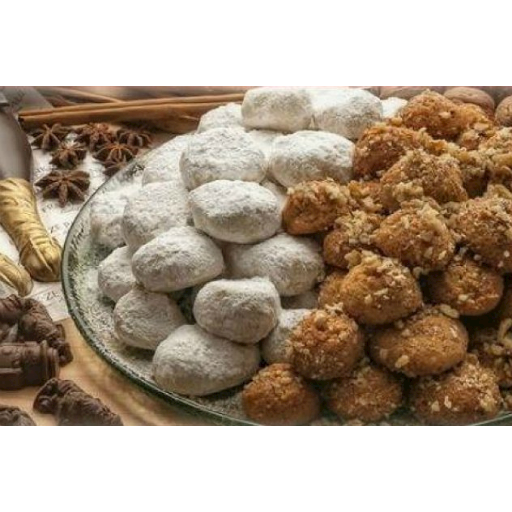
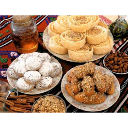
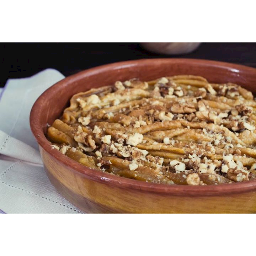
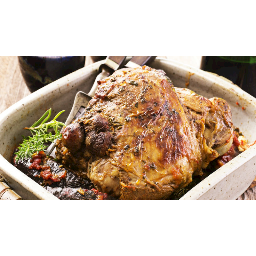
The main Christmas meal is often lamb or pork, roasted in an oven or over an open spit. It's often served with a spinach and cheese pie and various salads and vegetables. Other Christmas and new year foods include 'Baklava' (a sweet pastry made of filo pastry filled with chopped nuts and sweetened with syrup or honey), Kataifi (a pastry made from a special form of shredded filo dough and flavored with nuts and cinnamon), Theeples (a kind of fried pastry). The pastries are either eaten for breakfast or as starters. Another popular Christmas dessert are melomakarono, egg or oblong shaped biscuit/cakes made from flour, olive oil, and honey and rolled in chopped walnuts.
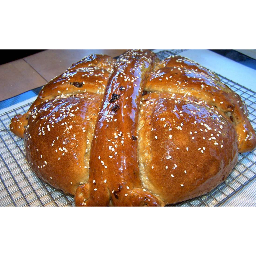
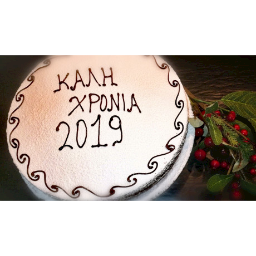
Christopsomo is the bread that is made on Christmas Eve, which has a cross carved into the top crust before it is baked. On Christmas Day, the head of the household makes the sign of the cross above the loaf of bread, cuts it and gives a piece to each person at the dining table. Vasilopita is a cake that is eaten on New Year's Day. Before the cake is baked, a coin covered in foil is placed in it. The New Year is written on top of the cake with almonds. The person who cuts the cake makes the sign of the cross three times above it and then starts serving the pieces, one to each person, the house, Christ, The Virgin Mary and Saint Vasileios. Whoever has the coin in his piece of cake will have luck for the rest of the year.
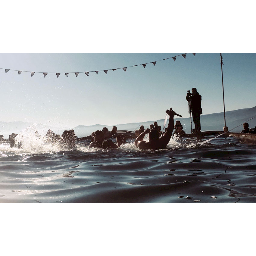
In Greek Happy/Merry Christmas is 'Kala Christougenna'. Presents are often brought to children by Aghios Vassilis /(Saint Basil) on the 1st January. People in Greece also celebrate Epiphany on the 6th January. In the Greek Orthodox Church, Epiphany celebrates Jesus's baptism when he was a man. It's also known as 'The Blessing of the Waters'. There are many events throughout the country where young men dive into really cold lakes, rivers and the sea to try to be first to get a cross which has been blessed by a priest and thrown into the water. Whoever gets the cross first is meant to have good luck during the coming year. Epiphany festivals also include blessings of boats & ships, music, dancing and lots of food.
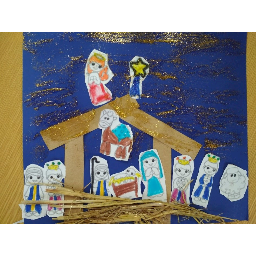
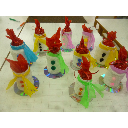
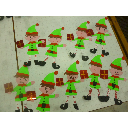
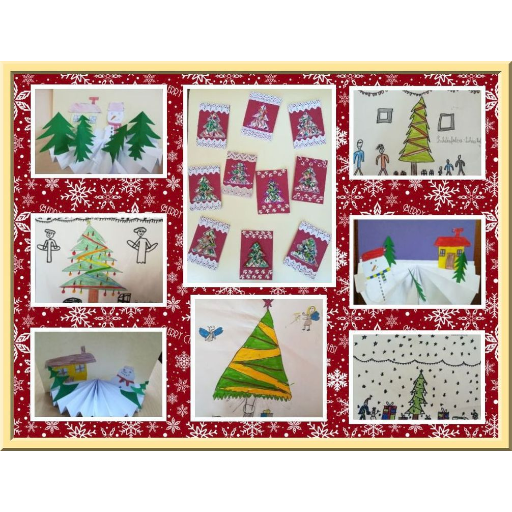
We made Christmas crafts
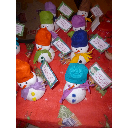
Christmas in
Lithuania
Christmas Eve (Kūčios) is the last day of Advent, so it is important and special as and Christmas day. But before the meal can be eaten, the whole house is cleaned, the bedding is changed and everyone washes and puts on clean clothes ready for the meal. Some people thought being clean helped to protect them from evil or diseases during the coming year. Many people fast (don't eat anything) during the day. The Kūčios meal also shouldn't contain any meat. Straw is a traditional decoration. Is it normally spread on the table top and then covered with a clean, white tablecloth. The table is then decorated with candles and small branches or twigs from a fir tree.
The Kūčios meal normally has 12 dishes - one for each of Jesus's followers. None of the dishes contain meat (and some people also don't have milk or eggs in them). Traditional and popular dishes include fish (often herring), kūčiukai (small sweet pastries) normally soaked in poppy milk, kisielius (a drink made from cranberries), dried fruit soup, vegetable salad, mushrooms, boiled or baked potatoes, sauerkraut, a kind of wheat porridge with honey and bread. Sweet dishes are also often eaten including kissel (a fruit soup/jelly thickened with potato flour) and stewed fruit compote.

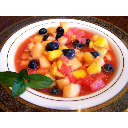
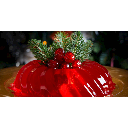
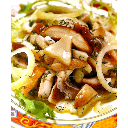
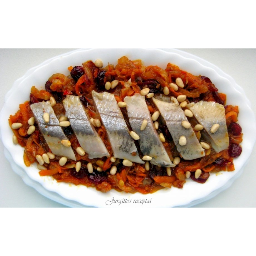
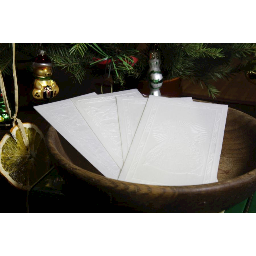
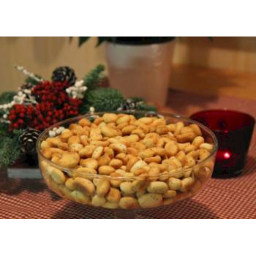
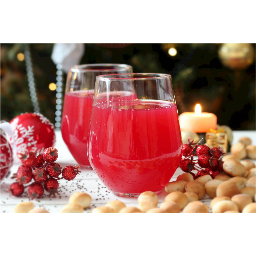
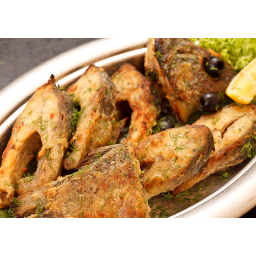
KALĖDAIČIAI HERRING MUSHROOMS
KŪČIUKAI KISIELIUS FISH
CHRISTMAS EVE DISHES
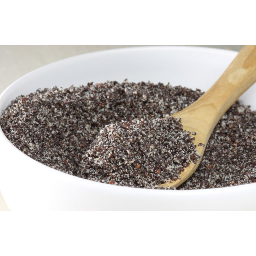
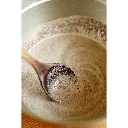
Poppy Seed Milk (Aguonpienis)
1 cup poppy seeds
5 to 6 cups water
2 tablespoons honey or more, to taste
Place the poppy seeds in a small saucepan and cover them with one to two cups of cold water. Bring the poppy seeds to a boil and then simmer for 15 minutes. Remove from heat and allow the mixture to cool slightly. Drain the water from the poppy seeds using a fine mesh sieve. Discard the water that drains from the poppy seeds. Place the poppy seed mixture in a small food processor and process until a thick mass forms. This may take some time. After a thick mass forms, transfer the mixture to a glass pitcher. Pour four cups of cold water over the poppy seeds and stir until well combined. Add honey and stir again. Serve chilled. The poppy seed milk may be sipped by itself or served over Christmas Eve biscuits.
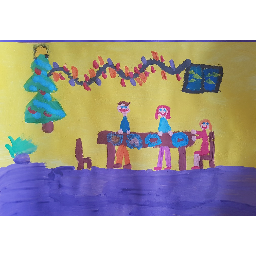
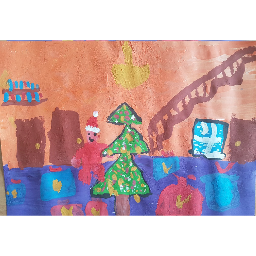
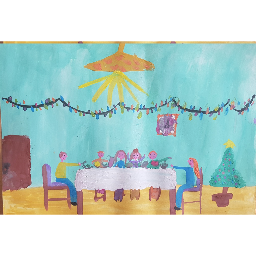
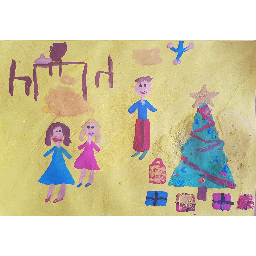
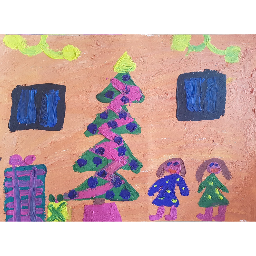
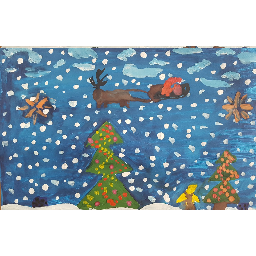
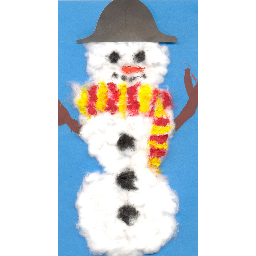
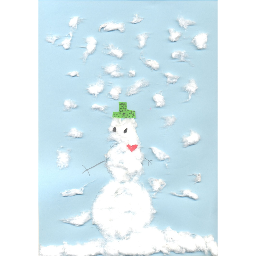
First Day of Christmas in in ancient times
The first day of Christmas was considered most sacred and, therefore, all unnecessary work was avoided. Only food prepared days in advance was eaten. Much of the morning was spent at home singing Christmas hymns and carols. As the day progressed neighbors would start to visit each other and exchange Christmas greetings. And finally, usually at the home of the most prosperous neighbor, the musicians would appear, signalling the end of the Advent season and the return of entertainment and all types of merrymaking.
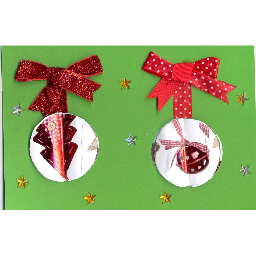
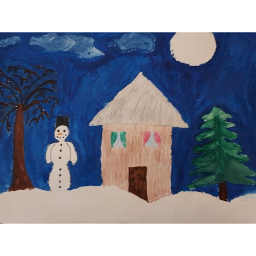
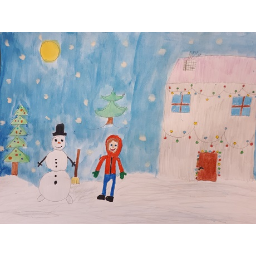
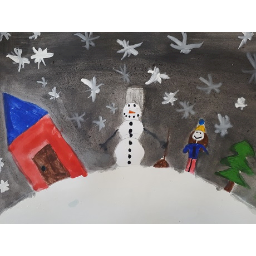
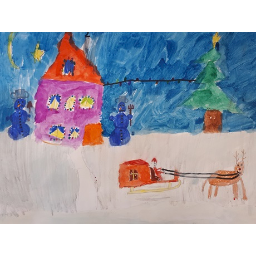
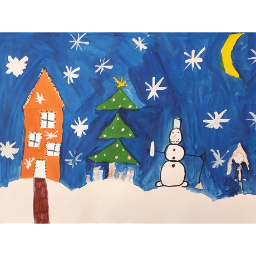
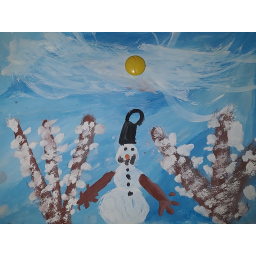
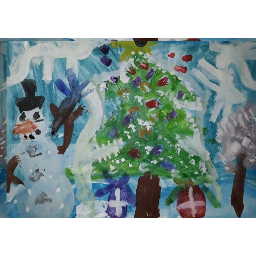
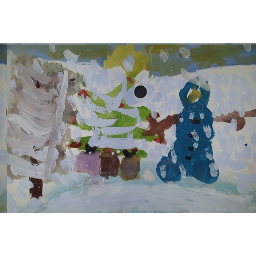
Just like elsewhere the children receive their presents during Christmas. The Santa Claus, known in Lithuanian as Kalėdų senelis (The Christmas grandfather), visits at night between 24th and 25th and leaves the presents under the Christmas tree of the home. Grown ups exchange the presents on Christmas Eve with their family and on another specified date with their friends and co-workers. During the First day of Christmas (December 25th) family meets for a dinner while the Second day of Christmas (December 26th) is also a public holiday.
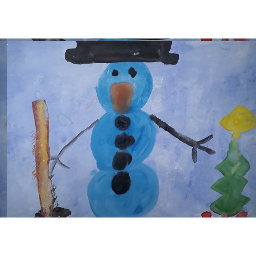
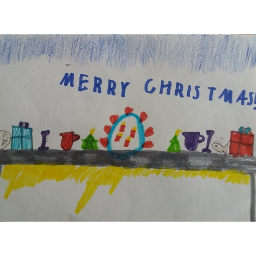
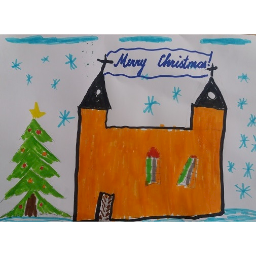
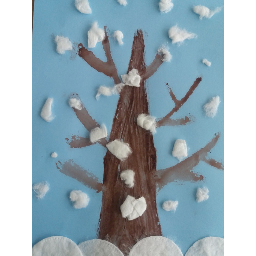
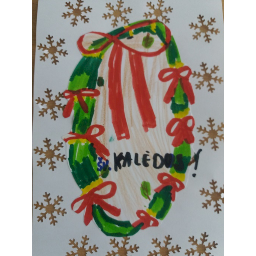
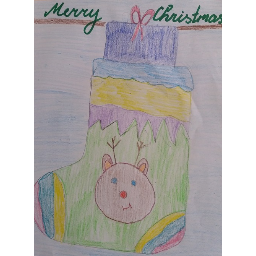
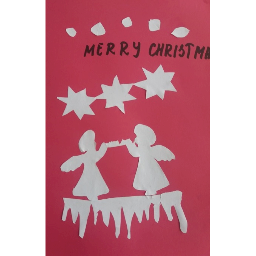
Christmas is spanned by a month-long Christmas period, gradually gaining momentum since late November. At that time every municipality sets up decorated Christmas trees, nativity scenes, and electric decorations, while people follow suit in their homes. Lithuanian Christmas trees are, invariably, spruces (even the local name is "Christmas spruce") but man-made "trees" became popular since the 2000s.
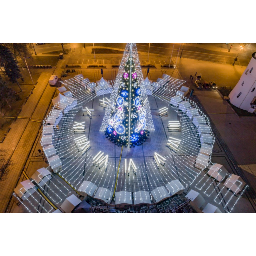
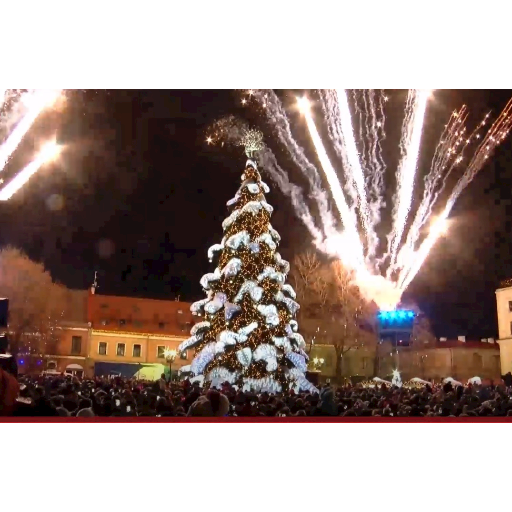
Vilnius' Christmas tree Kaunas' Christmas tree
CHRISTMAS TREES IN LITHUANIA
MERRY CHRISTMAS AND
A HAPPY NEW YEAR!
LINKSMŲ ŠV. KALĖDŲ IR LAIMINGŲ NAUJŲJŲ METŲ!
1 A, 1 B, 2 B, 3 A, 3 B, 4 B, Ariogala gymnasium, Lithuania
Christmas in Paiania Attica
Greece
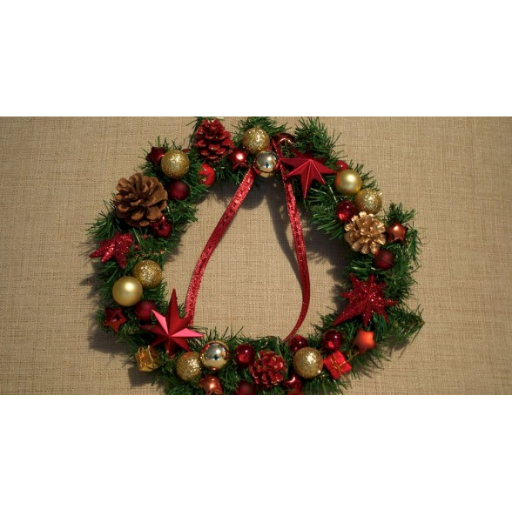
In the villages of our region giants with garlic are placed on the walls and doors, which have pins to get rid of the naughty gossip nailed to the happiness of their home. A wreath decorated with Christmas decorations is also decorated in the front door of the houses. According to tradition, the wreath brings luck to the occupants of the house
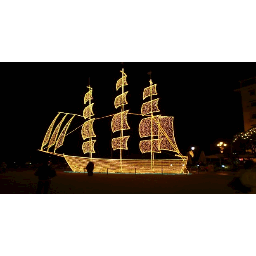
A custom that has tended to disappear in recent years and its place has taken the custom of the Christmas tree.The boat symbolizes the new course of man in life after the birth of Christ. The children of the sailors who remained behind created their own toys, which were usually boats. The boat symbolized the expectation of children to return to their relatives, but also their love for the sea. The custom of decoration was established late, but because it was associated with unpleasant memories, it could not be established as a festive symbol.
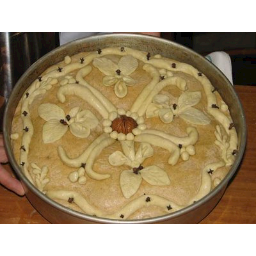
Another Christmas custom is the kneading of Christmas bread. It is considered a whole rite and the best materials are used to do this. Housewives are formed with half a dough, a large bun and the rest of the cross to decorate it. Decorated around this bread, a variety of designs such as hearts, stars, flowers, etc. are cut with a knife. It is common for Christmas bread to be cut by the Housewife on Christmas Day and delivered to all those sitting at the festive table.
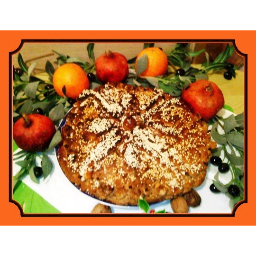
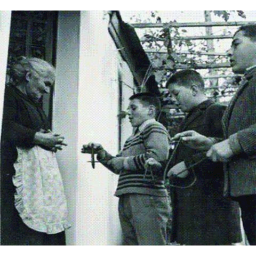
Carols-Kalanta The carols in the past were not only sung by young children, but also by great men who were poor. Children used to say Christmas, New Year and Epiphany, while the big men in the evening, especially in the shops.
Carols from the 1850s were similar to old Athens:
Christmas 2019 in 2nd Kindegarten of Paiania
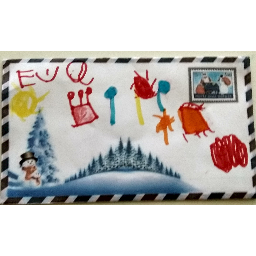
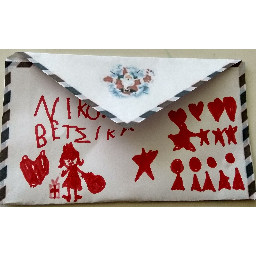
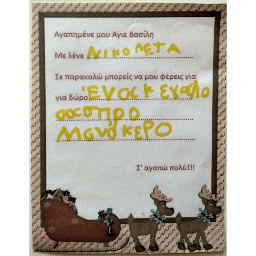
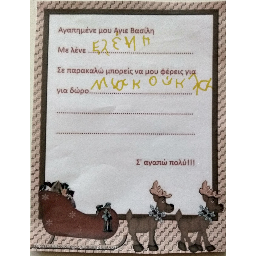
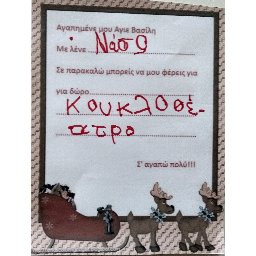
We sent a letter to Santa Claus
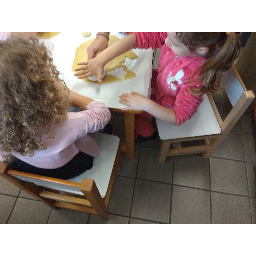
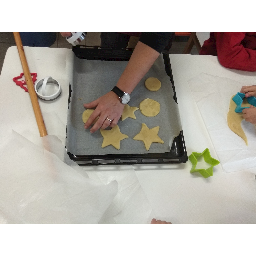
We made Christmas cookies!!!
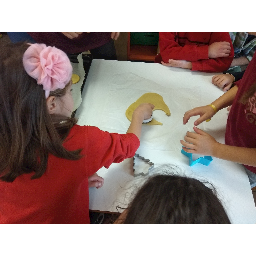
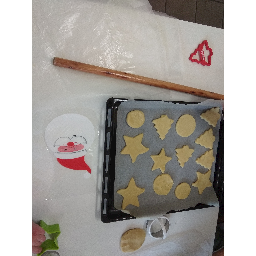
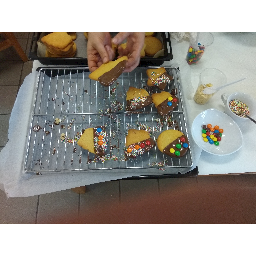
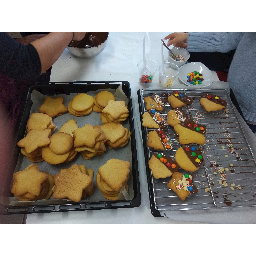
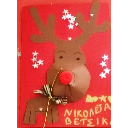
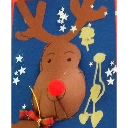
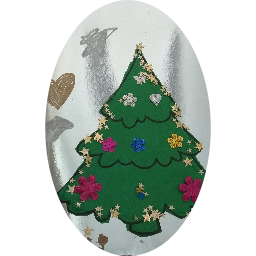
We made Christmas cards
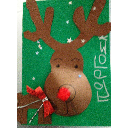
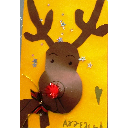
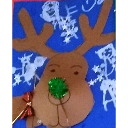
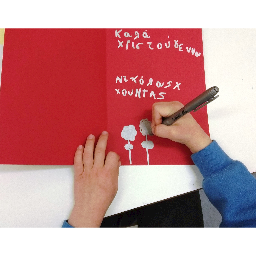
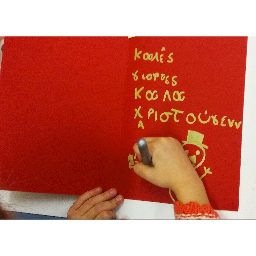
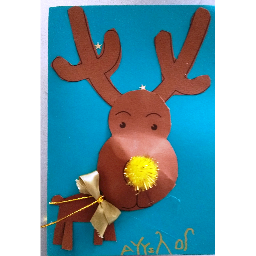
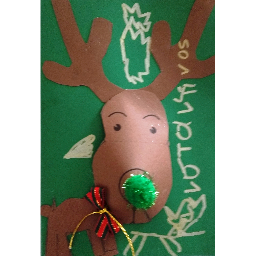
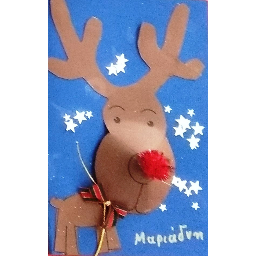
We made many Christmas handicrafts
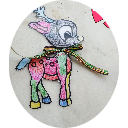
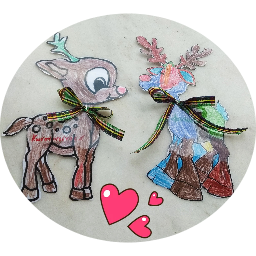
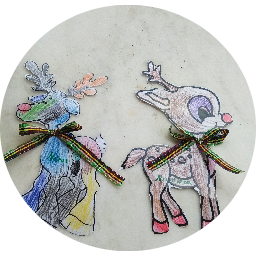
We wish you a Merry Christmas and a Happy
New Year!!!
Christmas in Serbia
Kula is municipality in which people of different nationalities and religion live: Serbians, Hungarians, Ruthenians, Ukrainians This great holiday is marked according to the various traditions and customs of these diverse communities. The differences, but also similarities can be seen in the way Christmas is celebrated. These similarities have their origin in the common background of this area. The beauty and abundance of this kind of life in our area is what makes these similarities and differences.

Serbian Christmas Tradition
Christmas is one of the holiest days of the year for Serbian Orthodox Christians who follow the Julian calendar. It is preceded by 40 days of fasting during Advent to prepare for the birth of Christ. And even though the Feast of St. Nicholas (when children receive presents from the kindly saint) falls on December 19, and which happens to be many families' slava, or patron saint's day, there is no dispensation from the fast. No meat, dairy or eggs are consumed, continuing through Christmas Eve on January 6.
Serbian Christmas Eve
Years ago, on Christmas Eve morning in Serbia, fathers would take their eldest son to the forest to chop down an oak tree branch, which would become their badnjak or Yule Log. Today, many Serbians buy their badnjak. Decorated Christmas trees are not traditional in Serbia although, due to Western influences, they are becoming more common. Straw is placed throughout the home to signify Christ's humble birth. Walnuts and wheat are strewn in the four corners of the dining room with a prayer for health and prosperity.
Badnjak
Serbian Christmas Eve Supper
The meatless meal, depending on the family and the region, may consist of fish with potatoes tuna salad, prebranac (a layered bean and onion dish), meatless sarma, djuvec (a rice-and-vegetable casserole), nuts in the shell, fresh and dried fruits, and cookies made without dairy and eggs.

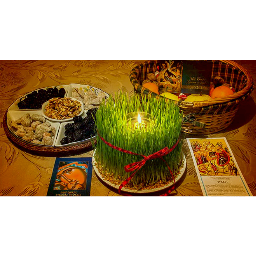
Česnica
Christmas day Customs
On Christmas Day, 7th January, we greet each other with "Peace of God! Christ is born!" The response is “Indeed, He is born!”
Prayers and hymn singing precede the breaking of a bread known as cesnica, which takes center stage on the Christmas table.

The word cesnica is derived from the Serbian word čest, meaning "share." And that is how the bread is eaten - at a communal table where it is rotated three times counterclockwise before each person tears off a piece. In some homes, the host tears off a piece for every person present and one extra piece for the polozajnik or First Guest.
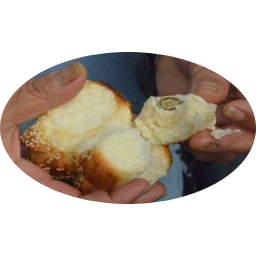
Polozajnik - the First Guest
After dinner, Christmas Day is spent receiving and visiting friends and family. The first visitor to one's home on Christmas Day is known as the polozajnik or poleznik. A special gift is prepared for this First Guest (in the old days in Serbia, it was a scarf or wool stockings) and he or she is given the reserved piece of česnica. The polozajnik, whether young or old, male or female, is said to come in the name of God with best wishes.
In the old days, the polozajnik would take a branch from the badnjak and stir up the fire in the hearth. The more sparks (representing God's blessings for the family) he or she creates, the better. Also on the table is a container of wheat grass that was planted on St. Nicholas Day, symbolizing a good harvest, usually festooned with a ribbon, and a lighted candle.

Hungarian Christmas customs in Serbia
Four weeks before Christmas, each week, a candle is lit on advent wreath. The first candle symbolizes hope, the second stands for peace, the third glorifies happiness and joy, and the last is for love.
During the Advent, people attend morning masses, beginning each day at 6 in the morning. People fast during this period, preparing spiritually for this great holiday. Before Christmas it is desirable for people to confess their sins.
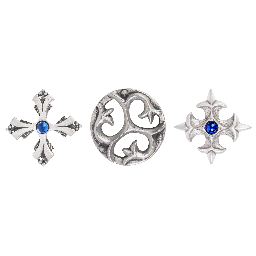
On 6th December, Saint Nicholas, the saint patron of children and sailors, is celebrated. It is associated with gifts which children find in their socks, but also with Krampus, who brings the stick to punish the naughty children.
On 14th December, on the day of Saint Lucia, people sow the wheat in the little bowls, as a symbol of life renewal and fertility. The wheat grows till Christmas, decorating the table.
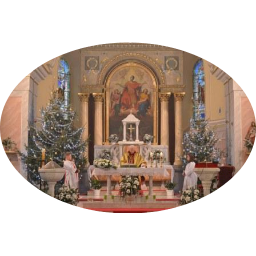
On Christmas Eve, people fast, eating bread and drinking only water, but some eat meatless bean soup or fish, and after that guba with poppy. It is a specially made of sourdough, chopped into pieces, poured with coddled poppy and honey.
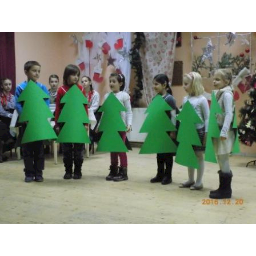
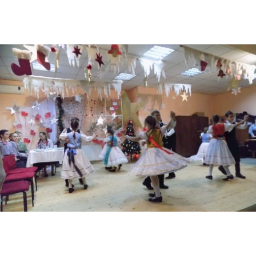

On 24th December, before the Christmas mass, the head of the family, the father, cuts the apple on even pieces for each member of family. This has a symbolical meaning. “If you get lost on your way, remember those with whom you shared this apple and that will get you back on the right course.”After that the father cuts the garlic and shares the pieces in order to protect them from evil. At the end, each member of the family picks the walnut, cracks it and looks into the walnut to see what can be expected considering the health of that person. All of that is consumed with honey.

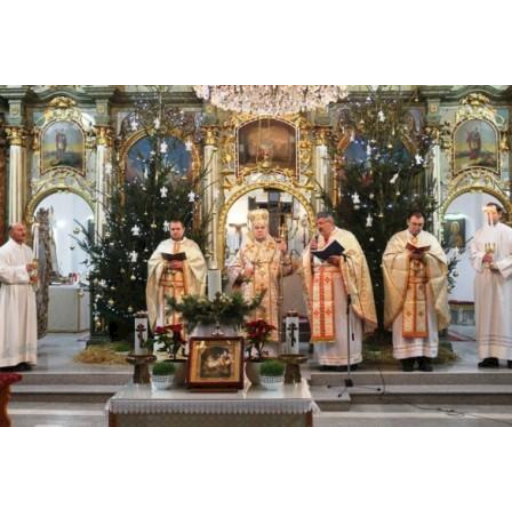
On Christmas Eve, family decorates the Christmas tree. Beneath the Christmas tree crèche is put, as a portrait of Jesus Christ’s birth. At the evening, people attend the holy mass, which starts at 9 o’clock and lasts till midnight, or the beginning of the Christmas day.
The most wonderful part of the mass is certainly singing the Christmas songs and performing the shepherd games by children.
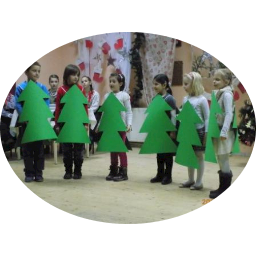
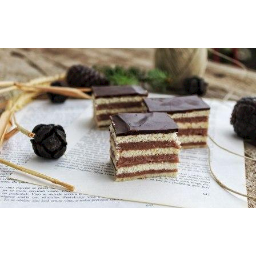
For Christmas dining table, poultry is usually prepared - chicken or turkey. There is a reason for that. It is believed that these animals throw away the soil with their legs, which symbolizes the farewell to the passing year or the ending of all troubles. As a dessert, traditional Hungarian pastry is prepared - madjarica, zerbo and other well known sweets.
Christmas - Ruthenians
The day before Christmas, according to the Rithenian tradition is marked with various customs.
In the morning, on Christmas Eve, women prepare kapuscanjiki and popcorn, since people fast during this period of holiday. After breakfast, family decorates Christmas tree and prepares presents. Besides Christmas tree, on dining table you can often find a grown wheat in flowerpots or in porcelain cups, serving also as a Christmas decoration. It symbolizes the prosperity and productiveness during the following year.
Before the Christmas dinner, the head of the house brings straw in the dining room, where the dinner is set, and that moment is impatiently awaited by the children.
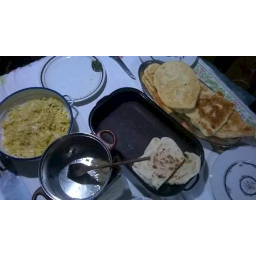
Dinner, on Christmas Eve, consists of fish served with rice and potatoes. Women also prepare bobaljki - sourdough, cut in pieces, baked and then poured with boiled water and sugar, and some honey. Dining table is decorated with apples, oranges, walnuts and candid or dried fruit (plums or figs).
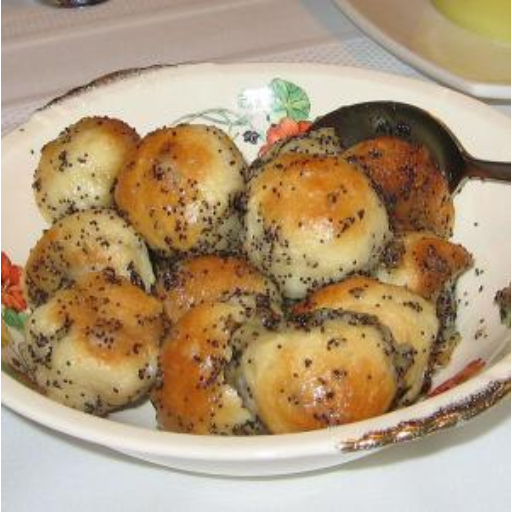
The family gathers around the table at about 5 o’clock in the afternoon, when the festive dinner starts. After dinner, family welcomes singers, who sing Christmas songs called Koljadi. Children go to their relatives and neighbours to sing Christmas song, and they give them some treats.
Around 11 o’clock in the night, the family goes to church, on a Christmas mass.
On the Christmas day, after the festive family lunch, it is custom to visit your neihbours, relatives and friends.
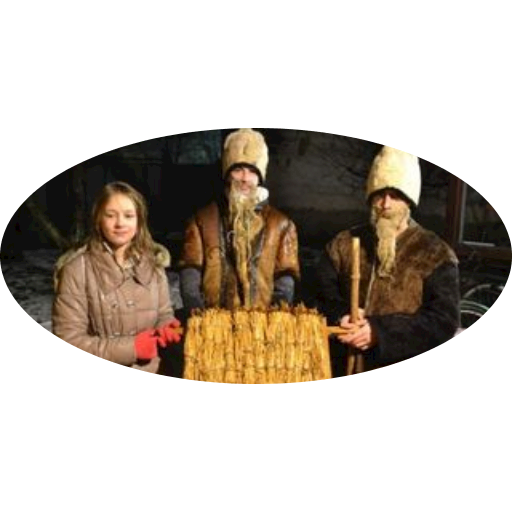
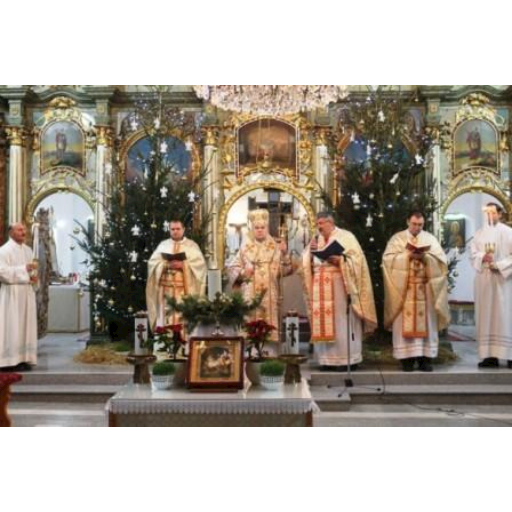
Christmas Ukrainians
Christmas Eve and Christmas are celebrated as the holiest holidays among Christians. In our house, for that special occasion everything is different - from preparing tasty meals, to setting the dining table and the very house filled with special smells.
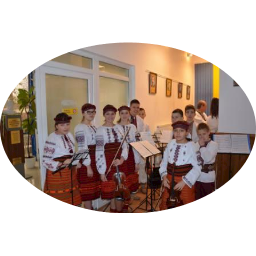
On the Christmas Eve, very early in the morning, father brings straw in the house and puts it under the table, because the baby Jesus was born in the nursery on the straw. On that day, on our dining table, twelve meatless dishes are served by my mother, and that represents twelve apostles of Jesus Christ. Christmas Eve starts with the appearance of the first star in the sky.
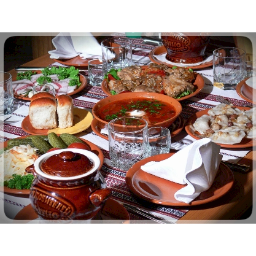
We put the lit candle on the table, which gives special charm to this festive dinner, but also represents the light that Jesus brought with his birth. The dinner is started with prayer, and after that we start eating. The main dish is кутя or festive grain - prepared from the whole grain of wheat, which is cooked, boiled and then left to rest the whole night and later you can add honey, poppy, walnuts or sugar.
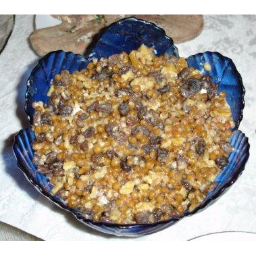
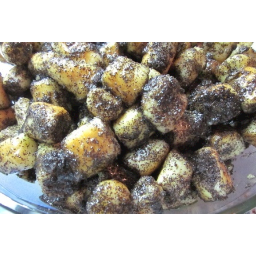
Everything has its symbolical meaning. For example grain represents the symbol of long life, honey stands for health and sweet life and poppy stands for expanding the family.
Besides кутя, on the dining table you can find hrebe dried mushrooms, prepared with lots of onion and potatoes, pirogue with potatoes and picked cabbage, a kind of sarma, fish, and fish stew, beans, gube, stewed fuit, walnuts dipped in honey...
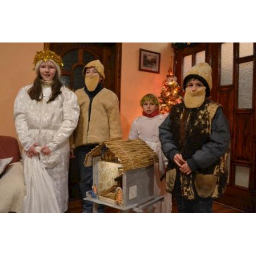
After finishing the dinner, we start колядувате - singing Christmas songs, so our next year can be filled with songs and joy.
After that, we visit our relatives, neighbours and friends wishing each other all the best on this special ocassion.
With the ending of the Christmas Eve, the Christmas begins. At midnight, we go to church, where we attend the mass.
7th January is the first and the holiest holiday in the following year - the birth of Jesus. Early in the morning, we go to church on Christmas mass. After that, we gather again for special meal, the Christmas lunch. After lunch we visit our realtives.
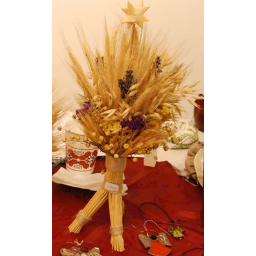
Traditional Christms food in Serbia
Ingredients:
250g of flour ( T 400 )
20g of yeast
a bit of salt
water
200g of grinded poppy
honey
sugar
Bobaljki
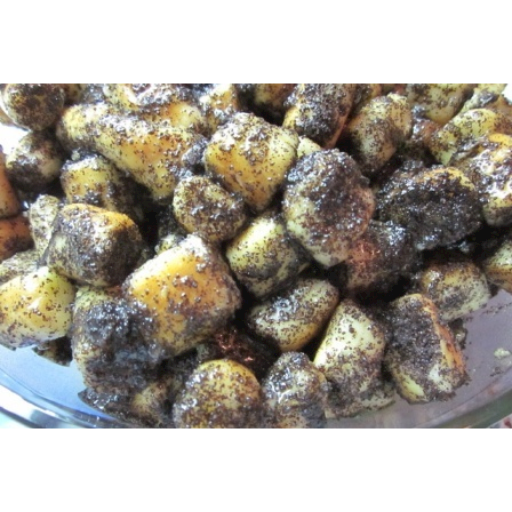
Preparation:
1- Put a spoon of sugar and yeast into 1 dl of water and wait until it is grown
2- When yeast is risen, add some flour and salt and knead it until you get fine dough
3- If dough is not soft enough, add some water
4- Leave dough to rest in a warm place, for about 30 minutes
5- When dough is risen enough, take small part of dough and make sticks of it
6- Bake them
7- When they get golden colour, take them of the oven and leave them to rest for a couple of days
8- Before preparation cut them into, put them into strainer and pour them over with hot water
9- Strain them and then put them into a bowl
10- Add poppy, sugar and honey by your taste
If it is not fasting period you may use milk to pour it over, instead of water.
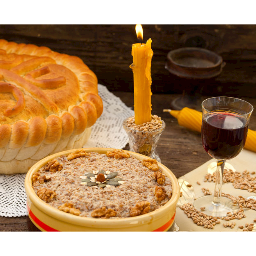
KOLJIVO - grain ( for Christmas Eve )
Ingredients:
1kg of grain
1kg of sugar
1kg of grinded walnuts
250g of raisin
vanilla sugar ( by your taste )
cinnamon ( by your taste )
Preparation:
1- Clean the grain
2- Dip it into water and leave it over the night
3- Day after, strain it. After that, pour it with water again and cook it
4- When it boils, pour some water again than pour some water off
5- Repeat this procedure twice
6- After that leave the grain to cook for about an hour and a half
7- When the grain is cooked, cover the pot with cloth and leave it to rest for the night
8- In the morning, strain the grain and rinse it with cold water
9- Pour it out on the baking pin to strain and dry
10- Pour over raisins with water. When it is dipped enough, strain it and put it on the cloth to dry
11- Grind the walnuts
12- Leave some pieces of walnuts for decoration
13- Mix the grinded grain with powdered sugar, raisin and grinded walnuts.
14- Pour it in the serving bowl
15- Decorate it with powdered sugar and pieces of walnuts, and sprinkle some grinded walnuts over it as well
KAPUSNIKI “КАПУСЊИКИ“
( Ruthenian fasting specialty for Christmas Eve )
Ingredients:
500g of finely grated pickled cabbage
500g of flour
a half of a teaspoon of dry yeast
a bit of salt
water
oil
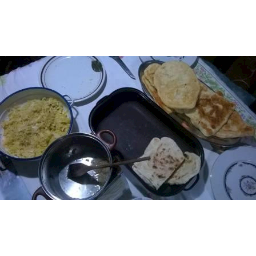
Preparation:
1- Stew cabbage on oil and leave it to cool off
2- Knead dough from flour, water, yeast and salt. Leave it to rest for about 15 minutes
3- After being rested, knead dough again and then divide it into 8 parts
4- Each part make thinner by using a rolling pin and then put a full spoon of stewed pickled cabbage in it
5- Cover all four parts of dough
6- Roll dough again with rolling pin
7- Bake it in frying pin ( firstly oil the frying pan, after that use oil if needed); Bake it on both sides
8- When it is baked and done, put it in the pot, cover it and leave it for about 10 minutes
TRADITIONAL CHRISTMAS CESNICA
On Christmas morning, housewife starts with kneading dough for traditional Christmas bannock cesnica. It is believed that its name comes from the old Slavic word CEST which means a part, because it is divided into several parts when it comes a lunch time. In dough, housewife puts an old coin, which according to old belief, brings luck for the person who finds it in his part. People around the table break off the part of bannock, but one part of bannock stays in the house. Housewives knead s sweet but also a salty version of bannock cesnica.
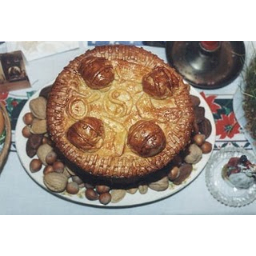
Preparation:
1- Dissolve yeast into tepid milk
2- Add one mixed egg
3- Add salt and stir with gradual adding of flour and the rest of tepid milk until you get fine dough
4- After kneading dough, leave it and cover it with clean cloth
5- When it is risen enough, pour it out and knead it again slowly
6- Dough for cesnica doesn’t have to rise fully
7- Mold it in the form of bannock and put the coin in it
8- Bake cesnica into oiled baking pan
Decoration:
When it comes to decorating, there are different ways of decorating.
You can decorate it with a mall branch or just coat it with mixed egg before baking.
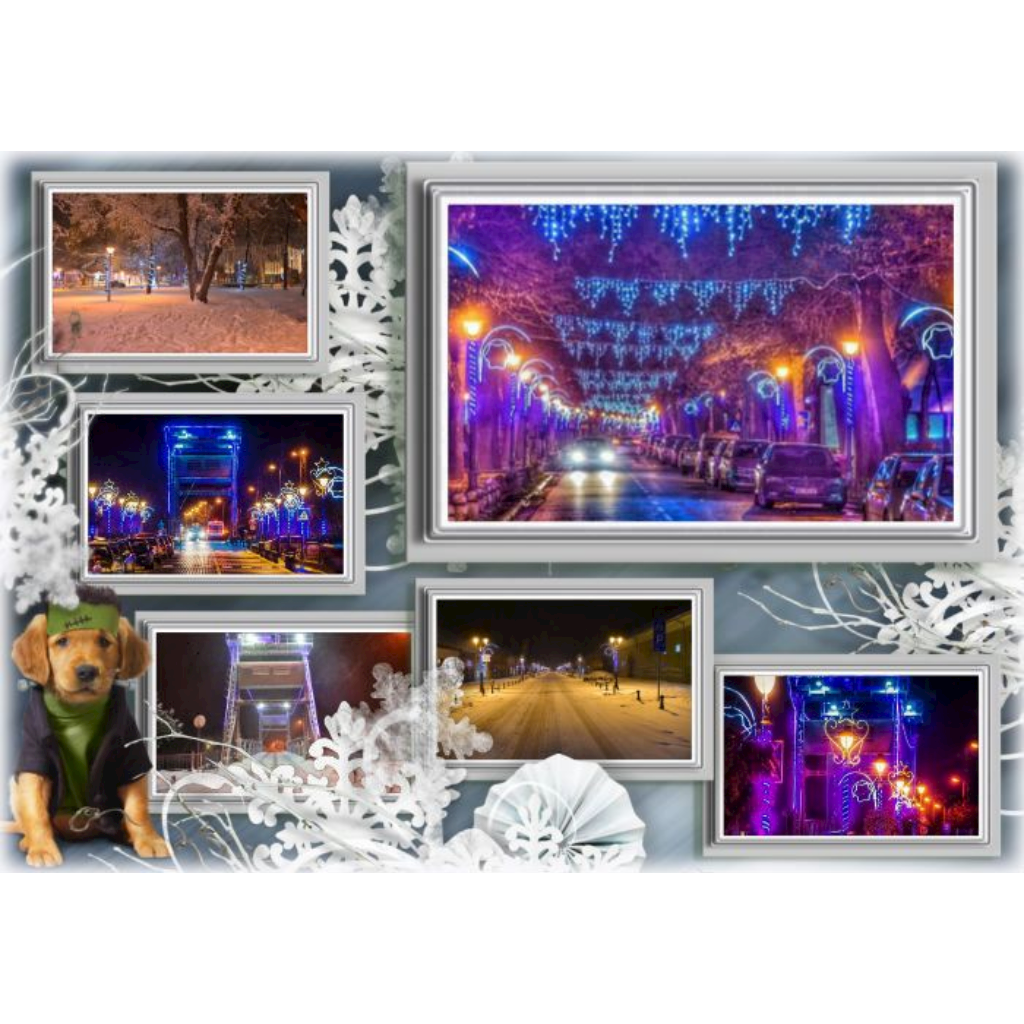

Christmas in CROATIA
Primary school "Vladimir Nazor", Đakovo
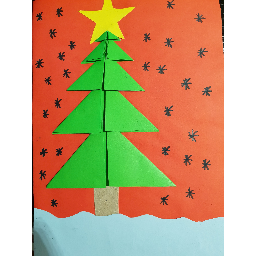
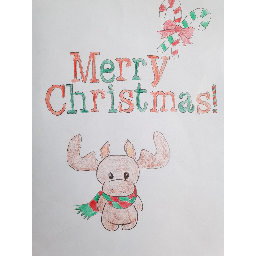
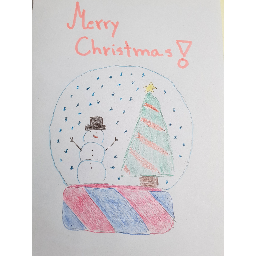
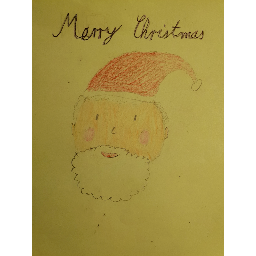
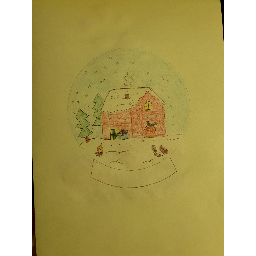
Our Christmas drawings
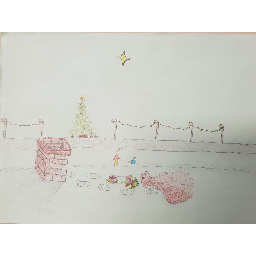
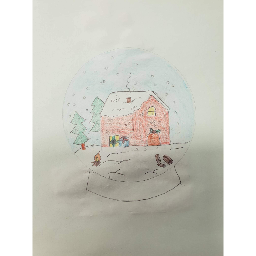
Our Christmas drawings ,decorations for the Christmas tree
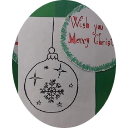



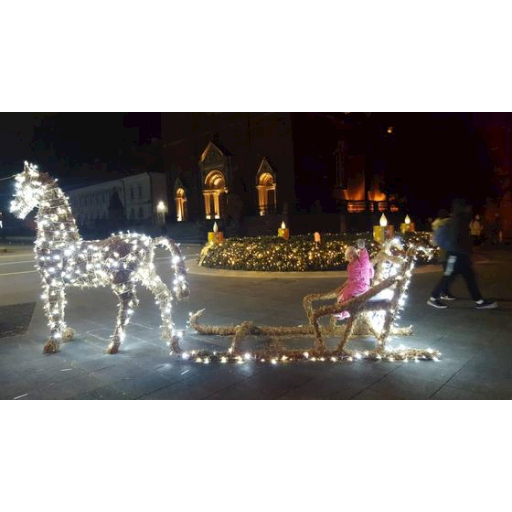
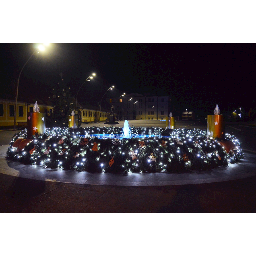
Christmas time in Đakovo
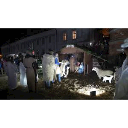
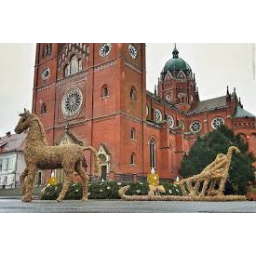
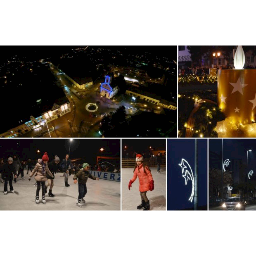
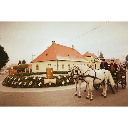
Greetings from Croatia
Merry Christmas and
Happy New Year
from Đakovo
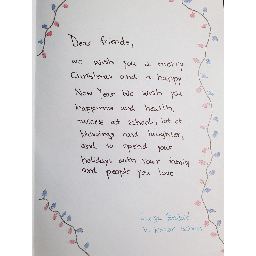
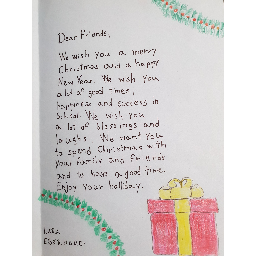
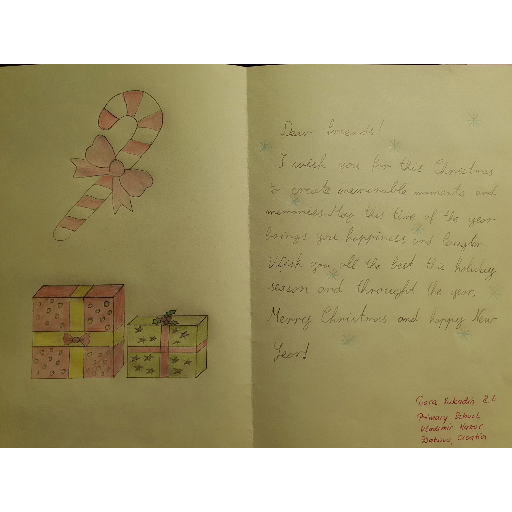
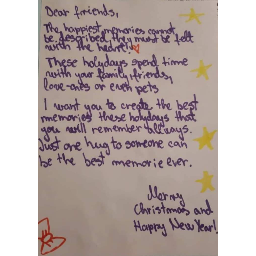
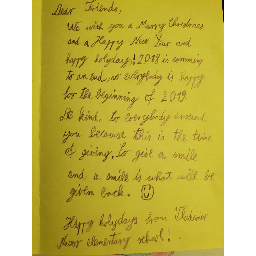
Our letters to Santa ,we were good this year so we hope he would visit our homes and bring us nice presents....

Traditional recepies
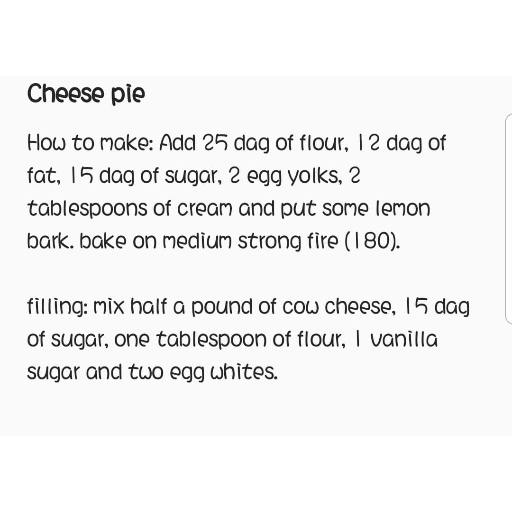
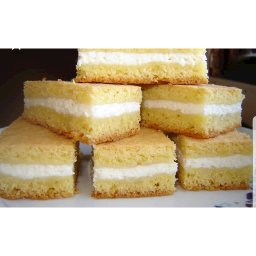
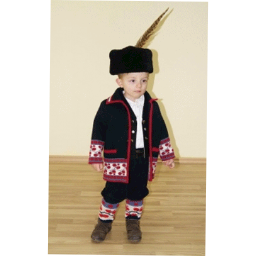
Ingredients: 30 dag flour, 21 dag of butter, 8dg of sugar, 1 egg, 30 dag of jam, 10 dag icing sugar
Instructions: First, take some flour, butter, an egg and vanilla sugar. Then, mix the dough and leave it for an hour. Roll the dough, but it should be tiny. Using a mold or with your hands, shape the dough into flowers. In the middle of the flower, make a hole (for the jam). After you’ve done everything, bake the dough. When it’s finished baking, put the jam on the whole side and put the dough with the hole on top. You’re almost done!! For the end, put some powdered sugar on the cookies.
Vanila flowers
125 gr of butter
50 gr of sugar
2 vanilla sugars
50 gr of vanilla pudding
125 gr of flour
Mix the ingredients, wrap into foil and leave it cool for half an hour in the fridge.
Knead the dough again and make some Christmas shapes like Christmas trees or Raindeers. Then cut those shapes out and bake them at 180°C for about seven minutes.
Serve and enjoy the cookies.
Vanilla cookies
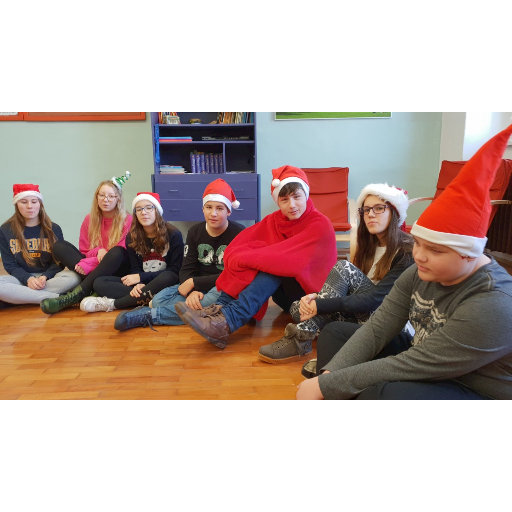
Merry Christmas and a Happy New Year from all of us!



Christmas tradition in Croatia
On Christmas Eve Day there is a tradition of bringing a log into the house and placing it on the fireplace and keeping it burning throughout Christmas Day.
Another old tradition is the sowing of wheat in a small bowl on St.Lucy's day,the wheat grows until Christmas and decorates the home.
Christmas Eve is a fasting Day so traditionally people eat fish and vegetables .A very popular dish is Bakalar dried cod made into a stew with potatoes.
During the day people sing Christmas songs ,decorate the Christmas tree ,spend time with their family and go to church.
A recipe for ''bakalar''
soak the cod in cold water for two-three days,change water daily
slice the cod into thirds and place into a saucepan and pour cold water over it
cook until it softens around 2-3 hours,add 12 peeled potatoes and boil,separate ''bakalar'' and remove all the bones and the skin
cut it into small pieces and put back with potatoes
season with salt,pepper,parsley,fresh garlic and olive oil
put it on a plate and eat hot!
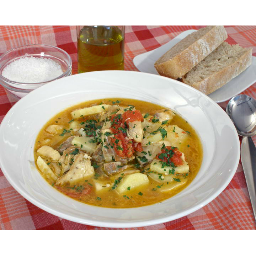
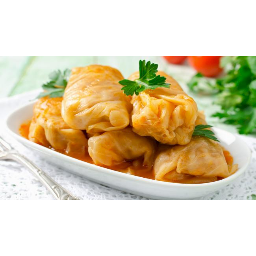
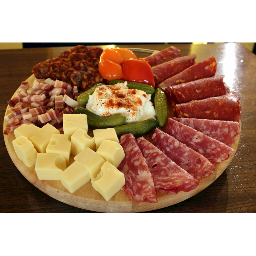
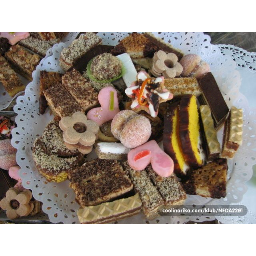
On Christmas the dinner typically cnsists of ''sarma''-cabbage rolls stuffed with meat and rice,roast pork ,bacon and kulen-a spicy pork sausage as well as all sorts of cakes.
The Legend of ''kameni svatovi''
Cloze to the town of Samobor lies an interesting site of rocks.These stones look almost human and there is a legend about them.
A long time ago there was a family running a big mill under the mountain.The owner was an honest hardworking man.But his wife had an evil heart.They had a son.The son fell in love with a beautiful Janja,the daughter of a poor blind man.The miller's wife was angry. So on the wedding day she cursed all the people on the ceremony.They all turned to stones.The miller's wife regreted the words when she saw her son turned into stone.But it was too late.
the end
CHRISTMAS TIME
IN POLAND
JASTRZĘBIE-ZDRÓJ




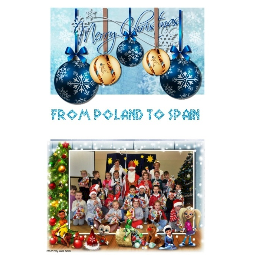
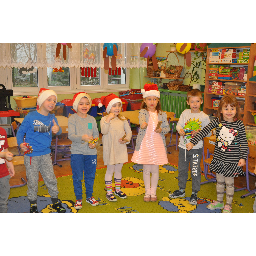
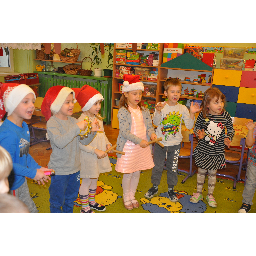
We made Christmas Cards
Merry Christmas
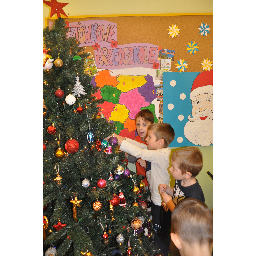
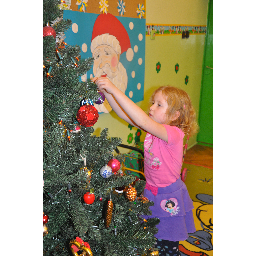
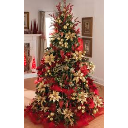
We dress
Christmas tree
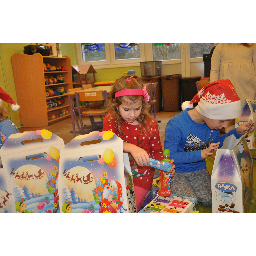
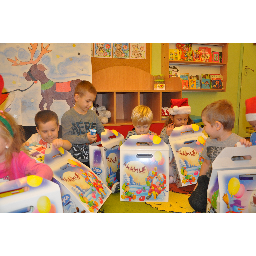
Visit of Santa Claus

In Cristmas we sing Christmas carols

Merry Christmas
CHRISTMAS IN CEUTA, SPAIN
CHRISTMAS IN
CEUTA, SPAIN
24/25 DECEMBER
For us on Christmas Eve and Christmas and it is a family celebration for the birth of the baby Jesus. Santa Claus is also celebrated in more and more homes and children and adults receive their gifts.
After dinner, we sing popular Christmas carols and at midnight the mass of the rooster is celebrated.
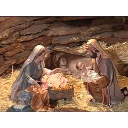
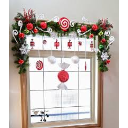
The houses and streets are adorned with Bethlehem, Christmas trees and Christmas objects.
DECEMBER 31
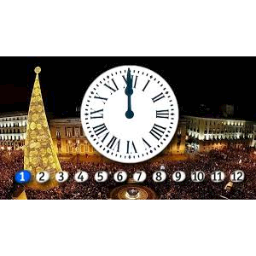
We celebrate the end of the year with our best clothes. In Spain it is a tradition to eat 12 grapes at 12 o'clock at night, one for each bell that the clock gives.
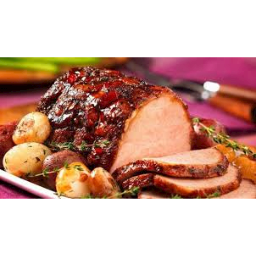
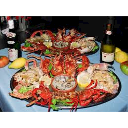
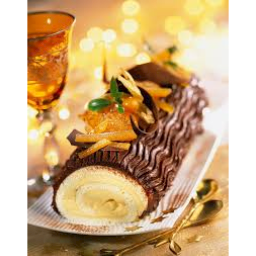
Meat, seafood and desserts fill our tables at the two festivities.
6 JANUARY
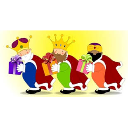
It is the day of the Three Kings of the East. Children and adults receive that gift tomorrow.
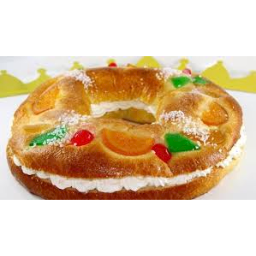
It is typical that day to eat the "Roscón de Reyes".
Christmas in our town
Drama of Greece
5th kindergarten of Drama
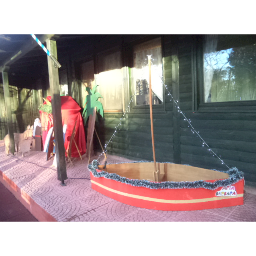
At the beginning of December all families decorate the Christmas tree or the Christmas boat
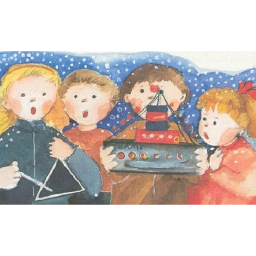
One day before Christmas Eve and new Years day children holding triangles sing carols. Each area of Greece has its own Carols named (kalanta)
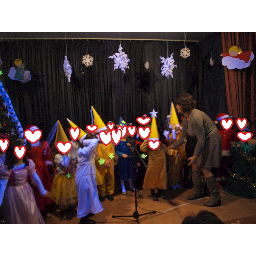
On Christmas day all family wake up early in the morning and go to church and then eat together traditional foods and sweet
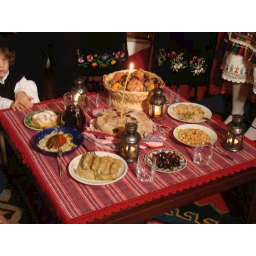
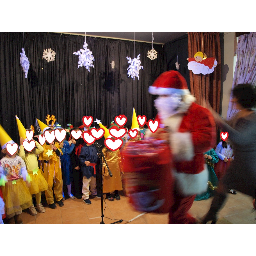
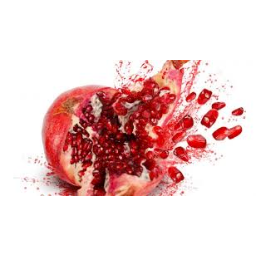
In New years Eve children wait the visit of Santa and they put in the table near the tree a cup of milk and biscuits. They also break a pomegranate hoping for good luck.
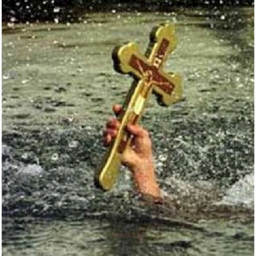
At 6th Of January celebrate “ Theofania” the Baptist of Jesus. The priest throw the cross into the water and children are falling in, trying to catch it.
Christmas in Lesvos island
1rst Kindergarten of Kalloni,Lesvos,Greece
In many villages in Lesvos island there is a Christmas olive branch, instead of a fir . They also decorate the doors of the houses with it. They also decorate boats.
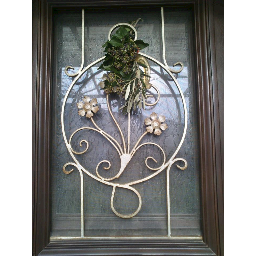
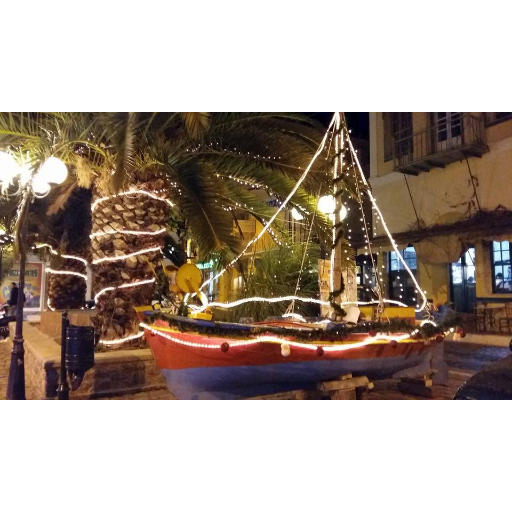
New Year's Day is accompanied by customs such as the "foot", with the breakage of the pomegranate (symbol of abundance) at the entrance of the house, the transfer of "silent" water (blessing from the church of the Virgin Mary, the one who brings it home should not speak at all road) for good luck the new year, as well as cutting the traditional pie of Saint Vassileios with the gold coin that is considered a sign of luck to anyone who finds it.
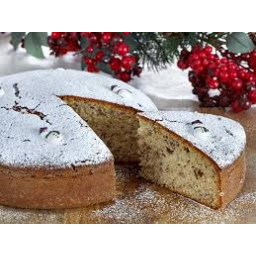
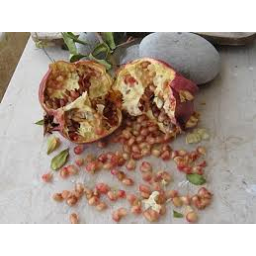
The children say carols on Christmas and New Year's Eve.
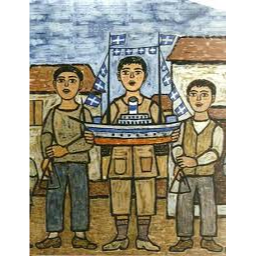
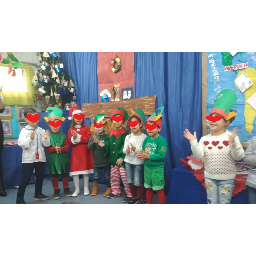
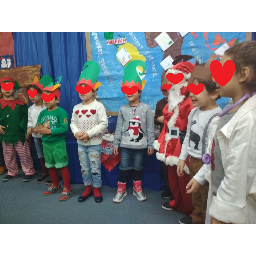
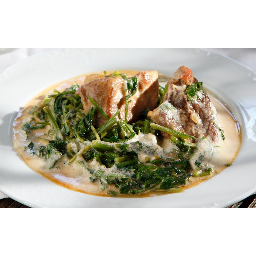
The traditional foods are, pork with celery, stuffed lamb, meat with chickpeas, sausages and the traditional sweets are, kourabiedes, melomakarona, plantsenda, baklava, diples
Dear partners, we wish you a very Happy New Year!
Christmas
in
Poland
Niepubliczna Szkoła Podstawowa
"PIĄTKA" w Olsztynie
Christmas takes a special place in Polish tradition. This is the most beautiful and family holiday of the year, which is connected with most rituals and beliefs.
It is accompanied by a magical atmosphere, unforgettable emotions, tradition, meticulously cultivated for generations.
In almost every Polish home at this special time can not miss Christmas tree, wafer, carols and gifts.
Christmas Tree
A huge role in creating the Christmas atmosphere has solemnly decked house where reigns the Christmas tree.
In Poland, the custom of putting up the Christmas tree came from Germany in the eighteenth century. Previously suspended from the ceiling of the top of fir, pine or spruce.
In the corner a sheaf were placed.Tree is to protect the house and its inhabitants from evil spirits. A star, suspended often at the top symbolizes the Star of Bethlehem? Dressed in ornaments and flippery Christmas Tree usually remains until Epiphany.
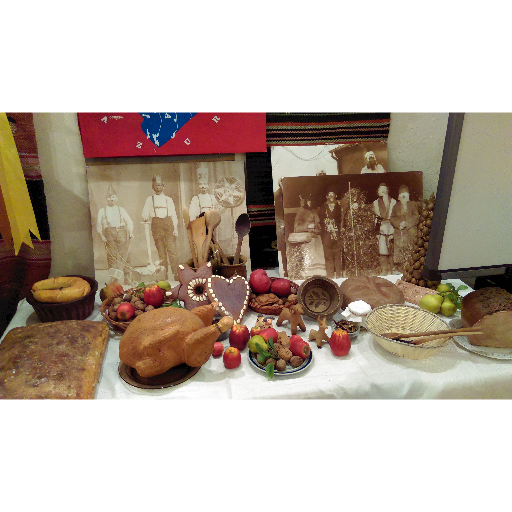
Dishes for Christmas Eve
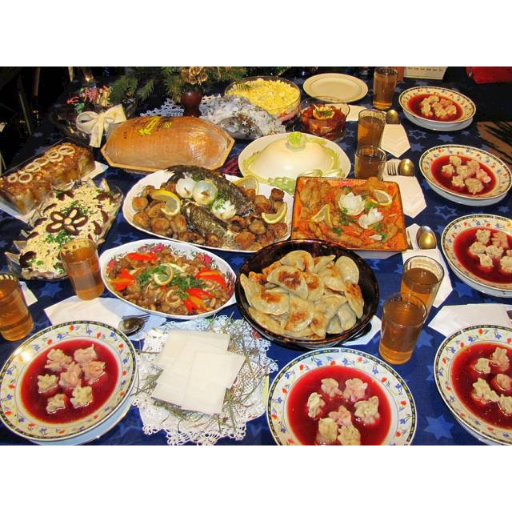
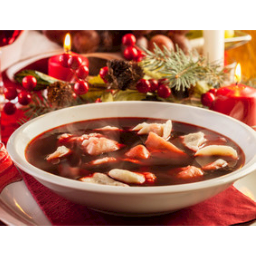
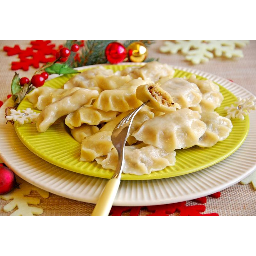
Each region in Poland prefer their own dishes for Christmas Eve, but in every house this special meal is dominated by mushrooms, cabbage, poppy seeds, raisins and dried fruits. On the Polish table can not miss the red or fungal borscht with dumplings stuffed with mushrooms, dumplings with cabbage and mushrooms, cooked in many ways herrings, fishes and salads.
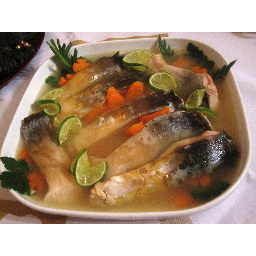
A traditional delicacy is fried carp in jelly. Christmas desserts are poppy seed, honey gingerbread, cookies with almonds, walnuts and raisins, and a compote of dried apples, pears and plums. Special meaning is attached to "kutia" (wheat with poppy seeds and honey), which is a relic of the ancient rites in honor of the dead.
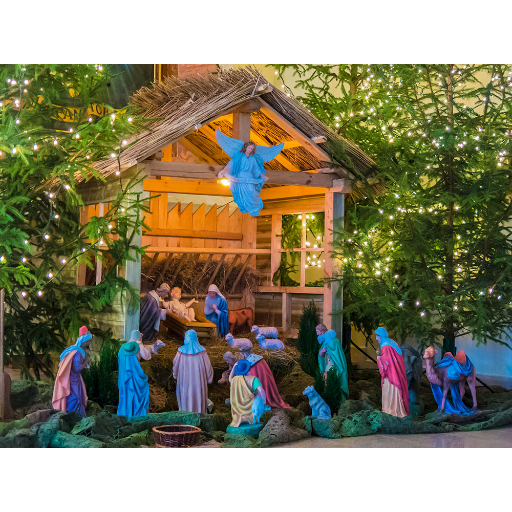
Christmas cribs in Poland
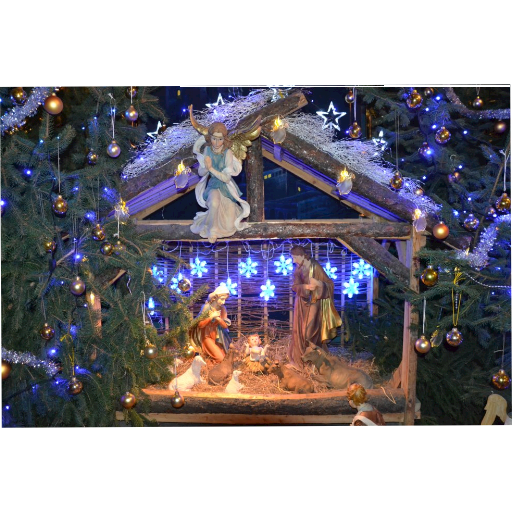
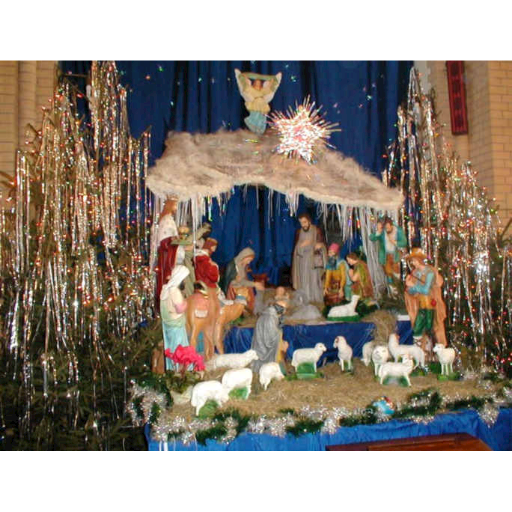
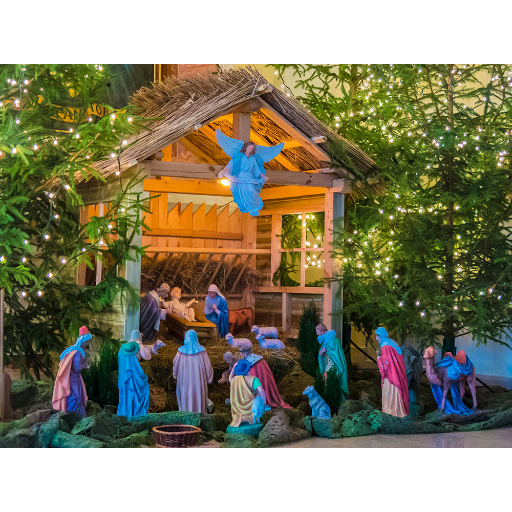
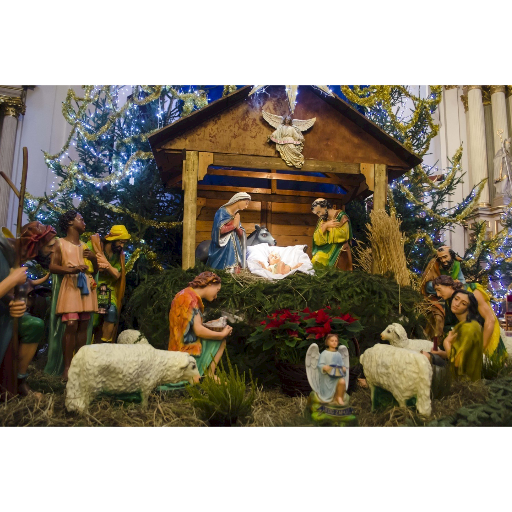
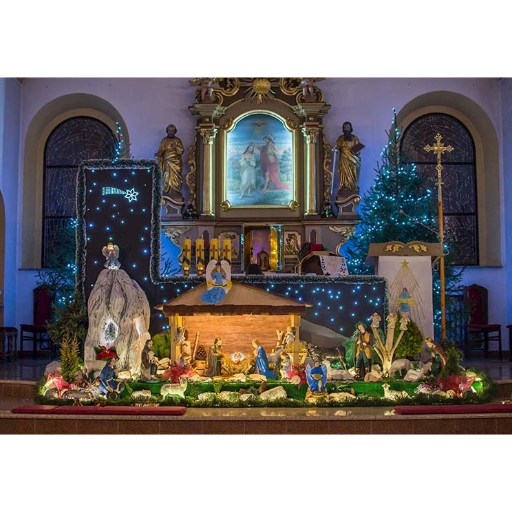
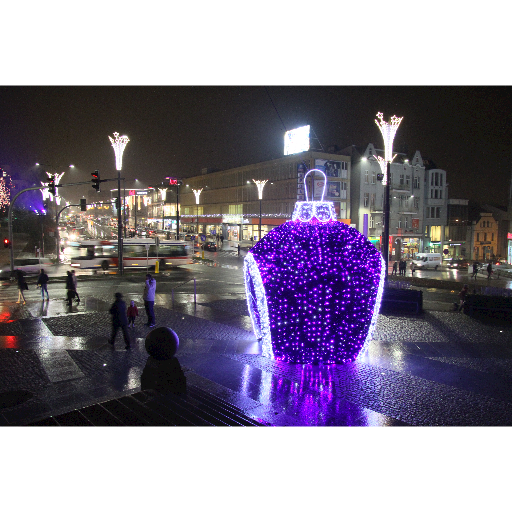
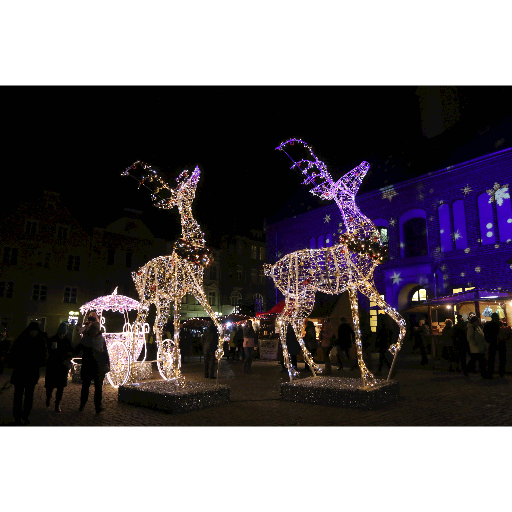
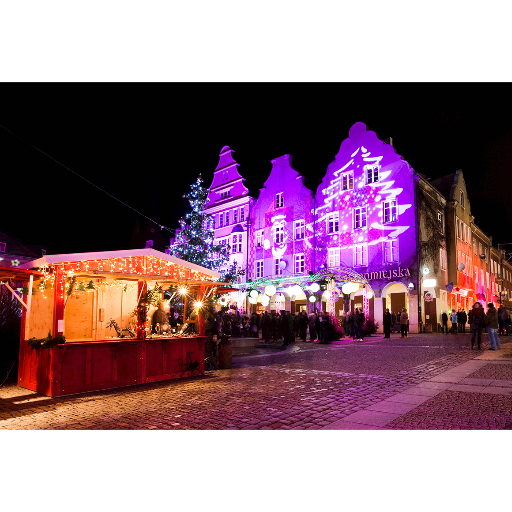
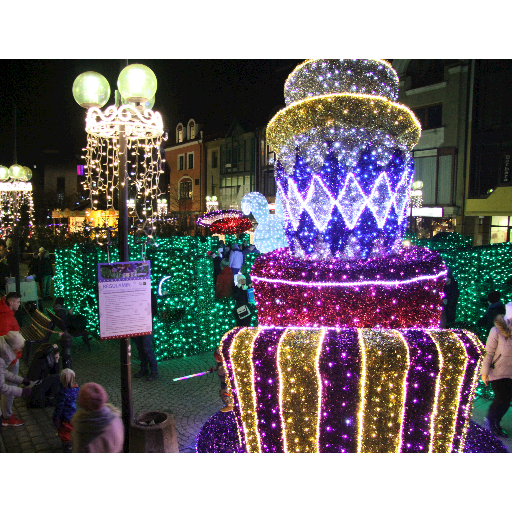
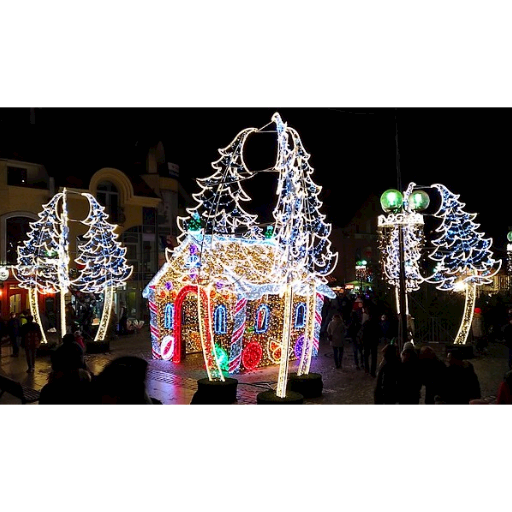
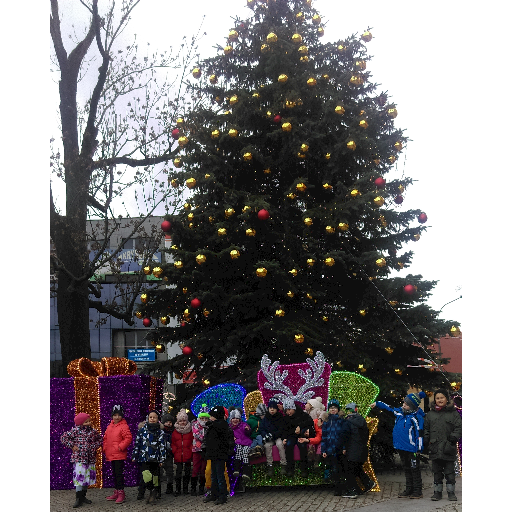
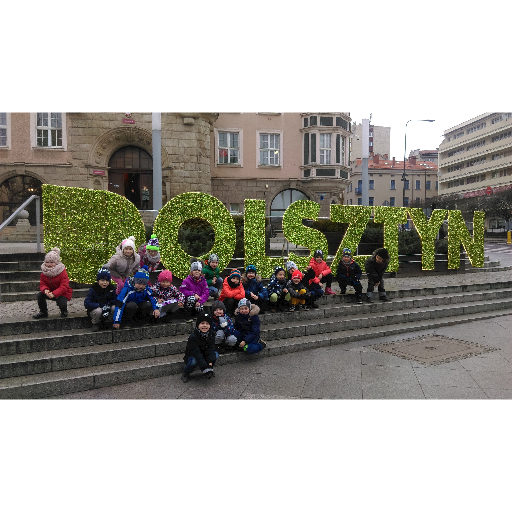
Our city OLSZTYN for Christmas
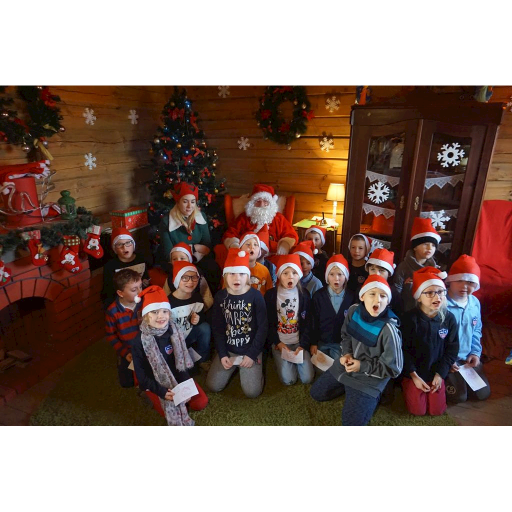
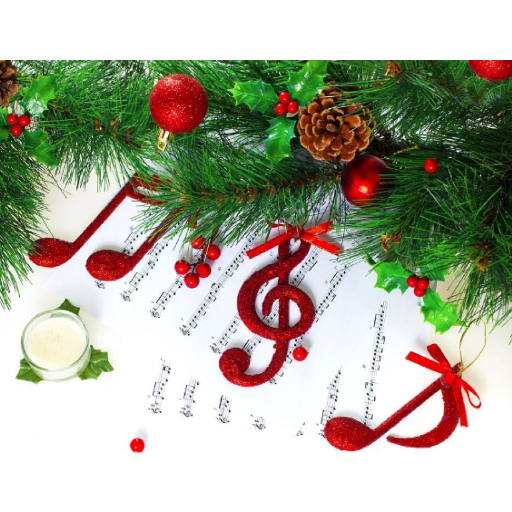
Carols are traditional songs in praise of the birth of Christ. The oldest are from the fifteenth century.
Handed down from generation to generation.
Most, such as the „Silent Night" or "God is Born" were created at the turn of the seventeenth and eighteenth centuries, and are sung during Christmas Eve and Christmas until today.
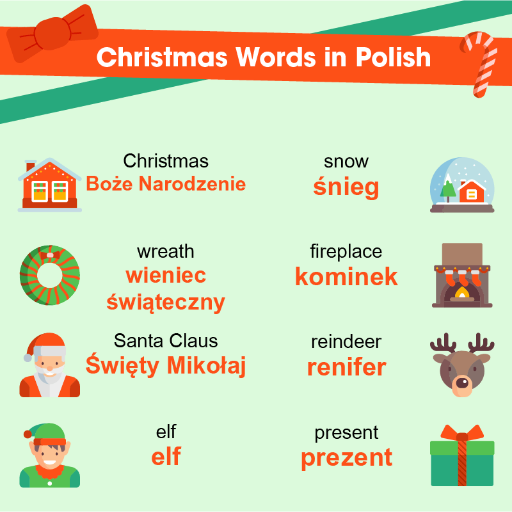
Christmas traditions in Croatia
OŠ 'Stjepan Radić', Božjakovina
Like many countries, Croatia has its own Christmas traditions. Many families have different variations of traditions but these are the most common ones we all have and like.
The days before Christmas people get ready for Christmas by decorating their Christmas trees with different kinds of ornaments. On Christmas Eve most people set up manger underneath the Christmas tree. People also prepare for midnight Christmas mass.
On Christmas morning children open their presents and later on they all have Christmas dinner with their families. For dinner, there is usually pork or turkey with vegetables and bread. After dinner, people have cakes and cookies and spend the rest of their day with their families.
fritule
Ingredients:
1 egg
180 to 200 ml jogurt
2 spoons of sugar
a pinch of salt
a tea spoon of rum
200 g fine flour
half a pack of baking powder (5 g)
lemon zest
Procedure:
Mix the ingredients and deep-fry them in the hot oil.
Use a spoon to drop fritulas into hot oil but be careful not to burn them.
When they get golden brown, take them out and sprinkle them with powdered sugar, cinnamon or chocolate. Serve them fresh and hot.
Enjoy this wonderful dessert we make for Christmas.
Christmas in Croatia
OŠ Alojzija Stepinca
Zagreb , Croatia
Lidija Cvetko
The Croatian word “Božić” (Christmas) means little God.
The day of birth of little God Jesus is celebrated.
ADVENT ( Došašće )
Christmas festivities begin 4 weeks before Christmas.
That time is called Advent. It starts by burning the first of four candles on an Advent wreath.
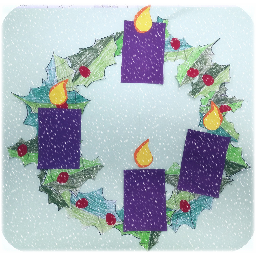
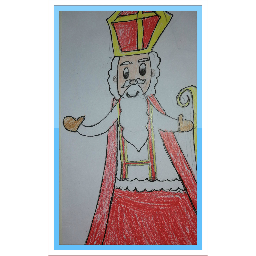
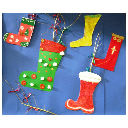
During Advent, children are the happiest on 6th December when St. Nicholas visits them.
He brings them gifts that he leaves in the boots near the window.
Apples, walnuts and almonds used to be given as presents and today these are mainly sweets and purchased gifts.
Saint Nicholas is sometimes accompanied by Krampus. He visits children who misbehaved and leaves them a gold-plated rod in the boot.
ST. NICHOLAS (SVETI NIKOLA)
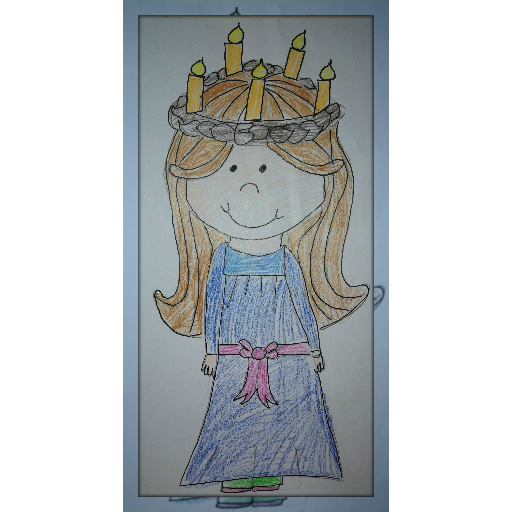
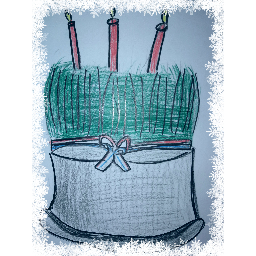
On 13th December we celebrate the Feast of St. Lucy.
On that day wheat is sown as a symbol of fertility and new life (greenery in the middle of winter = rich summer).
ST. LUCY (SVETA LUCIJA)
CHRISTMAS EVE (BADNJAK)
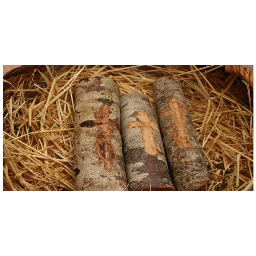
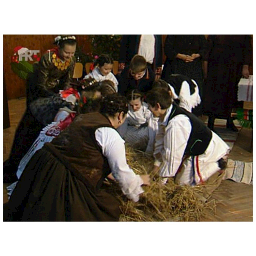
On Christmas Eve hay is brought into the house and it stands for a manger
and log (in Croatian – badnjak) which is lit.
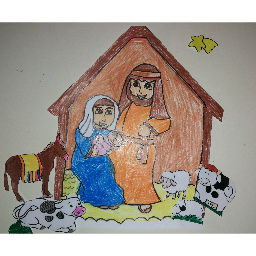
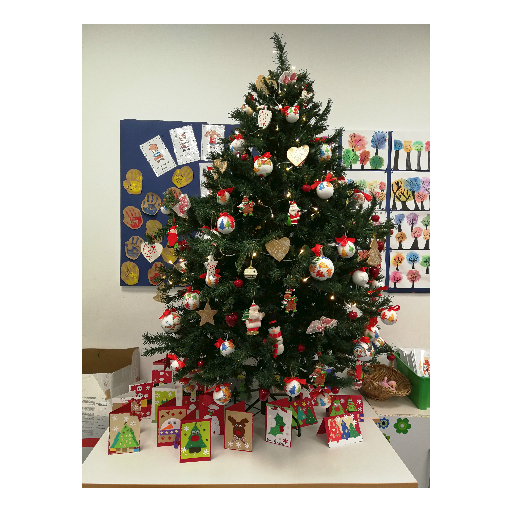
A Christmas tree is decorated, festive food is prepared and Midnight mass is attended. The presents are put under the Christmas tree.
In the past the Christmas tree was decorated with dried flowers, walnuts and apples.
The decorated tree was the symbol of life force, the opposition to the murky winter.
There were also presents such as various fruits and candies that were mainly given to the children.
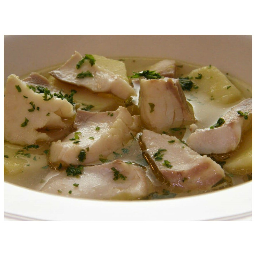
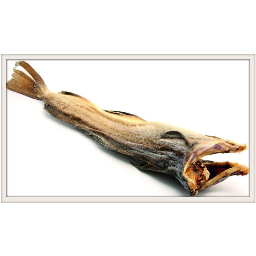
On Christmas Eve people usually fast.
Meat is not eaten, but fish is eaten – in most of the cases it is cod.
CHRISTMAS (BOŽIĆ)
Christmas is well known for its abundant portions of feast food on the tables.
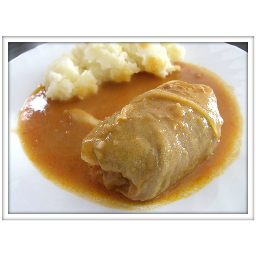
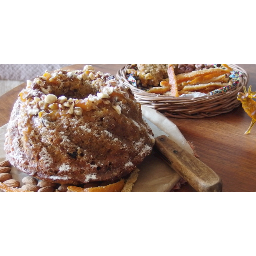
Traditional Croatian Christmas dishes are smoked ham, cheese, olives, turkey with mlinci, sarma, various cakes ...
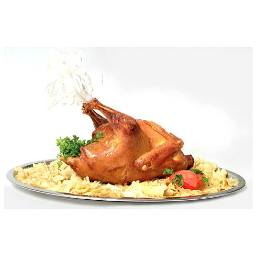
turkey with mlinci
sarma
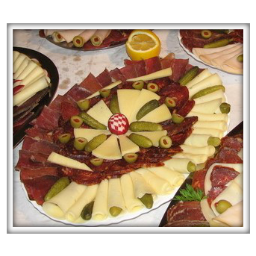
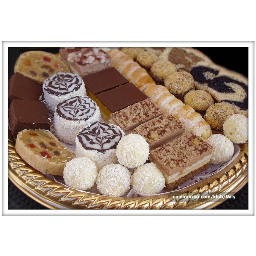
smoked ham, cheese, olives
various cakes
CHRISTMAS FOOD
Christmas presents are opened on Christmas morning and that day is spent with the family.



The Feast of the Holy Three Kings
Christmas magic ends on 6th January on the Feast of the Holy Three Kings.
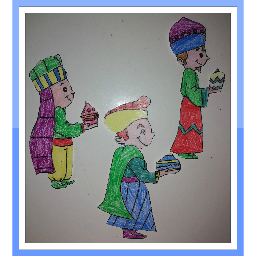
Our grandparents used to enjoy the abundance of Christmas customs.Today it all comes down to decorating the Christmas tree and buying presents. Hopefully our works might help these customs to reappear in people’s hearts.

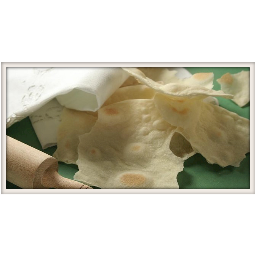
Recipe for MLINCI
MLINCI thin dried flatbread served as a side dish
accompanying roasted meat
Ingredients:
Serves 4, 300g plain flour, 3 grams salt , 200ml warm water
Instructions:
Combine all ingredients & knead until you form dough.
Divide into 4 equal parts and roll each into a sheet of fine pastry the width of a baking sheetBake each rolled out sheet of pastry (230 degrees celzius) for 7 minutesOnce cooled, break each sheet into small pieces, placing pieces into a large bowl. Pour hot salty water over the pieces in the bowl. Cover bowl & set aside for 5 minutesStrain the bowl and serve mlinci topped with drippings (sauce) from previously baked roast meat
Dough:
1kg plain flour, 1 tsp salt
2 tsp sugar , 1 portion/square fresh yeast ,3 tbsp oil , Milk (as needed)
2 tbsp cream (as desired)
Filling (Orahnjača):
Ground walnuts , Sugar (as desired)
1 portion vanilla sugar ,300g raisins (soak in rum if desired)
Filling (Makovnjača):
Poppyseeds ,Sugar
2 portions vanilla sugar
Icing:
Powdered sugar
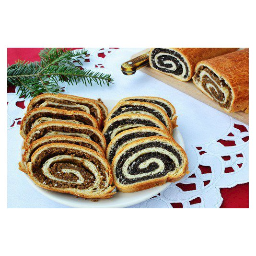
ORAHNJAČA i MAKOVNJAČA
(walnut & poppyseed rolls)
Dough: In a large bowl combine flour, salt, sugar & dissolved yeast. Add oil & milk to form a soft dough (if desired add 2 tbsp cream).Work the dough well.Set dough aside at room temperature for 30 minutes. Place dough on a flat surface (preferably a table or bench). Ensure that you have covered your flat surface with a cloth which has been well floured.Gently roll out the dough and allow to rest for 30 minutesFurther roll out dough to 0,5 cm thickness & spread your filling mixture on top.
Filling: Combine your walnuts/poppy seeds with sugar & vanilla sugar (add raisins as desired in walnut mixture)
Baking: Roll the dough into a log & place onto your pre-oiled baking tray (baking paper can also be used)Bake for approximately 60 minutes at 180 degrees celzius (until logs begin to golden)Once removed from oven, allow to cool. Dust with powdered sugar & serve.
Enjoy!
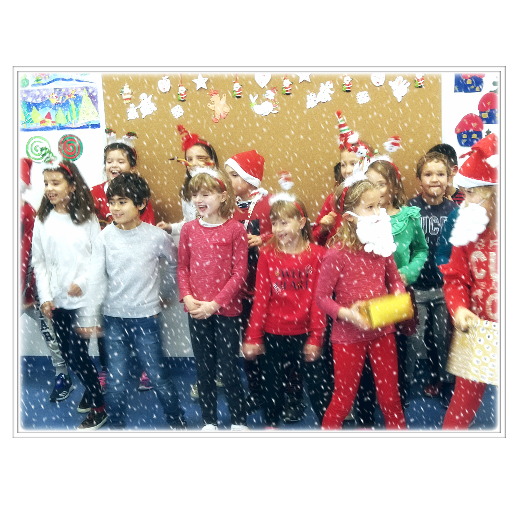
Merry Christmas !
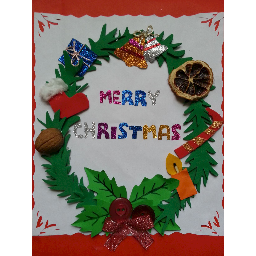
Christmas traditions in Poland
Adamów
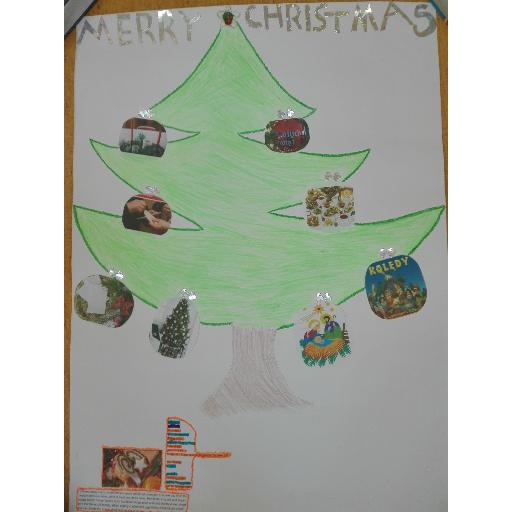
Christmas traditions in Poland
Christmas traditions and believes
in Poland
Ciachcin Nowy
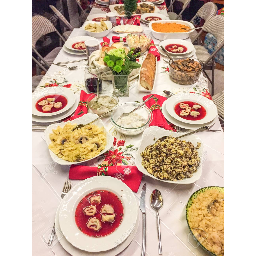
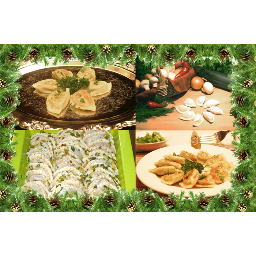
The 12 Dishes of Polish Christmas
*Dumplings (Pierogi)
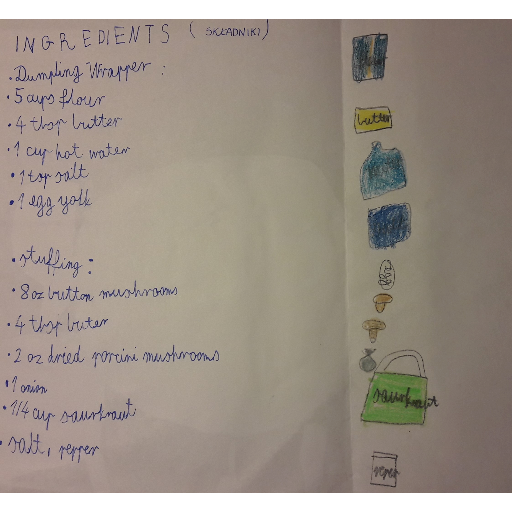
*Cabbage with mushrooms or peas
*Carp
*Herring and tench
*Kutia
*Noodles with poppy seed
*Barszcz (Borscht) with porcini raviolis (uszka)
*Christmas Eve mushroom soup
*Mushroom pastries
*Old Polish Piernik (Gingerbread )
*Poopy seed cake (makowiec)
*Dried fruit compote (kompot z suszu)
In Poland, Christmas Eve dinner is the most important celebration of the year. Although this meal is reserved for the closest family, it's customary to set an extra plate and seat for an unexpected guest, or even a vagrant. Most of the dishes served are cooked specifically for this special day – and only once a year!
Waiting for the first star to appear in the sky.
Many Poles wait until the first star appears in the sky before sitting down to eat on 24th December. This tradition commemorates the Star of Bethlehem, which according to the New Testament guided the Wise Men to the birthplace of Christ. Nowadays, with so many satellites circling around the Earth and reflecting light, its sometimes tricky to adhere to this tradition, but many families do their best.
Speaking with animals
According to an old Polish legend, animals are granted the gift of speech on Christmas Eve as a reward for their role in welcoming Jesus on earth. As a result, children often try to extract a word or two out of bewildered family pets.
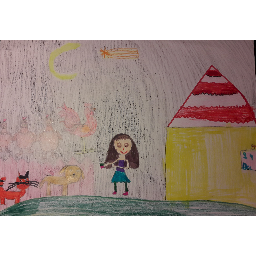
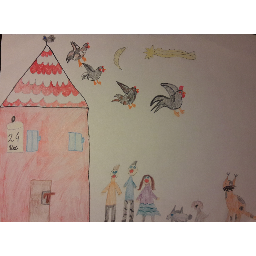
Putting hay beneath the tablecloth
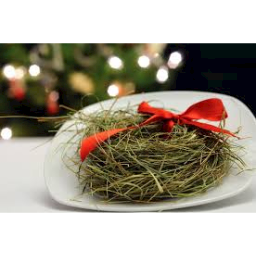
If you find some hay beneath the tablecloth at a Polish Christmas Eve celebration, don’t assume your hosts did a poor job of tidying up. The hay is there on purpose, as a way of remembering that, according to the Bible, the newborn Jesus was put in a manger to rest.
Polish Christmas tree
The Christmas tree is often bought in and decorated on Christmas Eve. It is decorated with a star on the top (to represent the Star of Bethlehem), gingerbreads, lights (previously candles) and "bombki" which are baubles and glass ornaments in different shapes (though most often they are spheres). They are usually hand-made, painted or decorated in other way. In the east of Poland the decorations are traditionally made of straw and are very beautiful. In some houses there is also a custom of breaking one of the Christmas Tree decorations (e.g. breaking a glass bauble) to scare the evil out of the house for the whole next year!
Christmas Eve is finished by going to Church for a Midnight Mass service.
The worst part about the Christmas Eve supper is that you can't open the presents before it has finished! Older members of the family (who traditionally begin and end this meal) always make it last a long time. In most houses, before the presents are opened, the family sings carols together. Children really want to open the present and sometimes more carols are sung just to tease the children!


Presents are brought by "Święty Mikołaj"
(St Nicholas/Santa Claus), but in some parts of Poland there are different present bringers (because during the 19th century the borders of Poland were different, so people had different traditions). In the east (Podlasie) there is "Dziadek Mróz" (Ded Moroz), in western and northern Poland "Gwiazdor", the Starman. The starman is not always all-good - if someone was bad, he can give him "rózga", a birch-rod that should be used on bad person!
There are many carols sung in Poland and each region has own carols. The most popular ones are "Wśród nocnej ciszy" (Within nights silence), "Bóg się rodzi" (God is born), "Lulajże Jezuniu" (Sleep baby Jesus) and "Dzisiaj w Betlejem" (Today in Bethlehem). The oldest carols are from medieval times, but the most popular ones are from the baroque period.
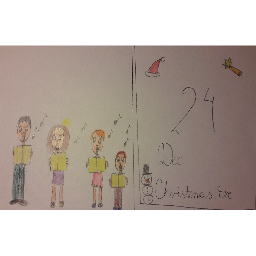
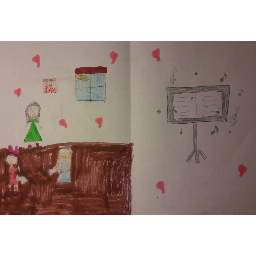
LET'S HAVE A LOOK AT
HOW TURKISH PEOPLE CELEBRATE
THE NEW YEAR
MEHMET AKİF İNAN SECONDARY SCHOOL / MERSİN
NEW YEAR TRADITIONS IN TÜRKİYE
*We decorate our houses and dinner tables
*Most of us prefer celebrating the New Year at home with our friends or relatives.Mostly the youngers spend the night out listening to music,dancing and watching some shows at clubs,hotels and restaurants.
*We used to send post cards in the past but recently we have sent messages or emails to share our good wishes for the coming year.
*We prepare special fish,meat or chicken meals.
*We give each other some presents.
*We hug each other and wish the good wishes just after countdown for the new year.
*Late in the evening we play "Tombala",a kind of card game,eat some desserts and chessnut.
*In big shopping malls lots of Christmas trees,sledges with deers and Santa Claus figures are decorated.
*At midnight we watch firework displays and make good wishes for the new year.


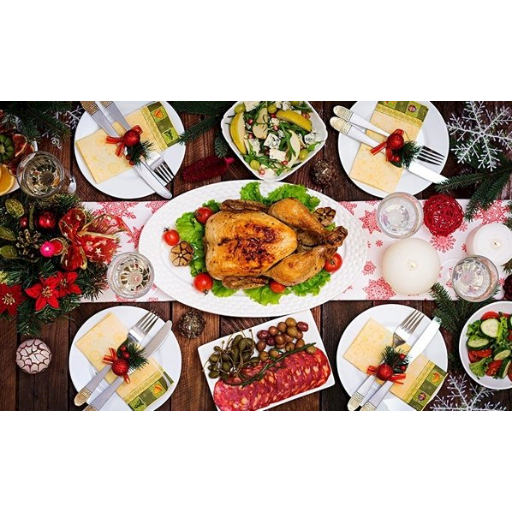

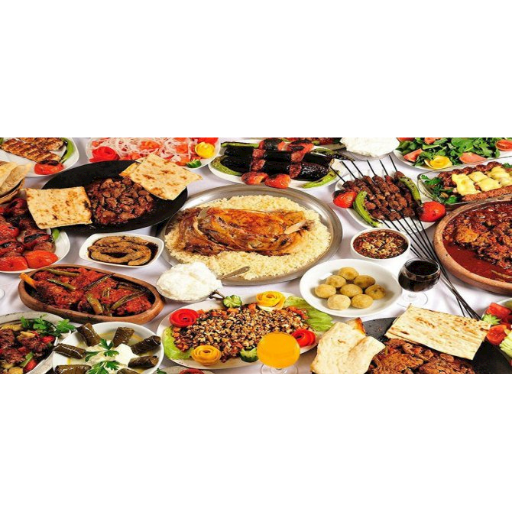
Chicken with rice inside INGREDIENTS
*A middle sized chicken
*A glass of rice
*An onion
*A little butter
*2 spoons of pine kernel
*3spoons of raisin
*A slice of lemon,salt and pepper
- For the sauce : 1spoon of yoghurt & tomato paste
*First fry the onion with butter
*Then add the pine kernel,rice and raisin and fry them for a couple of minutes.You can add some cinnamon
*Add salt,pepper and water and cook it at medium heat.
*Put the rice into the inner part of the chicken and sew the skin of the chicken .
*After spreading the souce onto the chicken,roast it at 200 degrees until it is fried.
*You can serve it with fried potatoes and onions.
GOOD APETITE !
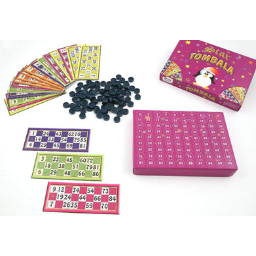
TOMBALA (a card game)
-One person selects a number from a small bag
in which there are numbers between 1 -90.(not seening)
and tells the others which number it is.
-Others cover on that number with small cartons
-When they cover all numbers in a row they announce
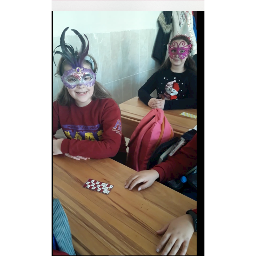
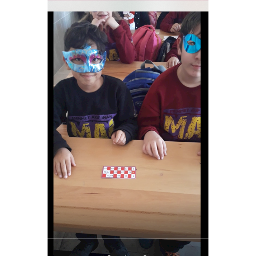
the first one . (We played it in the class)
-The first person who completes a row wins
some money but not as much as the one who
completes all the three rows.
-Finally after covering all the numbers on their
cards they announce and win the game and gets gets the big price.
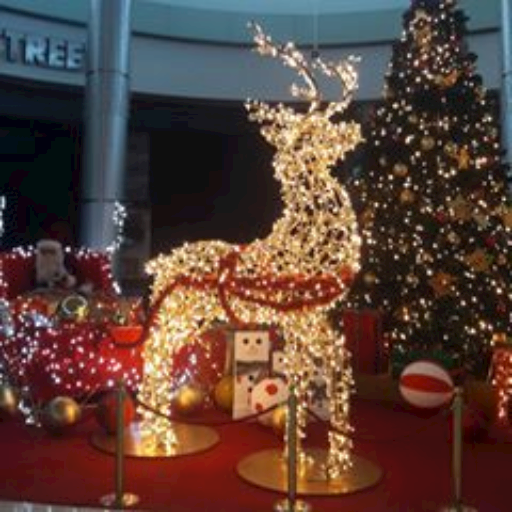
A DECORATED MALL
IN OUR CITY MERSİN
6 / D
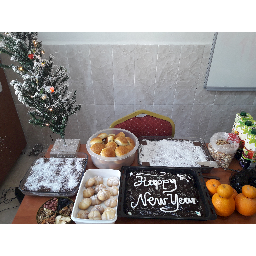
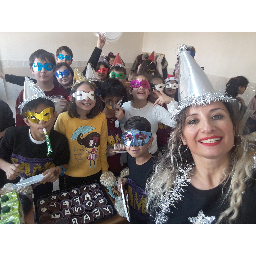
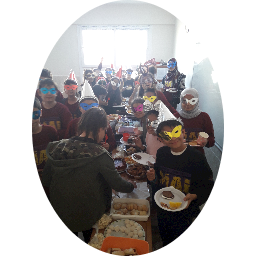
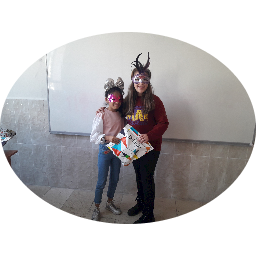
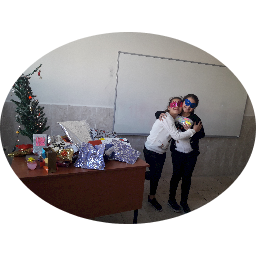
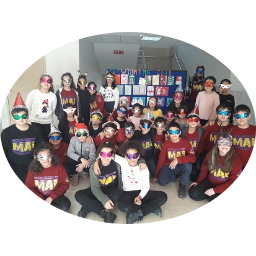
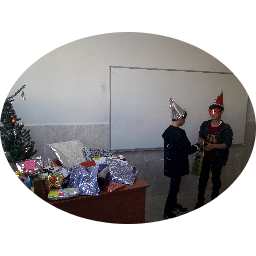
CELEBRATION
IN THE CLASS
ON THE 31st
DECEMBER!
OUR GIFTS


- < BEGINNING
- END >
-
LIKE
-
COMMENT