This book is dedicated to all book lovers...

Once upon a time, there were two friends in Giresun, Turkey. Their names were Arda and Aycan. They were students at Mithatpaşa Secondary School. They got on well with each other and shared similar interests. Both of them liked traveling and making new friends. They always dreamed to go abroad and see different countries.
ITALY
One day their teacher said that she had a great project. It was a tour in Europe. Two students could attend it. The first country was Italy. Arda and Aycan were volunteers. They wanted to go, so the teacher chose them. They were very happy and excited. The tour would be during the summer holidays.
The days passed and it was time to go. Arda and Aycan were happy. Nicole and Sofiia were ready to host them in Pavia, Italy.
Arda and Aycan arrived in Italy. They met Nicole and Sofiia at the Malpensa airport. They were very excited and happy. After saying "hello" to each other, they decided to go for a walking tour in the town of Pavia.
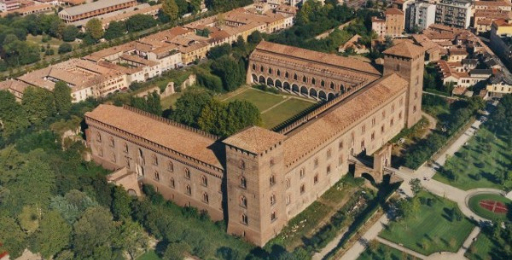
First, they went to visit the Visconti Castle. It is a great historical place. It was built in 1360.
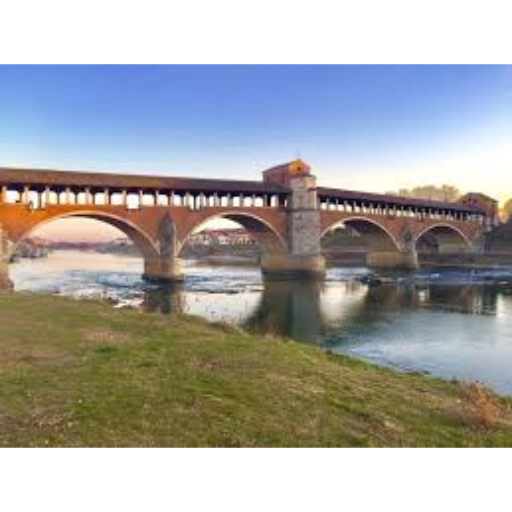
Then they had a relaxing walk along the Ticino River, where they could admire the beautiful Covered Bridge. It had an impressive scenery.
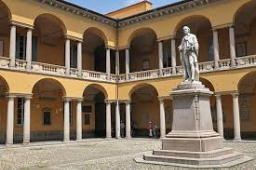
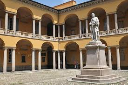
After that, Arda, Aycan, Nicole and Sofiia went to visit the University of Pavia, which started as a school in the ninth century and became a University in 1361. It's, therefore, one of the oldest universities in the world
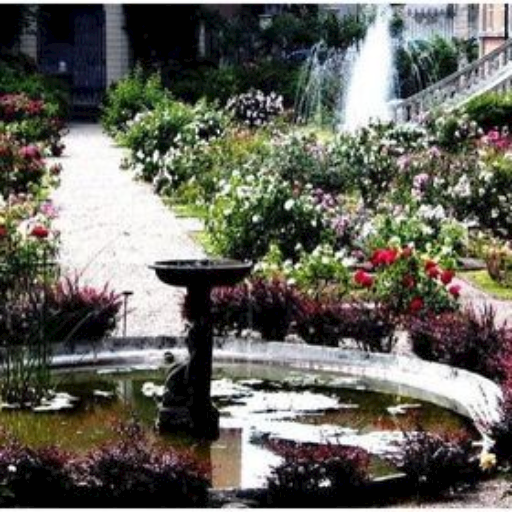
They went on the tour with a visit to the Botanical Garden. They were very happy among all those flowers. They had a great time together.
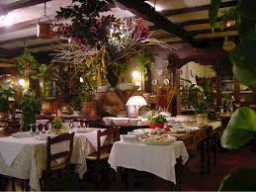
After the city tour, Arda, Aycan, Nicole and Sofiia got very hungry. They decided to go to a restaurant. Nicole and Sofiia suggested to go to the "Antica Trattoria Ferrari", in a picturesque area in Pavia.
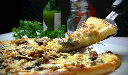
They discovered that among the Italian dishes there were pizza and spaghetti. Pizza was simple , easy to cook and the taste was delicious. There were many types of spaghetti, each one easy to prepare, too (that's why it's such a popular dish in Italy). On the other hand, the waiter suggested Lasagne and Risotto. So Aycan and Arda ordered Lasagne, while Nicole ordered Pizza and Sofiia chose Risotto.
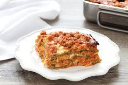
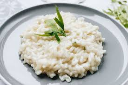
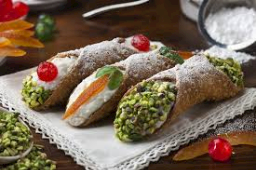
Nicole and Aycan also wanted to try some dessert. Aycan ordered a bowl of "Gelato", the Italian word for the English "ice cream". It was very delicious. Nicole wanted to try Cannoli. Cannoli was a dessert made with fried dough. After a perfect dinner they left the restaurant. It was time to go to the hotel, because the following day they had the bus to the Dolomite mountains.

Sofiia told her new friends about the Dolomites. They were in Unesco World Heritage list and there was a village there with a "Turkish" district. It was Moena. Aycan and Arda were very excited to see it. They got off the bus and watched the lakes and the mountains - a real unspoiled beauty. They reached Moena. It was so interesting to see Turkish flags and traditional clothes. They spent a night there.
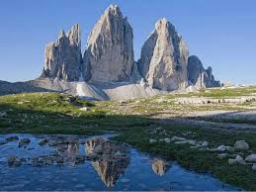
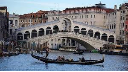
They got up very early the next day. Their journey was to Venice now. Nicole's father took them by car. This city was fabulous. Everywhere there was a water canal instead of roads. They had a "Gondola" tour. They didn't want to leave Venice but they had to go, because they had already bought a ticket for flying to Sicily.
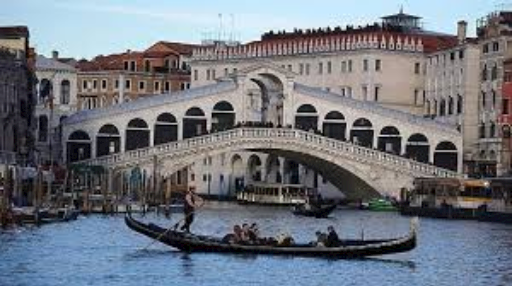
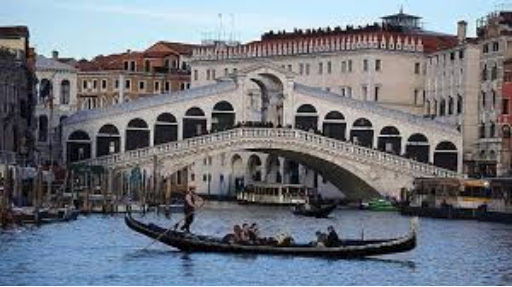
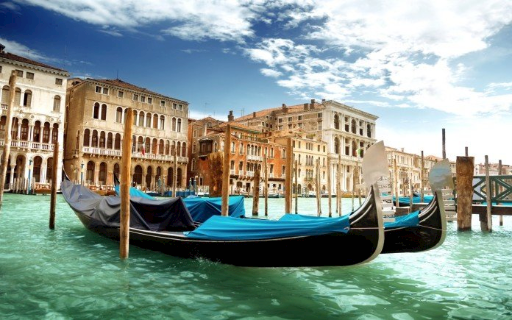
The famous "Gondola", the typical rowboat in Venice
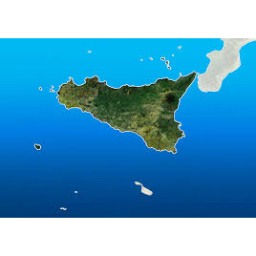
They got up early and went to the airport. Their destination was Sicily. It was the biggest island in İtaly. After an amazıng flight they arrived in Sicily. At first sight, they admired the blue color of the sea, ıt was as beautiful as Arda's eyes.
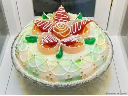
They were happy to explore the Italian cuisine. All of them ate their meals with great pleasure. They remembered the "Trattoria Ferrari" in Pavia. The first thing they tried in Sicily was a drink, called "Aranciata". It is a kind of orange juice. Then they tried the famous cake "Cassata". It is a delicious dessert made with soft white cheese, chocolate and candied fruit. All of them liked it so much
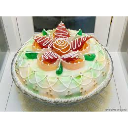
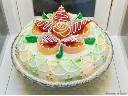
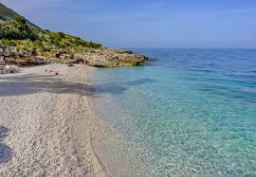
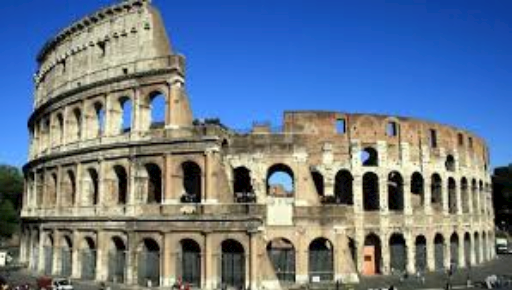
Sofiia's grandparents lived in Sicily and they planned a great day for their friends. After breakfast, they went to the Mondello Beach in Palermo. First they swam, then they dived. They had great fun, it was an unforgettable day. They spent the night at Sofia's grandparent's house. The next day, they took the plane and arrived at Ciampino's airport in Rome. There, they went to visit the Coliseum, one of the most breathtaking places in Rome. As they were going to the Pantheon, they stopped to see the Palatino, the well-known archaeological site
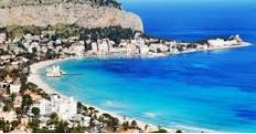
Mondello Beach in Palermo
The Coliseum in Rome
After that, they had lunch at Pizzeria Luigi, with amazing views of the Tiber river. They spent the rest of the day visiting the Vatican City, an independent city-state within Rome, where the Pope lives. There were a lot of places to visit: San Peter´ s Cathedral, San Peter´ s Square, the Sistine Chapel...Then, they decided to go to the hotel, it was late and the next day they had the train to Manarola.
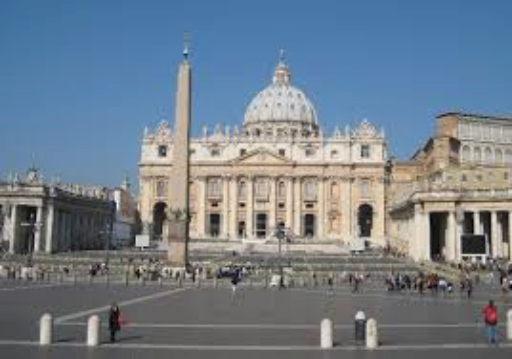
San Peter's Cathedral, within the Vatican City
Manarola, the second smallest village of the famous Cinque Terre, was very charming. With its colorful houses and picturesque landscapes it amazed the four friends. They wandered around this wonderful place, finding out about its history and tradition. In one of the local restaurants, “Il Porticciolo”, located in the centre of Manarola, they heard traditional Italian music, which they enjoyed a lot. They ordered Tiramisu, suggested by the restaurant owner.
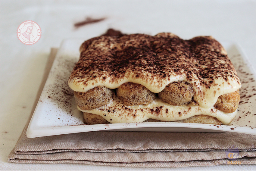
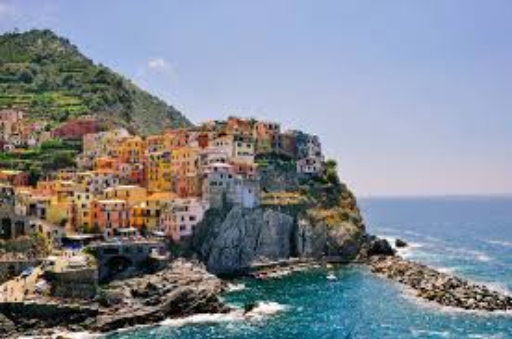
The picturesque village of Manarola
He told them that every region in Italy had a different type of folklore, which is characteristic only for that particular region and that there are many different folklore music festivals in Italy.
He showed them a pair of "Ciocia", a specific type of footwear, on the Balkans known as opanci, and also he showed them a "Coppola", a traditional kind of flat cap typically worn in Sicily, Calabria and Sardinia.
Wow, a lot of new information! They were truly amazed by Italy.
The Italian culture is known for its unique folk dances, some of them having really interesting names, such as: Ballu Tundu a man-woman dance, Monferrina, originating from North Italy, Pizzica accompanied by the music instruments: mandolin, guitar, accordion, tambourine, flute, trumpet and clarinet. In the evening they went back to the restaurant to watch the show, and to plan the rest of their trip. Until now, it was a real magic!!!
The next day Arda, Aycan, Nicole and Sofia caught a train to San Remo, a beautiful city not far from Manarola, known as "the City of Flowers".
When they arrived, they went to watch the well-known "San Remo Music Festival", which takes places once a year, usually in February or in March.
At the festival they could listen to the new songs by the most famous Italian singers and they could see a lot of famous guests: singers, actors and other vips from all over the world.
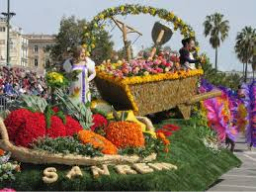
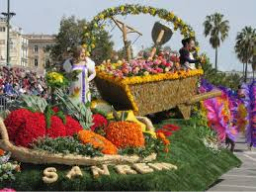
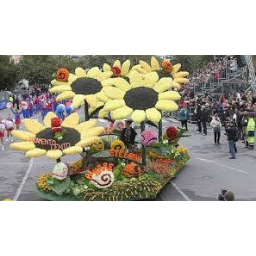
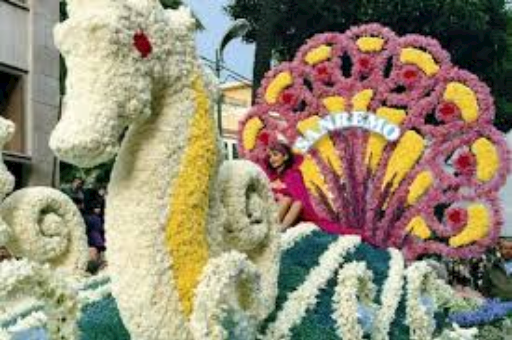
After the festival, they were able to get a pass to go to the backstage.
When they were there, they succeeded in getting the signatures from their favorite singers and actors. They could also talk to some of them. How lucky......they couldn't believe their eyes!!!!!
When they left the theatre, they bought typical festival souvenirs and they were really excited for the amazing day.
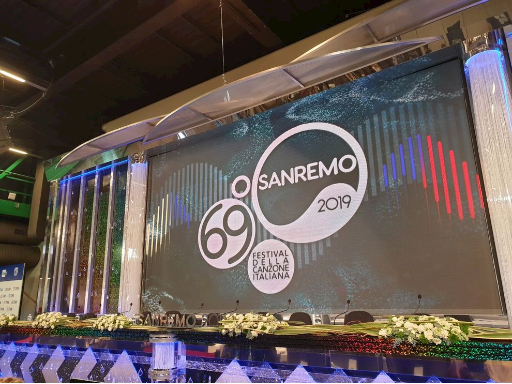
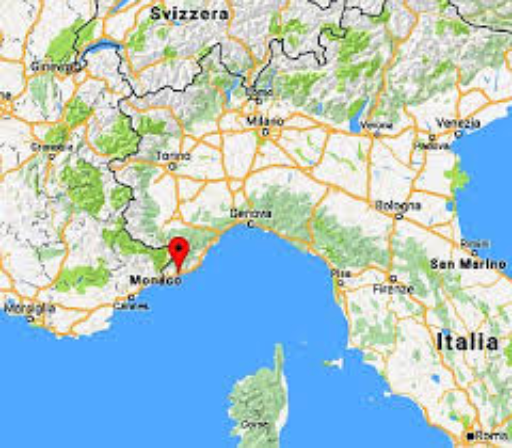
Here is Sanremo on the map, near the border with France
MOLDOVA
The two friends, Arda and Aycan, together with their new friends from Italy, Nicole and Sofia, decided to continue their adventure and explore a little bit more, but this time in Moldova. When they arrived there they had a warm welcome from their Moldovan friends, Vitalie and Rusalina. The first thing they noticed was the big river, Bâc, a tributary to river Dnester. They also told them that Chișinău is the financial and business capital of Moldova. The climate was humid continental, with warm summers and cool, windy winters.
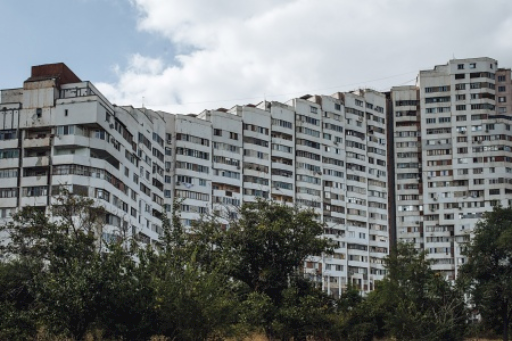
The city was beautiful, with many modern-style buildings but also with many old Soviet-style clusters of living blocks. Very interesting ones. Vitalie and Rusalina also told them that there are 12 public and 11 private universities in the city, the Academy of science of Moldova and a lot of high and elementary schools.
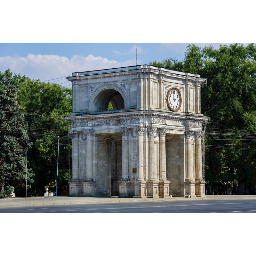
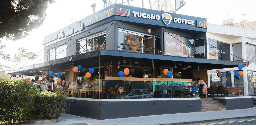
They took a walk along B-dul Ştefan cel Mare, city's main avenue and walked under the Triumph Arch, built in 1841 and saw the beautiful Orthodox Cathedral. They were a bit disappointed that the abandoned circus, built in 1981, was still not working. Then, they sat down in a nice coffee bar, Tucano Coffee- a local version of Starbucks, and a very nice place.
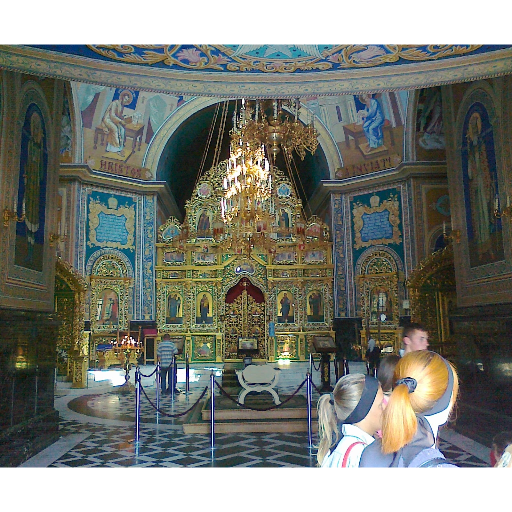
After they had their coffee, they decided to go to Balti the second biggest city in Moldova. Balti was located at the north of the country, that's why it was called "capital of north". They were surprised about this fact. This city also had a population around 145 million and it was a very live city. Throughout the night they saw that city was really very live. They witnessed nightclubs, many cool restaurants, and many other activities.
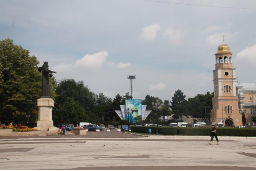
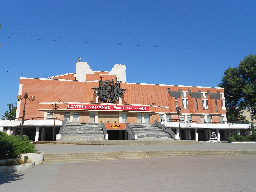
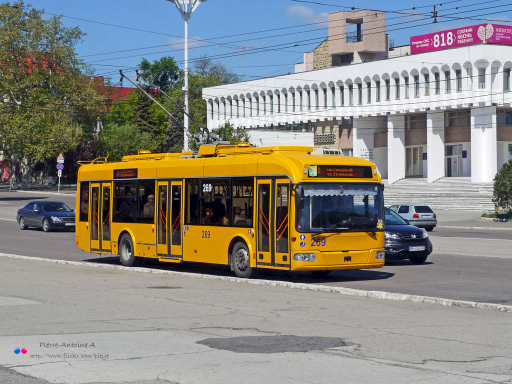
Because the transportation was maintained by city buses they went to Teatrul National Vasile Alecsandri from Balti ( first national theatre building) by bus. They also loved the beautiful scene of Saint Constantin and Elena Cathedrals. After their lovely visits to some historic places day ended and they went to Restaurant Noroc Balti and had a delicious dinner.
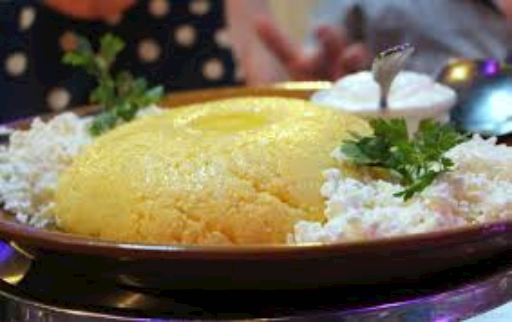
The next day, after a perfect breakfast with "Mamaliga" which was made by corn flour, Arda, Aycan, Vitalie, Rusalina, Nicole and Sofia decided to go to Tiraspol. Tiraspol was located at the east of Dinester River and was the second biggest city. T
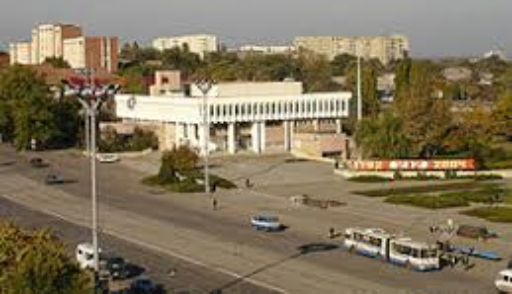
All together they walked along the 25 October street where was the most live street. There were so many beautiful parks around the 25 October Street. They stopped at one of them and had some drinks. After that break, they decided to go Noul Neamt Monastry. That monastery was 7 km away from the city. When they arrived to Noul Neamt Monastry, they saw there was a 70 meters ring tower. They spend some time there and took lovely pictures. And soon they returned.
They went to a traditional restaurant and Vitalie wanted to explain the menu for his friends, so Arda saw first the desserts and she asked what are ”brânzoaice” and how they tasted.
Vitalie said that ”brânzoaice” are like a different type of donuts with cheese. But first, it was lunch time so Arda and Nicole ordered ”ciorbă de perișoare” Sofiia, Vitalie and Aycan ordered ”sarmale”. When the food arrived they were impressed by its smell and taste. It looked so delicious and they couldn’t stop eating. Arda was impressed by Moldovan cuisine.
Everyone had a lot of fun there. Then,they wanted to see a traditional house. A guide invited them to his house. When they got there they saw it was a traditional Moldovian house.They were fascinated by the way it looked: the roof was made of hay and the walls from clay, the windows were made out of wood and glass. After they saw the house from the out side they entered.
The inside of the house was amazing, too. There was a traditional furnace made out of clay and stone. They also saw traditional beds made of wood and soft mattress . The host invited them to go outside into the garden. There was a great orchard. Our friends spent their afternoon there enjoying the food and the talk with the host. When the sun was going down there was time to leave to their hotel and finish the beautiful day.
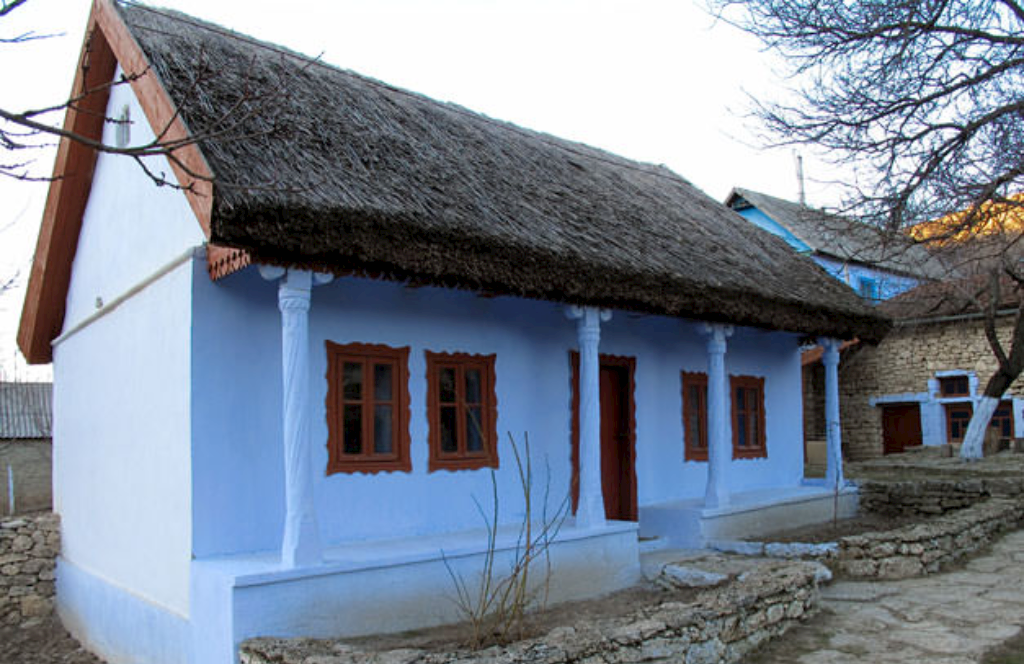
After a sound sleep, they left for Orheiul Vechi Settlement in the morning. They got into the car and enjoyed the landscape. These six buddies passed some of the most beautiful and picturesque Moldovan villages, showing a true image of Moldova daily life. Old Orhei is famous for the cave monasteries located there. most of the caves were used as shelters for the monks. One can see many religious texts and symbols engraved in the cave walls.They liked here very much. Now, it was time to explore another wonder of history.
The next day Nicole told the rest of them that she would like to listen to the typical music of Moldova. Vitalie and Rusalina told her that at night there will be a concert at the Moldova National Opera Ballet theatre. At the beginning of the show the orchestra and the choir started to play the national anthem, Limba noastră. After, they played the Miorița (an ancient ballad that is a very important part of Moldovan folk culture) and much typical songs of Moldova. When they left, they went to sleep, it was too late.
Arda dreamed that they were at the stage and they were acting like the show that they saw. They were all with the typical costume (tunics and embroidered hats, very elaborate) they were dancing the "Hora" a dance that they saw at the show. They were in a circle with joined hands and turning to the left, giving sequences of four steps in which three are forward and the fourth backward. When he woke up he started laughing of the dream because he couldn´t imagine all her friends with those clothes and dancing like that.
Next morning they got up early and had a big breakfast. They wanted to go to Rose Valley Park to see natural beauties of Moldova. Rose Valley Park is a beautiful urban park in Chişinau, Moldova. The place once held the ruins of an ancient sanctuary belonging to the Slavs. The place derived its name from rus, a mythical predecessor of Russian people after its name the valley was covered in rose plantations in 19th century. Today the valley is home to close to 500 varieties of shrubs and flora .
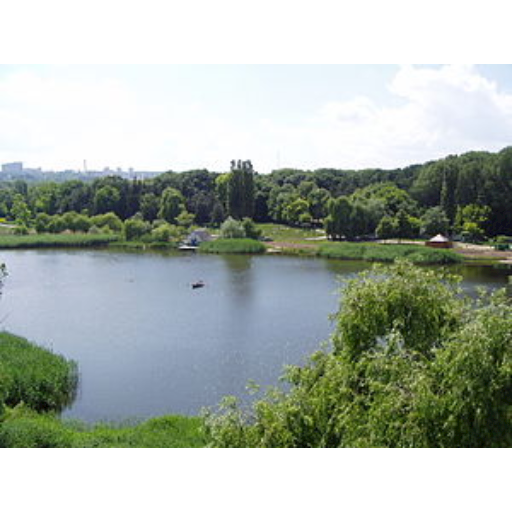
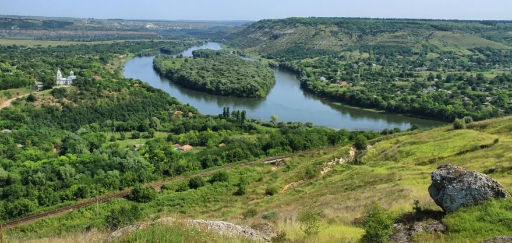
The group liked walking around the valley.They saw a lot of different plants. The most common were horn beam and oak trees. Also, there were linden, maple, wild pear and wild cherry.The scenery was amazing.
After they walked around, they wondered about the animals. They learned that the animal life of Moldova was rich. Mammals included wild boar, wolves, wildcats and polecats. There were many species of birds both resident and migratory. Children were amazed by the beauties and varieties of animals in Moldova. After they walked around, they went to amusement park in rose valley park. That was the last location, they packed their luggage excitingly to explore a new city and country they flew to Yozgat, Turkey next mornıng.
YOZGAT
TURKEY
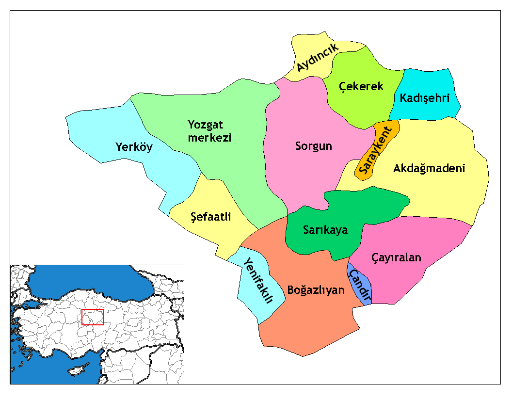
Our friends' exciting adventure continued. Arda, Aycan, Nicole, Sofia, Vitalie and Rusalina travelled to Yozgat in Turkey, where Tugba and Serap were waiting for them ready to show them around.
The previous two weeks were very interesting and full with new information for the six friends. And now that they were in the Central Anatolia region of Turkey, in the city Yozgat, their excitement was even bigger. They had Arda and Aycan with them, but they were coming from a different part of Turkey, which is why they were waiting for their new friends from Yozgat, Tugba and Serap, at the airport. Now, this company of eight young people was heading straight to the center of Yozgat, the capital of Yozgat province.
First of all their new friends wanted to take them to the Yozgat Pine Grove National park, to take a breath of fresh air and to enjoy the smell of the pine trees, after the flight.
The weather was great and they really enjoyed their picnic, surrounded by the nature. Soon they found out that this National Park was established on February 5, 1958, as the country's first national park. That was just one more reason to appreciate their time there more.
A very interesting fact they learned from the Director of the park, Ali Şimşek, was that the pine trees, which were 350-500 years old, were under protection, and even more, for some of them they knew their age. That was so cool!
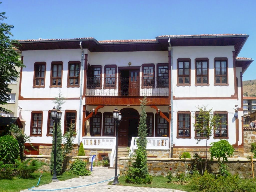
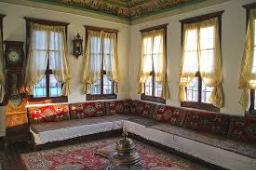
The museum after a restoration, was opened in 1985. There were 2,800 ethnographic and 1,640 archaeological items.
The next stop was at an old mansion named Nizamoğlu Mansion.
Among other things, there were: written manuscripts, local clothing, carpets, kitchen and everyday tools, wooden artifacts and weapons, sculptures, sarcophagi, coins, stamps and inscriptions inside the museum. Impressive collection.
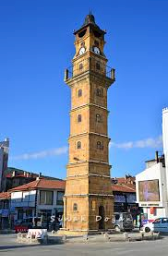
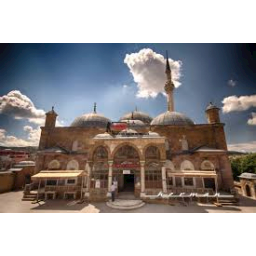
There were still so many things to do and visit in Yozgat, such as: Eski Roma Hamami ( Basilica Therma), Capanoglu Camii, Yozgat Saat Kulesi, very similar to the one in Bitola, Macedonia, built by the Turkish people, and many many more.
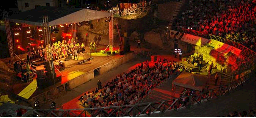
The adventure continued. Arda, Aycan, Nicole, Sofia, Vitalie and Rusalina went on a season festival. They saw people dressed in colorful turkish folk dancing costumes . In front of them there was a big stage. They listened to live folk music and watched traditional dances. Tugba explained them that these dances are very old and reflect people's life styles.
Serap added that folk dances take place at special occasions like weddings, when leaving the army and at festivals. They saw some dances performed only by boys or girls placed in the shape of a half moon circle and straight line. The dancers were strictly chosen because they had to know the steps and the music very well.
Our friends were impressed by the dances called by the regions Sivas Halayi Sivas , Tavas Zeybeg Denzil.
They also found out that each region has its own costumes.
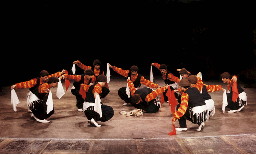
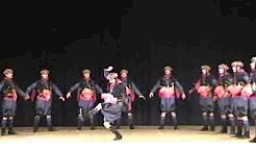
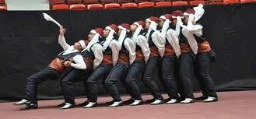


Our protagonists continued, they realized that that day was Palm Sunday, Tugba and Serap told them that on this day every young man cuts one meter of a willow tree branch, removes the bark, cuts the bark into a strip of about a finger´s width, rolls it around the clean branch, holds the branch over a smoky fire and then they have a beautiful white and black branch. Then they go house by house with this branch in their hands repeating the same words 'Mamu-mamu give me an egg from under your chicken'.
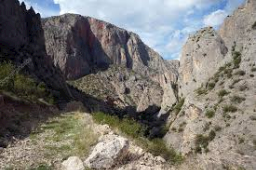
Then they went to Aydıncık, a hidden paradise and a popular tourist attraction. They enjoyed the view, got fresh air and had a mini picnic with Serap's mother's sandwiches. While walking, Vitalie tripped. Arda saved him from falling in the water, like all true friends. They spent a great day in this natural beauty. Before going back, they had a photo in front of Kybele Goddess Statue as a memory of the day.
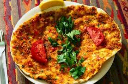
They found the Zafar restaurant as they were hungry. First they ate yogourt, the Beyar Peynir and the Gravyer, two types of cheese. They tried three types of bread: the Pide, the Borek and the Açma. Arda ate Lahmacun a typical Turkish pizza. Nicole tried the çorba, a traditional soup. Rusalina devoured the Sucuk (a sausage). Aycan tried the Guvetch an eggplant stew. Aycan and Vitalie ate kofte ... it was yummy!
They went out of the restaurant and had a walk in the town centre.


They still were thinking about the Pine Grove National Park. Especially about the flora- Larch, oak, juniper, quaking aspen, aspen poplar, willow, hawthorn, pear and fauna - mammal species such as fox, puss, vole, marten, squirrel, breast; bird species such as sparrow hawk, magpie, collared dove, skylark, starlings, chaffinch, pyrrhocorax, hawk, falcon and reptiles such as turtles, lizards, snakes.
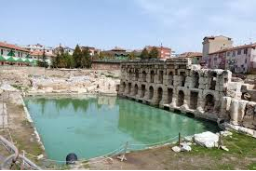
Next day, Tuğba and Serap wanted to take their friends to Roman Bath (the Basilica Therma) in Sarıkaya. It is also called King's Daughter Bath. It's an ancient structure, architecture and healing water has been flowing for 2,000 years. The bath water is at around 50 degrees Celsius. It's remedy for many types of diseases. In front of the Roman bath, there are half Olympic pools. This place was closed and there were buildings on it in the past. The bath was used for health purposes in the Roman era. There are goddess of health on its columns.
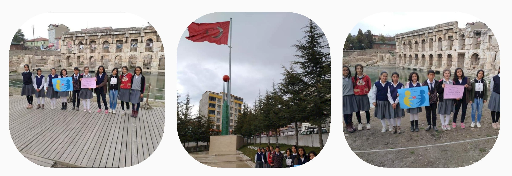
Tuğba explained her friends about the legend related to the bath: "Once upon a time a king's daughter catches a fatal disease. The king takes her many doctors but can't find any cure for his beautiful daughter. She can't walk anymore. In her last days, her father brings her here, she starts to get better with its mud and hot water. Finally, she starts to walk again. The king notices that this swamp cures people and orders his workers to build a public bath here. People start to settle around this curing Roman bath and it soon becomes a city."
All of the children were amazed. The legend was miraculous. They all wanted to experience swimming in this awesome bath. After swimming there, they came back in the city centre and packed their luggage. They all were ready for the new exploration. The new destination was Romania.
ROMANIA
All the friends were in Romanía. When they arrived, Andrea and Antonio greeted them and learnt how they were after their trip, after talking with them their friends asked them about general ideas about Romania. They explained that the name of Romanía comes from the latin, The Parliament Palace is the second largest building in the world and Bucharest is also called Little Paris.
Later Andrea and Antonio went out and started visiting some parts of Romania and telling things about Romania to his friends.
First of all, all friends went to Galati Port and Sea Shipyard. They learned from Antonio and Andrea that the meaning of Galati comes from the word "castle". There was a second claim about this is "galak" word coming from Serbian. Then they went to the oldest building in Galati : Holly Virgin Fortified Monastry.
They visited The Danube River. They were very excited when they saw Botanical Garden near the Danube. And they of course, with the advice of Antonio and Andrea, visited Nature-History Museum. Beside this trip, Antonio and Andrea started to give them information about Galati. Galati is the seventh biggest city in Romania. Galati population is 298861 thousand.
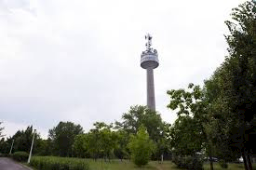
On the other hand, there is a restaurant called Turnul Televiziunii and has a sky scenery and located on the top of a TV tower. After this tiring trip, they went all together, to Gradina Publica where is a good place to drink something and rest. They chatted and talked about the exciting places of Galati.
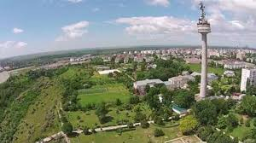
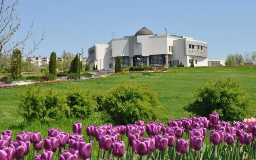
After visiting the botanique garden, they had a picnic. They had a plate prepared by Andreea’s grandmother with different kinds of food made of pork and vegetables. For dessert they had chocolate cake and traditional Moldavian cheese pie. After they finished eating, they drank some elder flower lemonade. Everything was delicious so they had the energy to continue their walk.
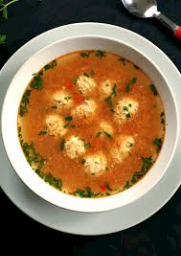
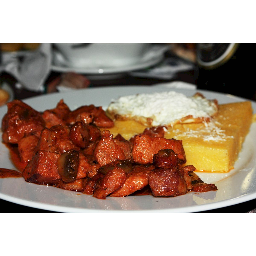
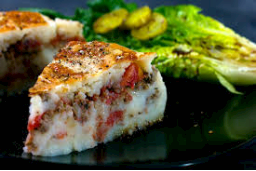
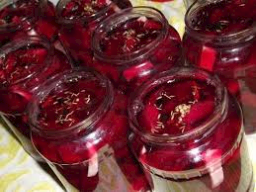
After they walked on the Danube Cliff, they were tired and they wanted to eat something again. They went to the city center, at Casa Romaneasca restaurant. Arda was hungry, so he ordered some sausages with mamaliga and seasonal salad.
Aycan and Sofia wanted to eat meatball soup because it seemed tempting. Nicole was attracted by musaca because that's what the waiter recommended.
Vitalie and Rusalina were very hungry, so they wanted tochitura with mamaliga and some potatoes.
In the evening they travelled by boat to Macin a small town near the mountains with the same name which are the oldest mountains in Europe. There they walked in the forest, picked red peonies and watched the sunset.
They met an old shepard who invited them to eat sheep meat cooked at his sheepfold, fish soup and baclava made by his wife who is of Turkish origin.
Our friends were delighted by everything they saw and tasted and were ready to go on their trip.
Next day Andrea and Antonia wanted to show them historical places of Galati the first one was Precista fortified church. İt was built between 1643-1647-construction was made of massive stone and brick.
The church was restored in 1831,1953 and 1991. Today the church is dedicated to the Assummption. It is the oldest historical monument in the city of Galati. All of the children took photos of the church and went on their trip.
After that, the managers have seen that they are foreigners and they gave them a plate of traditional drinks from which to taste. The first was palinca made of plumps which was very strong and no one wanted to taste again but the second was compotul (some boiled fruit with a sweet syrop) which they liked a lot.
After such a delicious meal they felt they wanted to take a nap so they went to Galati hotel to rest.
Their next place was Tiringhina Barbosi Roman Camp. It was located 5 km southwest of Galati. It was built between Paco Roman wars (101-102). It was built to prevent attacks on the Danube river coming from neighboring nations. The fortification from the shedding of river Siret in the Danube river was abandoned in the late third century when the Roman Empire finally abandoned Dacia.
The small company of 10 people was having great time together. They were truly amazed by Romania, by this beautiful and picturesque country. Its beautiful landscape was very inspiring for all of them. The combination of different colors: blue, green, brown was so calming and refreshing. Their next destination was the Danube Delta, the second biggest river delta in Europe, after the Volga Delta and the best preserved one on the continent.
They stayed at the Delta Hotel, which was close to the Danube Delta. In fact there were many hotels close to this natural beauty, because there were so many tourists so wanted to visit it. And the fact that it belonged to the Seven Natural Wonders of Romania 2008 made it even more attractive. It amazes them right away with its rich flora and fauna. The two Romanian friends told them that it offered optimum conditions for nesting and hatching some specific bird species. It was simply wonderful. And that's why in 1991 it was inscribes as UNESCO Wolrd Heritage Site.
Being here it would have been such a shame to miss visiting Gura Portitei called the "Eden". In the past it used to be a fishermen's village, but a few years ago it was transformed and now it is one of the most beautiful places to visit in Romania. It is the only place where you can see the Black Sea on you right and the Danube Delta on the left. Just imagine, a river Delta and a sea divided only by a small island.
While enjoying their stay at one of the most beautiful places in Romania, Andrea and Antonio told them about the other Romanian beauties. Among the other Seven Natural Wonders of Romania were: Sphinx and Babele, beautiful landscape with mushroom shape rock formations, in profile resembling the appearance of the Great Sphinx of Giza, from which their name derived, then Piatra Craiului Mountains, the Ceahlau Massif, the Cheile Nerei-Beușnița National Park, located in western Romania, with many endangered floral and fauna species, the Scărișoara Caves, one of the largest ice caves to be found in the Apuseni Mountains of Romania.
On their way to hotel, they started to talk about Romanian festivals. Andrea said: "There are a lot of festivals, Bucharest International Light Festival, Outernational Festival, Vatra Darnei Bear Dance Festival, Youth and Children Dance Festival...
Antonia added: "These are just a few examples. However my favorite one is Untold Electronic Music Fest. Thousands of people attend it. Vitalie said: "I heard that in 2016 people got free tickets it they donated blood. Is it true?" Antonia confirmed: "Yes, it is to encourage blood donation. This festival is held in Transylvania. And you know Dracula is from there.
While they were talking about festivals, they decided to go and participate to the "Bran Festival", which is held in Transilvania, in the castle in the village of Bran. The festival consists of concerts of different types of music. They listened to the music which was in program that evening and they realized it was a jazz concert. It was an enjoyable experience, even if they wanted to listen to more traditional Romanian music. So they left the castle and went to look for something more typical.
In the village of Bran, they found Sambra festival and they danced two typical Romanian dances. The first one was "the Hora" which is the most popular dance in Romania. The music in this dance is played by instruments such as accordion, violin, viola, pan flute and trumpet.
They also danced a more ancient dance which is called Căluşarul, it was a ritual dance where each participant has a role, for example there was the mute, the boss and others. After that they took a walk around the village.

During the walk, Andrea and Antonio started talking about Romanian dances. Every traditional dance has a specific characteristics depending on the geographical area. For example a typical Transylvanian folk dance is Fecioresc. Fecioresc is a group of boys and men, from five to seventy years old in group or performing one by one .
In 2015 Fecioresc was inscribed in the Unesco list of Cultural Heritage.
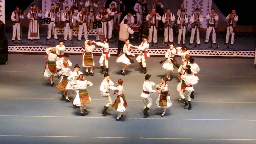
After their talking about Romanian dances, the 8 friends wondered where Romanian music came from. Antonio explained that the origins of music in his country dated back to the Dacian people. The first music book was the " Codex Caioni", a collection of music texts written by two boys. Then, in one village there appeared the " Cobza", a local evolution from "Oud" ( which came from Arabia) and "Barbat" (which came from Iran), two types of different music. After all this explanation they decided to get back to their hotel and have some rest.
MACEDONIA
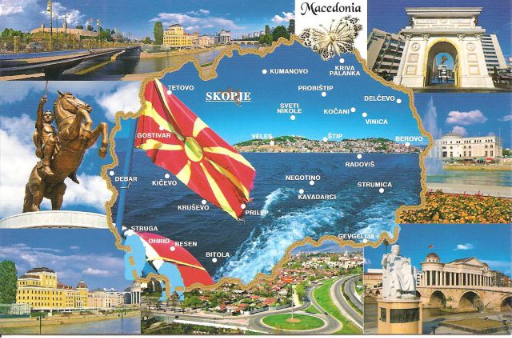
And so the great adventure continued to this small but very beautiful country in the southeast of Europe, North Macedonia.
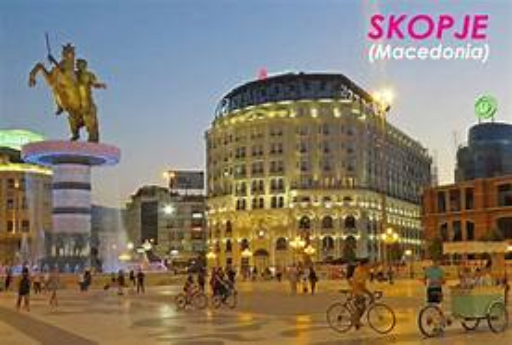
After they landed safely on the Skopje airport, their hosts, Anastasija and Dajana, gave them warm welcome and they all together took a taxi to get to the city. They told them that Skopje, which is home to roughly a quarter of the nation's 2.06 million inhabitants, is the capital of Macedonia and its biggest city.
This landlocked country had borders with four other countries: Serbia, Albania, Bulgaria and Greece to the South and it was one of the successor states of the former Yugoslavia. The majority of the residents were ethnic Macedonian, a South Slavic people, Albanians, Turks, Romani, Serbs, Bosniaks and Aromanians. They also told them that the summers were hot and dry, and the winters were moderately cold.
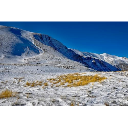
Once they got to the city they took the ski lift and went to Vodno, a place from where the whole city could bee seen. The view was amazing. They told them that they were about to visit many beautiful mountains and lakes, since there were a lot of beautiful places to be seen and a very rich world of flora and fauna, with some unique species. Now it was time to enjoy the view and rest a bit from the trip they had.
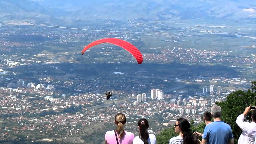
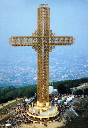
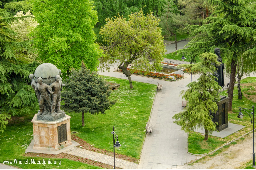
Their hosts decided to tell them about the places where the people live there. spend their free time. They relax in the Skopje park and the theater. The Skopje park is a green space in the center of the city. It was founded during the Hafiz Mehmet Pass immediately after building the Islamic school near it. The park stretches over an area of 1600 meters with a Kermes restaurant
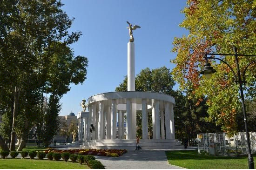
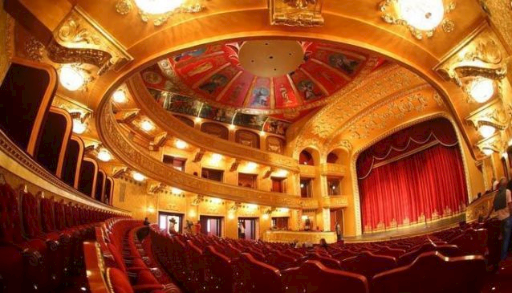
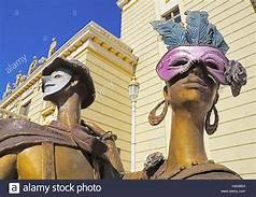
One of the most beautiful buildings in Skopje is the Macedonian National Theater. It was built in 1945 with money donated by the city. The building rises on two floors and is painted white. The interior is represented by two halls, one for professionals and one for amateurs. Locals know the theater as the trampoline due to the shape it has.
In the morning they went to the city of Bistola, the second largest city in Macedonia. There, Anastasija and Dajana told that they had an amazing cafe culture. At all times of the day they found locals sitting outside the cafes, catching up and watching the people go by. They also went to a long pedestrian street that runs through the heart of the city named Sirok Sokak Street, crossing the River Dragor. They found themselves standing in the city’s historic bazaar.
The ruins of Heraclea Lyncestis were located just 2 kilometers south from the center of Bitola, at the foot of Baba Mountain.
Though smaller than the original city, the archaeological site of Heraclea Lyncestis amazed our tourists by several important buildings and sites. These were the Roman theatre, Roman thermal (bath complex), small and large basilicas added by the Byzantines, Jewish temple, and intricate church floor mosaics, some fantastic examples of early Christian art.
The tourists took hiking paths and clearly marked nature trails, as well as horseback riding, picnicking spots, rock climbing, and skiing. They spent the night at one of the accommodations located within the park called Kapri, the Hotel & Restaurant. They enjoyed their time on Bistola and are looking forward to seeing the next interesting place in Macedonia.
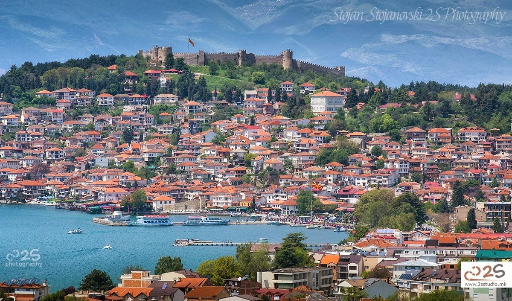
All friends got some information from Anastasija and Dajana about Ohrid. They learned some information about Ohrid Lake. It is the oldest and deepest lake in Europe. And also it is the 4th purest and clearest lake in the world. There was a saying in Ohrid city that " While God was forming the Heaven from mud, a small piece had fallen to Ohrid." It is such a beautiful city. Another fact about Ohrid is that it is in the UNESCO World Heritage List. Among the information friends learned , there are 40 mosques in the city which survived from the times of Ottoman Empire.
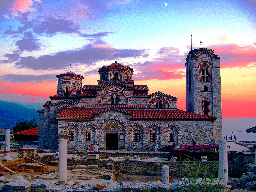
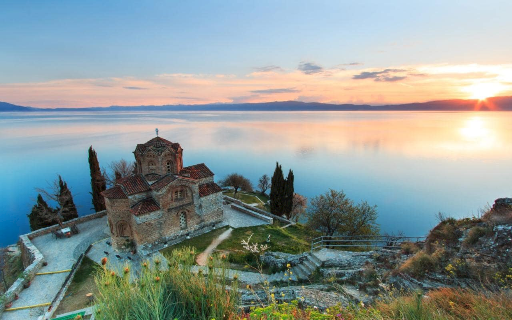
On the other hand, Ohrid friends learned that Ohrid has a very live night life, especially on Kliment Ohrid Street. Another fact about Ohrid is that in the city theatre is a Ohrid Ancient Theatre which was built approximately in 200 A.D. and belong to Hellenistic Era. There was used for the fights of Gladiators in times. This beautiful place is also used for Ohrid Summer Festivals. Dajana and Anastasija informed friends about the Sveti Jovan Kaneo Church. It is a very beautiful building just near the Ohrid Lake with a beautiful scenery. Friends are very excited about the beautiful city Ohrid.
Adventurous friends got very hungry. Anastatia took out a brochure from her bag. It was about local foods and drinks of Macedonia. On brochure some of the foods were these: Avjar: A kind of maze made of roasted red pepper and eggplant. People have it especially at breakfast. Burek: It is a well known pastry all around the Balkan countries. It is with cheese, meat or spinach. Cevapi: It is a finger sized sausage-like meat. Kachamak: It is made of fried butter and corn flour and served with yogurt. Kaymacina: It is a light and tasty sweet, made of milk, egg and sugar. Veyeta: It is a kind of soup. It contains broth and vegetables.
Vekits: İt is a kind of fried dough.
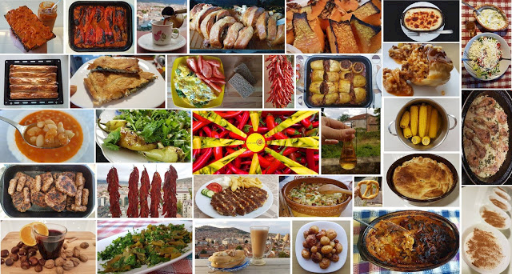
Pleskavitsa: It is a big, round ham made with any combination of park, lamb or beef.
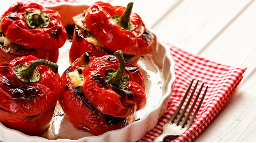
Polneti piperki: Peppers are stuffed with grounds meat with rice and spices then baked in the oven.
Shopska: A kind of light salad.
Tavche: Bean stew, seasoned with garlic, onions and other species.
And as drinks Macedonian wines, beers, sljivocica - a popular fruit rakija, Brownissa Blackberry sherbet.
Serap said: What a rich cuisine! I can't wait one more minute. Let's go to a local food restaurant.
After the restaurant they decided to went to Dojran Lake and they did windsurfing.
Then they visited Old City Clock tower and they took pictures.
Nicole said : "I loved this experience" and Vitalie nodded.
Sofia didn't like this experience because she hates water.
Anastasija fell into the lake, Serap laughed and Andrea helped her.
Finally they went to Marble lake because everybody loved it.
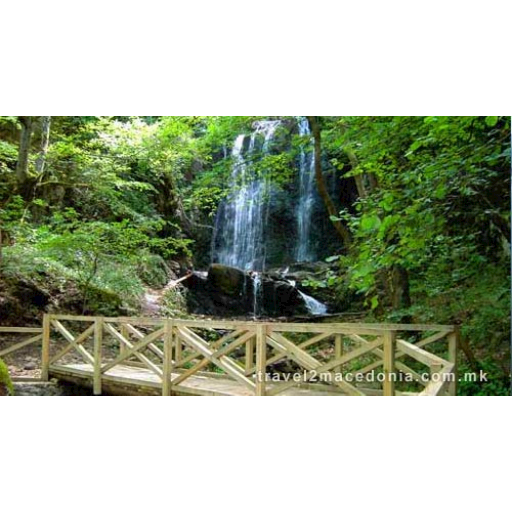
When they arrived at Marble lake , they had a swim . They loved it because the water was very cool .
A girl from the group proposed the idea to visit Kolesino falls. They went there and had a great time. After a couple of hours the boys headed the group of friends to a very beautiful national park , the Mavrovo park .
Arriving at the national park, they sat on a bench and rested a little before starting to walk to visit the place. In the park Mavrovo they saw the Mavrovo lake, which extends for 10 kilometers and is the best trout fishing in the country, besides being a wonderful place to swim.
After visiting the lake, they took some time to admire the church of San Nicola and were amazed by the beauty of the place and also went to see the highest peak in the park, Mount Mavrovo.
After discovering how amazing the natural beauties in Macedonia were, they couldn't wait to visit other places and be surprised by the local folklore.
Anastasija and Dajana explained that Macedonian folklore is rich in a lot of things, for example folk costumes, which are an integral part of the Macedonian culture and represent a significant branch of the national artistic creations.
The costumes can be made of woolen or silk thread with red being the predominant color. Other examples of Macedonian folklore are traditional jewels made of gold, silver, bronze and copper with different techniques (filigree, gravure, molding). Some samples are real filigree masterpieces with old preserved forms and elements.
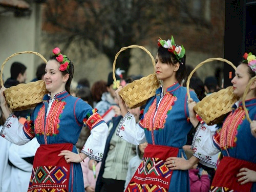
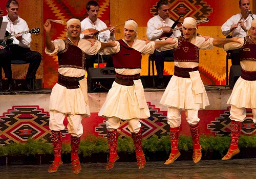
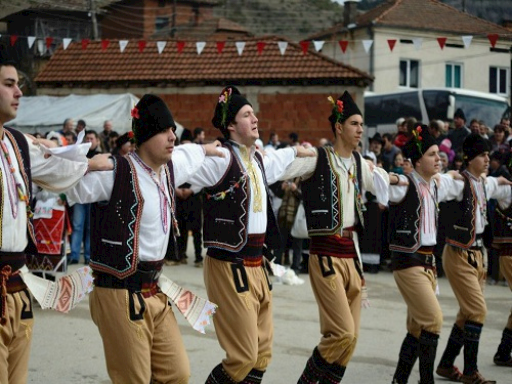
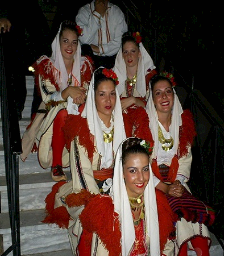
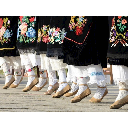
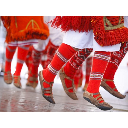
The two girls, then, suggested to go and have a look at the traditional pottery products in the center of Resen and Vraneštica (Kicevo district). When they arrived there, they could admire pottery objects made of clay with different forms and rich decorations. They all were surprised, because they didn't imagine there were so many things to buy as souvenirs for their families.
Anastasija and Dajana went on with their "lesson" about Macedonian folklore. They told their friends that an important event is the celebration which takes place every year on 8th September, when they celebrate the Independence Day.
The two girls spoke about the most traditional Macedonian folk dances that can be performed on that day, for example "Teshkoto", which is called that way because it's performed only by men. Other typical dances are "Nevestinsko", " Drachevka", "Maleshevka" and "Sedenka". All the friends tried to learn to dance some of them and had great fun because they kept on making mistakes with the different dance steps and even fell down on the floor.
They had great fun while trying to learn different dances.
Next day, they decided to attend a famous festival in Macedonia.
Every year, the traditional folk festivals '' Ilinden days '' take place in Bitola. It is a 4-5 day festival of music, songs and dances that is dedicated to the Ilinden Up rising in 1903.
Ilınden day is also called ''Republic Day '', but its meaning in the Macedonian tongue refers to saint Elijah Day. For it was on the religious holiday of Saint Elijah Day that the uprising took place.
The Next day out awesome friends decided to go on their trip with historical places.
They went to Bitola's 16th-century Yeni Mosque and 17th-century stone clock tower and sat at the top of Sirok Sokak, Bitola's main pedestrianized thorough fare, before the Dragor river and gate way to the Stara Carsija. Today the site is a pretty park where locals come to cool off under umbrellas of shady trees.
The clock tower still chimes at 6 am, midday, 6pm and midnight. The Yeni Mosque was recently restored, and you can see the foundations of the old church of St' George on which the Mosque was originally built.
After visiting the mosque, the awesome friends wanted to visit the museum in Bitola.
İn architectural terms, the building represents synthesis of western and oriental architecture.
In its dimensions and gauge as monumental building, it is a reflection of the builder accomplishments at that time in these areas.
Also, in chronological terms, it is the only historical building of this type in Republic of Macedonia .
Within the museum building are located the permanent exhibition of Bitola Area. It is the city where Mustafa Kemal Ataturk studies his military school and there is a memory room in the museum in Bitola dedicated to Mustafa Kemal Ataturk.
Turkish friends Arda, Aycan, Tuğba and Serap were really happy to see the memory room dedicated to Atatürk.
In the evening awesome friends packed their luggage again, they were ready and excited for their next destination "Spain".
SPAIN
"What a journey!"- the group of these young people thought, while landing at the Spanish airport. And the best was yet to come. SPAIN, with its grandeur, was there, waiting for them to discover it. Fermin and Oscar were waiting for them and started telling them about this beautiful country right away. They told them that the Kingdom of Spain, with its 505,955 square kilometres, was the second largest country in the EU and the Spanish language was the second most widely spoken in the world, right after Chinese.
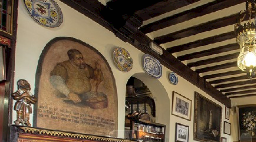
In Madrid, the country's capital city. They wanted to spend some time in the world's oldest restaurant, Restaurant Botin, opened in 1725. They also told them that Spain has 47 UNESCO World Heritage Sites, which makes it the 3rd ranked country in the world, with pre-historic cave art, historic cities and buildings, bridges, national parks and landscapes. Only Italy with 49 sites and China with 45 have more. Wow!!! Also, we mustn't forget that it is country of FIESTAS, with hundreds of festivals taking place throughout the year. From Botin they continued their walk in the beautiful Madrid, to get to know it better.
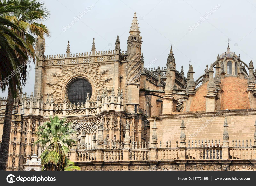
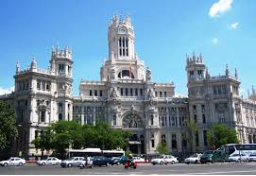
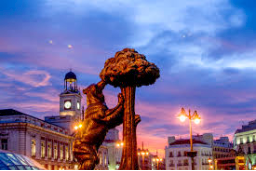
After the amazing places they saw and all the things they found about Madrid, the next day Fermin and Oscar invited their friends to visit Pola de Siero.
They explained that it is a town in the autonomous community of Asturias on the north coast of the Kingdom of Spain, the administrative capital of the municipality (concejo) of Siero. Pola de Siero is located in the centre of Asturias, approximately 16 km east of the regional Capital Oviedo and 16 km south of Gijon.
Fermin added that a charter had allowed the formation of the town, imposed an annual tax on the inhabitants to be paid to the crown, and granted them a license to hold a weekly market in the town square, Plaza les Campes. This market, which has continued every Tuesday to this day, was the decisive factor in the development of the town. With the market, the town became the focal point of a large rural area of fertile land, and thereafter other commercial and administrative functions followed. Everybody was intrigued by all this information and wanted to know more and more about the new places to visit.
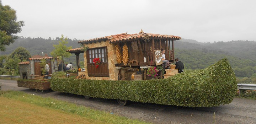
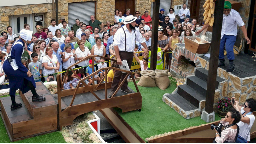
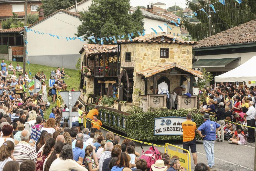
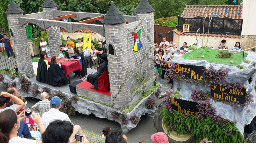
After the exciting knowledge they had taken from Fermin and Oscar, the group learned that there are 29 parishes which form the Siero Manucipality, and Pola is a kind of main population centre consisting of 12,387 inhabitants. Siero has a mild humid climate and this is very useful for agriculture. On the other hand, there are festivals in the city. One of them is San Felix festival.
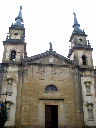
Among these exciting festivals, Fermin and Oscar told them there is also "Les Carroces de Valdesoto". It is a Tourist Interest Festival. In this festival there is a parade of floats that settlers of the town build during the year. On the same day there are many theatre shows in the city.
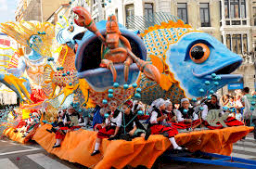
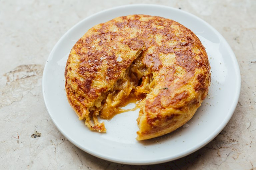
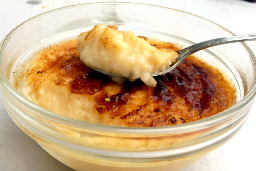
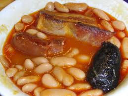
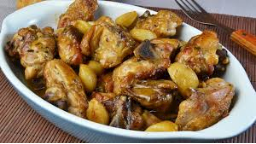
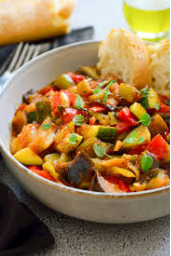
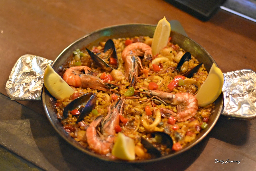
All of them admired these values and festivals. After all, they got hungry. Since Oscar's mother is quite good at cooking and she prepares delicious local meals, Oscar suggested going to his house and "Yess" they shouted eagerly so there they went. his mother was waiting for them. She welcomed and took them to the dining room. There was a feast in the middle of the room. Oscar's mother gave some information about these delicious meals: Gazpacho is made with tomato, cucumber, oil, garlic, pepper and bread and is typical in the south of Spain;
paella, the most traditional rice dish; our famous omelette; pollo al ajillo, the best garlic chicken ever; grilled piglet, very famous in the centre; fabada, a bean and pork stew typical from Asturias; pisto, the Spanish version of ratatouille; croquettes made of ham; boiled octopus; prawns in fried garlic ... And as desserts: turrón, typical at Christmas and rice with milk, which is very popular in our region .
'I think that's enough, my dear guests. Enjoy your meal.' They thanked her and started eating.
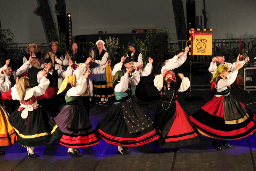
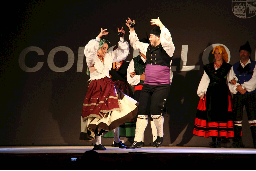
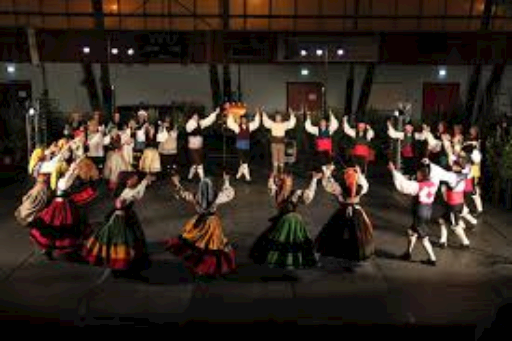
They went to a fair with typical dances and clothes.
They learned that there were more dances in Spain aside from the flamenco.
The Asturian Jota, the Half Turn, the Kick...
They wanted to try them all.
They asked if they could try and a kind woman told them that they should wear the typical clothes if they wanted to dance. Then they went to a nearby shop and they bought the dresses and suits, then they changed into them.
The woman taught them how to dance the Half Turn. When they knew the dance, they also wanted to have castanets, typical from Asturias.
When they finished, they wanted to go to a concert of typical Asturian music, they wanted to hear the drums and bagpipes.
When they arrived at the concert, they were amazed because of all the people that were there, everybody wanted to hear them play. They saw a lot of bagpipes typical from Asturias, they started to play the animated song, the guys liked it very much. When the concert finished they had dinner and they were so tired that they went to sleep.
While falling asleep, they wished to hear some Galician music, since Galicia is the neighbour region of Asturias and they share some characteristics, especially Pandereteiras, who are traditional groups of women that play tambourines and sing.
The next day , the awesome friends decided to explore the capital of the region Oviedo. Oviedo is located in the center of the region. It's a medium sized old town with about 200,000 inhabitants. The town has some old Christian buildings and was founded in the VIII century. It has many pre-Romanesgue 9th century structures and now they are World Heritage listed.
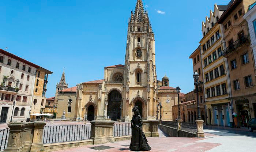
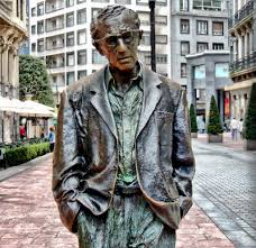
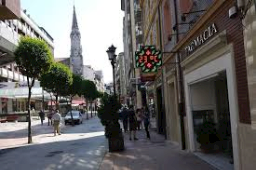
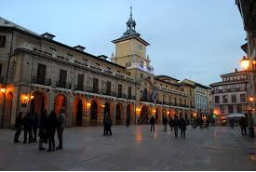
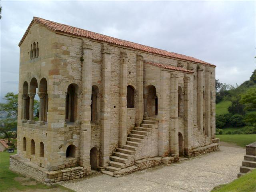
They all were curious about the structures. First, they went to ''Santa Maria del Naranco'' on the slope of mount Naranco. It was firstly built as a royal palace. The King of Asturias, Ramiro I ordered this building to be built. The palace was converted into a church at the and of the 13th century.
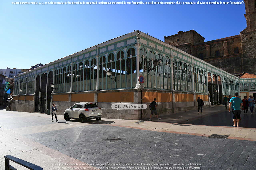
Then the group went on their trip visiting San Miguel de Lillo Church, San Julian de los Prados Church, the Sacred Chamber in the Cathedral and El Fontán Market.
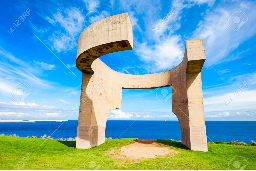
Then, they moved to Gijón, where they visited ''Eulogy to the Horizon'', a sculpture on the top of Santa Catalina Hill and one of Gijon's most famous sights.
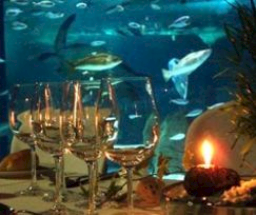
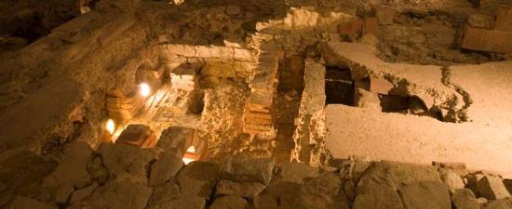
The next place was ''Acuario de Gijon'', a great Aquarium to visit. ''There are 5,000 marine creatures from 400 different species in this aquarium ''said Oscar. And they visited ''Museum del Pueblu d' Asturies'', (a history museum), ''Termas Romanas' De Campo Valdes'' (an archaelogical site) and '' Playa de San Lorenzo'' (a natural beach).
After visiting these great places, the friends went back to Oviedo and had lunch at Restaurante el Fondin. There were many typical dishes from Asturias. All were pleased with the dishes and ready to go on their trip. Oscar offered to walk around San Francisco Park and relax a bit in this beautiful park.
After relaxing in the park, the awesome friends went on their trip visiting the Fine Arts Museum of Asturias. '' This museum has the largest public collection of arts in Asturias'' said Fermin. There are over 8,000 paintings, sculptures and drawings in it.
The next day, the awesome friends wanted to visit Gijón again, a working town right on the Cantabrian coast in the northern Spanish region of Asturias .The first place to visit was ''The Railway Museum of Asturias'. This museum was responsible for conserving Asturias' historical railway heritage. It displays exhibits from the Industrial Revolution, and shows the technological development and the social impact of railways in the region.
After visiting the museum, Oscar offered to see the Atlantic Botanical Garden.
The beach was great and some of the friends tried surfing. It was a great pleasure to be there and try this sport all together. All of them were happy. A great day finished and they packed their luggage again. Their next destination was '' Nevsehir, Turkey''. They all were curious and excited about their new explorations and experiences.
TURKEY
NEVŞEHİR
Now, the friends were back in Turkey - in one of its most beautiful regions- the Central Anatolia Region- they were amazed by the facts that their new Turkish friends had shared. They told them that Nevşehir, formerly Neapolis and Muşkara, was a city and the most popular one of Cappadocia Region. The city was located at a distance of 290 km (180 mi) from the capital Ankara, and is within the historical region of Cappadocia.
Ömer and İlayda prepared a presentation about Capadocia for their friends: "We want to inform you about our region. Capadocia means land of beautiful horses.Every year,approximately three million people visit this region.We have a top tourist attractions in Nevşehir list. Derinkuyu Underground City from the 7th century BC. It is the deepest and has eight floors. Paşabağı Zelve Faiy Chimneys attract plenty of tourists.Devrent Valley with a lunar landscape has rocks that are animal shaped".
"Kaymaklı Underground City is the widest one in the whole region. Açıksaray is a former village carved into rock. Göreme Open-Air Museum captures the history of this place with cave churches and paintings. Avanos is a river side town. Pottery culture takes place most in this town. Love, Rose, Red, Pigeon valleys are best for hiking".
"Ihlara Valley is a bit harder to get ,but it is worth a visit. Hacıbektaş is a center for the followers of the Bektaş order, by the Iranian philosopher and sufi Hacı Bektaş Veli .Eski Gümüşler Monastery is in Cappodocia's south in Niğde with very impressive frescoes."
They also told them that its adjacent provinces are Kırşehir to the northwest, Aksaray to the southwest, Nigde to the south, Kayseri to the southeast, and Yozgat to the northeast. The most interesting fact was that Nevşehir province includes the area called Cappadocia and the famous town of Goreme.They added that Nevşehir had a warm dry-summer continental climate, with cold , snowy winters and warm,dry summers. Rain could appear in autumn and late spring .
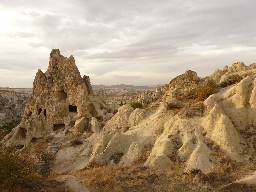
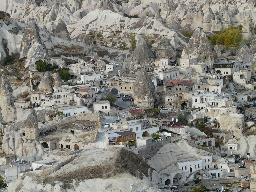
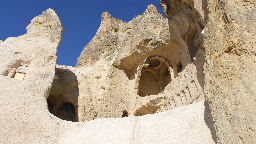
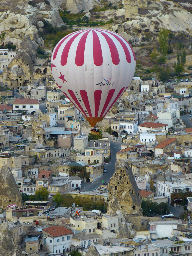
They also found out that the area contains the villages of prehistoric cave dwellers and underground cities dating back to the 4th century. They told them that Nevşehir was the first city that comes to mind when travellers think of visiting the Cappadocian region. And they were truly amazed by it and its picturesque landscape.
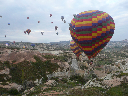
While they were looking at the landscape,they saw some people in a balloon in the sky and they wanted to go. Ömer was afraid of heights but Ilayda wanted to go.Finally Ömer got on the balloon. While they were in the balloon, they saw all the landscape had very good views. When they went down, they had to pay the ticket but it was very cheap.
When they went down, they wanted to see the beautiful river Kizilirmak, in the city of Nevsehir. They wanted to take a boat and see the city from the river. The river ended in a beautiful mountain, and there was a path so they walked on the mountains. They saw an amazing goat with a binoculars, and it had a baby. There were a lot of beautiful animals and flowers.
Then they went to a Nevsehir museum and there they learnt about the history of the city. At first in the city there were only eighteen houses, then the village started to grow up. In the museum they saw a lot of pictures by different artists that painted the National Park of Goreme. When they saw the pictures, they wanted to visit the park .
After visiting the park, Ömer and İlayda went on their presentation about tourist attractions of Nevşehir. They told about location first. There is Kayseri in the east, Aksaray and Niğde in the west and Yozgat in the southeast. These beautiful Fairy Chimneys were formed 60 billion years ago by lavas of Erciyes and Mounth Hasan which ones were volcanic. Göreme Open Air Museum, that is located in a distance of 13 km to Nevşehir, is in the Unesco World Heritage List. And there is a Sunset Point in Göreme which attracts tourists most.
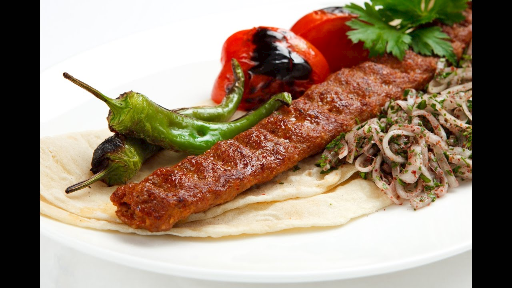
They were also fascinated by the Kebabs that are cooked in barbecued oak coal or wood-burning ovens.Mostly beef,lamb and mutton are used.It is one of the most famous meals.The kebab that is in the picture is called Adana Kebab. It doesn't belong to Nevsehir but liked by everybody in Turkey.
When they tasted Lahmacun, that is a kind of pita that is baked in a stone oven, they wanted more and more. It includes ground beef, parsley, onion, garlic black pepper and red pepper on the dough. Eggplant, bell pepper and many other vegetables are used for filling with wheat or rice with other ingredients which depend on the region. Rice is usually served with chicken with sauce and spices.The rice has a good flavor with oil, chicken broth, spices and special ingredients. Karnıyarık is one of the major meal of Turkish cuisine.
The next day they went to visit a Pot Construction Workshop.They learned that everybody knows how to make pottery,that the culture is in many different places of Nevsehir and they were even taught how to make pottery and how to make it more interesting by making awesome designs.
Pottery isn't the only product Nevsehir is famous for. It is also famous for its wine. The group of friends was so curious to learn about it. In Turkey the wine production is about 75 million liters a year.Turkey is the 6th country for grapes production, after Italy, China, U.S.A., France and Spain. Turkey has 1500 types of grapes. Nevsehir is one of the most wine-manufacturing place in Turkey, Nevsehir types of wine are: Chardonnay, Dimrit, Emir, Blanc, Narince, Sangiove.
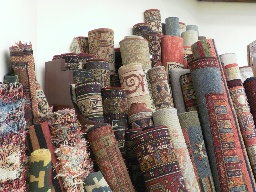
Other important products in Turkey are the carpets. There are different types of Turkish carpets, and they are really beautiful but expensive. They are manufactured with wool, cotton and silk. The most famous carpets are Gördes, Isparta, Kayseri and Usak. Carpets are used in shops, houses and temples and they are always very colorful and geometric.
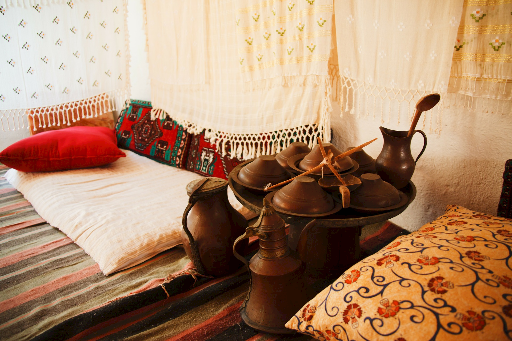
The friends decided to go in a carpet shop and they saw a lot of carpets and they were so full of colors and lovely that they decided to buy one carpet to take home as a wonderful souvenir.
GİRESUN
TURKEY
After they have travelled for about 8 hours they were able to rest a little bit by the sea, because this beautiful town was located right by the sea, the Black Sea, in the northeastern Turkey, about 175 km west of the city of Trabzon. Arda and Aycan told them that in the past it was known as Cerasus (Κερασοῦς).
Giresun is located 40.92 latitude and 38.39 longitude and it is situated at elevation 39 meters above sea level.
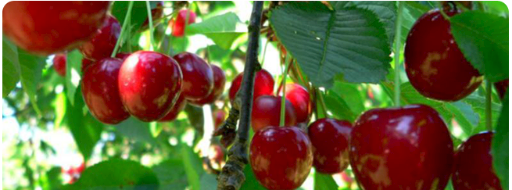
The history of this beautiful city was very rich indeed. Probably due to its attractive location it was interesting for conqeuring and the first people who founded it were the Greek colonists back in the 6th century BC. The company was amazed by its beauty and the stories Arda and Aycan were telling them . Although the name of the city was changed many times during history, today's name was deriving from the Greek word for CHERRY- κερασός (kerasós). And so was it, as sweet as a cherry.
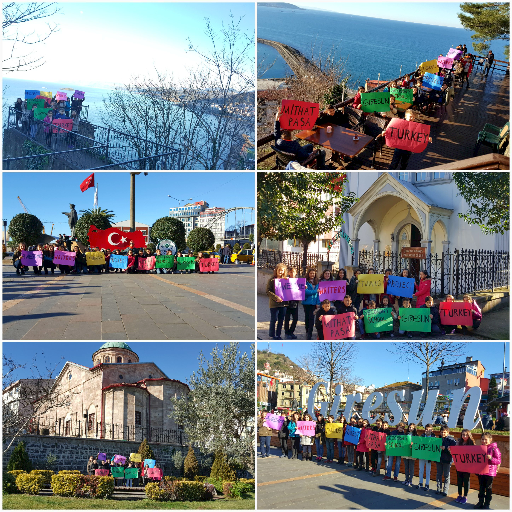
The story about the Giresun Island was also very amazing. It was probably the only major Black Sea island on Turkish territory. In the past it was very famous with the Amazons and it was also known as Amazon Adası . Giresun used to be known for growing walnuts, cherries, leather and timber, but especially hazelnuts. They told them that the climate was humid subtropical, with a lack of extreme temperatures both in summer and winter and with a week or two of snow between December and March.
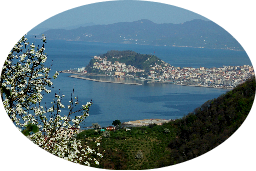
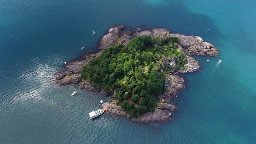
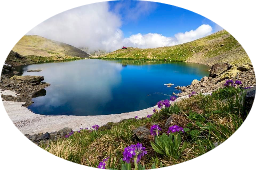
Aycan said "In our city, we have many tourist attractions. I will give you some information about them, later we can visit some of them. Kuzalan waterfalls is a nature park. There are also caves, travertines and floral elements. Blue Lake is a lake near Kuzalan. It is a little hidden paradise. Kulakkaya Plateau is somewhere relaxing between flowers and awesome landscapes. Giresun Castle gives you the chance of seeing great view over Giresun with historical background.
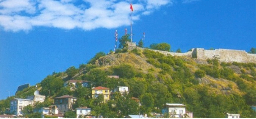
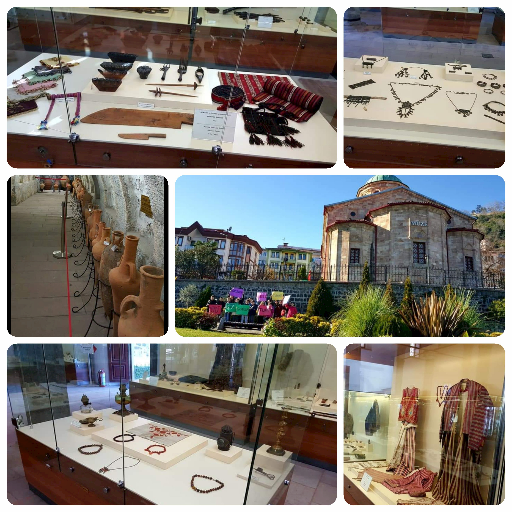
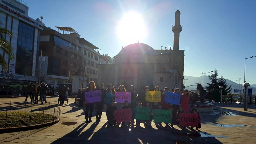
The view from the top is stunning. Sis Mountain is a small village for nature lovers. You feel yourself in clouds. Giresun island is a small one with some ruins from the old times. Paşakonağı is a plateau. It is one of the favorite places of nature lovers with its perfect landspace. Kapu Mosque and Hacı Miktat Mosque are historical mosques. They are still used. Giresun Museum is a small museum. (pottery, jewelry, clothing, cooking items).
Uluburun Beach is a suitable place if you want to swim. Bedrama Castle is somewhere to see history of Venice and Genoese. Also there is a historical mosque on the way. Şebinkarahisar Castle is one of the famous tourist trails. The views from here are stunning.
Behind these, Arda and Aycan informed the others about some other tourist attractions of Giresun" Bektaş Yaylası(plateau ),Kulakkaya Plateau, Çatalağaç Waterfalls, Kale Mosque, Eynesil Castle, Andoz Castle, Sağrak Lake, Koçkayası Nature Park."Kuzalan Waterfall,Kulakkaya Plateau,Hacı Miktat Mosque , Giresun Island, Blue Lake...All of them are amazing and definitely worth to see.Arda said" where shall we go first?
Since the weather was good all friends decided to go to the beach because it is one of the most important natural things in this place. They had a great time swimming, playing on the sand, sunbathing.
Then they went to Giresun Island . It's very colourful and It has a lot of things to do like swimming, watching animals,exploring the historical ruins and visiting beaches .
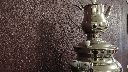
Arda and Aycan wanted to talk about local products of Giresun. "Giresun coppery has a very ancient history. This traditional handicraft still exists today. Wooden samovar, tray, trinket, wall plate, sugar bowl and vase are produced " said Arda. Aycan added " handmade carpets and needlework, are also important crafts in Giresun."
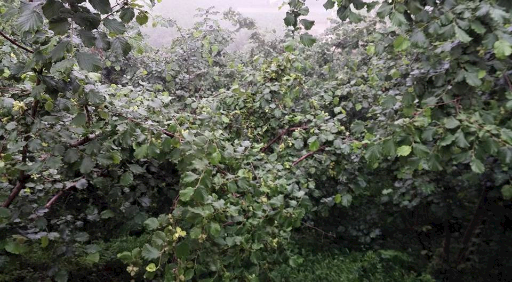
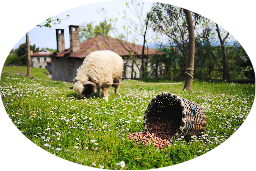
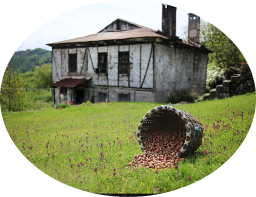
Giresun is hometown to world's best quality hazelnut . So it is the most important trade product of the city. In the past, hazelnut was exported in natural form but today it is exported in roasted , blanched, chopped and paste form in chocolate, biscuit and sweets.
In addition to hazelnut production, cereal and fruit production is done in the province. Animal breeding is composed of meat, milk, egg, honey and sea products production.
Fishing in the coastal area is an important source of livelihood. There are many kinds of sea products.
The next day Arda and Aycan wanted to visit Kümbet, Karagöl and Bektaş which are areas of attractive mountain pasture in the district of Dereli, where people can enjoy walks and picnics. Annual folklore festivals are held here in summer. Due to the dense forestry in Giresun, woodwork is among the common handcrafts in the region. Some small wooden handcrafts peculiar to the city are churns, külek (a storing pot for cheese), and spoons.
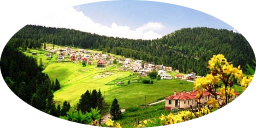
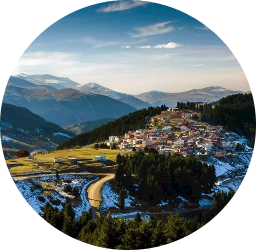
One of the oldest handcrafts in the city is weaving. Wool, linen threads and similar raw materials. Strong threads and knitted threads are also produced in hand looms. There they went to the International Giresun Aksu Festival. This week-long festival, held in late May with concerts, traditional dance performances and other open-air events.
They were informed by the local people that in the winter there is also a festival where the participants have a chance to skate with authentic wooden sleds.
After visiting many plateaus, they were very hungry and decided to have some traditional dish.They went to a traditional restaurant.Some of them tried "dible",some tried "pide",some ate cherry roasting,some had grilled anchovies, others had oven-baked potatoes and black cabbage soup .They were full and happy.Giresun cuisine was amazing and delicious.
They were very excited about everything they saw and did that day but very tired so they all went back to their hotel.
We are at the end of our travel, we are happy to visit Giresun. We are amazed by Giresun because it is a fascinating city, full of history, culture and attractions. We had a great day because the weather was always hot and sunny.
What we liked most was tasting the cabbage soup,grilled anchovy and the oven-baked potatoes. They were really delicious. Another experience we enjoyed a lot was to visit the waterfall in Kuzalan and the Black Sea. It was as beautiful as a dream!
Dear traveling companions, our experience has come to an end.
We just want to say once again it was amazing! We learned a lot of things about new cultures: we visited a lot of places, we came across new words in different languages, we tried delicious traditional dishes from each country and we were fascinated by different types of national folklore... In other words, we got to know each other so well that we became close friends. And this will last forever.
Goodbye to everyone, then, we hope to meet you soon in another unforgettable journey around the world
TEAM 1TURKEY 28 Yiğit İ.*TURKEY 50 muhammet g.*TURKEY 50 sinem c.* TURKEY 66 Numan T.*SPAIN Sp. Colás Á.*ITALY Denis M.*TURKEY 28 Şenel Hami A.*SPAIN Sp. Paula V.*TURKEY 50 ilayda c.*TURKEY 66 Tugba G.*ITALY Tommaso L.*SPAIN Sp Sergio T.*MKD Daniela S.*TURKEY 50 edanur y.*TURKEY 28 Ayşenur S.*TURKEY 66 Bahar A.*TURKEY 50 liva u.TEAM 2TURKEY 28 Beyza Nur Ö.*MOLDOVA Mariana C.*SPAIN Sp. Amalia F.*MKD Brankica C.*TURKEY 66 Semanaz A.*TURKEY 28 Sıla N.*MKD Dimitar R.*TURKEY 66 Helin D.*ROMANIA Andreea I.*ROMANIA Marian S.*TURKEY 28 Kerem Ö.*TURKEY 28 Göksu A.* ROMANIA IONUT T.*SPAIN Sp Olaya Z.*TURKEY 28 Işılay Ç.*TURKEY 50 zeliha b.*TEAM 3 ITALY Sofiia S.*SPAIN Sp Mateo P.*MKD Martin V.*SPAIN Sp.Aylén Y.* ROMANIA GABRIELA A.*MKD Sofija K.*TURKEY 28 Aycan D.*ITALY Lucrezia R.* MOLDOVA Dan M.*MKD Evgenija Z.*TURKEY 50 gülfem k.*MKD Matea G.*MKD Daniela D.*MKD Marija N.*ROMANIA Alexandru P.*TURKEY 50 ömer e.*MKD Anastasija J.
TEAM 4MKD Jovana G.*MKD Angela L.* ITALY Cecilia L.* TURKEY 28 Can Y.* TURKEY 66 Elif Berna B.*ROMANIA MIHAI D.* MKD Viktorija C.* MKD Amanda T.* TURKEY 28 Emirhan Ş.* ITALY Jessica G.* TURKEY 66 Büşra İ.* ITALY Stefano G.*ROMANIA Liviu U.* TURKEY 28 Yaren Y.*ROMANIA ANTONIO T.* TURKEY 50 defne s.* ITALY Margherita F.*SPAIN Sp Fermín D. *TEAM 5TURKEY 28 Sıla A.*TURKEY 28 Nursena M.*ITALY Nicole P.* ITALY Michelle F.* ROMANIA Gabriel S.* ITALY Manuel P.*TURKEY 66 Elif Seda Ö.* TURKEY 50 ebubekir k.*TURKEY 28 Mirac A.*MKD Dajana T.*ITALY Giada G.* ROMANIA Bianca P.* TURKEY 66 Seher S.* ITALY Diego F.*TURKEY 28 Zeynep Y.TEAM 6 ITALY Federico O.* ITALY Arianna N.*ROMANIA Razvan N.*TURKEY 66 Melisa B.* TURKEY 28 İlknur Minel A.*TURKEY 50 şeymanur u.* SPAIN Sp Óscar Samuel G.*SPAIN Sp. Nuria V.* TURKEY 66 Semanur Y.* TURKEY 28 Arda G.* TURKEY 50 elif a.* TURKEY 28 Samet D.*SPAIN Sp Alba C.* MKD Jovana C* MKD Nikola N.*ITALY Michela F* MOLDOVA Vitalie I.
TEAM 7ROMANIA Valentin G.* ITALY Tommaso T.* SPAIN Sp Nuno B.* MOLDOVA Cristi P.* TURKEY 50 yasir k.* TURKEY 50 fatih e.*MKD Jovana S.* SPAIN Sp Andrés T.*TURKEY 50 eren s.*SPAIN Sp. Claudia I.* MOLDOVA Maria G.* MKD Sara T.* MKD Martina K.* ITALY Daniele S.*TURKEY 66 Serap S.
TEAM 8SPAIN Sp. Guillermo T.*MOLDOVA Mircea B.*TURKEY 50 elmas u.*MKD Marija A.*ITALY Matteo A.* ROMANIA Antonio S.*TURKEY 28 Hilal Ç.* TURKEY 50 aleyna d.*TURKEY 28 Nazlı Baytemur MKD Mila R.*TURKEY 66 Berfin A.*MOLDOVA Rusalina ZmuTURKEY 50 buse k.* MKD Jovan V.*SPAIN Sp. Iker N.*ITALY Chiara L.*TURKEY 50 ilayda e.
Dear awesome writers of this book ,thanks for your great participation,cooperation and contribution to the project.We love you so much.(Your teachers)
- < BEGINNING
- END >
-
LIKE
-
COMMENT