Let's explore the world around us

What does a paleontologist do?
7th Kindergarten of Katerini-Evi
According to children's information, a paleontologist is a scientist who search and studies fossilized remains of plants and animals, especially of dinosaurs and is interested in knowing the history of life on earth.
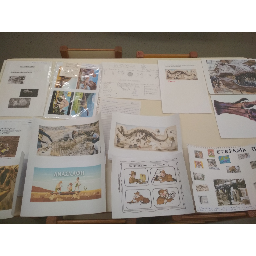
1st Liti's Kindergarten
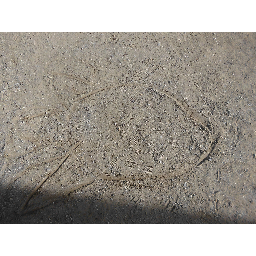
A paleontologist makes discoveries: he starts excavations to find fossils.
His job is difficult, but interesting and very useful, because he helps us getting new knowledge about dinosaurs.
If someone wants to be a paleontologist has to study at University and try hard.
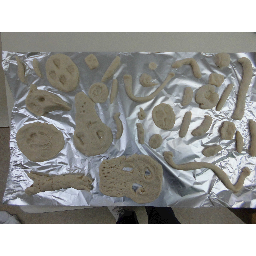
In an excavation the paleontologist digs with his tools, purifies the findings, measures them, takes photos, puts them together and exhibits them in museums.
2nd Kindergarten of Aliartos
A paleontologist starts excavations to find fossils.He helps us getting new knowledge about dinosaurs.
In an excavation the paleontologist, purifies the findings, takes photos, puts them together and exhibits them in museums.
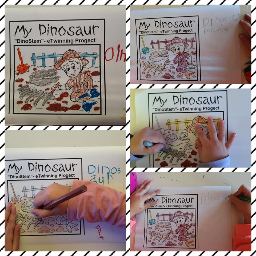
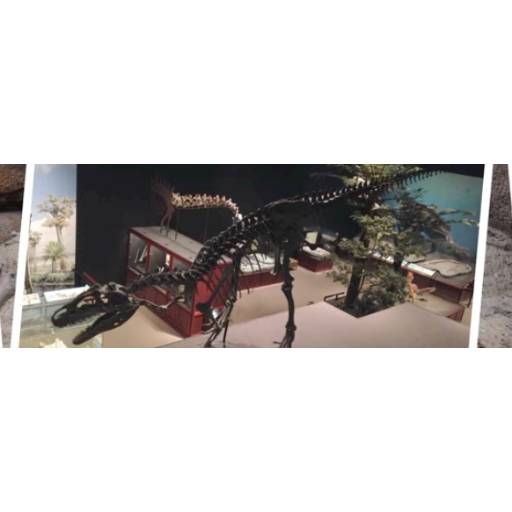
Gülsüm Atile Hakkı Tatoğlu Primary School Antalya Turkey
Paleontology is a science that works on fossils. Changes in the Earth's cycle have caused living creatures to remain under the ground at different geological times.Scientists engaged in plaeontology are also called paleontologists. These creatures have become fossils over time. By studying these fossils, paleontology reveals the periods in which they lived and the characteristics of that period.
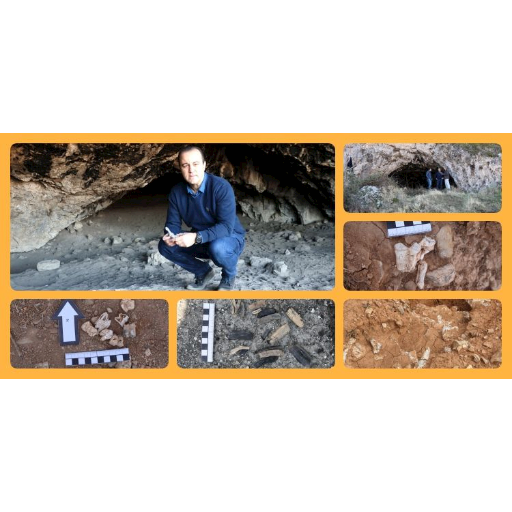

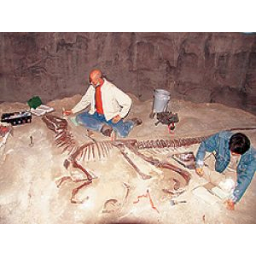
24th Kindergaretn of Katerini ,Greece
A paleontologist finds out dinosaur bones. His job is difficult, because he needs so many days to dig deep with so many tools.
7th Kindergarten of Katerini- Vaso
A paleontologist uses his/ her special tools to find out fossils of animals or plants that lived million years ago, especially dinosaurs.
He / She helps us to imagine how dinosaurs lived those years and to make stories about them.
7th Kindergarten Katerini Kostantina
A paleontologist is a scientist whose job is to dig the ground (excavations) and find fossils of animals and plants. He then uses special tools to examine these fossils and define their age as well as other pieces of information.
13th Kindergarten of Katerini
A paleontologist is a scientist who studies the fossilized remains of all kinds of organisms (plants, animals, bacteria and other single-celled living things), and is interested in knowing the history of organic life on earth.
7th Kindergarten-Evi
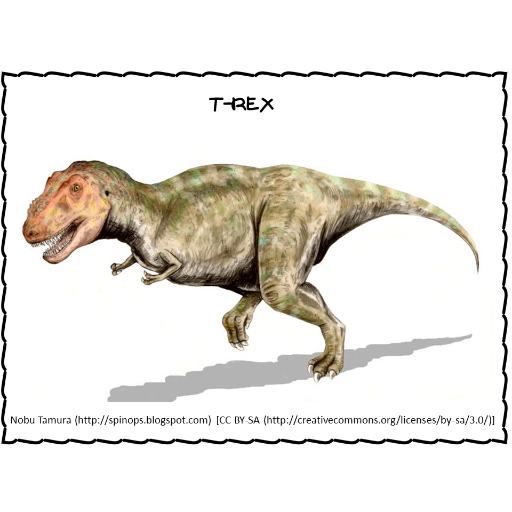
Τhe king of dinosaurs
It was over 12 meters long, at least six meters high, and its weigh was up to 6 tons. It was the largest carnivorous dinosaur. It had sixty sword-shaped teeth that were 15 to 20 cm long. He had a huge head with strong jaws making the bite tremendous. The weight of his head was balanced by the huge tail as well as his strong back legs. the term dinosaur was coined in 1841 by the English paleontologist Richard Owen and comes from the Greek word "dinosaur" and "lizard"( According to kids' information)
1st Kindergarten of Liti
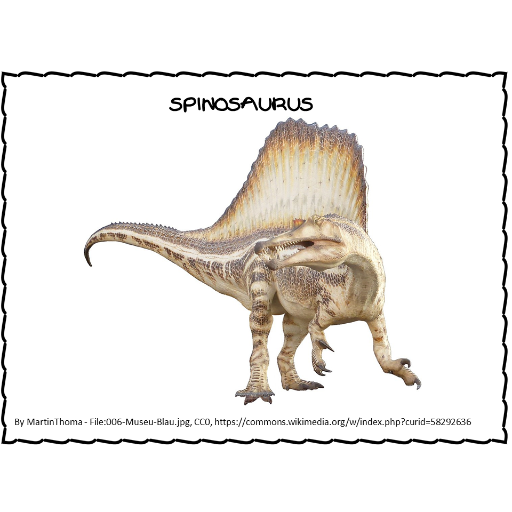
Spinosaurus was a carnivorous dinosaur, larger than the tyrannosaurus and looked like a crocodile.
He could live on land and at sea.
He walked sometimes with 2 and sometimes with 4 feet.
He had a large wing on his back that helped him swim, but also to collect the sun, like a photovoltaic plate.
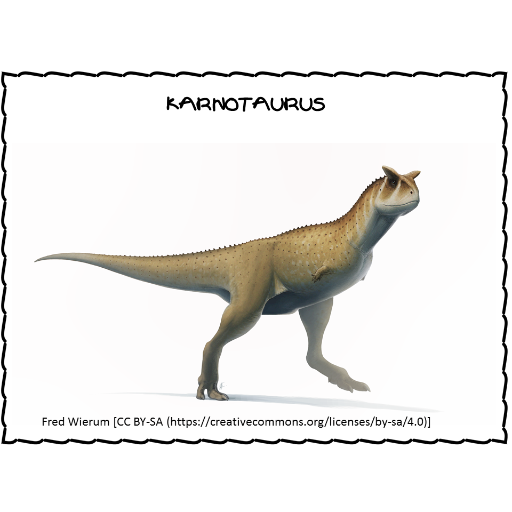
13th Kindergarten of Katerini
Carnotaurus is a genus of large theropoddinosaur that lived in South America The only species is Carnotaurus sastrei. known from a single well-preserved skeleton. Carnotaurus was a lightly built, bipedal predator, measuring 7.5 to 9 m and weighing at least 1.35 metric tons . It had thick horns above the eyes. It is carnivore!!!
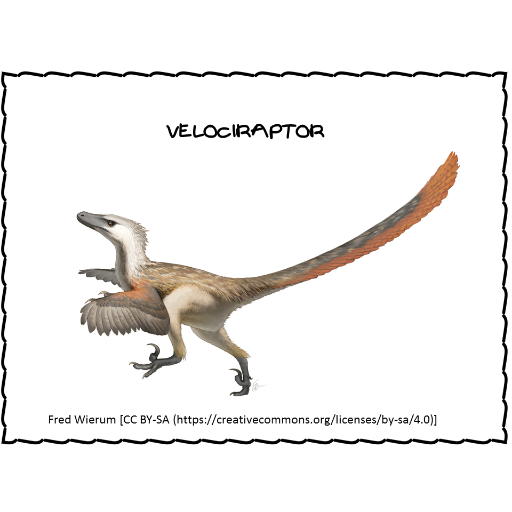
24th Kindergarten of Katerini
Velociraptor is a genus of dromaeosaurid theropod dinosaur that lived approximately 75 to 71 million years ago. It was a bipedal, feathered carnivore with a long tail and an enlarged sickle-shaped claw on each hindfoot, which is thought to have been used to tackle and disembowel prey . Velociraptor (commonly shortened to "raptor") is one of the dinosaur genera most familiar to the general public due to its prominent role in the Jurassic Park!!
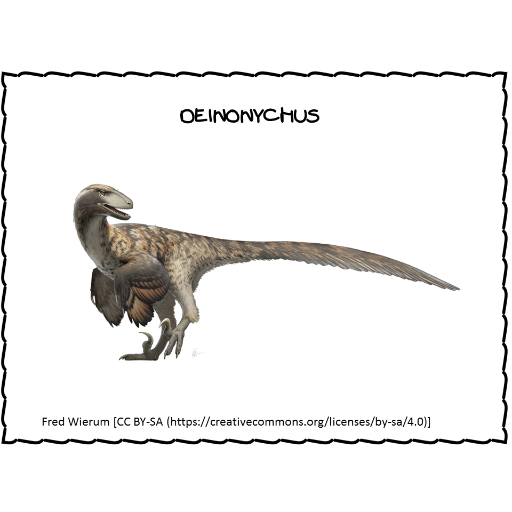
Hakki Tatoglu Ilkokulu
Paleontolog John Ostrom'un ait 'ın çalışmasında Deinonychus 1960'ların sonunda 'yol açan, bilim adamları dinozorlar hakkında düşünce yol devrim dinozor rönesansı ' ve dinozorlar olup olmadıkları hakkındaki tartışmayı ateşleyerek kanlı-sıcak veya soğuk kanlı . Bundan önce, dinozorların popüler anlayışı, sürünen dev sürüngen devlerinden biriydi. Ostrom küçük beden, şık, yatay duruş, ratit benzeri omurga ve özellikle ayaklardaki genişlemiş raptoral pençelere dikkat çekti, bu da aktif, çevik bir avcı önerdi.
"Korkunç pençe", her arka ayağın ikinci parmağında alışılmadık derecede büyük, orak şeklinde talon anlamına gelir. YPM 5205 fosili büyük, güçlü kavisli bir toynak korumaktadır . Yaşamda, archosaurların bu kemiğin üzerinde uzunluğu uzatan azgın bir kılıfı vardır. Ostrom timsah ve kuş pençelerine baktı ve YPM 5205 için pençeyi 120 milimetreden (4.7 inç) uzunluğunda yeniden yapılandırdı. [1] Antirrhopus türü, Ostrom'un kuyruğun işlevi hakkındaki fikrini ifade eden "karşı denge" anlamına gelir. Diğer dromaeosauridlerde olduğu gibi, kuyruk omurları bir dizi kemikleşmiş tendon ve süper uzun kemik süreçlerine sahiptir . Bu özellikler kuyruğu sert bir dengeye dönüştürüyor gibiydi, ancak çok yakından ilişkili bir fosilVelociraptor mongoliensis( IGM 100/986), uzun bir S şeklinde yanal olarak kavisli eklemli bir kuyruk iskeletine sahiptir. Bu, hayatta, kuyruğun yanlara yüksek derecede esneklikle bükülebileceğini göstermektedir.Hem Cloverly hem de Antlers formasyonlarında, Deinonychus kalıntıları ornithopod Tenontosaurus'unkilerle yakından ilişkili bulunmuştur.
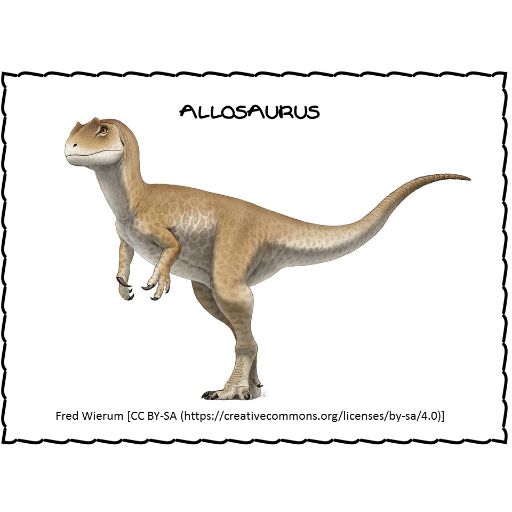
7th Kindergarten of Katerini-Konstantia
Allosaurus was a carnivorous dinosaur species of medium size (about 8 to 12 meters) and weighing 2 tons. He was hunting in herds. The top of his head was allegedly decorated with a bone knob. He was often hit by prey on his feet so he could not run. Often the prey for him were the Doubleheaded, the Iguodan, such as the Kaptosaurus the Stegosaurus. The Allosaurus was a predator that spread across many continents. Its fossils have been found in North America, Europe and South Africa.
ICS "G. Solari" di Loreto-Ambra
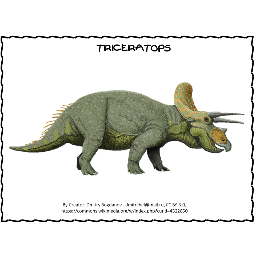
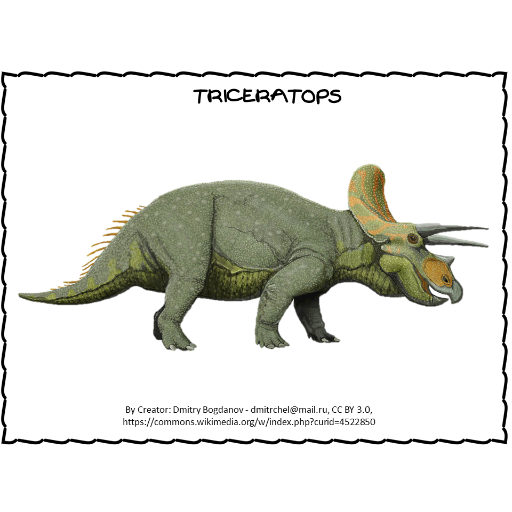
Trikeratops was a herbivorous dinosaur, 3 m high, 9 m long and weighed 12 tons!
He had 3 horns, 2 above his eyes and a smaller and softer one above his nose.
He lived in groups.
ICS "G. Solari" di Loreto-Carmela
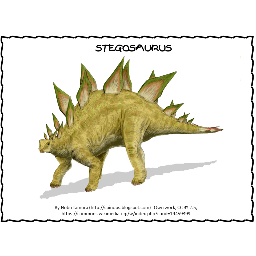
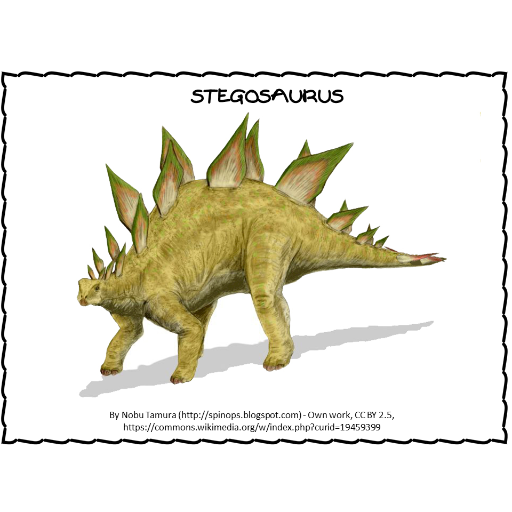
Stegosaurus was herbivorous and used to eat even stones!
He had 17 keratin plates on his back that ended in 4 large thorns. He used them as a weapon against T-Rex and Allosaurus.
He lived in small, family groups led by the strongest female.
Zübeyde Hanım Anaokulu
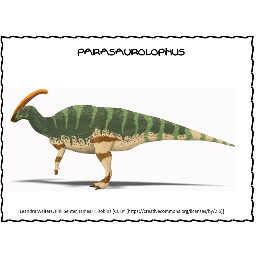
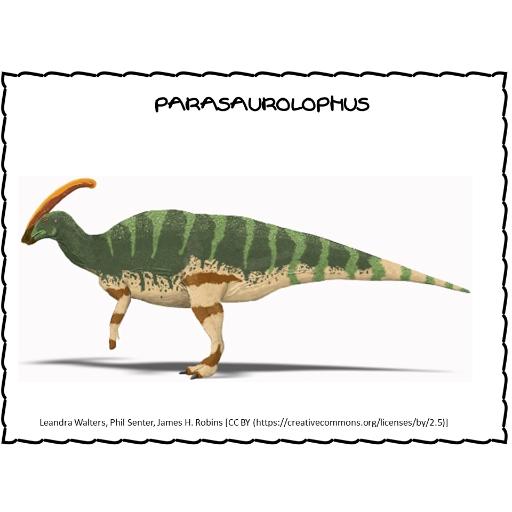
Parasaurolophus used to eat leaves and fruits. He was as long as a school bus, as tall as a two-story house and weighed as much as 2 rhinos !!!
His most characteristic feature was a comb protruding from the back of his head!
He was a social creature and lived in groups.
2nd Kindergarten of Aliartos
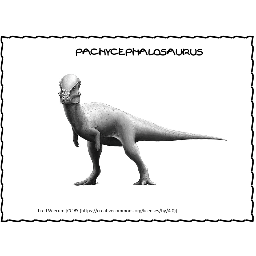
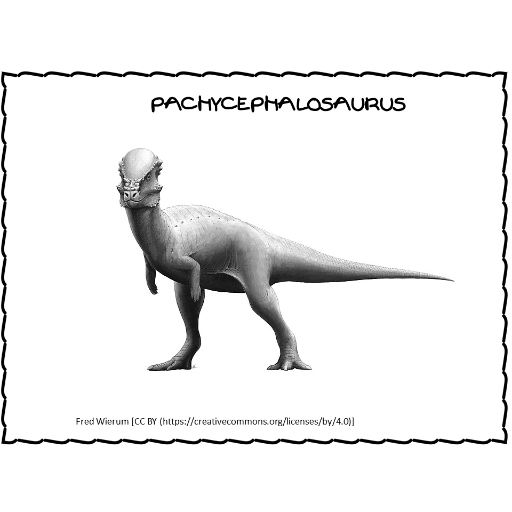
Μeaning "thick-headed lizard," from Greek pachys-/παχύς- "thick", kephale/κεφαλή "head" and sauros/σαῦρος "lizard") is a genus of pachycephalosaurid dinosaurs. It lived during the Late Cretaceous Period of what is now North America. Remains have been excavated in Montana, South Dakota, Wyoming, Alaska and Alberta. It was a herbivorous creature which is primarily known from a single skull and a few extremely thick skull roofs, though more complete fossils have been found in recent years.
7th Kindergarten of Katerini-Vaso
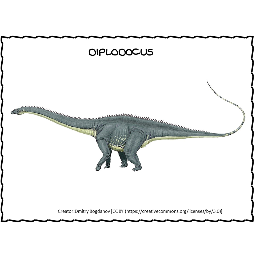
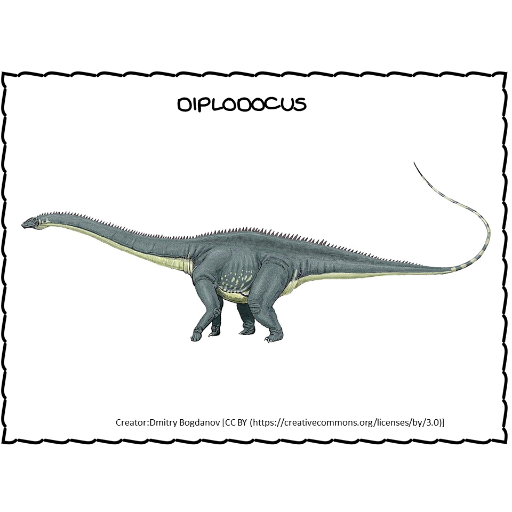
Diplodocus is called a kind of dinosaur. He lived the Jurassic period. His name means "two cadets." He was a herbivorous, eating ferns and trees that he threw down to make their leaves easier. Usually these trees were conifers, such as olive trees and pinetrees. This species was very tall, as it reached about 8 meters high. The length of the double beam was also very long as it reached up to thirty meters.
- < BEGINNING
- END >
-
LIKE
-
COMMENT