eTwinning project 2020
Partners: Italy,Greece, Poland, Portugal, Scotland, Romania, France
Our lighthouses between history and legend.

ITALY
The lighthouse of Santa Croce / S. Elena
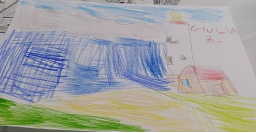
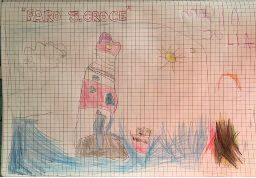
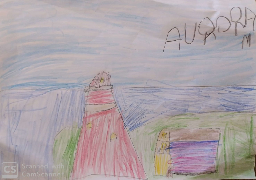
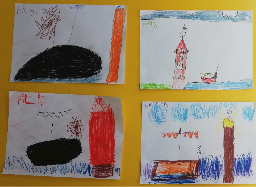
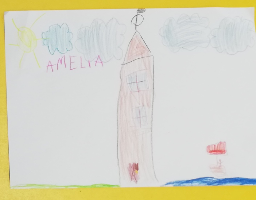
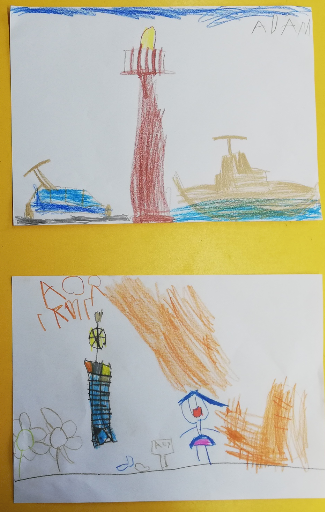
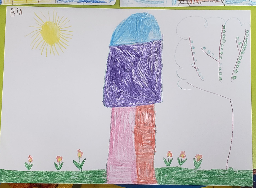
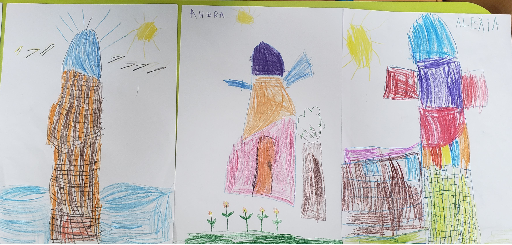
DRAWINGS: PRESCHOOL AND SECONDARY SCHOOL CHILDREN
VOICES: PRIMARY SCHOOL CHILDREN
According to the tradition, Queen Elena from Byzantium, mother of Emperor Constantine, was very religious and so devoted to Jesus to desire to recover the remains of His cross.
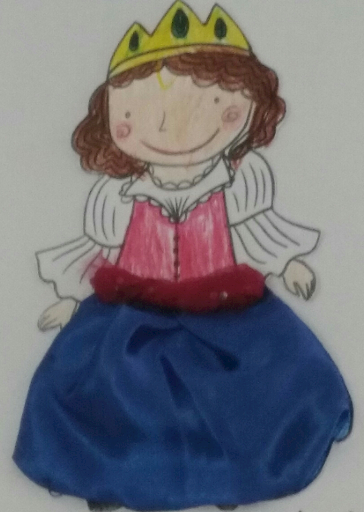
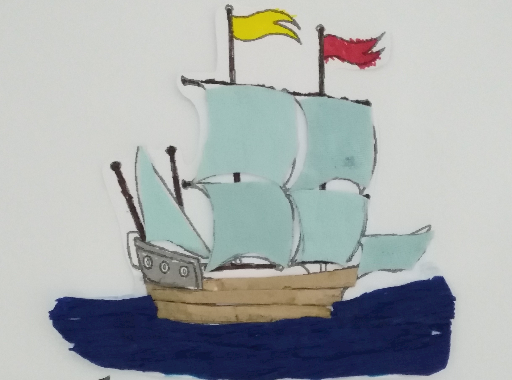
SHE DECIDED TO LEAVE ON A SAILBOAT AND HER CREW, FOR A HOLY PILGRIMAGE, TO FIND THE WOOD OF THE CROSS OF JESUS CHRIST.
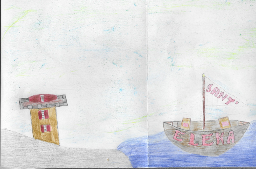
They found the relics of the Holy Cross and returned to their land with the precious cargo on board.
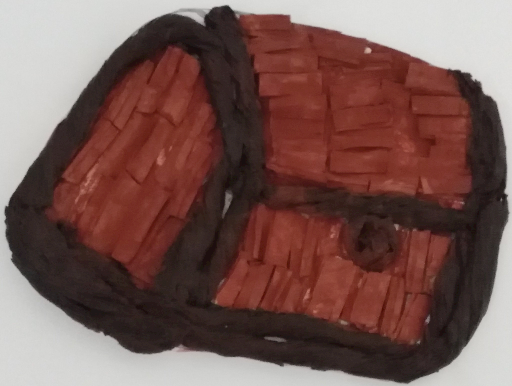
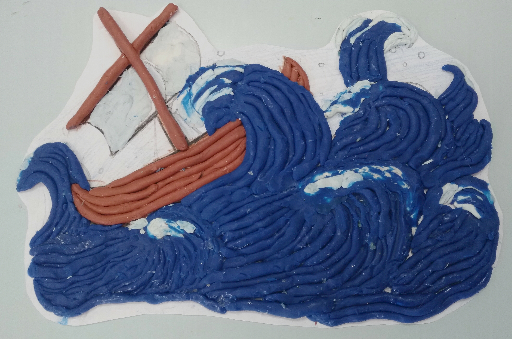
Unfortunately the sailship was hit by a violent storm!
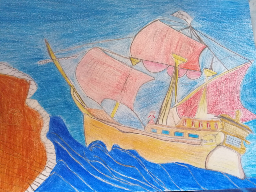
Elena prayed to God to save the relics from the storm that was causing them to sink.

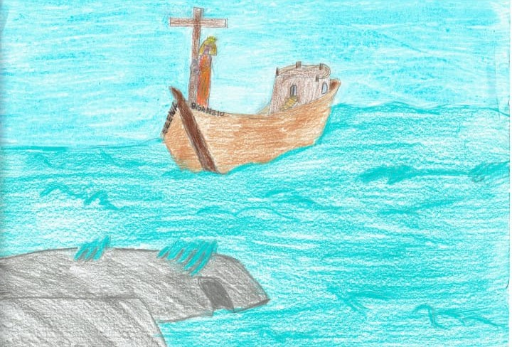
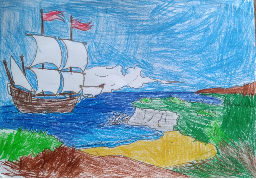
The storm was reduced and allowed them to land on the southeast coast of Mount Tauro, near Augusta!
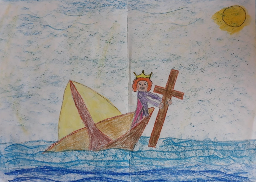
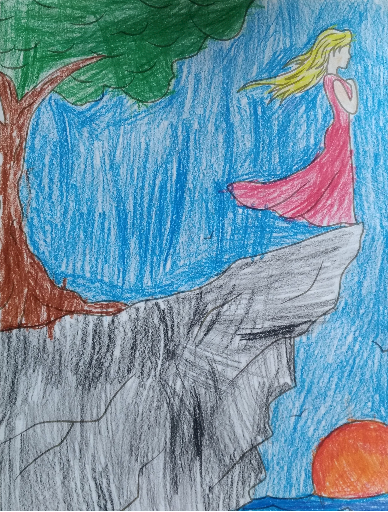
THE QUEEN THANKED GOD FOR SAVING THE DANGER AND FOR SAVING THE RELICS OF THE HOLY CROSS...
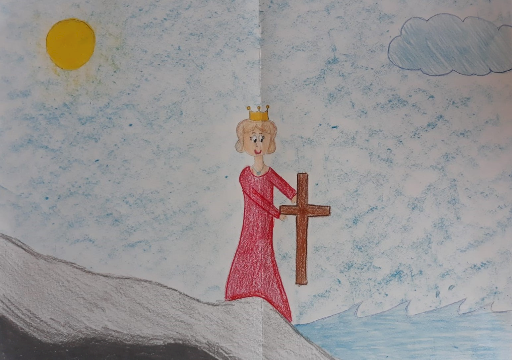
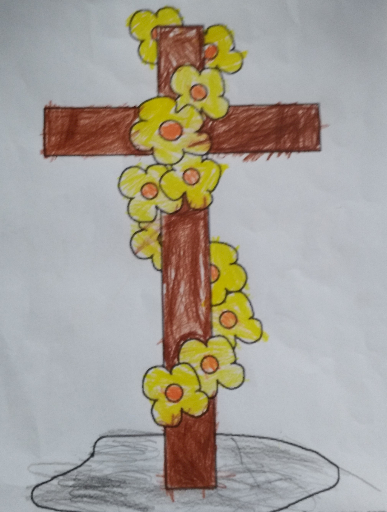
She also raised a large cross, since then this end of Monte Tauro took the name of 'Capo di Santa Croce'.
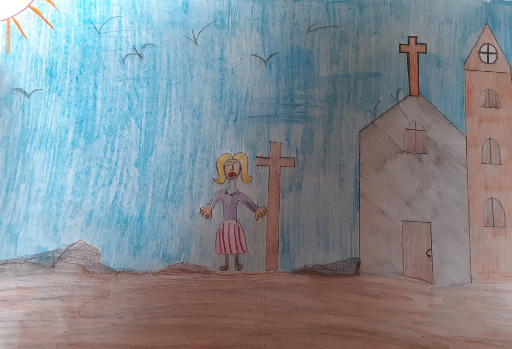
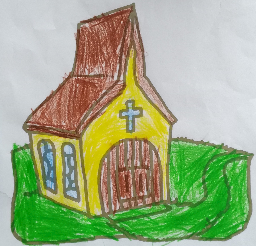
Later in the centuries, after Elena had already been sanctified, in memory of the miraculous survivor shipwreck, some hermits erected in this area a small hermitage with a church, dedicated to the cult of Saint Helena.
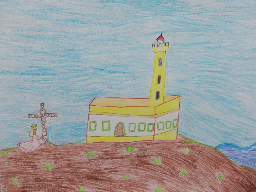
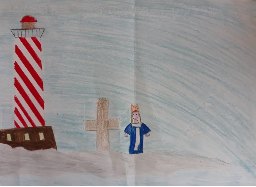
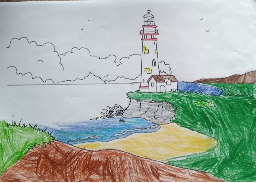
In 1856 the Bourbons built a tower with a lantern, to facilitate and protect navigation along the coast of Mount Tauro. This maritime beacon was built in the Sant'Elena district and was called Faro di Santa Croce, from the name of the Cape stretched out over the Ionian sea, on which it watched. The area is today a splendid bathing place, it is also known, in Sicilian dialect, as "u faru di Sant'Elina ".
This scene is incomplete: it was interrupted at the time of the Covid-19 Emergency. The other scenes should also have been made with different materials in addition to the coloring.
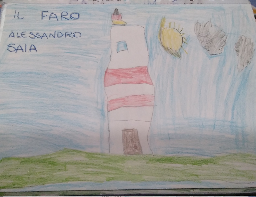
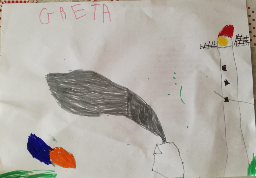
In this page a collage of the drawings of the last scene colored by the children at home. They worked remotely at home.
https://spark.adobe.com/page/FuviqmcQYAYfa/
GREECE
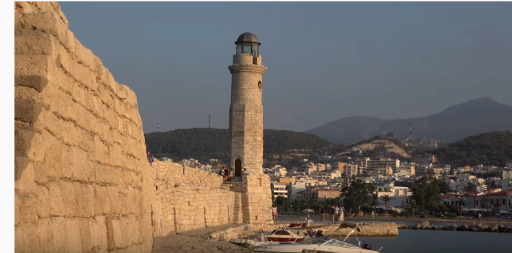
The Egyptian lighthouse of Rethymno
(or white lighthouse)
The island of Crete is well-placed between Europe, Asia and Africa. So in its history had a lot of foreigner invaders: Venetians,Ottomans, Egyptians, Russians and Germans. Each of their civilizations left several marks to the island and Rethymno particularly.
We are focused in the history of the Rethymnian lighthouse, but unfortunately we have limited historical data for the newest history of this Greek island.
As far as we know, the ancient years the Cretan coast was lighten by beacons (signal fires) . From 17th century there is still fire in small turrets (small towers)
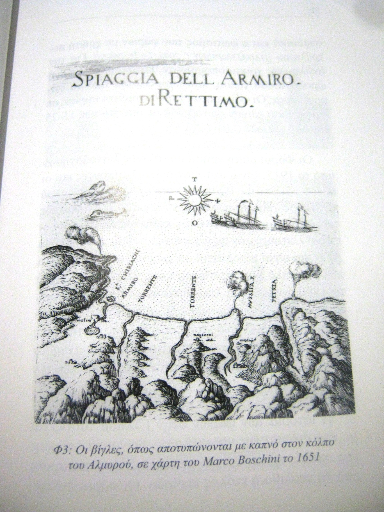
A few years before Ottomans sell the island to the Egyptians Ch.R.Scott a captain of British Arm in his book “Rambles in Egypt and Candia” writes about a small lighthouse in the port of Rethymno.
But the lighthouse – as we know it today – was built by king of Egypt Mohhamed Ali (the same year with Chania’s) in 1838. It was made by white stone from Rethymno, so it was called also” white lighthouse”. It is 20 m. tall and its shape is octagon.
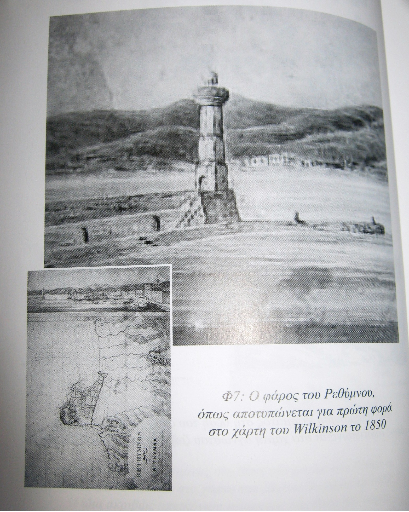
It was looked after by the “port guard” until 1898, the year that Crete was united with Greece. From then Greek Navy looks after it. They were lighthouse keepers only from 1915-1960 such as : Haralampos Makrigiannis and Antonis Karniotakis, who lived at a small house near the port.
In 1962 a new port was built in Rethymno, because the old one with our lighthouse could not accept big ships. An automatic lighthouse then was put at the new port, so the Egyptian lighthouse no longer is used.
Although there have been several repairs to the lighthouse, it is been severe damaged and corrosion unfortunately is been continuing...
SCOTLAND
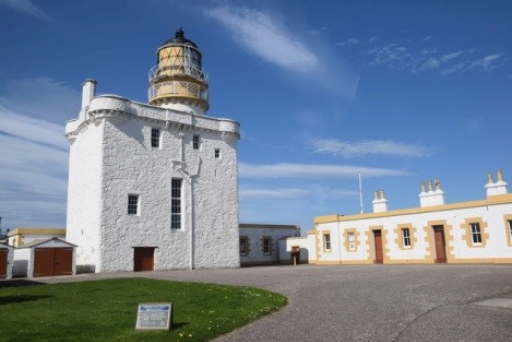
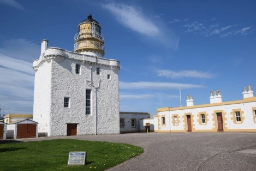
Kinnaird Head Lighthouse
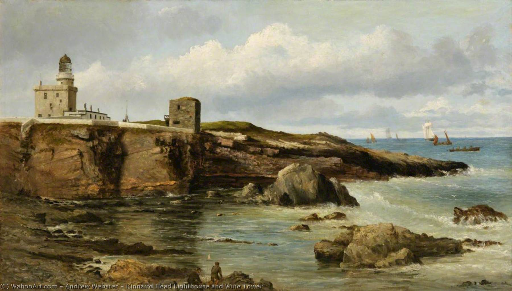
Scotland’s first lighthouse was built in 1787, Kinnaird Head Lighthouse started off life as a giant lamp positioned on the roof of the castle.
When structural problems began to appear, Robert Stevenson engineered a foundation, walls and a spiral staircase through the heart of the castle, completing construction in 1824. He even preserved the original castle structure – this has to be seen to be believed!
Through its terrific hyper-radial lens, grateful seamen recognised Kinnaird Head Lighthouse by its white flash every 15 seconds, reaching a nominal range of 25 nautical miles. The lighthouse is still in perfect working order and is known to light the coast on very special occasions.
PORTUGAL
The Lighthouse of the Regufe
It is situated in Póvoa de Varzim a coast town on the north of Portugal.
One of the first lighthouses of Póvoa de Varzim, was inserted in a church - Church of Lapa lighthouse.
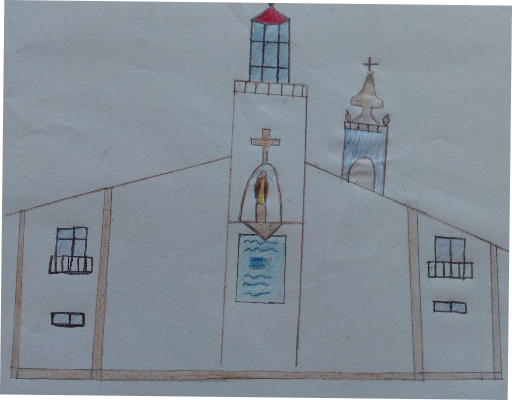
Long time ago the portuguese coast was known as "the black coast", as there was no light. Since then there were torches, and lighthouse along the all portuguese coast.
Each lighthouse had its own light codes so that fishermen and sailors could know where they were exactly.
The lighthouse of Regufe is 25 meters tall and the main tube has inside a stairway with 94 steps.
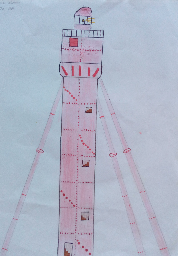
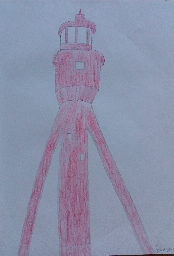
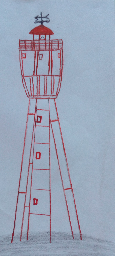
It was built around 1885-86 in iron with french design and made by the "Chantiers et Forges de la Mediterranée", in France.
It is red to be seen and it has three more tubes that help to suport the lighthouse.
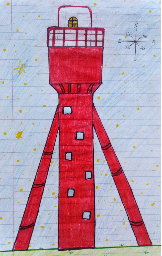
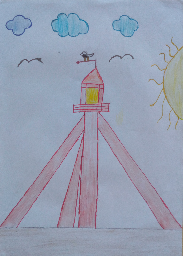
It was inaugurated on March 24th 1892, after a terrible shipwreck in Póvoa de Varzim, on 27th February 1892.
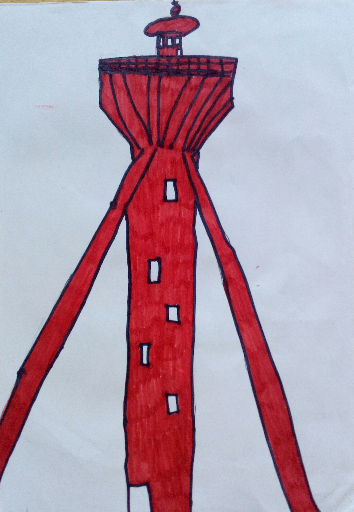
The lighthouse was surrounded by the growing town disabled in December 2001.
Next to the lighthouse in 1916 was built a house where the lighthouse keeper and his family lived.
The famous portuguese art historian Flávio Gonçalves was born here.
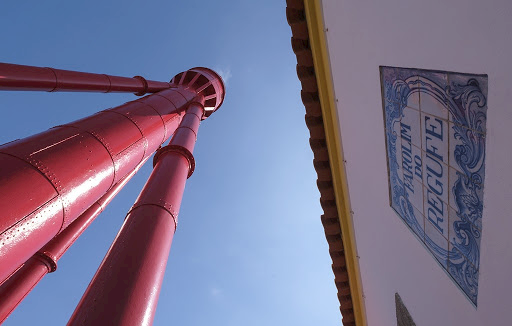
The ligthouse can be visited and it is a unique model in Portugal of the iron architecture.
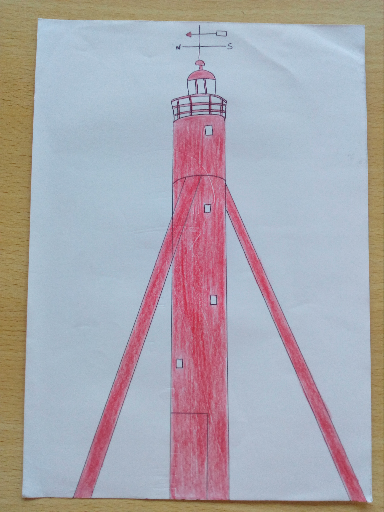
POLSKA
Gdansk Nowy Port Lighthouse

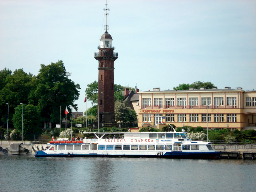
The lighthouse at Nowy Port is one of the most attractive and distinctive historical buildings of Gdańsk. It is also a building with an unusual and sometimes downright dramatic history, in which it became part of turbulent events experience by both the city and the world.
The first in Gdańsk was one at built at Wisłoujście in 1482. On the 24th September 1758 two new lighthouses came into service. The lower of these was a crane lighthouse. Coals were lit in a suspended basket known as Vulcan’s pan, and this was housed on a circular brick platform. The taller one was a walled tower of 20 metres in height and 10 metres in diameter, at the top of which coals were also lit in an iron basket.
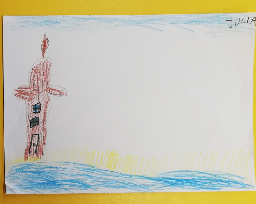
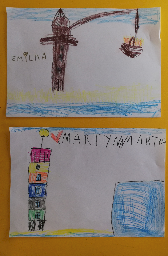

The necessity of having a higher light and of installing a stronger lens led to the decision by the Gdańsk (then Danzig) authorities to build a new one. This was finished on 31st October 1893. The octagonal tower, complete with a gallery and copper dome reached a height of 27.3 metres. In its silhouette a similarity has been discerned between the lighthouse and the most attractive representative of this type of building, the lighthouse on Lake Erie at Cleveland, Ohio, now no longer in existence.
Fortunes of war
On the night of 31st August to 1st September 1939 the lighthouse was garrisoned by German soldiers with heavy machine guns, who were under orders to fire to hold in check those manning a Polish emplacement at Westerplatte on the other side of the channel. All forms of German armed forces had received the same command from Hitler: open fire at 4.45 am exactly on 1st September. The machine gunners in the lighthouse carried out this command, while the crew of the battleship Schleswig Holstein delayed by a full three minutes and started shelling Westerplatte at 4.48 am. It was those shots from the lighthouse at Gdańsk Nowy Port that in fact began the Second World War, a war that claimed 55 million lives. The lighthouse itself passed into world history.

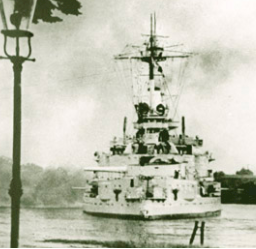
the battleship Schleswig Holstein 1st September 1939
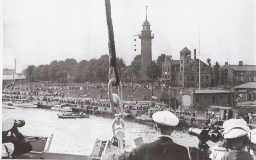
The battleship Schleswig Holstein, which had sailed into port in Gdańsk a week earlier, on the 25th August, “on a courtesy visit.”
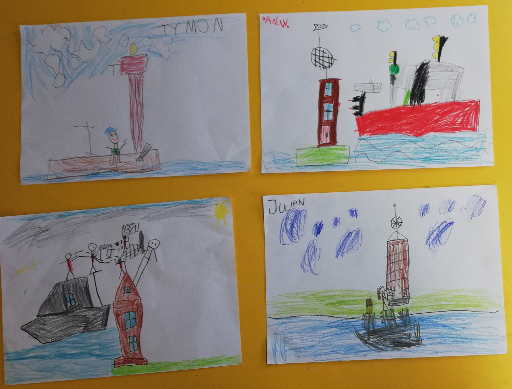
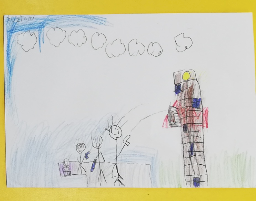
The situation of the lighthouse at Nowy Port when the war ended in 1945 did not look very promising. The lighthouse tower itself was in need of repairs, so it was itself closed on 18th June 1984 with the opening of a larger modern lighthouse in the Port Połnocny (the Northern Port). That on 7th May 2004, opening, the Gdańsk Nowy Port Lighthouse began a new lease of life as a historical monument to be visited and as a view point from which the glorious panorama of the Trójmiasto and the Bay of Gdańsk may be admired.
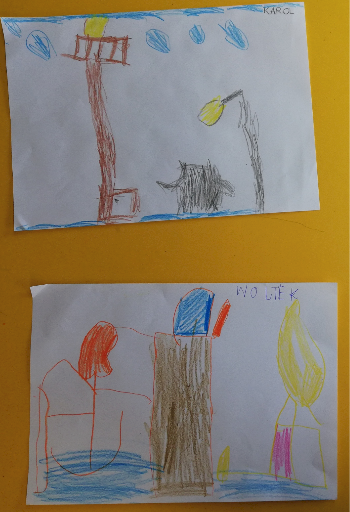
FRANCE


One day, on the beach, a boat appeared.
Inside there was no one.
Only wooden status.


When the people approached the boat, a lady appeared in the sky and indicated to them the direction of a treasure.


Since then the statue has become a place of pilgrimage.
The kings of France went there at least once in their life.
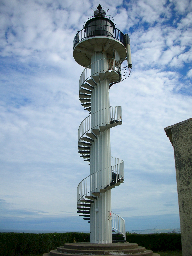
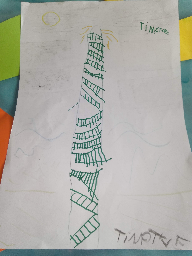
So a lighthouse was created.
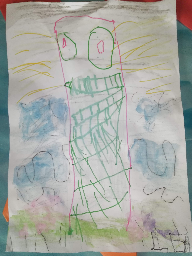
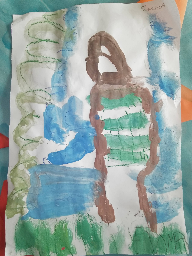

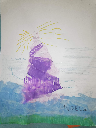
The statue is said to perform miracles
The town of Boulogne-Sur-Mer had to grow a lot to accommodate everyone.
and became the bigger port of France.
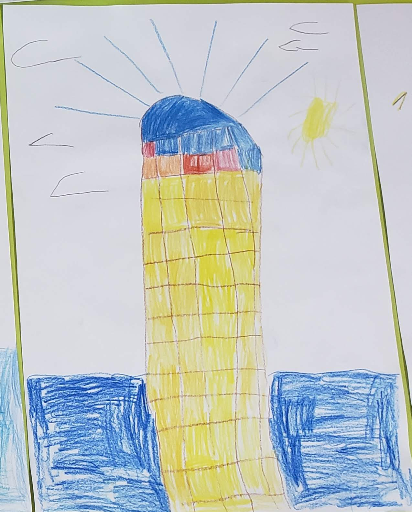
ROMÂNIA
VALU LUI TRAIAN
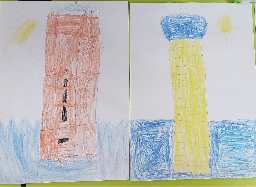
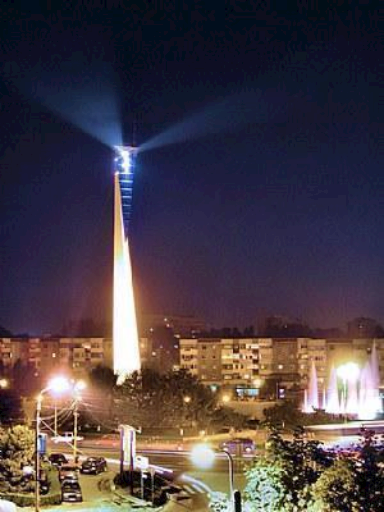
FARUL ,, GENOVEZ”
CONSTANȚA
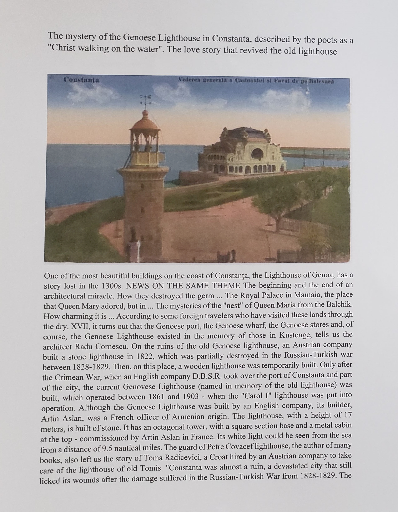
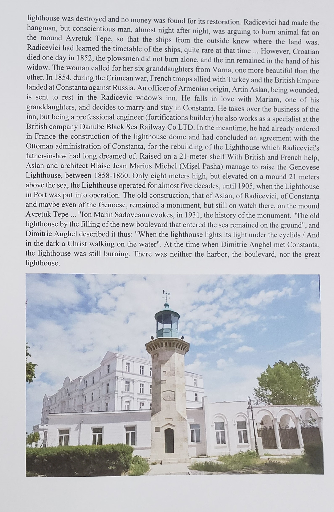
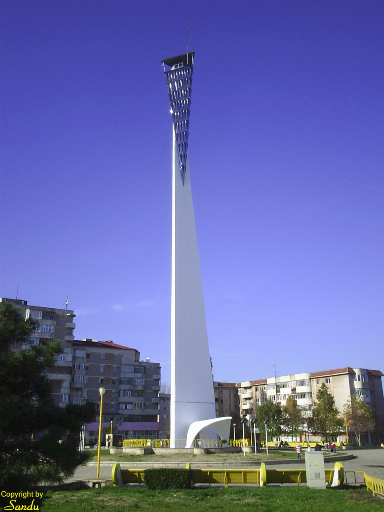
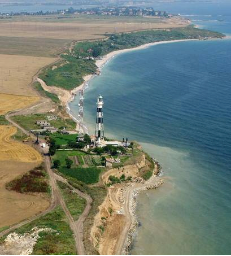
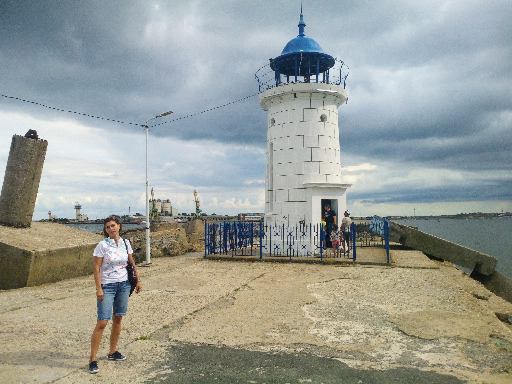
,, MAREA NEAGRĂ”
ROMÂNIA
,, BLACK SEA”
ROMÂNIA

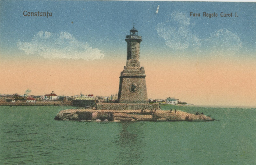
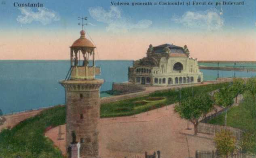
FARUL REGELUI CAROL I
LIGHTHOUSE
THE KING
CAROL I

2019-2020
- < BEGINNING
- END >
-
LIKE
-
COMMENT