1- Joanna Hutnik/Edyta Bieniek - ZSP Krośnica
2-Renata Zawadzka, Szkoła Podstawowa nr 21 Lublin/Poland
3- Rabia Aksu Özova / Turkey
4-Günay Karabulut/Turkey
5-Kamila Kamińska, SP 114 Warszawa, Poland
6.SP 1 Zalasewo Polska/ Poland
7.SP Zbąszyń, Polska/ Poland
8.SP im. K. Makuszyńskiego w Morawicy
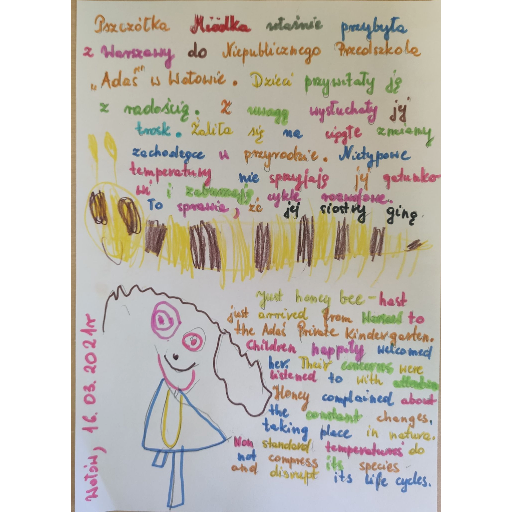
9.Wołów. Przedszkole "Adaś" Polska/ Poland
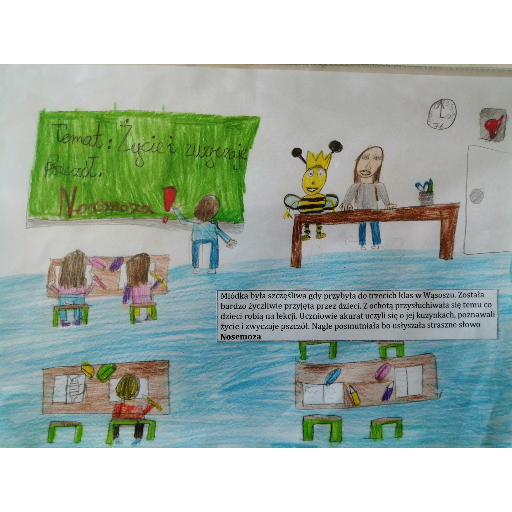
10. PSP w Wąsoszu, Poland

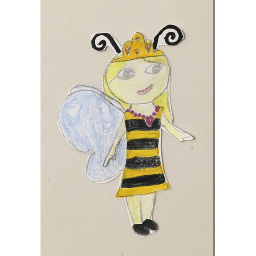
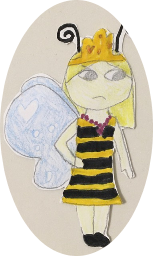
Pszczółka Miódka była Królową Pszczół.
Razem z innymi pszczołami mieszkała w pięknym, kolorowym ulu. Ostatnio była bardzo zasmucona, odkąd dowiedziała się, że jej znajome pszczółki z innych uli chorują i giną. Nikt nie wie dlaczego...
The Honey Bee was the Queen of the Bee.
She lived with other bees in a beautiful, colorful hive. Recently she has been very sad to learn that her familiar bees from other hives get sick and die. Nobody knows why ...
Postanowiła polecieć w świat i dowiedzieć się, co dzieje się z jej przyjaciółkami pszczołami...
She decided to fly out into the world and find out what is happening with her bee friends ...
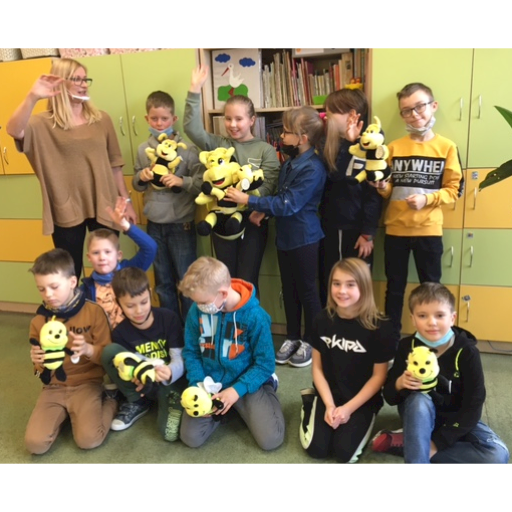
Przyleciała do Szkoły w Krośnicy i spotkała się z Panią Asią, Panią Edytą i klasą III.
She came to the school in Krośnica and met with Ms Asia, Ms Edyta and class III.
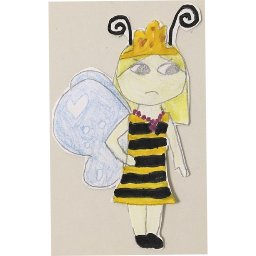
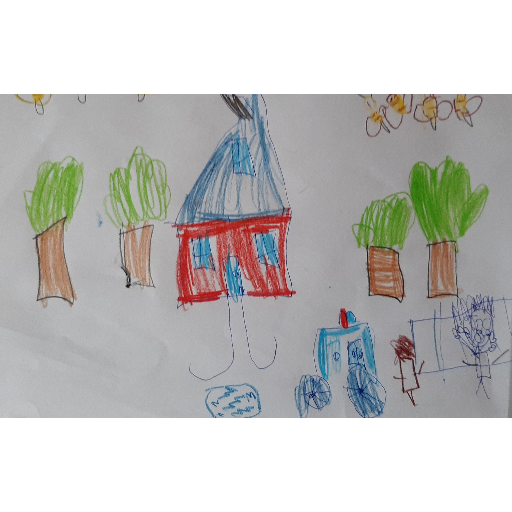
Dzieci opowiedziały Królowej o Panu Kazimierzu, który miał piękną pasiekę...
The children told the Queen about Mr. Kazimierz, who had a beautiful apiary ...
W tej pasiece pszczoły robiły pyszny miód!
W nocy, do pasieki przyszli chuligani i wandale...
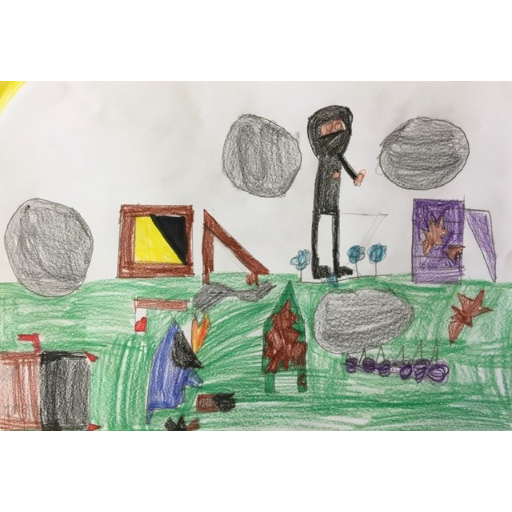
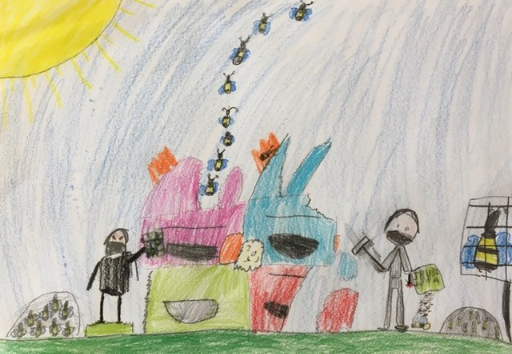
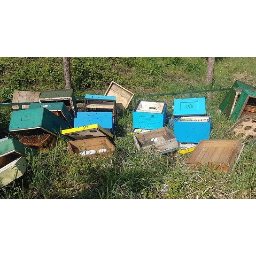
Chuligani zniszczyli wszystkie ule Pana Kazimierza!
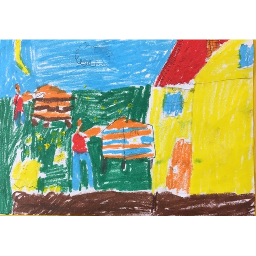
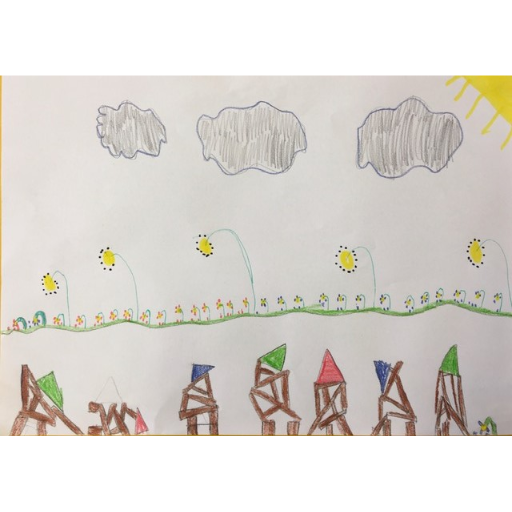
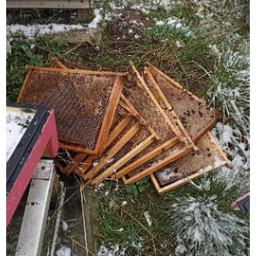
Na dworze było bardzo zimno i wszystkie pszczoły zginęły!
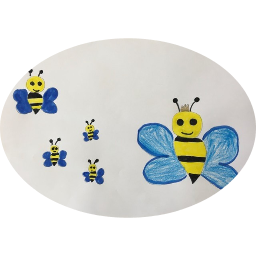
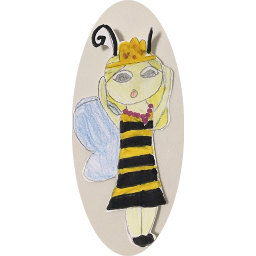
Pszczółka Miódka była przerażona!
Postanowiła pożegnać uczniów z Krośnicy i ruszyć w dalszą drogę,
żeby spróbować pomóc innym pszczołom.
Królowa Pszczół poleciała dalej...
Królowa Pszczół poleciała do szkoły do Lublina...
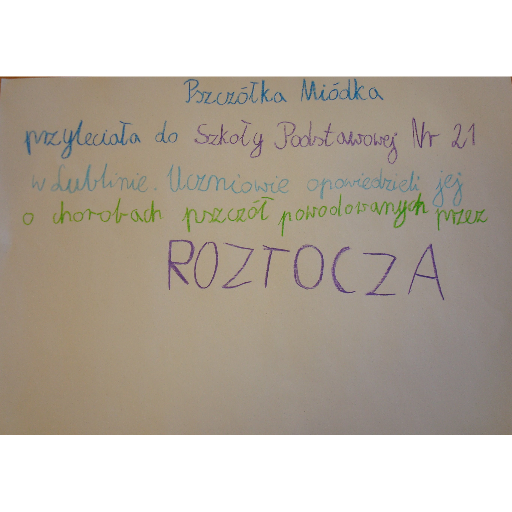
The Honey Bee has flown to 21st Primary School of Queen Jadwiga in Lublin, Poland. Students 3rd grade (group) said her about the mites which cause bee diseases.

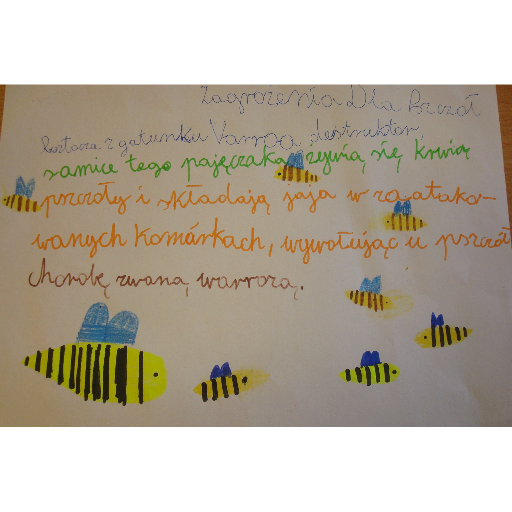
The Varroa destructor mite- the honeybee parasite cause the disease in bees called Varroosis. The Varroosis has been reported worldwide. The disease come from Asia.
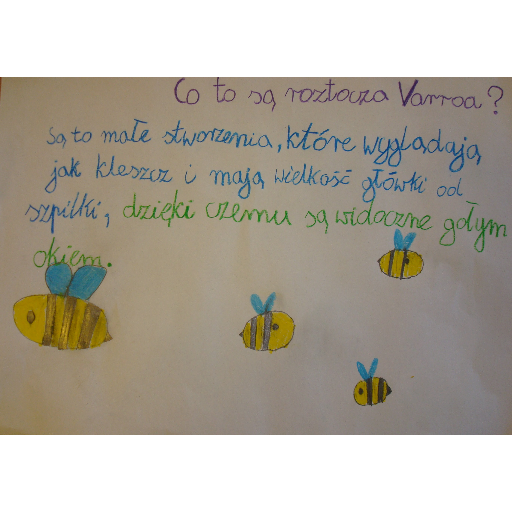
Varroa is an external parasitic mite that attacks honey bees. It is the size of a pinhead and visible to the naked eye.
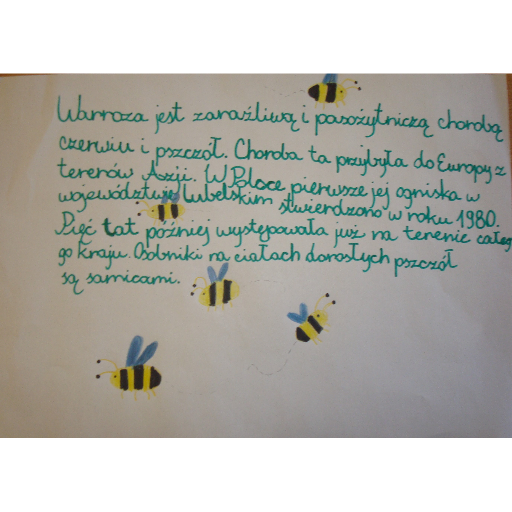
Varroasis is a disease of honey bees caused by Varroa mites that is weakening the bees' immune system and increases bees' secondary infections by viruses.
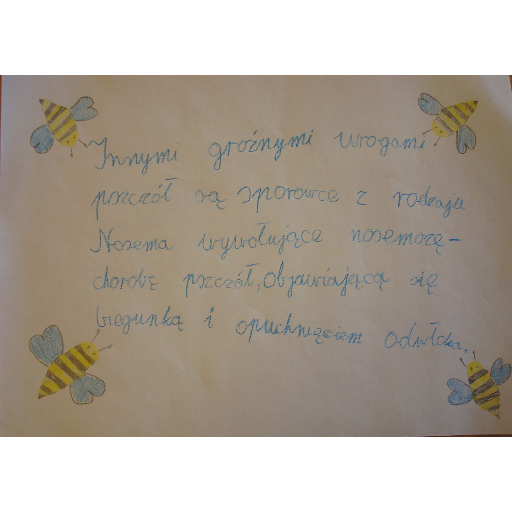
Whereas the continued presence in hives of the parasitic bee mites Varroa, colony collapse disorder and the spread of Nosema ceranae are among the causes of the crisis in bee health.
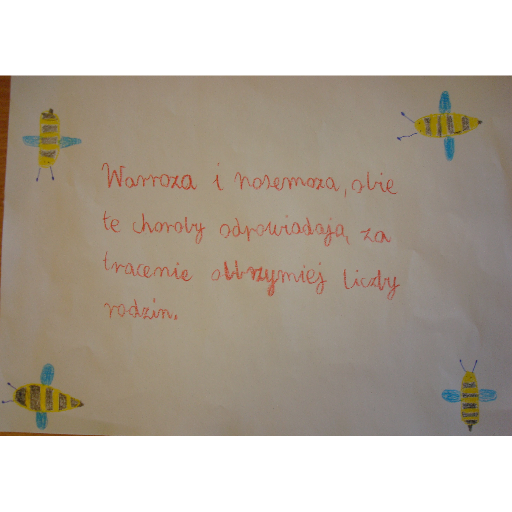
Varroa mite infestation and sporangia Nosema continues to be considered by beekeepers and bee specialists as one of the main cause of honeybee colony mortality.
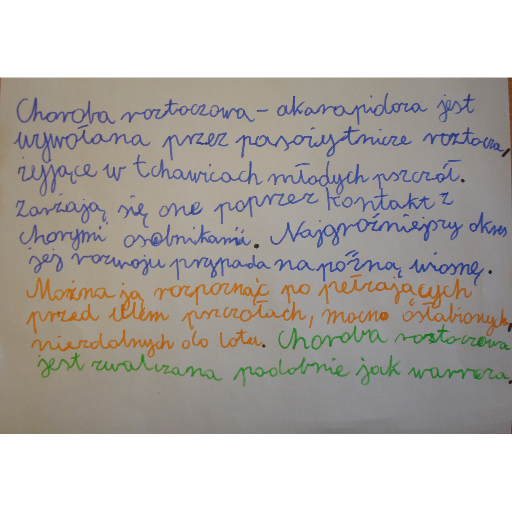


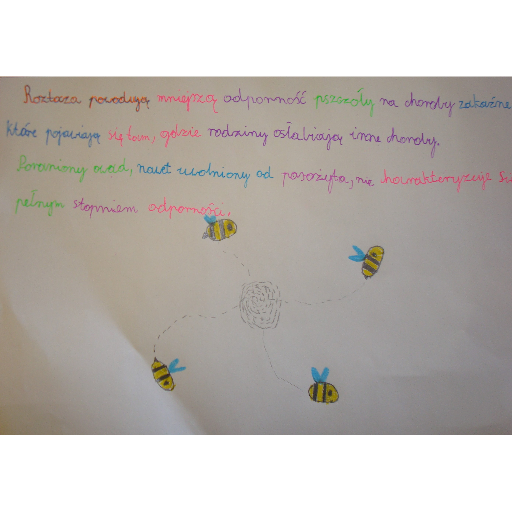
The Varroa mites compromises the immune system of bees. Beekeepers across Europe already know about the threat caused by the varroa mites that have decimated bee colonies.
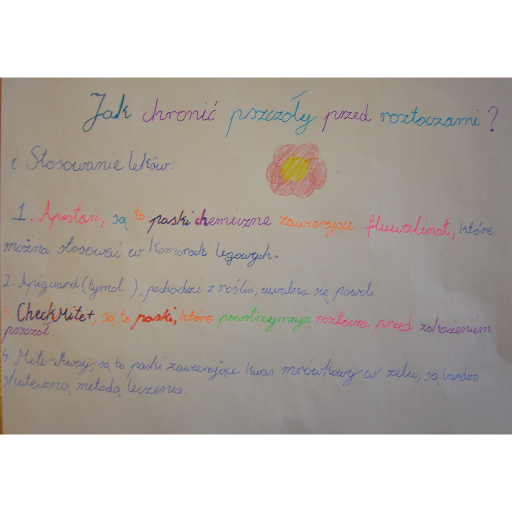
Formic acid, lactic acid, acetic acid and oxalic acid as well as menthol, thymol, eucalyptol or camphor may be used in cases of infestation with Varroa destructor.
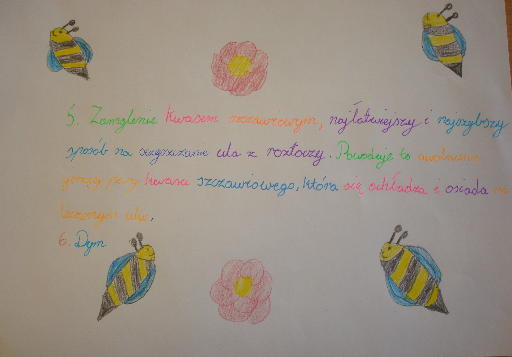
The practice of destroying the male brood is permitted only to isolate the infestation of Varroa destructor.
PODSUMOWANIE: Mając na uwadze, że liczba chorób pszczół ciągle wzrasta w skali światowej, co wiąże się z ryzykiem, że pszczoła miodna (Apis mellifera) stanie się zagrożonym gatunkiem, w szczególności ze względu na coraz bardziej destruktywną obecność roztocza Varroa, które zagraża układowi odpornościowemu pszczół, powoduje wiele związanych z tym chorób i jest tym samym poważnym problemem zdrowotnym dotykającym europejską populację pszczół.
Whereas a global multitude of bee-diseases is constantly increasing so that Apis mellifera risks becoming an endangered species, especially because of the increasingly destructive presence of the Varroa mite, which compromises the bees’ immune system, causes all kinds of related diseases and is hence a major health problem affecting the European bee population.
Smutna Pszczółka Miódka opuściła Lublin i poleciała w stronę dalekiej Turcji...
W Turcji odwiedziła szkołę w Konya, Onikişubat i w Gazipaşa....

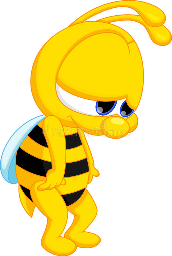
Tutaj też czekały na nią smutne wiadomości...
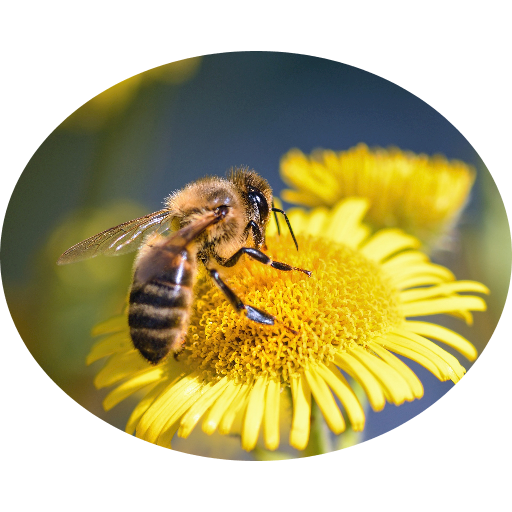
Industrialization
The increasing number of factories and rapid urban transformation are the most important problems. Air pollution harms plants and forests. This may cause the ecological balance to deteriorate and cause the extinction of bees.
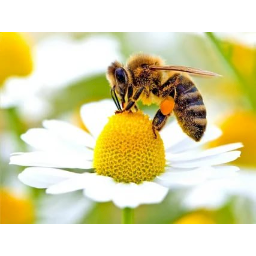

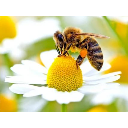
Declining flower diversity makes bees unhappy and worried
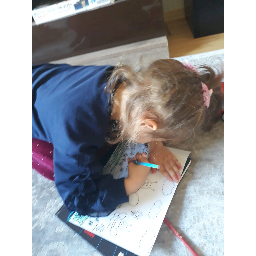
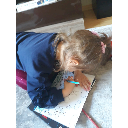

I have to think about happy and unhappy bees and draw pictures of them
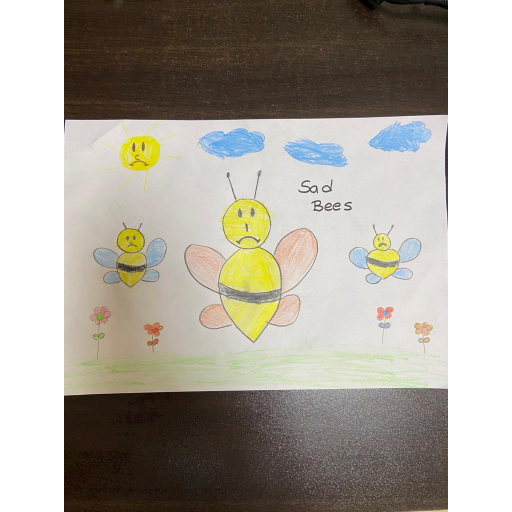
if the flowers are not enough for the bees, they will be very upset.
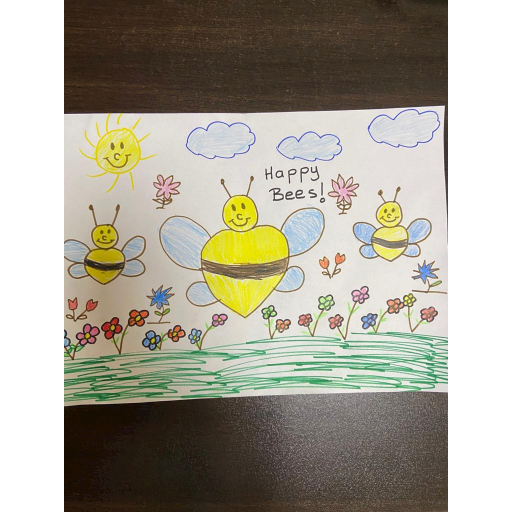
Bees would be comfortable and lovely if the flowers are enough for them . They don't worry anymore and live happily ever after.
Ze słonecznej Turcji Pszczółka Miódka ruszyła w drogę powrotną do Polski. Leciała prosto do Zalasewa. Wiedziała, że tam czekają na nią dzieci...
POLSKA POLAND
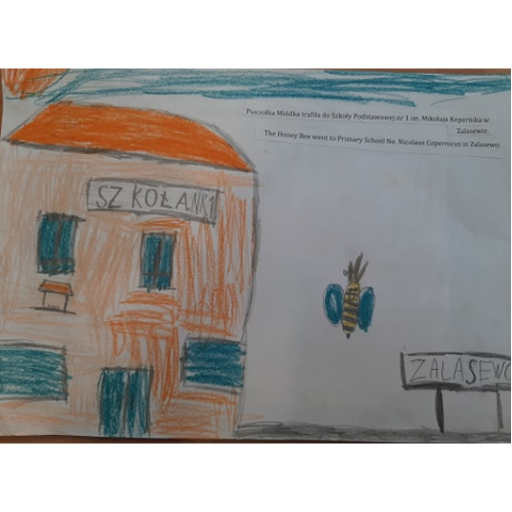
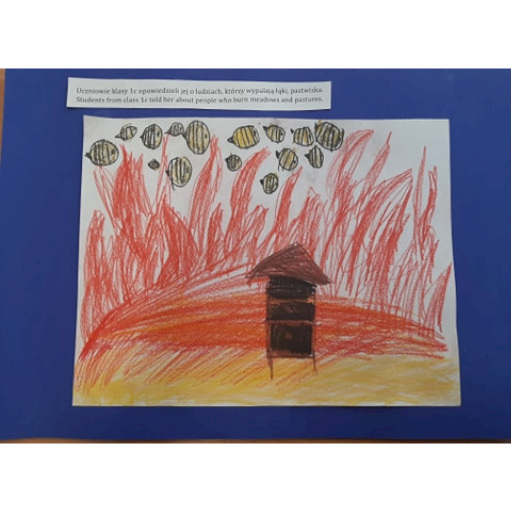
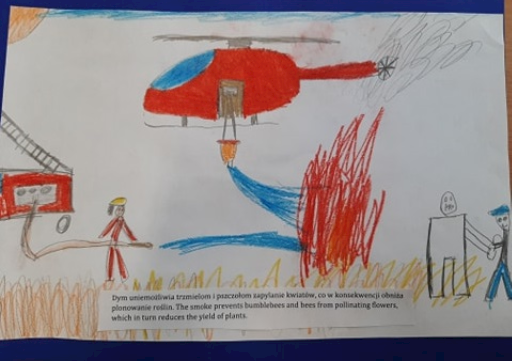
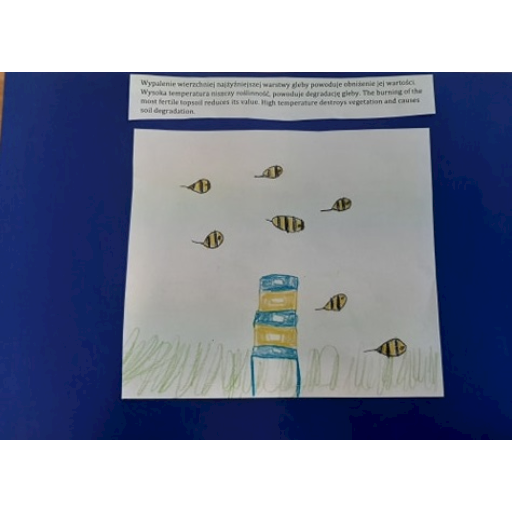
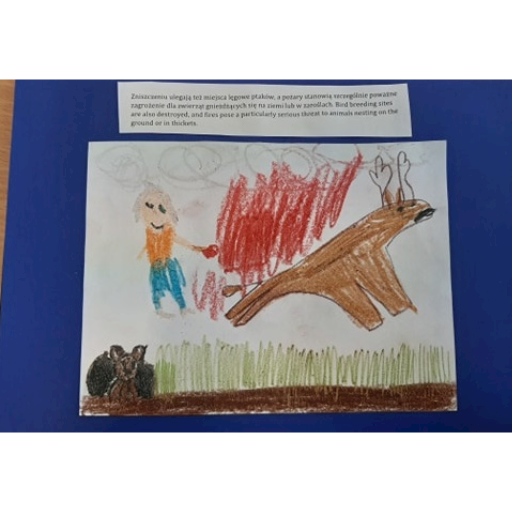
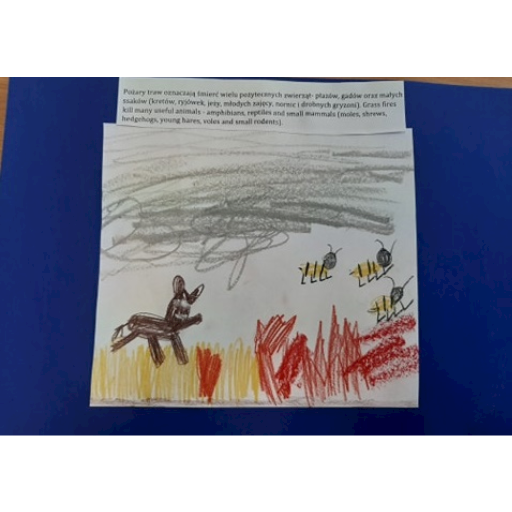
Pszczółka Miódka przyleciała do Zalasewa do klasy 3c. Za dnia było bardzo gorąco, a w nocy bardzo zimno. Pszczółka Miódka miała dużą trudność, by przystosować się do tych warunków. Była bardzo słaba i wystraszona. Poprosiła klasę 3c o wytłumaczenie skąd takie wahania temperatur. Pszczółka Miódka spytała nam się, czy tutaj też są takie zimne wiosny. Okazało się, że to prawda - jest to efekt zmian klimatycznych. Pszczółka Miódka dowiedziała się wielu niepokojących rzeczy i ruszyła dalej w świat...

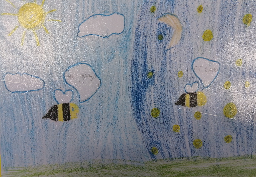
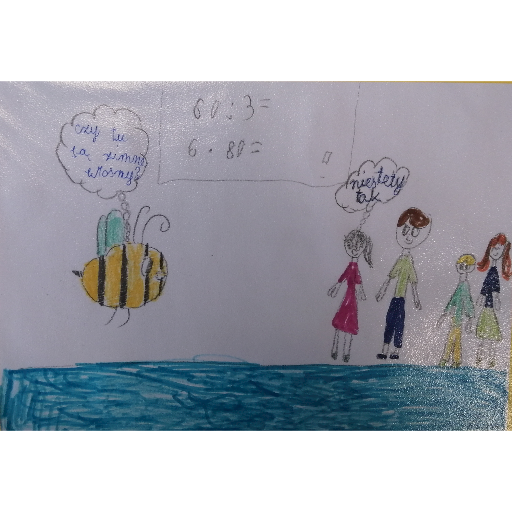

Honey Bee came to Zalasewo to class 3c. It was very hot during the day and very cold at night. The honey bee had great difficulty adapting to these conditions. She was very weak and scared. She asked class 3c to explain why such temperature fluctuations came from. The honey bee asked us if there were such cold springs here too. It turned out to be true - it is an effect of climate change. The honey bee learned many disturbing things and went further into the world ...
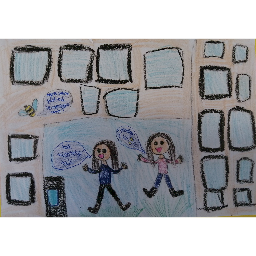
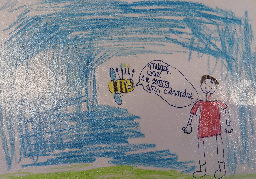
Królowa Pszczół była coraz bardziej smutna... W każdej szkole dzieci opowiadały jej niepokojące historie...
Może uczniowie w Zbąszyniu ją trochę pocieszą...?
Pszczółka Miódka przyleciała do Zbąszynia.
The Honey Bee came to Zbąszyń.
Spotkała się z dziećmi z klasy 1 d.
She met the children of class 1d.
Dzieci zabrały ją na spacer po najbliższej okolicy.
The children took her for a walk in the immediate vicinity.
Miódka spytała też o łąki i pola. Powiedziała, że uprawa jednego gatunku roślin zapewnia pszczołom pokarm tylko przez krótki czas ich kwitnienia.
The Honey Bee also asked about meadows and fields. She said that growing one plant species provides food for the bees only for a short flowering time.
Kwietna łąka może powstać wszędzie – w ogrodzie, na trawniku, w doniczce… Dzieci obiecały, że w tym roku
o to zadbają.
A flower meadow can be created anywhere - in the garden, on the lawn, in a pot ... The children promised that this year they would take care of it.
Miódkę bardzo to ucieszyło. Pożegnała się z dziećmi i poleciała dalej…
The Honey Bee made it very happy. She said goodbye to the children and flew on ...
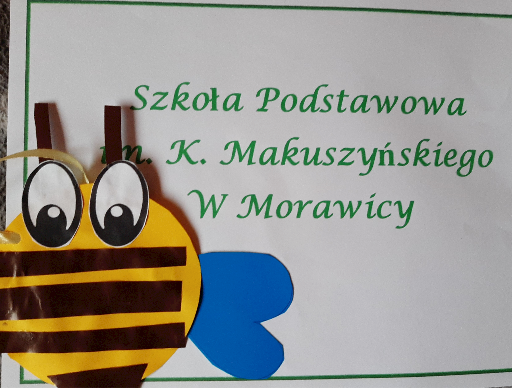
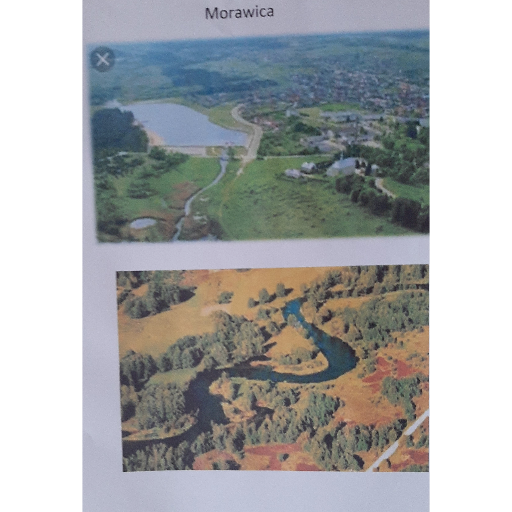
Kiedy Pszczółka Miódka przybyła do Morawicy było pochmurno i chłodno. Jednak na chwile wyszło słoneczko.
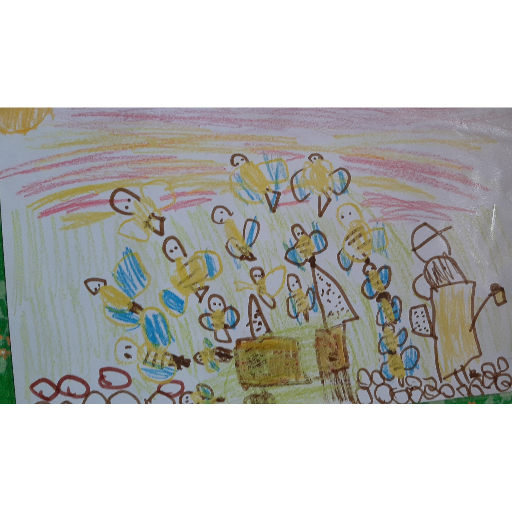
Radosne i ciepłe powitanie rozweseliło Królową. Dzieci przygotowały dla niej mały kącik.
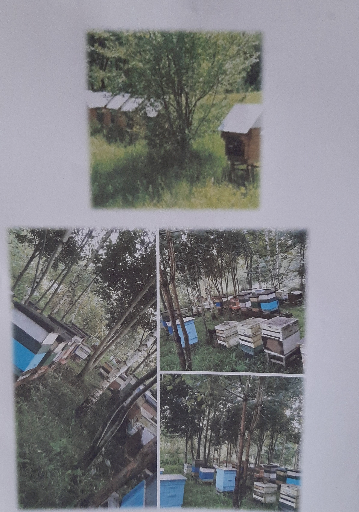
Podczas spaceru Pszczółka dowiedziała się, że w okolicach Morawicy znajdują się pasieki, co bardzo ją zaciekawiło. Pani Justyna zabrała ją do pasieki Pana Burmistrza. Królowa była zachwycona.
When a bee Miódka arrived to Morawica, it was cloudy and cool. However, a sun appared for a long while.
Happy and warm welcome cheered her up. The children prepared a nice small corner for their friend.
During the walk the bee learnt that in Morawica there are several apriaries. It interested her very much. Mrs Justyna with some children took her to the Morawica mayor’s apriary.The Quuen was delighted.


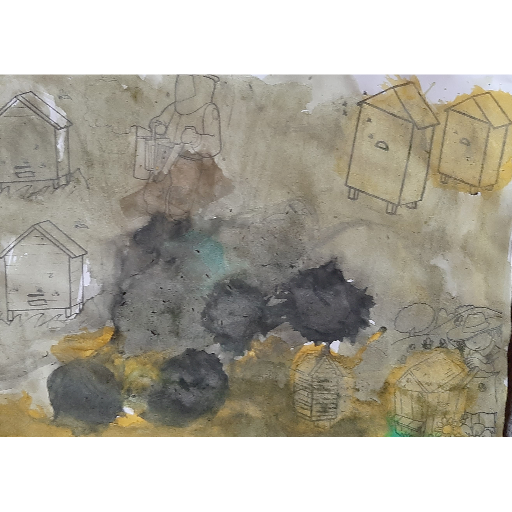
Unfortunately, Morawica is located in the big communication node. Miódka perceived an enormous cars traffic. She was terrifid.


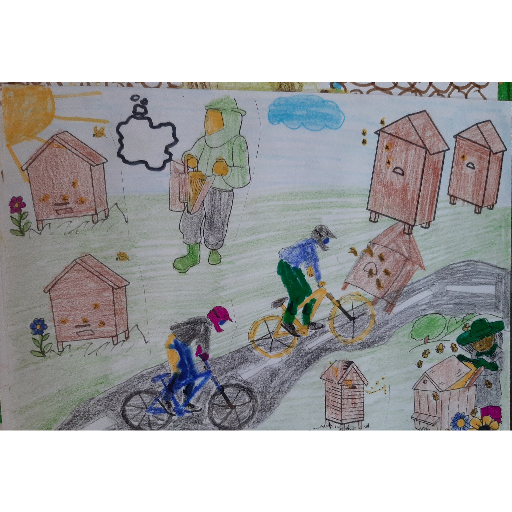
She managed to rest in the forest near the lagoon in Morawica. For a while, she was scared by the cyclists, who knocked over the nearby hive.
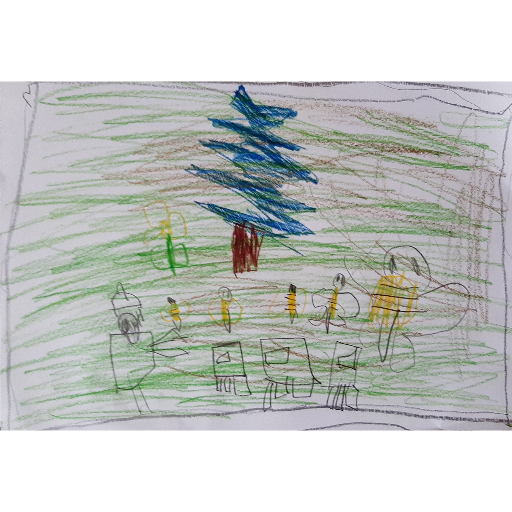
Although Morawica is a touristic and busy town, it has also lots of forest areas. Just there are the apriaries. The bees have got lots of pease and food. Miódka was happy to hear that.
Morawica Warszawa


Warszawa Wołów
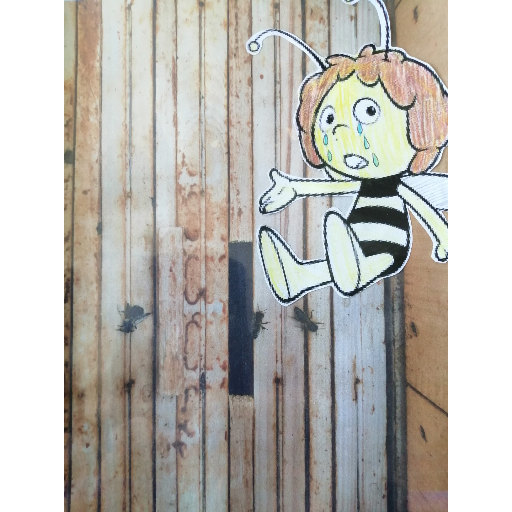
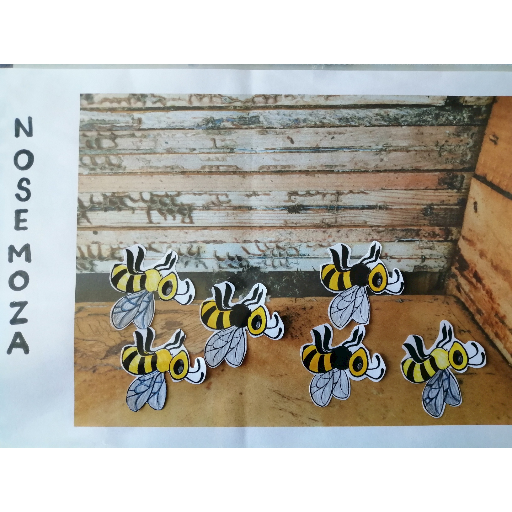
Nosemoza to choroba zaraźliwa pszczół dorosłych wywołana przez sporowce (mikrosporydia) z rodzaju Nosema: Nosema apis lub Nosema ceranae, które atakują komórki nabłonka jelita środkowego, skutkiem czego jest niedożywienie i osłabienie chorych osobników. Najgroźniejsza dla robotnic i trutni.
Choroba ta występuje zwykle wiosną, sprzyja jej podniesienie temperatury w ulu oraz niedobór białka. Rozprzestrzenia się drogą pokarmową, ma najczęściej przebieg utajony. Może też przebiegać z objawami biegunki, zaparcia lub napuchnięcia odwłoka, co może prowadzić do masowego umierania pszczół (wtedy zazwyczaj prowadzi to do śmierci całej rodziny).
Choroba może być leczona objawowo antybiotykami na bazie fumagiliny, które hamują wzrost zarodników grzybów. Z powodu przenikania tego związku lub jego pochodnych do miodu w Europie obowiązuje całkowity zakaz ich stosowania
- < BEGINNING
- END >
-
LIKE
-
COMMENT