


Expressive languages in the learning process
The educational experience of Reggio Emilia is based on the image of the child who, from birth, has the potential and tools to build his own luggage of knowledge, a biologically predisposed child to exploration, to relationships, learning and learning through different languages.
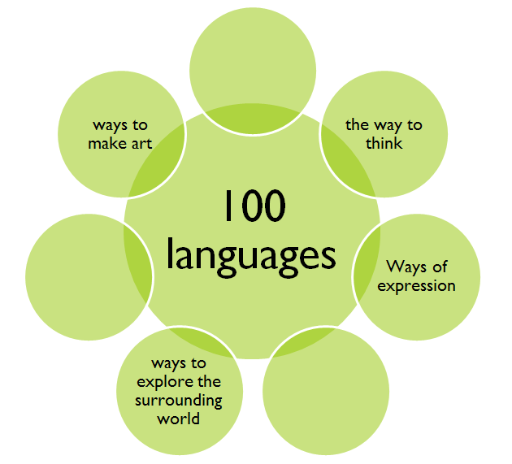
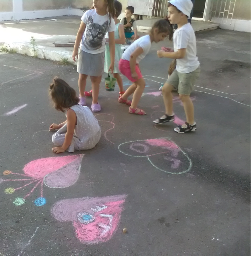
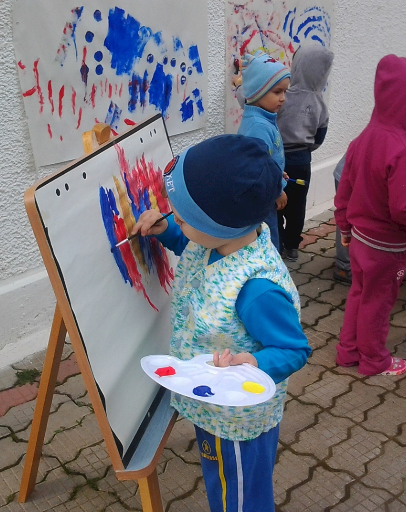
Malaguzzi believes that there are many ways in which children express themselves, the so-called 100 symbolic languages, including drawing, sculpture, painting, modeling, dramatic art, speech, movement, writing, singing. These are ways of communication through which the child learns and expresses his knowledge and emotions.
The 100 languages represent the many facets of a child's potential, his ability to marvel and to investigate. The 100 languages remind us that there are multiple ways to see and multiple ways to be.
CONCEPTS
BEHAVIOR
VARIABILITY
OF HUMAN
BEHAVIOR
Relevant conceptual elements
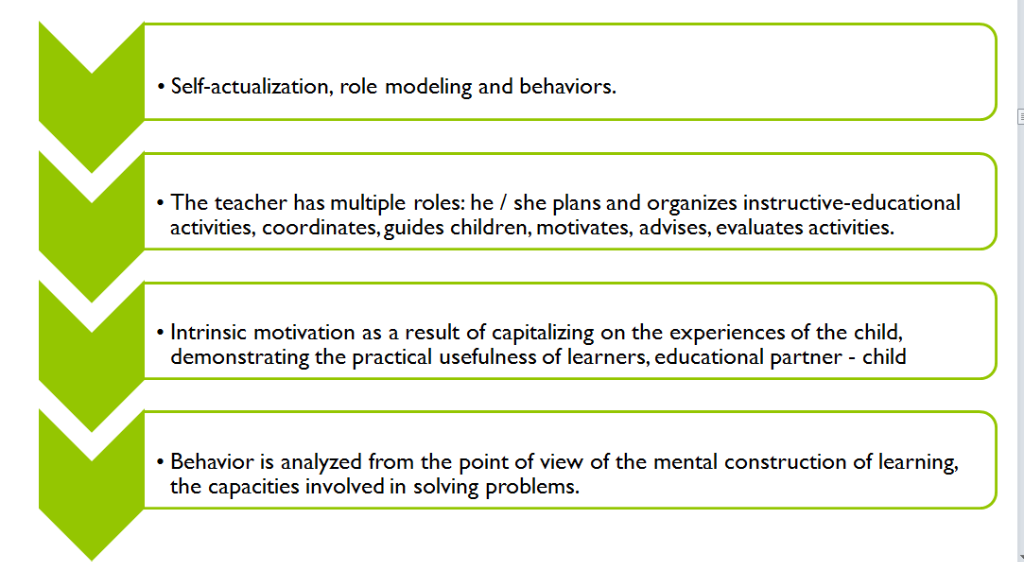
The purpose
of education
The role of
the teacher
The motivation
of learning
Evaluation
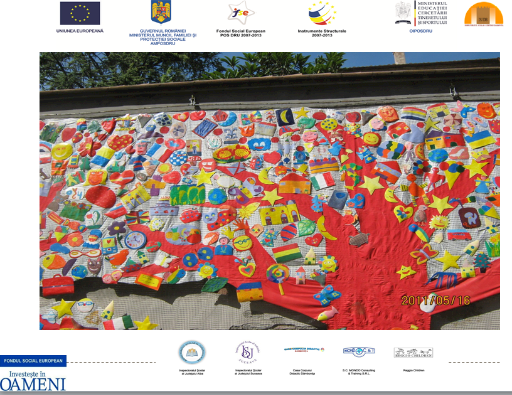
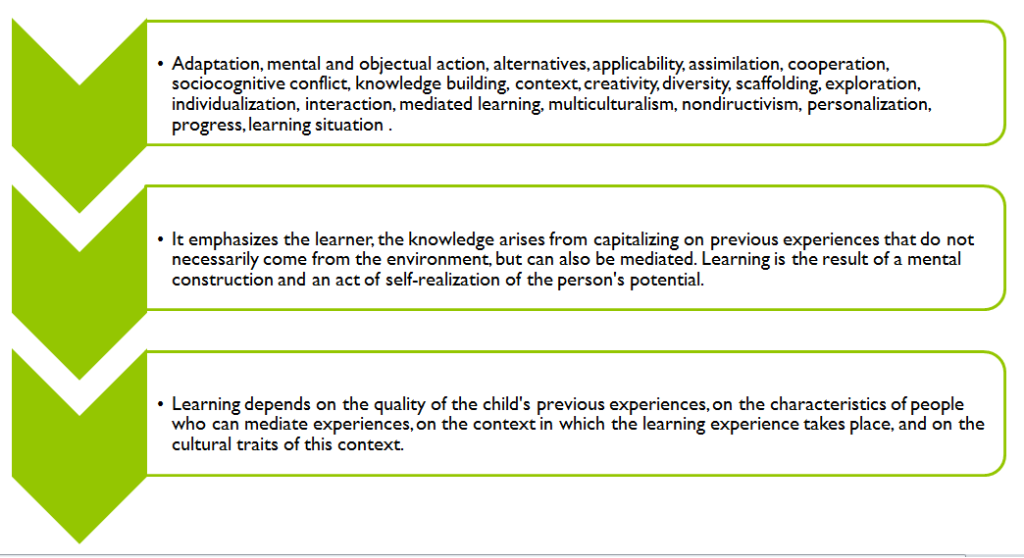
The theory of the 100 languages of the child respects the nature of the child and childhood considered cultural construct
Arguments:
Encourages and accepts the child's autonomy and initiative; considers children to be willed and purposeful;
Regards learning as a process with multiple entry points;
encourages student exploratory activity, recognizes the role of learning experience;
Supports the student's natural curiosity;
The theory of the 100 languages of the child respects the nature of the child and childhood considered cultural construct
Arguments:
Consider how the child learns, multiple languages;
Encourages children to engage in dialogue with others and with the teacher;
Supports cooperative learning; involves children in real situations;
Considers the context in which learning takes place;
It provides children with the conditions to build their new knowledge and understanding through genuine experience.
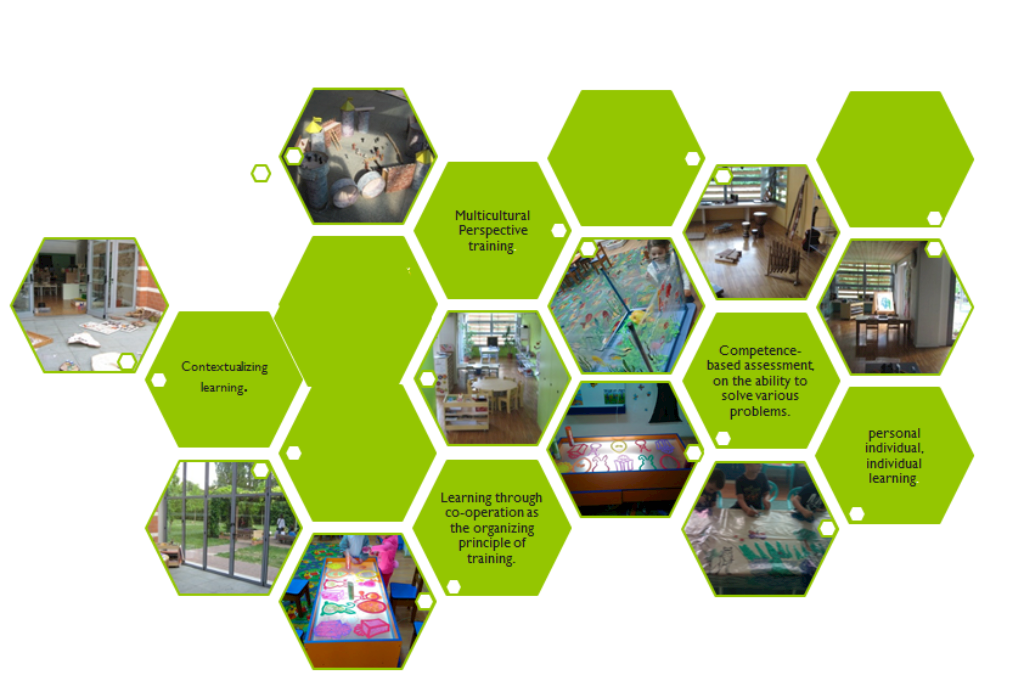
The philosophy of the 100 children's languages, according to Loriss Malaguzzi
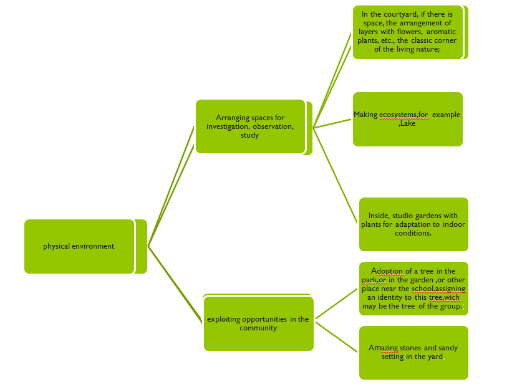
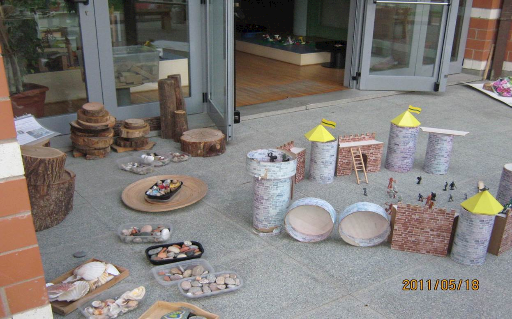
Organizing spaces, selecting predominantly natural materials, arranging indoor and outdoor gardens to offer authentic research and investigation opportunities, the simplicity of the contexts that support symbolic learning.
Sensory component - learning intake
Light, color, sounds of children's life, nature, smells, aromas, movement, taste, shapes, aggregation states, asperities or smoothness, thickness, height ... naturally reveal and increase the epistemic dowry of children.
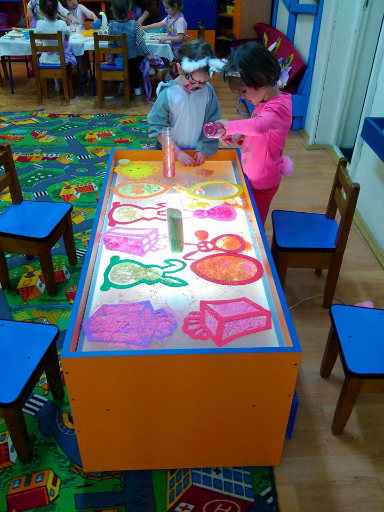
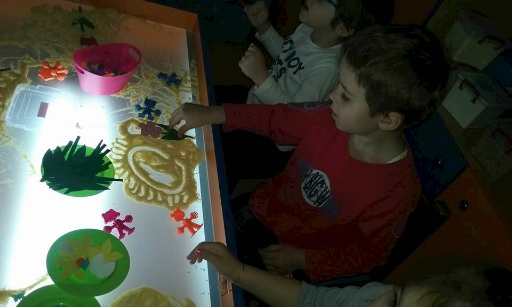
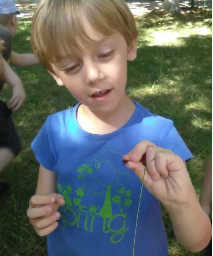
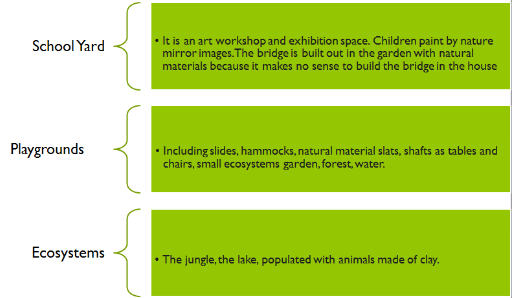



- Paraphrasing Loriss Malaguzzi, playground and activity for children is alike: Reality and fantasy, Science and imagination, Heaven and earth, Reason and dream;
- The foundation of the learning process is the concern for the holistic development of children by stimulating the 100 language languages of children;
KEY IDEAS
The conspicuous spaces represented in the kindergartens are the spaces for painting, collage, activities with textile yarns, modeling, made of reusable materials, the theater;Everything that can be learned with real means is learned with real, not tampered means.

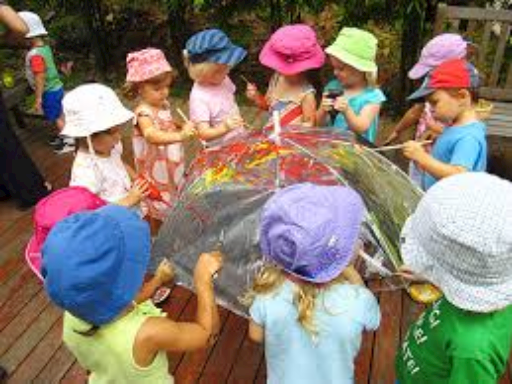
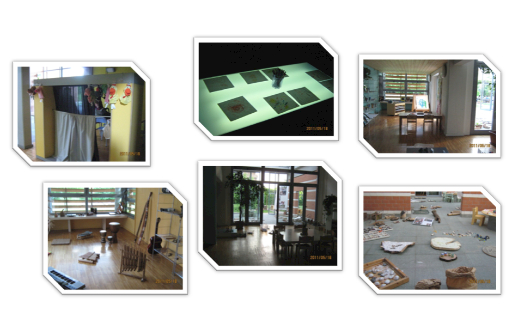
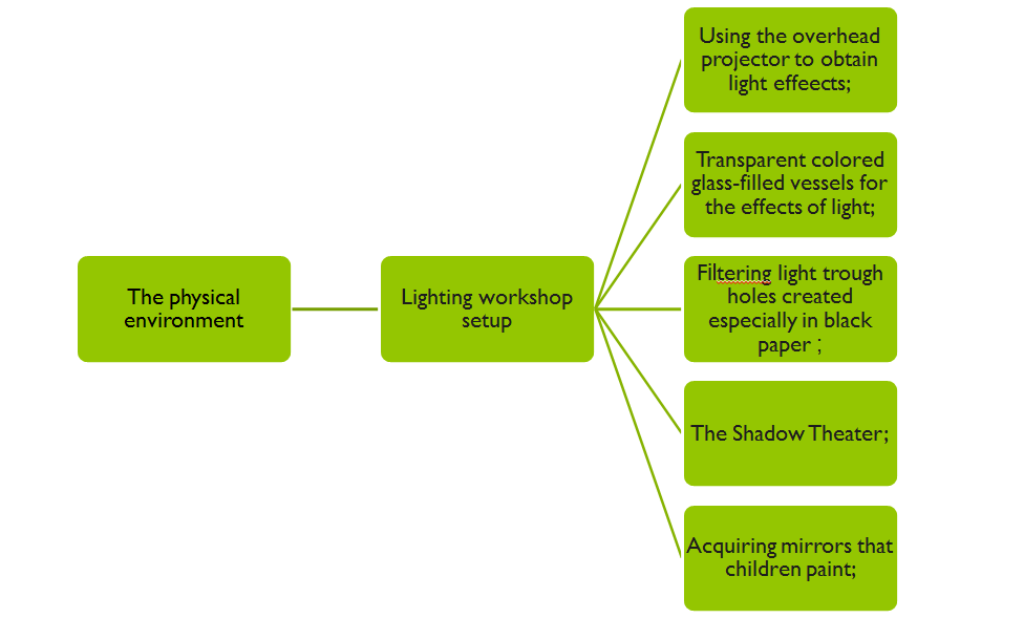
The workshop for lights, the theater workshop, the workshop for making objects from recyclable materials, the modeling workshop support the preoccupation for learning through multiple languages of children;
Learning makes sense, knowing is temporary, subjective.
Children are given contexts to research and investigate: tastes, aromas, shapes, colors;
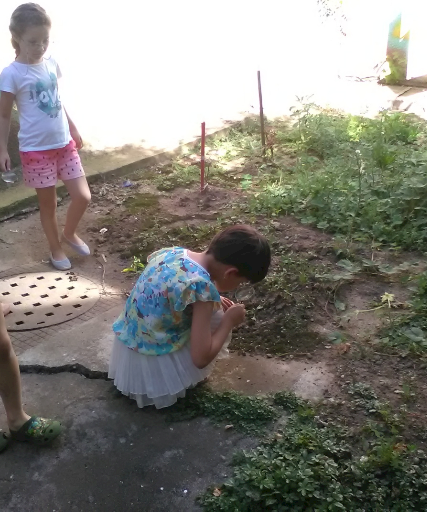
Children together with adults plant beetles, thyme, basil, mint, flowers, care and respect the plants that embellish their life and make it pleasant;
Children are intimate with the environment and not artificially through their boards and molds.
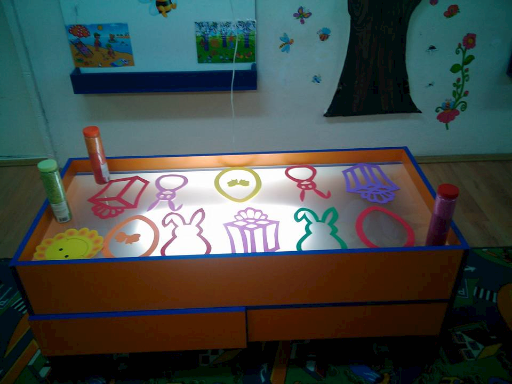
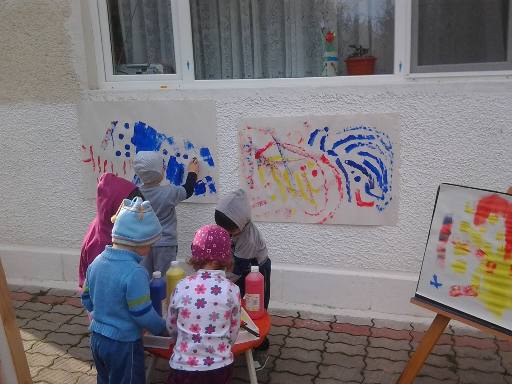

Elements that would facilitate transfer:
Flexibility at national curriculum level for early education (important is the child and what he does, through different means of expression, not the subject being studied);
The law of education refers to student focusing / how the child builds his / her own knowledge through different language expressions;
The project as a learning method - the possibility for each child to observe, to try different variants, to change, to talk with colleagues and the educator, etc. for a longer period of time;
Use of expressive languages in the learning process - transferability
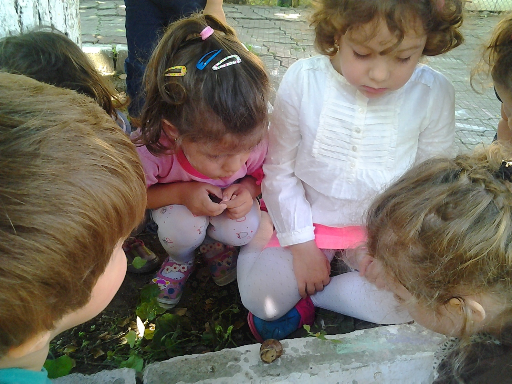
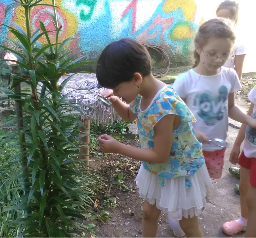
To the educator interested in the way in which learning takes place, some of the features of the Reggio Approach can think of it, awaken curiosity, and lead him to take a first step - the hardest step on the path of professional excellence - the researcher.
Instead of conclusions
Web tool: httpsyoutu.beSgnIQ7fjmdI
- < BEGINNING
- END >
-
DOWNLOAD
-
LIKE
-
COMMENT()
-
SHARE
-
BUY THIS BOOK
(from $5.59+) -
BUY THIS BOOK
(from $5.59+) - DOWNLOAD
- LIKE
- COMMENT ()
- SHARE
- Report
-
BUY
-
LIKE
-
COMMENT()
-
SHARE
- Excessive Violence
- Harassment
- Offensive Pictures
- Spelling & Grammar Errors
- Unfinished
- Other Problem





COMMENTS
Click 'X' to report any negative comments. Thanks!