"Knowledge is love, light and vision."

Positive psychology is the science of strengths and virtues that enable individuals and societies to thrive. The field is found on the belief that people want to lead a meaningful fulfilling life, to cultivate what is best within themselves and to enhance their experiences of work, love and play.

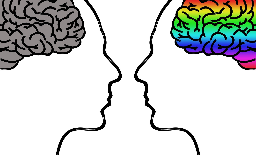

Positive psychology has developed in two major interdependent directions focusing on positive health and achieving positive education in various social and institutional contexts of development such as family, school and community. Seligman suggested there are three pillars of positive psychology such as positive emotions, positive individual characteristics and positive institutions. Positive psychology has an explicit concern for building individual strengths and life skills and improving well being in young people, direction where schools have an important role. Ensuring support for positive mental health prevention and promotion in children and youth has been achieving through designing and implementing of educational programs centered on positive feelings, qualities and skills so that children and youth become happy and responsible adults as members of healthy communities.
Road to Happiness
Proactivity
Self Actualization
Positive emotions
Engagement
Accomplishment
Self determination
Self determination is a development of motivation and personality.
Hope reflects an individual perception of their capacity to clearly conceptualize goals, develop the specific strategies to reach those goals/ pathways. and also initiate and sustain the motivation for using those strategies.
Positive Psychology in the Classroom is Teaching students to be self-aware, self-assured and self-sufficient.
The art of teaching is the art of assisting discovery. The art of positive psychology is learning not to teach by the book only. The art of positive psychology is learning to teach by heart so as to assist in the discovery of self, others and the world. In positive psychology, the teacher is the student’s muse.

Emotions
Pleasurable activities
Behaviors
Thinking patterns
Changing negative
thinking patterns
Goals

Happiness
Meaning
Hobbies
Relationships


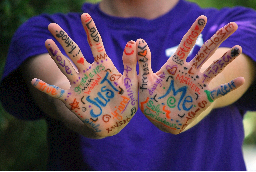









Positive emotions evolves as psychological adaptation that increased our human ancestors odds of survival and reproduction.
Positive emotions widen the array of thoughts and actions. The benefits of broadened mindsets build a variety of personal resources such as social connections, coping strategies and environmental knowledge.
Positive emotions are:


Pride
Love
Serenity
Gratitude
Joy
Inspiration
Awe
Positive psychology describes the effects a positive attitude can have on one’s enjoyment of a situation, people, and life as whole. If one is able to find something good about every situation they encounter, then their overall life experience will be positive. It explains that one’s mindset determines the outcome of a situation, including how well they get along with people around them. Positive emotions are capable of changing not only one's outlook on life, but also their life as a whole. By viewing every situation in a positive way stress can be reduced, and both physical and mental discomfort will be limited.


"Knowledge is love, light and vision."
- < BEGINNING
- END >
-
DOWNLOAD
-
LIKE(3)
-
COMMENT()
-
SHARE
-
BUY THIS BOOK
(from $2.99+) -
BUY THIS BOOK
(from $2.99+) - DOWNLOAD
- LIKE (3)
- COMMENT ()
- SHARE
- Report
-
BUY
-
LIKE(3)
-
COMMENT()
-
SHARE
- Excessive Violence
- Harassment
- Offensive Pictures
- Spelling & Grammar Errors
- Unfinished
- Other Problem






COMMENTS
Click 'X' to report any negative comments. Thanks!