
Hello everyone! Colours define an artist and mixing of colours is very important in conveying the message of an artwork. Let us learn more about this important technique of colour mixing.
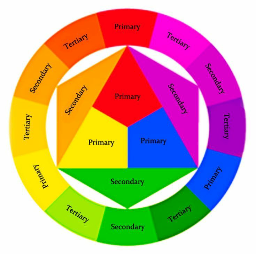
COLOUR THEORY
Colors are divided into following three categories :
1) Primary Colours
2) Secondary Colours
3) Tertiary Colours
1) PRIMARY COLOURS
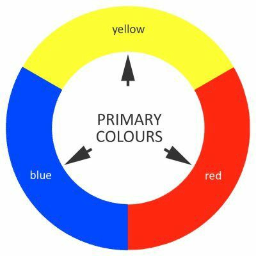
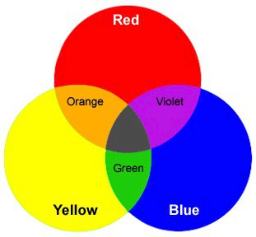
Yellow, blue and red is a group of colours from which all other colours can be created by mixing. Therefore, this group of colours is called primary colours.


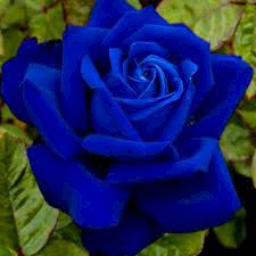
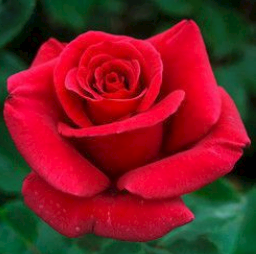
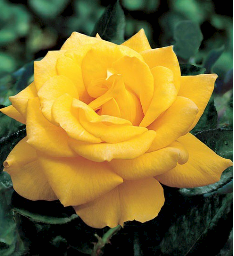
YELLOW
BLUE
RED
2) SECONDARY COLOURS
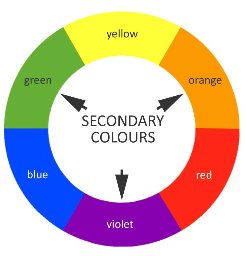
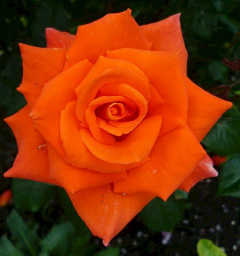
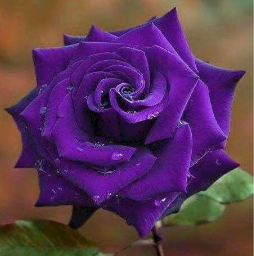
Secondary colours are achieved by mixing two primary colours.
red + yellow = orange
yellow + blue = green
blue + red = violet


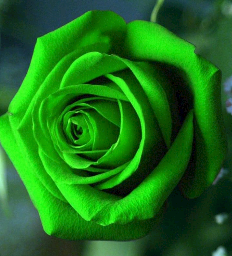
ORANGE
VIOLET
GREEN
TERTIARY COLOURS
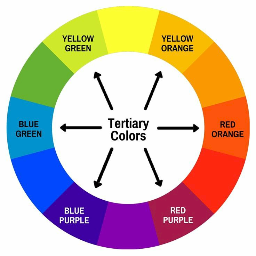
Tertiary colours are made by combining primary and secondary colours.
yellow + orange = yellow-orange
orange + red = red-orange
red + violet = red-violet
violet + blue = blue-violet
blue + green = blue-green
green + yellow = yellow-green
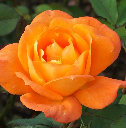
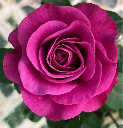
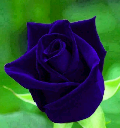
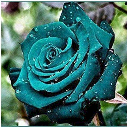
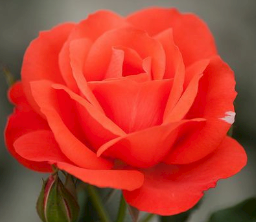
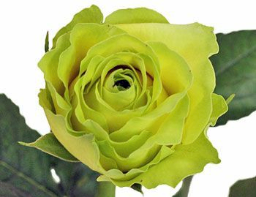
YELLOW - ORANGE RED - ORANGE RED- VIOLET
BLUE - VIOLET BLUE - GREEN YELLOW - GREEN
MAKING NATURAL COLOURS
You can easily make natural colours at home using a few basic fruit and vegetables – it’s a fun activity for kids and involves a little science, too. These natural colours can be used to dye any white fabric, such as socks, t-shirts, scrunchies or wool, or colourful decorated eggs at Easter.
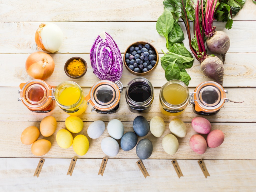
REQUIREMENTS:
METHOD:
1) Put the cold water in a saucepan along with your chosen vegetable. Cover with the lid and bring to a boil.
2) After boiling, remove the lid and turn off the heat. Let the mixture infuse for 10 minutes.
3) Set the sieve over the bowl and strain the mixture. Use tongs to add your item to the mixture while the coloured liquid is still warm.
4) Leave it for as long as you like, the longer you leave it, the stronger the colour will be.
5) Use tongs to remove your item and transfer to a new clean bowl, gently rinse with cool water to remove the excess dye then leave to dry completely.
Purple:
Chop ½ red cabbage and add to the water. If you want to make a double batch so you can make some other colours too, use a whole red cabbage instead, and double the amount of water to 1.4 litres (about 6 cups).
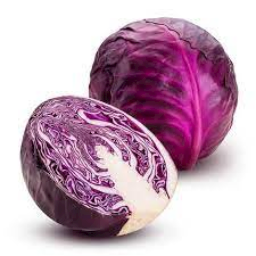
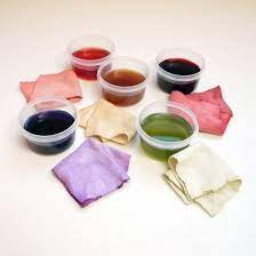
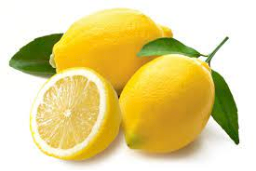
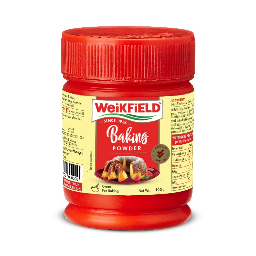
To make blue, add ½ tsp baking powder to the purple colour, and watch it transform before your eyes! To make pink, add the juice of ½ lemon to the purple colour and it will turn a reddish-pink instead.
The science bit: red cabbage contains a pigment called anthocyanin that acts as an indicator of PH levels, like litmus paper. When baking powder is added, it turns the solution into an alkaline, which appears blue. When lemon juice is added, it turns the solution into an acid that appears red.
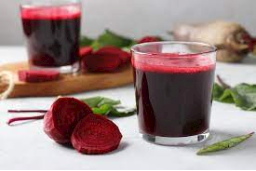
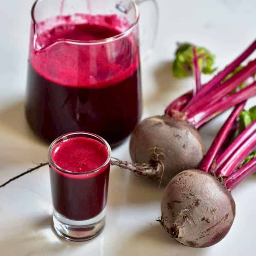
Chop 1 cooked beetroot and add to the water. Beetroot will create a strong red-colour that you can combine easily with other colours.
If you want to create a double batch, use 2 beetroots and double the amount of water to 1.4 litres (about 6 cups).
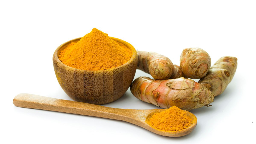
Slice a thumb-sized piece of turmeric and add to the water. We found that fresh turmeric works best, but you can also used ½ tsp ground turmeric if you prefer.
To make green colour, first make blue and yellow colours and combine the two. Spinach can be used for making green colour.
To make orange colour, first make red and yellow colours and combine the two. Carrot can be used as well for making orange colour.
COLOUR MIXING ACTIVITY
METHOD :
Make sure paper towel strip fit properly in your glasses. They should be able to go from the bottom of one jar to the next without sticking up in the air too much
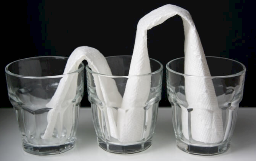


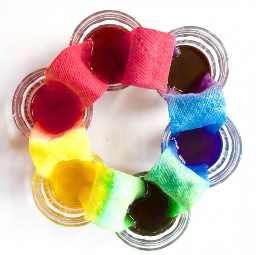
Line up the glasses and fill alternate glasses with primary colours and add water to them till the coloured water reaches almost the top. Move the glasses into a circle and add the paper towels. Starting with the red, then yellow and then blue, add one end of the paper towel to a glass and then put the other end in the empty glass next to it. After about five minutes, we can see that the water level has dropped in the coloured glasses and risen in the once empty glasses as the water continues to travel from the more full glasses to the less full glasses.

REQUIREMENTS :
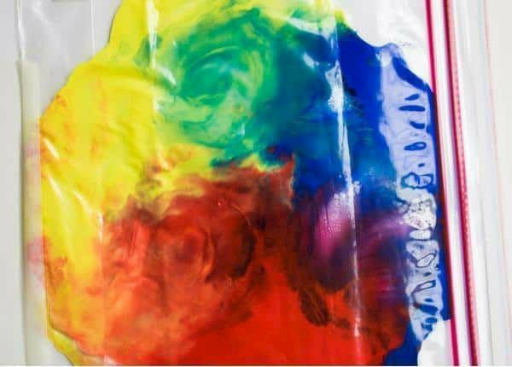
1)One zip lock snack bag.
2)Few colors of paints of your choice.
METHOD :
Pour the paint into your bag , flatten as much air out as you can, and then seal it. Try mixing the different colours together to see which colour it forms.
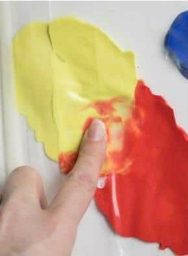
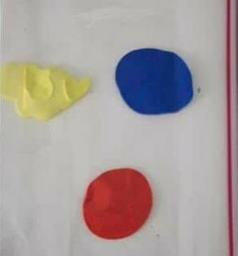

For added fun you can put different coloured paper under your ziplock and the result will be more colourful.

I hope you have understood this beautiful and simple technique of colour mixing through this book.

THE END
- < BEGINNING
- END >
-
DOWNLOAD
-
LIKE(2)
-
COMMENT()
-
SHARE
-
BUY THIS BOOK
(from $3.99+) -
BUY THIS BOOK
(from $3.99+) - DOWNLOAD
- LIKE (2)
- COMMENT ()
- SHARE
- Report
-
BUY
-
LIKE(2)
-
COMMENT()
-
SHARE
- Excessive Violence
- Harassment
- Offensive Pictures
- Spelling & Grammar Errors
- Unfinished
- Other Problem






COMMENTS
Click 'X' to report any negative comments. Thanks!