This book has been prepared as an informative booklet on mobile phone life by the mixed student teams and teachers of A lifecycle of mobile phones: from producing to recycling. e Twinning project.

CHAPTERS
CHAPTER 1 Intro about recycling, what do you know about e-waste? How much e-waste is generated every year? How much of this waste is recycled globally?
CHAPTER 2 How we recycle mobile phones, which are the worlds fastest growing waste material?
CHAPTER 3 The initial stage (Collection and Transportation)
CHAPTER 4 The folow up (Shredding, Sorting, and Separation)
CHAPTER 5 The final stage (Preparation For Sale as Recycled Materials)
CHAPTER 6 Electronics Recycling Associations and Current Challenges for Electronics Recycling Industry
CHAPTER 7 Benefits of recycling e- waste both for environment and economy
CHAPTER 1
Intro about recycling, what do you know about e-waste? How much e-waste is generated every year? How much of this waste is recycled globally?
Group Leaders : Aleksandra Prokopijević, Nikola Dragović, Işık Nil Büyükmil Akyer, Radica Milkovska-Stankovska
Students : Zoran Šegrt , Ina Đipalo, Boriša Simović, Ilija Stanojković, Yunus OIB, Sadık OIB, Hasan Hüseyin Çiğli 75, Veli Çiğli 75, Kaan MS, Mert Bry, Uğur /İlker Eren Çevik Anatolian High School, Chiara Burzese (IT), Carla Gallo (IT)
What do you know about e-waste?
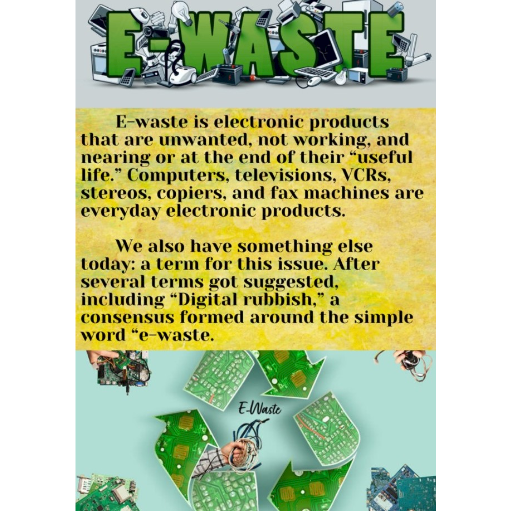
E-waste is electronic products that are unwanted, not working, and nearing or at the end of their “useful life.” Computers, televisions, VCRs, stereos, copiers, and fax machines are everyday electronic products.
How much e-waste is generated every year?
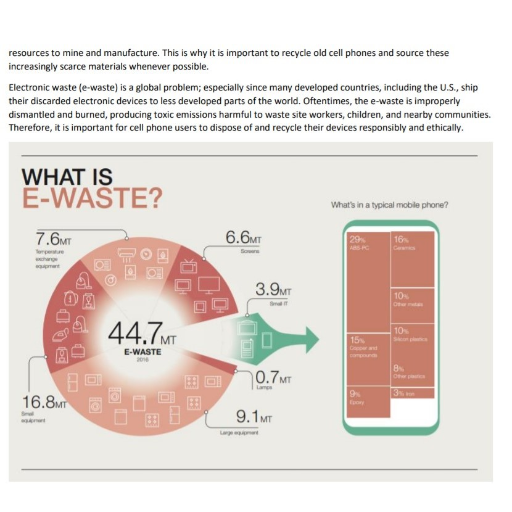
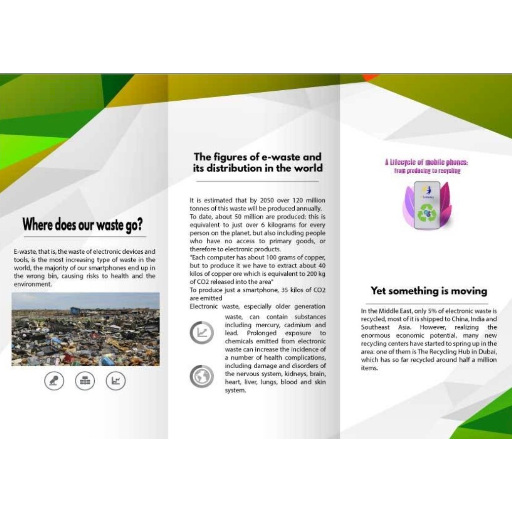
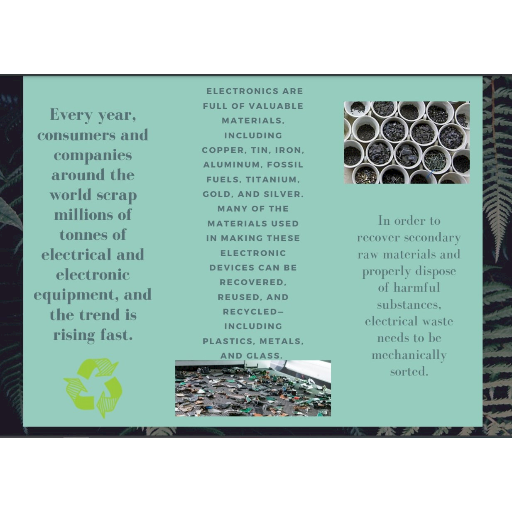
E-waste is the most rapidly growing waste problem in the world. We generate about 50 million tons of it every year. This is equivalent to throwing out 1000 laptops every single second.
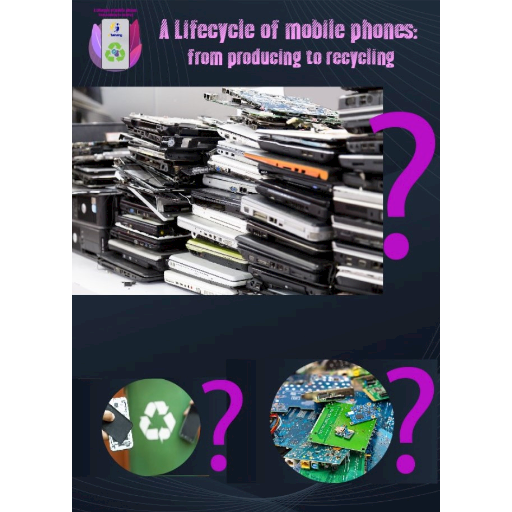
Why recycling matter?
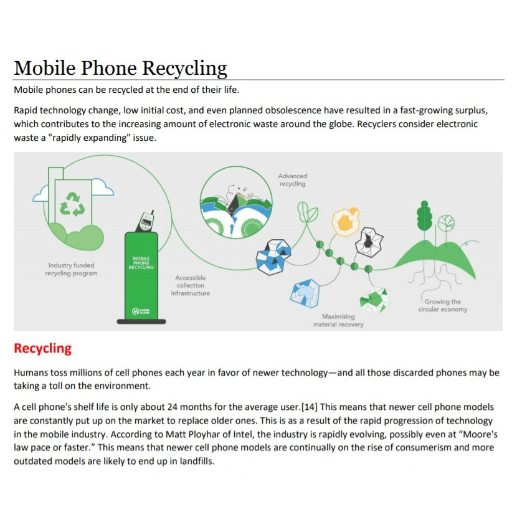
Through recycling, MobileMuster transforms the components from mobile phone waste into valuable materials for reuse. It means that fewer raw materials need to be extracted and processed to make new products. By recycling your mobile phone today you will be helping reduce the impact on the environment of tomorrow.
Follow the journey of what happens when you drop off your mobile phone for recycling at a MobileMuster collection point. You will see how the phones are dismantled and discover the materials that can be recovered. We will show you how recycling efforts — big and small have a lasting, positive impact on our environment.
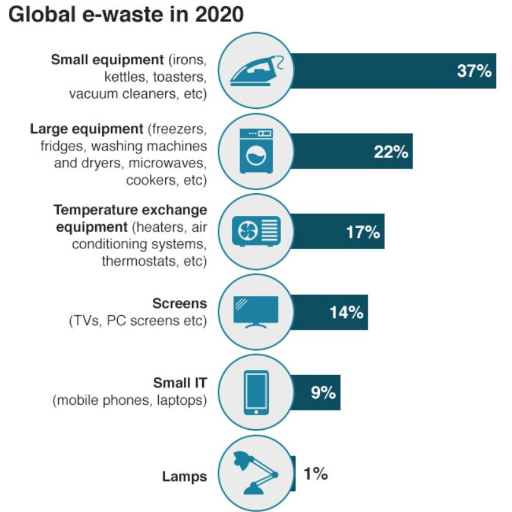
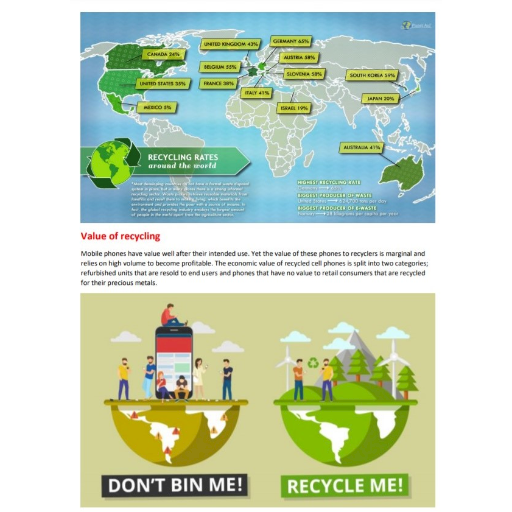
Every year the world produces around 50 million metric tons of e-waste, and only around 20 % is recycled globally. Around 10% of e-waste is made up of electronics like smartphones, and one person has one phone for about 1-2 years. E-waste is a big problem in the world because of toxic metals that are not disposed of properly.
Most cell phone users change their phone between 18 and 24 months. Therefore, in Turkey, in drawers, storage boxes and it is estimated that millions of phones in landfills.
Despite these large numbers, people cannot recycle their phones because there are no convenient, easy, and reliable recycling platforms. The recycling rate of mobile phones is really low in our country. Most likely, it is not known how to properly recycle mobile phones and rates remain very low with the lack of suitable platforms.
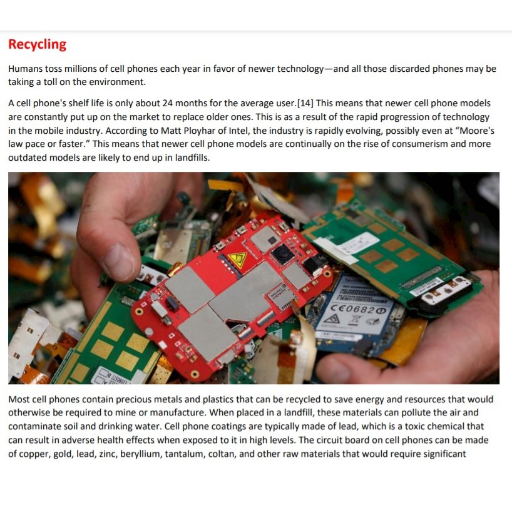
Cell phones are e-waste and not randomly disposable. According to the Environmental Protection Agency, mobile phones, and their accessories are made of precious metals, copper, and plastic that require energy to be extracted and produced. Recycling mobile phones reduce greenhouse gas emissions and save natural resources.
There are various eco-friendly options for disposing of an old cell phone. These are recycling, resale, and reuse.
CHAPTER 2 How we recycle mobile phones, which are the worlds fastest growing waste material?
Group Leaders : Miroslav Marjanović, Hüseyin GÜRLAGAP, VEDAT AKDENİZ, Zefir Huybrechts
Students: Lav Leo Marković, Stefan Manojlović, Filip Noble, Andrej Sakal, Leylifer OIB, Ali OIB, Güven Y. Çiğli 75, Ümitcan.G G. Çiğli 75, Arzu MS, Ayşe MS, Mürsel Bry, Giorgia Marzano (IT)
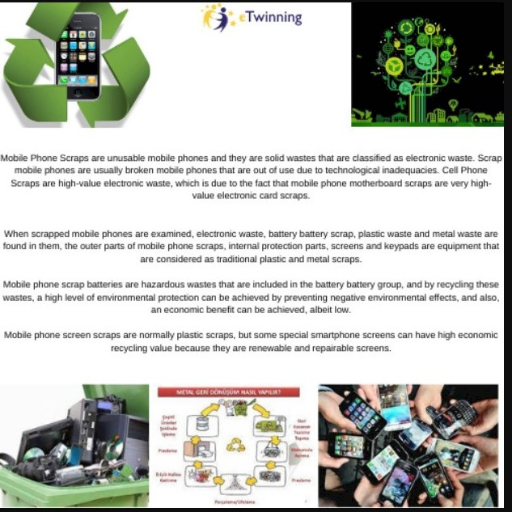
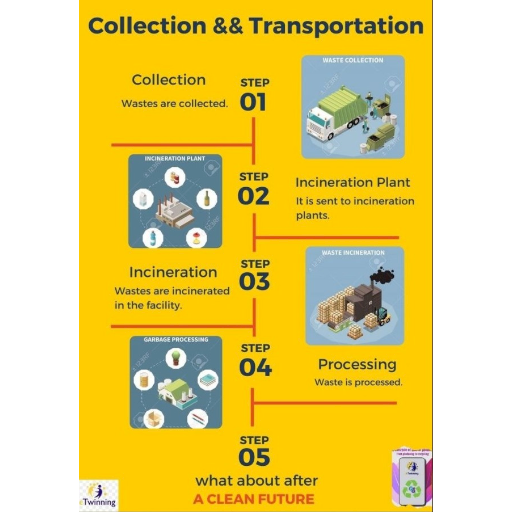
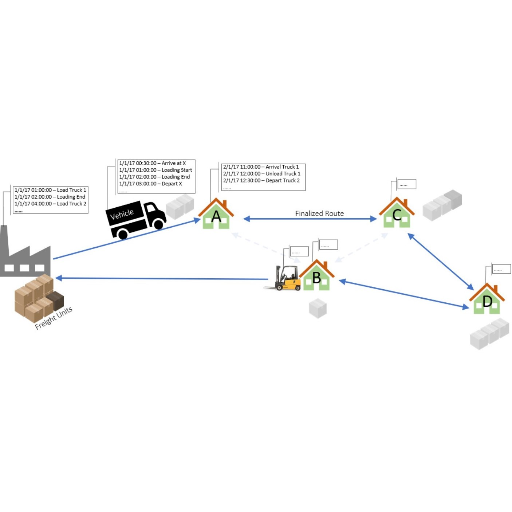
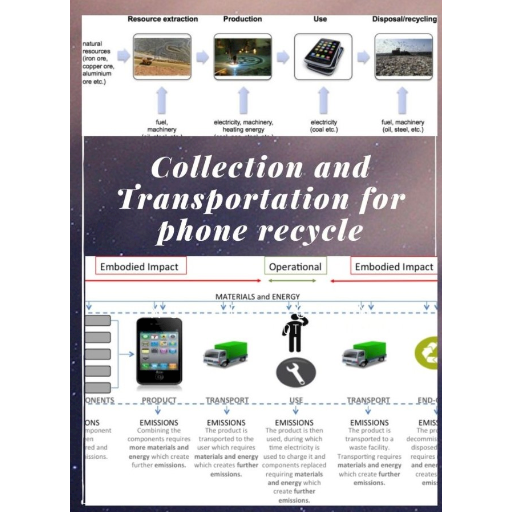
CHAPTER 3 The initial stage (Collection and Transportation)
Group Leaders: Ivana Belić, Ioannis Segkos, Ljupka Bocevska, Irina Chiș-Dan
Students: Strahinja Lukić, Matija Gačević, Viktor Randjelović, Sude OIB, Elif OIB, Tunay İ. Çiğli 75, Atilla MS, Belinay MS, Behiç Bry, Sedef A./İlker Eren Çevik Anatolian High School, Mariapia Cordiano (IT), Kyriazi Rafaela, Kumar Sunil, Malliaris Ioannis, Makrinou Eirini, Ntegiannis Thodoris
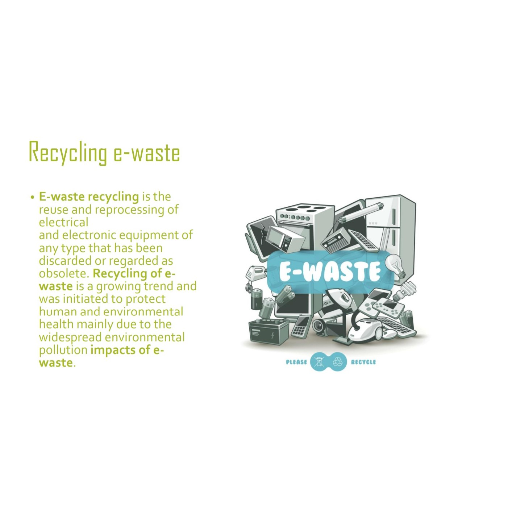


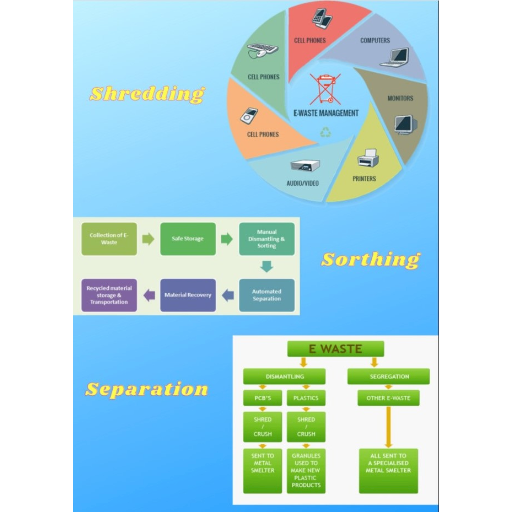
CHAPTER 4 The follow up (Shredding, Sorting, and Separation)
Group Leaders: Milica Jovković, Dijana Šarac, Gamze Albayrak, Patrizia Sgrò
Students: Vasilije Bratić, Matija Ranković, Marko Kulenović, Mustafa OIB, Erdem.k K. Çiğli 75, MuhammetR MS, Yunus Bry
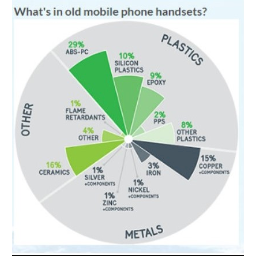
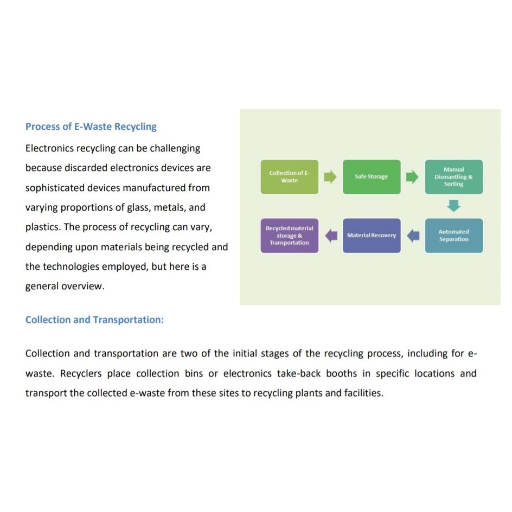
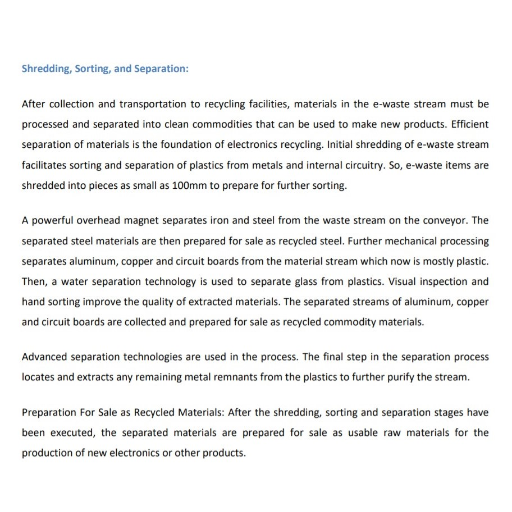
Step 1: Sorting: First, phones are dismantled and sorted into the following components: batteries (NiCad, NiMetHyd, and Lithium-Ion), printed circuit boards, handsets, chargers/accessories, plastics, metals, and paper/cardboard packaging.
Step 2: Batteries: Batteries are sorted into chemical types.
Step 3: Circuits: Precious metals such as gold, silver, copper, lead in the circuit boards are separated.
Step 4: Casings: The plastics in a mobile phone case are shredded and used to produce composite plastic products like pallets.
Step 5: Accessories and Mixed Plastics: Copper wiring is sent to local metal recyclers for recovery.
Step 6: Packaging: Packaging is separated into plastic and paper and sent to local recyclers for processing.

CHAPTER 5 The final stage (Preparation For Sale as Recycled Materials)
Group Leaders: Aleksandra Jovanović, Arianna Sturniolo , ORHAN ÇAY, Aleksandra Babić
Students: Marko Krnjaić, Uroš Mrković, Strahinja Čotrić, İsa OIB, Kubilay OIB, Ali Eray A. Çiğli 75, Muhammet MS, Ozan Bry, Eleonora Miano (IT), Anna Maria Leonardi (IT), Riccardo Sorace (IT), Ema Kunić, Klara Petrović, Teodora Vučić, Matej Petrović
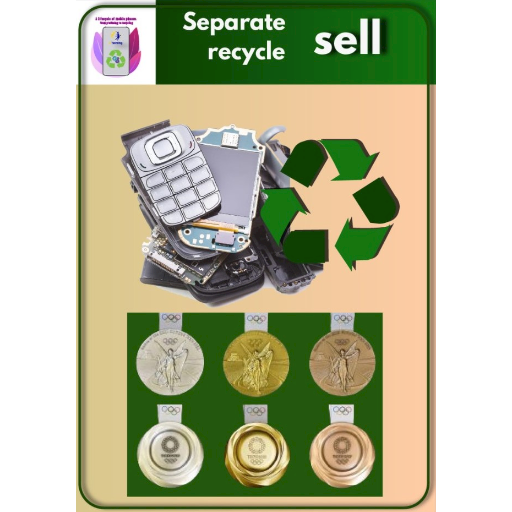
Most cell phone users change their phone between 18 and 24 months. Therefore, in Turkey, in drawers, storage boxes and it is estimated that millions of phones in landfills.
Despite these large numbers, people cannot recycle their phones because there are no convenient, easy, and reliable recycling platforms. The mobile phone recycling rate is really low in our country. Most likely, it is not known how to properly recycle mobile phones and rates remain very low with the lack of suitable platforms.
- Full access to our public library
- Save favorite books
- Interact with authors
This book has been collaboratively produced by the mixed student's teams as the final product of
A lifecycle of mobile phones: from producing to recycling e Twinning project.
Thanks to all partners and students of this strong project...
- < BEGINNING
- END >
-
DOWNLOAD
-
LIKE(1)
-
COMMENT()
-
SHARE
-
SAVE
-
BUY THIS BOOK
(from $9.99+) -
BUY THIS BOOK
(from $9.99+) - DOWNLOAD
- LIKE (1)
- COMMENT ()
- SHARE
- SAVE
- Report
-
BUY
-
LIKE(1)
-
COMMENT()
-
SHARE
- Excessive Violence
- Harassment
- Offensive Pictures
- Spelling & Grammar Errors
- Unfinished
- Other Problem






COMMENTS
Click 'X' to report any negative comments. Thanks!