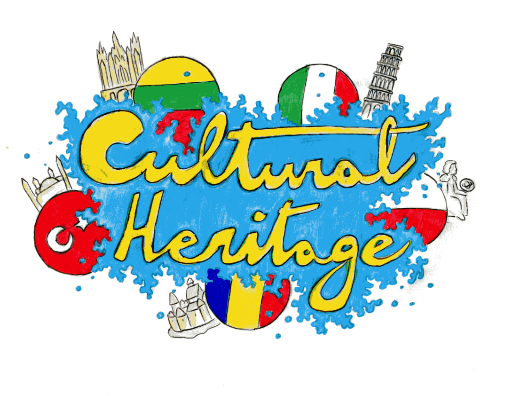
A collaborative book written by the participants of the Erasmus + project ,,Cultural Heritage Journey With Models” from:
TURKEY
LITHUANIA
ITALY
POLAND
ROMANIA

TURKEY
UNESCO CULTURAL HERITAGE SITES
There are 18 Cultural Heritage Sites from Turkey in the UNESCO World Heritage List. Examples;
Ephesus; is an ancient city located on the west coast of Anatolia, in the Selçuk district of today's İzmir province. Its foundation dates back to 6000 BC (Polished Stone Age). It was founded by Attic and Ionian colonists instead of the old capital. Efes was registered as a World Heritage Site in 2015.
Cappadocia, located in Nevşehir, is the region that emerged 60 million years ago when the soft layers of lava and ashes erupted by volcanoes were eroded by rain and wind for millions of years. It was registered as a World Heritage Site in 1985.
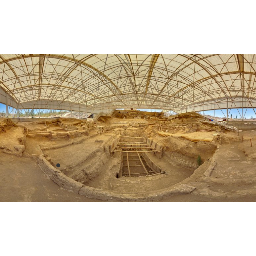
Çatalhöyük, located in Konya, is a very large Neolithic and Chalcolithic Age settlement in Central Anatolia, which was inhabited 9 thousand years ago. It was added to the UNESCO World Heritage Tentative List. It was decided by UNESCO to be included in the World Heritage List in 2012.
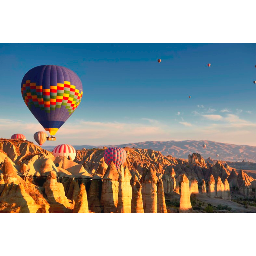
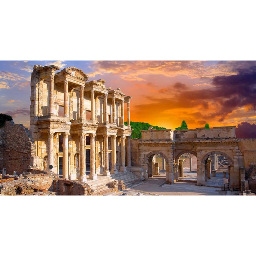
Cappadocia
Ephesus
Çatalhöyük
TRADITIONAL COSTUMES, MUSIC AND DANCES
Horon Costume
Velvet or satin is often used for women. Men's horon clothing includes a vest, braces, wraps, shirts, belts, amulets, and leather boots. Women's horon outfit includes fistan, shalwar, socks, necklaces and sequins.
Some Turkish Folk Songs
İzmir'in Kavakları, Hekimoğlu, Ordu'nun Dereleri, Mihriban, Gönül Dağı etc.
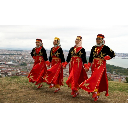
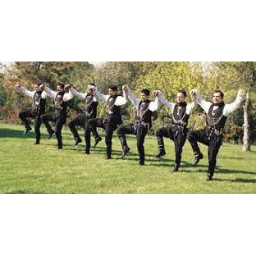
Women's Costume Men's Costume
Zeybek, is a folk dance seen in the Western Anatolia region. It is played by one person or with several players lined up in a circle. Zeybek represents a brave man who protects the people.
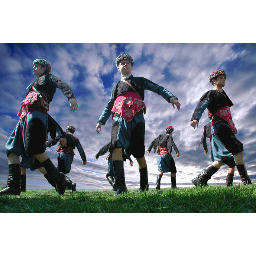
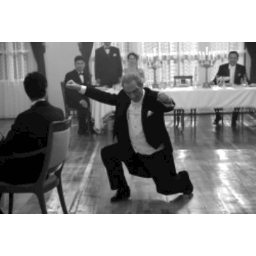
Zeybek Folk Dance
Atatürk Playing Zeybek
TRADITIONAL FOOD
Mantı, is a dish made by putting minced meat seasoned with various spices into small pieces of dough and boiling these dough pieces in water.
Sarma, is a food made by wrapping various internal ingredients, especially bulgur or rice, usually with white cabbage, collard greens, mulberry leaves, cherry leaves or vine leaves.
Turkish coffee, is one of the oldest methods of coffee preparation and brewing from the Ottoman Empire, which has an important place in Turkish culture. It has a unique identity and tradition with its unique taste, foam, smell, presentation style. It is the only type of coffee that is served with its grounds.
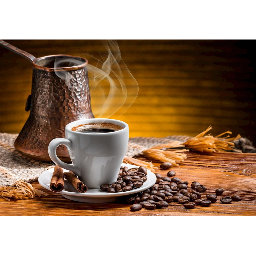
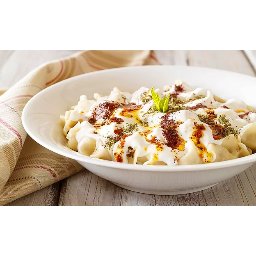
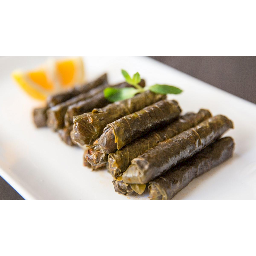
Mantı
Sarma
Turkish Coffee
TRADITIONAL CUSTOMS
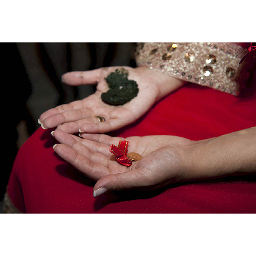
Before Turkish men go to military service, a farewell ceremony is held. In this ceremony, henna is applied to men's fingers. Also, henna is applied to the hands of women before the wedding.
Our national holiday, April 23 National Sovereignty and Children's Day, is the only holiday in the world that is gifted to children. It is celebrated with great enthusiasm every year in our country.
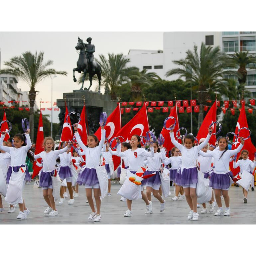
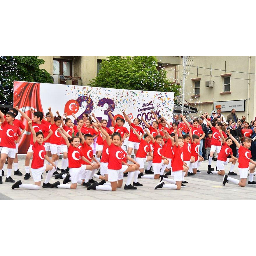
Some Celebrition Pictures
LITHUANIA
UNESCO CULTURAL HERITAGE SITES
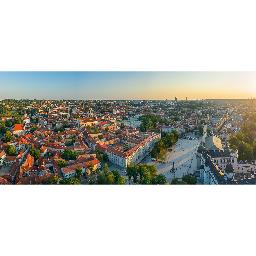
Vilnius Historic Centre
Political centre of the Grand Duchy of Lithuania from the 13th to the end of the 18th century, Vilnius has had a profound influence on the cultural and architectural development of much of eastern Europe.
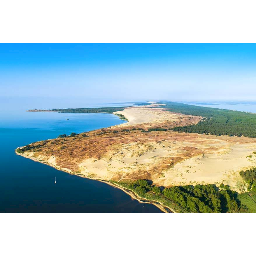
Curonian spit
Human habitation of this elongated sand dune peninsula, 98 km long and 0.4-4 km wide, dates back to prehistoric times. Throughout this period it has been threatened by the natural forces of wind and waves.
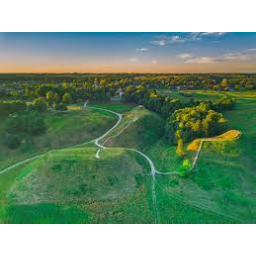
The Kernavė Archaeological Site
The Kernavė Archaeological Site gives an exceptional testimony to the evolution of human settlements in the Baltic region over a period of 10 millennia.
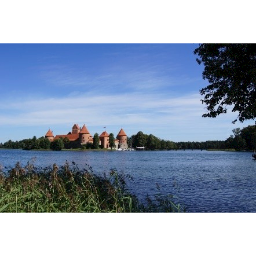
Trakai National Park
Trakai National Park was designated in 1992 to embrace the historic city of Trakai, some 25 kilometers outside Vilnius, and the forests, lakes and villages in its environs
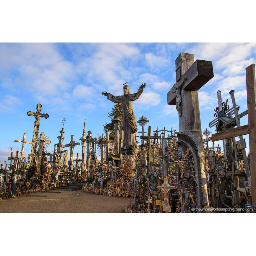
Hill of Crosses
The precise origin of the practice of leaving crosses on the hill is uncertain, but it is believed that the first crosses were placed on the former Jurgaičiai or Domantai hill fort after the 1831 Uprising
TRADITIONAL COSTUMES, MUSIC AND DANCES
Lithuanian folk songs
The lyrics of old (pre-19th century) Lithuanian folk songs are full of diminutives. Some songs are multipart and known as sutartinės. Sung by two to four persons these have few counterparts in Europe, they are listed as UNESCO World Heritage.
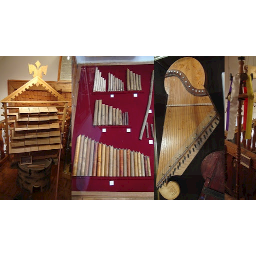
The most famous Lithuanian traditional musical instruments are skrabalai (percussion instrument), skudučiai (wind instrument) and kanklės (string instrument), with kanklės regarded to have a deeper spiritual importance.
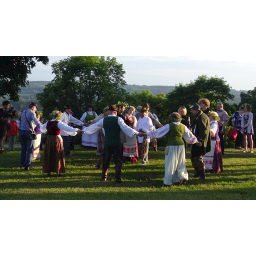
Lithuanian folk dances
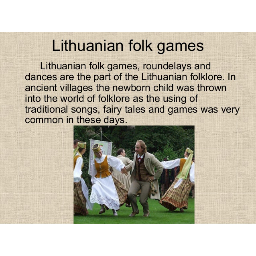
Today folk dances usually go hand in hand with folk songs and are performed on stage. But originally they would include entire communities. Many dances have slower and faster parts and are danced in circles which transform into lines, "snakes" and other formations as the dance progresses, or may even temporarily "disintegrate" into pairs. The dancers' actions may be so elaborate that some Lithuanian dances are also known as "games".
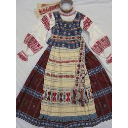
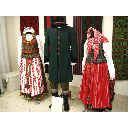
Lithuanian folk costumes
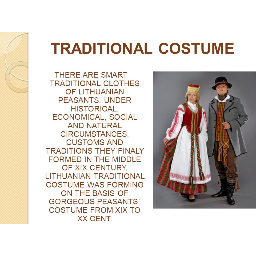
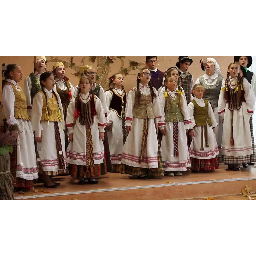
Men's and women's Lithuanian folk costumes feature a variety of colors, designs, textures, and patterns. It's common to see women wearing aprons embroidered with geometric designs covering long plaid skirts. Jewelry is part of the dress and most often you will see women wearing jewelry with local amber. Women may cover their hair with scarves or wear unique pillbox hats.
Hats trimmed with ribbon and vests are also typical elements for Lithuanian traditional dress. The men's clothing, while understated, is decorated with woven sashes and boots are the traditional footwear. You'll often see striped, tapered slacks with long jackets worn by men.
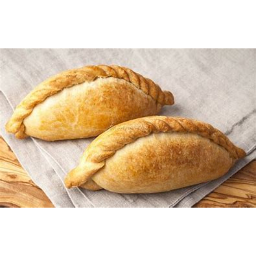
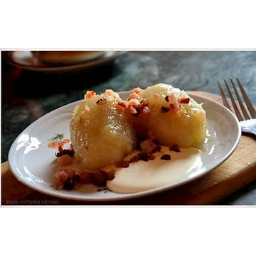
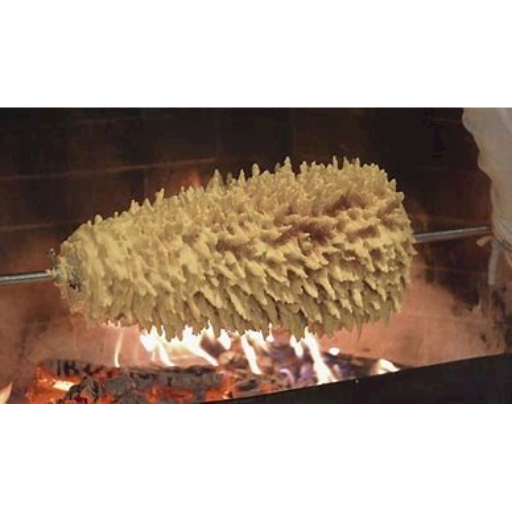
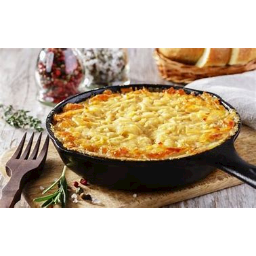
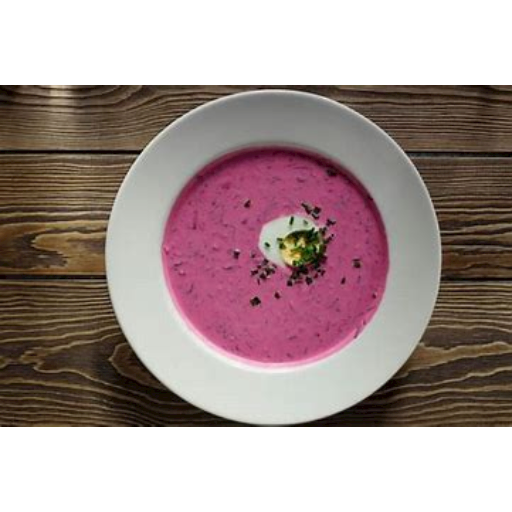
TRADITIONAL FOOD
TRADITIONAL CUSTOMS
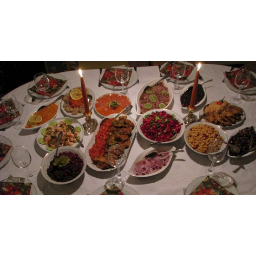
Though not as unusual as the two aforementioned traditions, Lithuanians follow a rather specific tradition when it comes to dinner on Christmas Eve. The whole family gets together to eat at least 12 vegetarian dishes.
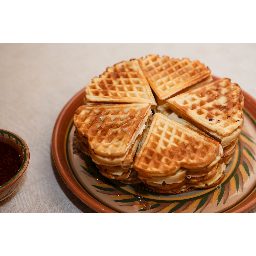
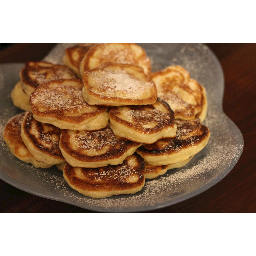
Chasing away winter with pancakes
“Winter, winter, run away!” – for hundreds of years we have chased winter away (usually in February). Užgavėnės – our Shrove Tuesday – is an old holiday celebrated on the last meat-eating day before Easter. In older times in Lithuania it was a feast dedicated to fertility, satiety and abundance. These ancient traditions have survived to our times – on Užgavėnės groups of masked, costumed characters can still be seen marching through the streets and we eat pancakes, because it’s believed that if you don’t eat plenty of rich food that day you will be hungry all year.
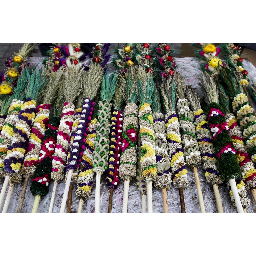
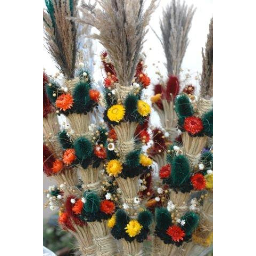
Greeting spring with verbas
For more than 400 years in Vilnius, spring has begun on the first weekend in March, when the streets and squares of the Old Town are filled with craftsmen: ceramicists, wood carvers, sash and basket weavers, sausage makers and bread bakers. And most importantly, people selling verbas – the beautiful oblong bouquets of dried flowers and plants that Lithuanians carry on Palm Sunday.
Bonfires and ferns on the shortest night
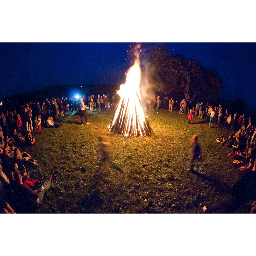
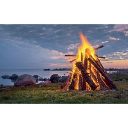
Lithuanians have many names for the celebration that takes place on the shortest night of the year: Joninės, Rasos, Kupolė. Ancient Lithuanians believed that witches gathered at crossroads at midnight on June 23rd and flew off to the hills of Šatrija or Rambynas to whoop it up. On this special night, across the country Lithuanians light bonfires to chase away witches and other evil spirits.
ITALY
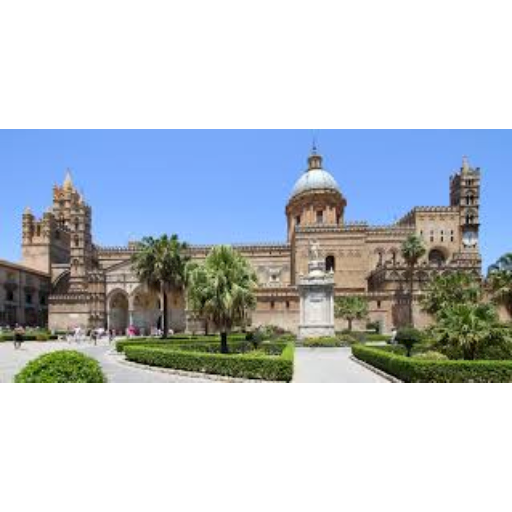
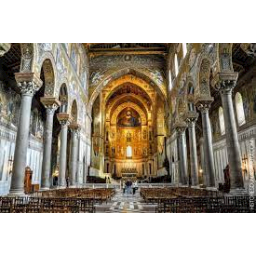
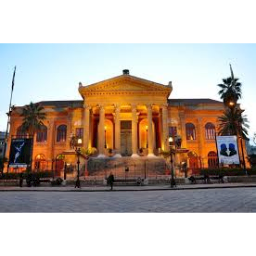
Cathedral of Palermo
Cathedral Monreale
Massimo theatre
UNESCO CULTURAL HERITAGE SITES
The theater was built on the highest peak of M. Barbaro, on a site, behind the agora, which was already the seat of a place of worship many centuries earlier. It was built at the end of the 3rd century BC. with local limestone blocks. It differs from the typical structure of Greek theaters because the auditorium with a diameter of 63 m. does not rest directly on the rock but was purposely built and is supported by retaining walls. It consists of two entrances, slightly offset from the main axis of the building and can hold about 4000 people.
Palatine Chapel
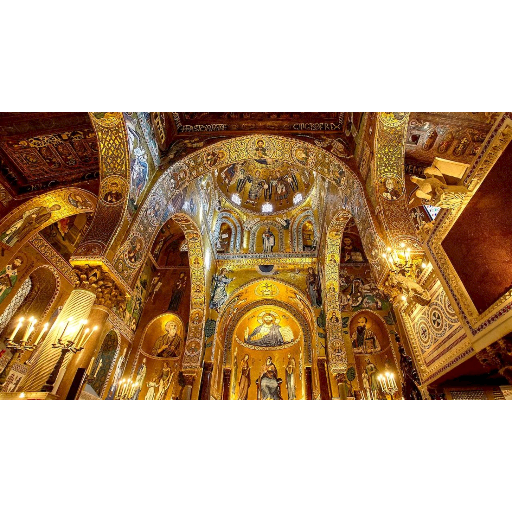
THE PALATINE CHAPEL
The Palatine Chapel is a Norman-Byzantine style basilica, consecrated in 1140 by King Roger II of Sicily, and which is located within the architectural complex of Palazzo dei Normanni in Palermo. Together with the underground church of S. Maria delle Grazie it forms the Parish of S. Pietro Apostolo - Cappella Palatina. Since 2015 it has been a UNESCO World Heritage Site


TRADITIONAL COSTUMES, MUSIC AND DANCES
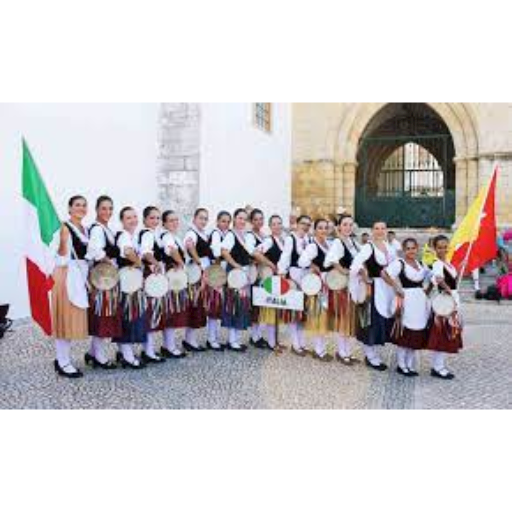
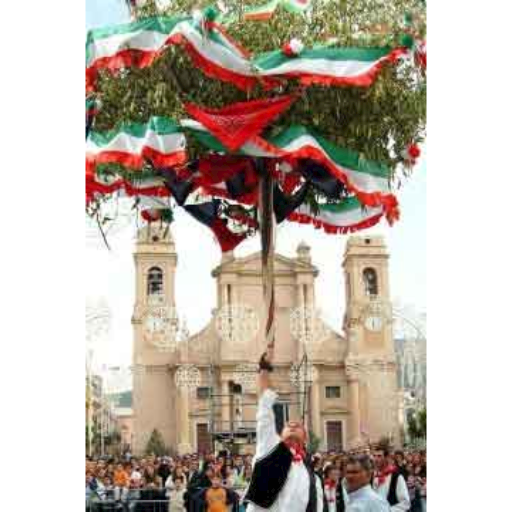
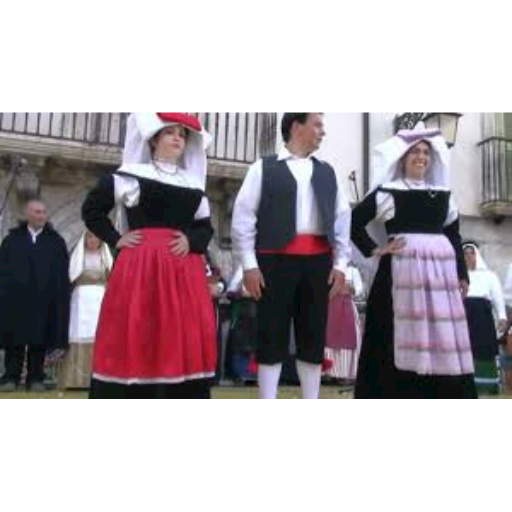
typical Sicilian costumes
TRADITIONAL FOOD
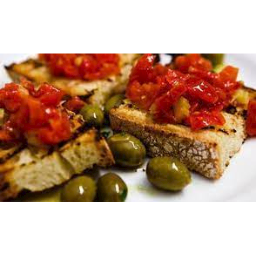
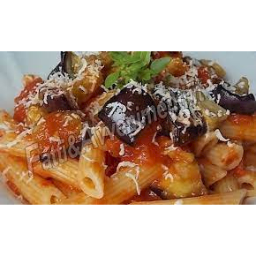
We present a typical Sicilian menu.
1) appetizer bruschetta tomato garlic oil, salt and pepper.
2) Pasta alla Norma, rigatoni with aubergine tomato sauce and salted cheese.
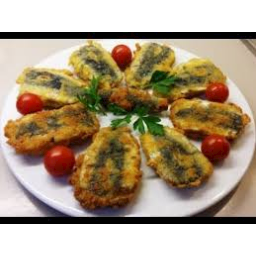
3) anchovies a beccafico, sardines with raisin crumbs and pine nuts and extra virgin olive oil
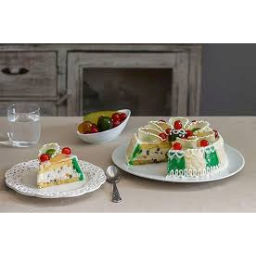
4) Sicilian cassata
cheesecake and almond paste and candied fruit.
POLAND
UNESCO CULTURAL HERITAGE SITES
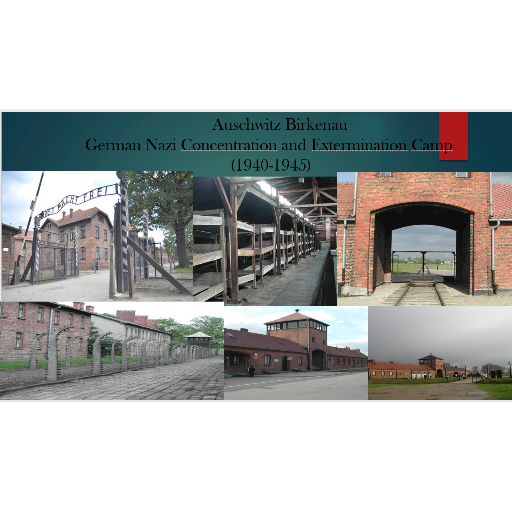
The fortified walls, barbed wire, platforms, barracks, gallows, gas chambers and cremation ovens show the conditions within which the Nazi genocide took place in the former concentration and extermination camp of Auschwitz-Birkenau, the largest in the Third Reich.
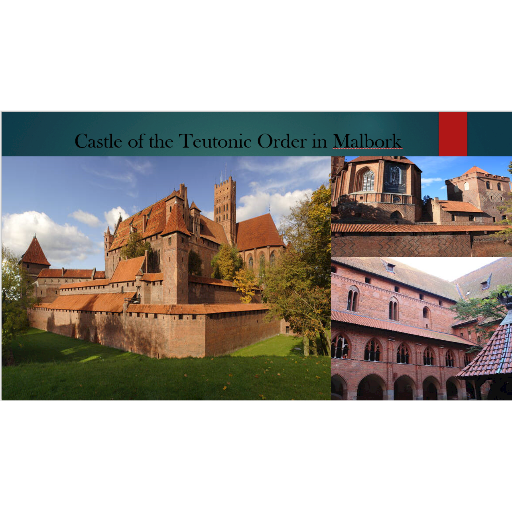
A Mediaeval brick castle and headquarters of the Grand Master of the Teutonic Knights, Malbork Castle was the economic, military and administrative centre of the Teutonic Order. It is the largest castle in the world (when measuring by surface area) and the largest brick building in Europe!
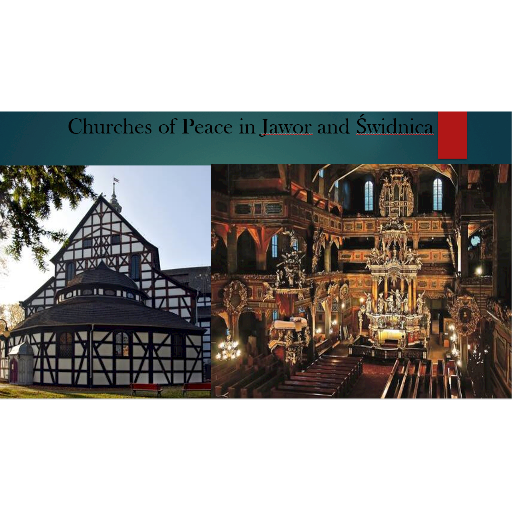
The Churches of Peace in Jawor and Świdnica, the largest timber-framed religious buildings in Europe, were built in the former Silesia in the mid-17th century, amid the religious strife that followed the Peace of Westphalia.
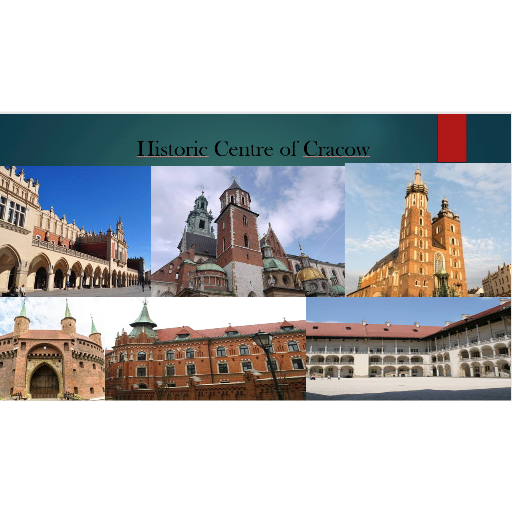
Old town Kraków-Full of majestic architectural monuments, priceless cultural treasures, cobbled thoroughfares, atmospheric courtyards, legendary cellar bars and literary cafes, Kraków's historic Old Town is the pride of Poland, one of Central Europe's most beautiful architectural showpieces, and one of the world's most popular tourist destinations.
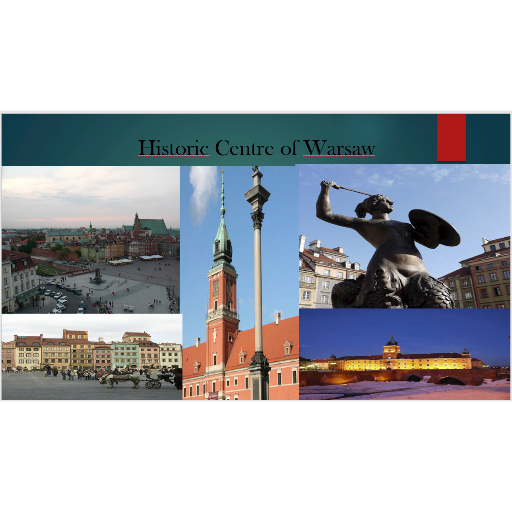
Built in the 13 century.During the Warsaw Uprising in August 1944, more than 85% of Warsaw's historic centre was destroyed by Nazi troops. After the war, a five-year reconstruction campaign by its citizens resulted in today's restoration of the Old Town, with its churches, palaces and market-place.
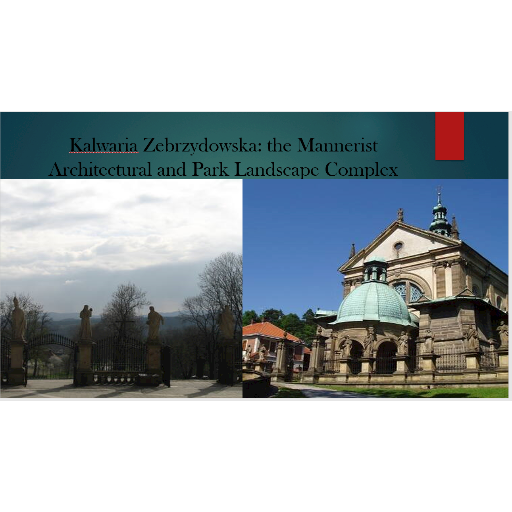
Kalwaria Zebrzydowska park is a Mannerist architectural and park landscape complex and pilgrimage park, built in the 17th century as the Counter Reformation in the late 16th century led to prosperity in the creation of Calvaries in Catholic Europe.
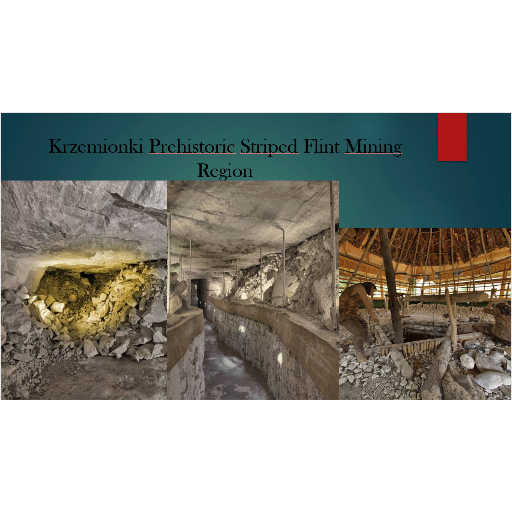
Krzemionki is a Neolithic and early Bronze Age complex of flint mines for the extraction of Upper Jurassic (Oxfordian) banded flints .It is one of the largest known complexes of prehistoric flint mines in Europe.
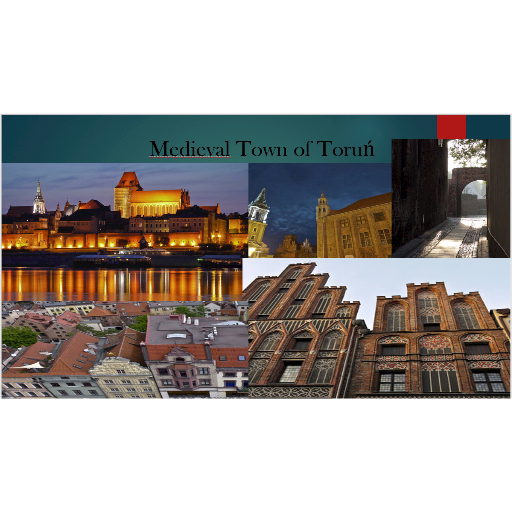
Toruń in northern Poland is a remarkably well preserved example of a medieval European trading and administrative centre, located on the Vistula River. Toruń was founded by the Teutonic Order and is a birthplace of Copernicus.
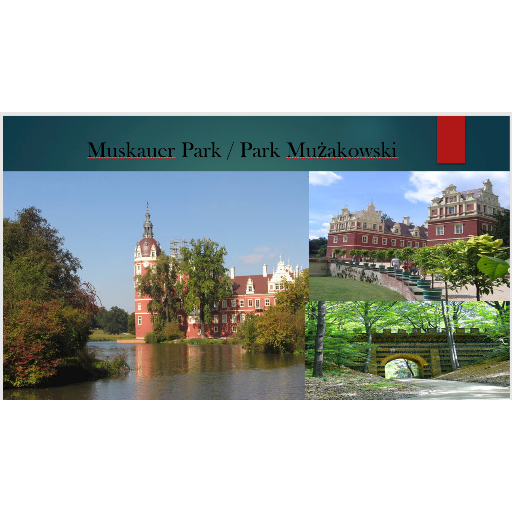
It is the largest and one of the most famous English gardens in Central Europe.The park was laid out from 1815 by Prince Hermann von Pückler-Muskau (1785–1871). The trans-boundary cultural landscape Muskauer Park is situated on both sides of the Polish-German border in southwest Poland.
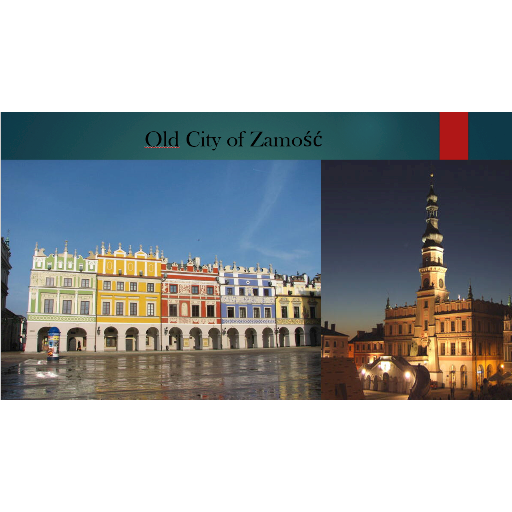
Zamosc was founded in the 16th century by the chancellor Jan Zamoysky. Modelled on Italian theories of the 'ideal city' and built by the architect Bernando Morando, Zamosc is a perfect example of a late-16th-century Renaissance town.

It was a mine for over 300 years, the Tarnowskie Góry mine has had many problems with water drainage because this mine is located on a plateau. 520 years ago, a legendary farmer Rybka ploughed out an ore lump in his field in the area of present Tarnowskie Góry. This event started a "silver fever" in this region.
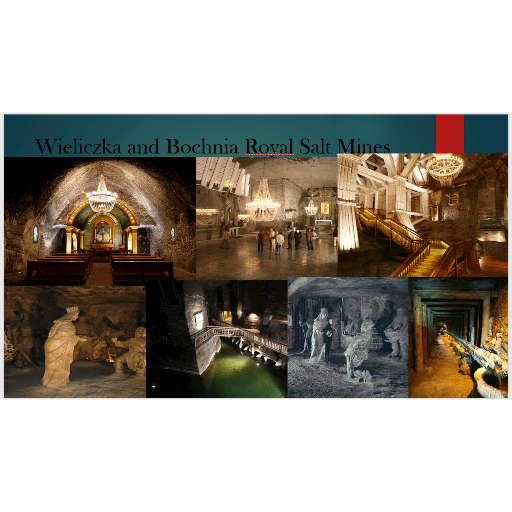
The Wieliczka and Bochnia Royal Salt Mines illustrate the historic stages of the development of mining techniques in Europe from the 13th to the 20th centuries: both mines have hundreds of kilometers of galleries with works of art, underground chapels and statues sculpted in the salt.
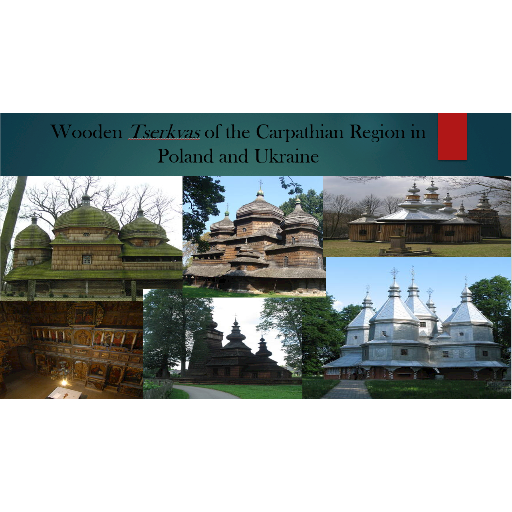
Wooden Tserkvas of the Carpathian Region in Poland and Ukraine are a group of wooden Orthodox (and some Eastern Catholic) churches located in Poland and Ukraine. 16 wooden tserkvas represent the legacy of Eastern Orthodox and Greek Catholic communities.
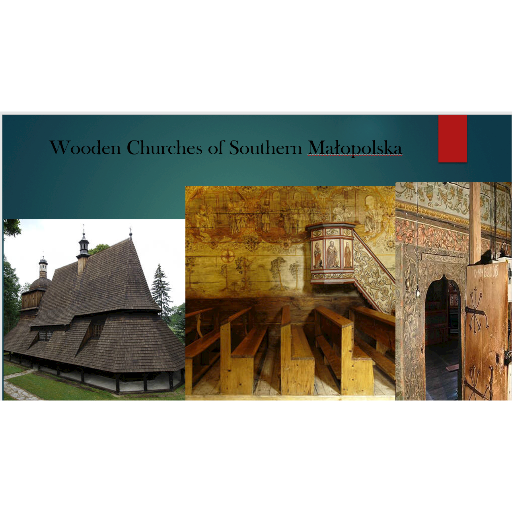
The wooden churches of southern Lesser Poland- a group of historically valuable and architecturally interesting wooden churches, most often of carcass construction, the oldest of which date back to the 14th century
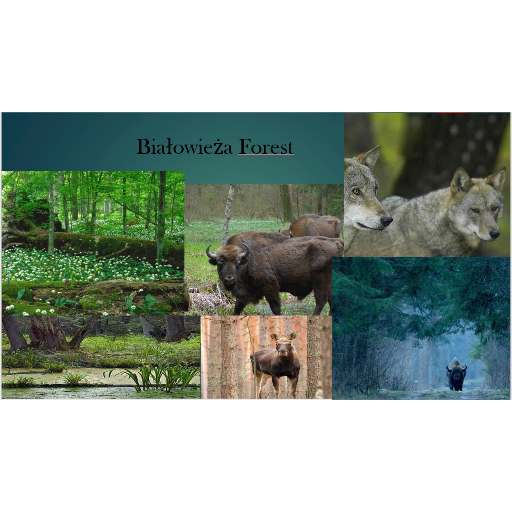
Bialowieza Forest is a large forest complex located on the border between Poland and Belarus. Thanks to several ages of protection the Forest had survived in its natural state to this day Białowieża. It's home to 800 European bison.
TRADITIONAL COSTUMES, MUSIC AND DANCES
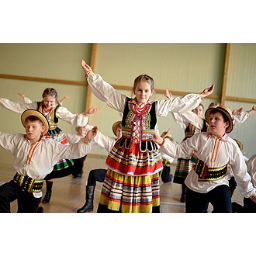
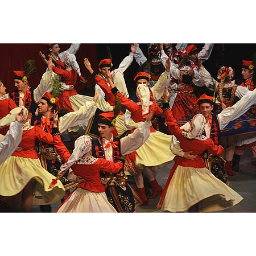
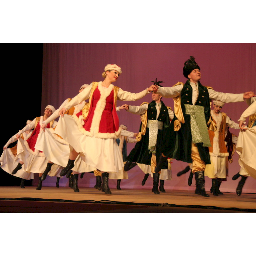
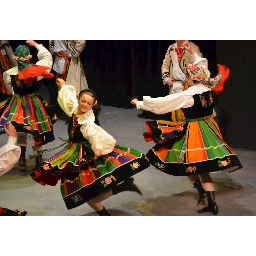
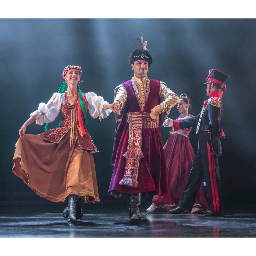
The Krakowiak, also known as the Cracovienne, is a fast, syncopated Polish dance in duple time from the region of Kraków and Lesser Poland.
The Kujawiak is a dance from the region of Kuyavia in central Poland. The most romantic of the national dances, the Kujawiak is a slow dance in 3
4 metre, danced with couples.
The Mazur is a faster dance in which pairs glide across the floor. The dance is laced heavily with French influences and the dancers move with grace and speed. The Mazur was one of Chopin's biggest influences when composing his music.
The Oberek is a fast, vivacious dance in 3
8 time. The word "oberek" is derived from "obrot" meaning, "to turn". Great leaps and feats of athleticism are demonstrated by the men.
The Polonaise is the most stately of the national dances. Danced in triple metre, the Polonaise is often the first dance at large events. In Poland, the Polonaise is called the Polonez, or less often the Chodzony (literally, "walking dance").
FOLK MUSIC
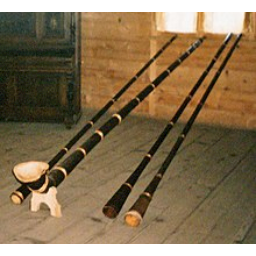
Polish folk music has many similarities to the folk music of other Slavic countries: Czech Republic, Slovakia, Ukraine, Belarus and Russia. It also shows many analogies to the music of Western European countries, especially in the threads of ballad songs or in the composition of instrumental ensembles. Folk music was created by amateurs singers and instrumentalists, who played in bands at weddings and other rituals as well as at games or while grazing animals (here music was used as a function of remote communication, e.g. signals on thrombites). Folk music was originally based on the pentatonic scale and modal scales.
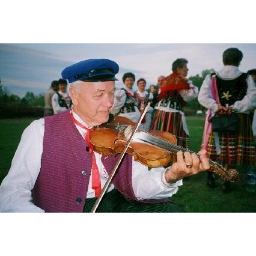
https://www.youtube.com/watch?v=hp4endJMu1E
https://www.youtube.com/watch?v=07-3grCQ8EU&list=PLWqmHWHN1qvoSeeoDGCxh3uJDCmkSvRFu
The Kuyavian dress, made of silk and precious cloth, dignified in form and color, is modeled on a noble one. It ceased to be used a hundred years ago. Today it is recreated for the needs of museums and folklore groups.
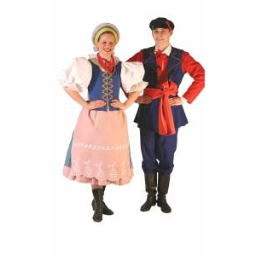
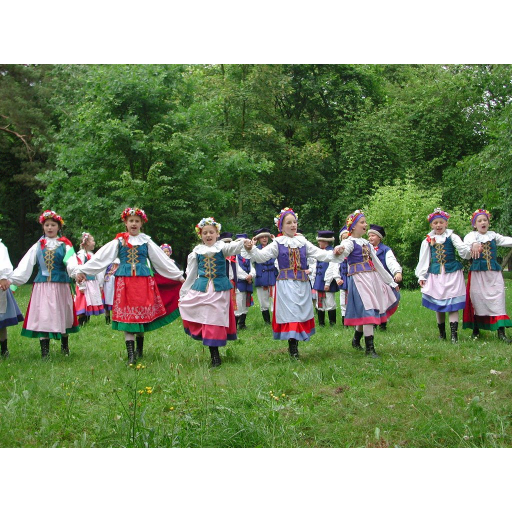
The Kurpie costume, made of linen and woolen homespun cloths, was made entirely by Kurpian women. This costume has been preserved in a living form to this day. It is worn on holidays and at other important occasions.
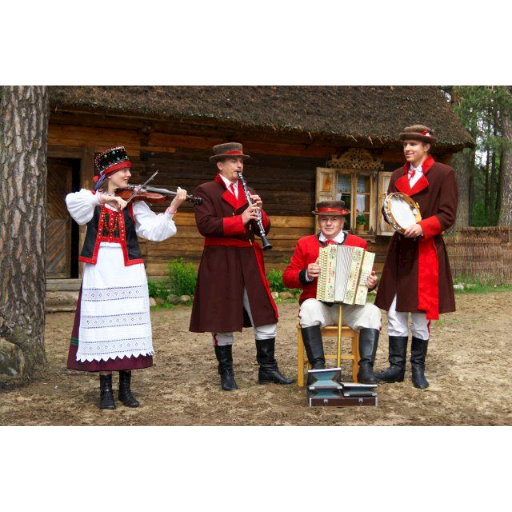
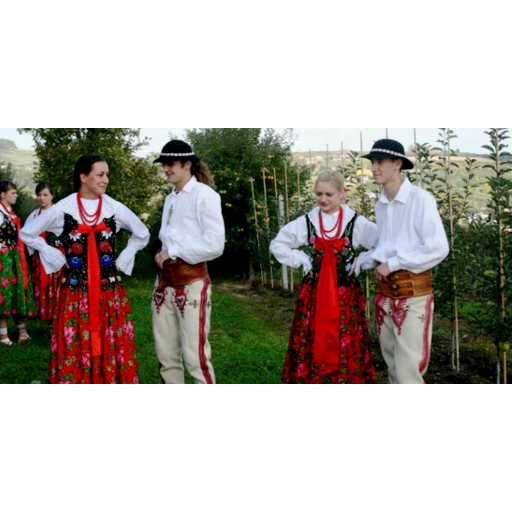
Highlanders from Podhale are still proud of their customs and costumes. They wear it during family, church or state celebrations. In the past, they performed it themselves in households.
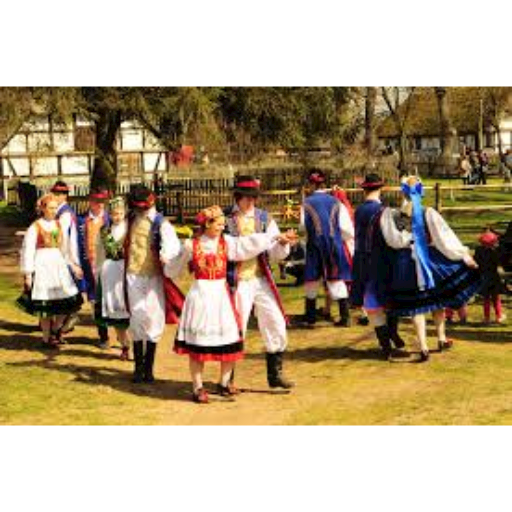
The Kashubian outfit is decorated with multicolored embroidery. The shades of blue used in it symbolize the Kashubian sky, lakes and the sea. This costume fell into disuse in the 19th century. Today it can be seen at folklore events.
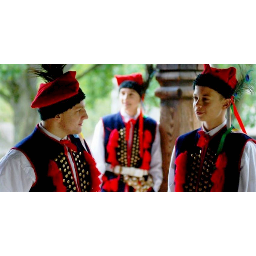
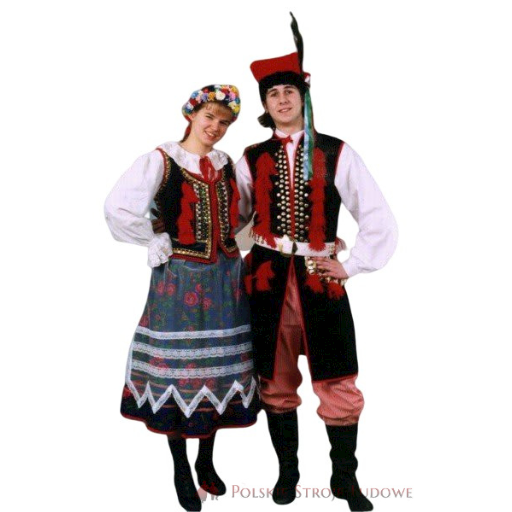
The colorful, richly decorated Krakow outfit is the only one among Polish folk costumes that is today considered to be the national one.
TRADITIONAL FOOD
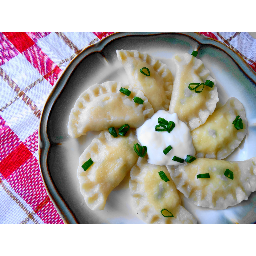
Pierogi (dumplings)
Dumplings are made of thinly rolled-out dough filled with a variety of fillings. The most popular fillings are meat, sauerkraut and mushrooms, seasonal fruit (blueberries, strawberries and cherries), buckwheat, sweet cottage cheese or boiled potatoes with fried onions (called Russian dumplings). Pierogi is a Polish food that’s always served for Christmas.
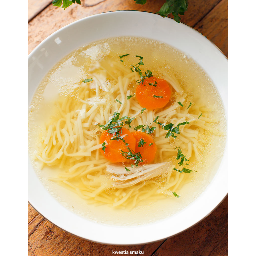
Rosół is the most common soup served in Poland. It tastes best after Sunday’s church on cold days. It is very easy and quick to prepare, commonly served with homemade noodles. The ingredients needed for the soup are water, any piece of chicken, onion, small leek, onion, green celery, parsley, cabbage, salt and pepper.
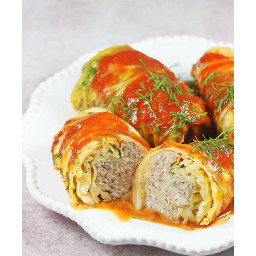
Gołąbki is a typical traditional Polish food made of minced pork with some rice, onion, mushrooms, wrapped in white cabbage leaves. There are also other variations of fillings such as poultry, mutton or without meat. Before serving cabbage are simmered / fried in fat.
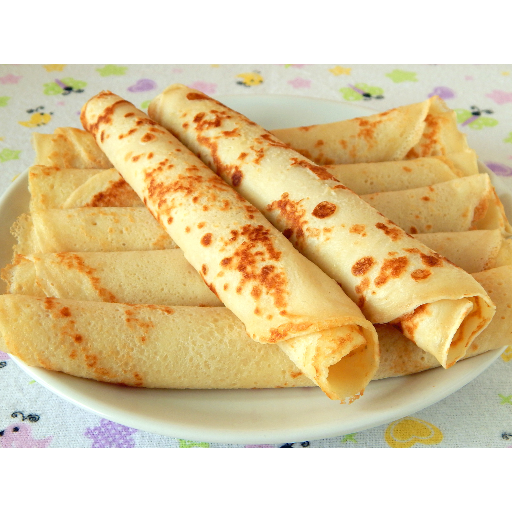
Polish pancakes are very thin and they are served either with cheese, quark previously mixed with sugar, jam, fruits and powdered sugar or with meat and vegetables- all equally tasty.
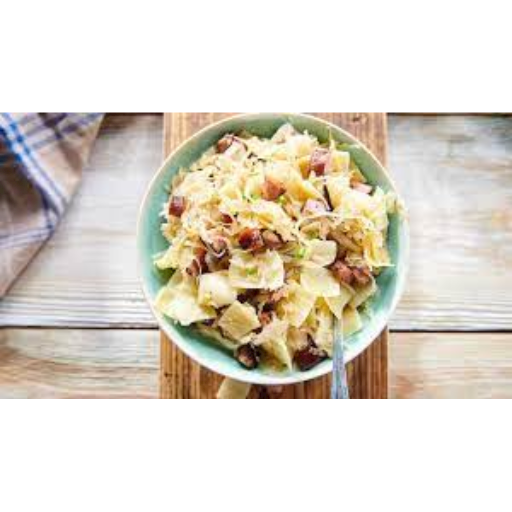
It is a very simple dish consisting cabbage, pork meat, homemade pasta noodles and vegetables (chopped onions and sliced carrot). It is delicious and easy to make.
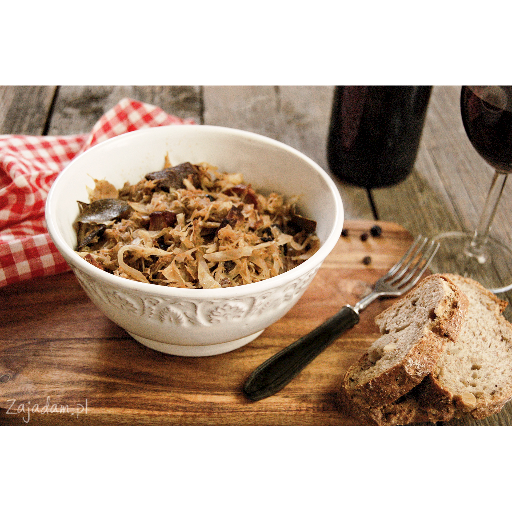
It is a very traditional Polish dish and its basic ingredients are shreds sauerkraut, fresh cabbage (sometimes used only sauerkraut), various types of meat and sausages, dried mushrooms, prunes, onions and spices.
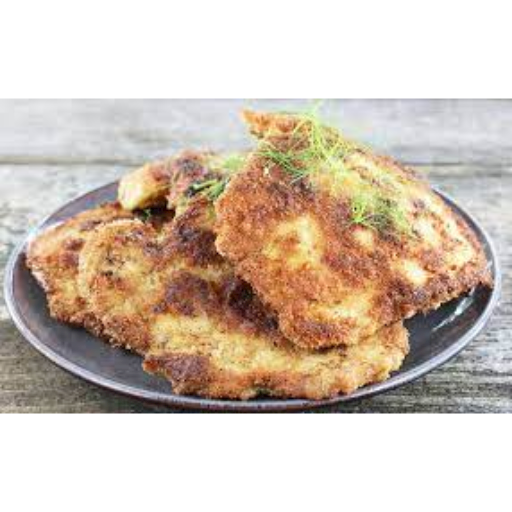
Kotlet schabowy is one of the most delicious and the oldest Polish foods. The pork breaded cutlet coated with breadcrumbs (served with bones or without) can be perfectly served with buttered potatoes and cabbage salad. If you don’t like pork meat, try to eat chicken cutlet made the same way as the pork one.
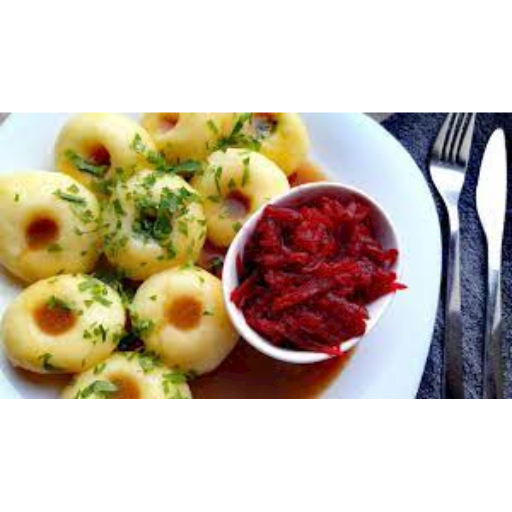
Silesian dumplings
Silesian dumplings are potato dumplings traditional in the Silesia region of Poland. They have a gummy texture and are usually served with roast goose or pork roast. They have a little hole in them to hold the sauce better.
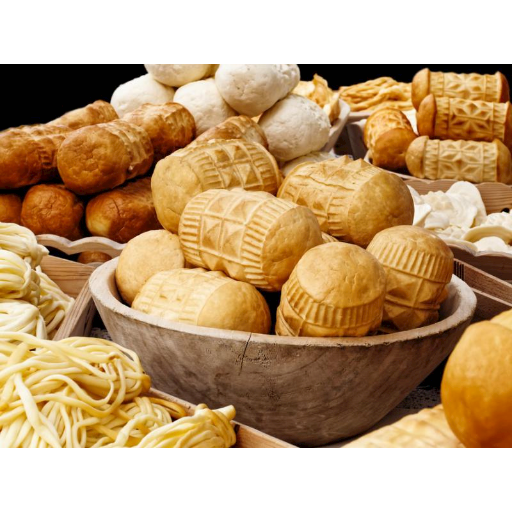
Oscypek
Oscypek is a smoked cheese made of salted, sheep milk in the Tatra mountains region. Not everyone will like this taste of cheese because the taste is pretty strong, but you must try it if you are in the mountainous part of Poland, Podhale.
TRADITIONAL CUSTOMS
On the first day of spring, Polish celebrate the departure (or demise) of winter by the ‘Drowning (and sometimes burning) of Marzanna’. This tradition is rooted in the pre-Christian sacrificial rites of Slavic Pagans. Because of its origin, many over the years have tried to put an end to this tradition, unsuccessfully.
Marzanna was the goddess who personified winter. On this day, locals create her likeness using straw, old clothing and even accessories like a headscarf. They then literally throw ‘winter’ into a lake or a river to drown. The practice is symbolic for sending the winter away and preparing nature for spring and its rebirth. Often, singing or the reciting of old verses accompany the procession: “Marzanna, Marzanna, swim across the seas. Let flowers bloom, and fields turn green”.
Poles are very proud of the traditional hospitality they may extend to a stranger who turns up at their door on Christmas eve (unlikely to happen, but not impossible). There is a lot of debate as to the origins of this custom, but three different explanations emerge:
Pagan rite
Despite their religious beliefs, several Polish traditions are rooted in Pagan rites. One celebrates an Obiat (a feast) in memory of the deceased. The host leaves an empty chair for the deceased and sweeps it away before everyone sits at the table to excuse the soul who isn’t there.
The Bible
Another explanation is rooted in the New Testament. In the scriptures, the Holy Family was en route to Nazareth when the Virgin Mary went into labour, forcing the family to find shelter. Consequently, Catholic Poles believe one must always be ready to accept an unexpected guest, never turning away anyone in need.
If staying dry is your preferred state of self, don’t visit Poland on Wet Monday. The whole country follows an age-old tradition which resembles one big water fight. This is one of the Polish traditions linked to Christianity, whereby splashing water is considered a blessing. Moreover, Wet Monday celebrates the arrival of spring and the future of a relationship. The Poles believe the girl who gets the most soaked in the celebration will be the first to marry.
If you happen to visit Poland the day before Lent, take a gander at the snaking queues outside every bakery. This most delicious of Polish customs offers one last chance to overindulge on anything and everything sweet which the largely Catholic population foregoes for Lent. Popular sweet treats, especially loved on this day, are Pączki, Polish-style doughnuts, and Faworki, otherwise known as angel wings, which are crispy pieces of pastry dipped in sugar.
Every year on the night of 2nd November, the Polish people pay their respects to their late friends and relatives by lighting candles in cemeteries across Poland. Although sad, it is a remarkable sight to see and experience.
Often rooted in religion, Polish traditions and customs remain as strong today as they did centuries ago. The Poles have a deep respect for their past and a pragmatic outlook on their future, which you’ll discover in great depth during your next visit to Poland.
29/30 November in Poland is the day of mysterious parties with the candles and future telling games, called Andrzejki (St Andrew Day)– the same as in the very past, but nowadays treated as a fun.
There are hundreds of ideas of how to find out about the future, namely the marriage, lucky or unlucky love and prosperous or poor perspectives. The most popular practices are wax pouring and shoe competition.
The most spectacular is pouring liquid wax into water. The shape which formed as the wax solidified is then illuminated to throw its shadow on the wall. The shape of the shadow allows for unlimited interpretation, which is fun for all participants. The shoe competition is reserved for the girls only. All of them took off their left shoes and put them in a line one after the other. Then this line of shoes “walk” to the door, the last moving to the front on by one, thus walking forward. The girl who’s shoe reach the door first would be the first to get married.
Large groups of people take part in outdoor processions in many villages, towns and cities in Poland. The processions include children dressed in white who scatter flower petals on the streets. Some of the procession’s participants stop to pray at temporary shrines. Many homes are decorated with religious icons during Corpus Christi.
Corpus Christi is a festival that the Catholic Church has celebrated to honor the Eucharist since 1246. The name “Corpus Christi” is a Latin phrase that refers to the body of Christ. It is a moveable feast that is celebrated on the Thursday after Trinity Sunday in Poland, a country where most of the population belongs to the Catholic Church. Corpus Christi is also observed in various countries in the world
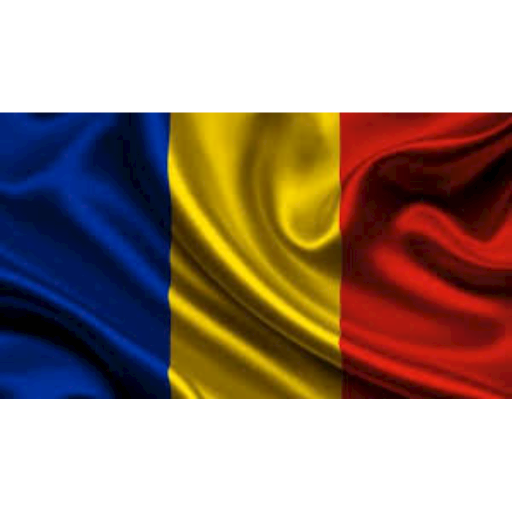
ROMANIA
UNESCO CULTURAL HERITAGE SITES
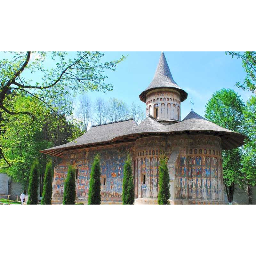
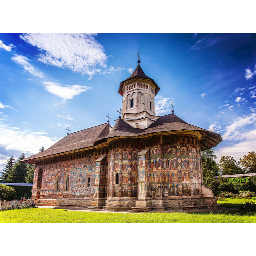
CHURCHES OF MOLDAVIA
This site comprises eight churches built in the 15th and 16th centuries. In line with the regional period style, the facades of the churches are entirely covered by frescos inspired by the Byzantine art. The paintings depic Biblical themes and are well preserved.
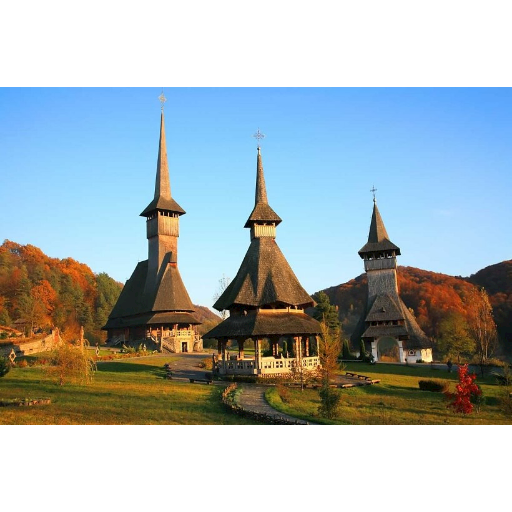
WOODEN CHURCHES OF MARAMUREȘ
This site comprises eight churches from the 17th and 18th century in Maramureș County. The churches are made of wood and they combine influences of Orthodox and Gothic
architecture styles. Some of the common characteristics of the churches include tall, slim clock towers and roofs covered by shingles.
VILLAGES WITH FORTIFIED CHURCHES IN TRANSYLVANIA
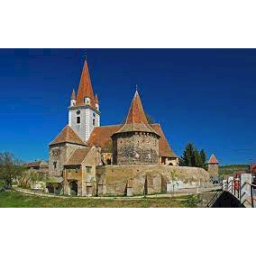
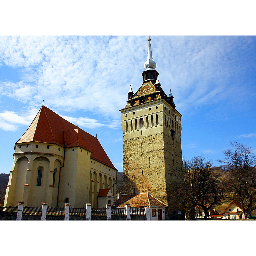
This site comprises seven villages with fortified churches that were built between the 13th and the 16th centuries by Transylvanian Saxons. The settlement pattern and the organization of the villages have been preserved since the Middle Ages.
MONASTERY OF HOREZU
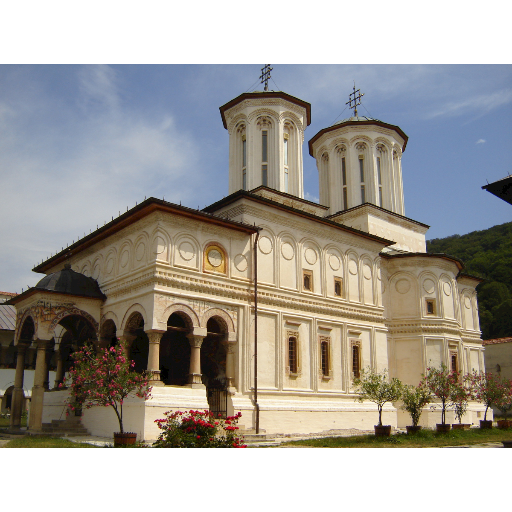
The monastery in the town of Horezu was founded in 1690 by Constantin Brâncoveanu,
Prince of Wallachia, who was the namesake of the Brâncovenesc style in architecture.
The Monastery of Horezu is among the best examples of this style. It is known for its rich ornamental details and votive paintings.
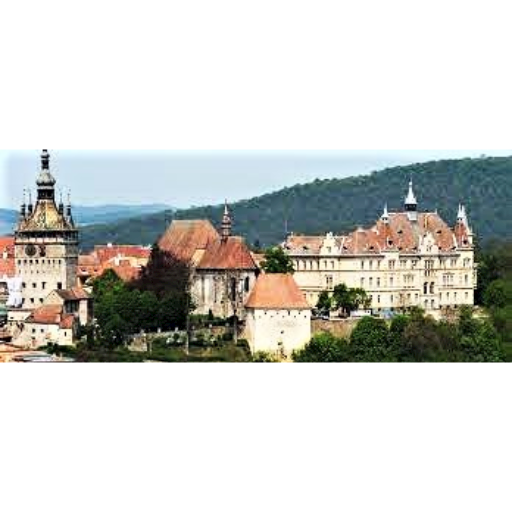
HISTORIC CENTRE OF SIGHIȘOARA
The historic centre of the city of Sighișoara dates from the 12th century. It was founded by the Transylvanian Saxons, a community of German merchants and craftsmen. They have since lived in the region for over 850 years, though the community is decreasing in numbers due to emmigration in modern times. Sighișoara is a well-preserved example of a small fortified medieval town shaped by the interactions of cultures from Central Europe and the Byzantine-Orthodox Southeastern Europe.
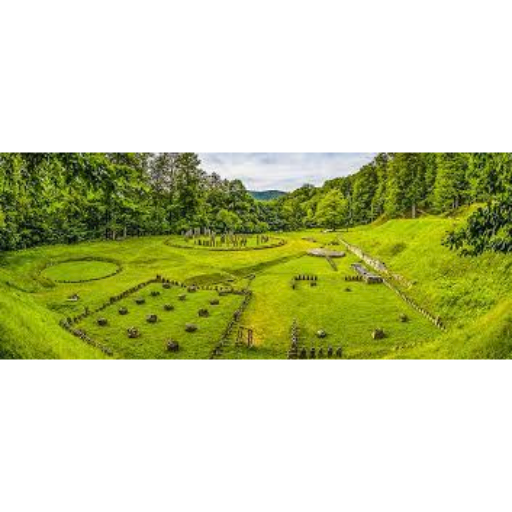
DACIAN FORTRESSES OF THE ORAȘTIE MOUNTAINS
Six fortresses that comprise this site, Sarmizegetusa, Costeşti-Cetăţuie, Costeşti-Blidaru, Luncani-Piatra Roşie, Bănița, and Căpâlna, were built in the 1st century BCE and 1st century CE and served as protection against Roman conquest during the Roman-Dacian wars. They are representative examples of two types of forts of Late Iron Age Europe, the hilltop fort and the oppidum that evolved from it.
TRADITIONAL COSTUMES, MUSIC AND DANCES
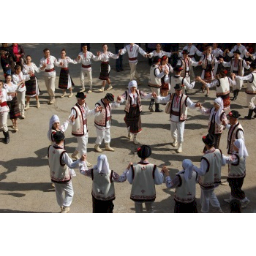
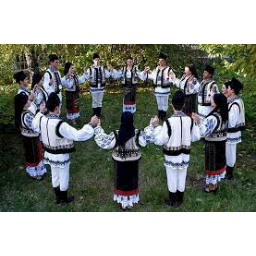
ROMANIAN FOLK DANCES
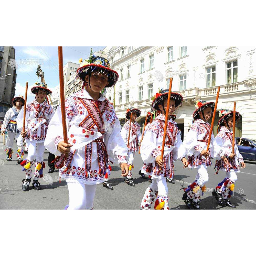
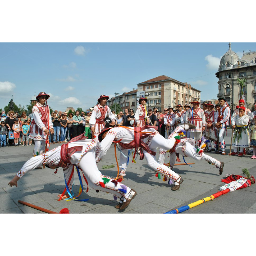
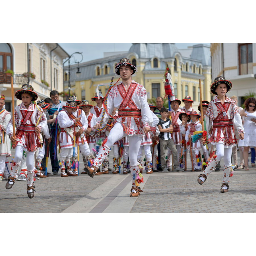
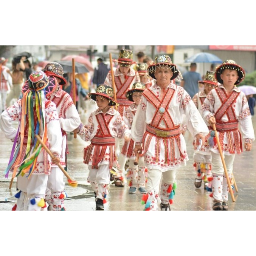
CĂLUȘUL - The Mystic and Tradition of a Folk Dance: Once this was a sacred dance danced only in the spring by a chosen number of men. Today Călușarul is a form of entertainment and the members of the groups still dancing it probably don’t even know its mystic signification. The ancient rules behind it are no longer respected, but the dance, even in its commercial form, is still mysterious and stunning. The leader of the group is responsible for selecting and training new members and for passing the secrets of the group orally to his successors. The dance originated in the south of Romania, specifically in the region of Oltenia, but there are variants of the dance in other regions.
In 2008, the ritual dance of Căluş was included on the UNESCO List of Intangible Cultural Heritage of Humanity
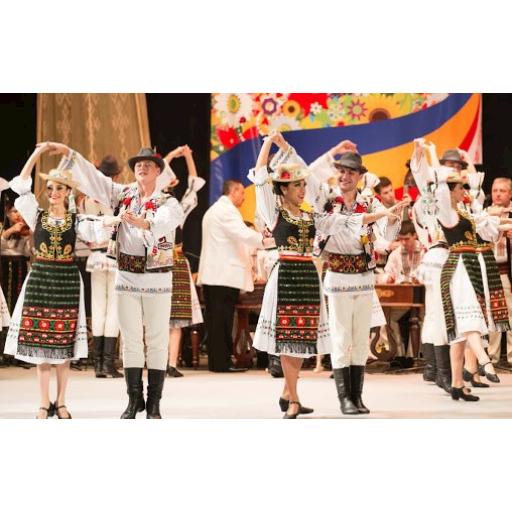
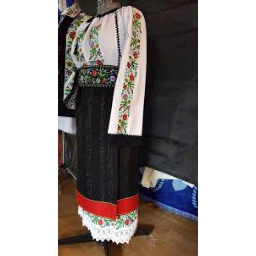
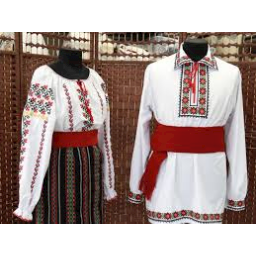
ROMANIAN FOLK COSTUMES
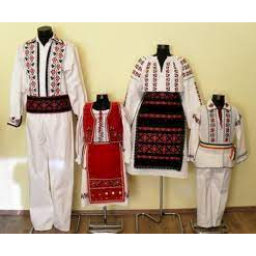
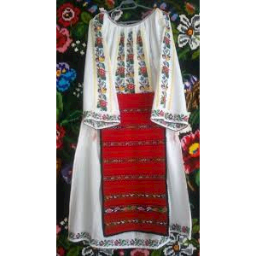
TRADITIONAL FOOD
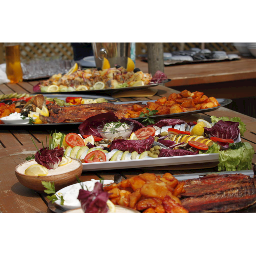
The most peculiar thing about Romanian food is that it has a very familiar taste, but at the same time it tastes like something you've never tried before. This is because the traditional cuisine is actually a mix of dishes and cooking techniques borrowed from neighboring cultures, such as Hungarian, German, Turkish and Slavic, but transformed and Romanised with local herbs and spices.
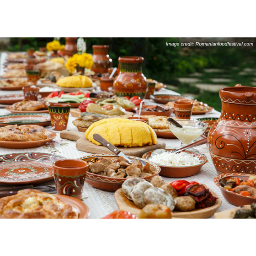
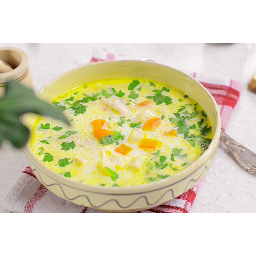
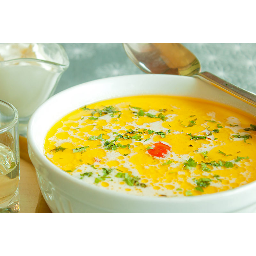
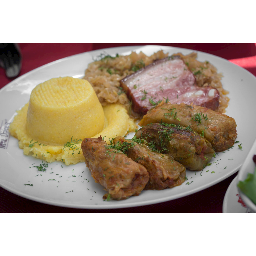
Sarmale
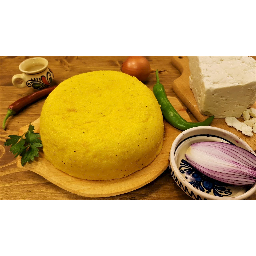
Mămăligă
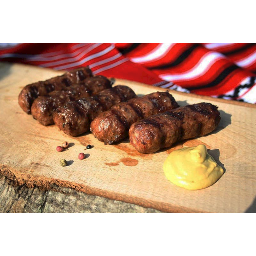
Mici
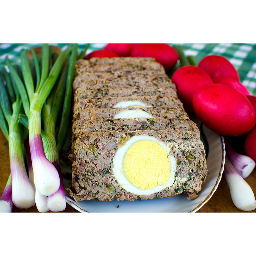
Drob
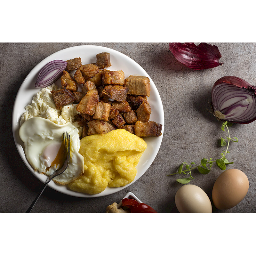
Tochitură
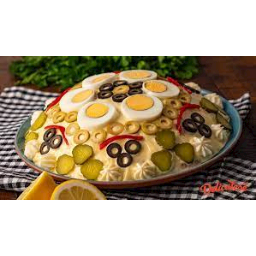
Salata Boeuf
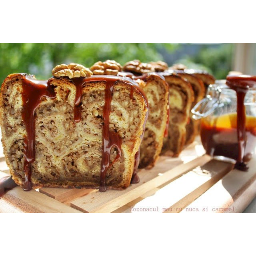
Cozonac
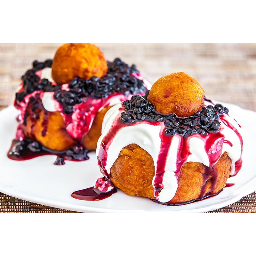
Papanași
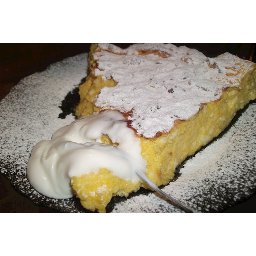
Alivenci
TRADITIONAL CUSTOMS
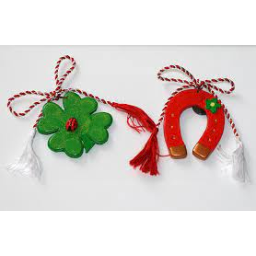
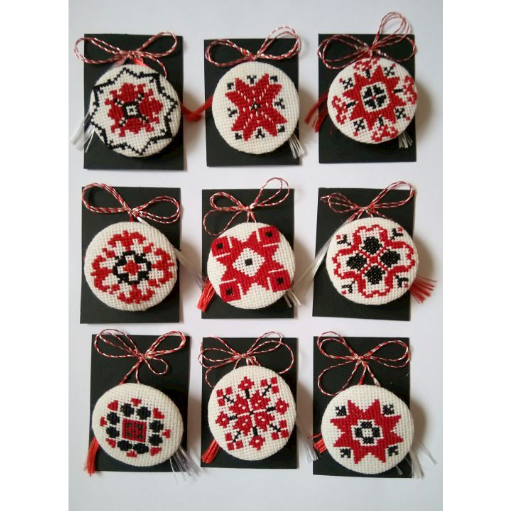
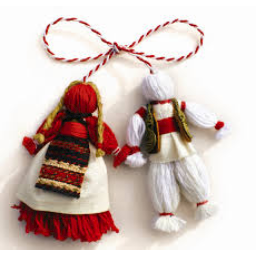
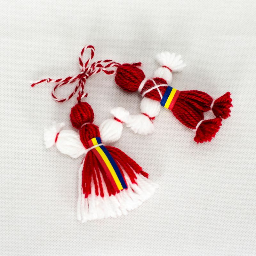
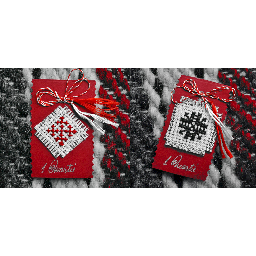
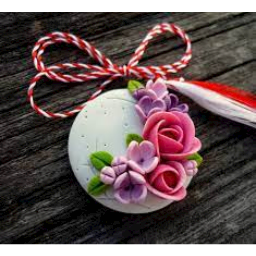
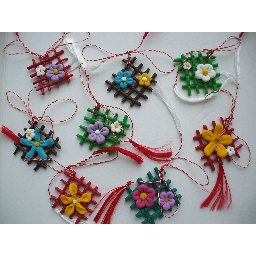
SPRING SYMBOL - MĂRȚIȘORUL
Mărțișor is a holiday that symbolizes the arrival of spring. The Mărțișor day is a Romanian tradition celebrated on March 1st, and it represents a time of joy and revival of nature.
In the Romanian language, the word "Mărțișor" is derived from the word "Marț", the folkloric name for the month of March. The literal translation of Mărțișor would be "Little March".
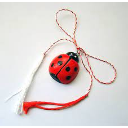
Martisor is a small object tied with a red and white lace offered as a gift in the first day of March and symbolises the coming of spring.
Martisor is an object worn with great joy, respectand love in the first days of spring. When being given to someone it sends a message of respect and affection.
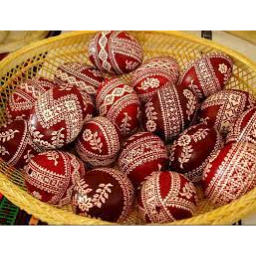
ROMANIA’S PAINTED EASTER EGGS:
A STORY OF ART AND TRADITION
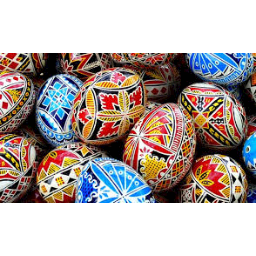
The painted Easter eggs are without a doubt the most colorful, artistic, and loved part of this religious celebration in Romania. You’ll find them in every house, at every Easter meal, at church, and even at picnics. Their origin goes back at least a couple of centuries, and today they represent the most popular image of this major Orthodox religious holiday.
DRAGOBETE AND THE CELEBRATION OF LOVE
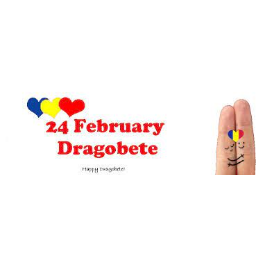
Way before the imported Valentine’s Day, Romania celebrated its own day of love, Dragobete, on February 24. One of the most beautiful Romanian traditions, Dragobete is a symbol of youth, love, hope, and nature rebirth. Dragobete has several mythological representations, depending on local beliefs and superstitions. However, all of them are positive, Dragobete being a protector of birds, a symbol of spring, or a god of love.

ROMANIAN CHRISTMAS TRADITIONS
THE CAROLING “COLINDATUL”
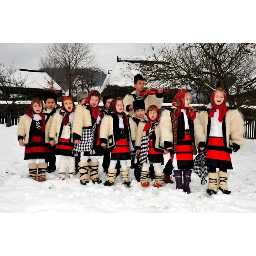
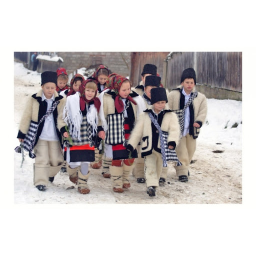
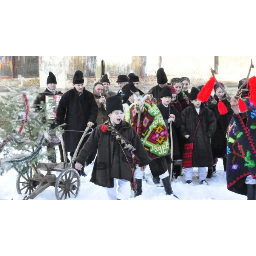
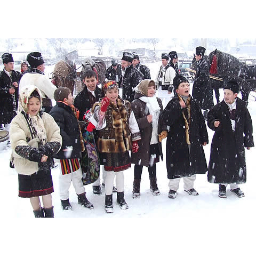
Caroling is one the most popular Christmas traditions in Romania. In Romania, the children are those who begin caroling in the first part of Christmas’ eve day, and, in the more traditional villages, they wear traditional clothes for this occasion.
NEW YEAR TRADITIONS IN ROMANIA
PLUGUSORUL
It all starts on the morning of New Year’s Eve when groups of children go from house to house performing ‘Plugusorul’ (the small plow). Equipped with bells and even wipes, the children recite poems, usually featuring some agrarian or historical myths.
THE MASK-DANCES
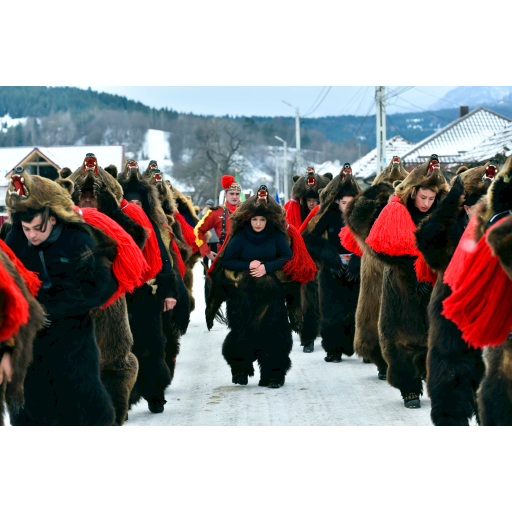
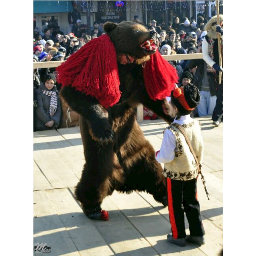
Attractive and spectacular, the mask-dances are the highlights of New Year traditions in Romania.
One of the most spectacular is without a doubt the ‘dance of the bear’, an iconic animal from the forests of Romania, the top of the chain large carnivore.
More animals are represented in these thematic dances, the goat being the main character. The ‘dance of the goat’ highlights powerful magical practices that can resurrect the animal after it was charmed, another symbol of the death and rebirth of nature but also of rural superstitions.
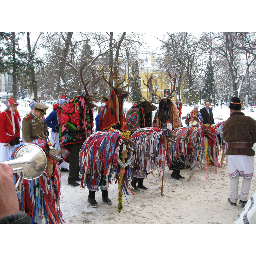
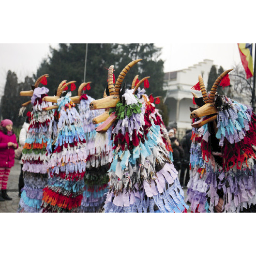
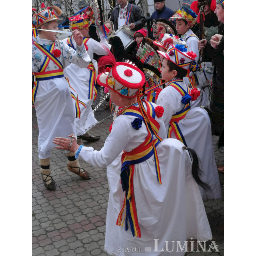
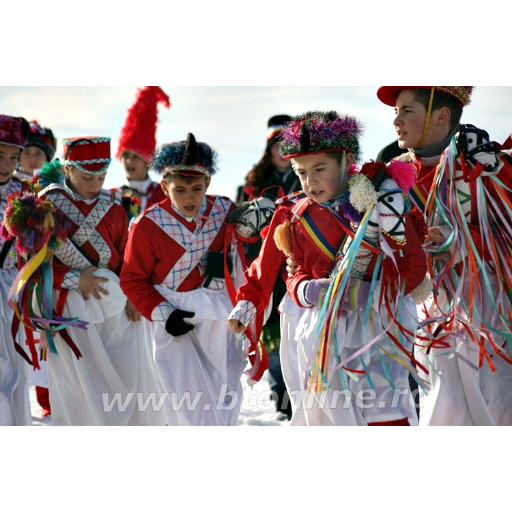
Another mask-dance inspired by the animal world is the ‘little horses’ that presents the close connection between people and horses, the human characters often being represented through military costumes, a connection to the past wars.
Participating Organisations:
Çamkiran Ortaokulu, Izmir, TURKEY
Istituto Comprensivo ,,Giovanni XXIII’’ Terrasini, ITALY
Vilkaviskio R. Sudavos Pagrindine Mokykla, LITHUANIA
Szkola Podstawowa Nr.4, Ziebice, POLAND
Școala Gimnazială ,,Mihail Sadoveanu” Dumbrăviţa, ROMANIA


- < BEGINNING
- END >
-
DOWNLOAD
-
LIKE
-
COMMENT()
-
SHARE
-
BUY THIS BOOK
(from $21.39+) -
BUY THIS BOOK
(from $21.39+) - DOWNLOAD
- LIKE
- COMMENT ()
- SHARE
- Report
-
BUY
-
LIKE
-
COMMENT()
-
SHARE
- Excessive Violence
- Harassment
- Offensive Pictures
- Spelling & Grammar Errors
- Unfinished
- Other Problem





COMMENTS
Click 'X' to report any negative comments. Thanks!