
Dedicated to all of the JC cheerleaders past, present, and future. Thank you for all your contributions to the sport I love.
the history of cheerleading at John Carroll
By Zoë Ragland
The Different Types of Modern Day Cheerleading
Recreational- Usually a cheer program through a local recreational sports council. Typically free or low cost. Typically does vocal cheers, sometimes competes
All-Star- Typically very costly. A private gym which contains multiple competitive cheer teams for many different ages and skill levels. Does not typically do vocal cheers
High School- A sports team at a high school that typically cheers for other sports teams. Does vocal cheers, sometimes competes.
Collegiate cheerleading- A sports team at a college/ university which cheers for other sports teams, usually competes.
Professional (NFL/NBA)- Does some vocal cheers. Focuses mostly on dancing. Stunting mostly consists of one-man stunts. Participates in lots of philanthropy.
the diet of a healthy cheerleader
Many people see cheerleading as "not a real sport", but in reality it is one of the most dangerous sports there is. It is important for any athlete to eat healthy, but it is imperative that cheerleaders do. In an average 2 hour practice, cheerleaders can burn up to 1000 calories. Doctors recommend that athletes eat 3 meals a day. But more importantly that before very difficult practices, or before games, athletes eat high carb meals, as well as drink lots of water, before, during, and after practices and games. If an athlete does not follow these very important directions, they are at risk for possibly fainting, due to dehydration or lack of nutrients while exercising. Cheerleaders in particular are constantly using large muscles in their legs, arms, and abdomen, so it is especially important that they are well nourished and hydrated to avoid muscle cramps and soreness during and after their practices and games.
The Physics involved in Cheerleading
Cheerleading is a physical sport. Physics is a huge part of it. Energy can be defined as “strength and vitality required for sustained physical or mental activity” (Oxford Languages). In physics, energy is defined as something slightly different. The physics definition for energy is the ability to do work. This ability is evident in every aspect of cheerleading. When cheerleaders stunt, they use force to throw people in the air. As the flyer flies through the air, kinetic energy is involved. As the cheerleader falls back to the ground, there is a collision as the bases catch the flier. This is similar in tumbling too. As the tumbler tumbles, the force of hitting the floor as the cheerleader lands is also a collision. Without physics, the physical act of cheerleading would not work.
how cheerleading began at John Carroll
“The school was just freshman in 1964, girls were on the 3rd floor, boys were on the 1st floor. The cafeteria and locker rooms weren’t finished. They started jv sports for the boys, but there was nothing for girls until September of 65. They decided to make a cheer squad and there was 90+ girls that signed up. There was a nun and one of the teacher’s wives “coached”. They took about 10%. They took about 9 of us. I went with one or two girls to a boutique on Main Street in Bel Air to get uniforms. We wore crazy socks and wool skirts with gold cable knit sweaters and when they got wet, they would stretch down. For basketball we wore collarless sweaters and vests. We were the pioneers for female sports. We were the representatives for all of JC at the football and basketball games.”- Meri Bosse Stearns C/O 1968
The First team- 1968
Mary Bosse-Stearns:
What was your favorite memory
you have from your time as a
cheerleader?
- I got tired of going to these games around basketball times. We had very few parents and students there. I was riding in a private bus with a few other kids, and I was talking to the bus driver. I decided I could hire him to drive us to the basketball game. The teacher heard and told the principal. I got called down to the principal’s office and he said ‘Ms. Bosse, that bus can leave from your driveway but it’s not leaving from mine!’”
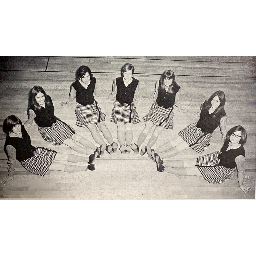
1969
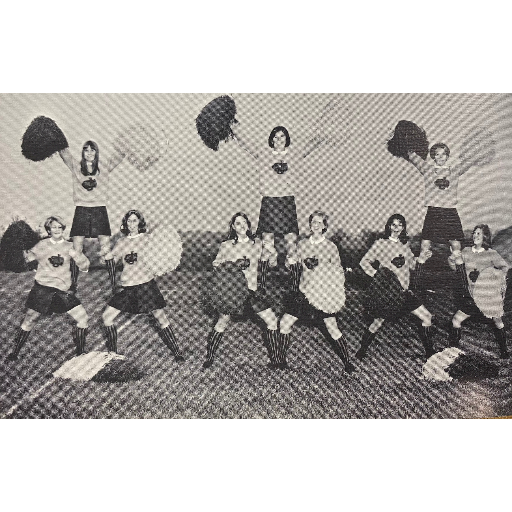
1970
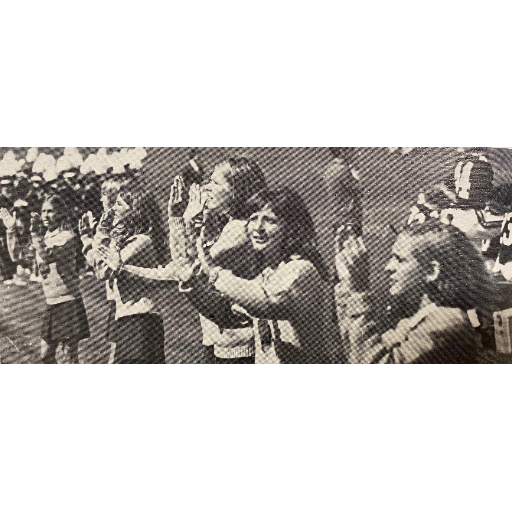
1971
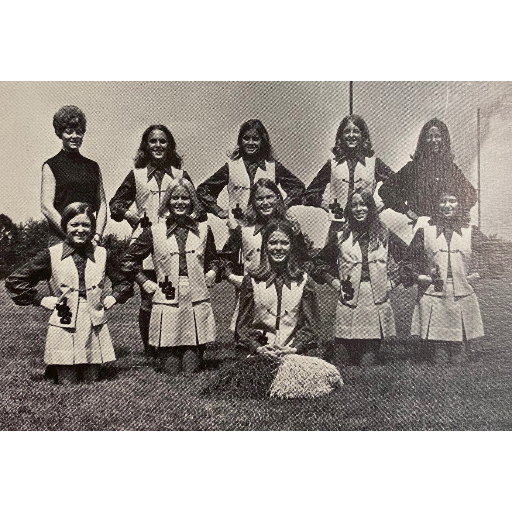
1972
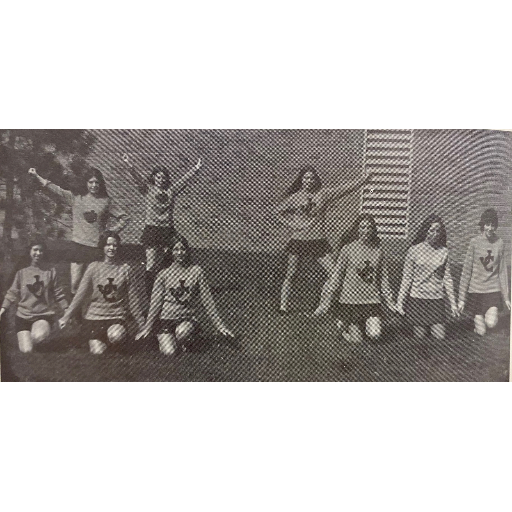
1973
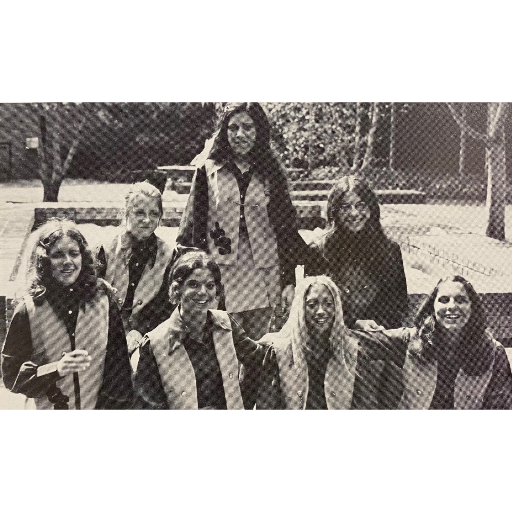
1974
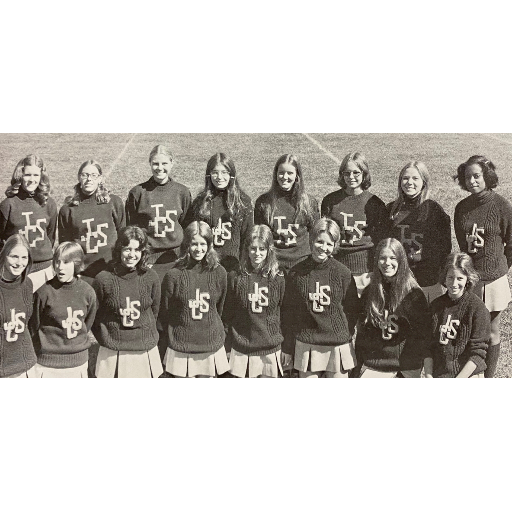
1975
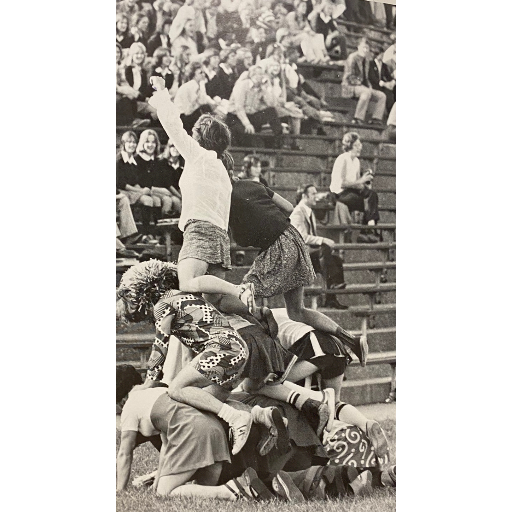
1976
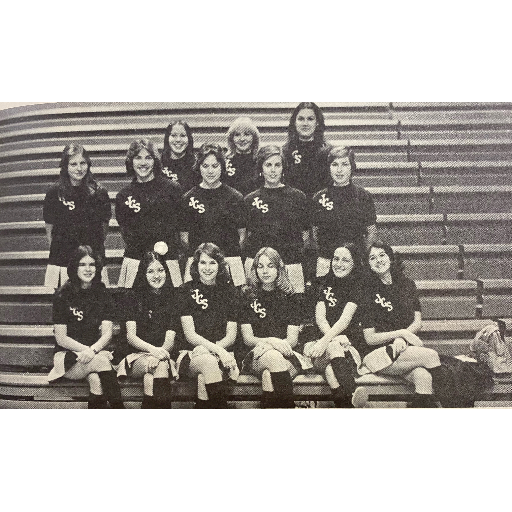
1977
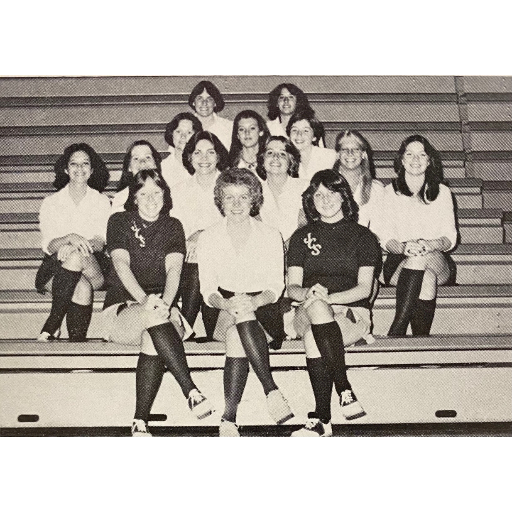
1978
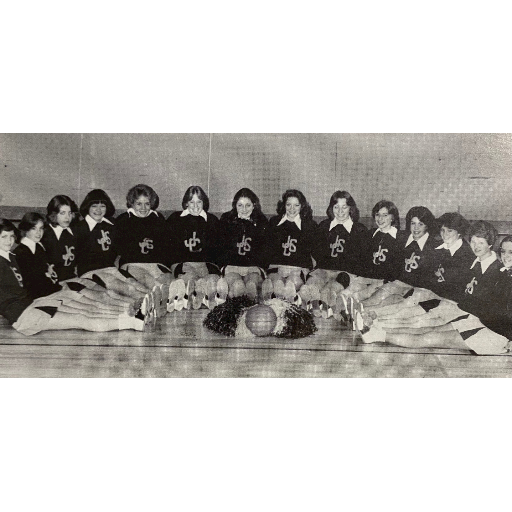
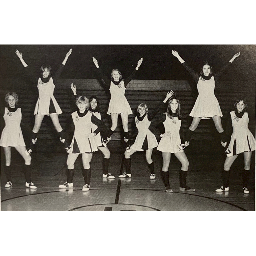
Left: Varsity Cheerleaders (Fall Season)
Below: Varsity Wrestling Cheerleaders (Winter Season)
1979
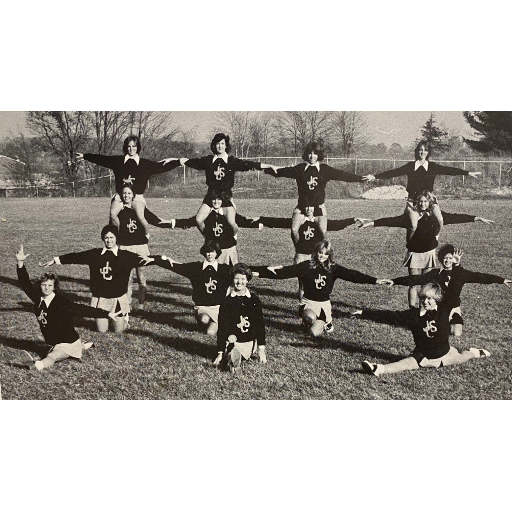
1980
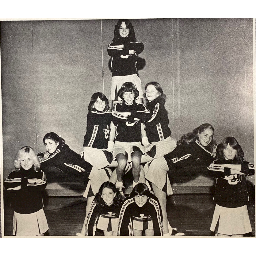
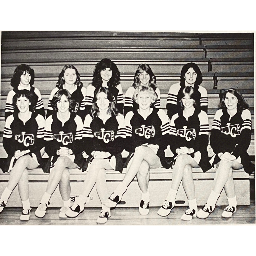
Left: Varsity Cheerleading
Bottom: Varsity Wrestling Cheerleading
1981
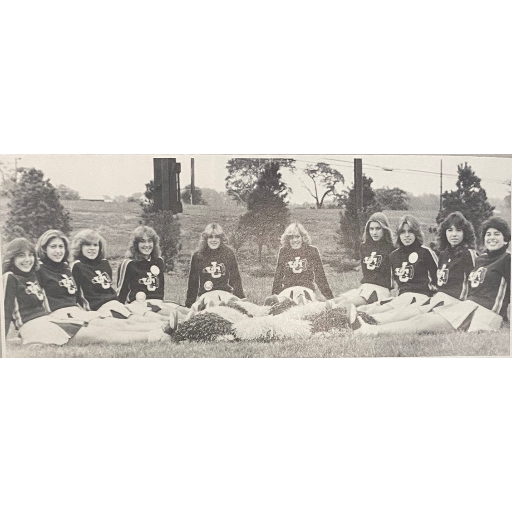
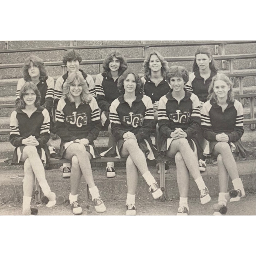
Above: Varsity Cheerleading
Right: Varsity Wrestling Cheerleading
1982
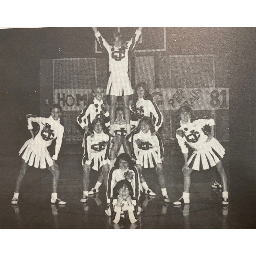
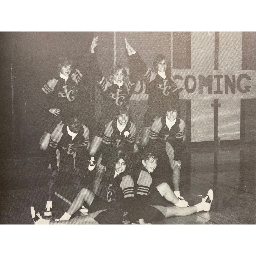
Left: Varsity Cheerleading
Bottom: Varsity Wrestling Cheerleading
1983
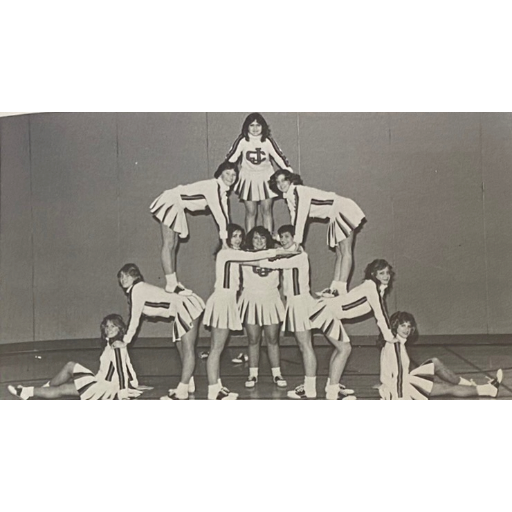
1984
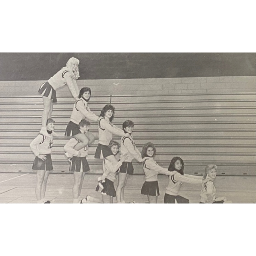
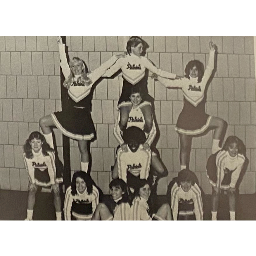
Left: Varsity Cheerleading
Bottom: Varsity Wrestling Cheerleading
1985
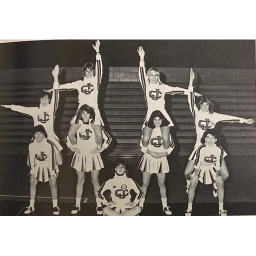
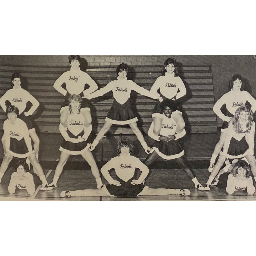
Right: Varsity Cheerleading
Below: Varsity Wrestling Cheerleading
1986
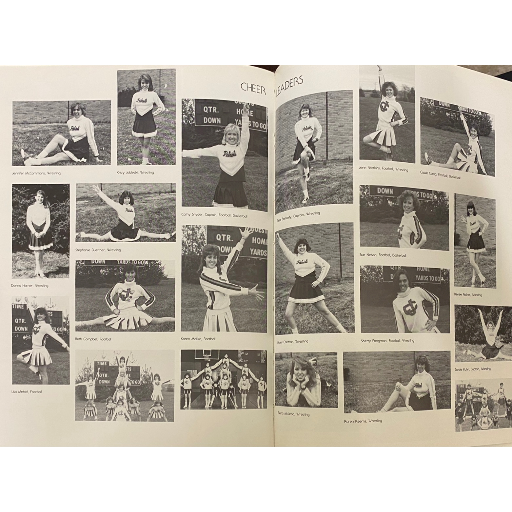
1987
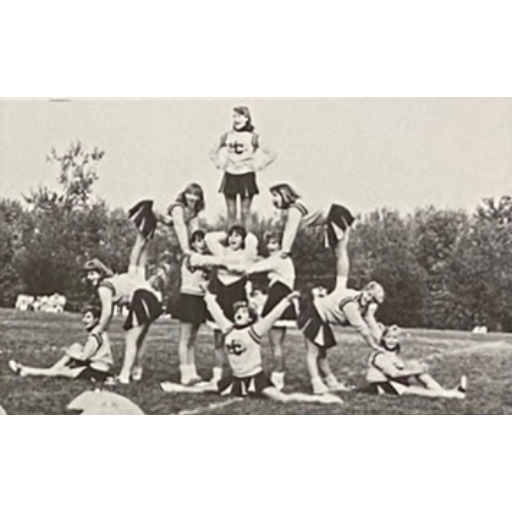
1988
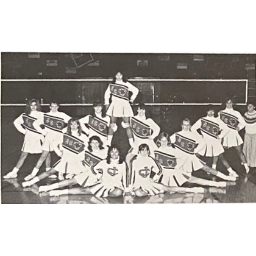
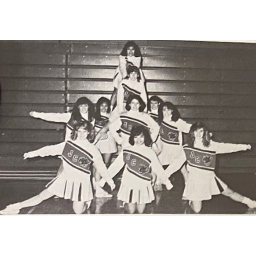
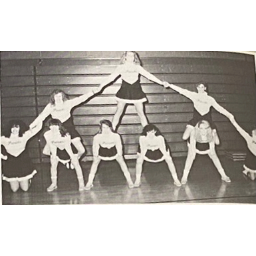
Top Left: Varsity Cheerleading
Right: Varsity Basketball Cheerleading
Bottom Left: Varsity Wrestling Cheerleading
1989
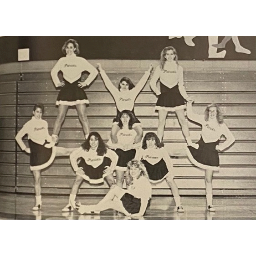
Laura Pelegrene (now Laura McMahon), was a Varsity Wrestling cheerleader for 2 years. During her time as a cheerleader, Nancy Delworth was captain. As a student, she remembers idolising the cheerleaders. She said that she
always thought that they were really cool. This is what prompted her to join the cheer team. Her favorite memory from her time as a cheerleader was when the wrestlers won the championship. She said "Of course they won it, but iit was a team effort!".
1990
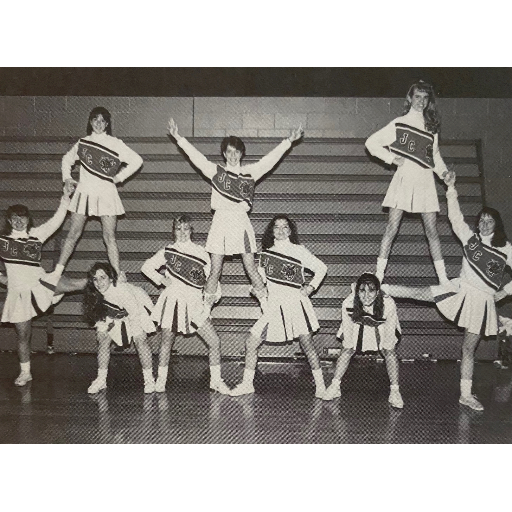
1991
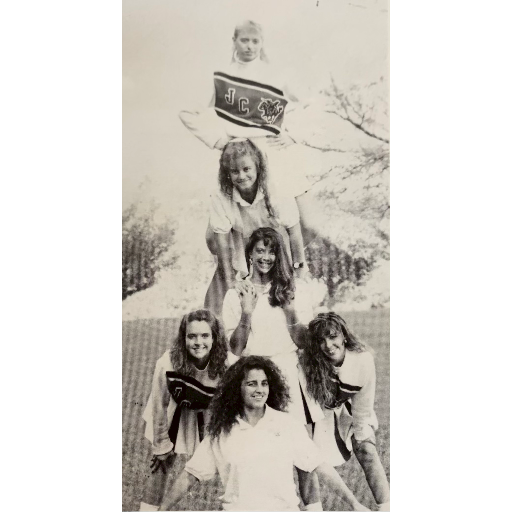
1992
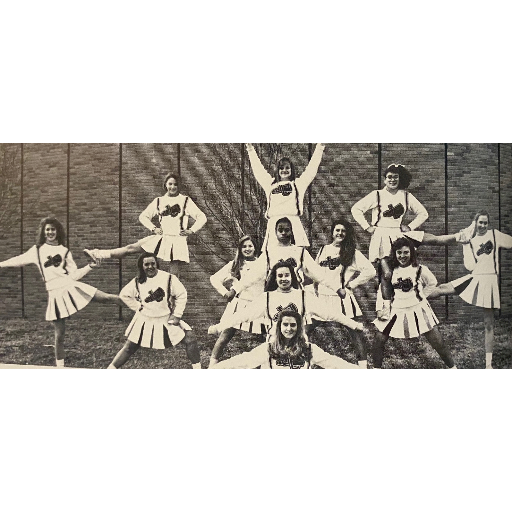
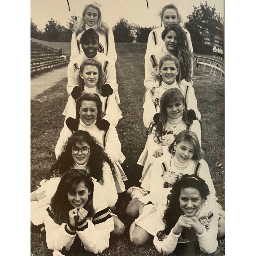
Above: Varsity Wrestling Cheerleading
Right: Varsity Cheerleading
1993
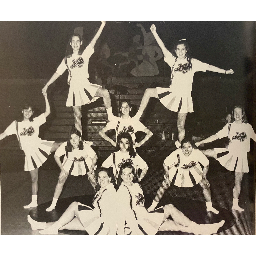
When asked what her favorite part about doing cheer was, Jen Doyle, Class of 1993, said that she loved being a part of something. She also said that her favorite memory from cheer was her senior year football game. She remembered how her and the
other cheerleaders put a dance together to the song, Shake that Body. Because there were no speakers at the time, someone had to bring out their truck to play the song through the speakers, and the speakers didn't work.
1994
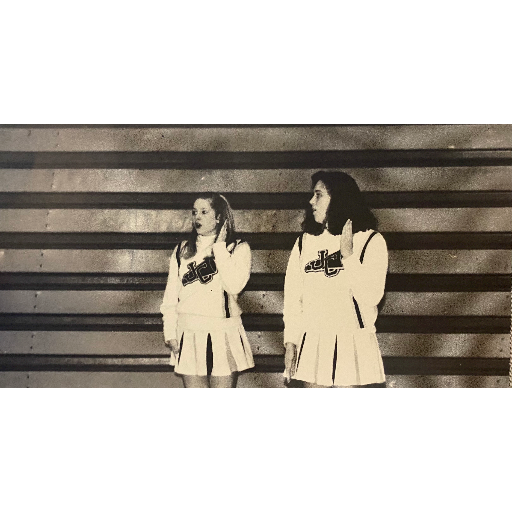
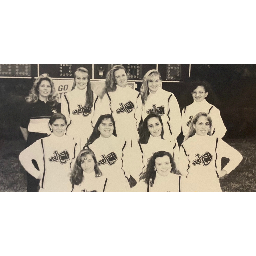
Above: Varsity Wrestling Cheerleading
Right: Varsity Cheerleading
1995
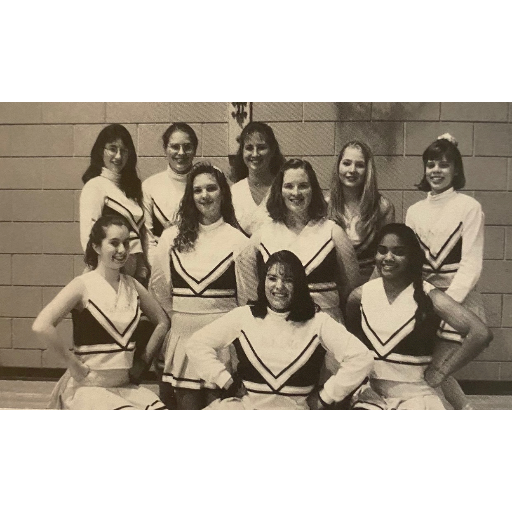
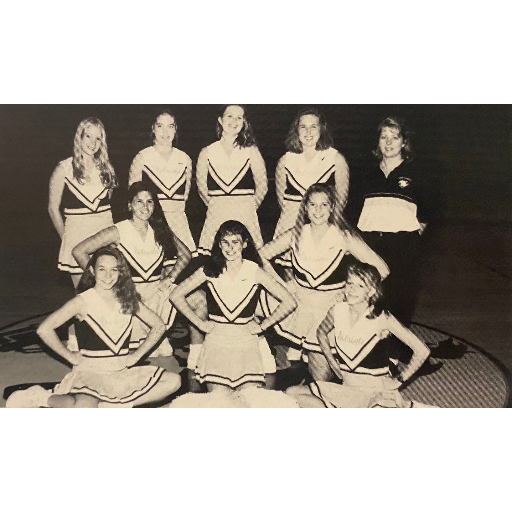
Left: Varsity Wrestling Cheerleading
Below: Varsity Cheerleading
1996
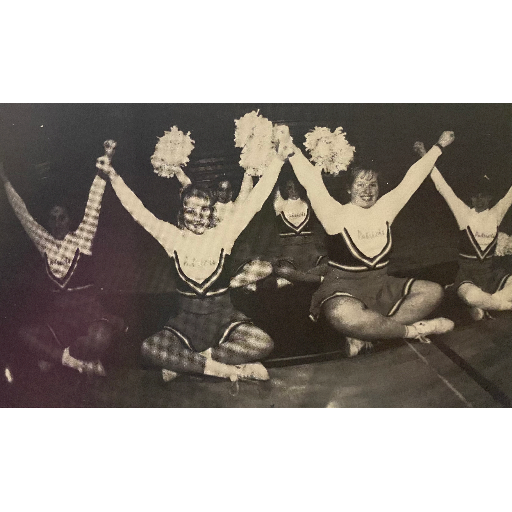
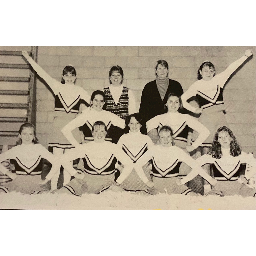
Right: Varsity Wrestling Cheerleading
Below: Varsity Cheerleading
cheerleader, where she taught camps, among many other things. In 2004, she returned to JC, where she coached the cheer team until 2010. She says that being a cheerleader helped her to "be comfortable around people and teach fitness classes"
1997
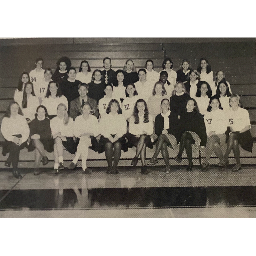
Sandy Jones found hrt love for cheerleading at JC. She joined the JV cheer team her freshman year, and cheered for Varsity Cheer team, as well as the Varsity Wrestling cheer team for the rest of her time at JC. After graduating, she became a UCA (Universal Cheerleaders Association)
1998
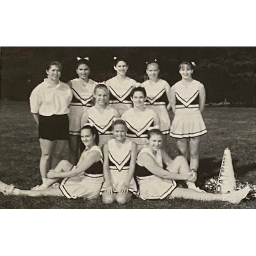
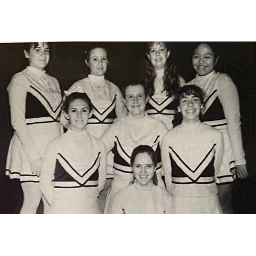
Above: Varsity Cheerleading
Right: Varsity Winter Cheerleading
1999
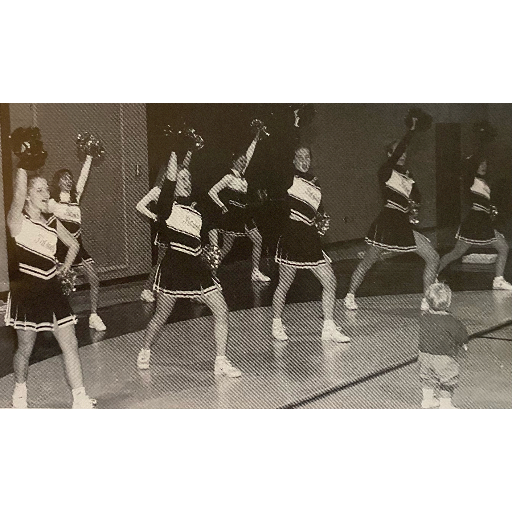
2000
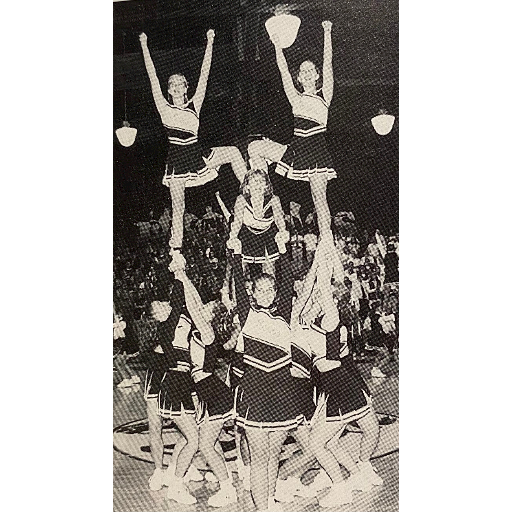
- Full access to our public library
- Save favorite books
- Interact with authors
- < BEGINNING
- END >
-
DOWNLOAD
-
LIKE(3)
-
COMMENT()
-
SHARE
-
SAVE
-
BUY THIS BOOK
(from $12.59+) -
BUY THIS BOOK
(from $12.59+) - DOWNLOAD
- LIKE (3)
- COMMENT ()
- SHARE
- SAVE
- Report
-
BUY
-
LIKE(3)
-
COMMENT()
-
SHARE
- Excessive Violence
- Harassment
- Offensive Pictures
- Spelling & Grammar Errors
- Unfinished
- Other Problem






COMMENTS
Click 'X' to report any negative comments. Thanks!