We hope you will enjoy reading it!

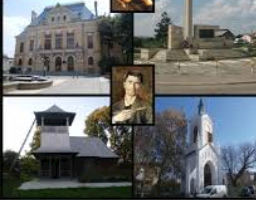
DOROHOI, BOTOSANI county, ROMANIA
DOROHOI - Located on the banks of the Jijia River, at a distance of only 36 kilometers from the city of Botosani. The town of Dorohoi has been mentioned in documents since October 6, 1407.
If you ever dicide to visit Romania, you should definetely visit our small town as well.
Why?
Well, first of all, because it is full of history! In the next pages, we ( Ana Maria Roman and Melania Elena Vitalariu) will give you some information.
1. The Church of Saint Nicholas, located in Dorohoi, was founded in 1495 by Saint Stephen the Great, the famous Moldavian leader.
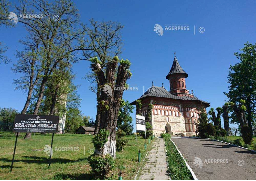
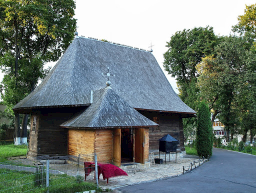
2. We also have a very beautiful Wooden Church dating back from 1779.
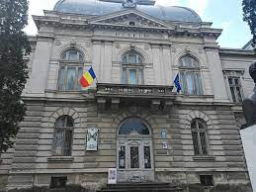
3. We have a Science Museum that is worth visiting, as well.
4. George Enescu, the famous composer, spent a few years of his life in Dorohoi.
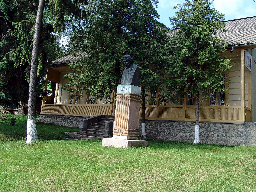
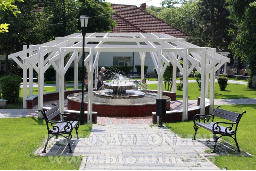
5. If you love nature and fresh air, Dorohoi has some of the most beautiful parks!
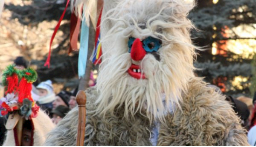
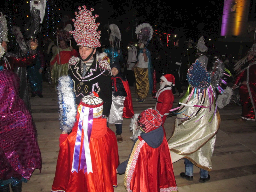
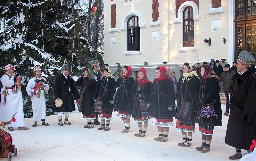
We also have some very beautiful traditions. One of the most beautiful is the New Year/s Eve parade.
TRADITIONAL DISHES
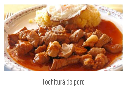
When it comes to food, we are very at preparing and eating them as well! We will present to you some of the most delicious ones ... GOOD APPETITE!!!
Traditional music in Sivas
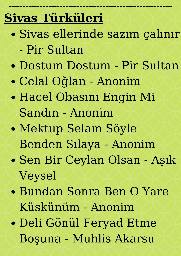
Being geographically in Central Anatolia, Sivas has musical features of Eastern Anatolia. It is almost commonly accapted that Sivas is a prominent city in terms of folk music within the rich and diverse spectrum of folk music in Anatolia. Sivas folk songs, with their unique character, colorful nature and richness, has a specific place in the musical fabric of our country. It shows depth in time and breadth in space.
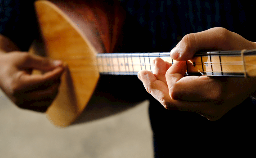
With this spatial breadth, Sivas songs exhibit different forms of uzun hava and kırık hava. The richness in style and makam, beauty of poetry and lyrism of melody, Sivas songs come to fore.
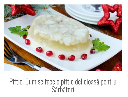
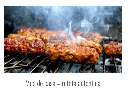
Sivas offers a real feast with its typical Anatolian cuisine marked by savory plates. Sivas meatballs are especially quite famous but there are more to discover. Stuffed dry cucumbers, Sivas Kebab, madimak and pezik pickles are also some local tastes
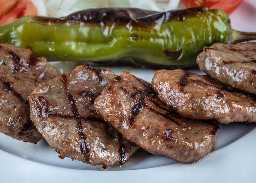
Traditional food in sivas
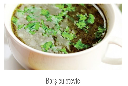
In Sivas, the preparation of Bayram, or feast dishes begins the day before the eve of the feast. The eve of the feast is the busiest day for food preparation. Some of the foods that are always present on feast days include soup, hurma and sarma (stuffed vine/cabbage/chard leaves).
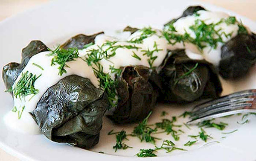
Knotgrass is very common in cities like Tokat, Sivas, Artvin. It is becoming common slowly in more populated cities like Istanbul as the number of people who want to cook organic products and/or who are becoming vegan are increasing.
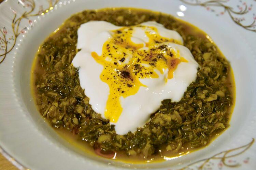
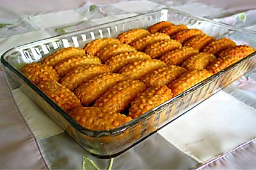
The traditional sweets of Sivas include those made with yufka, other baked goods, halvahs, and those made with milk, eggs and fruits. One of the Most popular deserts is hurma tatlısı.
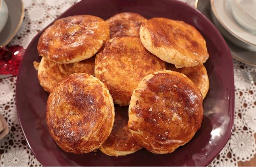
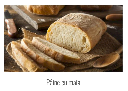
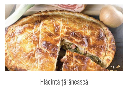
in Sivas there are many different types of bread. In addition to normal wheat bread cooked in an oven, on a sac or in a tandır, an oven made from a hole in the ground, there are other types like kete.
Chimera (Yanartaş) Mythology
Yanartaş, located on the Çıralı beach of Antalya, has a story that is also told in the legends of ancient Greek mythology.Hipponoes, son of King Glaukos of Ephyra, kills Belleros in a hunting party and takes the name of Bellerophontes who "Eats Belleros"
Bellerophontes, who was driven from Ephyra, took refuge in the king of Argos. The King of Argos, who could not make himself fit to kill this young man who took shelter in him, sends him to the king of Lycia.
The king of Lycia does not want to kill this miserable young man and sends him to fight with Chimera, who lives on Olympos Mountain.
In the legend of Homer, Chimera is a monster with a lion head, goat body, snake tail and mouth flames.
HOMER
Bellerophontes goes to fight with Chimera by riding his winged horse named Pegassos.When the Chimera attacks, Pegassos takes off and Bellerophontes descends to the ground and buries the monster seven floors below the ground with his spear. But Chimera continues to burst flames 7 times below the ground.
Çıralı/ANTALYA
According to the legend that has been told in Anatolia for thousands of years and conveyed to us in this way by Homer, the flames still burning in Çıralı are the flames of the Chimera that gush out from the bottom seven floors of the earth.
The races held in Olympos to celebrate the victory of Bellerophontes, starting with the arrival of the sacred fire of Chimera, represent the first example of the Olympic Games in Anatolia. The "Olympic Torch" lit today is a symbolic expression of the Chimera's unquenchable fire.
Organized by:
Kemer Anatolian I.H High School
Berfin Kemer IHL
OLD TOWN,ANTALYA
Old Town is the name given to the city center surrounded by the sea and land walls within the borders of Antalya's Muratpaşa district. The streets and structures of Kaleiçi bring the traces of Antalya's history to the present day. The importance of old houses conveys very useful information not only in terms of architecture, but also about people's way of life, behavior, traditions and social aspects.
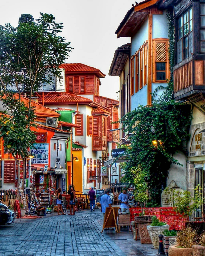
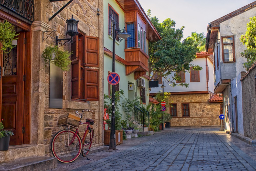
On April 28, 1984, the Golden Apple Tourism Oscar was awarded by FİJET (International Tourism Writers Association). Today, Kaleiçi has become an entertainment center with its hotels, hostels, restaurants and bars.
In addition, the most famous of the historical buildings in Kaleiçi is the Fluted Minaret, which is seen as the symbol of Antalya. It is a Seljuk work from the 13th century. Its base is made of cut stone. The body part is made of brick and turquoise colored tiles. It has 8 grooves.
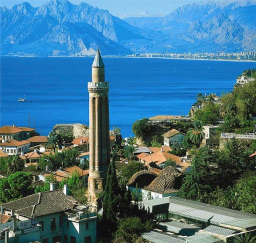
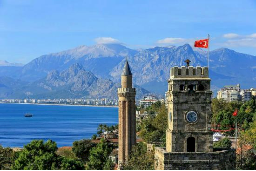
The minaret has become the symbol of the city of Antalya today. Its height is 38 m and can be reached by a 90-step ladder. Part of the grooved minaret is made up of bricks and turquoise colored tiles. It is called Yivli Minaret because of its grooved.
The historical clock tower at the entrance of the Old Town is in the Kale Kapısı area. The clock tower was built in 1901 by the Grand Vizier Küçük Sait Pasha. It was built for Abdülhamit. Some sources state that it is not certain who built the clock tower and when. The Antalya Historical Clock Tower has a square body and there are one row of moldings under the body and three rows of moldings on it.
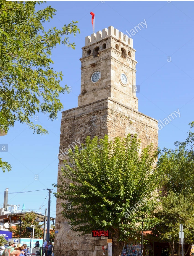
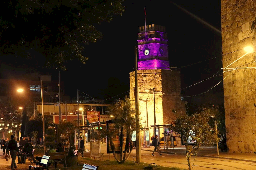
There is a clock on each side and a bell on top of it. Its height from the ground is 14 meters, while its height above the walls is 8 meters. While you are enjoying the sea, the sand and the sun, do not forget to visit the historical places of the city.
Another entrance gate of the Old Town is the Hadrianus Gate, built in 130 AD due to the arrival of Emperor Hadrianus to Antalya. Hadrianus Gate is located on the walls surrounding the ancient port and is the most important point of entering Kaleiçi. The building, which is also known as the Three Doors among the locals, is one of the best preserved and iconic historical artifacts of Antalya.
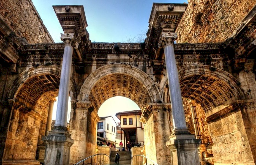
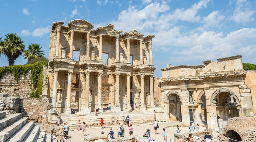
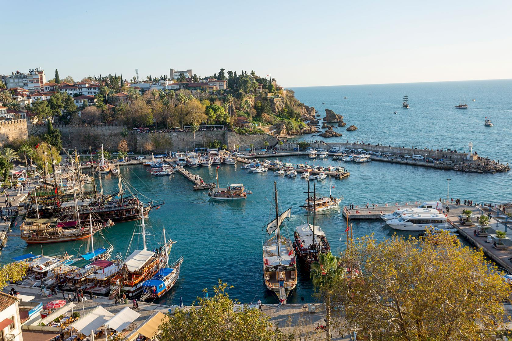
All these artifacts are the walls surrounding the region and part of the harbor breakwater in the inner harbor. Today, the buildings in this region, which is an important entertainment center, are used as boutique hotels, restaurants, bars, cafeterias, pensions, shopping places, souvenir shops and houses.
Hasan KemerIHL/Kemer Anadolu I.H High School
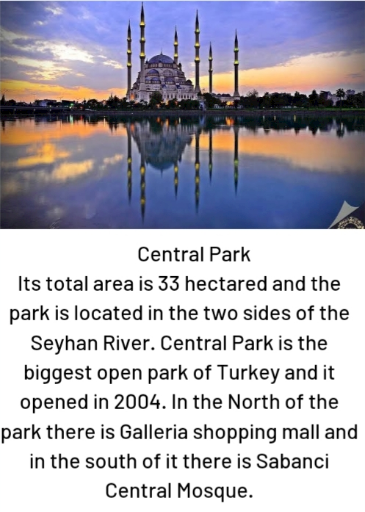
MERVE.SNÇL /SUNAR NURİ ÇOMU A.L/ADANA
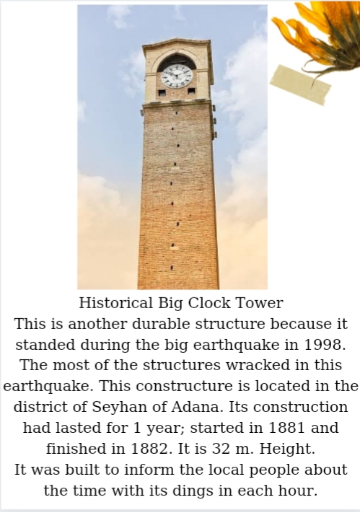
MERVE.SNÇL /SUNAR NURİ ÇOMU A.L.ADANA
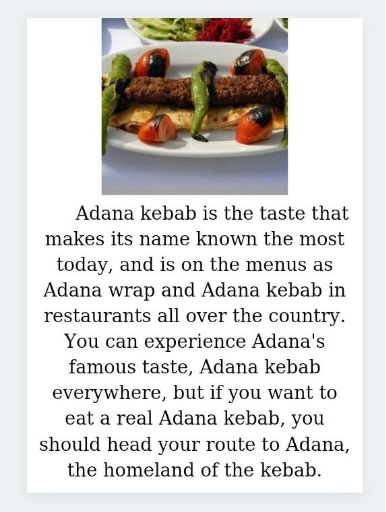
CAHİT.SNÇL /SUNAR NURİ ÇOMU A.L
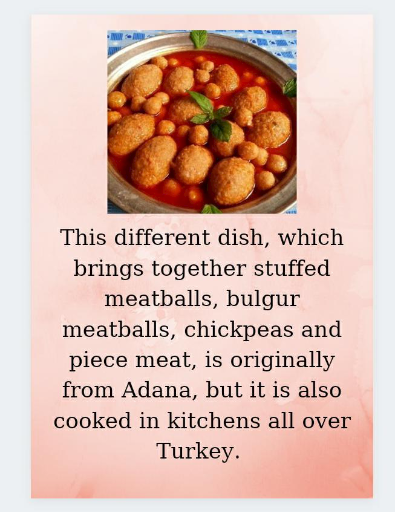
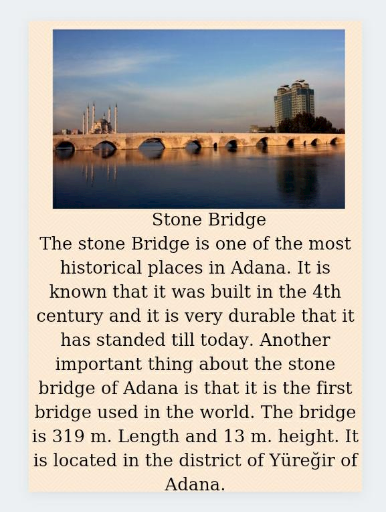
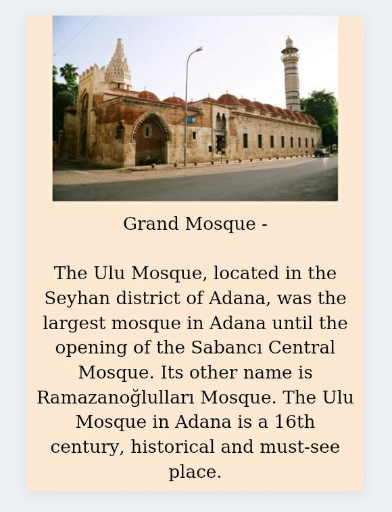
MERVE.SNÇL /SUNAR NURİ ÇOMU A.L
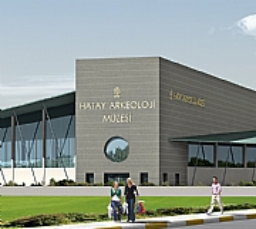
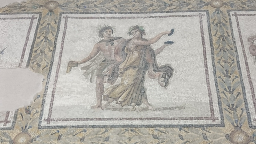
Hatay Archeology Museum has been serving visitors since 2014 in its new building, built with all the equipment of contemporary museums.
SİLA.MZAL / MEZİTLİ A.L
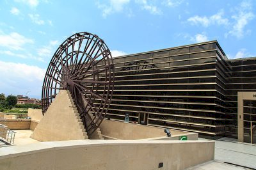
In the museum, there are many important works from the Paleolithic, Neolithic, Chalcolithic, Bronze Age, Hittite, Hellenistic, Roman, Eastern Roman, Seljuk and Ottoman periods, and due to the total area of the mosaics exhibited at 3250 m2, the museum has the title of the museum where the world's largest mosaics are exhibited.


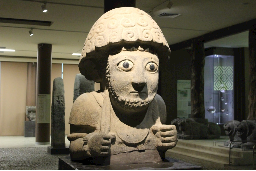
BC 9. The giant statue of King Suppiluliuma, who ruled in the 21st century.
From Hatay Archeology Museum

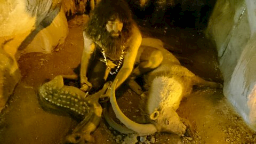
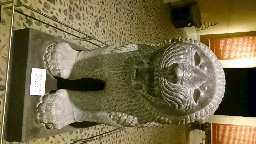
From Hatay Archeology Museum
From Hatay Archeology Museum

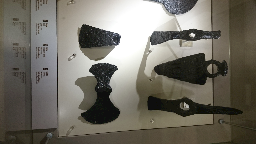
From Hatay Archeology Museum
From Hatay Archeology Museum
SİLA.MZAL / MEZİTLİ A.L
Neşet Ertaş (1938-2012) is a Turkish folk poet. He was born in Kırşehir in 1938. His father is Muharrem Ertaş, a representative of the abdal tradition, and his mother is Döne Ertaş. Documentary films about his life, "Neşet Ertaş", "A Sip of Human-Neşet Ertaş" (2001) "Garip-Neşet Ertaş" (2005), "Alone-Neşet Ertaş Documentary" (2010) were shot.
During his lifetime, Ertaş was declared 'Living Human Treasure' by the Ministry of Culture and Tourism within the scope of the 'UNESCO Convention on the Protection of Intangible Cultural Heritage'. Where are you? He wrote for his mother, who died when he was 12 years old.
And you will see this perfect song's lyrics.
If you want listen this song, you should search on the Youtube this link "https://youtu.be/pw70Spv3xCk" and you can listen.
WHERE ARE YOU
You are the one who knows me, my sweet one,
My heart is always looking for you, where are you?
My smoothy, smiling one, my slim and beautiful one,
My heart is always looking for you, where are you?
You are the one who laughs when I laugh and cries when I cry,
You are the one who knows all my sorrow and deep inside my heart,
You are the one who smiles at me as if you know my heart
NISA.MZAL / MEZİTLİ A.L
My heart is always looking for you, where are you?
No one knows my secret pain,
No physician can heal me,
I cannot be happy, I'm an unhappy poor one,
My heart is always looking for you, where are you?
GAZİANTEP CITY, TURKEY
Gaziantep is in the western part of Turkey's Southeastern Anatolia Region.
It is probably located on the site of ancient Antiochia ad Taurum, and is near ancient Zeugma.
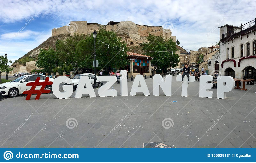
The city has two urban districts under its administration, Şahinbey and Şehitkamil.
There are many touristic places to visit in the city.
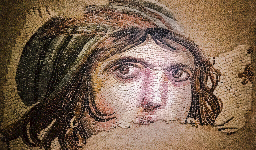
Zeugma Mosaic Museum is the biggest mosaic museum in the world, containing 1700 m of mosaics.
The museum has the most beautiful mosaics of the world from the ancient city of Zeugma. These mosaics are about 2000 years old and unique in design, colour and perfection.
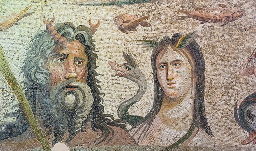
Rumkale is a historical castle located in the village of Kamışlı within the borders of Nizip and located on a peninsula that was born with the formation of Nizip-Birecik Dam lake today. The castle is located on a hill covered with high rocks, where the Euphrates River and the Merzimen Stream meet.
Rumkale is also one of the must-see places in Gaziantep.
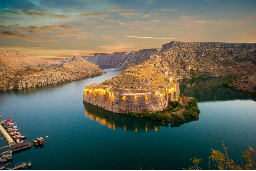
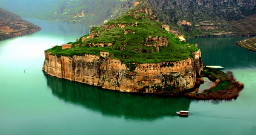
Among the structures that can be seen in the castle today are the St. Nerses Church, the Barşavma Monastery, many building remains, water cisterns, a well and a ditch.
A Delicious Journey Full of Local Delicacies
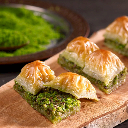
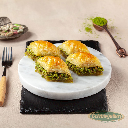
In Turkey, Gaziantep is the city known for its baklava. It is a type of dessert that has had an important place in our Turkish and Ottoman food culture for many years.Pistachios are placed between thin phyllo dough and sherbet is poured on it.
In the hands of the craftsmen from Antep, it is turned into 40 layers of phyllo, each of which is thinner than paper, with rolling pins made of pear wood.
KEBAP
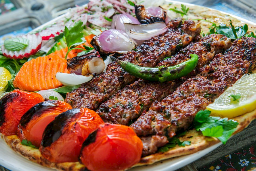
Kebab is a kind of meat dish. Kebab has a very important place in Gaziantep cuisine, and serious attention is paid to the cooking method of the kebab, the spices used in kebab production and the salads, blarneys and beverages to be served in addition to the kebab.
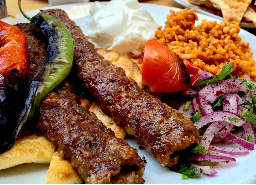
The kebab is served over the flatbread used to catch the drippings. It is accompanied by roasted tomatoes, green or red peppers and julienned onions with parsley and sumac.
BEYRAN
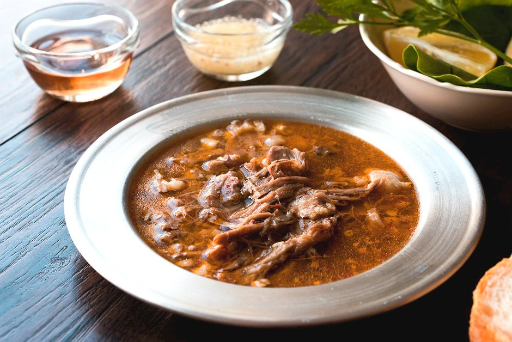
Beyran is a soup made especially in Gaziantep. It is made from neck meat and sheep cheek. Other ingredients that make up the soup are rice, garlic, butter, oil, water, salt, pepper sauce, black pepper and Aleppo flakes. This soup is also eaten for breakfast.
Ceren and Esma
Kanuni Sultan Süleyman MTAL / GAZİANTEP Esin GÖKTÜRK (teacher)
MERSİN, TURKEY
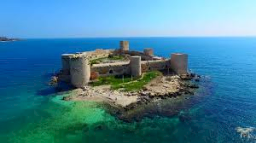
Maiden's Castle (Kızkalesi),
The castle situated on a small island in Mersin
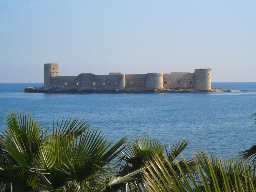
It is 60 km (37mi) to Mersin.
Mehmet Adnan Özçelik Anadolu High School, Mersin
Legend of Kızkalesi
According to the legend of Kızkalesi, a fortune teller informs the king that his beautiful daughter will be poisoned by a snake. He adds that event the king is unable to change her fate. Shocked by the forune tellers's words, the king tries to save the princess by building a castle on an island where no snakes live. He sends his daughter to live in the castle. But a snake hides in a grape basket sent from the mainland and poisons the princess.
- < BEGINNING
- END >
-
DOWNLOAD
-
LIKE(4)
-
COMMENT()
-
SHARE
-
BUY THIS BOOK
(from $8.39+) -
BUY THIS BOOK
(from $8.39+) - DOWNLOAD
- LIKE (4)
- COMMENT ()
- SHARE
- Report
-
BUY
-
LIKE(4)
-
COMMENT()
-
SHARE
- Excessive Violence
- Harassment
- Offensive Pictures
- Spelling & Grammar Errors
- Unfinished
- Other Problem





COMMENTS
Click 'X' to report any negative comments. Thanks!