It has been prepared for the use of teachers and students as an open source. May not be reproduced or printed without permission.

APT - A security breach that enables an attacker to gain access or control over a system for an extended period of time usually without the owner of the system being aware of the violation. Often an APT takes advantage of numerous unknown vulnerabilities or zero day attacks, which allow the attacker to maintain access to the target even as some attack vectors are blocked.


Asset — Anything that is used in and is necessary
to the completion of a business task.
Assets include both tangible and intangible
items such as equipment, software code, data,
facilities, personnel, market value and public opinion.


Backdoor - Also known as a trapdoor, a backdoor is used by an attacker to gain illegal access to a victim’s computer.

Blended Attack - A cyber attack that comprises multiple attack vectors and malware is known as a blended attack. Such attacks usually cause severe damage to targeted systems.

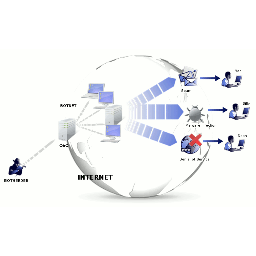
Botnet - Botnet refers to a network of compromised computers that are remotely controlled by a hacker. A botnet is used by a hacker to launch attacks against other targeted victims. Each computer in a botnet is known as a bot or zombie.

Cyberbullying - Involves harassing, embarrassing, or threatening a young person via cyberspace.
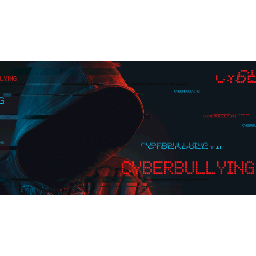
Cybercrime - It is criminal activity done using computers and the Internet.

Copyright - It protects an author's original work from being copied and republished by others.


Disinformation is false or misleading information that is spread deliberately to deceive.

Digital signature is a block of data that can be attached to documents such as PDFs, word processing files, and e-mail messages. It contains a unique code that verifies a person's identity.

Disk Cleanup is a Microsoft software utility
which allows users to remove files
that are no longer needed or
that can be safely deleted.


Email: The system for using computers
to send messanger over the ınternet.

E-learning: Learning doneby studying at home using computers and courses provi ded on the internet.

Encode: To change something into a system for sending messaqes secretly,or to represent complicated information in a simple or short way.


Follow: To move behind someone or something and go where he, she or it goes.
Favourite: Best liked or most enjoyed.


Firewall: A device or program that stops people
from seeing or using information on
a computer without permission while
it is connected to the internet.

FTP: File transfer protocol: a set of rules for sending files to and from a server to other computers,using the internet.

Find: To discover,especially where a thing or person is either unexpectedly or by searching or to discover where to ge tor how to achieve something.


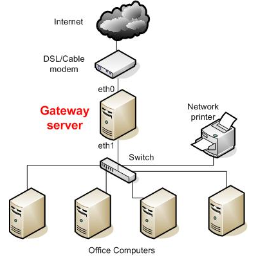
Gateway is either hardware or software
that acts as a bridge between two networks
so that data can be transferred between
a number of computers.
Google is the world's most popular search engine.
Google Drive is a service offered by Google that allows you to store and share files online.



Hacker is someone who can gain
unauthorized access to other computers.

Hardware refers to the physical parts of a computer and related devices.

Host is a computer that acts as a server for other computers on a network.


Internet (net): A giant collection of computer networks that connects people and information all over the world.

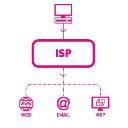
Internet Service Provider (ISP): A generic term for any company that can connect you directly to the Internet.
Identity Theft: In this crime, someone obtains the vital information (e.g., credit card, social security number,
bank account numbers) of another person, usually
to steal money. E-mail scams, spyware, and viruses
are among the most typical methods for stealing
someone’s identity.
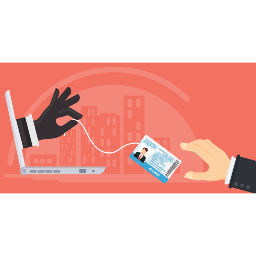

Join: To become a member of an organization.
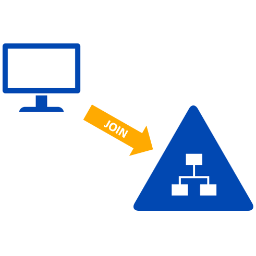
Jpeg (Joint Photographic experts group): A popular file format for graphic images on the Internet.


Knowledge representation - refers to the technical problem of encoding human
knowledge and reasoning
(Automated Reasoning) into a symbolic language that enables it to be processed by information systems.

Knowledge Source- A source of data, information, or knowledge, which can be explicitly specified.
Knowledge acquisition - is the process used to define the rules and ontologies required for a knowledge-based system.


A knowledge-based system (KBS) - is a computer program that reasons and uses a knowledge base to solve complex problems.

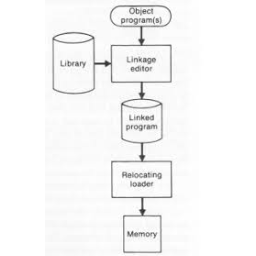
Linkage editor - an editor program that creates one module from several by resolving cross-references among the modules.
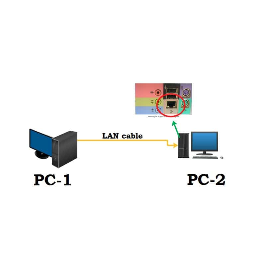
Local address administration - The administration where all LAN individual addresses are single and unique in the same local network.
Lockout - A situation where the system is
not responding to input.
Loop control - Control loops are systems applied by design engineers in various industrial applications to maintain process variables (PVs) at a desired value or set point (SP).

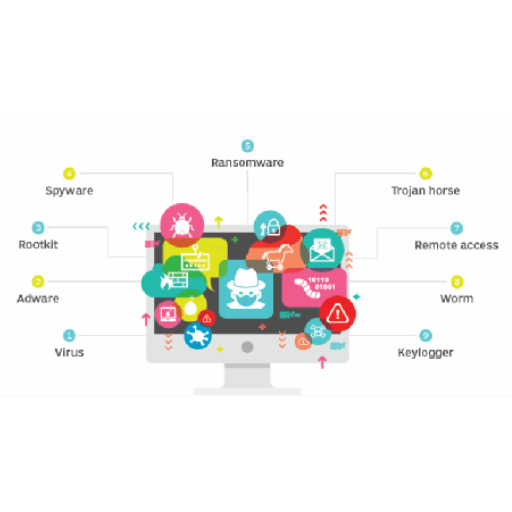
MALWARE: Malware, one of the most common cyber threats, is software created by a cybercriminal or hacker to corrupt or damage a legitimate user's computer. Malware, which is often spread via an unsolicited email attachment or legitimate-looking download, can be used by cybercriminals to earn money or for politically motivated cyberattacks.

NETWORK SECURITY: Network security is the practice of protecting a computer network from intruders, whether it is targeted attackers or opportunistic malware.

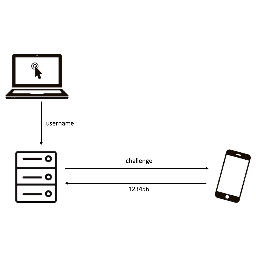
OTP, acronym of One-time password. In the context of cryptography and computer security is a password that is valid only for a single access session or a transaction. For this purpose, the OTP is also called a disposable password.

PASSWORD: a string of characters used for authenticating a user on a computer system. Most passwords are comprised of several characters, which can typically include letters, numbers, and most symbols, but not spaces. While it is good to choose a password that is easy to remember, you should not make it so simple that others can guess it. The most secure passwords use a combination of letters and numbers and do not contain actual words.
- Full access to our public library
- Save favorite books
- Interact with authors
- < BEGINNING
- END >
-
DOWNLOAD
-
LIKE(6)
-
COMMENT()
-
SHARE
-
SAVE
-
BUY THIS BOOK
(from $5.39+) -
BUY THIS BOOK
(from $5.39+) - DOWNLOAD
- LIKE (6)
- COMMENT ()
- SHARE
- SAVE
- Report
-
BUY
-
LIKE(6)
-
COMMENT()
-
SHARE
- Excessive Violence
- Harassment
- Offensive Pictures
- Spelling & Grammar Errors
- Unfinished
- Other Problem






COMMENTS
Click 'X' to report any negative comments. Thanks!