

Created & published on StoryJumper™ ©2026 StoryJumper, Inc.
All rights reserved. Sources: storyjumper.com/attribution
Preview audio:
storyj.mp/af7sstfnyjpy
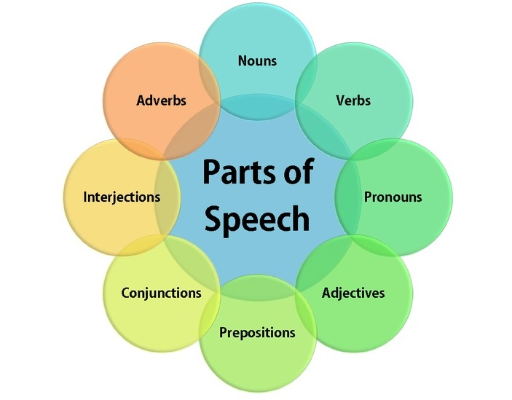
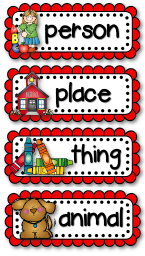
A noun is a word that names something, such as a person, place, thing, or idea. In a sentence, nouns can play the role of subject, direct object, indirect object, subject complement, object complement, appositive, or adjective.
Noun
2
NOUN

3
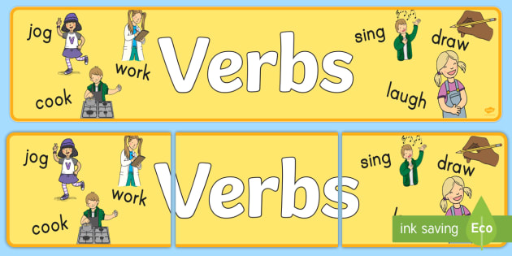
Verbs are words that show an action (sing), occurrence (develop), or state of being (exist). Almost every sentence requires a verb. The basic form of a verb is known as its infinitive. The forms call, love, break, and go are all infinitives. Almost all verbs have two other important forms called participles.
verb
4

5
Adjective
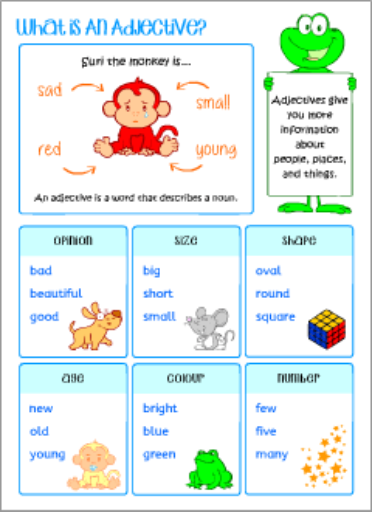
Adjectives are words that describe the qualities or states of being of nouns: enormous,doglike, silly, yellow, fun, fast. They can also describe the quantity of nouns: many, few,millions, eleven.
6

7
Adverb
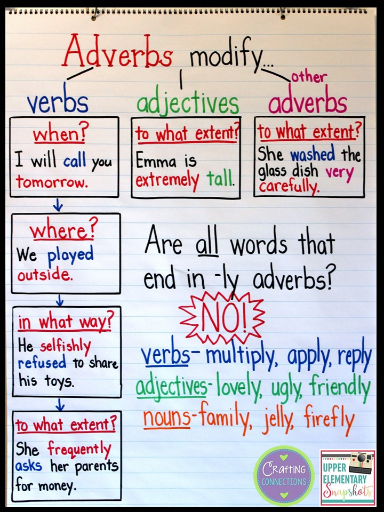
An adverb is a word that modifies (describes) a verb (he sings loudly), an adjective (very tall), another adverb (ended too quickly), or even a whole sentence (Fortunately, I had brought an umbrella). Adverbs often end in -ly, but some (such as fast) look exactly the same as their adjective counterparts.
8

9
Pronoun
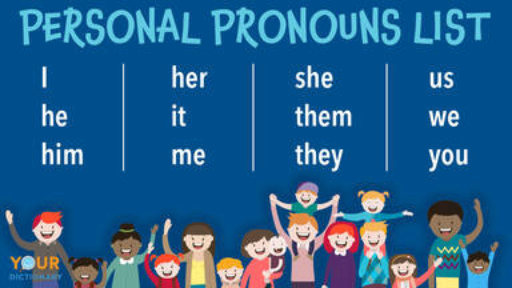
A pronoun is defined as a word or phrase that is used as a substitution for a noun or noun phrase, which is known as the pronoun's antecedent. Pronouns are short words and can do everything that nouns can do and are one of the building blocks of a sentence.
10

11
preposition
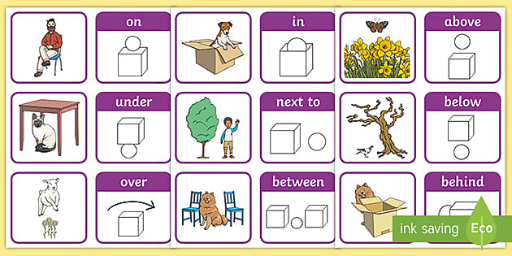
A preposition is a word or group of words used before a noun, pronoun, or noun phrase to show direction, time, place, location, spatial relationships, or to introduce an object. Some examples of prepositions are words like "in," "at," "on," "of," and "to." Prepositions in English are highly idiomatic.
12

Prepositions
13
A Conjunction
A conjunction is the glue that holds words, phrases and
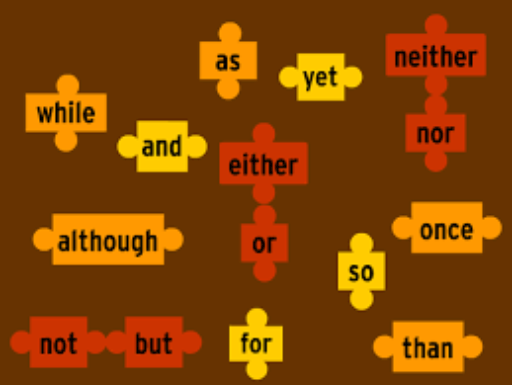
clauses (both dependent and independent) together. There are three different kinds of conjunctions -- coordinating, subordinating, and correlative -- each serving its own, distinct purpose, but all working to bring words together.
14

15
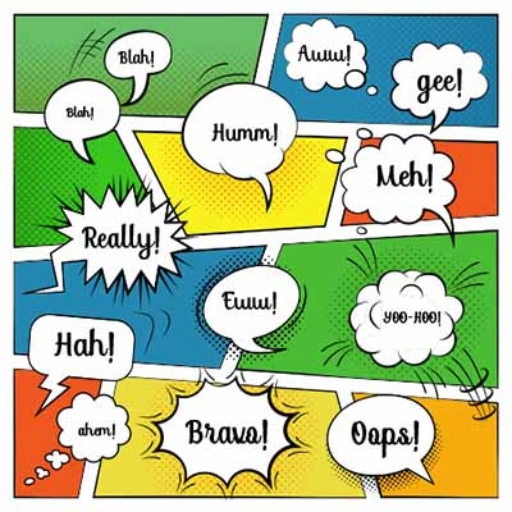
Interjections
An interjection is a part of speech that demonstrates the
emotion or feeling of the author. These words or phrases
can stand alone, or be placed before or after a sentence.
Many times, as within the examples of interjections
below, you'll notice many interjections are followed by
an exclamation point.
16

17
READ
Thank you
By Teacher : Hanan Alomari

storyjumper.com
- < BEGINNING
- END >
-
DOWNLOAD
-
LIKE
-
COMMENT()
-
SHARE
BUY THIS BOOK (from $3.19+)
-
BUY THIS BOOK
(from $3.19+) -
BUY THIS BOOK
(from $3.19+) - DOWNLOAD
- LIKE
- COMMENT ()
- SHARE
- Report
Liked By
X
Encourage this author
-
BUY
-
LIKE
-
COMMENT()
-
SHARE
Problem with this book
X
- Excessive Violence
- Harassment
- Offensive Pictures
- Spelling & Grammar Errors
- Unfinished
- Other Problem

Which pages have problems?
Please describe the problem:
left text
right text

COMMENTS
Click 'X' to report any negative comments. Thanks!