
Protect yourself when using the internet
Learn how to use the internet safely and pay attention to false information or news.
Founders of the project: Orquídea Santos and Orhan Beyaz.
Editor: Orquídea Santos

Digital Literacy and Internet Security

This book was created with the protection and well-being of our students in mind.
We hope it will be read by many and that we will all be able to learn more and better to have a responsible attitude in the context of digital citizenship.
Digital security is serious business! Here are some tips to avoid risks and have a safe navigation.
Together we will enrich our young people.

Teachers who participated in the preparation of the book
. Orquídea Santos . Sandra Stiks
. Paulo Malojo . Sinem Akgeyik
. Susana Alves . Erhan Bal
. Sónia Ribeiro . Celeste Antunes
. Murat Çolat . Mari Carmen
. Sofia Marinho . Maria José Araújo
. Carla Rodrigues . Tatiana Ceban
. Paula Ferreira . Burcu
. Natália Lopes . Carla Costa


Misinformation or disinformation? - Paulo Malojo ...................................8
Fake News - Susana Albes ..........................................................................10
Phishing - Sónia Ribeiro .............................................................................12
Hackers - Murat Çolat ................................................................................14
Malware - Sofia Marinho ..........................................................................16
Ransomware - Carla Rodrigues .................................................................18
Data Breacher - Paula Ferreira .................................................................20
Online Privace - Natália Lopes .................................................................22
Passwords - Carla Costa ............................................................................24
Cyberbulling - Sandra Stiks .......................................................................26
Sexting - Sinem Akgeyik ............................................................................28
Cyber Stalking - Erhan Bal ........................................................................30
Keylogger - Celeste Antunes ......................................................................32
Smishing - Mari Carmen ...........................................................................34
Grooming - Maria José Araújo .................................................................36
Security on Wifi Networks - Tatiana Ceban .............................................38
Security With Mobile Devices - Burcu ......................................................40
How To Use Social Media Safely - Orquídea ..............................................42
INDEX


What media literacy is?
“Media literacy is the capacity to access, have a critical understanding of, and interact with the media and has never been as important in today's society. It enables citizens of all ages to navigate the modern news environment and take informed decisions.”
Orquídea Santos
Escola Básica de Arões - Fafe - Portugal

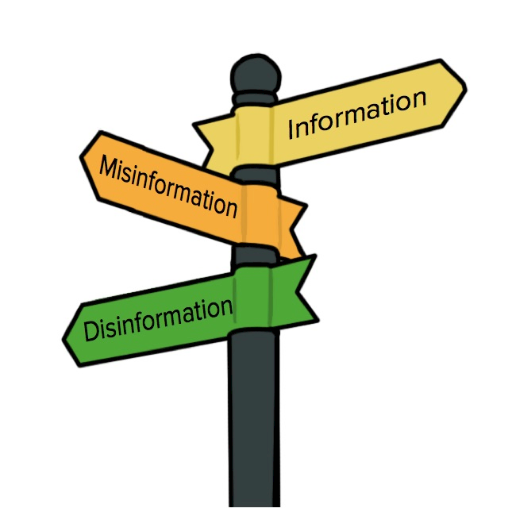
Misinformation or disinformation?
Teachers share the view that promoting media literacy is key in combating disinformation.
People should trust the chain of knowledge while acknowledging when they should be suspicious of it.
Education is the best weapon against misinformation.
Paulo Malojo
Escola Básica de Arões - Fafe - Portugal

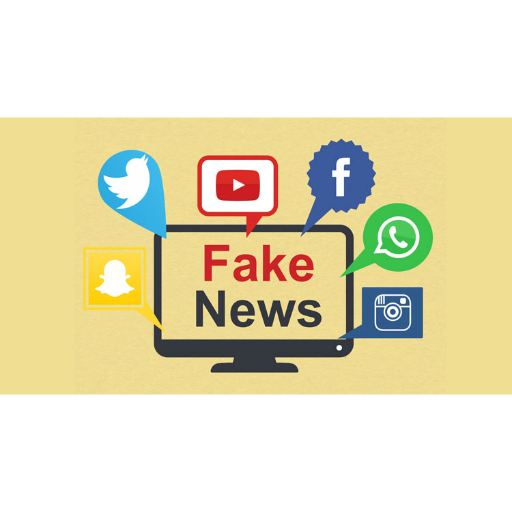
Fake news is a misleading information presented has news that has no facts behind it. Fake news is often published in order to damage someone's reputation. In order to not fall for fake news there are some things that you need to pay attentiont such as:
- The source behind the news
- Who has published the news
- Does the news use a shocking headlime.
To stop fake news is also necessary that you dont't spread those, so before sharing it with another person you need to be sure that the piece of news you´re about to share is authentic. Don't spread fake news, be a part of the solution.
Susana Alves
Escola Padre Joaquim Flores - Fafe - Portugal
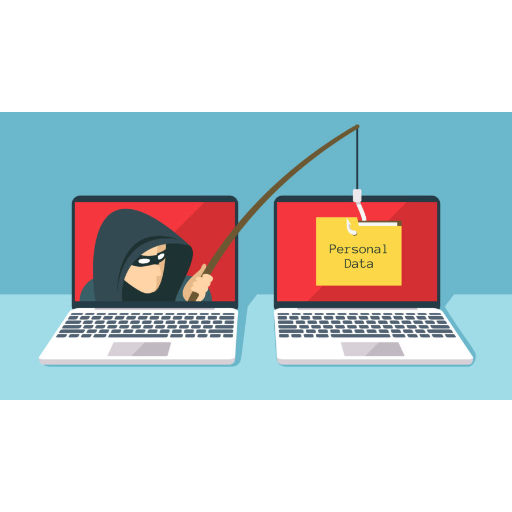
Phishing is the name given to a cyber crime to fraudulently or misleadingly obtain confidential data for unlawful uses. These criminal procedures are developed through fake e-mail messages or instant messages that lead to fake websites that also look similar to real communications normally made by the entity in question.
This type of attack has very different effects that depend on the attackers' intentions, and can range from identity theft to the theft of money and any other type of private information.
The first line of defense against phishing scams is email protection.
Sónia Ribeiro
Agrupamento de Escolas Virgínia Moura - Guimarães - Portugal
A hacker is a person who enters personal computers or computers and networks belonging to various institutions and organizations without permission. Hackers have extensive knowledge of breaking into computer networks and bypassing security protocols.
Students should be educated on these issues and the dangers should be explained.
Murat Çolak
Vali Hüseyin Poroy Ortaokulu - Amasya - Turkey
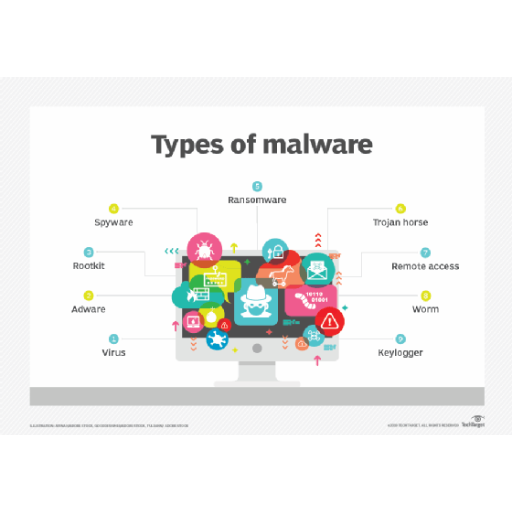
Malware is synonymous with malicious software, it can be a program or a code that is harmful to the equipment’s computer system.
Some signs that the equipment was picked up by Malware, are: reducing the speed of the operating system; lack of available storage space and increased pop-ups and unwanted programs.
When browsing pirated websites, we are “opening the door” to Malware, which is why it is to be very attentive to warning messages when installing applications, essentially if permissions are requested to sign in to email or other personal information.
Good antivirus protection recognizes and alerts you about Malware.
Sofia Marinho - Escola Básica de Forjães -Portugal
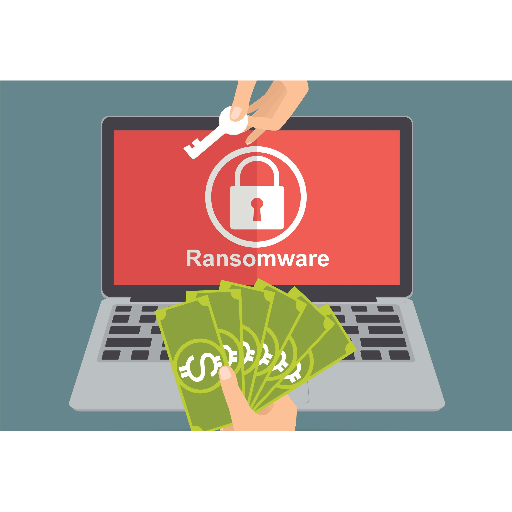
Ransomware is malware that infects a device, encrypts all files, prevents the user from having access to them, and requires a ransom from the user to regain access to those files. If you don't, you could lose your files forever.
For protection: Never click on unsafe links; Use only known download sources; Avoid disclosing personal information; Don't open suspicious email attachments; Keep programs and operating systems up to date.
Carla Rodrigues - Escola Básica de Arões - Fafe - Portugal
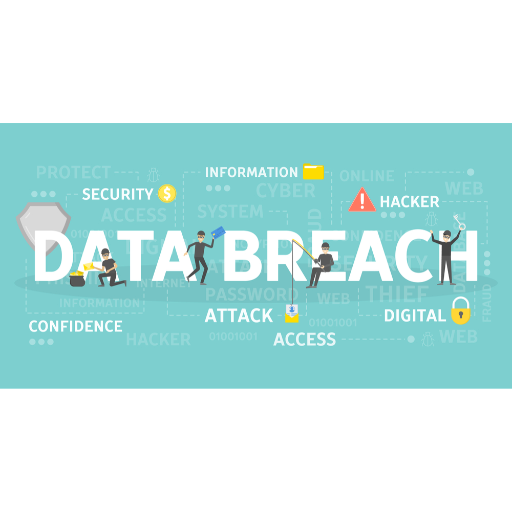
Paula Ferreira - Escola Básica de Arões - Fafe - Portu
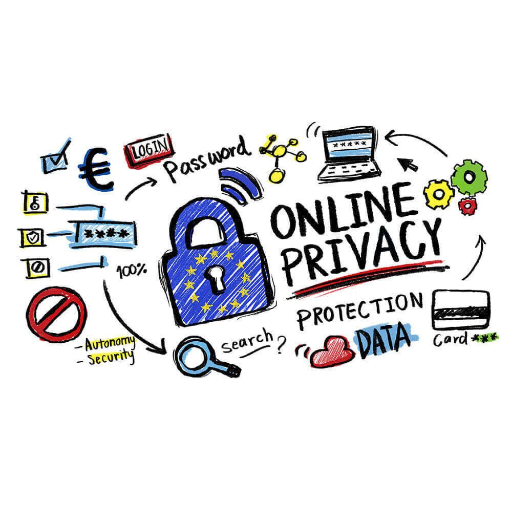
Natália Lopes
Escola Básica de Arões - Fafe - Portugal
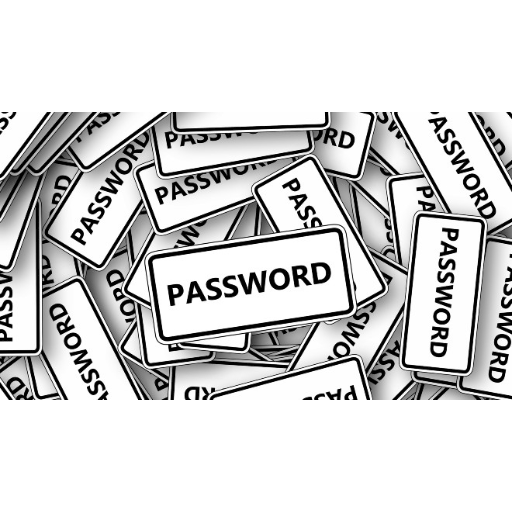
Passwords
First, you must understand what you should´ do when you are creating a password:
- Avoid using proper names; - Avoid important commemorative dates in your life; -Do not use words that integrate dictionaries; - Do not use the worst keywords; - Do not use the Browser password manager; - Do not share your password.
Recommendations for creating a password
- Include uppercase, lowercase, numbers and symbols;
- Mix all these characters;
- Use at least 16 characters.
- Create mnemonics that help you memorize each password.
Carla Costa - Escola Básica de Arões - Fafe - Portugal
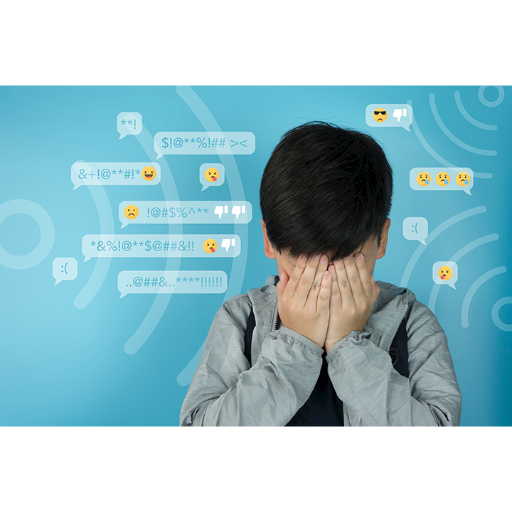
Cyberbullying
Sandra Stiks Osijek, Croatia
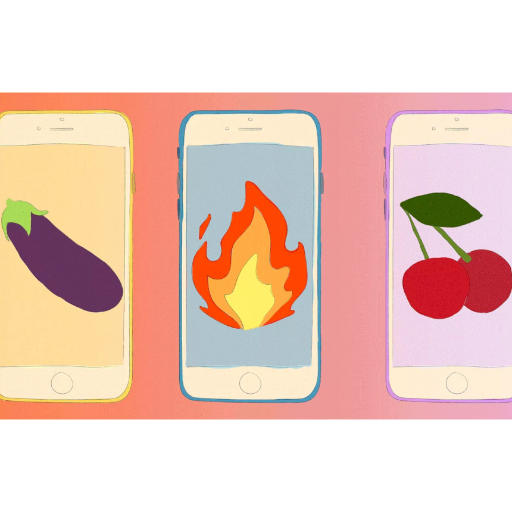
Sexting
Sexting is the term used to describe the upload of erotic or sexual content, such as photographs and videos, over the internet.
How to avoid sexting
Avoid sending intimate content over the Internet as much as possible.
When sending private materials to another person, make sure they are completely trustworthy.
If you send photos or videos, be sure the material is deleted on both the sending device and the one you received. Keep your computers up to date with antiviruses to prevent them from getting hacked.
Have secure passwords on your electronic devices.
Misuse of sexting can generate cyberbullying, stalking, grooming in the case of minors and even cause depression for the person. Sinem Akgeyik - Turkey
- Full access to our public library
- Save favorite books
- Interact with authors

- < BEGINNING
- END >
-
DOWNLOAD
-
LIKE(6)
-
COMMENT()
-
SHARE
-
SAVE
-
BUY THIS BOOK
(from $8.79+) -
BUY THIS BOOK
(from $8.79+) - DOWNLOAD
- LIKE (6)
- COMMENT ()
- SHARE
- SAVE
- Report
-
BUY
-
LIKE(6)
-
COMMENT()
-
SHARE
- Excessive Violence
- Harassment
- Offensive Pictures
- Spelling & Grammar Errors
- Unfinished
- Other Problem
"Media Literacy and Safety Internet"

The book is an alert and the starting point for protecting students from the dangers of the internet by helping and teaching them to avoid risky behavior.





COMMENTS
Click 'X' to report any negative comments. Thanks!