CONTENT
Old English . . . . . . . . . . . . . .
Middle English . . . . . . . . . . . .
Early Modern English . . . . . .
Post / Late Modern English . .

Old
English
Old English or Anglo-Saxon Period (450-1100 AD)
An Exploration of the Evolution of the English Language
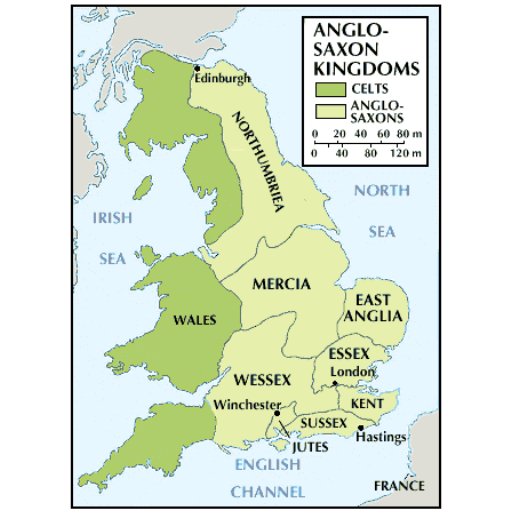

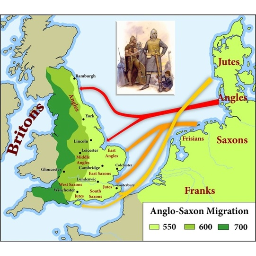
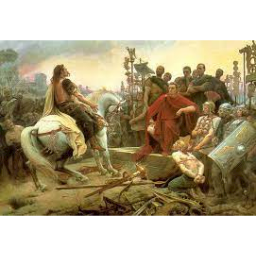
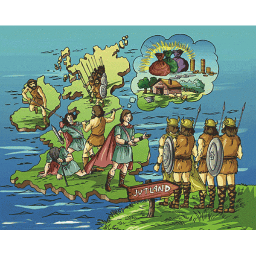
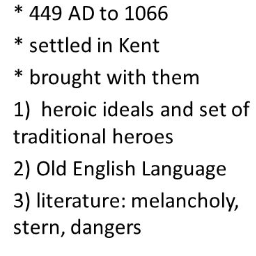
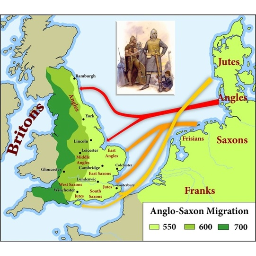
Germanic tribes began to arrive in the British Isles, Anglo-Saxon dialects form the basis of the language we now call Old English.
449
Germanic Tribes Arrivee
Christian missionaries convert Anglo-Saxons to Catholicism. The missionaries inject hundreds of new Latin words into the English language.
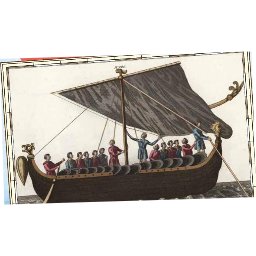
Vikings controlled Eastern England for hundreds of years. They brought almost 2000 new words into the English vocabulary.
c. 700
Earliest manuscript records
597
Christian missionaries arrive
I I I


789
c. 800
1066

Vikings controlled Eastern England for hundreds of years. They brought almost 2000 new words into the English vocabulary.
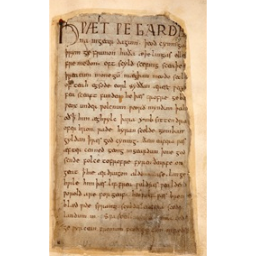
Beowulf, one of the most well-known examples of Old English, was written at this time.
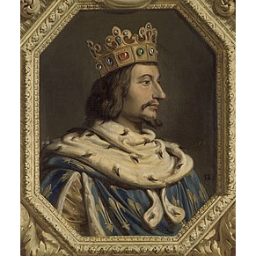
The Normans transform England linguistically and for over 300 years French is spoken by the people in power. Thousands of French words entered the English vocabulary.
I I I
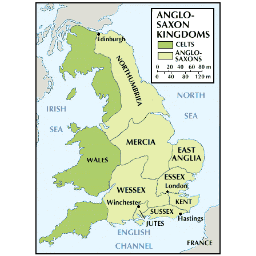
Old English, a variant of West Germanic, was spoken by Angles, Saxons, and Jutes.
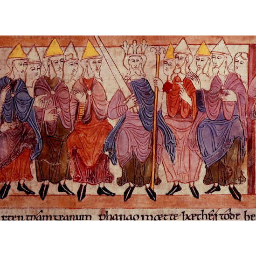
Old English, called Anglo-Saxon, was the language spoken under Alfred the Great and continued to be the common language of England (non-Danelaw) until after the Norman Conquest of 1066.
Old English was very resourceful in the formation of words by means of prefixes and suffixes.
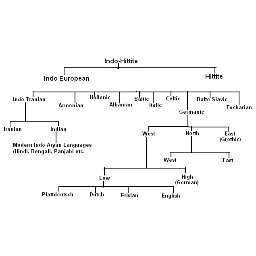
The Old English period is a multi-lingual period – a period with several languages being used simultaneously
FEATURES
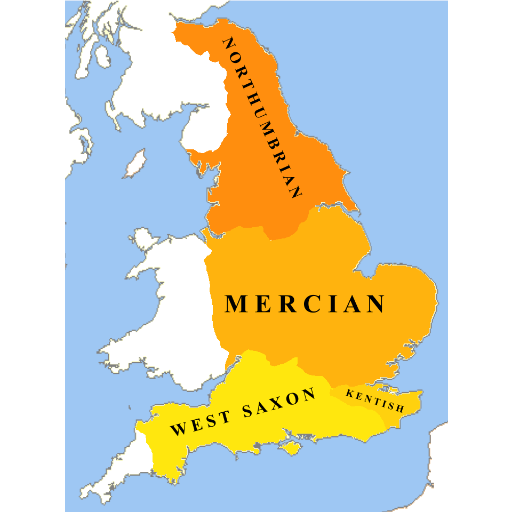
DIALECTS OF OLD ENGLISH
Saxons — South of the Thames (West Saxon area)
Angles — Middle and Northern England (Mercia and Northumbria), including lowland Scotland
Jutes — South-East of England (Kent)
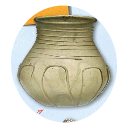
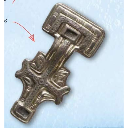
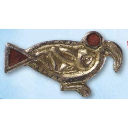
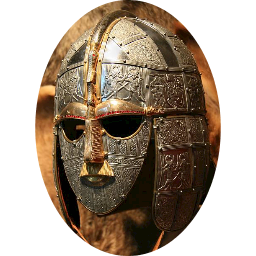
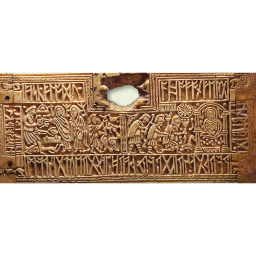
The anglo - Saxons traded useful raw materials, such as metal ore, as well as luxury items, such as jewelry.
Wool and metal, and crafted objects, such as jewelry, weapons, glassware, and pottery.
Brooches and glass jar
INVENTIONS
LINGUISTIC VARIATIONS
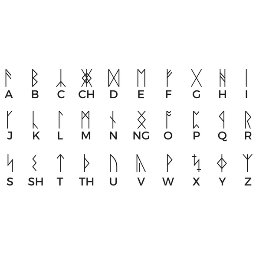
The most significant feature of Old English is its pronunciation of words differing from the ones that exist today.
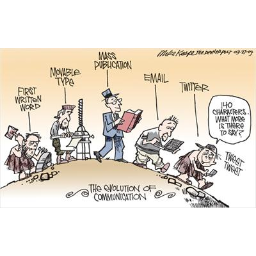
It is an inflected language though not so highly inflected as the classical languages such as Sanskrit, Latin and Greek.
Its vocabulary with the exception of five hundred loan words consisted of about thirty thousand words inherited from the common Teutonic stock.
To spell words "phonetically" with the result that each dialect, with its different sounds, was rendered differently and inconsistently, over time,
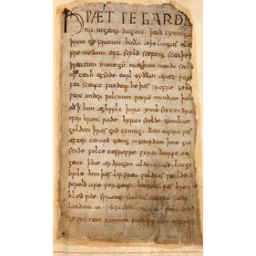
VOCABULARY
SPELLING
SELLING
PRONUNCIATION
FAMOUS PEOPLE
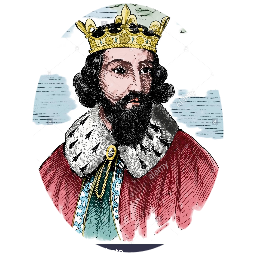
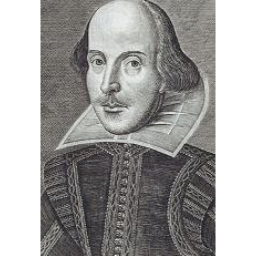
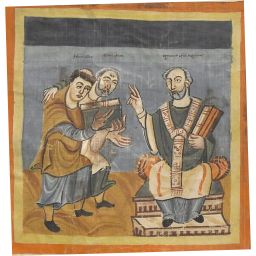
Alfred the Great
The First English King
He became famous for defending his kingdom against the Vikings, becoming the only king of his dynasty as a result.
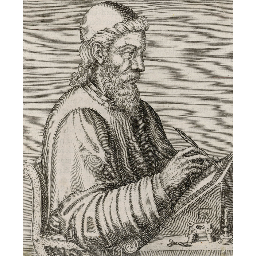
BEDE
Greatest of all the Anglo-Saxon Scholars
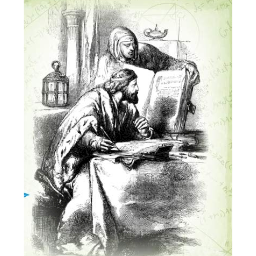
He was an author, teacher, and scholar, and his most famous work called the "Ecclesiastical History of the English People, gave him the title" The Father of English History.
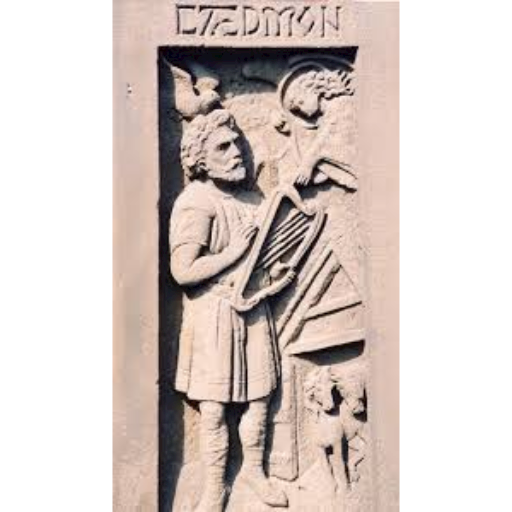
Caedmon
The oldest known English Poe
He one night went to sleep and, in the dream, he was asked to sing, at first, he refused, but then he composed a short poem in praise of God as the creator of heaven and earth.
Cynewulf
Preeminent figures of Christian poetry
He was a poet. Although there is not much information about him, he composed more poems than Caedmon such as:
* The Fates of the Apostles
* Juliana
* Elene Christ II
The Middle English Period
(1100-1500)
The Middle English period saw the breakdown of the inflectional system of Old English and the expansion of vocabulary with many borrowings from French and Latin.
1066
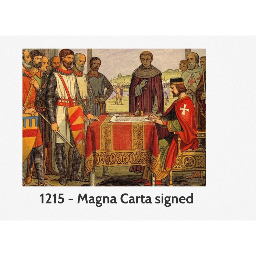
1348
1990
I I I
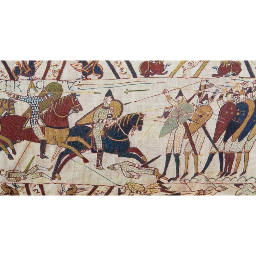
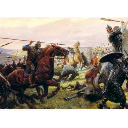
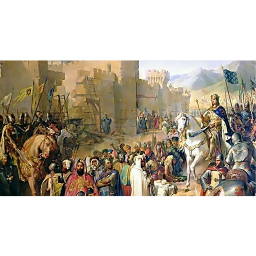
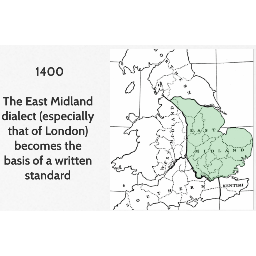
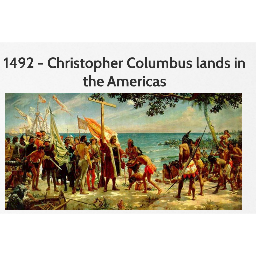
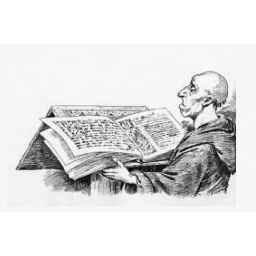
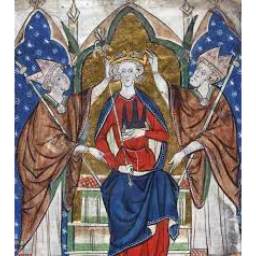
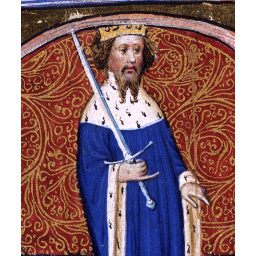
King Henry III
The pronunciation differences between the harsher, more guttural Anglo-Norman and the softer Francien dialect of Paris were also carried over into English pronunciations.
Chaucer and the Birth of English Literature
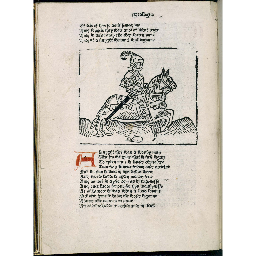
Geoffrey Chaucer began writing his famous “Canterbury Tales” in the early 1380s, and crucially he chose to write it in English.
- William Langland’s “Piers Plowman” and the anonymous “Sir Gawain and the Green Knight”.
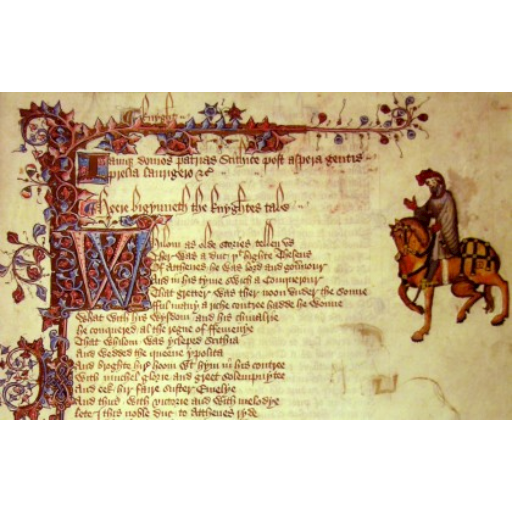
"Canterbury Tales" is usually considered the first great works of English literature, and the first demonstration of the artistic legitimacy of vernacular Middle English, as opposed to French or Latin.
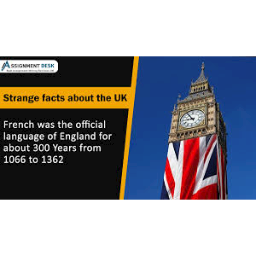
1362: English becomes the official language in England.
Late 15th century: Second edition of Chaucer's The Canterbury Tales, by William Caxton.
Early Modern English
1500 - 1800
A major factor separating Middle English from Modern English is known as the Great Vowel Shift, a radical change in pronunciation during the 15th, 16th and 17th Century.
Timeline:
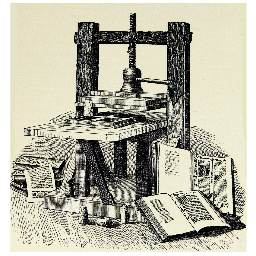
1500: the first printing was press established.
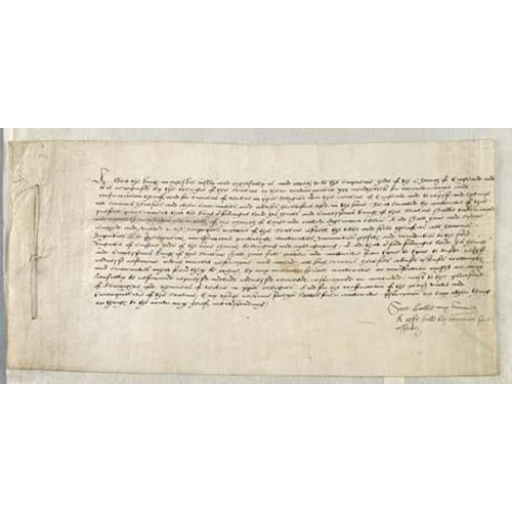
1539: English translation of the bible.
1604: the first dictionary.
1655: the great plague.
1700: industry revolution.
1762: Rober Lowth published a short introduction to English Grammar.
Features:
.Products such as tobacco and chocolate were famous.

Events
Inventions
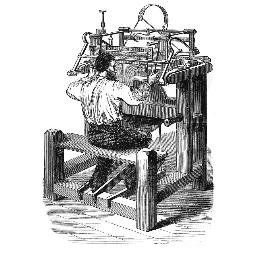
1589: The stocking frame, a mechanical knitting machine used in the textile industry. It was invented by William Lee.
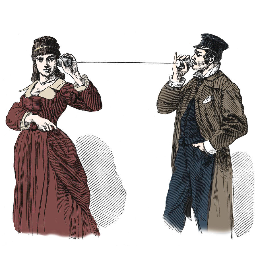
1667: Tin can telephone, a device that conveyed sounds over an extended wire by mechanical vibrations. It was invented by Robert Hooke.
1714: Patent for an apparatus regarded as the first typewriter granted to Henry Mill.
Linguistic variations
The great vowel shift
"Name"
a_ _ _ e
"narmay" "naym"
The 3rd person singular verb form added "es" to the endings instead of "eth"
Silence of consonants:
"k" in knight
letters "b" and "g" in "lamb" and "hang
- Full access to our public library
- Save favorite books
- Interact with authors
THE END
Thanks for reading me!
- < BEGINNING
- END >
-
DOWNLOAD
-
LIKE(1)
-
COMMENT()
-
SHARE
-
SAVE
-
BUY THIS BOOK
(from $6.99+) -
BUY THIS BOOK
(from $6.99+) - DOWNLOAD
- LIKE (1)
- COMMENT ()
- SHARE
- SAVE
- Report
-
BUY
-
LIKE(1)
-
COMMENT()
-
SHARE
- Excessive Violence
- Harassment
- Offensive Pictures
- Spelling & Grammar Errors
- Unfinished
- Other Problem





COMMENTS
Click 'X' to report any negative comments. Thanks!