
Activating Prior Knowledge:
Cues & Questions
Activating Prior Knowledge: Cues & Questions
Prior knowledge must be activated in order for teachers to acquire accurate and complete information on students' current comprehension and abilities.
It's also critical for students to recall what they already know about a topic or situation and to build on that knowledge to learn new things. Prior knowledge activation requires eliciting what students already know as well as establishing the fundamental knowledge they'll need to access new topics.
Students are given suggestions about the subject of a lesson through cues. Teachers can use questions to examine what kids don't already know.
Activating Prior Knowledge: Cues & Questions
Instead of focusing on what's fun, cues and inquiries should focus on what's important. Creating ties between critical information and existing knowledge can help to increase engagement.
Use questions BEFORE the learning experience works most effectively.
By asking questions before a learning experience, students can approach it with a positive perspective.This strategy can be used in physical education by:
- Students should be asked to recall related events from their prior knowledge and connect them to the upcoming learning.
- Ask students to guess actions, sensations, and other information relevant to the objects of study in questions.
Example: Basketball
What type of ball am I holding?
What sport is this ball used in? How is it used?
Can someone demonstrate how this ball is used in sport or play? What have you done with a ball like this before?
Guest Speaker: Instructional Strategy
Guest Speaker: Instructional Strategy
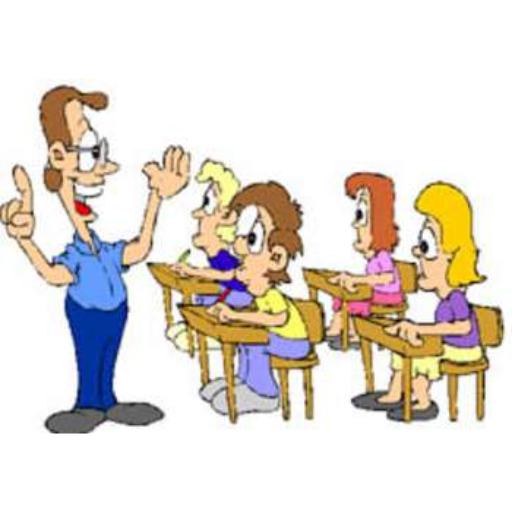
Lessons become more participatory with the help of guest speakers. A guest speaker can fulfill a variety of functions. They can stimulate a gathering, motivate them, support the event's themes, add value by giving deep understanding, and provide a fresh perspective.
Students can ask questions and get answers that they wouldn't find in a textbook or on a video. Bringing in a guest speaker is a good approach to ensure that learners understand the points the teacher is attempting to make.
Guest speakers can demonstrate to students why the concepts they are learning in school are important to understand and can bring the topic to life for them.
Guest Speaker: Instructional Strategy
Students can study in a more interesting and topic-specific manner by attending presentations. Not only for students, but also for teachers' knowledge and practices.
How can this strategy be used in physical education?
- Have guest speaker introduce topic or subject that students can connect to with what they are learning in class
- Guest speaker can also story tell some of their work and experiences that will spark curiosity and connections with the students
- Guest speaker can physically have students engage physically
- Example: Basketball : Introduce Basketball team owner or any representor, actively engage with students
Hands on Learning
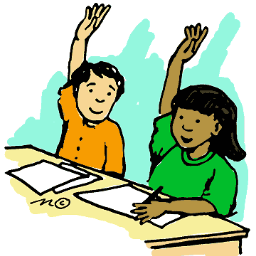
Hands on Learning
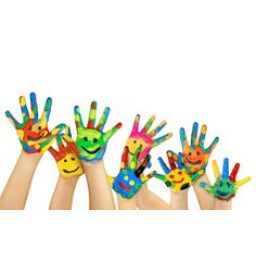
Hands-on learning is a method of teaching in which students learn by doing.
Rather than only listening to a teacher or instructor talk on a subject, the student interacts with it to solve a problem or create something.
When students engage by doing something hands-on in order to understand, this is known as hands-on instruction.
Hands-on education can involve things like practicing a physical skill, filling out a worksheet, or making a map.
Hands on Learning
Hands-on activities allow kids' minds to grow and learn as a result of their experiences and surroundings.
How can hands on learning be used in a physical education class?
- Students completing activities that require physical sport play, such as soccer, basketball, running, jump ropes and more.
- Lesson can add physical experience for hands on learning.
Learning Centers
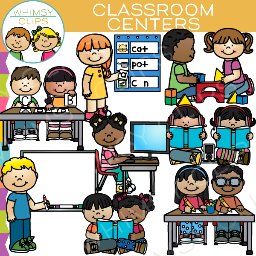
Learning Centers
A learning center is a distinct place within a classroom that offers students exciting and engaging opportunities to practice, deepen understanding , and increase their learning.
They practice academic abilities by participating in various activities during the school day that allow them to use the materials available for creating, study, and make discoveries.
Learning centers encourage youngsters to feel fulfilled by doing tasks that are meaningful to them.
Learning centers place a greater emphasis on giving personalized education to pupils who are having difficulty grasping concepts or understanding subject material.
Learning Centers
Different learning styles are accommodated by well-chosen center activities, which allow students to self-direct while applying skills and methods in exciting, engaging ways.
Centers enable teachers to focus on the specific requirements of small groups of students.
How can learning centers be used in a physical education classroom?
Placing learning centers in gym would be very effective. The learning centers could consist of sports practices, independent work, group work. The subjects can differ as well. Possible one center in gym could be reviewing exercises and demonstrating, another one center could be for students who possibly don't feel physically ready to join others. There are many centers that can be placed in physical education. Each interaction is unique to the student.
Music and Songs: Placing the Arts at Aid
Music and Songs: Placing the Arts at Aid
When music is used correctly, it can provide a number of advantages: Anxiety and stress levels are reduced.
Aids in the emotional regulation of children.
Concentration and on-task conduct are improved.
Musical instruction aids in the development of language and reasoning:
Students who receive early musical training develop the parts of the brain that are responsible for language and reasoning.
Students learn how to enhance their work in the following ways: Learning music encourages pupils to strive for excellence.
- Full access to our public library
- Save favorite books
- Interact with authors
- < BEGINNING
- END >
-
DOWNLOAD
-
LIKE
-
COMMENT()
-
SHARE
-
SAVE
-
BUY THIS BOOK
(from $4.79+) -
BUY THIS BOOK
(from $4.79+) - DOWNLOAD
- LIKE
- COMMENT ()
- SHARE
- SAVE
- Report
-
BUY
-
LIKE
-
COMMENT()
-
SHARE
- Excessive Violence
- Harassment
- Offensive Pictures
- Spelling & Grammar Errors
- Unfinished
- Other Problem






COMMENTS
Click 'X' to report any negative comments. Thanks!