Table of contents
1. Table of contents
2.Immune system, pathogens
3.Barriers from infection, Skin
4.Saliva, sweat
5.Mucus, stomach acid
6.Bone Marrow, Blood WB
7.Thymus
8.Lymph nodes
9.Spleen
10.Vaccines, medical help, antigens, anti bodies,

Immune system and Pathogens
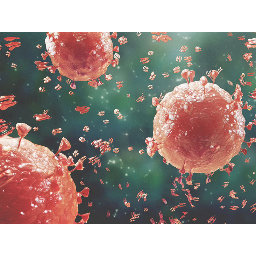
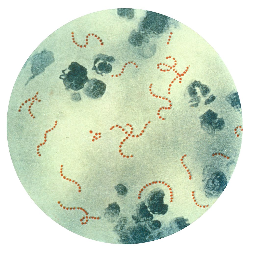
Pathogens are probably the most deadly things to the human species because they are able to adapt and can be in a range from a mild cold with no symptoms or can hospitalize or even kill you. The average pathogen sizes are just a handful of micrometres which you can only see them with a microscope. The prominent pathogen at the moment is the Covid 19 variant named Delta; this specific variant is highly infectious with a lower mortality rate than some of its counterparts such as the Beta variant which originated in South Africa. There are other viruses out there and some we have vaccines for such as chicken pox.
The immune system is a very important part of the human body which protects us from the foreign pathogens and any infected cells. The immune system accomplishes this with a variety of defence mechanisms such as our blood, skin and stomach acid. Each layer of defence from pathogens are mostly effective at defeating every pathogen that enters our bodies without any outside interference from medical professionals. However there is a way in which medical professionals help our bodies in the long term such as vaccines and antibiotics.

Barriers of infection
Our bodies initial main defence against foreign pathogens are the skin, saliva, mucus, stomach acid and sweat. Each of these barriers increasingly make it more difficult for the pathogens to invade our body by either killing the molecules that carry it or just plainly preventing it from entering the body.
The skin is our main initial defence that covers all of our body. Skin microbes are essentially little molecules that live on our skin that will eat any pathogens they deem a threat that’ll jeopardize someone's health. Skin microbes live in a symbiotic relationship with us because we allow them to have a habitat on us while in return they protect us.


Saliva
Saliva contains lactoferrin and lyzozyme, proteins that inhibit bacterial growth in the mouth. They help prevent inflammation and have antioxidant properties that support the immune responses your body triggers.
Sweat glands help our skin filter toxins out of the body, which in turn boosts our immune system. Sweating also cools our body and maintains proper body temperature.
Sweat
Mucus
Mucus is our body's equivalent to fly paper, it lines the nose trapping the dirt and germs stopping them from damaging the lungs. But it does better than just sticking to them – mucus is loaded with protective proteins that kill and disable germs, like bacteria and viruses.
Stomach acid
The secretion of hydrochloric acid by the stomach plays an important role in protecting the body against pathogens ingested with food or water.
Bone Marrow
The bone marrow is extremely important to the immune system because all the body's blood cells (including T and B lymphocytes) originate in the bone marrow. B lymphocytes remain in the marrow to mature, while T lymphocytes travel to the thymus.
- Full access to our public library
- Save favorite books
- Interact with authors

- < BEGINNING
- END >
-
DOWNLOAD
-
LIKE(1)
-
COMMENT()
-
SHARE
-
SAVE
-
BUY THIS BOOK
(from $3.19+) -
BUY THIS BOOK
(from $3.19+) - DOWNLOAD
- LIKE (1)
- COMMENT ()
- SHARE
- SAVE
- Report
-
BUY
-
LIKE(1)
-
COMMENT()
-
SHARE
- Excessive Violence
- Harassment
- Offensive Pictures
- Spelling & Grammar Errors
- Unfinished
- Other Problem

COMMENTS
Click 'X' to report any negative comments. Thanks!