


European Citizenship Project
What does it means?
European Union Treaties
The Fundamental Rights of EU
The European Union Institutions and Flags
European social policies
Cultural Diversity
EUROPEAN TREATIES
The Treaty of Rome is the name given to two treaties: the Constitutive Treaty of the European Economic Community (EEC) and the Constitutive Treaty of the European Atomic Energy Community (Euratom)
They were signed on 25 March 1957 in Rome by West Germany, France, Italy, Belgium, the Netherlands and Luxembourg.
It entered into force on 1 January 1958.
EUROPEAN TREATIES
The signing of the Rome treaty is the culmination of a process that comes after World War II, which left Europe economically and politically destroyed, and weakened in the face of the two superpowers: the United States and the Soviet Union.


EUROPEAN TREATIES
The Treaties of Rome meant a triumph for Europeanists such as Robert Schuman and Jean Monnet who, in the face of the impossibility of immediately consolidating a political union, developed a process of integration that gradually affected various sectors of the economy, creating supranational institutions in which member states give part of their sovereignty over certain competences.

EUROPEAN TREATIES
Maastricht treaty created the European Union with the intention of easing it with a political aspect (1 November 1992).
European Commission President Jacques Delors, a socialist and former trade unionist, has gathered the will of the governments of the Member States, excluding the United Kingdom, to enter a social protocol annexed to the treaty - a light version of the Community Charter on The Fundamental Social Rights of Workers adopted in 1989 by the Member States.
EUROPEAN TREATIES
Treaty of Amsterdam (1 May 1997) incorporated social aspects, with the Labour Prime Minister Tony Blair. It advances, especially in the fight against discrimination and in the field of employment support, to give possible the European Employment Strategy, launched shortly before (November 1997) in Luxembourg.
At the 2000 Nice Summit, when the treaty was adopted, the EU European Charter of Fundamental Rights (CDFUE) was adopted with a political value, incorporating all existing social rights in the Union.

EUROPEAN TREATIES
CFRUE proclaimed at the Nice Summit on 7 December 2000.
The Charter of Fundamental Rights of the Union reinforces the concept of European citizenship, summing up, in a single text of 54 articles, all the civic, political, economic and social rights of European citizens, as well as of all persons residing in the territory of the Union.
It is divided into six chapters: dignity, freedom, equality, solidarity, citizenship and justice.
EUROPEAN TREATIES
The Treaty of Lisbon (signed 13 December 2007; enter into force on 1 December 2009):
Recognized legal value to this code of fundamental rights.
Formalized the autonomy of social policy (improving the environment and working conditions, social protection of workers, dialogue between social partners, combating exclusions and discrimination).
EUROPEAN TREATIES
The Treaty of Lisbon also focused on Policies and actions, in particular with regard to a high employment index, adequate social protection, the fight against social exclusion and a high level of education, training and protection of human health.
Successive enlargements, inherent in the market dynamics itself, have made Europe more unequal, the gap in levels of development between Member States, regions and living standards has widened ---- Structural funds have been created, of which the European Social Fund (ESF) is the most relevant.
European Union Institutions
There was created a set of institutions:
- European Council
- European Parliament
- Court of Justice of the European Union
- European Economic and Social Committee
In this way, a process began in which progressive economic integration has paved the way for political union.
- European Commission
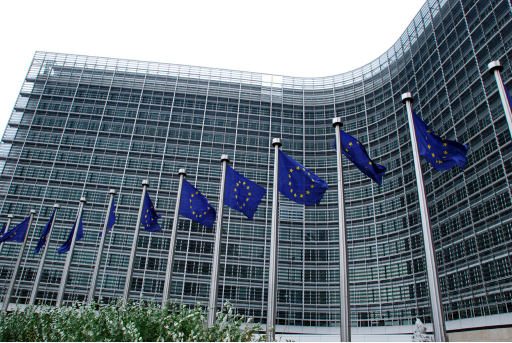
- European Council
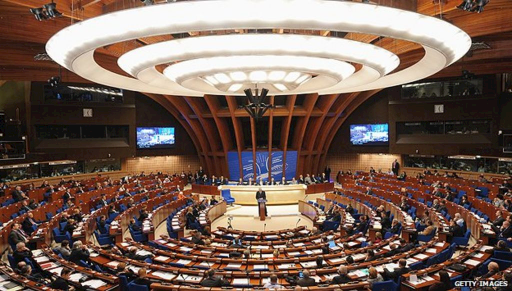
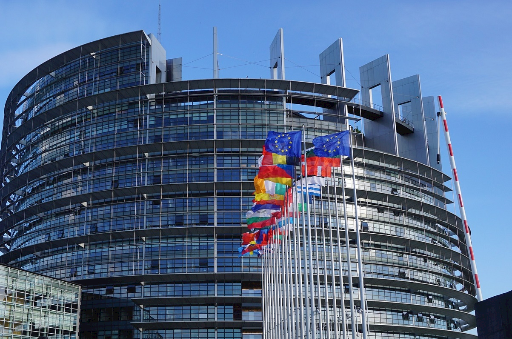
- European Parliament
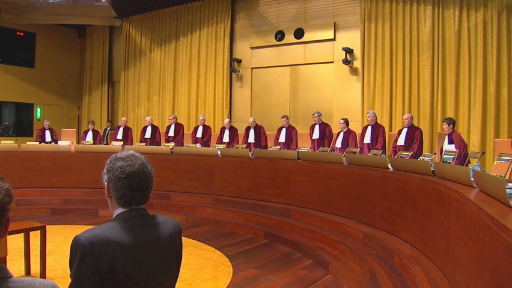
- Court of Justice of the European Union
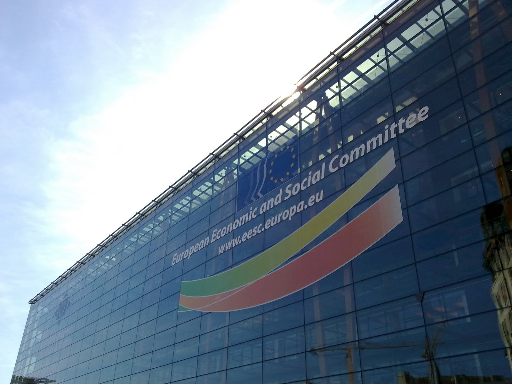
- European Economic and Social Committee
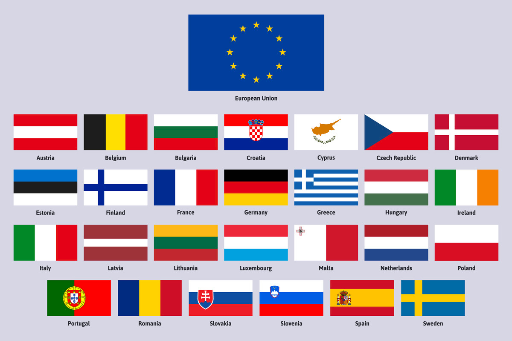
European Union Flags
Social Policies
Social Policies
Employment Policies
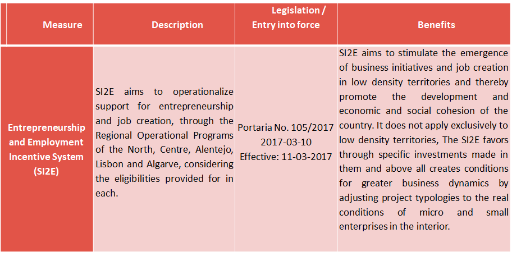
In 2016, the Portuguese National Entrepreneurship Strategy in line with the European Union Strategy was launched to boost competitiveness and attract national and foreign investment and in 2017 the Entrepreneurship and Employment Incentives System (SI2E) to encourage the emergence of business initiatives and job creation especially in low density territories and, in this way, promote the development and economic and social cohesion of the country.
Social Policies
Social Policies
Education Policies focus on Future Skills

Social Policies
Education Policies focus on Future Skills

Social Policies
Education Policies focus on Future Skills

Social Policies
Education Policies focus on Future Skills

Social Policies
Education Policies focus on Future Skills

Social Policies
Education Policies focus on Future Skills

Cultural Diversity

Euroepan citizenship and cultural differences
•Cultural values (and its manifestation);
•Diversity;
•Stereotypes (prejudice and discrimination);
•Group membership;
•Intergroup relationships;
•… How all these aspects influence our individual identity.
Cultural Diversity

Contiunue to Construct Europe
Keep the challenge going
- < BEGINNING
- END >
-
DOWNLOAD
-
LIKE
-
COMMENT()
-
SHARE
-
BUY THIS BOOK
(from $5.79+) -
BUY THIS BOOK
(from $5.79+) - DOWNLOAD
- LIKE
- COMMENT ()
- SHARE
- Report
-
BUY
-
LIKE
-
COMMENT()
-
SHARE
- Excessive Violence
- Harassment
- Offensive Pictures
- Spelling & Grammar Errors
- Unfinished
- Other Problem





COMMENTS
Click 'X' to report any negative comments. Thanks!