
China: short history
It’s hard to say how old Chinese culture actually is, but it’s one of the oldest that still has a presence in the modern world.
The earliest ruling dynasty of China to be established in recorded history, the Shang (1600-1050 B.C.) was headed by a tribal chief named Tan. The Shang era is marked by intellectual advances in astronomy and math.
(https://www.google.com/url?sa=i&url=https%3A%2F%2Fwww.history.com)
Confucius (551–479 B.C.) is a Chinese teacher, politician and philosopher who devoted most of his time to teaching. His ideas (including, “Wheresoever you go, go with all your heart,” and “It does not matter how slowly you go so long as you do not stop.”) would become central to Chinese culture over time and endorsed by the government.
(https://www.google.com/url?sa=i&url=https%3A%2F%2Fwww.nationalgeographic.co
The Qin Dynasty (221-206 B.C.), from which China derives its name (Qin is pronounced “Chin”), was the first official empire in its history. The Qin Dynasty created the first Asian superhighway, the 500-mile Straight Road, along the Ziwu Mountain range, and began work on the Great Wall by expanding the northern border wall.
(https://www.google.com/url?sa=i&url=https%3A%2F%2Fwww.cchatty.com%2FQin-Dynasty)
(https://www.google.com/url?sa=i&url=https%3A%2F%2Fonestep4ward.com%2Fvisit-great-wall-china-beijing)
Terracotta warriors from the mausoleum of the first Qin emperor of China Qin Shihuang, c. 221-206 B.C.E., Qin Dynasty,
(https://www.google.com/url?sa=i&url=https%3A%2F%2Ftheculturetrip.com%2Fasia%2Fchina%2Farticles%2Fa-brief-history-of-china-qin-dynasty)
The Chinese Cai Lun (105 A.D.) developed paper by pounding together ingredients like bamboo, hemp, bark and others and spreading the pulp flat.
(https://pbs.twimg.com/media/EYLOCTrU8AA22IJ.png)

In 1949, the Communist Party declared the People’s Republic of China. Communist party chairman Mao Zedong became China’s new leader. One of the most important events in the communist history of China is the 1989 Tiananmen Square protests. These student-led protests grew from the '89 Democracy Movement demanding freedom of speech, freedom of the press and more. They gained worldwide attention when the government violently cracked down on the protesters and images of tanks rolling into students inspired universal condemnation. At least 300 died in the protests.
(https://upload.wikimedia.org/wikipedia/commons/b/bd/Tiananmen_Square%2C_Beijing%2C_China_1988_%281%29.jpg)
SOURCES: https://www.history.com/topics/china/china-timeline
CHINA - TOURIST ATTRACTIONS
The Great Wall of China is a series of fortifications that were built across the historical northern borders of ancient Chinese states. It is the longest structure humans have ever built. It is about 21,196 kilometers long, 9.1 metres (30 feet) wide and 15 metres high.
The Forbidden City (Chinese name: Gugong, 'the Former Palace', 故宫) was the palatial heart of China. Constructed in 1420, during the early Ming Dynasty, it is China's best-preserved imperial palace, and the largest ancient palatial structure in the world.
The Forbidden City is an imperial palace complex of the Ming and Qing dynasties (1368–1912) in Beijing, China. As one of the five most important palaces in the world, the grand halls and walls proudly display the essence and culmination of traditional Chinese architecture, fitting for the capital city of the world's largest nation.
Considered one of the world's most important historic gardens - hence their designation as a UNESCO World Heritage Site - the Classical Gardens of Suzhou should rank highly on your China travel itinerary. Located in the historic city of Suzhou in Jiangsu province, these magnificent gardens were established in the 11th century, at a time when the city was experiencing unprecedented growth, and were among some 270 or more gardens planted here.
The Summer Palace
An easy 15-kilometer commute from Beijing, the sumptuous Imperial Summer Palace (Yíhé Yuán) is set amid more than 700 acres of beautiful parkland and is one of China's most visited attractions. While the palace itself was built in 1153, its large lake was added in the 14th century to enhance the Imperial Gardens.
"The mountain is a Buddha and the Buddha is a mountain." So goes the famous Chinese saying, one that's attributed to the spectacular 71-meter-tall Leshan Giant Buddha. And it certainly makes sense as you stand at its feet as the colossal statue towers high above you.
The town of Guilin, in the northeast corner of Guangxi, boasts some of China's most beautiful countryside and is famous for the Li River, which meanders through the town and surrounding karst mountains. While for hundreds of years this unique scenery has attracted poets and artists and has been the subject of countless fairy tales and legends, these days, it's popular with tourists from around the world wanting to see this natural splendor up close.
Here, you'll have the chance to watch as many as 80 pandas go about their daily routines, from foraging to playing in the facility's large park-like setting.
NATURAL BEAUTIES OF CHINA
REFERENCES:
https://www.planetware.com/tourist-attractions/china-chn.htm
https://www.chinahighlights.com/travelguide/article-christmas-travel-in-china.htm
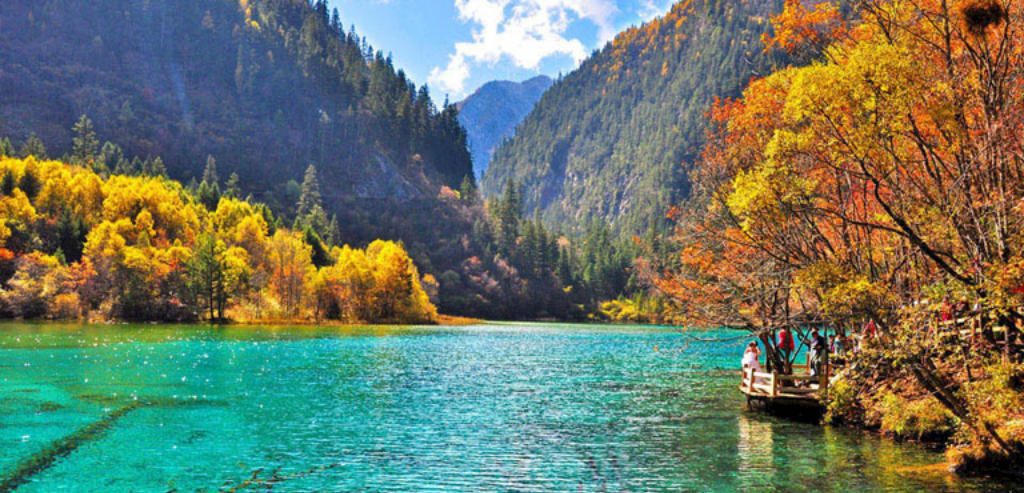
Located at an elevation of nearly 3000m, Jiuzhaigou National Nature Reserve is a World Natural Heritage, National Geopark and the first preserve set up for natural landscape in China. Waters in Jiuzhaigou Valley is superior to all unnecessary is the perfect description of this fairy tale world, where affords fantastic springs, waterfalls, rivers and shoals. The geopark contains 74 national reserve rare plants, 18 precious animals and abundant ancient fossils and glacial landform. Rare wild animals like Giant Panda, Golden Monkey and the natural habitat are the key protected objects.
Named after the nine Tibetan villages in the canyon, Jiuzhaigou is world famous for the natural diversity of beautiful emerald lakes, double waterfalls, colorful forests, snow-capped peaks, glacier ice and Tibetan folks (Six Wonders of Jiuzhaigou). Among the108 mountain lakes in different size and colors, Five Flower Lake in light yellow, dark green, deep blue and other colors are the dramatic spot and marvellous essence of Jiuzhaigou. Nuorilang Waterfall of 270m wide and 24.5 high are the broadest waterfall in China. Dark blue Changhaizi Lake (the deepest lake in Jiuzhaigou), Five Color Pond (the smallest pool with richest colors), jade-like Rhinoceros Lake, Panda Lake, Pearl Shoal Waterfall are gorgeous waterscapes you can never miss.
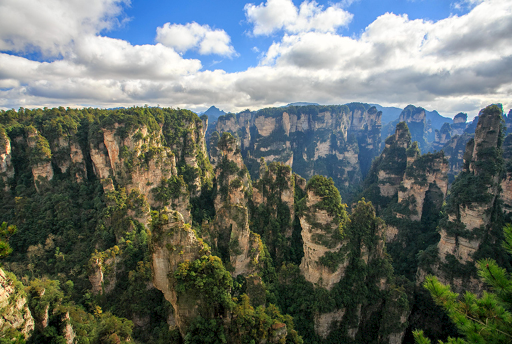
Known by the world for the movie Avatar from James Cameron, Zhangjiajie is the first National Forest Park of China and a World Geopark listed in 2004. Covering an area of 1840 hectares, the Zhangjiajie Park is a heavenly Pandora formed by complex geological structures and peculiar landforms, say more than 3000 remarkable peaks standing into sky. As a magic creation from the nature, Zhangjiajie in Wulingyuan is the wonderland where many Chinese TV productions or movies were filmed, like the Dream of Red Mansions, Journey to the West - two of the four greatest Chinese novels.
Identified as National Forest Park with Yangjiajie, Tianzi Mountain, Suoxiyu Nature Reserve, Zhangjiajie is the most excellent part of capacious Wulingyuan Scenic and Historic Area. As a paradise for adventurers, here are countless vertical cliffs, beautiful Golden Whip Brook, thrilling glass skywalk encircling Tianmen Mountain for 60m, the highest water-eroded mountain cave – Tianmen Cave, frightening Yaozi Village, best views of all the peculiar peaks and top stone bridge in broad Yuanjiajie, One Step to Reach the Sky in the lasted discovered Yangjiajie with dense forest, shrinking fairyland to watch the most original natural landscape in Tianzi Mountain, perfect site to watch sunrise in lion-like Huangshi Village…
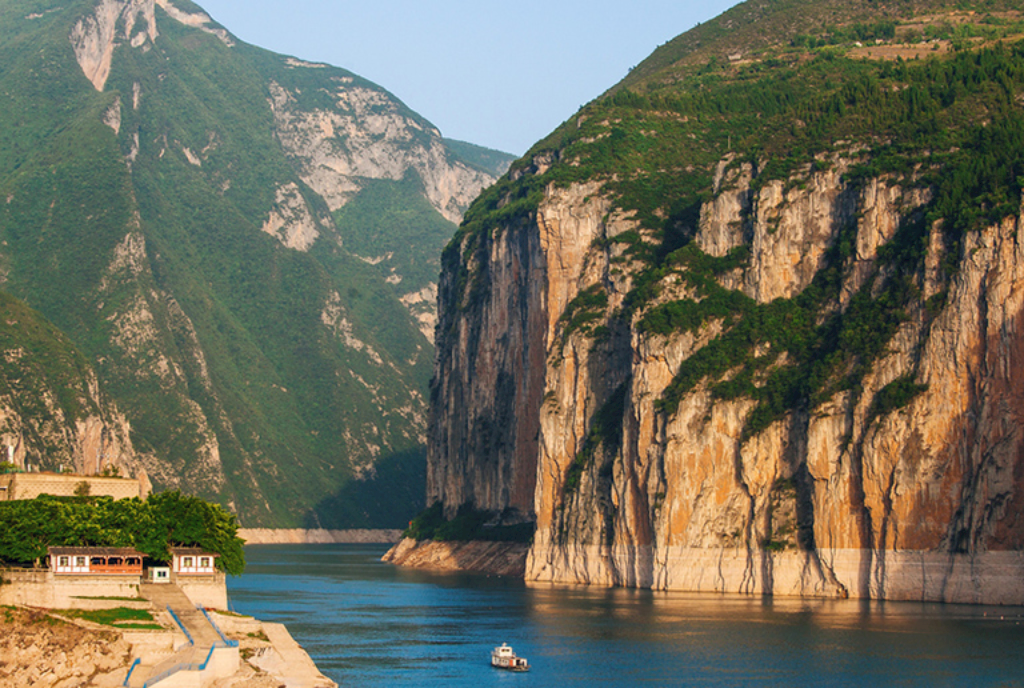
As a 193km long gores belt, it begins in the Baidi City, Fengjie County, Chongqing in the west and ends in the east Nanjin Pass, Yichang, Hubei with steeply rising peaks, cliffs on both riversides. The 8km long Qutang Gorge located in Chongqing is the shortest but the grandest gorge where bluffs stand upright for hundreds of meters. Wuxia Gorge in the middle extends 46km in a beautiful bendy gallery where scroll the deep valley, twisting rivers, green hills and scenery aside constantly. The longest segment - Xiling Gorge with 120km is the most thrilling shipping channel once high praised by many ancient poets like Libai, Bai Juyi… Zigui in south Xiling Gorge bred the great patriotic poet Qu Yuan and the legend Wang Zhaojun. Long ago, the heroes from the Three Kingdoms fought against each other with surprising wisdom in the gorges, decorates the nature into more attractive.
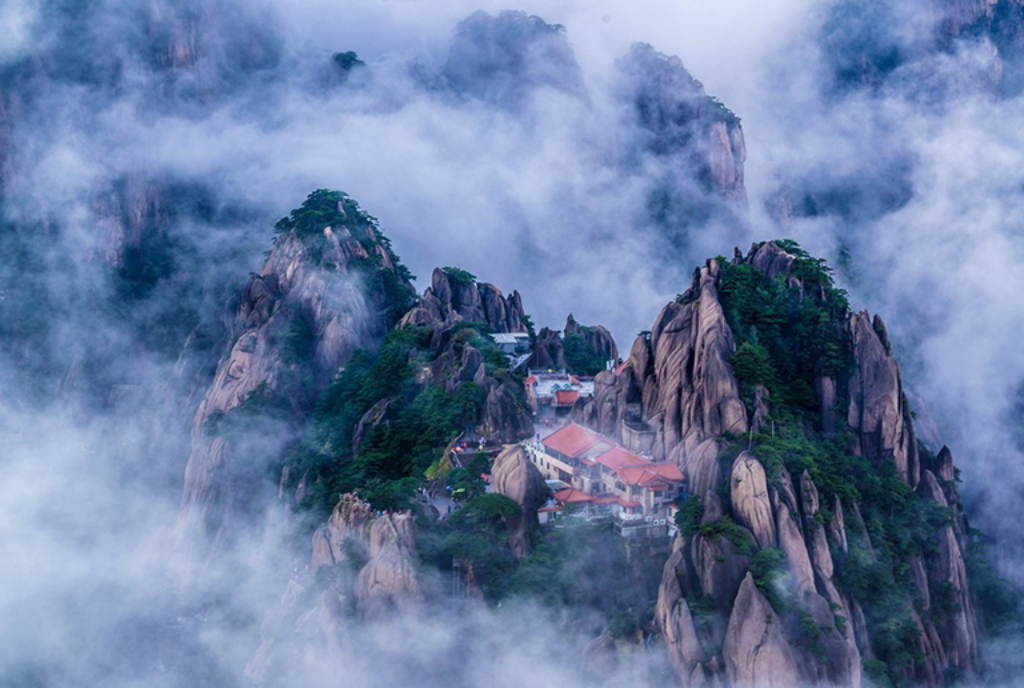
Clouds Sea is the top of Four Unique Natural Wonders on Mount Huang. Since ancient times, Yellow Mountain is called Yellow Sea, a shadowy Penglai fairyland where steep peaks are hidden in the thick clouds and mist. Get the luck to enjoy the Clouds Sea on a mountain top, you will gasp in great admiration at the fantastic experience on this land, as if you already ascended into immortal.
On the average, the mist happens on Mount Huang more than 200 days, and the Clouds Sea can only be watched in a minimal chance to about 50 days a year. Drifting with the wind, clouds and mist all over the sky fly down and up, circle round and stretch to make up a special grand sight of dynamic Clouds Sea. Everytime the sea of clouds emerge, Mount Huang is redistricted into couples of oceans with white misty clouds. Just then, the beautiful and exotic peaks shrouded in the heavy mist expose the authentic appearance in the faint and the floating clouds and mist swim among the mountain pool like a thin layer of veil, a prefect landscape changes in every second and forms into a fresh new one next. Five Seas in different location of main peaks on Mount Huang is the best sites to enjoy multiple types and scenery of Clouds Sea when the Sun rises, or before sunset, after raining.
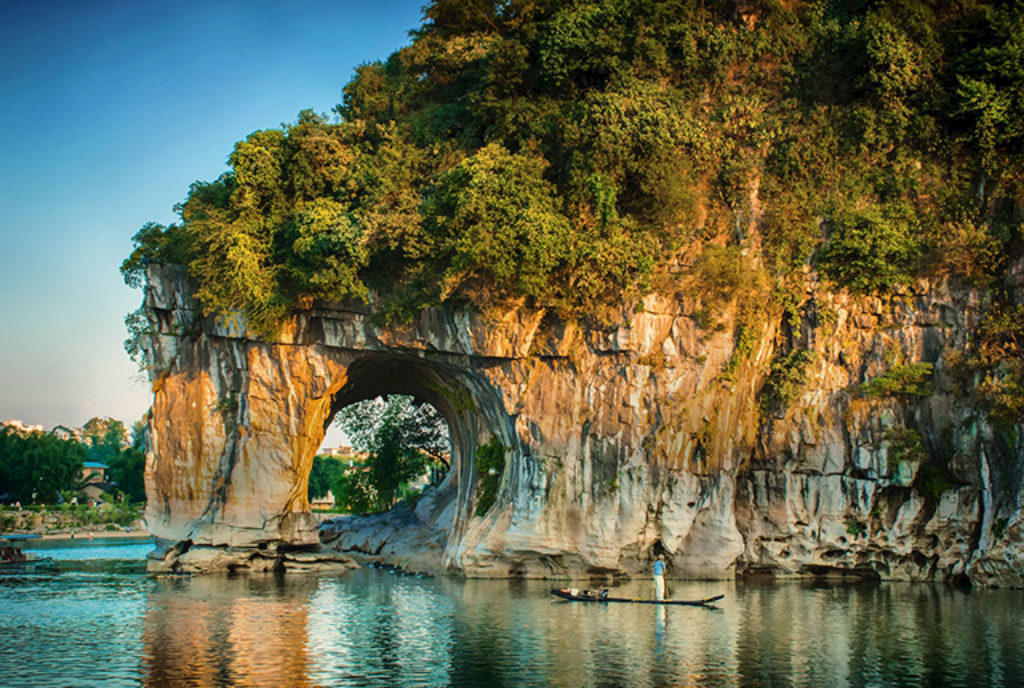
As the best presentative of Karst landform, the distinctive Landscape of Guilin has officially listed as World Natural Heritage in 2014. For thousands of years, nature beauty there has a reputation that Guilin scenery tops else around the country. With plentiful eyeable attractions, world’s biggest and best karst tourism spot - idyllic Li River scenic area has four great wonders of Guilin, green hills, beautiful rivers, odd caves and fabulous stones.
The best two contributors of picturesque Guilin are mountains and waters, such as the rocky mountains pulling out from plain grounds, the mirror like water of Li River, secluded and extraordinary caves in the peaks, exotic stones from superlative craftsmanship of the nature. Landmark of Guilin scenery goes to the Elephant Trunk Hill in confluence of Peach Blossom River and Li River, which looks like a giant elephant drinking by the Li River. The most poetic leisure is taking a boat to tour Li River, enjoy the marvelous peaks and reflections around, immerse yourself in the villatic painting of blue water, verdant peaks…A journey to the 240m long Reed Flute Cave is the best tour to experience the amazing Karst beauty where different style of exquisite stalagmite, stone pillars, followers and ancient murals are displayed.
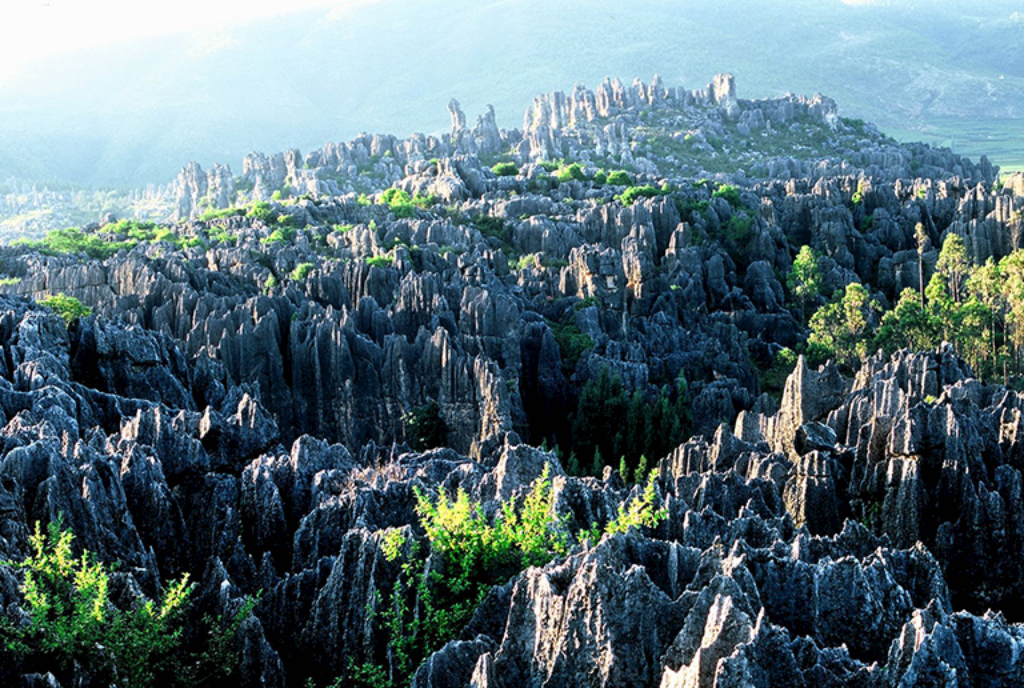
Kunming Stone Forest of Yunnan is a World Geopark reserving and displaying the most diverse Karst forms in the world. It is praised as the one of the Top Wonders in China and the Stone Forest Museum for various kinds of hills. Evolved as the masterpiece of earth, the spectacular formations, large scale and old ages, geological value makes the awesome highlights of Stone Forest you can explore anytime of a year in ethnic land of Yunnan.
Big & Small Stone Forest, Pine Rock, Flying Dragon Waterfall, Chang Lake are the major tourist attractions in the geopark. The main sightseeing area - Big Stone Forest provides many animal style taupe stones and peaks rising up to the sky, which constitutes of a vivid zoo scene. Stone peak Ashima stands by the two circular green ponds of the Small Stone Forest is a lifelike statue of local legend beauty. Yue Lake with elevation of 1906m is a crescent lake hidden much marine fossils. The narrow Karst lake - Chang Lake, 18km from Stone Forest is the beautiful place where movie Ashima was shooting. Apart from the sword-shaped stone pillars, more stones in Pine Rock (8km of north Stone Forest) are like castles, pagodas, mushrooms which separate each other at upper but bound tight in the foot and form huge stone walls and circles.
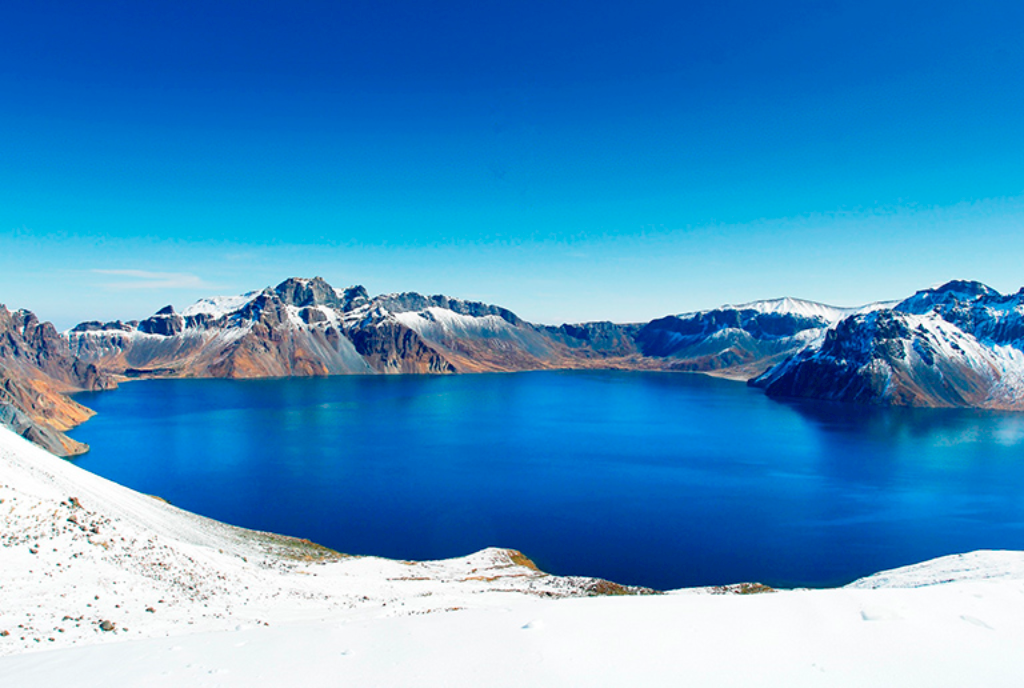
Changbai Mountain located in southeast Jilin Province, northeastern China, is one of the ten famous mountains of China. It is highly praised for the massive white pumices and snows, together with the holy peak, lake, exotic forest and fruits within the scenic area. Being the cradle of Manchu, Changbai Mountain was worshipped from Qing Dynasty and earns a reputation of the most beautiful peak with pines and snow covered long years.
Known as a Species Gene Reserve and a Natural Museum, Changbai Mountain is a typical natural complex rich in various kinds of recourses including Siberian tiger and precious animals, plants and mineral. Tianchi Lake on top of Cahngbai Mountain - the highest and largest mountain pool in northeastern China, is an elliptic lake formed in crater where Songhua River, Yalu River and Tumen River originate. And the waterfall group falls from 68m height is the major spot to witness the magnificent flow from Tianchi Lake.
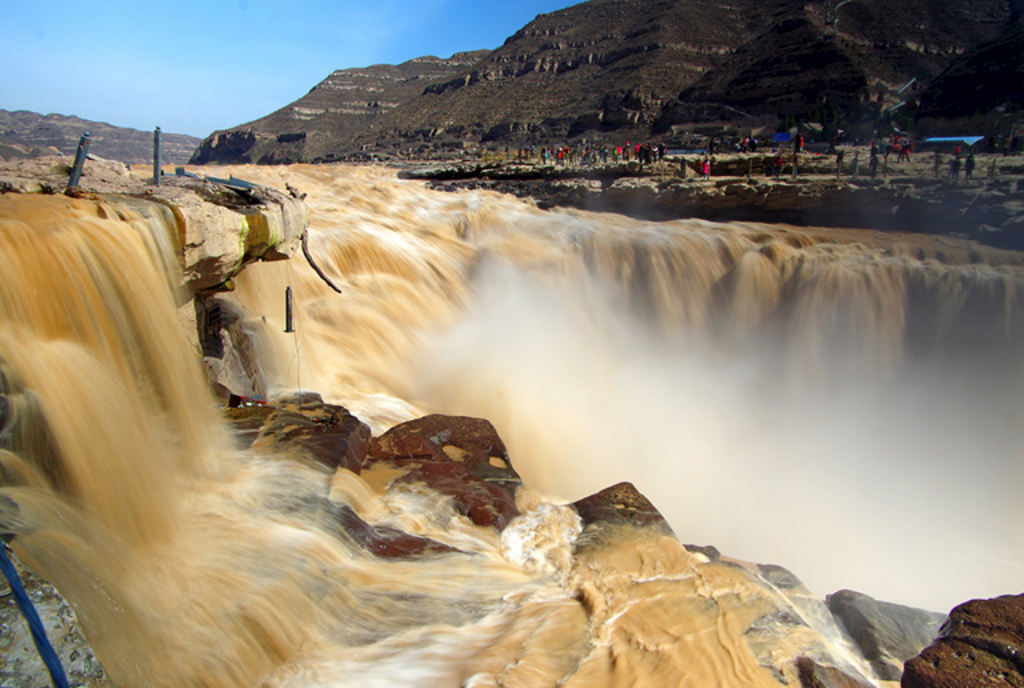
As the world’s largest yellow waterfall and the most spectacle of Yellow River, the amazing pouring in Hukou is the only large canyon waterfall attraction of China once gracing the RMB 50 note. In the upper reaches, Yellow River surges onward like ten thousand horses galloping in 300m wide, and compress huge water yield into 20~30ms’ river mouth suddenly, making an imposing wonder of waterfall on the 20-meters high cliff.
The famous Eight Greatest Wonders of Hukou Waterfall are the highlights and fantastic sceneries of the Yellow River in Shanxi Province. Smoke from Water Bottom is the scene incredible mist rising to the sky from underwater. Boating in Dry Land is a tradition way to transport goods by pulling empty boats to downstream and reload materials. Besides, frequent rainbows, roaring momentum and beautiful ice flows, ice bridge connecting two coasts in frozen winter and sometimes dry up for short period and etc in the Huhou Waterfall will show you breathtaking views of water transformation you never seen before.
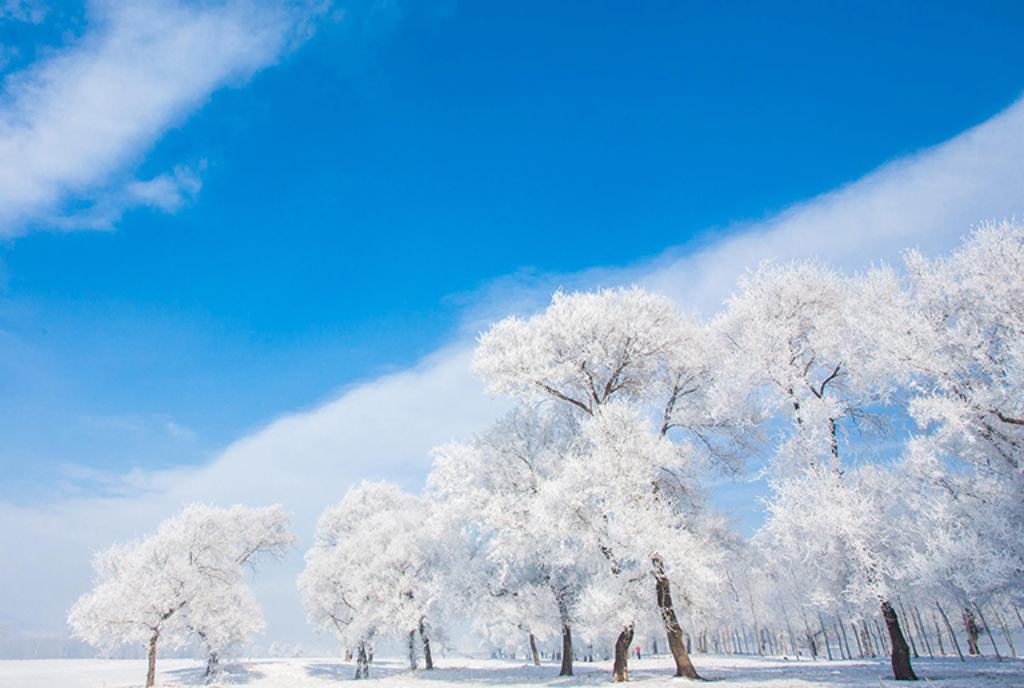
Rime of Jilin is the Wu Song, a pretty natural phenomenon of ice trees along the Songhua River affected by cold weather in Northeast China. Just ordinary trees last night, next morning it turns into a fascinating white wonderland full of silver flowers. People step into the Rime kingdom often forget the original look of the world, only get the everlasting absorption in the dazzling snow and ice fairytale. Apart from the charming beauty to enjoy, Rime still has some benefits to humans as an original air cleaner and muffler thanks to the unique structure.The Rime in Jilin is the thickest formation in the minimal density and most loose structure, the superior masterwork than the rare Rime occurs occasionally in some regions.Firstly huge temperature variation between water and air is produced in winter. Then the Songhua River continuously release vapour, which later congeal on the trees and grasses as Rime in 40~60 mm. The best orders to view how Rime is formed are the three stages: mist in the evening, hanging trees in the morning and fallen followers later. Each period, the Rime presents graceful characters that shock you, during the night, more and more mist rise and roll up the both riversides, and the dark willows and cypresses covered a crystal shining coat and decorations in next morning, finally cluster of ices drop off from tress and dancing in the air by jealous sabotage from the sun and wind.
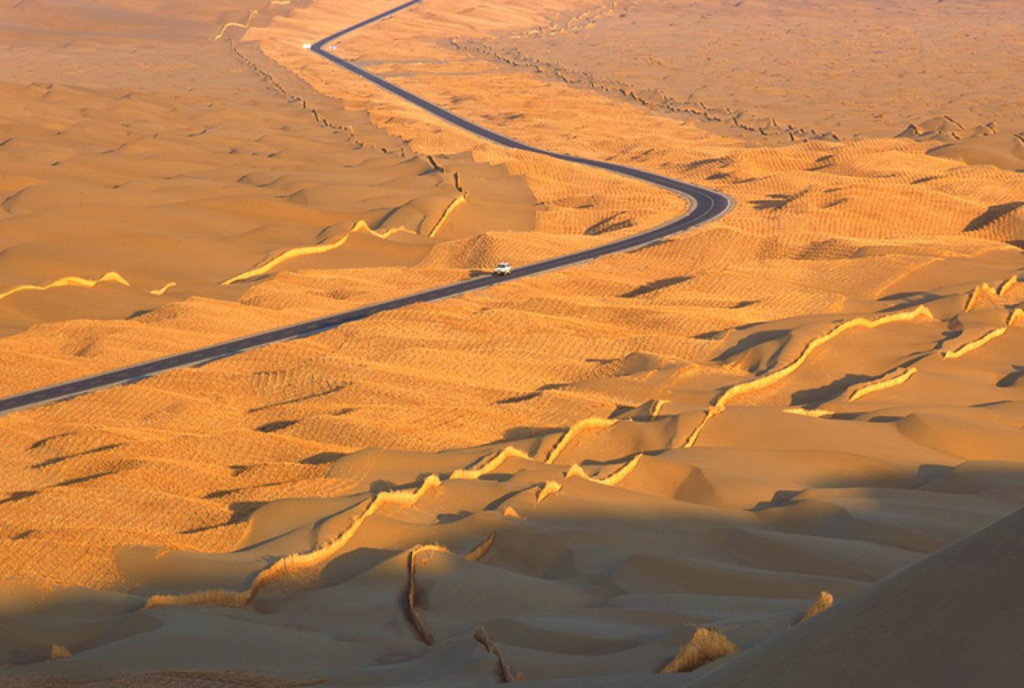
Covering an area of 330,000 sq km, the Taklamakan Desert in southern Xinjiang is the largest, driest and highest desert in China and tenth-largest in the world, and the world’s second-largest flow desert than Rub Al Khal Desert (650,000 sq km) in The Arabian Peninsula. The hinterland area is awarded as one of the five China’s most beautiful deserts. An overlook from the western Red & White Mountain, all will be shocked by the vast expanse of Taklamakan Desert. Surrounded by Tianshan Mountains, Kunlun Mountains and Pamirs in the north, south and west separately, it is a mysterious land full of fancy. When seen from afar, complex and diverse dunes, sand hills and ridges seems like dragons resting on the earth, tower-type dune groups change into various kinds of faveolated, feather or fish scale looks momentarily. Mushroom rocks shaped by wind are spectacular, such as the giant umbrella on the two red-white dunes of sandstone and white plaster (Shengmushan) can hold more than 10 people. Euphrates poplars are the prominent warriors and beauty standing in the boundless barren.Climate of Taklamakan Desert is extremely harsh and tough, average annual precipitation is under 100mm while evaporation highs to nearly 3000mm, huge temperature difference between day and night, and reaches to over 60 Celsius degree in summer days and minus 20 degrees.
CHİNESE CULTURAL ACTİVİTİES
1.The Dragon Boat Festival is a traditional Chinese festival that takes place every year on the summer solstice. The festival is held on the fifth day of the 5th month of the Chinese calendar. The most common activities during the festival are eating and preparing zongzi, drinking realgar wine, and a dragon boat contest.
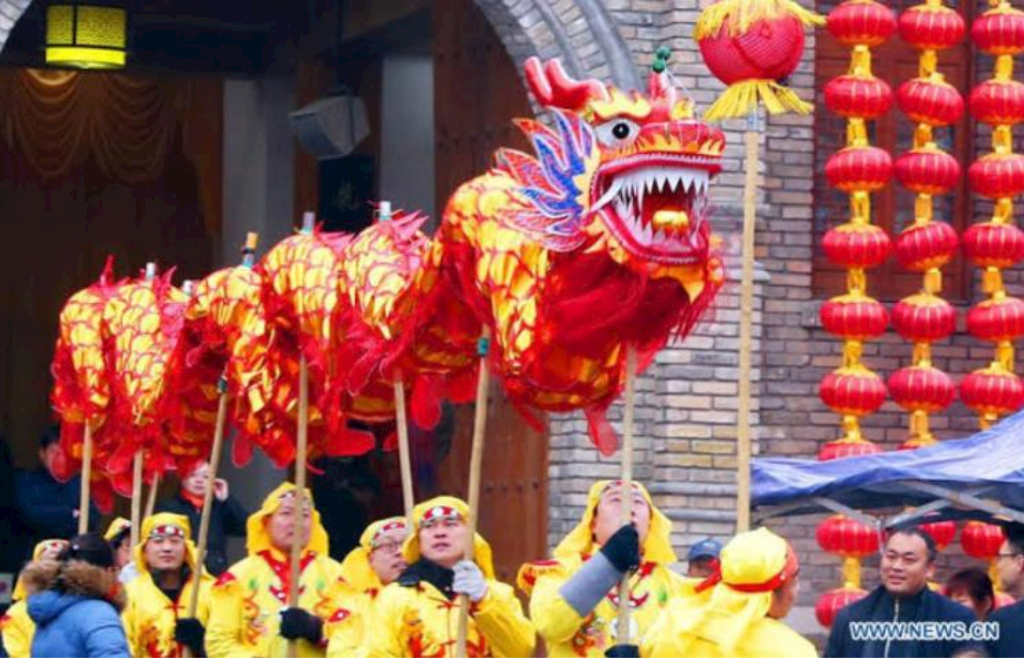
2.Chinese New Year celebrations, also known as the Spring Festival, in China start on the 23rd day of the 12th lunar month of the Chinese calendar. The festival lasts for about 23 days, ending on the 15th day of the first lunar month in the following year in the Chinese calendar.China's Spring Festival is rich in tradition and customs.
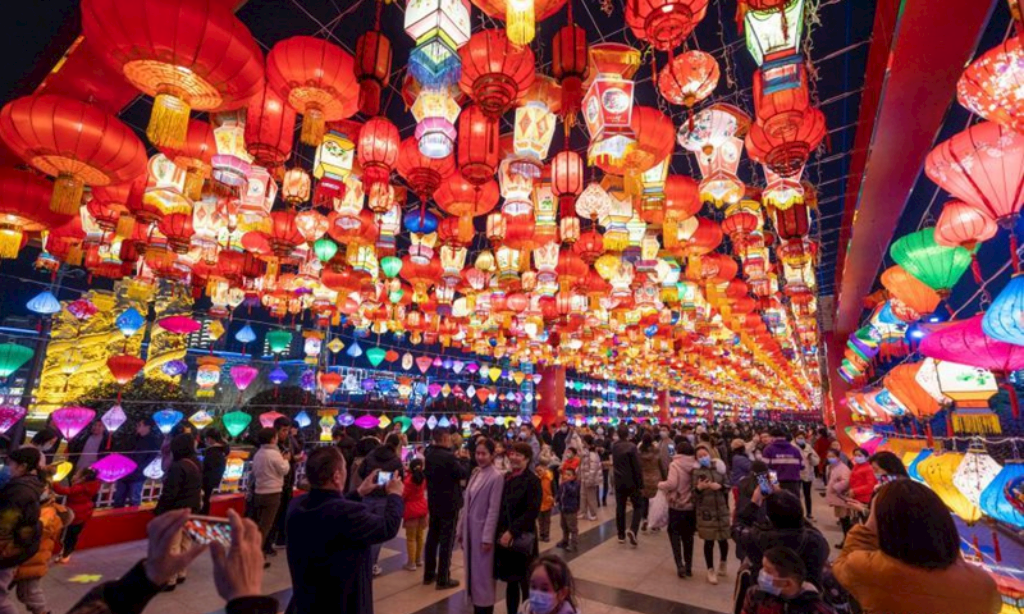
The main Chinese New Year activities include
1) Putting up decorations
2) Eating reunion dinner with family on New Year's Eve
3) Firecrackers and fireworks
4) Giving red envelopes and other gifts
5) Watching lion and dragon dances.

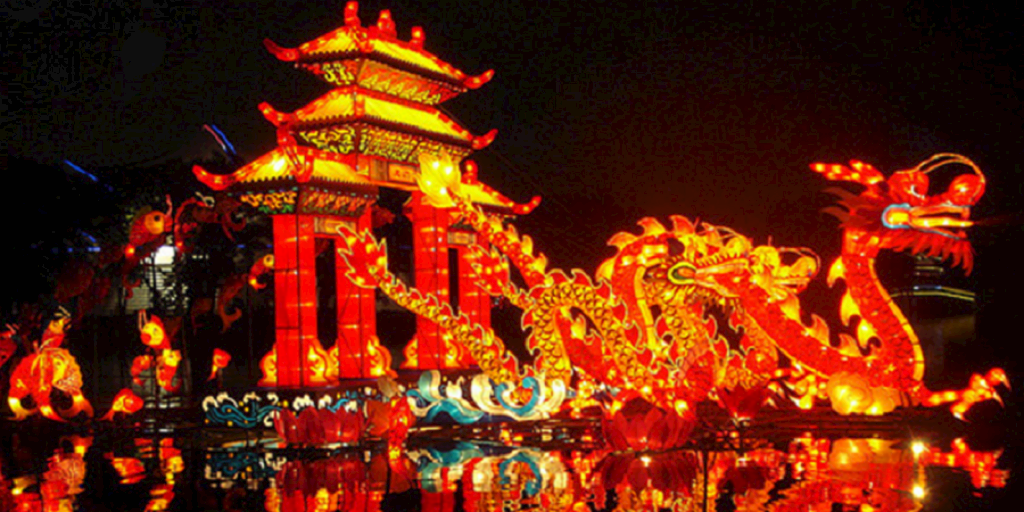
3.Lantern Festival, also called Yuan Xiao Festival, holiday celebrated in China and other Asian countries that honours deceased ancestors on the 15th day of the first month (Yuan) of the lunar calendar. The holiday marks the first full moon of the new lunar year and the end of the Chinese New Year.
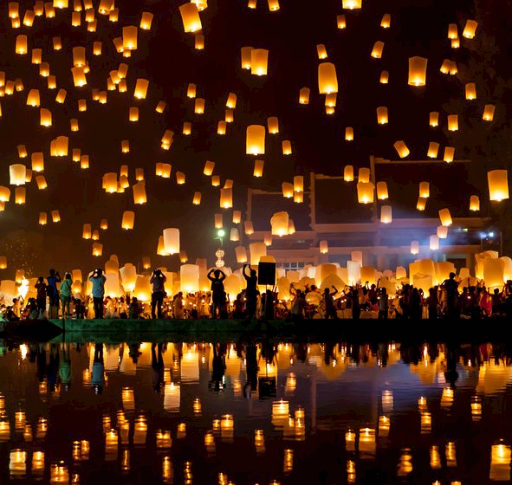
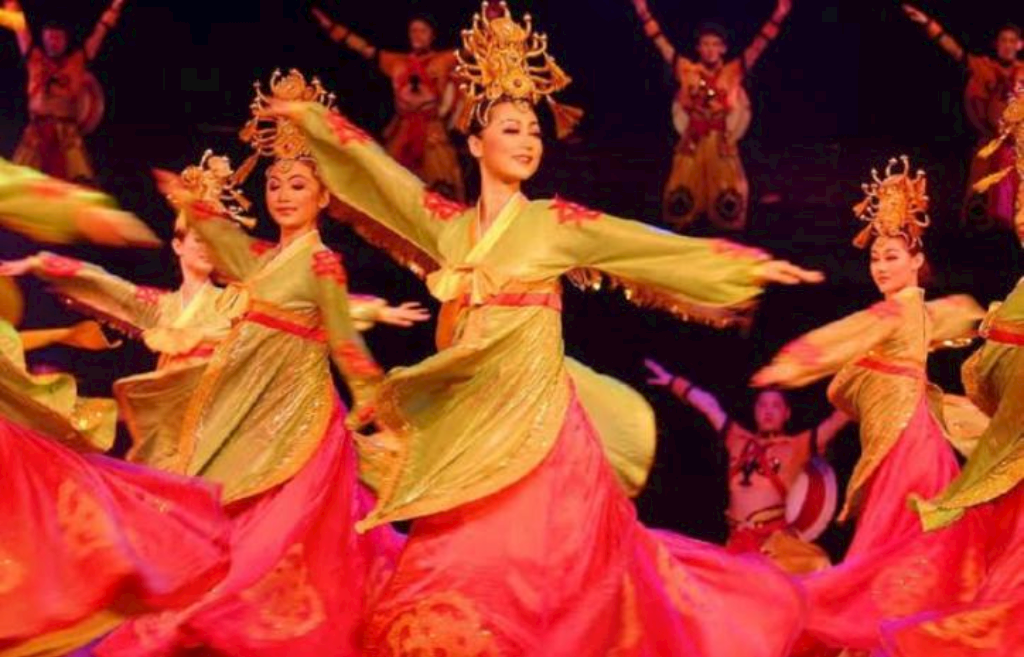
Latern Dance is most popular dance in China. Lantern Dance is a Chinese folk dance with a long history. It is mainly performed on the Lantern Festival and has a history of at least 1000 years. The lantern dance originated from the Lantern Festival. It is a dance form with colored lanterns as props. It has various names due to different shapes of lanterns. The lantern dance is mainly performed at night, with colorful lights shining on the middle lights and people matching each other. It is full of interest, or forms different formations and patterns through the colored lights, or displays the words of "auspicious" and "peace in the world", or displays various artistic conceptions in the changes and interleaving.
REFERENCES:
-https://www.hutong-school.com/cultural-activities-china
-https://capaworld-capa-org.cdn.ampproject.org/v/s/capaworld.capa.org/top-8-cultural-celebrations-in-china?amp_js_v=a6&_gsa=1&hs_amp=true&usqp=mq331AQKKAFQArABIIACAw%3D%3D#aoh=16396743935785&referrer=https%3A%2F%2Fwww.google.com&_tf=%251%24s%20alan%C4%B1ndan&share=https%3A%2F%2Fcapaworld.capa.org%2Ftop-8-cultural-celebrations-in-china
India: short history
The History of India begins with the Indus Valley Civilization and the coming of the Aryans. These two phases are generally described as the pre-Vedic and Vedic periods, named after the Vedas, which depict the early literature of the Hindus.
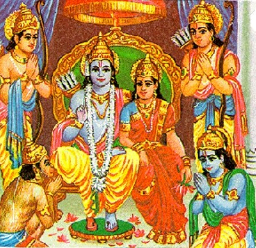
The two greatest epics of this period were the Ramayana and the Mahabharata, still held in great reverence by the followers of Hinduism.
(https://www.google.com/url?sa=i&url=https%3A%2F%2Fasiasociety.org)
Next came the Buddhist era. Buddha, whose original name was Siddhartha Gautam, was the founder of Buddhism - a religion based on spiritualism. He died at the age of 80 in 480 BC but his teachings spread throughout southern and eastern Asia and are followed across the world today (https://cdn.kastatic.org/ka-perseus-images/b999a3937a27421bb68a7d23d690ee9dd65a1e99.png)
The Gupta period has been referred to as the Golden Age of Indian history. Chandragupt I ruled for 15 years and was also referred to as the ‘king of kings’ for his strategic conquests and the flourishing state of India.
(https://s3.ap-south-1.amazonaws.com/img.livehistoryindia.com/wp-content/uploads/2019/12/Maurya.png

During the late 16th and the 17th Centuries, the European trading companies in India competed with each other ferociously. By the last quarter of the 18th Century, the English had outdone all others and established themselves as the dominant power in India. The British administered India for a period of about two centuries and brought about revolutionary changes in the social, political and economic life of the country.
(https://www.thoughtco.com/thmb/qo2pAiixzkZoqTxXokUA9idUO78=/3042x1711/smart/filters:no_upscale()/Madras-Army-gty-56a486ef3df78cf77282d99c.jpg)

In the First World War, Britain launched an attack on Germany on behalf of India, even though India did not wish for that to happen; and millions of Indian soldiers were at the forefront of the British Indian Army during both the world wars - further fuelling the Indian resistance. Over a million Indian soldiers were killed in both the World Wars. (https://qph.fs.quoracdn.net/main-qimg-960fe533587de47896bdfc05cb1cf911) Sources: https://www.memphistours.com
INDIAN'S CULTURAL ACTIVITIES
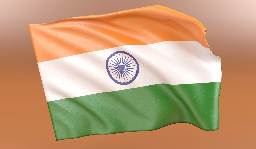
INDIA
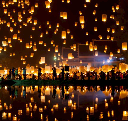
NEW YEAR
In India, people like to celebrate different holidays and organize colorful festivals. As in most countries, the new calendar year in India begins with the celebration of the New Year. On New Year's Day, everyone wears colorful flowers and brightly colored clothes. Especially Indian women wear yellow, orange and white flowers that remind spring. Unlike the rest of the world, Indians decorate banana and mango trees instead of pine trees. on New Year's Eve. Also, on New Year's Eve in India, boxes containing special and sacred items are placed on the bedside and people fall asleep. In this way, it is believed that the new year will bring them happiness and abundance.
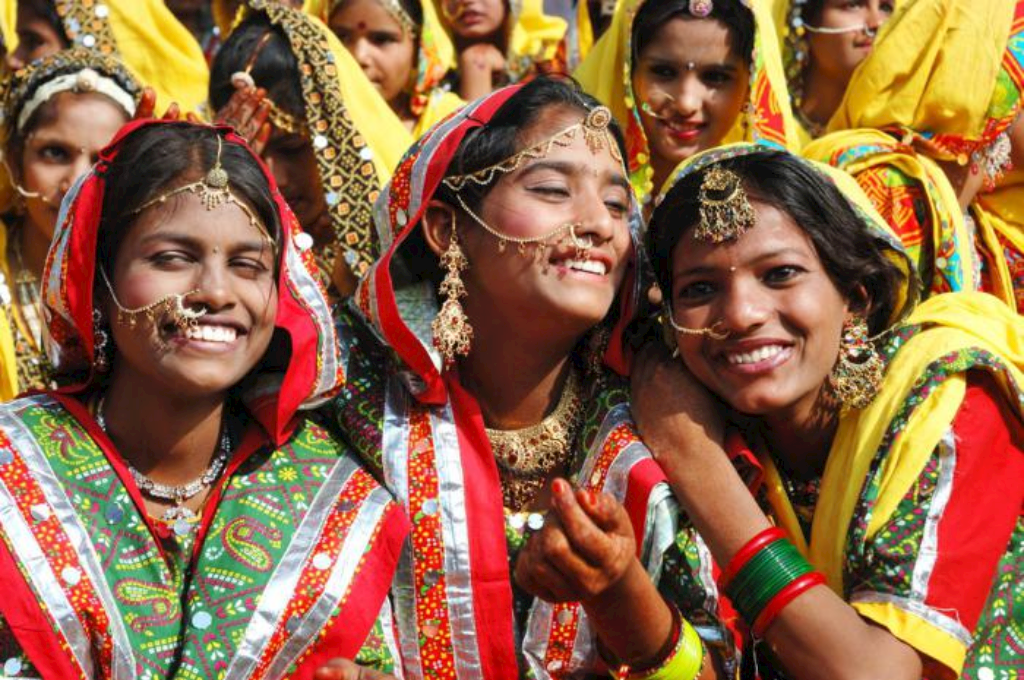
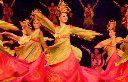
REPUBLIC DAY
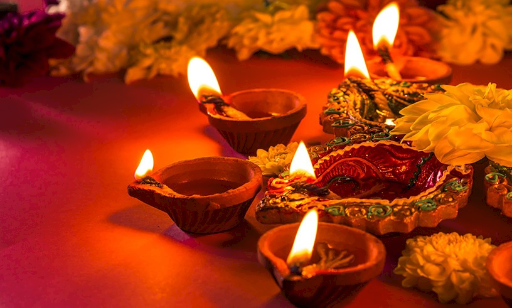
On this holiday, Indians clean their homes, fumigate them with incense, and light lamps and candles. The holiday lasts five days. Hindus congratulate each other, wish the best, dance and have fun.
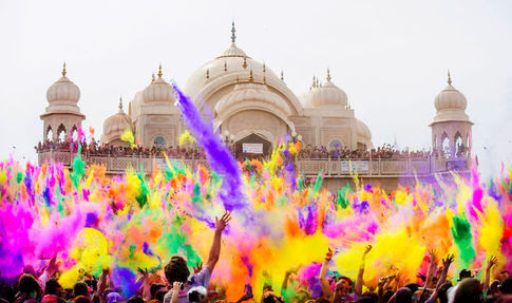
HOLİ
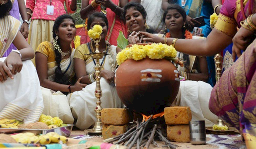
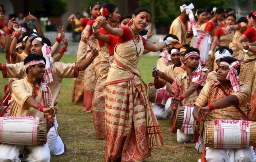
BİHU
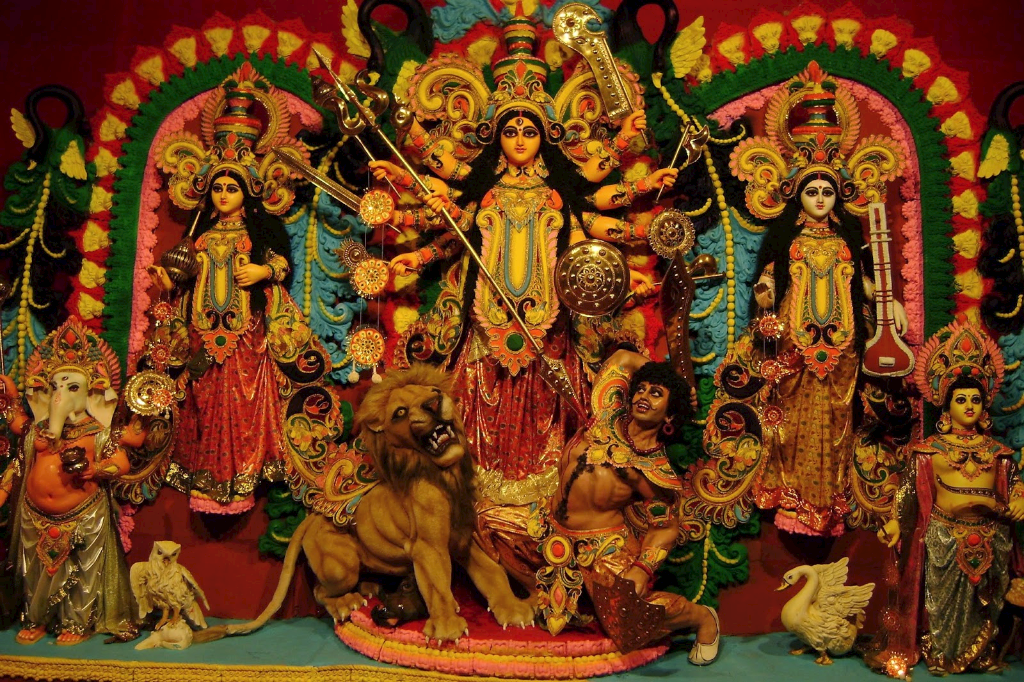
Durga Puja
REFERENCES
http://orangesmile.com/
http://xn--habertrk-c6a.com/
http://wikipedia.org/
http://gezbegen.com/
https://tr.travelsafenotsorry.com/
INDIA- TOURIST ATTRACTIONS
India is a vibrant land of startling contrasts where both the traditional and modern worlds meet. The world's seventh largest nation by area and the second largest in terms of population, India boasts a rich heritage that's the result of centuries of different cultures and religions leaving their mark.
The Taj Mahal is also the world's most famous testimony to the power of love.
Built by Shah Jahan in 1648 as the seat of Mughal power – a role it maintained until 1857 – the magnificent crescent-shaped Red Fort in New Delhi, named after the stunning red sandstone used in its construction, covers a vast area of more than two square kilometers, all of it surrounded by a large moat.
Mumbai: The Gateway of India
Standing an impressive 26 meters tall and overlooking the Arabian Sea, the iconic Gateway of India is a must-see when in Mumbai. Built to commemorate the arrival of King George V and his wife Queen Mary in 1911, this stunning piece of architecture was opened with much pomp and ceremony in 1924 and was, for a while, the tallest structure in the city.
Harmandir Sahib: The Golden Temple of Amritsar is an important hub of Sikh history and culture, opened in 1604 and still often referred to as the Golden Temple for its beautiful gold decoration.
The holiest of India's many Sikh shrines (it also attracts many Hindus and people of other faiths), the temple was built in a blend of Hindu and Islamic styles. Its lower marble section features such flourishes as ornate inlaid floral and animal motifs, while the large golden dome represents a lotus flower, a symbol of purity to Sikhs.
References:
https://www.planetware.com/tourist-attractions/india-ind.htm
https://www.touropia.com/tourist-attractions-in-india/
INDIAN NATURAL BEAUTIES
Lonar Crater Lake
Lonar Lake, also known as Lonar crater, is a notified National Geo-heritage Monument, saline, soda lake, located at Lonar in Buldhana district, Maharashtra, India. Lonar Lake was created by a meteorite collision impact during the Pleistocene Epoch. It is one of the four known, hyper-velocity, impact craters in basaltic rock anywhere on Earth. Lonar Crater sits inside the Deccan Plateau – a massive plain of volcanic basalt rock created by eruptions some 65 million years ago. Its location in this basalt field suggested to some geologists that it was a volcanic crater. Today, however, Lonar Crater is understood to be the result of a meteorite impact. The water in the lake is both saline and alkaline.
Balancing Rock
Krishna's Butterball (also known as Vaan Irai Kal and Krishna's Gigantic Butterball) is a gigantic granite boulder resting on a short incline in the historical coastal resort town of Mamallapuram in Tamil Nadu state of India.
Being part of the Group of Monuments at Mamallapuram, a UNESCO World Heritage Site built during 7th- and 8th-century CE as Hindu religious monuments by the Pallava dynasty, it is a popular tourist attraction. It is listed as a protected national monument by the Archeological Survey of India.The boulder is approximately 6 metres (20 ft) high and 5 metres (16 ft) wide and weighs around 250 tonnes (250,000 kg). It seems to float and barely stand on a slope on top of 1.2-meter (4 ft) high plinth which is a naturally eroded hill, and is said to have been at the same place for 1200 years. A part of the boulder on top back has eroded away, making it look like a half-spherical rock from the back, while it appears round shaped from other three sides.
Valley of Flowers National Park is an Indian national park, located in Chamoli in the state of Uttarakhand and is known for its meadows of endemic alpine flowers and the variety of flora. This richly diverse area is also home to rare and endangered animals, including the Asiatic black bear, snow leopard, musk deer, brown bear, red fox and blue sheep. Birds found in the park include Himalayan monal pheasant and other high altitude birds. At 3352 to 3658 meters above sea level, the gentle landscape of the Valley of Flowers National Park complements the rugged mountain wilderness of Nanda Devi National Park to the east. Together, they encompass a unique transition zone between the mountain ranges of the Zanskar and Great Himalaya. The park stretches over an expanse of 87.50 km and it is about 8 km long and 2 km wide. The park lies completely in the temperate alpine zone. Both parks are encompassed in the Nanda Devi Biosphere Reserve (223,674 ha) which is further surrounded by a buffer zone (5,148.57 km). Nanda Devi National Park Reserve is in the UNESCO World Network of Biosphere Reserves. The park is open only during summer from June to October and it is covered by heavy snow for the rest of the year.
St. Mary's Islands, also known as Coconut Island and Thonsepar, are a set of four small islands in the Arabian Sea off the coast of Malpe in Udupi, Karnataka, India. They are known for their distinctive geological formation of columnar rhyolitic lava (pictured).
Scientific studies indicate that the basalt of the St. Mary's Islands was formed by sub-aerial subvolcanic activity, because at that time Madagascar was attached to India. The rifting of Madagascar took place around 88 million years ago.
Columnar rhyolite Lava here form one of the four geological monuments in Karnataka state, one of the 34 National Geological Monuments of India declared by the Geological Survey of India in 2016 for their protection, maintenance, promotion and enhancement of geotourism. The monument is considered an important site for "Geo Tourism".
Indonesia: short history
The name Indonesia derives from Greek words of Indos (Ἰνδός) and nesos (νῆσος), meaning "Indian islands".The name dates to the 18th century, far predating the formation of independent Indonesia.
https://www.google.com/url?sa=i&url=https%3A%2F%2Fwww.alamy.com%2Fstock-photo-indonesia-political-map
Between the eighth and tenth centuries CE, the agricultural Buddhist Sailendra and Hindu Mataram dynasties thrived and declined in inland Java, leaving grand religious monuments such as Sailendra's Borobudur and Mataram's Prambanan. The Hindu Majapahit kingdom was founded in eastern Java in the late 13th century, and this period is often referred to as a "Golden Age" in Indonesian history.
Borobudur -https://www.liputan6.com/lifestyle/read/2282631/fakta-menarik-di-balik-candi-borobudur
Prambanan - https://sinaumedia.com/wp-content/uploads/2021/07/prambanan-temple.jpg
The first Europeans arrived in the archipelago in 1512. In 1602, the Dutch established the Dutch East India Company (VOC) and became the dominant European power for almost 200 years. The VOC was dissolved in 1800 and the Netherlands established the Dutch East Indies as a nationalised colony. In the early 20th century Dutch dominance extend to what was to become Indonesia's current boundaries. https://www.indonesia-investments.com/upload/images/VOC-Ship-Indonesia-Investments.jpg
The Japanese invasion during World War II ended Dutch rule and encouraged the previously suppressed independence movement. Two days after the surrender of Japan in August 1945, the Indonesian independence was proclaimed. In December 1949 the Dutch formally recognised Indonesian independence in the face of international pressure. https://lh3.googleusercontent.com/proxy
Since 1998, democratic processes have been strengthened by enhancing regional autonomy and instituting the country's first direct presidential election in 2004. In 2004 the Indian Ocean earthquake and tsunami killed 130,000 Indonesians.
https://www.nytimes.com/interactive/2018/10/02/world/asia/indonesia-tsunami-early-warning-system.html
Source : https://en.wikipedia.org/wiki/Indonesia#History
CULTURAL ACTIVITIES OF INDONESIA
Indonesian culture is focused around the community, with a hierarchical structure. Indonesians believe in the concept of gotong royong (mutual assistance) and mufakat (consensus), and the national motto is Bhinneka Tunggal Ika (Unity in diversity). Jam Karet (rubber time) highlights the cultural attitude: that life should not be rushed – everything has its time and place.
TRADITIONAL DANCES:
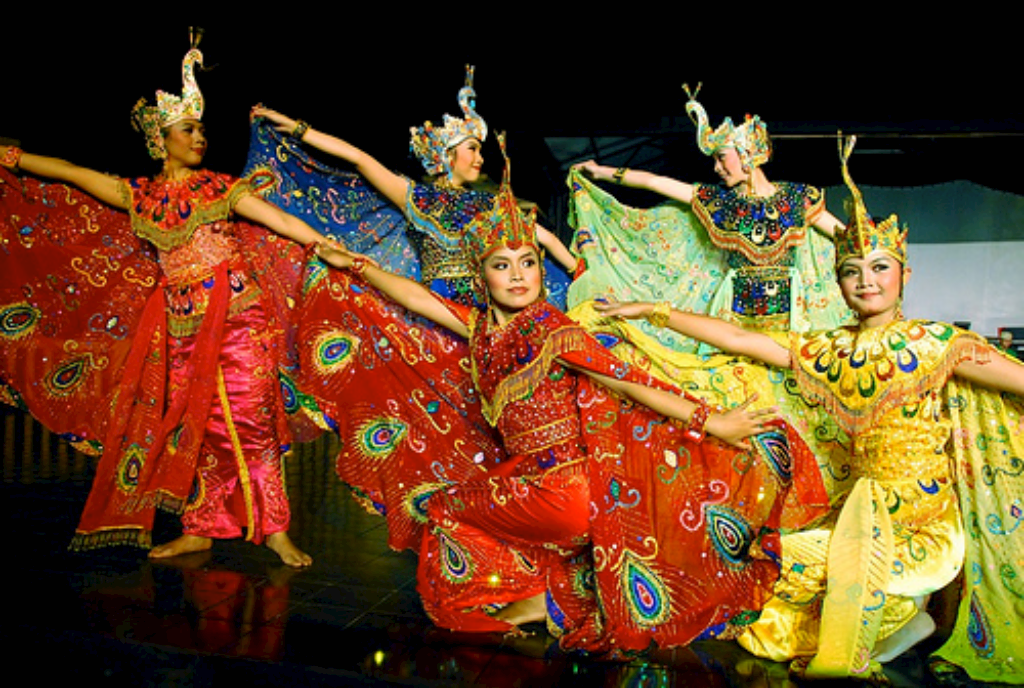
Merak, West Java: Poise of the Peacocks Stemmed from the soil of Pasundan, Merak is a beautiful form of dance in Indonesia. It is a greeting act at the beginning of wedding ceremonies. The dance embodies the attraction of female peacocks by the male. For this dance, women dress in an intricate peacock designed costumes. This dance form symbolizes the movements of the magnificent bird.It is full of grace and finesse. The women dance effortlessly to melodious tunes and enchant the audience with their poise.
Pendet Dance
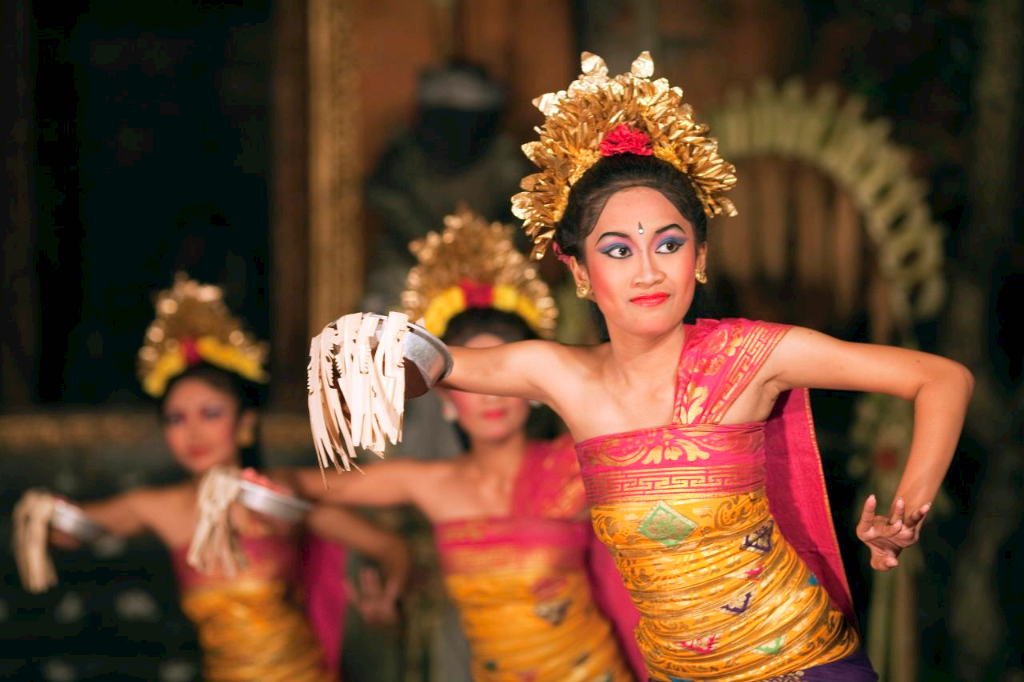
This sacred nuance dance has now developed as a “welcome” dance, created by one Balinese artist named I Wayan Rindi. If in ancient times the dance that originated from the Island of the Gods is done in the worshipping ceremony in the Hindu temple house.
Meanwhile, nowadays, Pendet Dance can be danced as an offering for the guests in the events of Indonesian culture performance and ability to attract many tourists viewing the art performance there.
HOLIDAYS
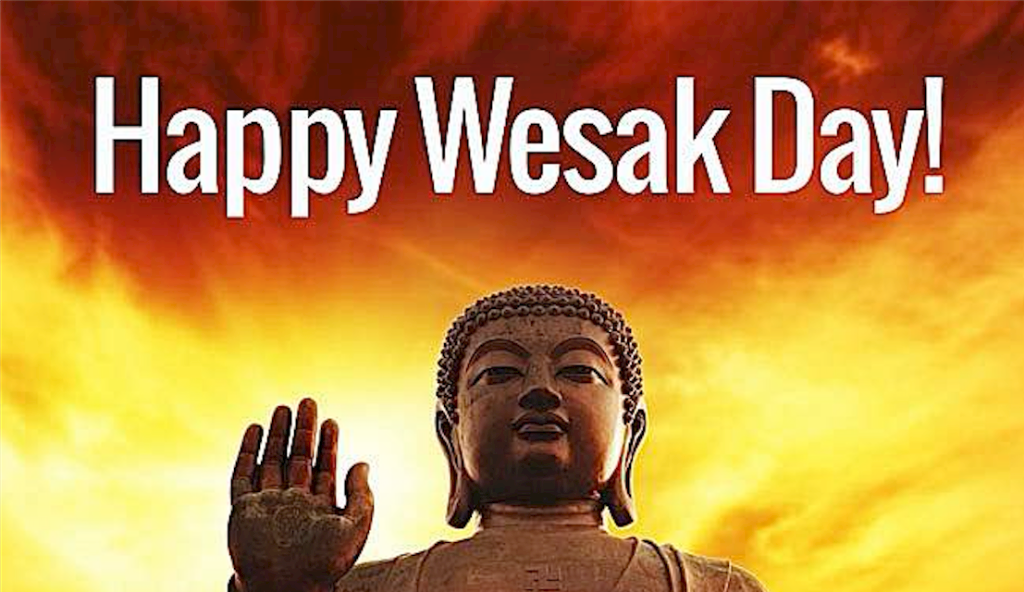
Wesak Day
Wesak Day is a Holiday for Buddhists. In fact, it is considered the holiest day in the Buddhist Calendar.
The Buddha's birthday is observed annually on the Sunday nearest to the full moon in May. It is a holiday observed by Buddhists across the world, though the exact date may differ from country to country.
In Malaysia, Wesak Day is also considered one of the country's major festivals. Buddhism is the second-largest religion after Islam.
TRADITIONAL FOOD
Indonesian food culture has the international trend. In the capital Jakarta, there are dishes from all over the world, such as Chinese, European, Thai, Vietnamese, Japanese, Korean dishes, etc. Indonesian dishes are similar to the dishes of Southeast Asian countries and the taste is strong. Coconut milk, pepper, cloves, ko beans, curry and other spices are usually added to the food. On the tables you can find the spicy sauces.
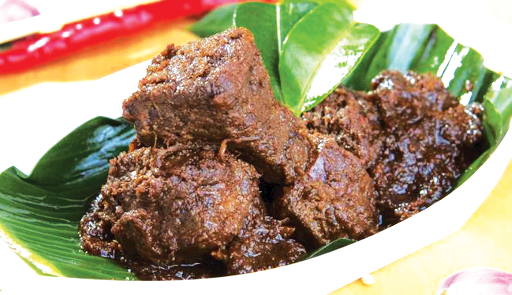
Padang Food
Among the dishes throughout Indonesia, the most typical is Padang food, which is famous for its spicy and fried taste. Tourists who like spicy food can try it. Due to the hot weather, Indonesians generally do not like hot foods, and they do not drink very hot soups.
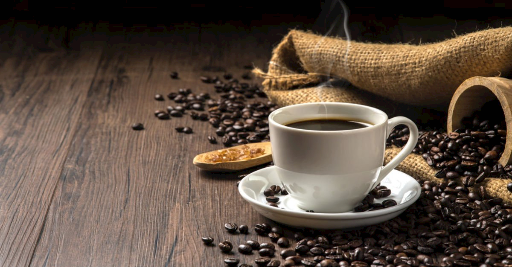
Drinks
Indonesia is a coffee-rich country, so drinking coffee is very popular in the country. Due to its tropical geographical position, Indonesians like to drink cold drinks. Apart from ice cream, soft drinks, there are many cold drinks such as pineapple, coconut, mango drinks etc.
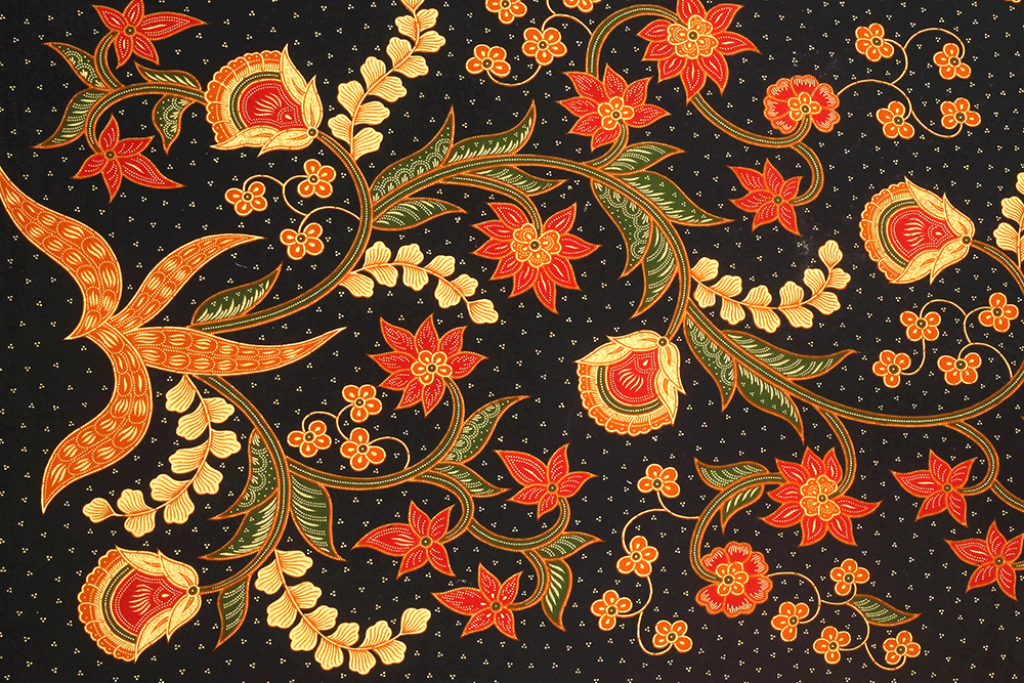
Make a Batik Fabric
Batik Indonesia, including its culture, technique, and development of motive and technology, has been declared as Humanitarian Heritage Culture by UNESCO on October 2, 2009. Since then, on every October 2nd, Indonesia always commemorate National Batik Day.
Initially, batik was first introduced to the world by former President of Indonesia, Soeharto, who was wearing batik at the UN Conference. Batik itself is identified as a cloth made by using the motifs process through traditional staining techniques.
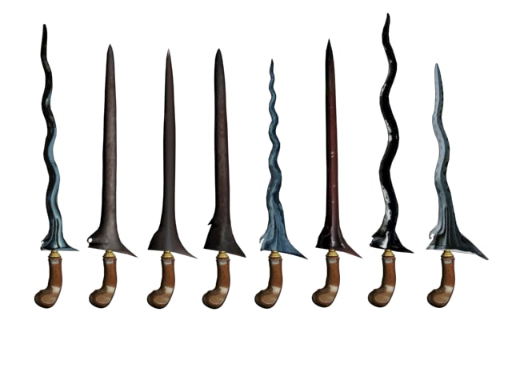
Keris
Keris is an original Indonesian traditional weapon believed to contain supernatural powers. The kings of the archipelago in ancient times made the keris as an heirloom weapon. Keris has been used since the 9th century and is made by craftsmen called Mpu.
The blades on the keris are made of a mixture of several metals, while the handle is made of bone, horn, or wood. The researchers had mentioned that the ancient kris contained titanium, a material newly used in the 20th century as a space.
- Full access to our public library
- Save favorite books
- Interact with authors
REFERENCES:
-https://www.hutong-school.com/cultural-activities-china
-https://capaworld-capa-org.cdn.ampproject.org/v/s/capaworld.capa.org/top-8-cultural-celebrations-in-china?amp_js_v=a6&_gsa=1&hs_amp=true&usqp=mq331AQKKAFQArABIIACAw%3D%3D#aoh=16396743935785&referrer=https%3A%2F%2Fwww.google.com&_tf=%251%24s%20alan%C4%B1ndan&share=https%3A%2F%2Fcapaworld.capa.org%2Ftop-8-cultural-celebrations-in-china
- < BEGINNING
- END >
-
DOWNLOAD
-
LIKE
-
COMMENT()
-
SHARE
-
SAVE
-
BUY THIS BOOK
(from $40.79+) -
BUY THIS BOOK
(from $40.79+) - DOWNLOAD
- LIKE
- COMMENT ()
- SHARE
- SAVE
- Report
-
BUY
-
LIKE
-
COMMENT()
-
SHARE
- Excessive Violence
- Harassment
- Offensive Pictures
- Spelling & Grammar Errors
- Unfinished
- Other Problem






COMMENTS
Click 'X' to report any negative comments. Thanks!