
A.Life of Bees...............................................4
Sabriye ÇETİNKAYA
Cevdet AYSAN
Eman ISMAIL ABED A.
Dana Maria FLORESCU
B. What if there were no bees?..............18
Gökçe DİROL
Sibel Özdemir AKDAĞ
Marika VIKS
Zoe ASIKI
C. Flowers That Bees Love........................29
Serap VARDAR
Gamze DEMİRKAYA
Songül YAVUZ
Ioana Maria ARDELEAN
D. What Have We Done for the Bees?........39
Nezahat IŞIK (Kurucu)
Pınar KESMEGÜLÜ
Sümeyra GÜLMÜŞ
Μapia ΑΒΡΑΑΜ
WHAT IS A BEE AND ITS CHARTERISTICS?
Bees are four- winged insects, mostly stinging species. There are over 12.000 species, although it is possible to see about 600 of them in our environment, while other species live in some special parts of the Earth. Bees are round and hairy and usually more slowly.
Bees communicate with each other through various rhythmic movements. Scientists call these movements the dance of the bees.
This section was created by Sabriye Çetinkaya's students.
A.LIFE OF BEES


-Bees use their movements and buzz to convey information. They can flap their wings 250 times per second.
-In order to make 1 kg of honey, bees must collect nectar from more than 4 million flowers.
-They work cooperatively for the continuity of life in the hive.
HONEY BEE FROM EGG TO MULTI
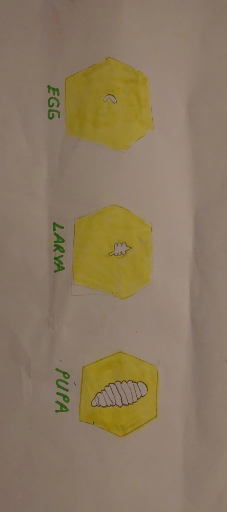
HONEY BEE FROM EGG TO MULTI
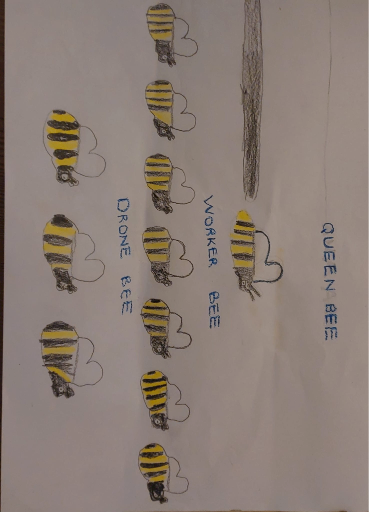
-Worker bees, queen bees and drones live in a hive. The average life span of honey bees is 1.5 months.
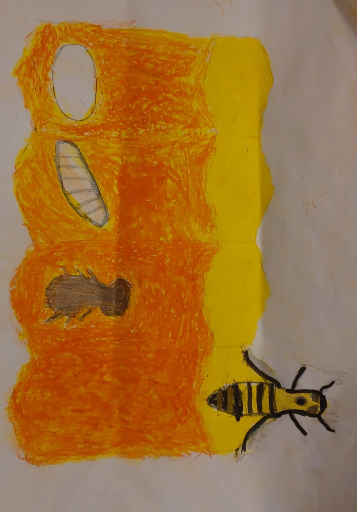
- Male bees live for 6 months and queen bees live 2 to 7 years depending on the species. A worker bee can produce one twelfth of a teaspoon of honey in its average lifetime.
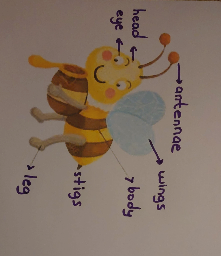
PARTS OF A BEES
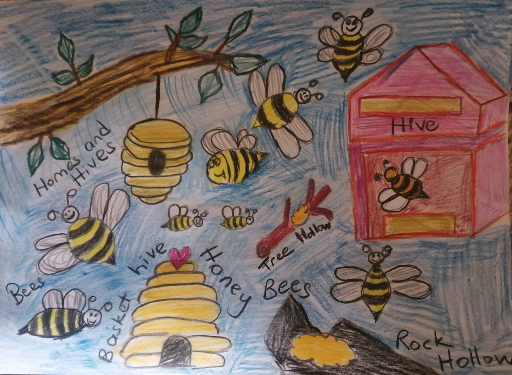
HOMES AND HIVES OF HONEY BEES
This section was created by Cevdet AYSAN's students.
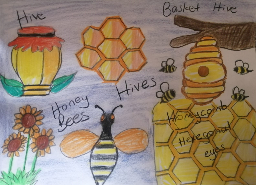
The fact that people started beekeeping and other activities in order to benefit from the products of honey bees caused the living areas of bees to change.
HOW BEES COMMUNICATE
Bee contact:
Honeybees communicate by dancing for their activities (joy, message, cleaning) both inside and outside the hive. Worker bees, finding the food source in the field, inform the other bees of the location, type and quantity of this food by dancing on the honeycomb. Honeybees primarily perform a circular dance and a shaking dance to inform each other of the food source (1). Apart from these dances, there are many dances with transitional dances
This section was created by Eman I. Abd. ALNABI's students.

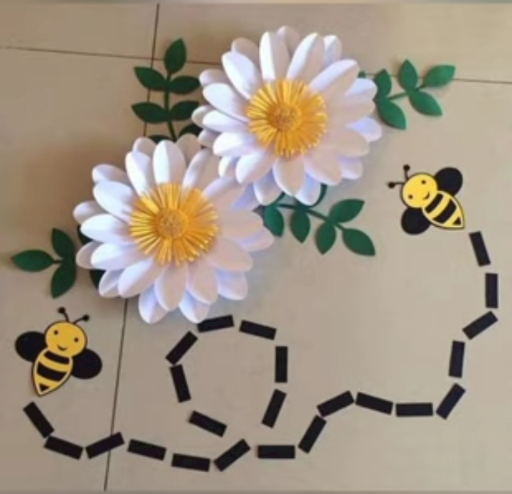
Although it varies across sexes, honeybees perform a circular dance on the honeycomb to inform other colony members of their food sources up to 100 meters from the hive. In the circular dance, there is little or no information about the direction of the food source. Bees watching the dance can fly in any direction, up to 100 meters from the hive.
Honeybees perform a Wagging dance on the honeycomb to inform other colony members of their food source more than 100 meters from the hive. In this dance, a semicircle is made to the right by running straight forward and backward. Then, by running straight, a semicircle is made to the left and back to the starting position. From the ring dance to the tail dance; It is called the "sickle" or "crescent" dance. With increasing distance from the source, the crescent tips get closer. The most important point of Wagging Dance is the position of the sun. While inside the hive, all honeybees assume the sun is at the top of the honeycombs. The frequency of the sound performed in the tail dance and the time allotted to the dance provide information to the viewing bees about the source's distance and properties.
During the Wagging Dance, the duration of a straight run between the two hemispheres gives information about the flower's overall distance. 1 second corresponds to a distance of one kilometer. The large number of worker bees describing the source itself, the abundance of flowers that are the food source, the pheromone released by the dancing worker bee and the scent of the flower on it also provide information about the food source (2).
Bees follow the sun's rays
Three simple eyes on a honey bee's head are used to measure light intensity and see polarized sunlight. In this way, the bees discover the position and angle of the sun, and can accurately determine the direction of the target by making corrections in the direction of the description that they will make to the bees in the hive as the sun advances. The displacement of the Sun over short distances is not important. The sun moves 1 degree every 4 minutes. The distance a bee travels in one minute is 400 m/min (25 km/h). On the way back to the hive, the bee flies for 12 minutes to cover a distance of 5 km. The sun will turn 3 degrees during this time. The sun will turn another 3 degrees until the bee leaves the hive and reaches the food source. The result will be a deviation of at least 6 degrees from the original position of the Sun. Honeybees use the sun to describe and locate their food (3).
WHAT BEES COLLECT
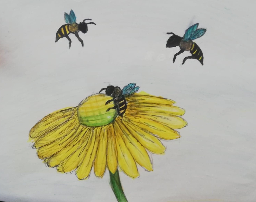
Nectar is the main source of carbohydrates and therefore energy for bees. It is secreted by flowers (although some plants secrete nectar and leaves) and is a sweet substance made up of about 70% water and the rest sweet substances. The bees collect the nectar and store it in a special portion of
their esophagus, to then
transport it to the hive, where
it will be used to prepare honey.
This section was created
by Dana M. FLORESCU's students

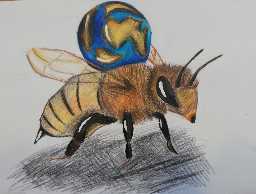
Pollen is a substance in the form of powder , wich is producted by the male organs of flowers. When the bees sit on the flowers to collect pollen , the fine pollen grains will cling to the hairs on their feet. From time to time, the bees shed pollen with the help of organs that are also on their feet and will compact it into small pellets, then deposit it in the pollen bags on the hind legs and then carry it to the hive.
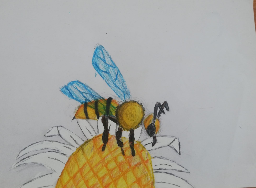
Propolis is a resinous substance that bees harvest from various plants and carry it to the hive in pollen bags. Propolis is used hygienically for cleaning the hive beacause contain antibacterial and antifungal substances.
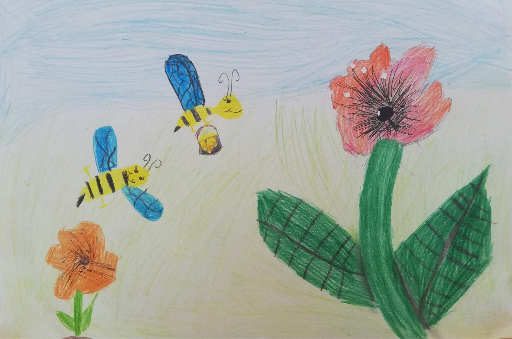
The water is mixed with honey and is used to feed the larvae or for the bees' own consumption.
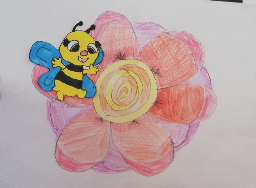
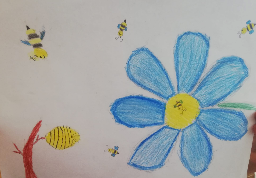
The water is mixed with honey and is used to feed the larvae or for the bees' own consumption.
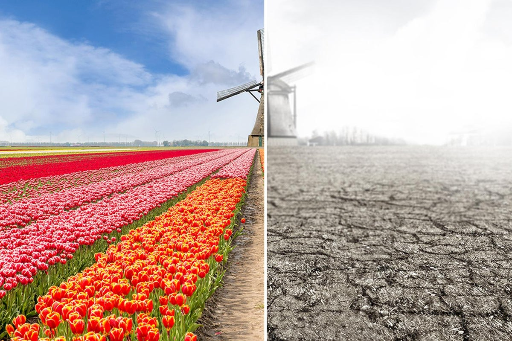
B. WHAT IF THERE WERE NO BEES?
Pages between 19 and 25 were made by Gökçe Dirol.

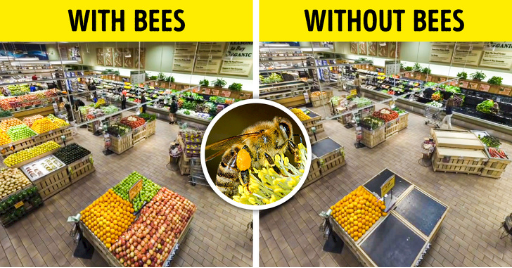
Which market would you like to shop at?
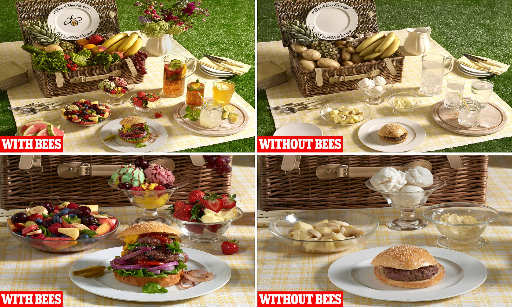

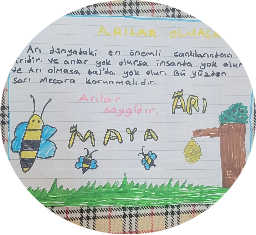

This section was created by Sibel Özdemir AkdağI's students.
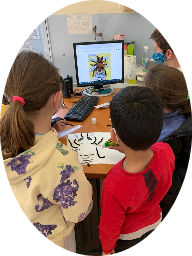
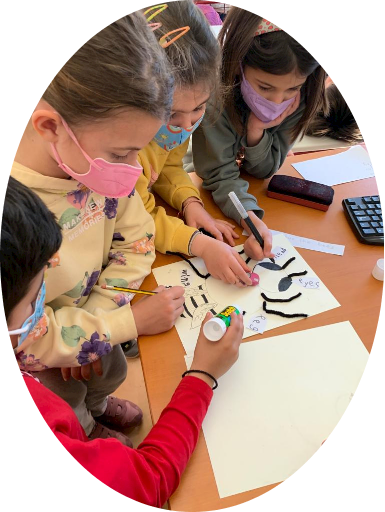
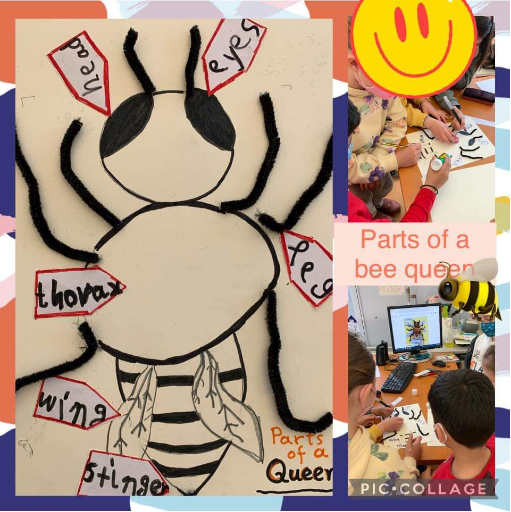
This section was created by Zoe Asiki's students.
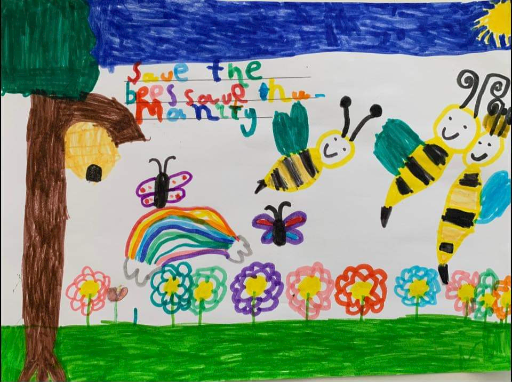
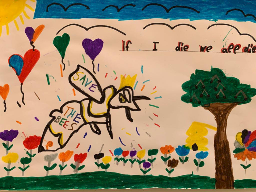
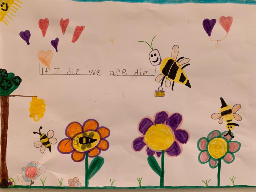
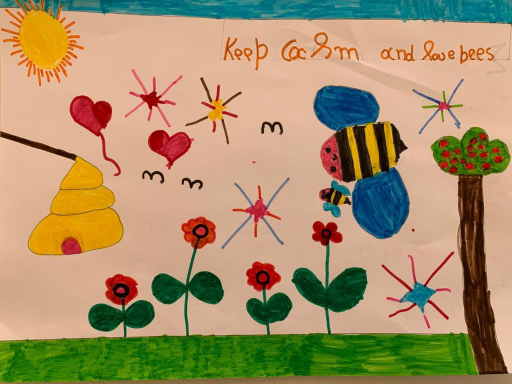
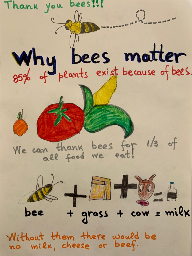
This section was created by Gökçe Dirol's students.
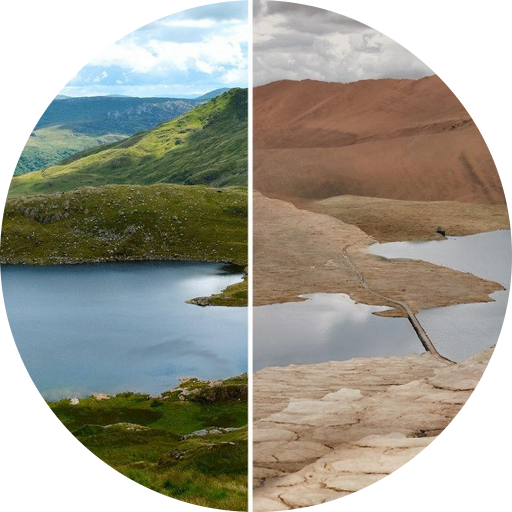
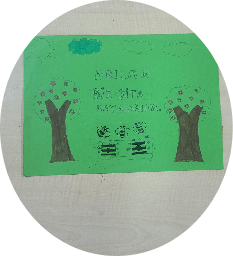
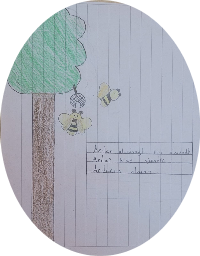
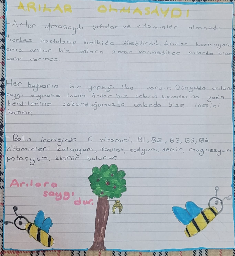
Life without bees.
Pages between 29 and 32 were made by Marika VIK'S students.

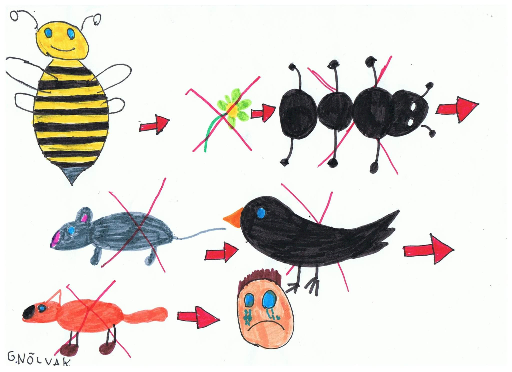
Life without bees.
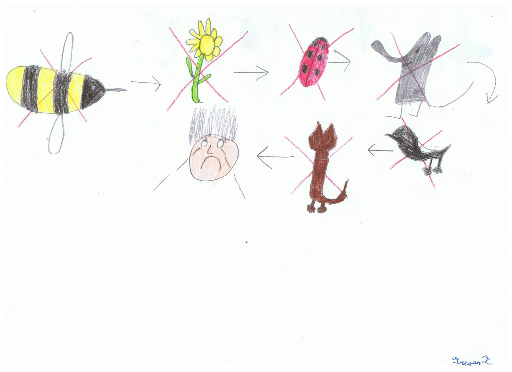
Life without bees.
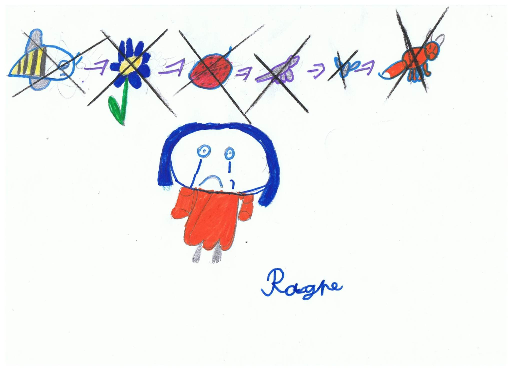
Life without bees.
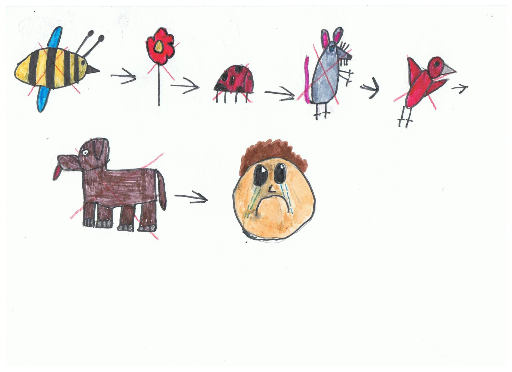
Life without bees.
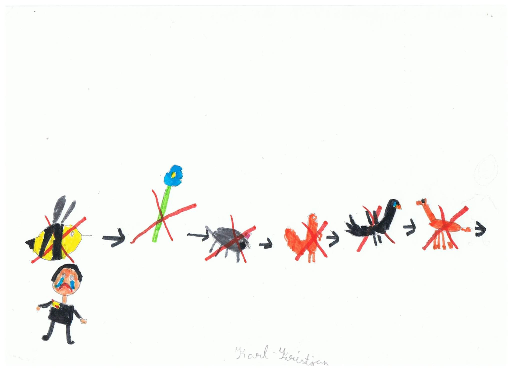
C. FLOWERS THAT BEES LOVE
In this part we are going to talk about the flowers that bees love. Let's start with "Mint".
Pages between 34 and 39 were made by Game İNAN 's students.

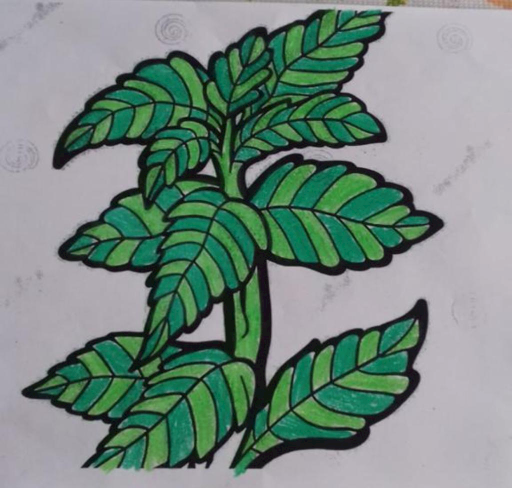
There are a lot of kinds of mint. Mint gives many flowers that bees love. We can plant mint in our schools and gardens or balconies.
MINT
When rosemary blossoms and its purple flowers show up, bees come close to rosemary. Rosemary is a healing flower and bees love rosemary.
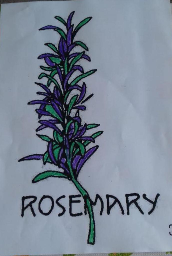
ROSEMARY
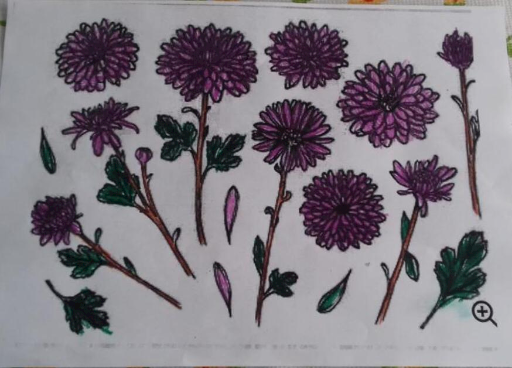
Phacelia is one of 20 most important flowers that bees love. It is planted in many countries such as Germany and Britain.
PHACELIA
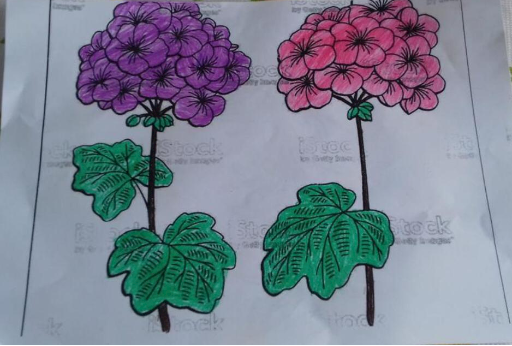
Geraniums are easy to grow, colorful flowers. They have wonderful smell. Thanks to their smell, bees love geraniums very much.
GERANIUM
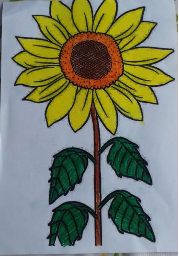
Bees love sunflowers. Bees need sunflower's pollen and nectar. Sunflower's color calls bees for honey.
SUNFLOWER
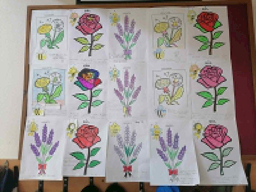
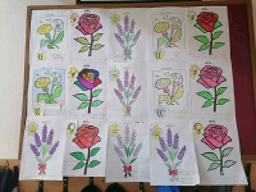
Pages between 40 and 43 were made by Serap VARDAR 's studedents

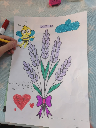
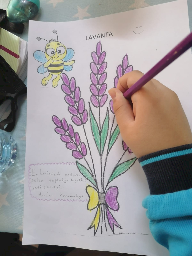
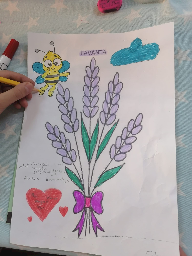
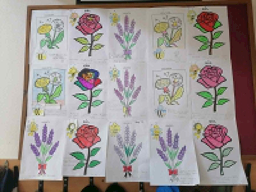
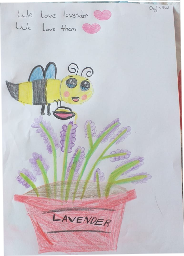
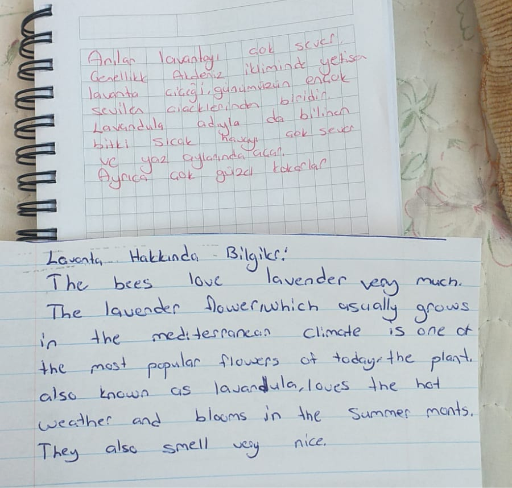
LAVENDER
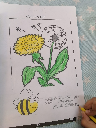
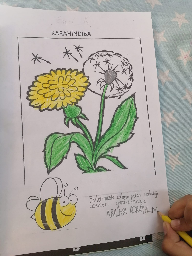
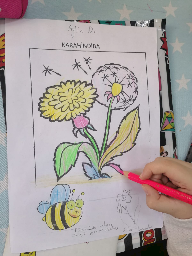
DANDELION
Pages between 43 and 46 were made by Songül YAVUZ'S students
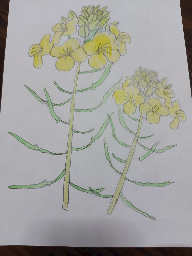

Its genetic origin is Anatolian. It is known as Rapeseed in Turkey.
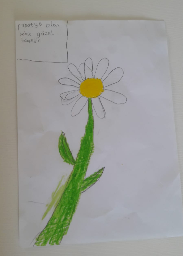
It consists of white petals and a yellow centre, but the flower can sometimes have a pink or rose color. Chamomile is a perennial whose evergreen leaves form a basal tuft or rosette.
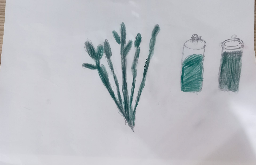
In order to produce thyme honey, the bees must be in the place where these plants grow intensively. During the flowering periods, the bees collect the essence of this honey and take it to their hives, and the worker bees produce the honey.
Pages between 48 and 50 were made by Ioana ARDELEAN's students
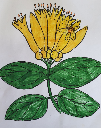
Honeysuckle is able to be worked by honeybees. It is a short flower and one of the earliest flowers to bloom in the spring.
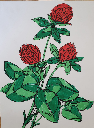
Remarkably, because the amount of nectar secreted by this Red clover is so abundant (more than in White or Alsike clovers), it sometimes fills the flower-tube, making it accessible by Honeybees too, and it may be a more important minor source of nectar than has been supposed by beekeepers. This is also a Pollen source for Honeybees and Bumblebees.
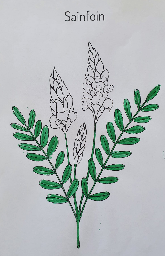
Sainfoin produces large amounts of nectar and pollen that honey bees can't resist.
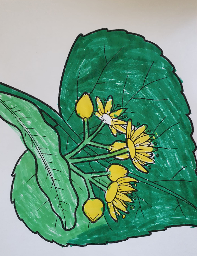
Bees love the linden flowers. The flower has a sweet smell like that of a mignonette that attracts honey bees.
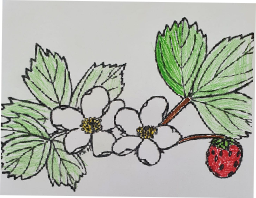
Honey bees prefer strawberry fields, even if flowering next to oilseed rape fields.


D.WHAT HAVE WE DONE FOR THE BEES?
In this part we are going to talk about what should we do for the bees. Let's start with "reducing carbon footprint".
This section was created by Sümeyra GÜLMÜŞ's students.

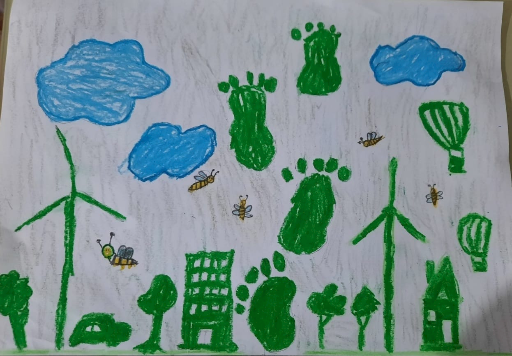
CARBON FOOTPRINT
AGRICULTURAL PHARMACEUTICALS
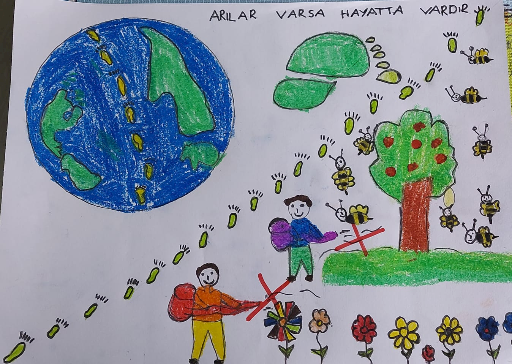
Sudden and intense deaths in bees are generally seen due to poisoning. The biggest reason for this is pesticides.
PROTECTION OF GRASSES
Organic beekeeping is only available in organic farming areas or
It can be done in pastures and plateaus with undisturbed natural structure.
Beehives are used in industries and cities that can cause pollution.
away from centers.
This section was created by Pınar KESMEGULU's students.
Chemicals that will cause water, soil and plant pollution in areas to be used as bee pastures
Struggle and fertilization should not be done.
LOSS OF BEE BREEDS
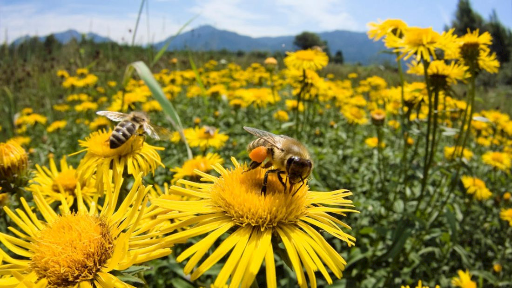
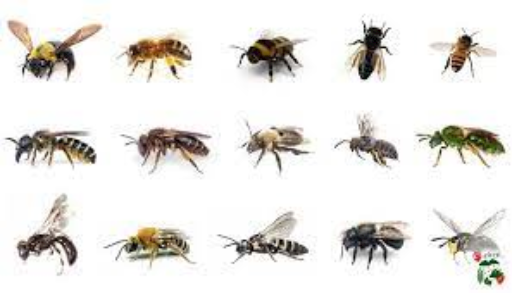
Honey bees, which have existed in the world for about 100 million years, are in the genus Apis, which is one of the membrane-winged insects of the animal kingdom. There are 11 known species under the genus Apis.
This section was created by Nezahat IŞIK's students.
Honey bees, which have existed in the world for about 100 million years, are in the genus Apis, which is one of the membrane-winged insects of the animal kingdom. There are 11 known species under the genus Apis.
CLIMATE CHANGE

This section was created by Mapia ABPAAM's students.
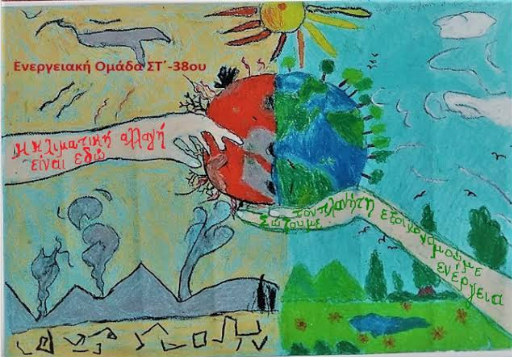
Climate change has negative effects on bees. Negative effects of bees' access to food sources.
However, changes in the climate cause weak colonies to form due to irregularities in colony development, the spread of diseases, the inability of field bees to return to their hive and their deaths.


END
- < BEGINNING
- END >
-
DOWNLOAD
-
LIKE
-
COMMENT()
-
SHARE
-
BUY THIS BOOK
(from $11.79+) -
BUY THIS BOOK
(from $11.79+) - DOWNLOAD
- LIKE
- COMMENT ()
- SHARE
- Report
-
BUY
-
LIKE
-
COMMENT()
-
SHARE
- Excessive Violence
- Harassment
- Offensive Pictures
- Spelling & Grammar Errors
- Unfinished
- Other Problem





COMMENTS
Click 'X' to report any negative comments. Thanks!