CONTENTS

In this book, three UNESCO sites are presented.
1. Diyarbakır Fortress and Hevsel Gardens Cultural Landscape (2015)
2. Aphrodisias (2017)
3. Nemrut Dağ (1987)

The Hevsel Gardens are the seven hundred hectares of cultivated, fertile lands near the Tigris in eastern Turkey, between the Diyarbakır Fortress and the river.
The fortified city with its associated landscape has been an important centre and regional capital during the Hellenistic, Roman, Sassanid and Byzantine periods, through the Islamic and Ottoman periods to the present.

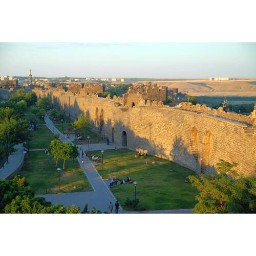
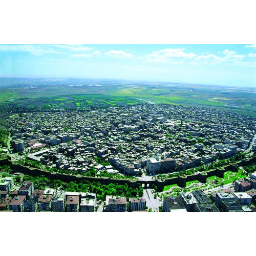
The property includes the impressive Diyarbakır City Walls of 5800 metres – with its many towers, gates, buttresses and 63 inscriptions from different historical periods; and the fertile Hevsel Gardens that link the city with the Tigris River and supplied the city with food and water.

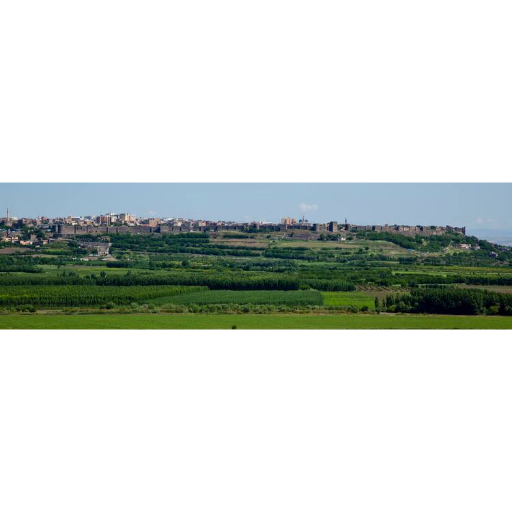
The City Walls, and the evidence of their damage, repair and reinforcement since the Roman period, present a powerful physical and visual testimony of the many periods of the region’s history.
Our city, Batman is close to Diyarbakır.

Located in southwestern Turkey, in the upper valley of the Morsynus River, the site consists of two components: the archaeological site of Aphrodisias and the marble quarries northeast of the city.
The temple of Aphrodite dates from the 3rd century BC and the city was built one century later.
The wealth of Aphrodisias came from the marble quarries and the art produced by its sculptors.
The city streets are arranged around several large civic structures, which include temples, a theatre, an agora and two bath complexes.
The Cult of Aphrodite was the most important cult of Aphrodisias. The sanctuary at Aphrodisias had a distinctive cult statue of Aphrodite which defined the city’s identity.
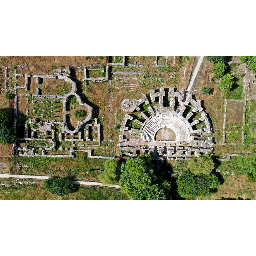
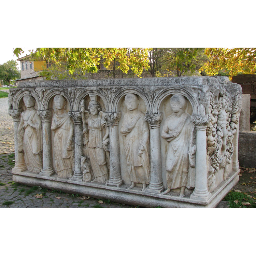
Another key aspect of Aphrodisias was its cosmopolitan social structure (Greek, Roman, Carian, pagan, Jewish, Christian).
Nemrut
Crowning one of the highest peaks of the Eastern Taurus mountain range in south-east Turkey, Nemrut Dağ is the Hierotheseion (temple-tomb and house of the gods) built by the late Hellenistic King Antiochos I of Commagene (69-34 B.C.) as a monument to himself.
Mount Nemrut is one of the most
astounding sites in Turkey.
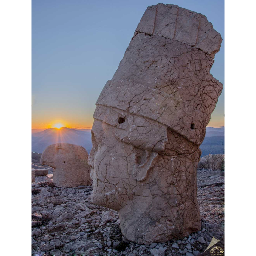
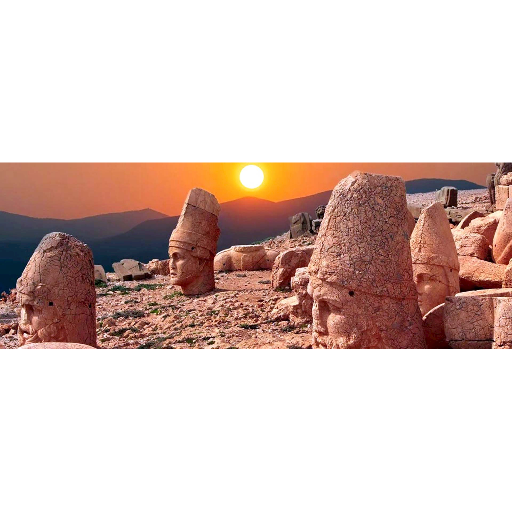
Five giant seated limestone statues, identified by their inscriptions as deities, face outwards from the tumulus on the upper level of the east and west terraces. These are flanked by a pair of guardian animal statues – a lion and eagle – at each end.
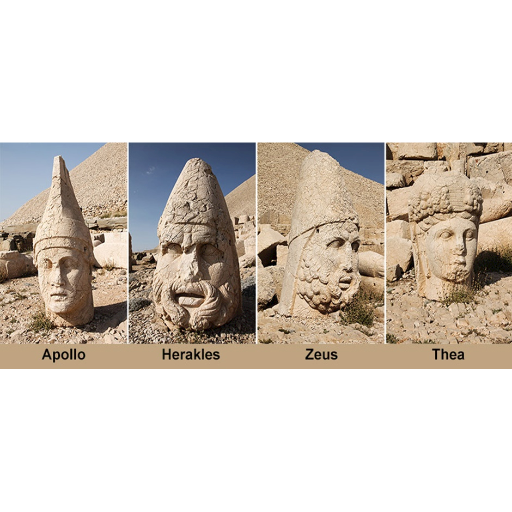
The mausoleum of Antiochus I (69–34 B.C.), who reigned over Commagene, a kingdom founded north of Syria and the Euphrates after the breakup of Alexander's empire, is one of the most ambitious constructions of the Hellenistic period.
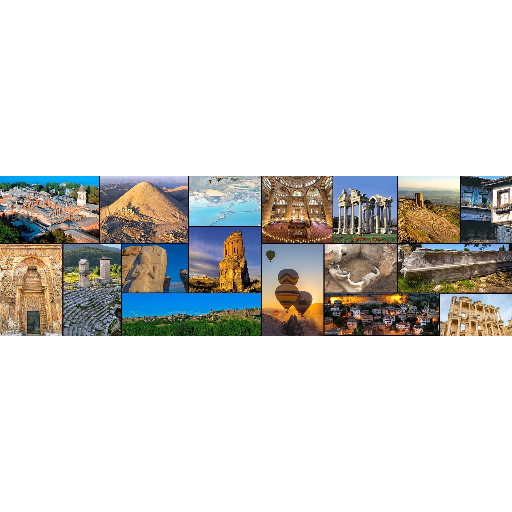
The End
For more UNESCO Sites in Turkey, keep in touch :)


- < BEGINNING
- END >
-
DOWNLOAD
-
LIKE
-
COMMENT()
-
SHARE
-
BUY THIS BOOK
(from $3.19+) -
BUY THIS BOOK
(from $3.19+) - DOWNLOAD
- LIKE
- COMMENT ()
- SHARE
- Report
-
BUY
-
LIKE
-
COMMENT()
-
SHARE
- Excessive Violence
- Harassment
- Offensive Pictures
- Spelling & Grammar Errors
- Unfinished
- Other Problem






COMMENTS
Click 'X' to report any negative comments. Thanks!