This storybook is dedicated to the wonderful students of Çanakkale Vahit Tuna Anatolian High School, Piramatiko Likio High School, Jonas Biliūnas Gymnasiums, Aydın Cumhuriyet Anatolian High School, Colegiul Economic "Pintea Viteazul", Maria Skłodowska-Curie Secondary School , IIS Mattei Fortunato School and their devoted teachers who came together with the eTwinning project.

Chapter 1
( By Vahit Tuna Anatolia High School)
It was a wonderful four days! I have a lot to tell about the first destination of my trip: Çanakkale. First of all, let me introduce myself.
I'm Storykeeper. I’m in my mid-twenties, just graduated from college as an archaeologist. I'm keen on travelling. Until now, I traveled around eight countries and more cities. I’m on my way for more with passion. I love to explore new cities and learn about their stories.
Back to the point, four days ago, I arrived Turkey and took a bus to Gelibolu (Gallipoli)/ Çanakkale. Lucky me, while planing the trip, I got help from a Turkish friend of mine whom I met during an Erasmus programme. I followed her suggestions and started my journey with the Çanakkale Martyrs' Memorial. It is a war memorial commemorating the service of about 253,000 Turkish soldiers who participated at the Battle of Gallipoli during the First World War. The monument was placed very close to the sea and it was really windy there. Anyways, the structure was very impressive.
The Çanakkale Martyrs' Memorial
That was my first day. I spent the night in a comfortable hotel. The next day, I passed through the Dardanelles (formerly Hellespont) to the other side of the city. As I got off the ferry, the giant horse caught my eyes: The Trojan Horse. It is a wooden horse said to have been used by the Greeks, during the Trojan War, to enter the city of Troy and win the war.
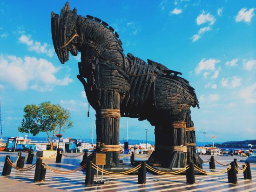
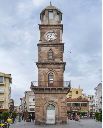
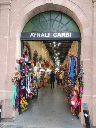
I had a great breakfast across of it and devoted all my day to exploring the city center. I saw a big clock tower which was built by the Sanjak Bey Cemal Pasha in 1896. I took a photo of the amazing monument. Then, I visited the Ceramics Museum and found the Mirrored Bazaar by chance. I also learned that it (the bazaar) took place in a valuable Turkish folk song “Çanakkale Türküsü”. I bought a few souvenirs for my family and friends from there. Before ending the day I ate a Turkish street food called midye (mussel). It was one of the best sea food I have ever eaten.
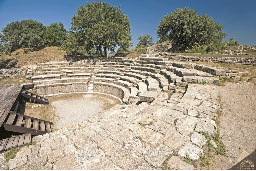
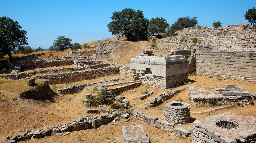
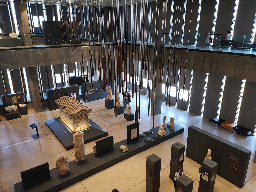
Ancient City of Assos
I went straight to my room after dinner because I was very tired. I took my notes in my diary and went to bed. I fell asleep dreaming of my next trip.
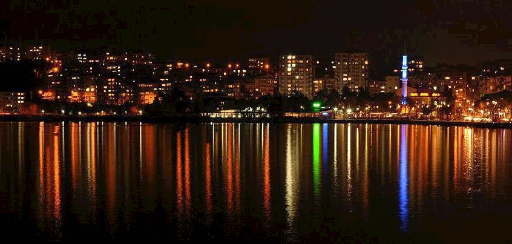
Rethymno, Greece
Chapter 2
( By Piramatiko Likio of Rethymno (High School)
My next trip was just a month later. The destination was the beautiful Rethymnon, a picturesque seaside town on the island of Crete in Greece. It is a city with a long history and rich cultural heritage.
I was called by a friend of mine, who lives and studies archeology at the University that operates there.
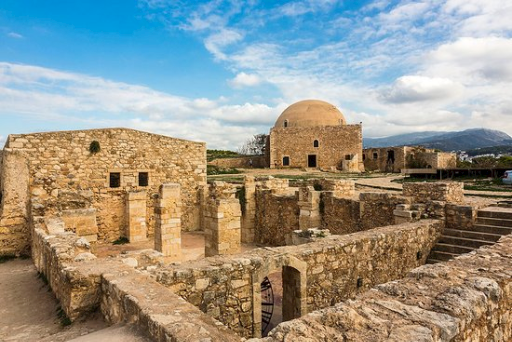
FORTEZZA FORTRESS
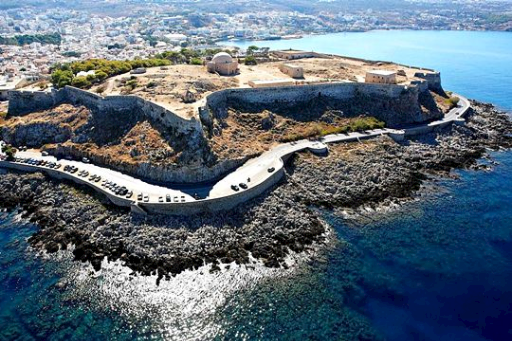
The first point I visited was the trademark of the city, the Fortezza. The Fortezza is the Venetian fortress of Rethymnon, almost in the center of the old town. The castle is visible from every corner of the town and offers panoramic views of Rethymnon and the coast to the west. It was built by the Venetians in the 16th century. In contemporary society Fortezza is used as a landmark, especially for tourists because Crete is a very popular destination for people around the world. Moreover Fortezza is used as a place where a variety of activities are organized such as photographic or painting exhibitions, theatrical plays and festivities.
I toured for a whole day there and I really enjoy it!
The next day I decided to visit the city center and the "Mikrasiaton Square" that is located in the heart of the historic center of Rethymnon and it is perhaps the most famous square in the city. Around the Square there are remarkable monuments and cultural centers such as the Nerantzes Mosque (built during the ottoman occupation of Crete), the Folklore Museum, the House of Culture and the Archaeological Museum. The Square got its name from the Greek refugees who, after having been forced to abandon their homes in Asia Minor (as a result of the exchange of populations under the Treaty of Lausanne (1923), were hosted in this place.
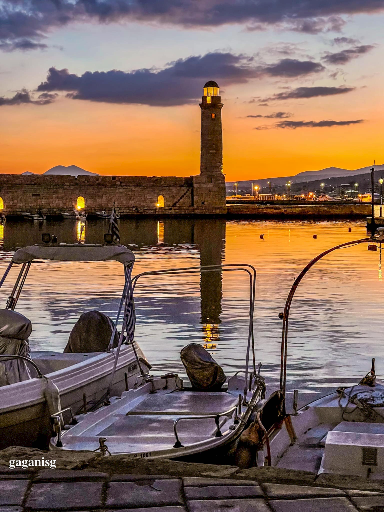
The next morning I have visited the small Venetian harbor of Rethymnon. This small breakwater with its high wall managed to face the wild waves of the Cretan Sea and survive the battle unharmed. It is in remarkably good condition despite the passage of so many centuries. Today there is a much larger breakwater outside it, with a new ferry port for ships to Piraeus and Santorini. At the end of the mole stands the imposing lighthouse.
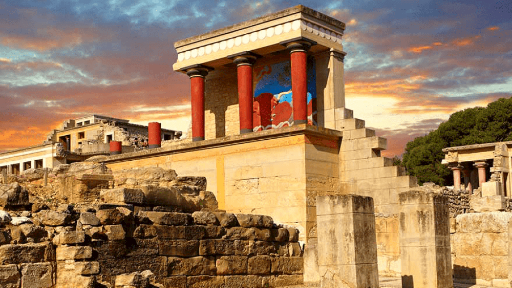
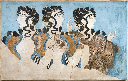
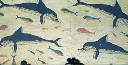
On my last day I visited the Ancient City of Knossos. The place is about one hour by bus, but it was worth it!
Knossos was the center of Minoan civilization and the capital of Minoan Crete for approximately 2.000 years. It had large palace buildings, extensive workshop installations, and tholos tombs.
The Minoan palace is the main site of interest at Knossos. According to tradition, it was the seat of the wise king Minos. The Palace of Knossos is connected with thrilling legends, such as the myth of the Labyrinth, with the Minotaur, and the story of Daidalos and Ikaros.
I had a really beautiful experience in Rethymnon... I liked the history of the city, the hospitable people and, of course, the delicious cuisine. Hopefully at some point I will be able to visit these beautiful places again. But, for now, I look forward to my next trip.
Chapter 3
(By Jonas Biliūnas gymnasiums, from Anykščiai)
Just a few days later I decided to visit Anykščiai. I have heard it is a very beatiful and relaxing town. With a lot of incredible landscapes. It is known for it's beautiful nature that has been written about by many authors.
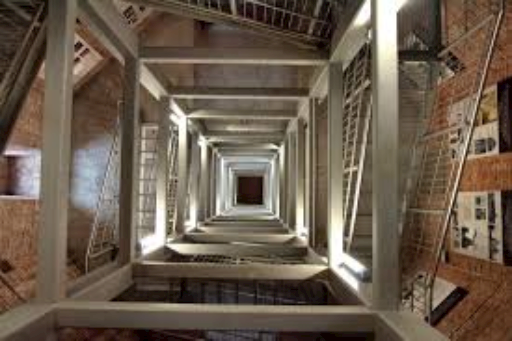
On my first day in Anykščiai I visited the "Lajų takas" that is 300 meters long and is approximately 21 meters above the ground. And the tower at the end of it is built even higher, it is 34 meters above the ground. Right at the beginning of the Lajų takas I saw the "Puntukas" stone. There's a myth that once the devil was carrying a stone, wanting to destroy the Anykščiai church, but then a rooster sang and the devil lost the stone and it landed right where it stands now
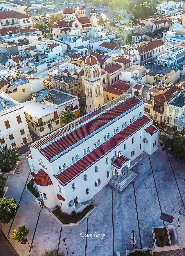
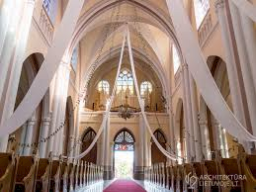
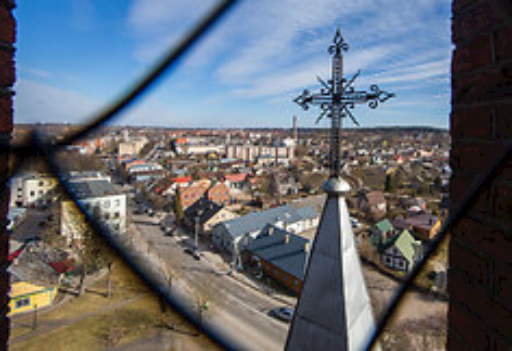
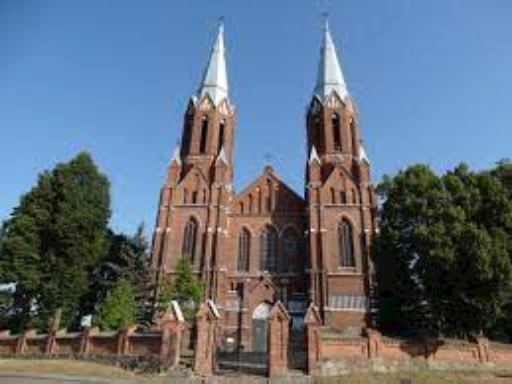
The next day I got to visit the beautiful church of St. Apostle Matthew the evangelist which is also an observation deck. The church is known to be the highest in Lithuania. Its towers reach 79 meters above the ground. The observation deck is 33 meters above the ground. It is located in the center of the town. And is said to be the architectural highlight of the city. The church is decorated with sculptures created by professional artists: V.Vildžiūnas, A.Kmieliauskas, R.Kazlauskas and others. The church had been built in the XV century. Since then it has suffered two fires, but both times it was rebuilt.
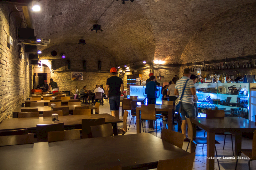
The last day I decided to walk around the town and I visited the restaurant "Seklyčia" which is a restaurant dedicated mainly for traditional meals. I absolutely loved "šaltibarščiai". It is a cold soup, that people here make from vegetables that they grow in their own gardens. It's made from beets, eggs, cucumbers, dill, green onions, kefir and, of course, some salt. It was absolutely delitious with some potatoes. From this I got the impression that Lithuanians love meals that they can make from stuff they grown in their own gardens and farms.
At the end of this beautiful trip in Anykščiai I decided to visit a concert in which some beautiful melodies and songs were being played by locals. And the best part was the national dances during the concert. They were nothing like what I expected. Both the music, dances and even the traditional outfits were unique. I am thankful that I got to see it.
The town has absolutely blown me away. The nature is breath taking and the people are so polite. It's definitely a place I would like to visit again.
Chapter 4 ( Aydın Cumhuriyet Anatolian High School / Turkey)
I heard about there are rumors that female warriors first founded Ephesus ancient city So I decided to visit Ephesus in West Aegean Region of Turkey.
The ancient city of Ephesus is located on the borders of the Selcuk district of Izmir next to Aydın. Different empires and civilizations have lived in the ancient city for centuries. Hellenistic, Byzantine,
Roman and Ottoman principalities lived in this ancient city for a while. It is possible to see historical traces of different civilizations in the ancient city.
The Temple of Artemis, known as one of the Seven Wonders of the World within the boundaries of the ancient city, the Celsus Library, the Seven Sleepers Cave, where stories about seven young people falling asleep for centuries, and the Hillside Houses lined up in rows was worth to be seen.
After the visiting those amazing places I passed to Aphrodisias, One of the ancient cities in Aydın .
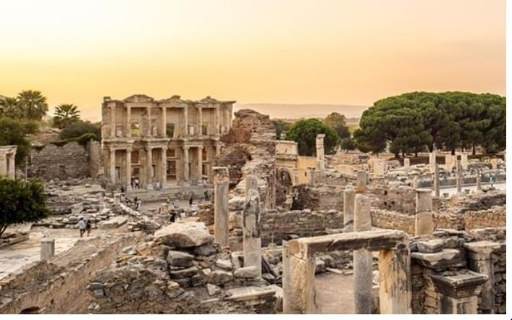
Then I reached the ancient city by using Selcuk minibuses
departing from city center to Aydın.
There is a distance of about 70 kilometers between the Ancient City of Ephesus and the city center of Aydın Province. The Ancient City of Aphrodisias is located on the borders of Karacasu district of Aydın.
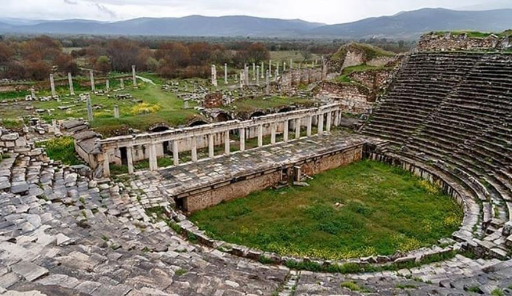
After a short trip to Afrodisias I couldn't believe in my eyes because the ancient city, built in the M.D 1. century, has a theater, a parliament building, a stadium, a Sebastion, a Temple of Aphrodite and a Hadrian's Bath. Although some important buildings have been lost as a result of the use of different reigns in the ancient city,
I was shocked there are also historical buildings that can be moved intact to the present day. I saw the sculptures, busts, coins and gold coins unearthed within the boundaries of the ancient city displayed at the Aphrodisias Ancient City Museum. On the way to Aydın city center Nysa Ancient city was a great surprise to see.
Then I went to Aydın city center to a hotel
so that I can relax..
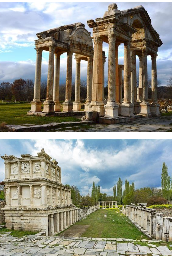
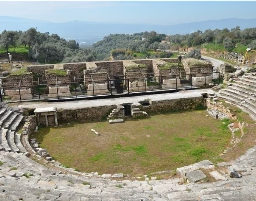
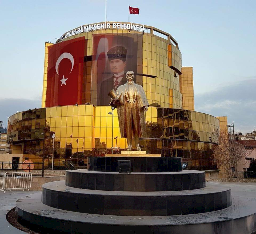
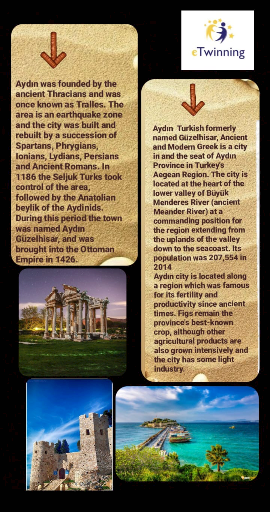
The Next day, The weather was really warm but cloudy.I checked my brochure about Aydın and had a walk to see city center.I learned Atatürk was their great leader who founds Turkish Republic.His sculpture was in main Square in front of the Aydın Municipality Building...Seeing Ramazan Pasha Mosque which was built in 1595 by Ramazan Pasha, the brother of Üveys Pasha was interesting because it is the place where Muslims worship. And I found an ancient education center Nasuhpaşa Complex, popularly known as Osman Ağa Madrasa, was built in 1708 with four small parts: a mosque, a madrasa, a bathhouse and an inn.
There are historical buildings such as Zincirli Han and hamam to the right and left of the complex. In the middle of these three historical buildings is a charming fountain. Rubble stone and brick were used in the construction of this structure, which has a square architecture.Currently, there are 17 student rooms in this structure.
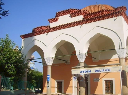
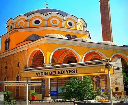
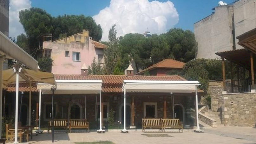
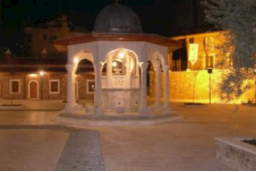
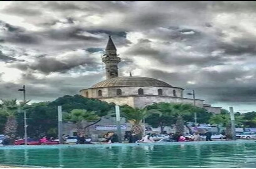
At noon, I heard the azan coming from Bey Mosque in the city center for calling the people to pray .
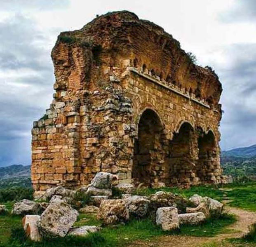
On the way an old lady told me that I should visit Tralleis...Until reaching there she was with me. And then she told all the details about Tralleis, one of the dec ancient cities in the world, is located on the southern slope of Chestnut Mountain. 13 BC. there are historical records that it was built in the XIII century. Its is called as three-eyed among the people there...))
Around the three-eyed structure of the ancient city, which was connected to the Kingdom of Pergamon, there are baths, a theater, an agora and a stadium.It was fascinating.
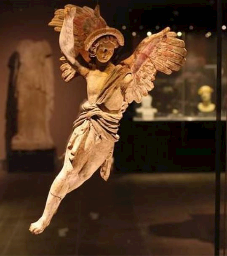
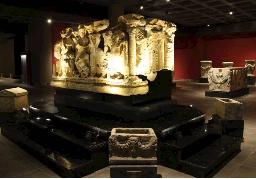
The old lady suggested to see The Archaeological Museum, located in the Ilıcabaşı neighborhood of Aydın city center.Then she told It was completed in 2011 on the grounds that the necessary allowances could not be provided, although its construction was started in 2000, and it became open to the public in 2012.Later, we wacthed a 15-minute presentation informing about the ancient cities at the entrance of the museum.
I discovered a karsas system was used in the construction of the museum, which consists of a floor. The museum was built using stone, glass, terracotta and coins.
When the lady said goodbye, a young girl in charge gave me a
tuorism information booklet so that I could get more
information about Aydın city.
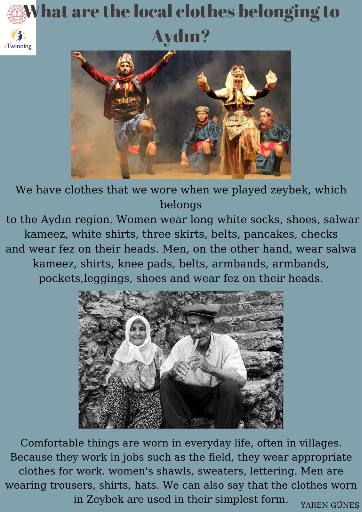
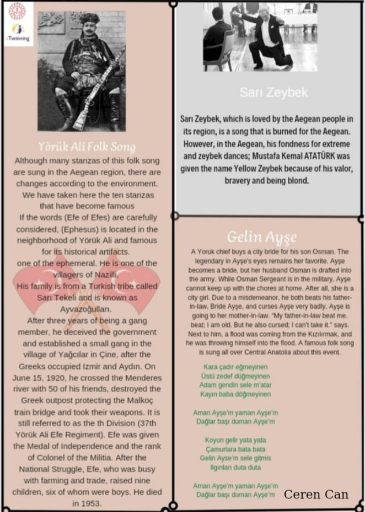
In the evening,I felt I was tired.On the way I had a great dinner with the traditional meals,all them are super marvellous...I advise you taste them one day...
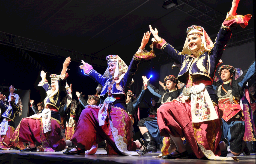
The restaurant owner was very warmblooded like all the other people in Aydın.He topld me there was a traditional henna night of a wedding and I could visit it.
When I was at henna night ceremony, a local dance group was on the stage and their local music the y played was amazing. I added the music for you :))
While wacthing the local dancers, I was having
a look to the booklet. I realised that Kuşadası is a
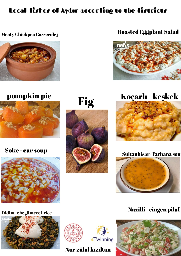
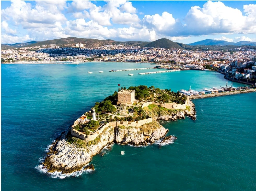
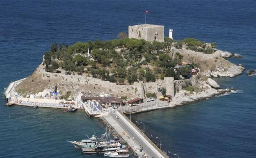
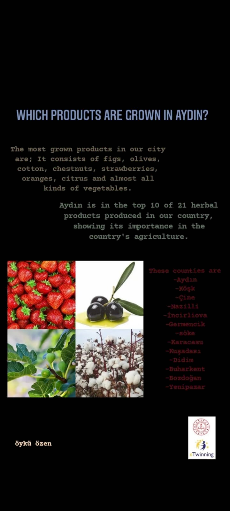
must see destination in the district. I was so excited that I could swim and sunbath. On the way, I saw many fig and olive trees. In the booklet there was incredible photos of Güvercin Island... Dilek Peninsula was really fascinating,too...
I felt that I must come again Aydın in my summer holiday for two months.... In fact I'll always remember these fabulous days
forever.....
Chapter 5
A Trip to Cavnic Town
(by Colegiul Economic "Pintea Viteazul")
I’ve always wished to visit a place in winter, to see the snow covering the lands, to feel the cold and fresh air and to try some winter sports. So, in December I arrived to Cavnic, a small city in the north-west part of Romania, Maramures county, near the Gutai mountains. At that time I thought it was the coldest day of the winter season, but some people told me that it could have been worse than that. Therefore, I was quite lucky…
The sky was overcast with clouds and chilly winds were blowing. The temperature went down to minus zero degrees.
I made some new friends there who told me about a unique sledge which couldn’t be found in any other places. It was a sledge with a wheel, called Lenker. It slid very fasssssttttt.
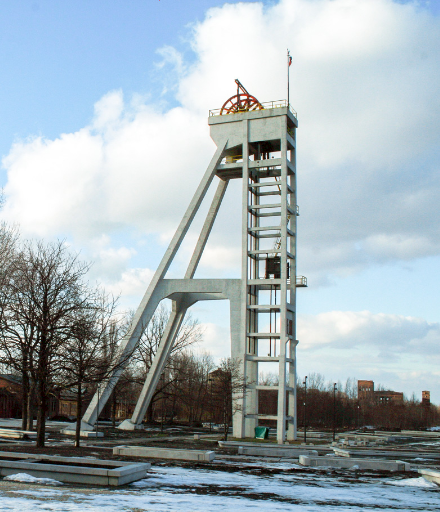
Near the ski slopes, there were some ruins of the first smelter of gold in Europe, called Logolda. During the period when mining was the main sector of activity complex ores were exploited and processed here, the mine being the largest exploitation of complex ores in Europe. After the mine closed, tourism became the main field of activity.
Chapter 6 - A trip to the city of Chorzów (Poland) and its region.(By Maria Skłodowska-Curie Secondary School)
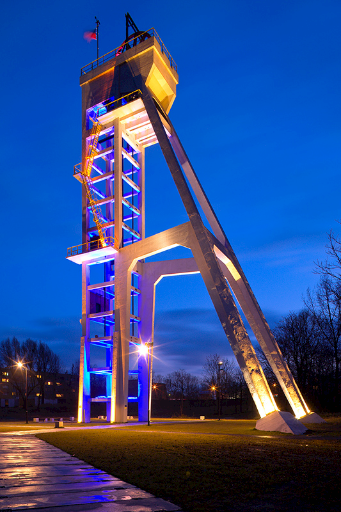
After a visit to a picturesque land of Romania I headed north, to the city of Chorzów in the region of Upper Silesia, in southern Poland. I came to a place with a rich industrial tradition which used to be full of coal mines and iron works. Today it has changed its character but still preserves some of its past landmarks. So, right at the beginning I visited an old mineshaft "President". Here there used to be a coal mine and now it is a panoramic view tower. To get to the top I had to climb 201 steps. From there I could admire the view of the whole city and its whereabouts.
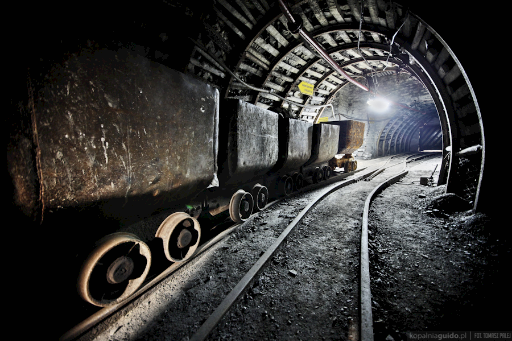
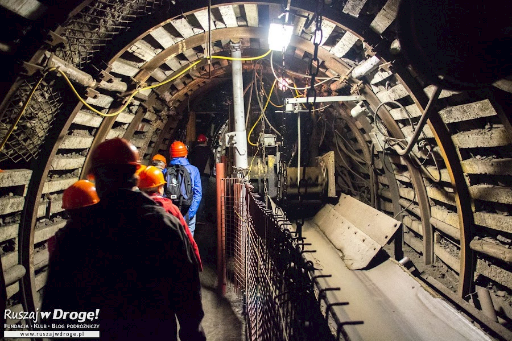
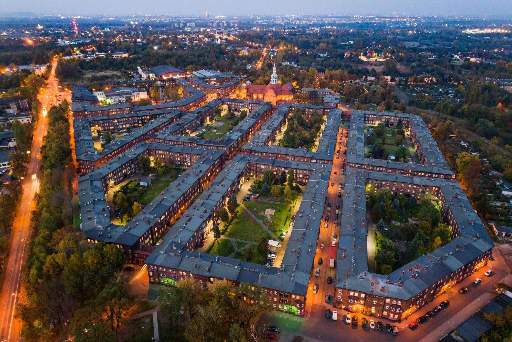
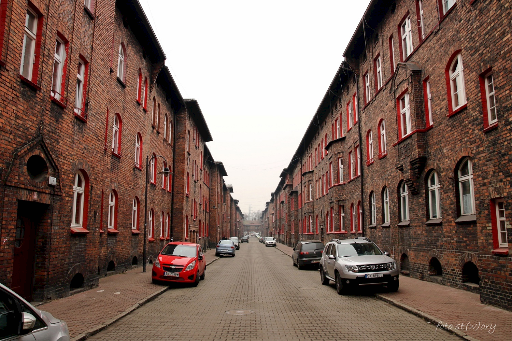
From the darkness of the mine I went to see how Silesian miners and workers lived with their families in old tenement housing estates called "Familoki". People have been living there from generation to generation These places still remain their unique charm and vibe, found nowhere else in Poland.
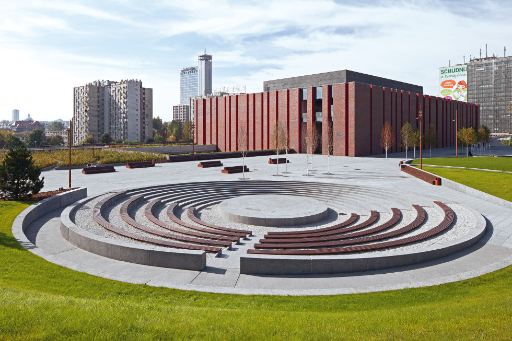
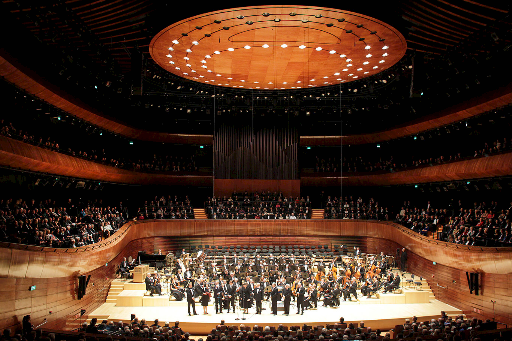
Even though Chorzów and Katowice are very industrial cities, there is plenty of green space here. So I decided to take a stroll in the Silesian Park, one of the largest parks in Europe, boasting forest-like paths, charming nooks and an amzaing rose garden.
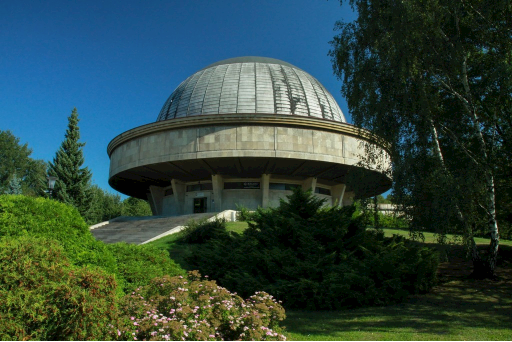
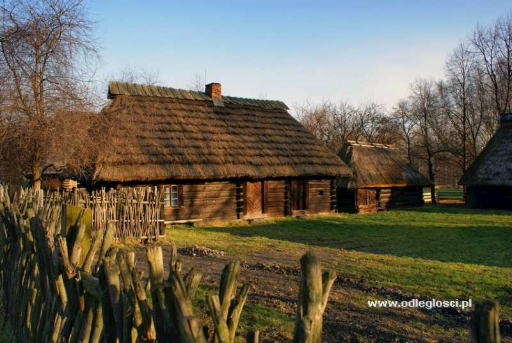
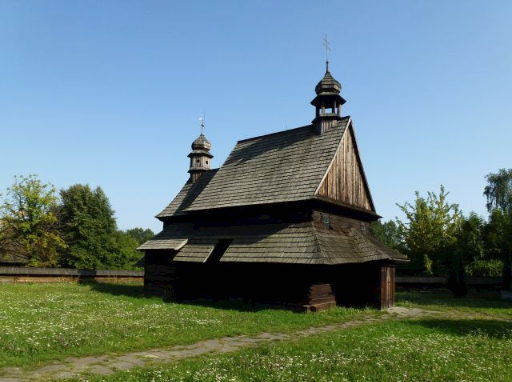
From Planetarium I went to an open-air museum in the park. There I could see what architecture of different regions of Silesia used to look like. Behind each building there is a different history and function. It is really fascinating. I felt like I had moved back to the past.
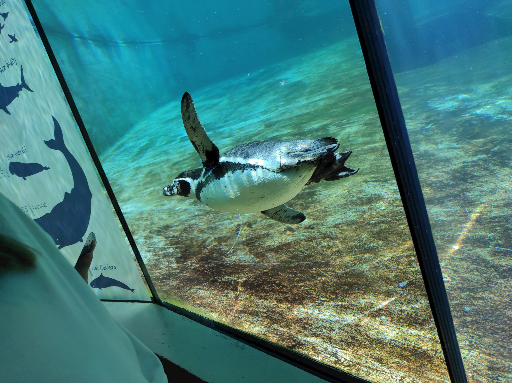
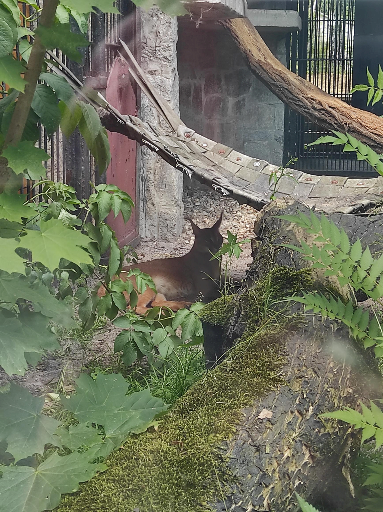
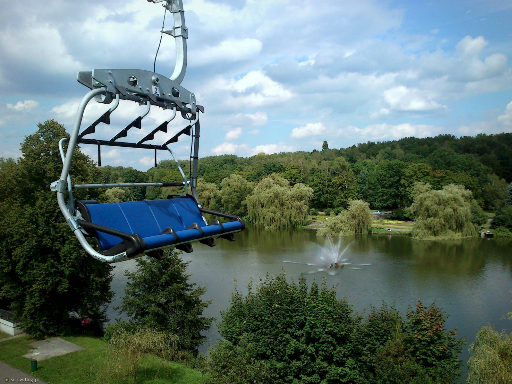
Next thing on my must-see list was the Silesian Zoo. I saw plenty of wild animals such as lions, elephants, giraffes, hippos and even penguins. That was fun! From this point I moved to the amusement park "Legendia", where I spent amazingly crazy moments on andrenaline-boosting rollercoasters. At the end of my journey in Chorzów I decided to see the Park at its most from the local cable car called "Elka". WOW !!!! That was fabulous!!!But the time was running out... So, full of rich memories and experiences, I said goodbye to Chorzów and Poland and set off on a journey to Italy.
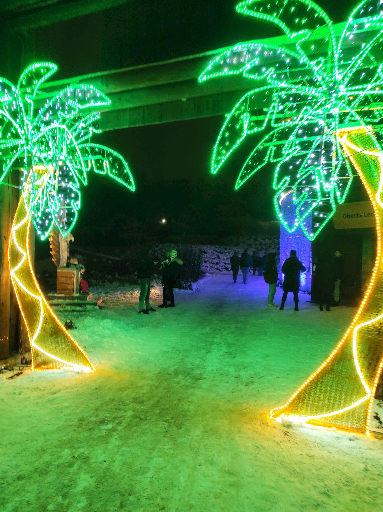
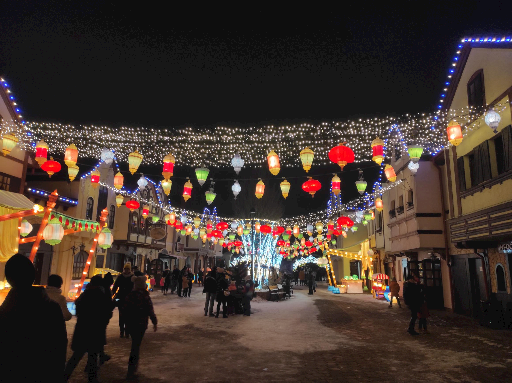
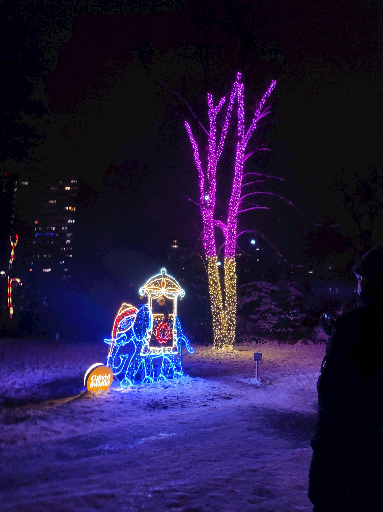
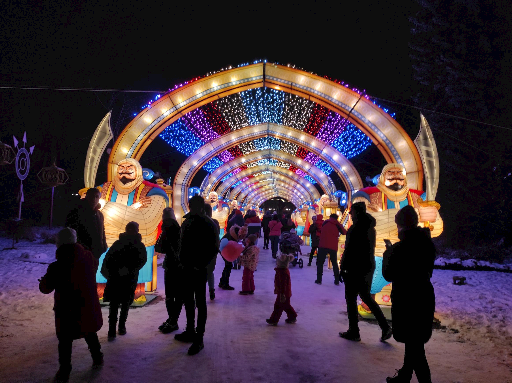
Legendia amusement park during Festival of Lights in winter.
7th Chapter
Storykeeper in Italy
IIS Mattei Fortunato- Eboli- Bellizzi
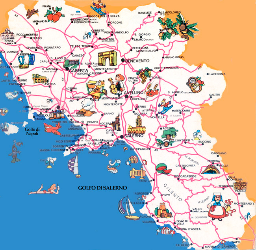
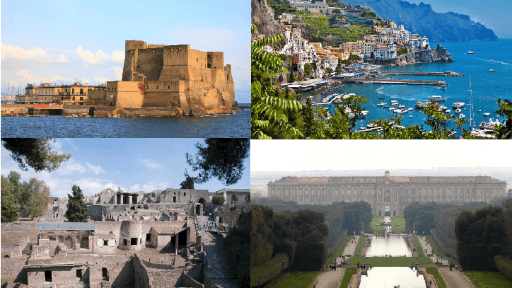
I arrived in Italy, in Campania region, and I decided to
visit Naples. When I got there, as in a dream, a
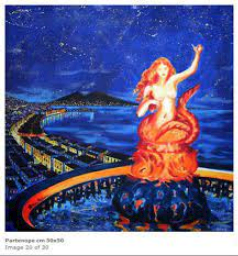
wonderful siren, with a splendid music, walked
towards me, declaring to be my guide.
She told me she was the founder of Naples, a city rich
of beauties, traditions and culture. Soon after, we
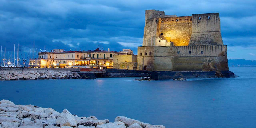
went to visit some beautiful places : among them
"Castel dell'Ovo" symbol of the city.
At lunch time we went to eat in a typical restaurant to
taste some traditional dishes and the siren Partenope
told me I had to taste: pizza and two desserts: babà
and sfogliatella, telling me their legends.
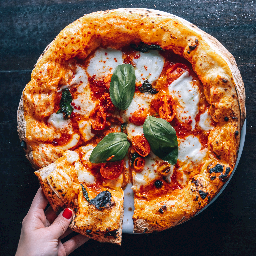
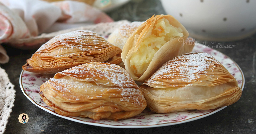
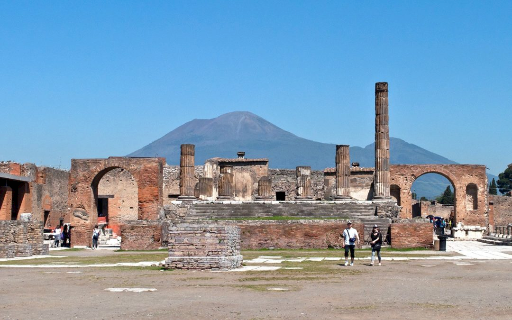
In the afteroon I went to Pompeii the Roman town
destroyed by the explosion of the Volcano Vesuviuus
in 79 AD.
It is now one of the most important Unesco Site in
our area.
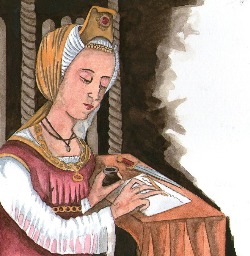
I had a wonderful afternoon but I had to go on with my travel. I took a hot air ballon and got in Salerno. I met Trotula de Ruggiero, who told me she was the first medical doctor woman of the ancient Medical School; it was the first school of medicine in Europe founded in the Middle Ages. This school was the meeting point, in the Mediterranean Sea, of Arabic, Greek and Roman cultures and all the scholars met in Salerno to share, medicines and experiments. They founded together a garden for the growing of medical plants.
I with Trotula went to visit the Minerva Garden, the old site of the Medical School.
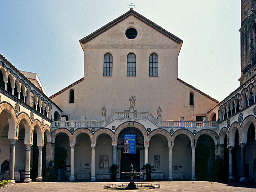
In the same period the bishop Alfano I, who was a
doctor, too. favoured the build of the cathedral dedicated to the apostole St. Mattew.
The Cathedral
Trotula the
first medical woman The Minerva Garden
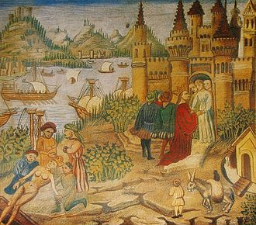
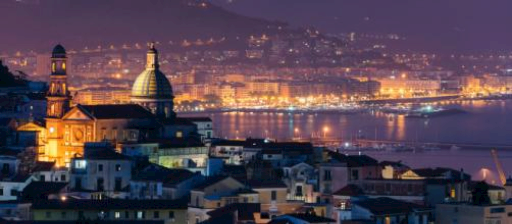
Salerno by night
Trotula told me she coudln’t be my guide any more because she couldn’t leave Salerno, and I flew by my hot air balloon to visit Bellizzi, Battipaglia Eboli, the towns in the Sele Plan.
I went to visit some buffalo farms and I tasted the Mozzarella, the famous Italian Cheese.
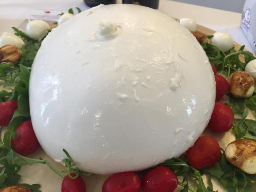
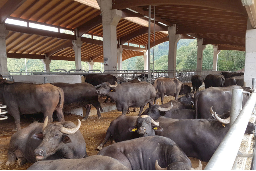
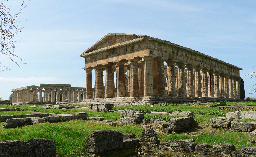
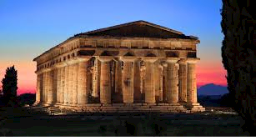
Towards evening I arrived in Paestum, the Greek site dating back to the Magna Grecia.
Another imaginary guide walked towards me “The Diver”. He was a famous athlete and died very young. We went together to visit his tomb. He is painted in the moment to dive towards the infinity, symbol of the mistery of life.
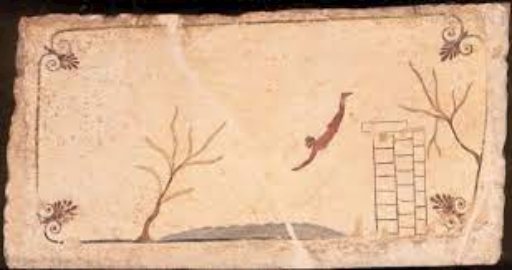
The young boy said : “ My dear Storykeeper you are a lucky boy. Traveling through the world can reveal you the real meaning of life.” “ Life, my dear friend , is a travel looking for happiness, justice, love, freedom, peace and brotherhood between peoples.”
“ You have a mission. Wandering and telling everybody what you have learnt from this wondeful travel”
- < BEGINNING
- END >
-
DOWNLOAD
-
LIKE
-
COMMENT()
-
SHARE
-
BUY THIS BOOK
(from $15.79+) -
BUY THIS BOOK
(from $15.79+) - DOWNLOAD
- LIKE
- COMMENT ()
- SHARE
- Report
-
BUY
-
LIKE
-
COMMENT()
-
SHARE
- Excessive Violence
- Harassment
- Offensive Pictures
- Spelling & Grammar Errors
- Unfinished
- Other Problem





COMMENTS
Click 'X' to report any negative comments. Thanks!