"STEAM with Jules Verne"
A collaborative book about our solar system

The Sun
1st Kindergarten Serron - Extended class
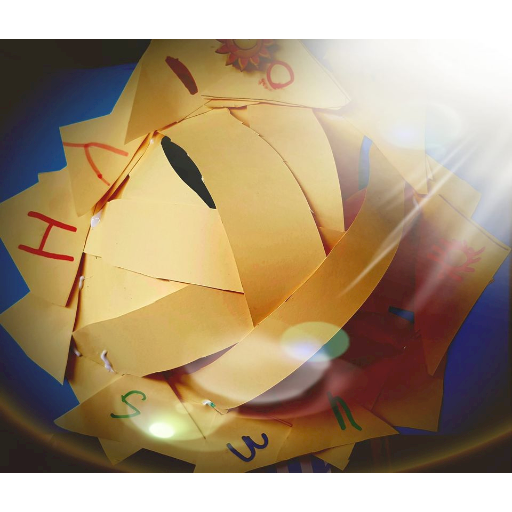
Η γη
Η Γη είναι ο 3ος πλανήτης πιο κοντά στον ήλιο και το μόνο αστρονομικό αντικείμενο που είναι γνωστό ότι φιλοξενεί ζωή.
Η Γη σχηματίστηκε πριν από περίπου 4,5 δισεκατομμύρια χρόνια.
Περίπου το 71% της επιφάνειας της Γης καλύπτεται από νερό και το υπόλοιπο 29% είναι ξηρά.
Η ατμόσφαιρα της Γης αποτελείται κυρίως από άζωτο και οξυγόνο.
Περιστρέφεται γύρω από τον άξονά του σε μια μέρα και περιφέρεται γύρω από τον ήλιο σε ένα χρόνο.
1ο Νηπιαγωγείο Νέου Σουλίου Σερρών/πρωινό τμήμα
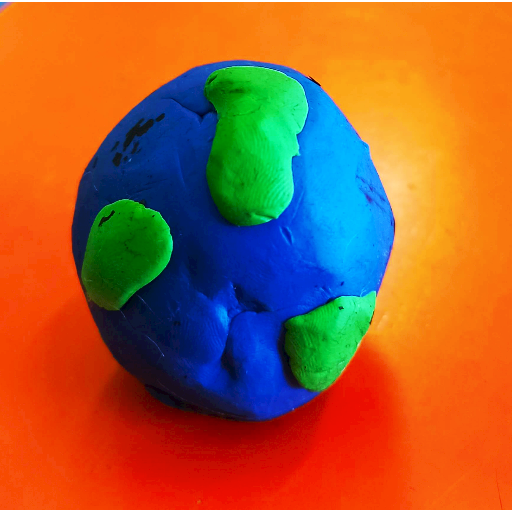
Zeus
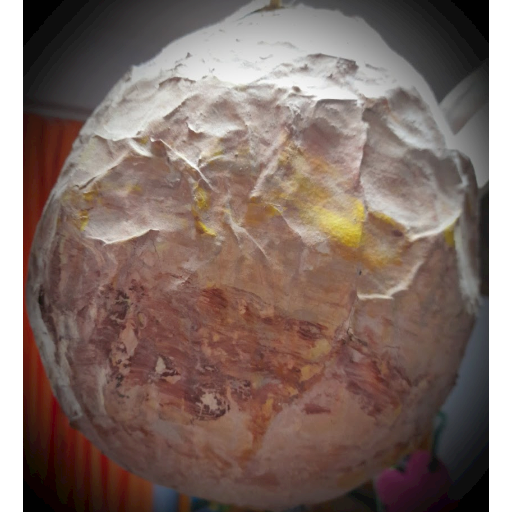
THE MOON
The Moon is the only natural satellite of Earth. The Moon is the second brightest object in the sky after the Sun. The Moon does not shine with its own light; reflects light coming from the Sun.
Moon is covered by craters as well as dust and debris.
In 1959, the Moon was first visited by the Soviet spacecraft named Luna 2. On July 20, 1969, NASA astronauts Neil Armstrong and Buzz Aldrin were the first people to set foot on the Moon.
ALİ ŞİR NEVAİ ORTAOKULU-İREM YORULMAZ
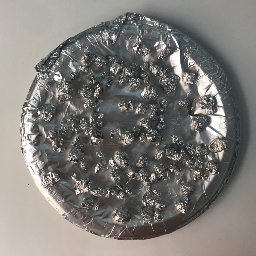
Neptune is the eighth and farthest solar planet from the Sun. In the Solar System, it is the fourth largest planet in diameter, the third most massive planet and the densest giant planet. It is 17 times larger than the mass of the Earth and slightly larger than the almost twin Uranus. Poseidon is denser and of course smaller than Uranus, because its larger mass causes more gravitational compression of its atmosphere. It is referred to as one of the two giant planets of the solar system (the other is its almost twin Uranus).
1st Kindergarten of N. Souli (extended class)
The 4th from the Sun is Mars, the red planet. It is the 2nd smallest planet in the solar system and has the highest mountain (Olympus Mons). It has two moons (Fear and Municipality). Mars revolves around itself every 24.6 hours on Earth and from the Sun 687 Earth days. Mars is a desert, arid planet with a sparse atmosphere. Its surface is covered with fine iron oxide powder and "basalt". Mars was created 4.5 billion years ago and is believed to have hosted life (in the form of germs).
1st Kindergarten of Corfu / class 1
Mars
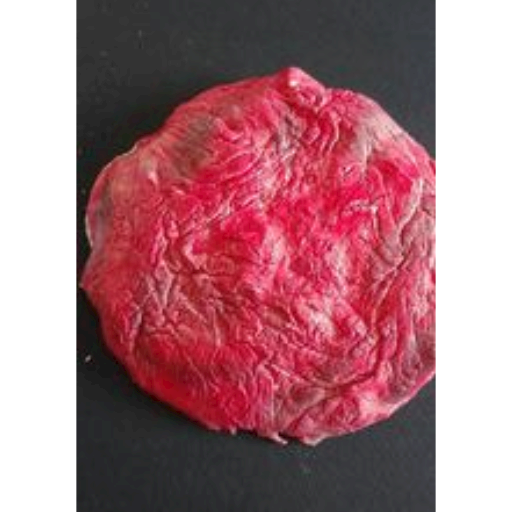
SATURN
Saturn or Sekendiz (formerly Zühal[15]) is the 6th planet of the Solar System in order of proximity to the Sun. It is second only to Jupiter in terms of size. It takes its name from Kronos in Greek mythology. As one of the 5 planets visible to the naked eye (the others being Mercury, Venus, Mars and Jupiter) it has attracted the attention of mankind since ancient times. It consists largely of hydrogen and helium and is classified as gas giants.
Süreyya AVCI-ŞEHİT KADİR KAYHAN İLKOKULU
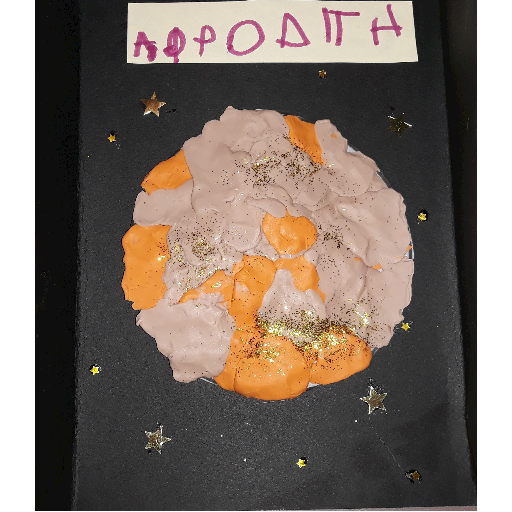
VENUS
Venus is the second planet from the Sun. It is named after the Roman goddess of love and beauty. Venus is a terrestrial planet and is sometimes called Earth's "sister planet" because of their similar size, mass, proximity to the Sun, and bulk composition.
1st Kindergarten of Corfu/ class #2
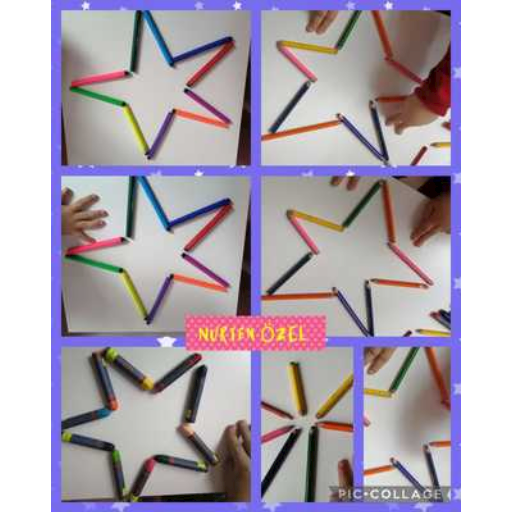
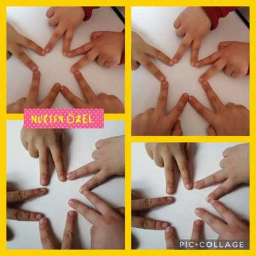
STARS
A star is a sphere of plasma composed predominantly of hydrogen and helium, appearing as a point in the sky, glowing in dark space. Galaxies formed by stars that gather together dominate the observable universe. There are about 6,000 stars visible to the naked eye from Earth, and the closest star to Earth is the Sun, which is also the source of heat and light for life on Earth. The Sun is the source of most of the energy on Earth, including sunlight. Other stars appear in the sky at night, when viewed from the earth, when they are not under the light of the Sun.
Nurten ÖZEL - Cumhuriyet Anaokulu


- < BEGINNING
- END >
-
DOWNLOAD
-
LIKE
-
COMMENT()
-
SHARE
-
BUY THIS BOOK
(from $3.59+) -
BUY THIS BOOK
(from $3.59+) - DOWNLOAD
- LIKE
- COMMENT ()
- SHARE
- Report
-
BUY
-
LIKE
-
COMMENT()
-
SHARE
- Excessive Violence
- Harassment
- Offensive Pictures
- Spelling & Grammar Errors
- Unfinished
- Other Problem





COMMENTS
Click 'X' to report any negative comments. Thanks!