
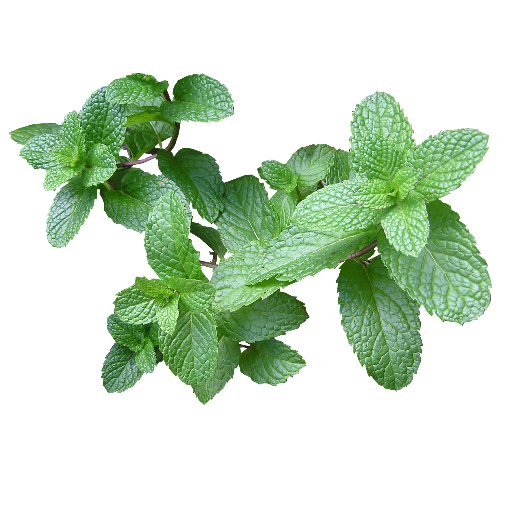
Mint
yazan alityan / jeser alshaikh hussain primary school for boys
1-Bug repellent 2-Food 3-Drinks 4-Tea 5-Hair rinse 6-Facial astringent
7-Mouthwash 8-Mint bath 9-Ease sunburn pain 10-Breath freshener
11- Scent up a space 12- Moth repellent/scented sachet
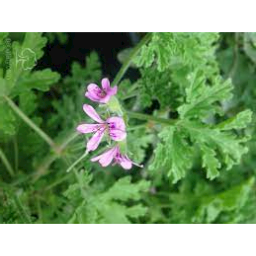
Sweet scented geranium
Kadija bint kwailed primary school ,,,
student layali
The benefits :

Khadijah Bint kwailed primaryschool
Student..samerh alwshahy

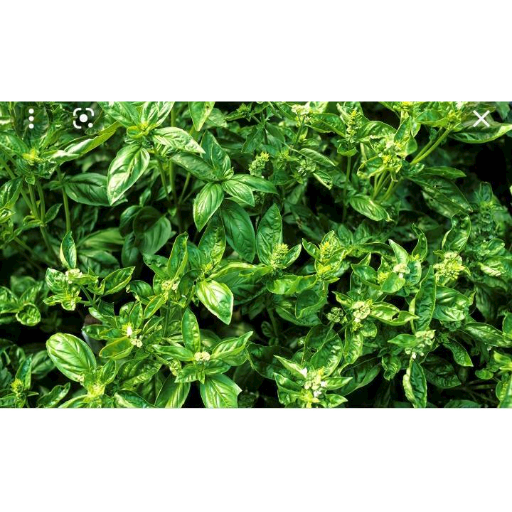
Scientific Name: Ocimum basilicum
Basil, hawk, or basil, and nicknamed in Europe as royal basil, royal herb or Saint Joseph's plant, is an aromatic annual herbaceous plant belonging to the oral family. It is used for garnishing, cooking, and treating. Basil flowers are white or purple in color, and have a distinctive fragrant smell. Wikipedia
Basil is an antiviral, which helps to strengthen the immune system, and this protects against various diseases, as basil contains flavonoids, which are powerful antioxidants that increase the body's resistance to diseases and help increase mental activity.
Mafraq Industrial Secondary School for Boys/ Student Youssef
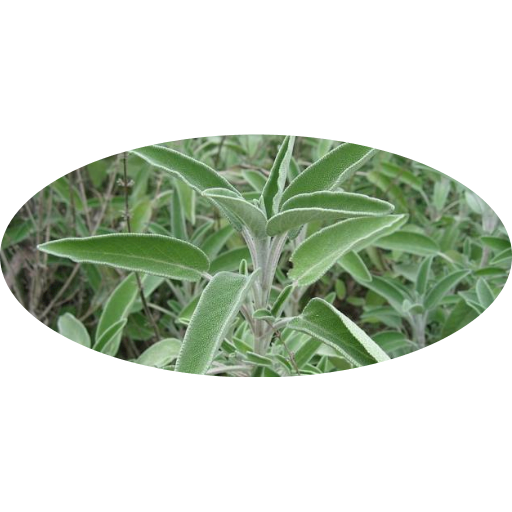
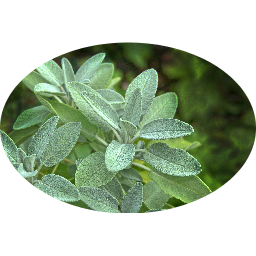
sagebrush
Sage (Salvia officinalis) is one of the herbs known since ancient times. It is a perennial evergreen shrub with a sharp flavor and aromatic aroma, found in the regions of the Mediterranean basin and southeastern Europe.
Sage health benefits
1. Enhance mental abilities and prevent Alzheimer's
2. Anti-inflammatory and anti-allergic
3. Promote heart health and lower cholesterol
4. Promote healthy skin
5. Enhance and strengthen immunity
The nutritional value of sage
Sage contains a group of chemical plant compounds, essential oils, vitamins and essential minerals known for their role in fighting disease and promoting health:
Thyme herbs ( Zaatar )
Alzahraa Secondary School for girls Ar-Ramtha
Student :Rayan Alsukhni
Teacher : Etab As-Sabbah
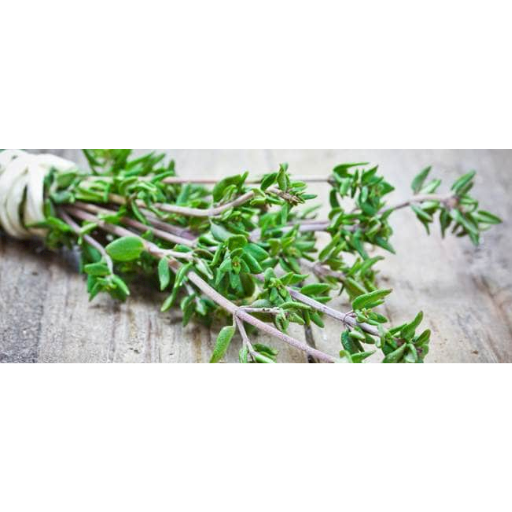
Thyme is a robust, shrubby herb with trailing green-gray leaves and an intense aroma and flavor. This herb is native to the western Mediterranean, and it extends to drier, sunnier climates around Western Asia and southern Europe. Although there are more than sixty types of thyme, Thymus vulgaris, or garden thyme, is the most common culinary species. It's also the type most commonly used in historical recipes and remedies, especially in and around ancient Greece, Rome, and Egypt. Thyme adds instant flavor to cooking, but it can also offer health benefits when consumed in fresh or dried form, or when it’s steeped to make tea.
The Benefits of Thyme
This fragrant herb provides more than just flavor to your favorite meals. In fact, thyme essential oil is known for its ability to fight off bacteria and fungus and has even been used to preserve food. Thyme also contains a variety of minerals and vitamins that promote good health. Thyme is full of vitamin C for immune support, potassium for healthy cells, and manganese for bone development and blood clotting.
Thyme is also a good source of: Manganese, Magnesium, Zinc, Potassium, Calcium, Iron
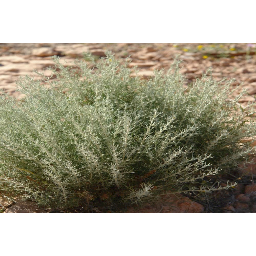

Plant name: Artemisia
Student name: Raneem Nasser
School name: Queen Zain AlSharaf secondary School

Artemisia or birch or a genus of wild perennial, woody, herbaceous plants of the Asteraceae family. There are many types of it spread in most parts of the world, including wild, medicinal, industrial, and ornamental. Its branches are slender, rough.
**It is used to treat indigestion and rid the body of bloating. Helps boost bile production, which is important for liver and gallbladder health. Contributes to neutralizing excess acids in the stomach, which prevents acidity and ulcers. Helps relieve symptoms associated with Crohn's disease and irritable bowel syndrome.
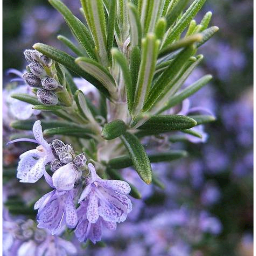
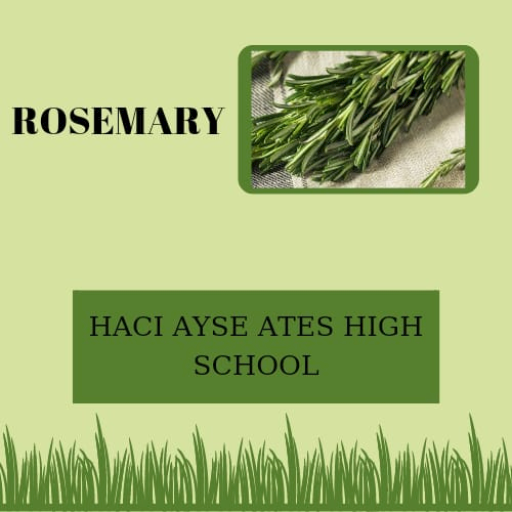
Salvia rosmarinus
(Rosemary)
princess haya comprehensive secondary school
student : Teepa khazalah
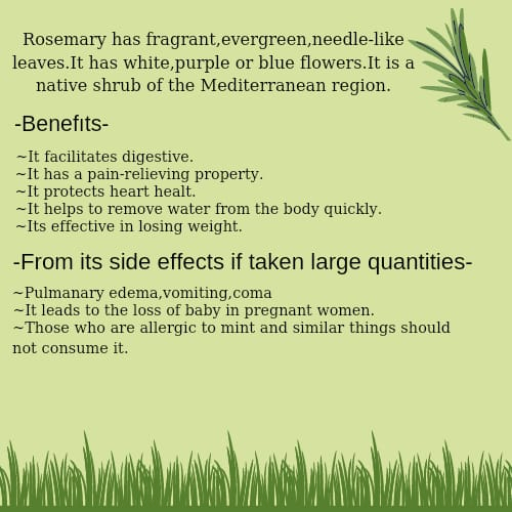
is a shrub with fragrant, evergreen, needle-like leaves and white, pink, purple, or blue flowers, native to the Mediterranean region.
The benefits :
*Antioxidants and anti-inflammatory compounds.
*Improving digestion.
*Enhancing memory and concentration.
*Neurological protection.
*Prevent brain aging
*Research published in Oncology ReportsTrusted Source found that “crude ethanolic rosemary extract (RO)” slowed the spread of human leukemia and breast carcinoma cells.”
*Protection against macular degeneration.
Plant name : Ginger
Student name : Lana Sharafat
School name : Almanshiea Secondary Comprehensiv School for girls

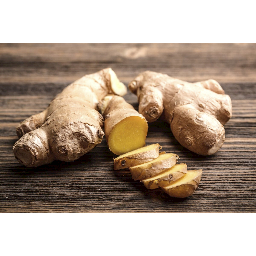
Ginger
It is a plant species of the ginger family of tropical plants. Its rhizomes growing under the soil are used, which contain volatile oils that have a pungent odor and a pungent taste. Its color is either squirrel-white or yellowish-white. Ginger is only extracted when its spear leaves wither.
Benefits: Reducing cold and cough symptoms
Treat insomnia and headache
Maintaining the level of blood pressure
Relieve Irritable Bowel Syndrome
From its side effects if taken in large quantities:
diarrhea, Acidity, ectoderm, Intestinal obstruction, Obstruction of the action of some medications, such as anticoagulants, Feeling numb and feeling sleepy
Sword flower, general appearance and minor improvements to the weapon. Colloquially, this flower is also called sword flower or pasha sword.
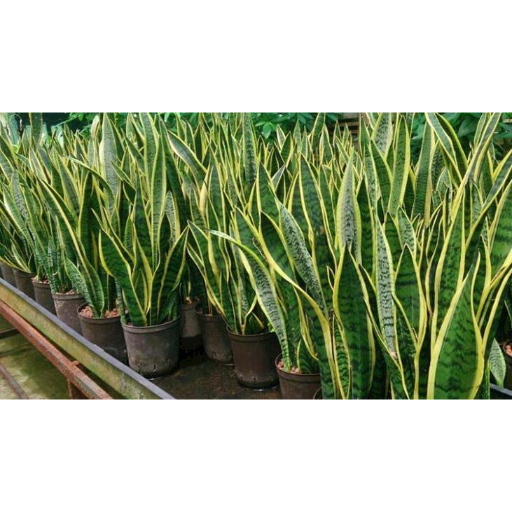
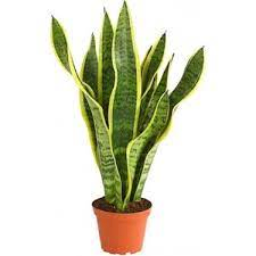
The most important feature of the cornflower flower is not to bloom like the user, but to multiply by growing it straight. In low light, a little blueprint can catch up.
vıolet
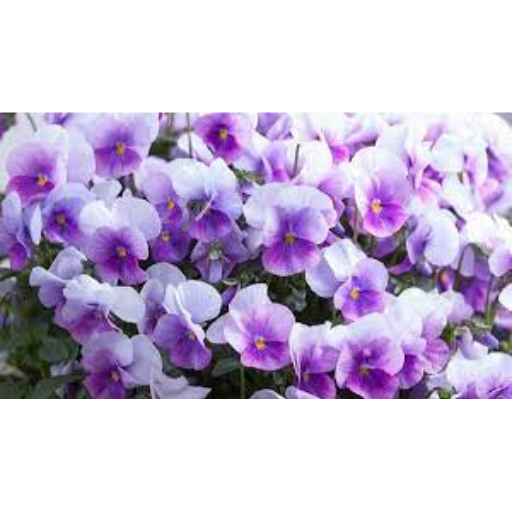
Viola is a genus of flowering plants in the violet family Violaceae. It is the largest genus in the family, containing between 525 and 600 species. Most species are found in the temperate Northern Hemisphere; however, some are also found in widely divergent areas such as Hawaii, Australasia, and the Andes.
Some Viola species are perennial plants, some are annual plants, and a few are small shrubs. Many species, varieties and cultivars are grown in gardens for their ornamental flowers. In horticulture the term pansy is normally used for those multi-colored, large-flowered cultivars which are raised annually or biennially from seed and used extensively in bedding.

The terms viola and violet are normally reserved for small-flowered annuals or perennials, including the wild species.
Toki Celalettin Ökten Anatolian İmam Hatip High School
Student: Jumana
.
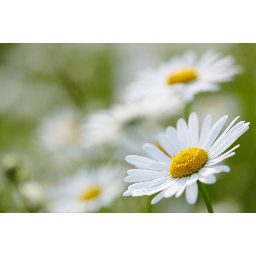
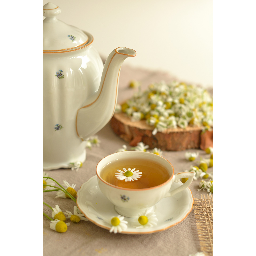
CHAMOMILE
Toki Celalettin Ökten Anatolian İmam Hatip High School
Student: Jumana
Benefits of Chamomile Tea
It is very effective against sinusitis.
It is a powerful antidepressant.
It lightens the hair color and is good for itching on the skin.
The Alpha bisabolol substance in it ulcers; Azulene is effective against heartburn.
It is effective in gastrointestinal system spasms, gas, indigestion, bloating problems.
It is anti-inflammatory and anti-allergic.
It cleans the skin and prevents the formation of acne.
It reduces irritable bowel syndrome, cramps,
Benefits of Chamomile Tea
It is very effective against sinusitis.
It is a powerful antidepressant.
It lightens the hair color and is good for itching on the skin.
The Alpha bisabolol substance in it ulcers; Azulene is effective against heartburn.
It is effective in gastrointestinal system spasms, gas, indigestion, bloating problems.
It is anti-inflammatory and anti-allergic.
It cleans the skin and prevents the formation of acne.
It reduces irritable bowel syndrome, cramps, indigestion, gas diarrhea.
It is good for pharyngitis, tonsillitis, laryngitis, mouth and throat mucosal inflammations.

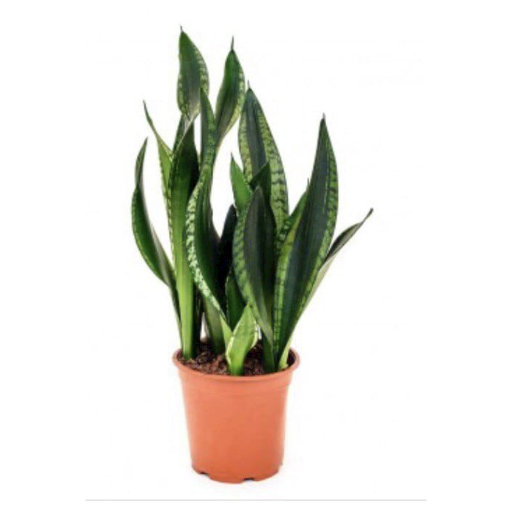
school name :Direkli Secondary School.
teacher name: Eda seker
student name: yildiray
Sword Flower Properties
Sword flower is an ornamental plant that can grow to 18-40 cm, grows with long thin leaves, is very durable and does not require heavy maintenance.
Sword Flower Properties
There are patterns in different shades of yellow and green on the leaves of the sword flower It lowers the carbon dioxide level.
It increases the oxygen level by absorbing harmful carcinogens such as benzene, formaldehyde, xylene and toluene. Moreover, it removes bad odors in the house.
sword flower; It is not a flower that needs a lot of water. In summer, watering two or three times a week will be sufficient. In winter, watering is once a week. It is necessary to ensure that the water is completely absorbed from the soil part during irrigation. It is important to pour excess water from the edge of the pot. Excess water accumulating on the bottom of the pot should be poured after a certain period of time after watering, and the excess water contained therein should be prevented from allowing harmful insects and mold to form.
The end
- < BEGINNING
- END >
-
DOWNLOAD
-
LIKE(2)
-
COMMENT()
-
SHARE
-
BUY THIS BOOK
(from $5.39+) -
BUY THIS BOOK
(from $5.39+) - DOWNLOAD
- LIKE (2)
- COMMENT ()
- SHARE
- Report
-
BUY
-
LIKE(2)
-
COMMENT()
-
SHARE
- Excessive Violence
- Harassment
- Offensive Pictures
- Spelling & Grammar Errors
- Unfinished
- Other Problem





COMMENTS
Click 'X' to report any negative comments. Thanks!