
Armenia Gyumri Basic school N28 Anahit Arakelyan
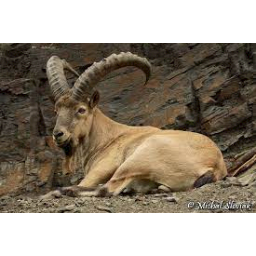
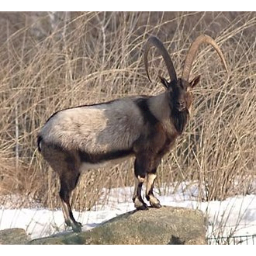
Bezoar goat, chamois or bearded goat (Latin: Capra aegagrus), a dicotyledonous, wild mountain goat belonging to the Red Deer family, is registered in the Red Book of Armenia.
The length of Iran is about 1.5 m, the live weight is 80 kg. The goats have staples, sharpened horns և 130 cm long. The coat is red with shades of gray, and in some parts it is dark or blue. According to most scientists, he is the ancestor of domestic goats.
Bezoar goat


Sisavan Secondary School. Marine Meloyan
Montivipera raddei



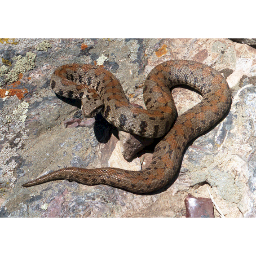
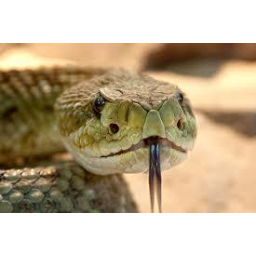
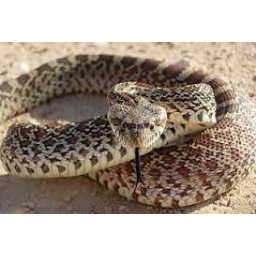
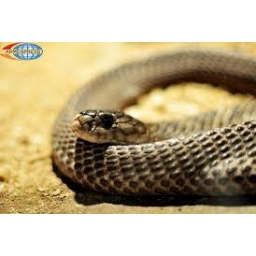
The length of the body changes with age (18-99 cm), the tail is 8-18 times shorter. Males are larger than females. The body is thick, the head is separated from the body, covered with small perfect scales. Surface panels are flat and protruding. The eyes are large, the iris is yellowish, the beak is elliptical, vertical. The scales of the body are perfect, dull. Dark stripes stretch behind the eye. There are a pair of dark, widening, droplet-like spots on the back of the head. From the neck to the tip of the tail there is a chain pattern consisting of light pink yellowish or orange dark dark spots. One dark row extends along the later+al surface of the body. The bite is dangerous for human and animal life. Registered in the Red Book of Armenia.
Armenia Gyumri basic school N 29
Karine Baghiyan
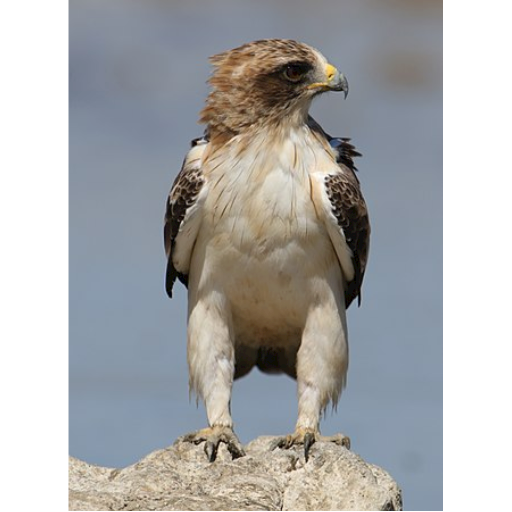
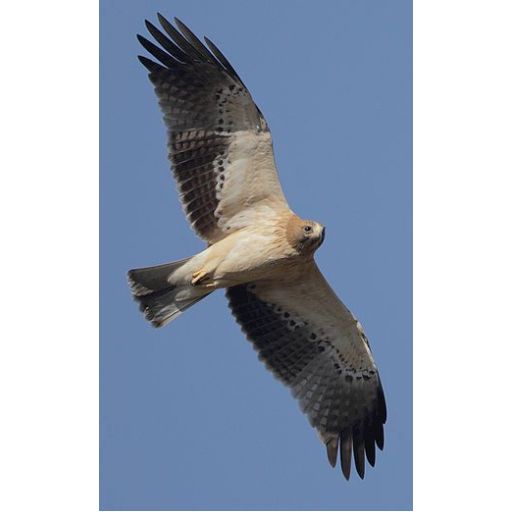
Dwarf eagle, a nesting և rare bird belonging to the urchin family, which is registered in the Red Book of the Republic of Armenia. The body length is 43-53 cm, the wingspan is 100-121 cm, the live weight is 700 g. It is a small eagle with light or dark feathers (light-colored individuals are more common).
The upper bouts featured two cutaways, for easier access to the higher frets. When flying, small patterns of light colors on the outer edge of the wings are visible. Adults of light color are pale white on the inside, the fluttering feathers are blue, the tip of the tail is wide and dark. The body of dark-colored individuals the underparts are dark, the tail is light brown. The lower part of the young man's body is with light reddish spots. Occurs alone (even during migration) during the post-nesting period. Inhabits steppe forests.
Dwarf eagle


Alina Hakobyan/Armenia/Gyumri N28 basic school
The body length of the Bearded Vulture is 100-115 cm, the wingspan is 266-282 cm, the live weight is 5, 5-6, 5 kg. It is a big vulture, the wings are proportionally long and narrow, the tail is long, the tip is blunt.
The nest is a large pile of branches, herbs, wool, fur. It nests on rocks or in deep cracks. Lays 1-2 eggs 84 mm in diameter, with light reddish brown, purple hairs. She plays the role of a nurse in the system of other corpses, but in case of severe reduction of corpses, she needs artificial feeding during the nest preparation period.
Registered in the Red Book of Armenia.
According to ornithologists, there are only 9-10 pairs of heirs in Armenia.
Bearded Vulture
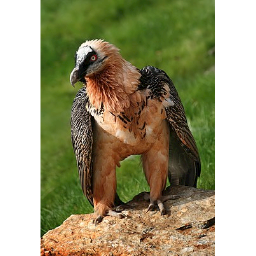
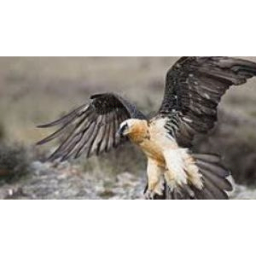
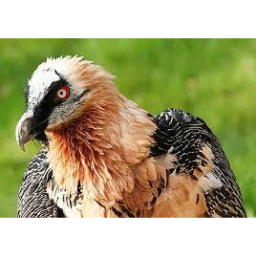
Ruzan Malinyan
Lchkadzor Secondary School
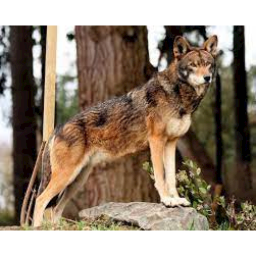
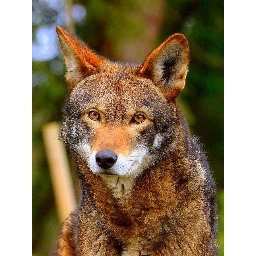
Blonde wolves are mammals. The length of the body reaches 1 meter. It has a reddish-brown color. The blond wolf is called a red wolf.
The red wolf is agile, has amazing, almost cat-like, plastic movements. They walk in groups. There are 28-30 wolves in a group, including 12 cubs.
Now there are favorable conditions for the population in India, Indo-Europe and Indonesia. Included in the International Red Book of the Union for the Conservation of Nature և Natural Resources.
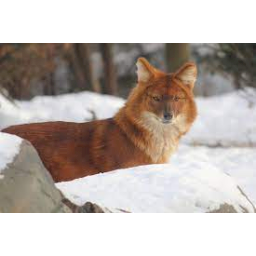
Hasmik Charkhchyan, Vanashen Secondary School
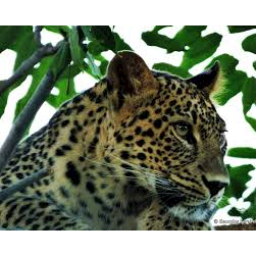
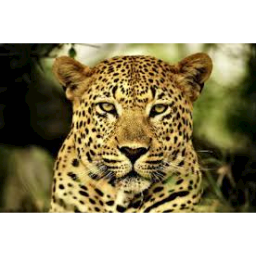
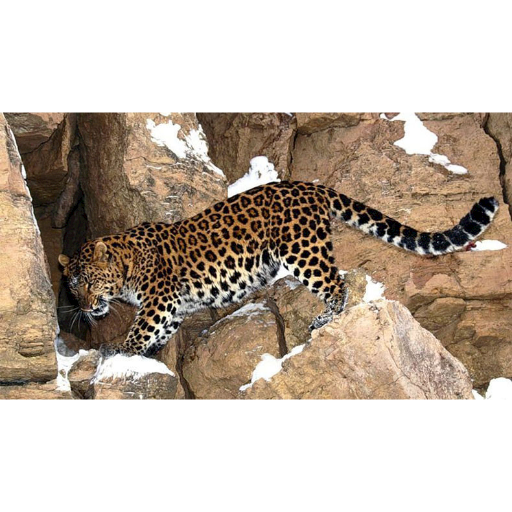
The Armenian Highland is a habitat of the endangered species of the Persian or the Caucasian Leopard. The Caucasian Leopard had been quite commonly spread in Armenia.
Presently, the king of Armenian mountains, the Caucasian Leopard, is included in the Red Data Book of Armenia (2010) and on the IUCN Red List with the status of the «critically endangered» and «endangered» species, respectively. In Armenia, the number of these animals ranges up to 10 individuals.
Na'am Qabat, Kufranja Secondary School For Girls, Jordan.
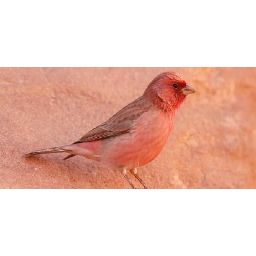
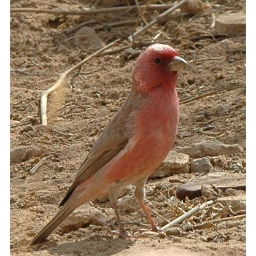
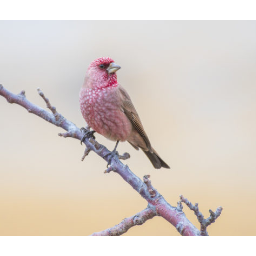
The pink bird first appeared in the pink city of Petra. The pink bird is characterized by its small size, ranging in length between 15.5-16 cm and weight between 17-24 g. A year after hatching, then its color becomes more beautiful and bright during the mating season, while the female and young birds are distinguished by their brown and gray color.
pink bird
Na'am Qabat, Kufranja Secondary School For Girls, Jordan.
The camel lives in the desert of the Hashemite Kingdom of Jordan, located in the south and east of Jordan.
camel
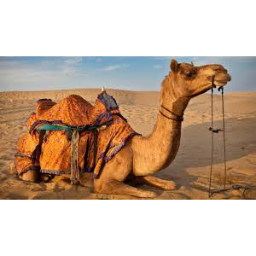
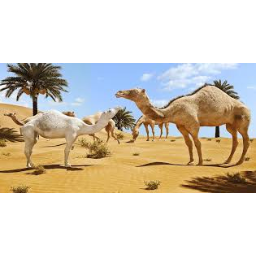
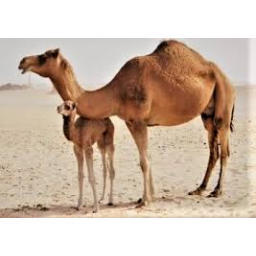
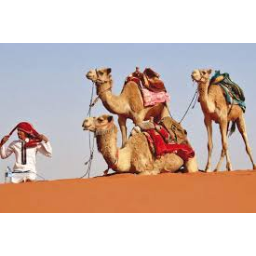
Na'am Qabat, Kufranja Secondary School For Girls, Jordan.
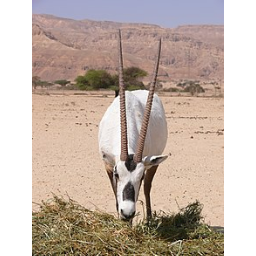
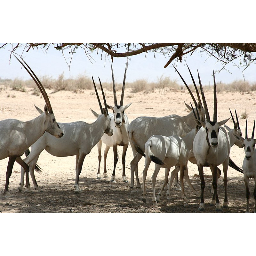
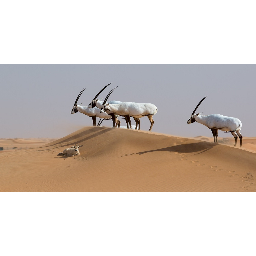
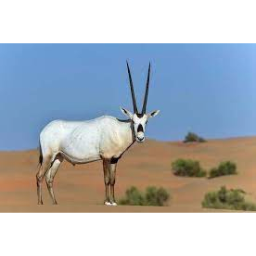
Because the Oryx was exposed to the threat of extinction, the Hashemite Kingdom of Jordan established the Shaumari Reserve in Jordan in 1975 AD, with the aim of settling the Arabian Oryx and many other animals. The reserve extends over an area of 22 square kilometers, and provides the visitor with a wonderful safari experience and a unique camping adventure in the middle of the desert. Oriental and the charm of nature. Shaumari Reserve is located within the Zarqa Governorate / Azraq District, and covers an area of 21 square kilometers.
The Arabian Oryx
Susanna Qeshishyan, Antaramej Secondary School
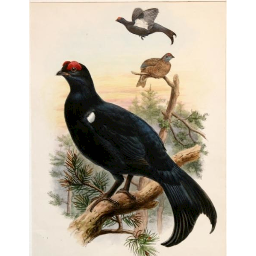
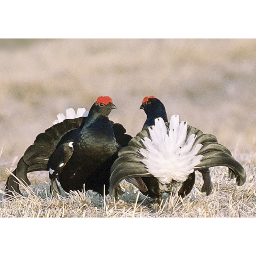
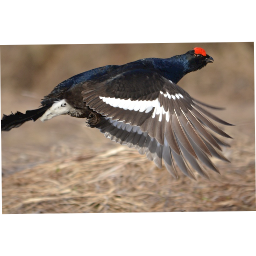
Inhabits the subalpine meadows of the northern regions of the Republic of Armenia (altitudes of 1500-2500 m), lower in winter. It feeds on seeds, berries, sprouts, cats. The consequences of widespread tree felling in the Republic of Armenia are extremely endangered.
The body length is 38-52 cm, the wingspan is 58-62 cm, the live weight is 0.6-1.2 kg. The male's plumage is shiny, there is a bright red spot above the eyes, a small white spot on the shoulders. The long tail is split inwards with the ends sewn in and out. The female's body is yellow-brown from above with gray and intricate stripes, the breast և belly is gray with yellow-brown stripes.
Tetrao Mlokosiewiczi (Caucasian Black Grouse)
Kima Grigoryan, Hrazdan N2 Basic school, Armenia
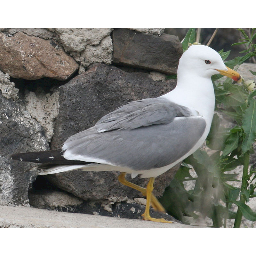
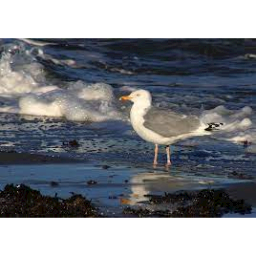
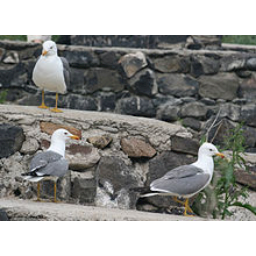
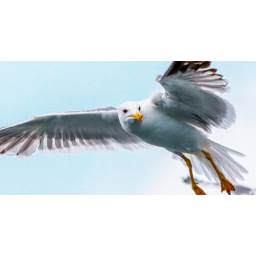
Armenian seagull
The Armenian seagull is similar to the yellow quail, but smaller, with dark gray areas around the head and back. The coloring around the wings is wider, with fewer white spots. The beak is short. During the first winter, the birds are mainly gray-brown. The nest is built of vegetation on the coast or on islands. They nest near the mountain lakes of Armenia, Georgia, Turkey and Iran. Basically, they lay 3 eggs in April. The nests are very close to each other and there may be territorial disputes between the quails. Before descending to the level of Lake Sevan, they nested near the water's edge. After lowering the level of the lake, they nest on two islands near the village of Norashen. In late May-early June, both nest with eggs and cubs swimming near the islands are found. Up to 500 nests are registered in the most favorable years. Depending on the presence of risk factors, 17–56% of pups survive.
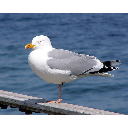
Vanashen secondary school
Stone's
Rocky eagle, a bird of prey of the urchin family. Formerly considered a subspecies of steppe eagle, it is now isolated as an independent species.
The length of the body is 60-72 cm, the opening of the wings is 159-183 cm. Males weigh 1.6-2 kg, females - 1.6-2.5 kg.
It is widespread in steppes, savannas, places with low grass cover, where visibility is not limited by natural barriers. Occurs in Asia։ Africa.
It fees on mammals, birds, amphibians, reptiles, insects, fish and carrion. The maximum weight of the hunt is limited to 2 kg. Most of the prey is caught on the ground, sometimes in the air, during flight. It catches fish by partially immersing itself in water. Often preys on other birds of prey.
The eagle is a large, powerful predator, it has a claw, long and sharp claws.
It nests in inaccessible rocks.
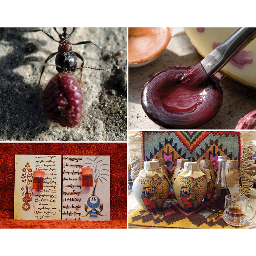
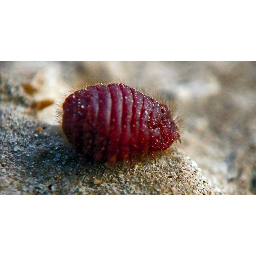
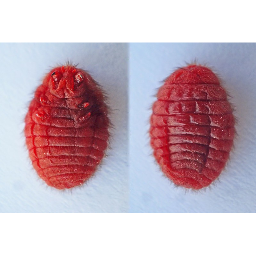
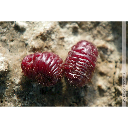
The Armenian cochineal (Porphyrophora hamelii), also known as the Ararat cochineal or Ararat scale, is a scale insect indigenous to the Ararat plain and Aras (Araks) River valley in the Armenian Highlands. It was formerly used to produce an eponymous crimson carmine dyestuff known in Armenia as vordan karmir (Armenian: որդան կարմիր, literally "worm's red") and historically in Persia as kirmiz. The species is critically endangered within Armenia.
The Armenian cochineal scale insect, Porphyrophora hamelii, is in a different taxonomic family from the cochineal found in the Americas. Both insects produce red dyestuffs that are also commonly called cochineal.
In 1986, the "Red Worm" sanctuary was established specifically for the protection of this species. The method of breeding insects under artificial conditions has been developed.
The red worm is kept in the reserve near the village of Arazap, but the reserve does not provide full protection for the insect.
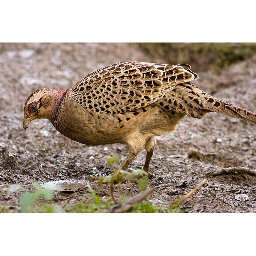
The common pheasant (Phasianus colchicus) is a bird in the pheasant family. The genus name comes from Latin phasianus, "pheasant". The species name colchicus is Latin for "of Colchis", a country on the Black Sea where pheasants became known to Europeans. Although Phasianus was previously thought to be closely related to the genus Gallus, the genus of junglefowl and domesticated chickens, recent studies show that they are in different subfamilies, having diverged over 20 million years ago.
Sirine Kosyan, Yerevan Basic School No. 122 named after Alexander Blok
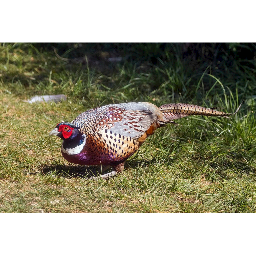
A cock
A female
Badea Georgica, Scoala Gimnaziala Nr. 1 Mogosoaia, Romania
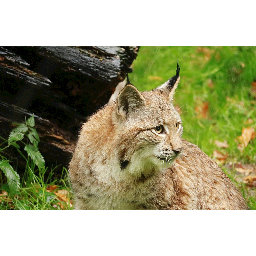
According to IUCN Red List, Armenian mouflons are endangered species. Mouflons live in dry mountain steppes, with junipers, almond trees and other dry-loving vegetation in sub-alpine and alpine meadows. They prefer open biotopes combined with gorges, rocks and other similar sites, at an altitude of 1000-3000 m above sea level.
Mouflons have slim figure, not too much mass. The body length of males is 130-135 cm, females – 105-120 cm, withers height is 85-90 and 70-80 cm, weight – 50-60 and 35-45 kg. Males have large horns, females are mostly without horns. For the first time females usually give birth to one offspring, then to twins. Mating season is from November to early December. The causes of extinction are: the elimination of biotopes, mining, poaching.
- < BEGINNING
- END >
-
DOWNLOAD
-
LIKE(1)
-
COMMENT()
-
SHARE
-
BUY THIS BOOK
(from $6.39+) -
BUY THIS BOOK
(from $6.39+) - DOWNLOAD
- LIKE (1)
- COMMENT ()
- SHARE
- Report
-
BUY
-
LIKE(1)
-
COMMENT()
-
SHARE
- Excessive Violence
- Harassment
- Offensive Pictures
- Spelling & Grammar Errors
- Unfinished
- Other Problem





COMMENTS
Click 'X' to report any negative comments. Thanks!