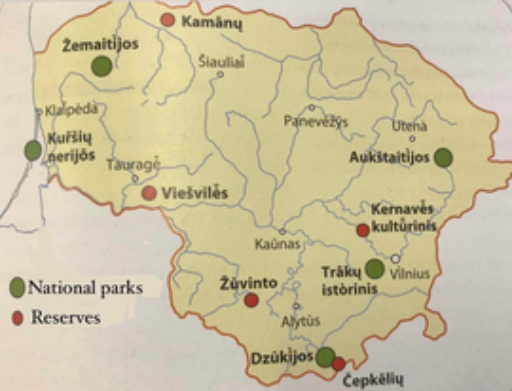

National parks
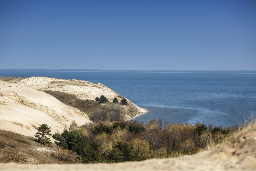
Kuršių Nerijos National Park- a national park in the west of Lithuania, on the Curonian Spit , covers an area of 264.74 km². The land occupies 37 percent.The Curonian Spit National Park was established in 1991 . in order to preserve the most valuable natural and culturally complex Lithuanian coastal landscape with a dune ridge unique in Europe and the values of ethnocultural heritage.
Lithuanian reserves and parks
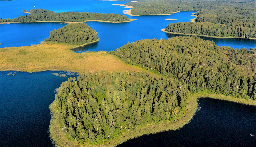
Žemaitijos National Park is a national park in north-western Lithuania. Established in 1991 in order to preserve, manage and use the most naturally and culturally valuable territories of Žemaitija
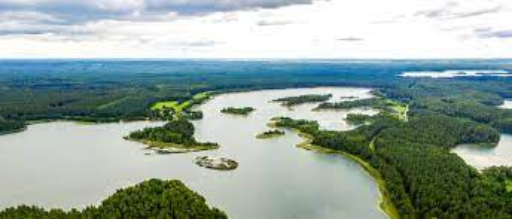
Aukštaitija National Park is the oldest national park in Lithuania , established in 1974 in order to preserve the unique ecosystem of the upper reaches of the Žeimena
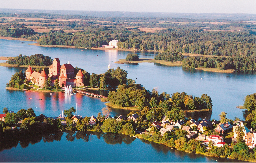
Trakai Historical National Park is a national park in Lithuania , west of Vilnius , near Trakai (which has a park management). It was founded in 1992 in order to preserve the historical center of Lithuanian statehood in Trakai with its authentic natural environment.
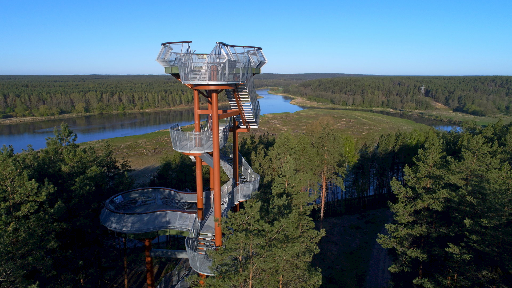
NAtional Reserves
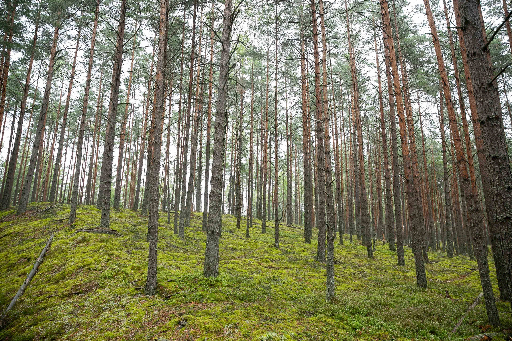
Viešvilė Reserve - a state reserve in western Lithuania, north of Viešvilė. Area 3216 ha, the reserve is surrounded by a buffer zone of 2459 ha. Established in 1991 in order to preserve the naturally valuable, natural ecosystem of the Viešvilė stream basin.
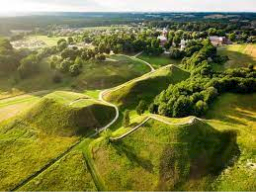
Kernavė Archaeological and Historical Museum-Reserve is located in southeastern Lithuania, on the right bank of the Neris .Established in 1991 in order to preserve the naturally valuable, natural ecosystem of the Viešvilė stream basin.
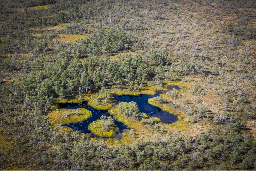
Kamanai State Reserve - a state reserve in northwestern Lithuania. Area 3935 ha, wetlands occupy 67 percent. territories. The reserve was established in 1979
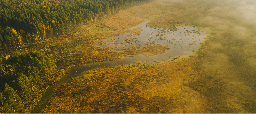
Čepkeliai State Nature Reserve - a protected area on the southern outskirts of Lithuania, on the Kantra River, the state border between Lithuania and Belarus is also the southern boundary of the reserve.
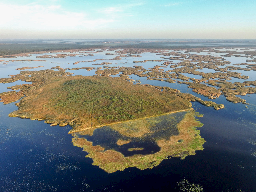
Žuvintas Biosphere Reserve is a protected nature area in southern Lithuania. Almost the entire territory of the reserve belongs to the Dovinė river basin. Žuvintas wetland since 1993.
Organic farming
it‘s human connection with nature recovery.It is farming, based on our grandparents experiance, new farming and natural science achievments.
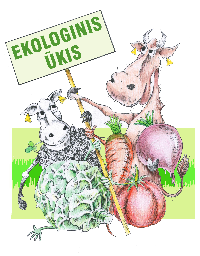
Organic farming secure basic sustainable development principies installation in Lithuania: ecological – ecological - reduction of environmental pollution from agriculture, preservation of biological diversity, cultivation of safe food and raw materials; economic - use of local resources, reduction of energy costs, more favorable solution of economic problems of farms; social - preservation of jobs in rural areas and creation of new ones, preservation of small farms, especially family ones; cultural - education of spiritual farmer and the whole rural culture, fostering of Lithuanian ethnoculture
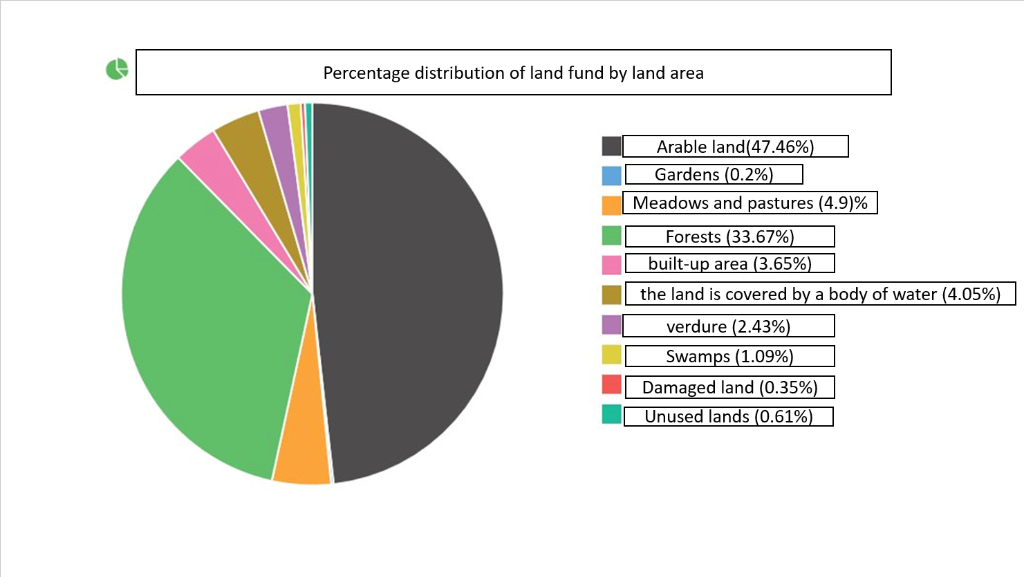
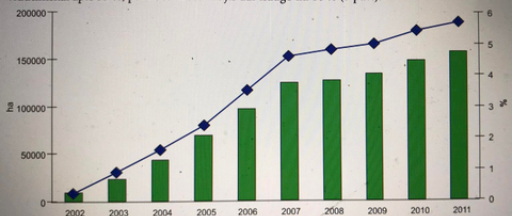
Changes in the area of agricultural land of Lithuanian organic farms in 2000 - 2011 ha% of the total usefull area.
Organic food example
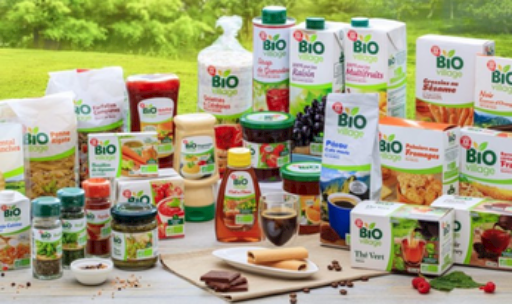
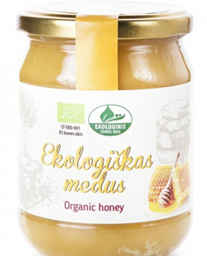
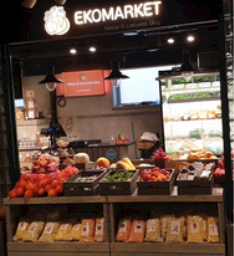
Lithuanian farmers and food producers are increasingly looking for ways to offer people more nutritious products and thus improve their health and quality of life. UAB EkoMarket also supplies sustainably grown and manufactured products to customers. The company has an online store, delivers ecological goods in Ukmergė, Klaipėda, Kaunas and Vilnius, where it also has three regular physical stores.
Sustainable living
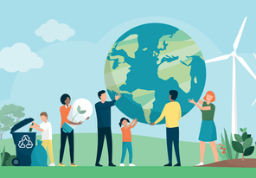
Irresponsible consumption is detrimental to the economy, nature and people themselves. In a lifetime, a person throws away about 600 times more trash than he or she weighs. Almost all the natural resources we have today are disappearing.
With this in mind, we must use it responsibly, using the principles of the circular economy to prolong the consumption of things, to recycle them or to pass them on to others.
Sustainable living in Lithuania
Many household waste can be recycled, so it is important to take proper care of it in advance and hand it over to waste managers. The Institute of Environmental Protection, together with its partners, has created the project atliekos.lt so that Lithuanian residents and companies can find information about waste, its disposal possibilities and management on one website.

Recyclable waste
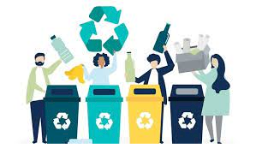
There are a wide variety of organizations that provide a second life for unnecessary items. People in Lithuania are very creative. Every piece of garbage can become a treasure and a breakthrough for creativity.


"Vinted" - is an online marketplace in Lithuania where you can buy, sell and exchange new or used goods, mainly clothes and accessories.
Dėk‘ui stop
It is a stop where unnecessary but tidy and usable items can be delivered to any managed bulky waste collection site during work.
And pick it up when you find an item you need there.

Let’s take a look at how simple household items can benefit us more than once and take care of our environment.

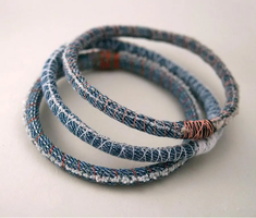
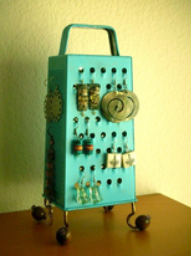
From the landfill to a community centre

Green energy
use of renewable energy sources in electricity generation.
Renewable fuel resources
EU countries have set 2020 targets, produce at least 20% of all energy produced in Europe to be produced from renewable energy sources Lithuania was expected to reach 23% by the mentioned period. Lithuania has already achieved this goal in 2014.
Biofuels
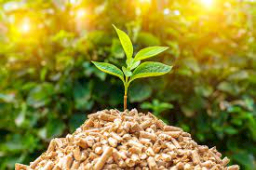
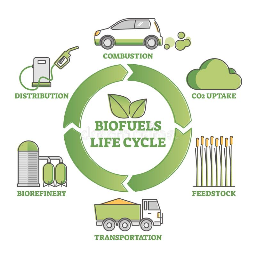
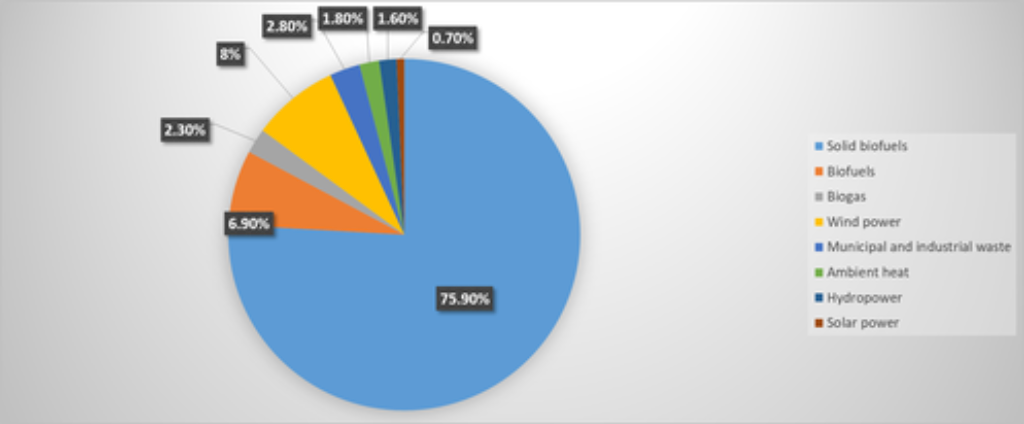
Solid biofuels have the greatest potential for renewable energy - firewood and wood waste for agriculture and agricultural waste.
Energy producers from firewood and wood waste for fuel in 2020 produced 70.4 percent of all thermal energy produced in power plants and boiler houses and 12.4 percent of all electricity generated by power plants.
Wind power plants
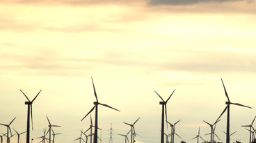
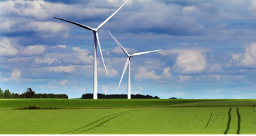
Wind farms operating in Lithuania, together with individual wind power plants, continue to increase the amount of electricity generated. In 2020 1.55 TWh of electricity was produced, which accounted for slightly less than a third of the total electricity produced in the country, or more than 11.6%. electricity consumed in the country. There are currently 23 wind farms in Lithuania.
Solar power plants
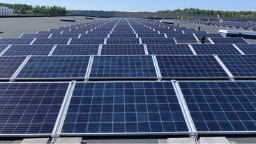
Renewable solar power plants in 2020 produced 128.8 million. kilowatt hours (kWh) of electricity, or 41.4 percent. more than in 2019 This promotes local electricity generation and contributes to meeting international climate change targets.
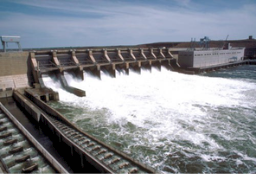
Hydroelectric power stations
Hydroelectric power plants in 2020 produced 300.5 million. kWh of electricity, 13 percent. less than 2019
Renewable energy cost structure in 2020
Environmental Days.Shares.
The release of harmful substances into the air, water or soil, the accumulation of garbage can irreparably affect entire ecosystems, the lives of people, plants and animals.
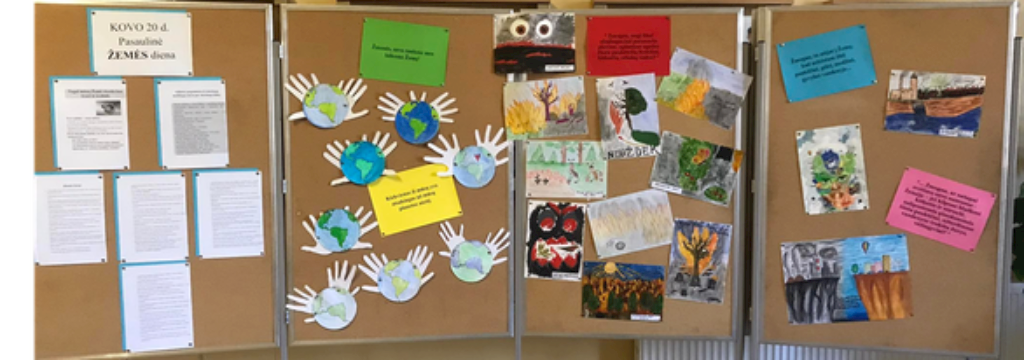
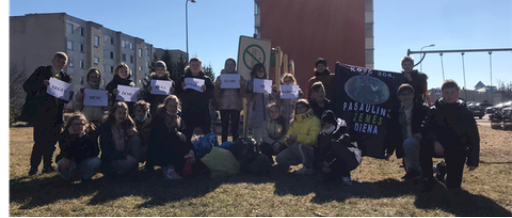
World Earth Day
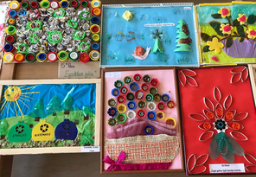
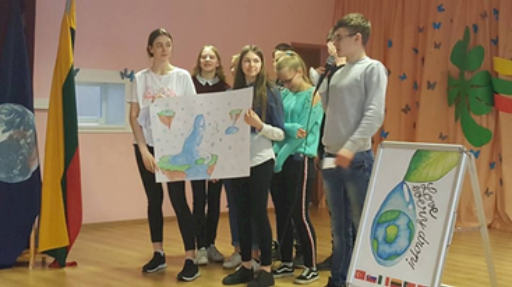
World Earth Day is celebrated on March 20
World Water Day
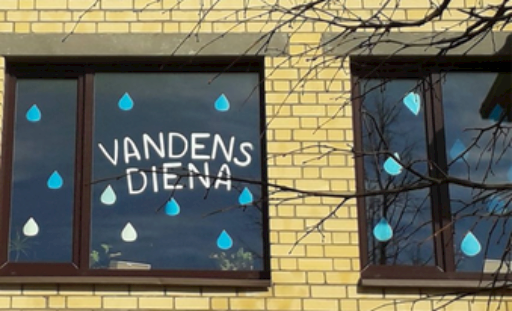
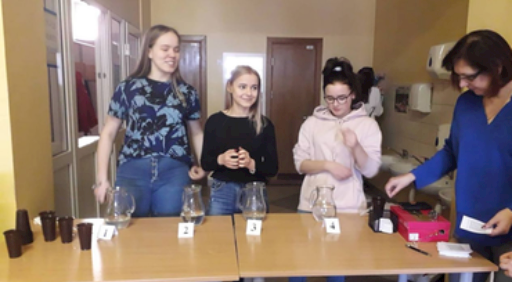
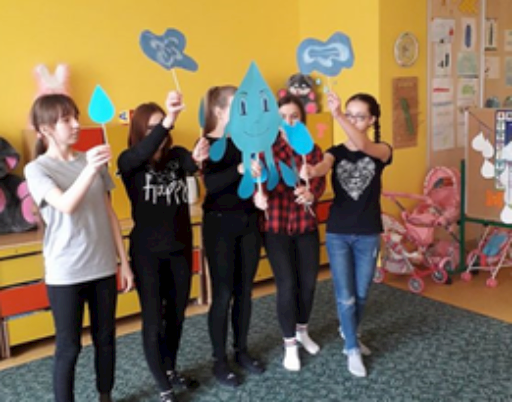
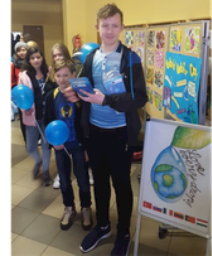
On March 22, World Water Day is celebrated around the world, with the aim of promoting everyone's conscious attitude to the great importance of water!
Water is an essential source of life. Both humans and animals need clean drinking water. Farmers need water for watering crops.
Environmental Safety Day
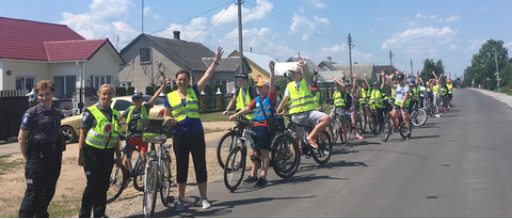
It is celebrated every year on June 5.
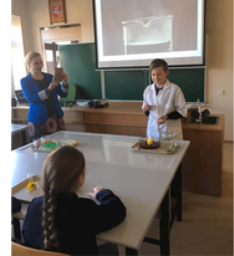
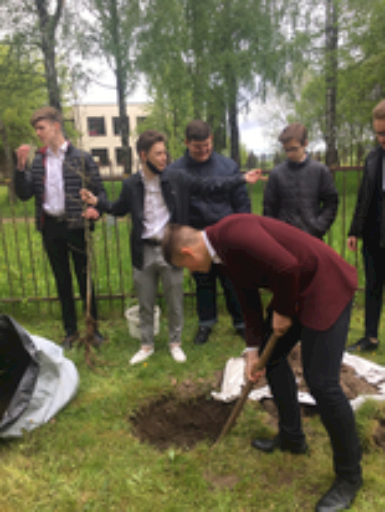
On that day, various events are organized: a day without a car, green concerts, competitions for essays and drawings, planting trees, environmental management actions.
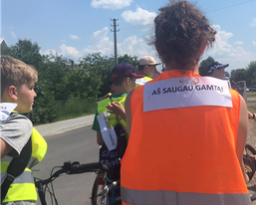
World Animal Care Day
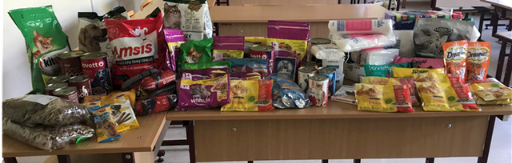
October 4th is Animal Day. This day is dedicated to honoring all animals, thanking them for their immense importance in people's lives, giving life more colors, joy and meaning.
World Animal Day has been celebrated in Lithuania since 2000.
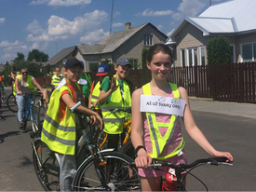
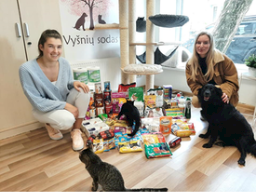
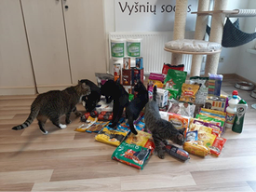
"Help the Stray Animals"
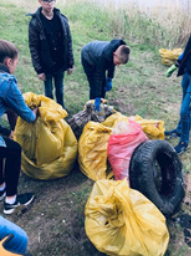
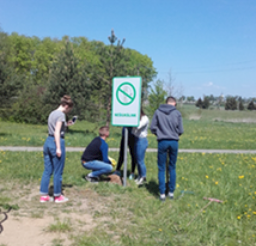
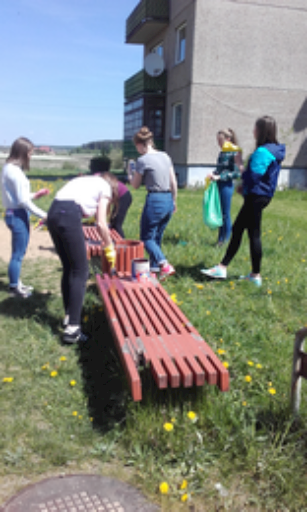
World Environmental day „Darom“
Garbage is not only disgusting to watch, but it is also dangerous. Most often they consist of plastic, metal or glass – materials that do not decompose in the environment for a long time. People, especially children, can get seriously injured by a broken bottle or a piece of rusty metal that is not thrown instead. Medical and sanitary waste is bio-risk-free and can cause disease. Not to mention the fact that littered parks and beaches are losing their natural charm, and people are starting to avoid them. In addition, littering is deadly to nature, and especially to marine animals.
- < BEGINNING
- END >
-
DOWNLOAD
-
LIKE
-
COMMENT()
-
SHARE
-
BUY THIS BOOK
(from $7.59+) -
BUY THIS BOOK
(from $7.59+) - DOWNLOAD
- LIKE
- COMMENT ()
- SHARE
- Report
-
BUY
-
LIKE
-
COMMENT()
-
SHARE
- Excessive Violence
- Harassment
- Offensive Pictures
- Spelling & Grammar Errors
- Unfinished
- Other Problem






COMMENTS
Click 'X' to report any negative comments. Thanks!