


Leiningen, a plantation owner in Brazil, talking to the District Commissioner, who is warning the planter to leave before a troupe of flesh-eating ants - an elemental - “ten miles long, two miles wide” —descends and turns him into a skeleton.

"Decent of you, paddling all this way just to give me the tip. But you're pulling my leg of course when you say I must do a bunk."
"Leiningen!, You're insane!, They're not creatures you can fight-they're an elemental-an act of God! I tell you if you don't clear out at once there'll be nothing left of you as well as your own plantation."
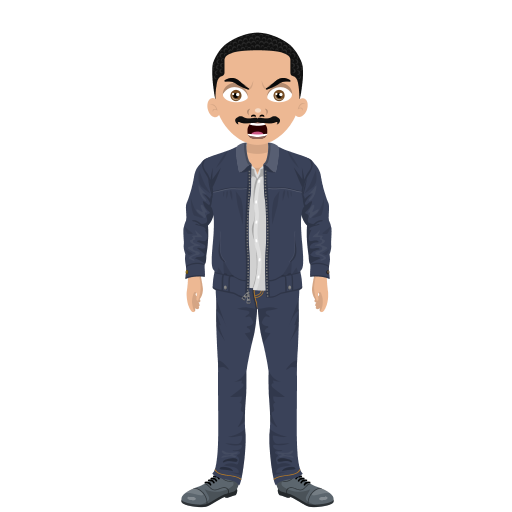
“I am not an old woman; I’m not going to run for it just because an elemental’s on the way. I will use my intelligence, old man. With me, the brain isn’t a second blind gut; I know what it’s there for.”

“I’ve done my best, Your obstinacy endangers not only yourself but the lives of your four hundred workers. You don’t know these ants!”
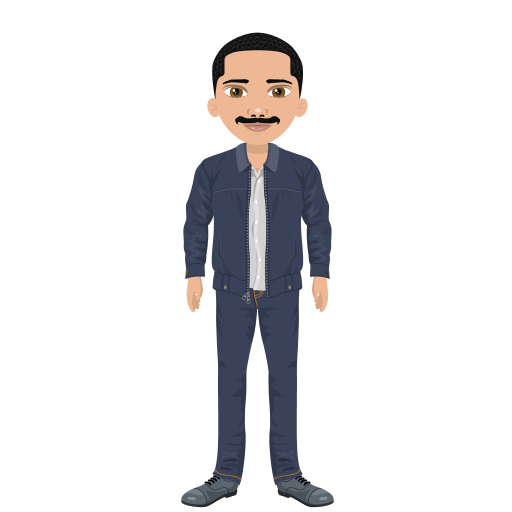
He believes that he’s lived in Brazil long enough to know how to defend himself, his 400 workers, and his plantation against the fearsome insects.


That evening, Leiningen gathers his plantation workers and tells them that the ants will soon arrive. The workers—all of whom are indigenous people—listen calmly, “unafraid” and “alert”. They are confident in their boss’s wisdom.









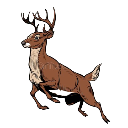


The ants arrive the next afternoon. The horses first sense the insects’ arrival, becoming “scarcely controllable now in stall or under rider”. Then “a stampede of animals”, big and small, rushes from the jungle—stags, lizards, jaguars, cattle, and monkeys—to escape the oncoming ants. The animals run along the riverbank and then disappear.

Leiningen, however, has prepared for the ants by constructing a “water-filled ditch” in the shape of a horseshoe. The ditch empties into the river. He’s also built a dam, which allows him to reroute water from the river into the 12-foot ditch.
Leiningen plans to open the dam, allowing river water to flood around the plantation. This would create a kind of moat, supposedly making it impossible for the ants to reach him and the workers.
For further protection, Leiningen cuts the branches of large tamarind trees that hang over the ditch, making it so that the ants cannot use the branches as a bridge to the moat. He then ferries women, children, and cattle to safety across the river on rafts.
Lastly, he inspects “a smaller ditch lined with concrete”, which receives petrol from three large tanks. If the ants somehow get across the water, they would also have to get past the petrol, which would kill them.
"Boss! The ants are some distance to the south."
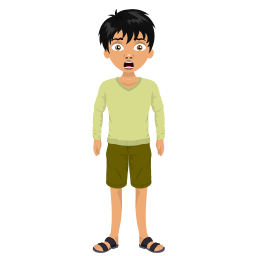
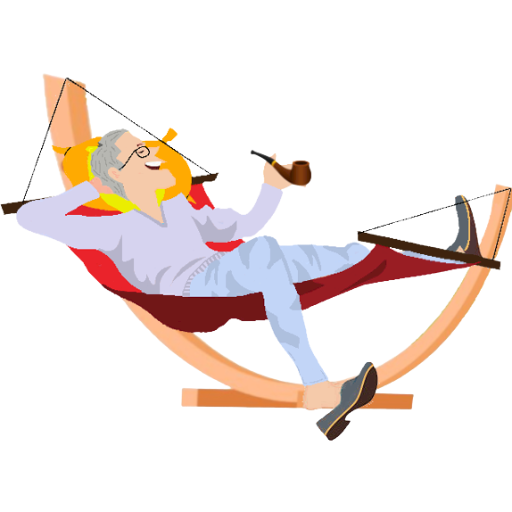
Leiningen orders some workers to line up along the water ditch to keep a lookout. Meanwhile, he rests in his hammock, puffing on a pipe. A worker alerts him.
Leiningen rises, mounts his horse, and rides south. Over the hills, he spies “a darkening hem” , going from east to west for 20-square miles.
The natives watch, increasingly uncertain about Leiningen’s ability to defeat the ants. They spy “thousands of millions of voracious jaws”. The ants get closer to the water ditch. Then, two flanking sides of the advancing ant army “[detach] themselves from the main body and [march] down the eastern and western sides of the ditch”. Both Leiningen and the natives' sense that the ants, as primitive as they are, are thinking about how best to reach them and gnaw at their flesh.

At four o’clock that afternoon, the flanking armies of ants reach the ends of the ditch that run into the river and are unable to find a way over. They decide to cross the water. The ants that die in the river become “steppingstones” for those that can still crawl across. Leiningen orders a couple of his workers to dam the river “more strongly” so that more water will flow through the ditch faster.
The ants are now halfway across the ditch. The natives try to defend themselves by using their spades to throw clumps of dirt at the oncoming ants. They also turn on the petrol sprinklers, normally used to deter crop-eating pests. The clumps of earth are actually helpful to the ants, allowing them to get across the water.
One of the workers tries to hit a group of ants with his spade, but the ants are too quick for him: They scurry up the handle, then onto his arms, where they immediately bite into his flesh and inject him with venom. He screams and jumps around in pain and fright. Leiningen orders him to dump his arms into the petrol. He obeys, but some ants hang on to his arms, requiring another worker to “squash and detach each separate insect”. The Indian medicine man then gives the worker a drink that is supposed to reduce the effect of the venom.
The water in the ditch rises. The workers sense victory. With a yell, they throw more clods of dirt at the ants. The ants retreat, going back up the sloping riverbank. The workers kill every ant that reaches the riverbank. On the opposite bank, however, another army of ants watches and waits.
Dusk arrives. Then, darkness descends in the jungle. The humans figure out that the ants will be inactive until dawn. Meanwhile, they open the dam wider, allowing more water to flow into the ditch. Leiningen suspects that the ants are preparing “another surprise attack”. He orders some of his workers to keep watch along the riverbank overnight and to shine light constantly over the water. Leiningen eats his dinner and goes to sleep, unworried about the ants.
At dawn, Leiningen feels refreshed. He mounts his horse and rides along the water ditch. On the ants’ western front, he observes that they are chewing the stalks of the vines on the liana plants. He knows that they’re doing this to provide food for the rest of the army. They then use the leaves to create rafts on which they can ferry themselves across the ditch. Several ants ride on a single leaf. Leiningen rides back to his camp and orders his men to bring gas pumps and spades to the southwestern front.
As he rides along, Leiningen sees a pampas stag, covered in ants, keel over. He shoots the shuddering creature to end its misery. He then takes out his watch. He records that it took the ants six minutes to eat the stag. Leiningen rides off. He no longer considers this match against the ants one of simple sports: It’s now a matter of life or death.

The ants have sent more leaves floating across the ditch. Leiningen orders the worker controlling the dam to diminish the amount of water in the ditch “to vanishing point”, then to pump the river water back inside. Leiningen tells the worker to repeat this action until ordered to stop. At first, this tactic successfully washes away both leaves and ants. Suddenly, another worker rushes up to Leiningen, alerting him that the ants who were waiting beyond the forest have successfully advanced.
The ants have sent more leaves floating across the ditch. Leiningen orders the worker controlling the dam to diminish the amount of water in the ditch “to vanishing point”, then to pump the river water back inside. Leiningen tells the worker to repeat this action until ordered to stop. At first, this tactic successfully washes away both leaves and ants. Suddenly, another worker rushes up to Leiningen, alerting him that the ants who were waiting beyond the forest have successfully advanced.
The other army of ants scurries across the ditch, while Leiningen contemplates the inevitable destruction of his plantation. He fires “three revolver shots into the air,” signaling his men to retreat to the “inner moat” filled with petrol. He then rides two miles away to his ranch house. Several of Leiningen’s workers enter the house, where Leiningen seeks to rally their support. Those who will not assist him, he says, can take their last pay and catch a raft across the river. The workers dutifully stay put. For their loyalty, Leiningen promised them “higher wages” after the war ended.
- Full access to our public library
- Save favorite books
- Interact with authors
- < BEGINNING
- END >
-
DOWNLOAD
-
LIKE(2)
-
COMMENT()
-
SHARE
-
SAVE
-
BUY THIS BOOK
(from $6.39+) -
BUY THIS BOOK
(from $6.39+) - DOWNLOAD
- LIKE (2)
- COMMENT ()
- SHARE
- SAVE
- Report
-
BUY
-
LIKE(2)
-
COMMENT()
-
SHARE
- Excessive Violence
- Harassment
- Offensive Pictures
- Spelling & Grammar Errors
- Unfinished
- Other Problem





COMMENTS
Click 'X' to report any negative comments. Thanks!