This eBook was created through the collaboration of teachers and students from Portugal, Turkey, and Ukraine. Together, we worked on our project — Be GREAT (Get Really Excited About Traditions) — with the shared goal of exploring and celebrating our cultures.
In this edition, we focus on traditional musical instruments from our countries. Each one has a unique story, sound, and meaning, and we are excited to share them with you.
We hope you enjoy discovering these beautiful traditions as much as we enjoyed learning and working on them together!

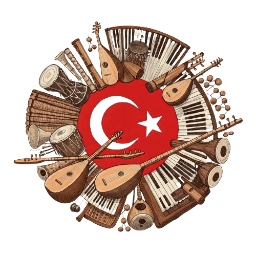
TURKISH

MUSICAL INSTRUMENTS
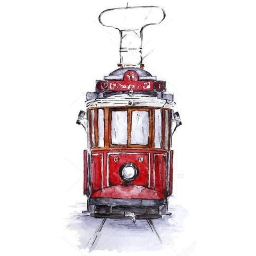
Made by Gümüşhane High School Students
TRADITIONAL

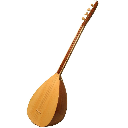
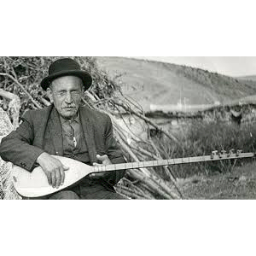
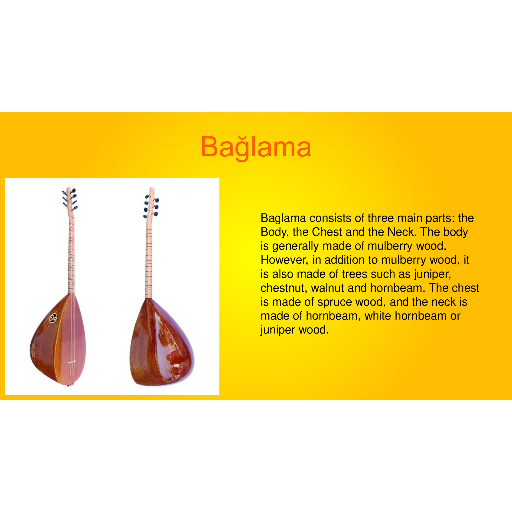
The saz, which is used in many types of music, especially Turkish folk music, has survived to the present day in the form of the kopuz, one of the oldest instruments of the Turks. It is played by striking the strings with a plectrum made of cherry tree bark called Tezene. The vessel is carved from a log and is pear-shaped. Today, the bağlama is used all over the country, especially in Anatolia, as a cultural product and as a musical instrument that expresses the most burning melodies.
Gümüşhane High School

Baglama

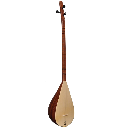
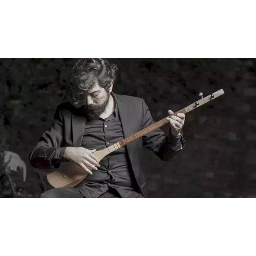
The kopuz is a stringed instrument with deep roots in Turkish and Central Asian musical culture. Its history dates back to the early Turkic tribes of Central Asia, and it has been used in various forms by these tribes for centuries. The kopuz is considered the ancestor of the bağlama and is still used in various forms in Turkey and Central Asia today.
Gümüşhane High School
Kopuz
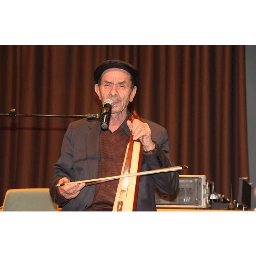
The kemancha is a bowed stringed musical instrument that has garnered widespread use in diverse regions of the world, such as Iran, Azerbaijan, Turkey, Armenia, and Central Asia. It holds the distinction of being one of the most ancient bowed stringed instruments, with its origins dating back to the Middle Ages.
Gümüşhane High School

Kemancha
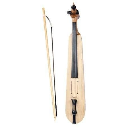

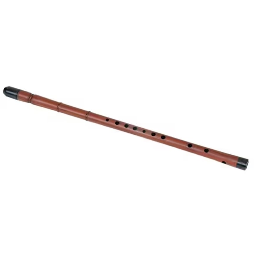
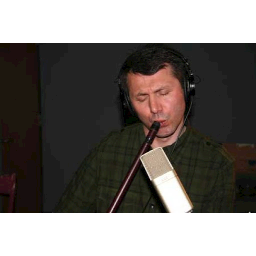
The kaval is a chromatic end-blown oblique flute traditionally played throughout the Balkans (in Albania, Romania, Bulgaria, Southern Serbia, Kosovo, North Macedonia, Northern Greece, and elsewhere)[and Anatolia (including Turkey and Armenia).The kaval is primarily associated with mountain shepherds.
Gümüşhane High School
Kaval

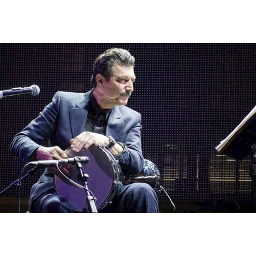
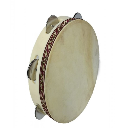
The history of the def dates back to ancient times. Figures holding a def have been found in archaeological excavations in Mesopotamia and elsewhere. Defs are usually round, but there are also angular ones. The def is a strumming instrument in Turkish music.
Gümüşhane High School
Def

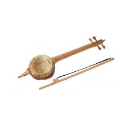
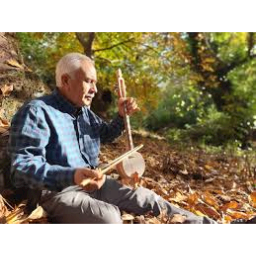
The kabak kemane is the only example of stringed, bowed and leather-covered instruments in Turkish folk music. Its origin dates back to Central Asia. The instrument, called Gijek by Central Asian Turkmens and used in Azerbaijani folk music under the name Kemança, has the same origin. It is a two or three-stringed folk instrument with a body made of gourd or coconut and a leather chest. It differs according to the regions.
Gümüşhane High School
Kabak Kemane


ŞENTEPE ORTAOKULU
SELECTING TRADITIONAL MUSİCAL
İNSTRUMENTS


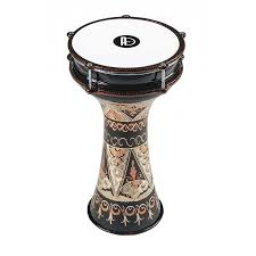
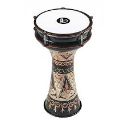
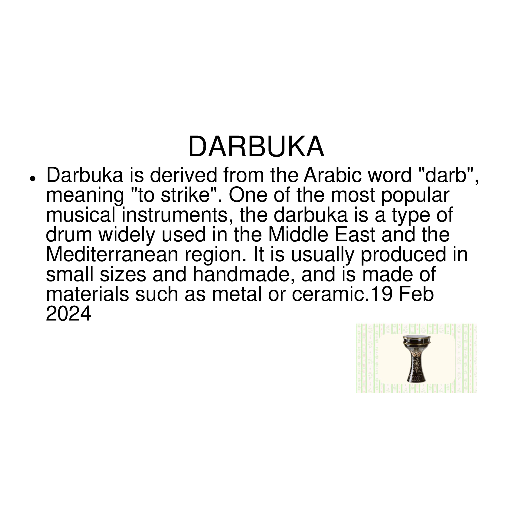
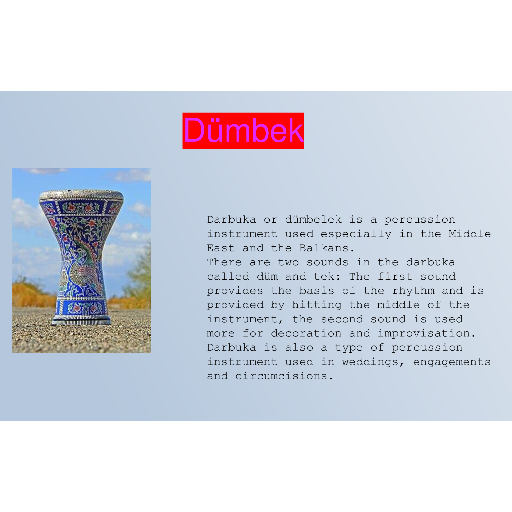
Darbuka
The darbuka is a percussion instrument. Usually made of a single piece of metal or various types of wood and usually covered with leather on the top.
UKRAINIAN TRADITIONAL MUSICAL INSTRUMENTS
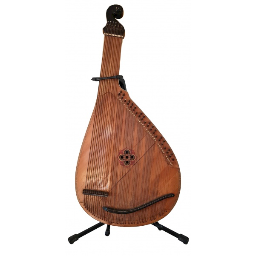
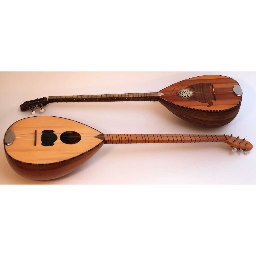
Kobza
The kobza is one of the oldest Ukrainian string instruments. It was played by kobzars and has a deep, melodic sound. Closely tied to Ukrainian history and traditions, the kobza was especially popular during the Cossack era.
Bandura
The bandura is a plucked string instrument and a symbol of the Ukrainian people. It combines features of the lute and the harp. Kobzars used to play the bandura to perform historical songs and ballads. Today, it is heard in both folk and modern music.
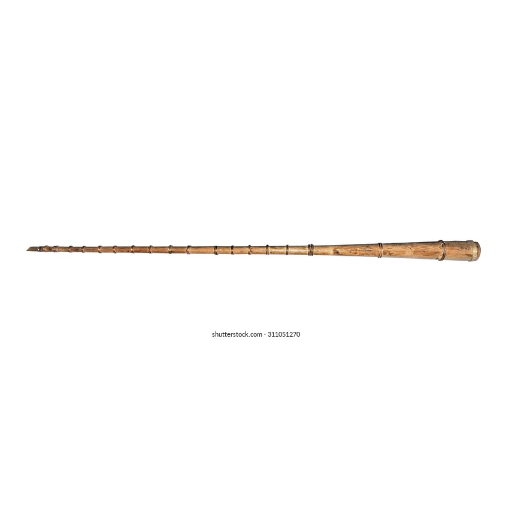
Trembita
The trembita is a traditional Hutsul wind instrument made of wood. It can be several meters long. Its loud sound was used by shepherds to communicate across the mountains. The trembita is an important part of Carpathian musical culture.
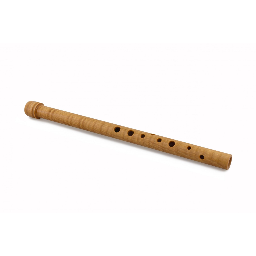
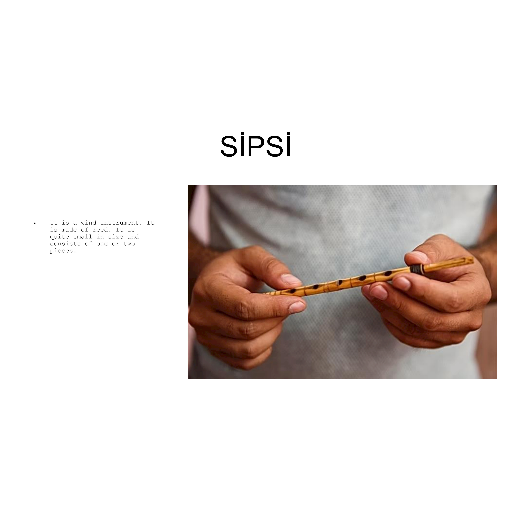
Sopilka
The sopilka is a Ukrainian folk wind instrument made of wood. It produces a pleasant, melodic sound. It was used in folk rituals, dances, and songs. Although simple in design, the sopilka offers a rich and expressive tone.
PORTUGUESE
TRADITIONAL
MUSICAL
INSTRUMENTS
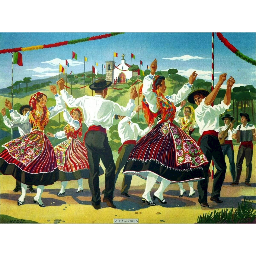
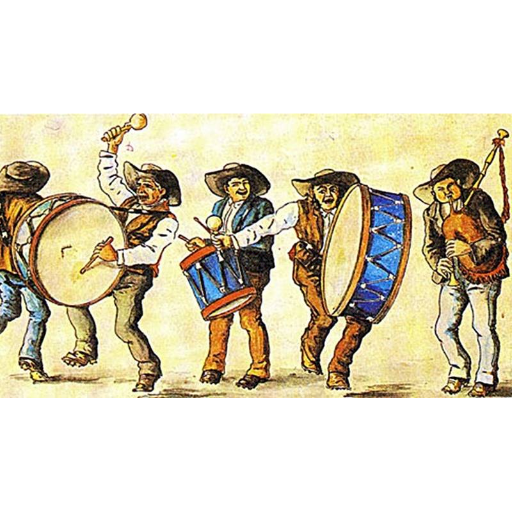
CAVAQUINHO
The cavaquinho originated in Portugal on the 15th century and is part of the chordophone family ( stringed instruments ). It was widely used in Portuguese popular music and was taken to various parts of the world by Portuguese sailors.
Origin of the Cavaquinho
Characteristics of the cavaquinho
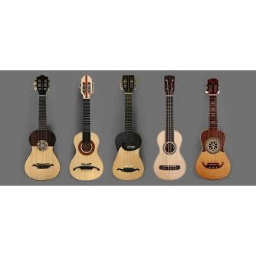
Characteristics of the Cavaquinho
GUITARRA
PORTUGUESA
Structure: It has a pear-shaped soundboard.
It has 12 steel strings arranged in six pairs.
It is traditionally played with the fingernails.
Sound
It has a bright, piercing sound. It is known for its ability to express emotion, especially in fado.
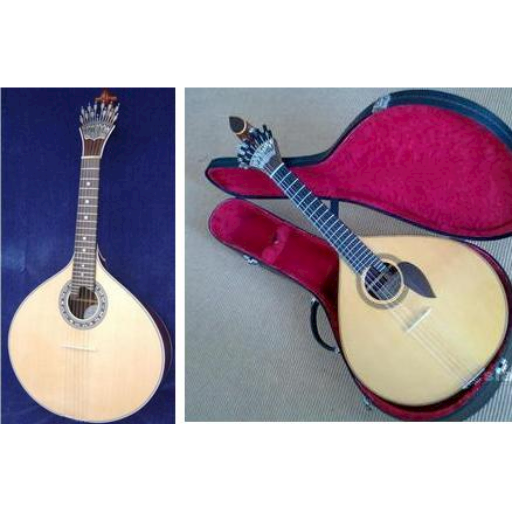
The Portuguese guitar became a fundamental instrument in fado, a Portuguese musical genre that expresses deep emotions.
Today, the Portuguese guitar is a symbol of Portuguese culture and is appreciated all over the world.
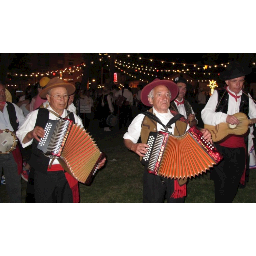
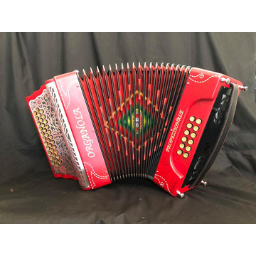
CONCERTINA
In Portugal, the concertina has a strong connection with its rural traditions and popular music, being a symbol of cultural resistance, and continues to be valued and played in various regions to this day.
Characteristics of the Concertina
GAITA DE FOLES
TRANSMONTANA
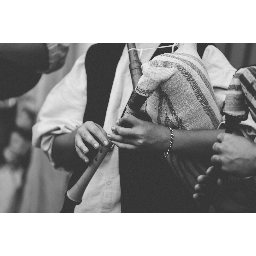
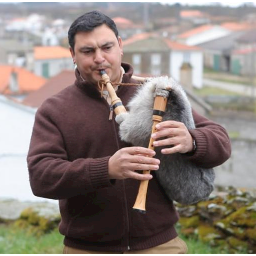
Characteristics of the Gaita Transmontana
Traditionally, they are made from local woods such as boxwood, ash or chestnut, which influences the resonance and timbre.
TÜRKİYE
TRADITIONAL MUSICAL INSTRUMENTS
T.EMLAK BANKASI ORTAOKULU ANKARA /TÜRKİYE
sİBEL AKBULUT
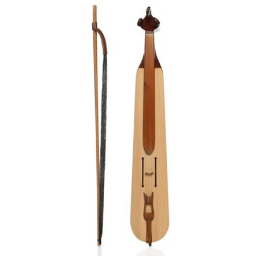
KEMENÇE
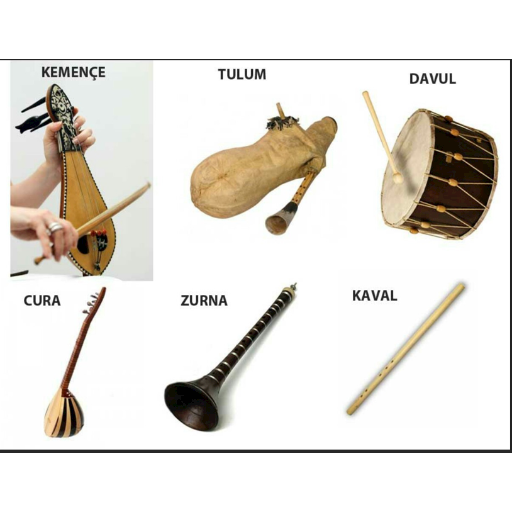
The name kemençe is actually shared by two different stringed instruments, one used in Ottoman music and the other in the folk music of the Black Sea region. Until the mid-20th century, the first of these was known as the ‘armudu’ (pear) or ‘fasıl’ kemençe, but these have now been replaced by the ‘classical kemençe’. The second is more of a folk instrument and is known as the Black Sea kemençe.

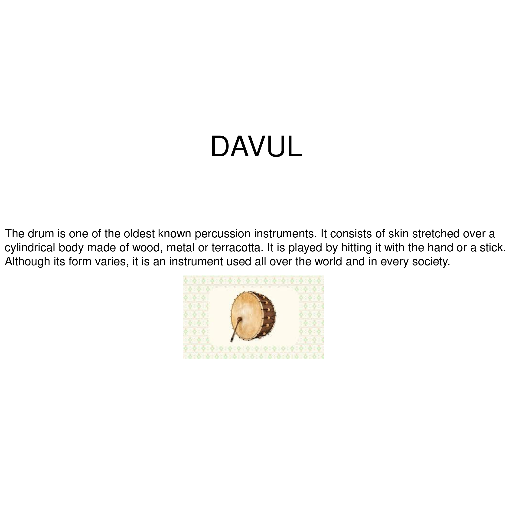
DAVUL
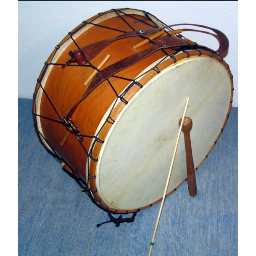
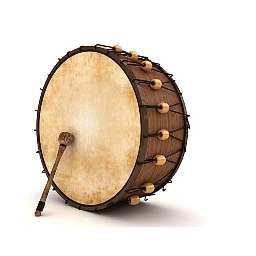
The drum is one of the most common percussion instruments and has a place in the cultures of almost all peoples in the world.
The drum is one of the simplest instruments and consists of two basic parts. One of these is the hoop, which resembles a pipe or cylinder. The hoop can be wooden or metal. The second is a thin calfskin or similar flexible material stretched over one or both sides of the body. This stretched material is called the "drum skin".
The drum is played by hitting the skin with the hand or a stick. This stick is also called the "drum mallet".

The Zurna: A Special Instrument in Turkish Music and Culture
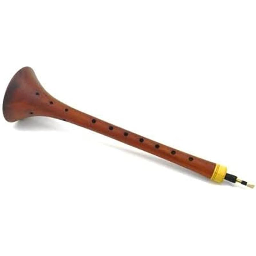

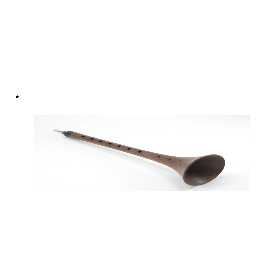
The zurna is not only used in Turkey. You can also find similar instruments in countries like Azerbaijan, Iran, Armenia, and parts of the Balkans. But in Turkey, it has a special place in folk music and traditional life. Each region of Turkey has a slightly different way of playing the zurna. For example, in some areas the sound is more sharp, while in others it is softer and slower. These regional styles show how rich and diverse Turkish culture is.
Even today, many young people learn to play the zurna from older family members. Although electronic music and modern styles are popular now, traditional music with the zurna is still very much alive. Some musicians even mix zurna sounds with modern instruments like guitar or keyboard to create new music styles. This helps keep the tradition alive while also sharing it with the world. The zurna is more than just a musical instrument. It is a symbol of Turkish heritage, celebration, and community spirit. When the zurna plays, people come together — to dance celebrate,and to remember their shared culture.

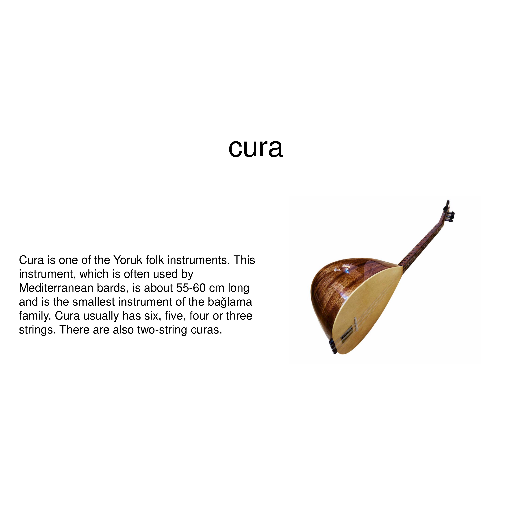
CURA
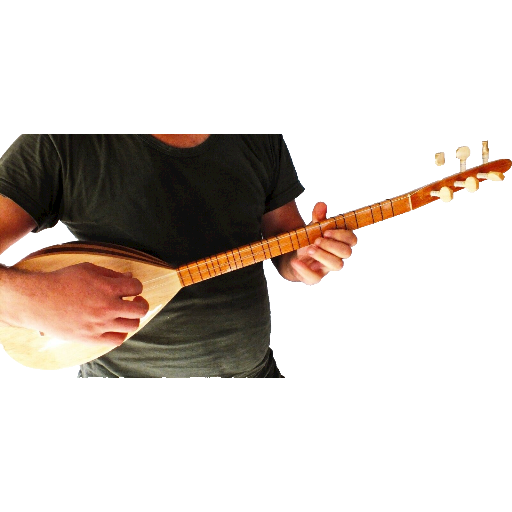
Cura is one of the Yoruk folk instruments. This instrument, which is frequently used by Mediterranean bards, is about 55-60 cm long and is the smallest instrument of the bağlama family. Cura usually has six, five, four or three strings. There are also two-string curas. The lower string of these curas is tuned to the sound of "la" and the upper string to the sound of "re". The depth of the body and the chest width of the curas are around 15 cm. Their neck length is about 40 cm. In four-string curas, the upper string is the harmony string. The other strings are tuned to the sound of this harmony string.
The sound of the bağlama, which is tuned to an octave higher, becomes apparent among the other instruments and adds movement and color to the melody. It is an instrument suitable for the agile and dynamic playing of folk songs. Curas have different names depending on their size. The ones that are a little bigger than the cura are called "cura bağlama". The cura bağlama, which has a deeper sound than the cura, is the most commonly used type of cura.
Şuhut Şehit İbrahim IMIŞ High School
Musicial Instruments of TÜRKİYE
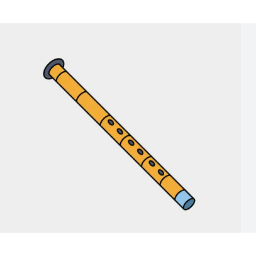
The ney is a type of end-blown flute made from reed and is commonly used in the classical and spiritual music.The ney has a deep, soulful tone and is often associated with Sufi music, particularly the Mevlevi (whirling dervishes) tradition in Turkey.
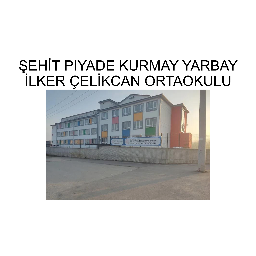
ŞEHİT PİYADE KURMAY YARBAY İLKER ÇELİKCAN
SECONDARY
One world
Many Traditions!
- < BEGINNING
- END >
-
DOWNLOAD
-
LIKE
-
COMMENT()
-
SHARE
-
BUY THIS BOOK
(from $11.99+) -
BUY THIS BOOK
(from $11.99+) - DOWNLOAD
- LIKE
- COMMENT ()
- SHARE
- Report
-
BUY
-
LIKE
-
COMMENT()
-
SHARE
- Excessive Violence
- Harassment
- Offensive Pictures
- Spelling & Grammar Errors
- Unfinished
- Other Problem





COMMENTS
Click 'X' to report any negative comments. Thanks!