
Introduction
What and Where
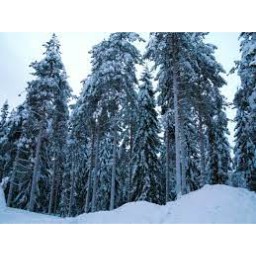
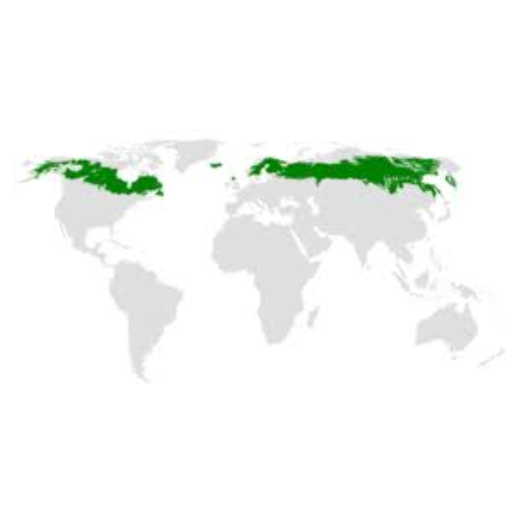
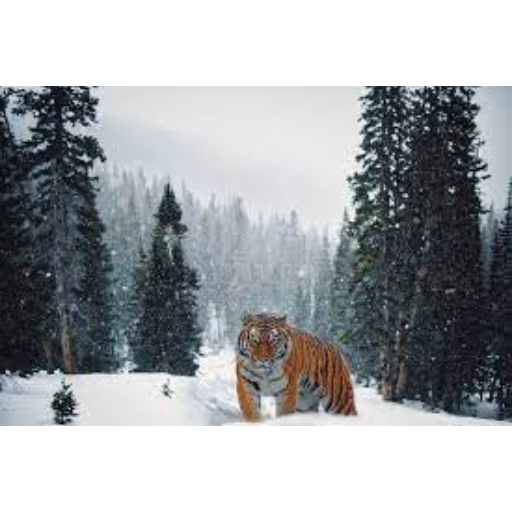
Taiga woods, commonly known as boreal forests, are the world's largest biomes, covering 500,000 square kilometers (17 percent of earth). They encircle several northern countries, such as Canada and Russia, and are quite frigid. The coldest temperature recorded in a taiga was -70°C, with an average temperature of -3°C. Because of the cold temperatures, the soils in the taigas are frequently frozen and unproductive, with little unfrozen water and limited sunlight.

What Makes a Taiga Forest
The trees, dry environment, minimal levels of soil, and short growing season are all characteristics of a taiga forest. Taigas trees are tough conifers that can withstand the frigid temperatures of the taiga and arctic environments.


These trees create 20% of the oxygen on the planet. All of these conditions make it difficult, but not impossible, for the ecosystem's species to survive. Because of the low amounts of precipitation per year, the environment is extremely dry, with only a bit more than deserts.

Only 12-30 inches of water per year, compared to 40-100 inches in Japan. The lack of soil is due to the heavy snowfall, which makes it difficult for leaves and plants to decompose. Finally, with lengthy winters and short summers, the growing season is brief.

Animals
Predator
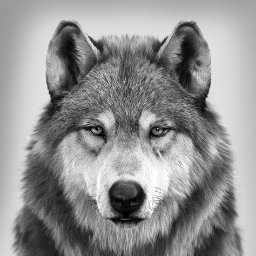
A predator is the top of the food chain. A predator can eat most things in its environment. Examples are wolves which can eat hares, rabbits, and squirrels. There are not many things that a wolf can get eaten by. More examples are bears and coyotes, but the very top of all food chains are humans, which eat most living things and also hunt them.

Secondary Consumer
A secondary consumer are animals that are below the predators. They get eaten by predators, but eat other secondary consumers or primary consumers. An example of a secondary consumer in the taigas are foxes. Foxes get hunted by coyotes and get eaten by them, but foxes hunt hears and squirrels. Another example of secondary consumers, is an owl, and they eat mice on the ground.
Primary Consumer
Primary consumers are the lowest level living things on the food web. They get eaten by secondary consumers and only eat plants like berries and vegetables. An example are hares that eat grass and berries, but get eaten by foxes. More examples are beavers and squirrels.

Scavengers
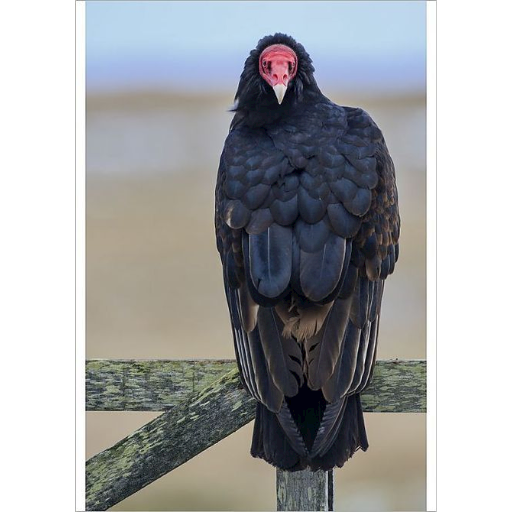
Scavengers are animals that eat most things, but manly eat dead leftovers from other animals hunting trips. An example are vultures that live in the deserts, they feed off rotting carcasses and do not really get hunted. An example of one in taigas are foxes.

- Full access to our public library
- Save favorite books
- Interact with authors

- < BEGINNING
- END >
-
DOWNLOAD
-
LIKE(1)
-
COMMENT()
-
SHARE
-
SAVE
-
BUY THIS BOOK
(from $3.59+) -
BUY THIS BOOK
(from $3.59+) - DOWNLOAD
- LIKE (1)
- COMMENT ()
- SHARE
- SAVE
- Report
-
BUY
-
LIKE(1)
-
COMMENT()
-
SHARE
- Excessive Violence
- Harassment
- Offensive Pictures
- Spelling & Grammar Errors
- Unfinished
- Other Problem

COMMENTS
Click 'X' to report any negative comments. Thanks!