And i am your guide
learn about varios dino species
If the text is Red the dinosaur is Carnivore
If the text is Green the dinosaur is Herbivore
If the text is Orange the dinosaur is Pisciover
If the text is Blue the dinosaur is Marine

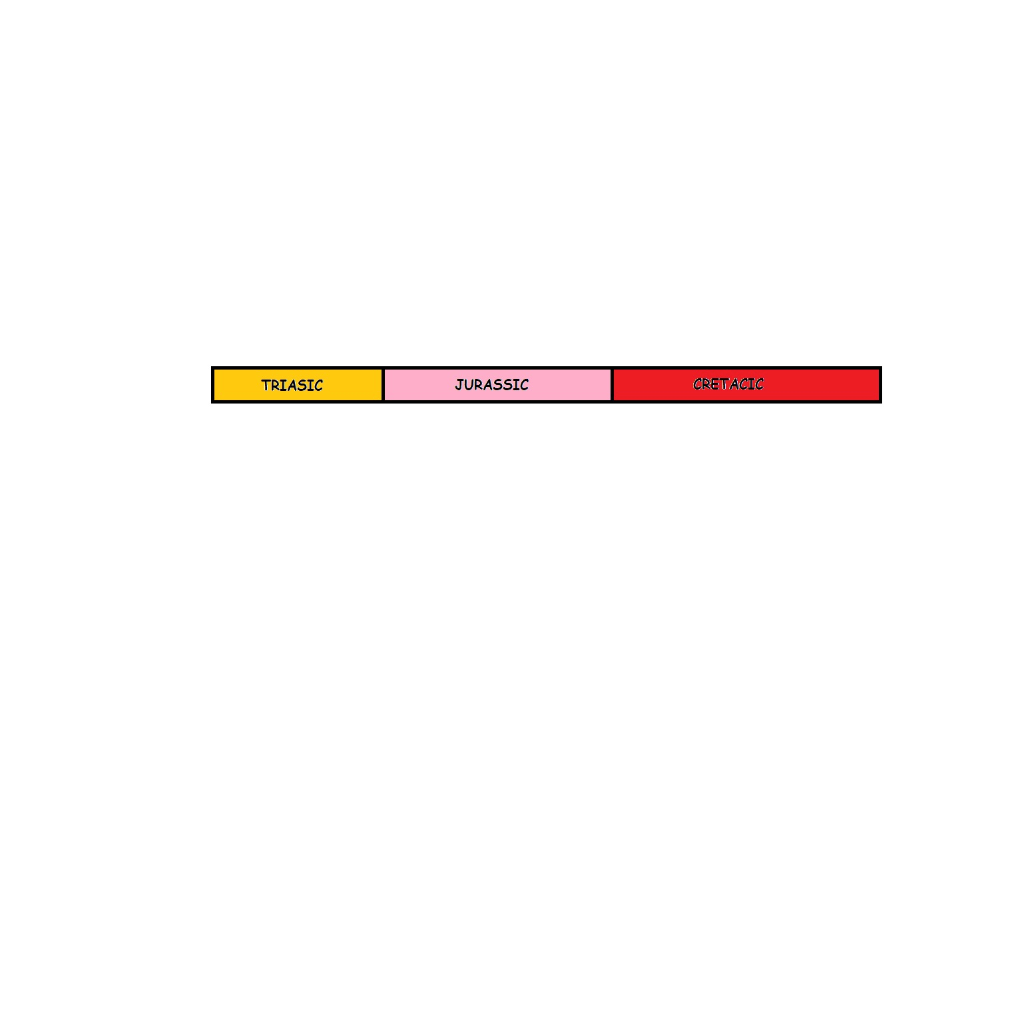
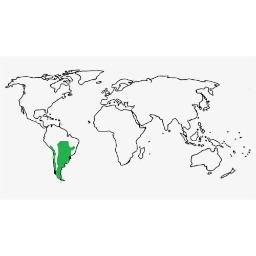
Pterodaustro has a very elongated skull, up to 29 centimeters (11 in) long. The portion in front of the eye sockets comprises 85 percent of skull length. The long snout and lower jaws curve strongly upwards; the tangent at the point of the snout is perpendicular to that of the jaw joint. Pterodaustro has about a thousand bristle-like modified teeth in its lower jaws that might have been used to strain crustaceans, plankton, algae, and other small creatures from the water.
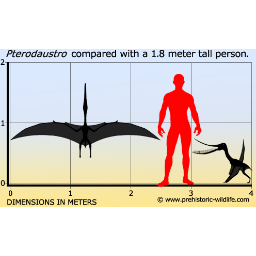
Pterodaustro
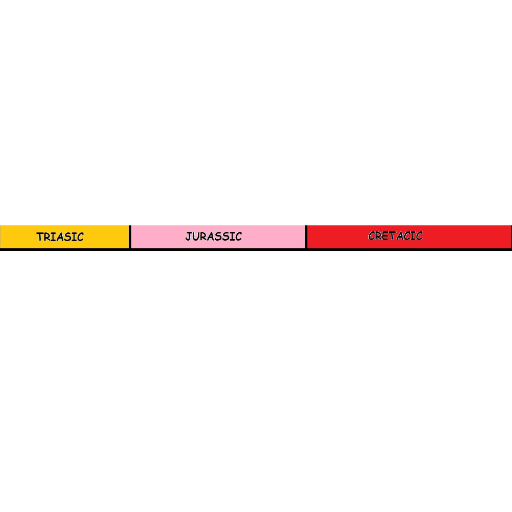
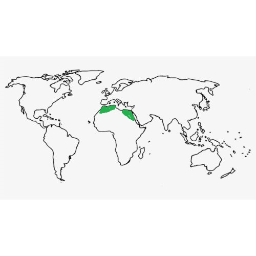
Spinosaurus (meaning "spine lizard") is a genus of spinosaurid dinosaur that lived in what now is North Africa during the Cenomanian to upper Turonian stages of the Late Cretaceous period, about 99 to 93.5 million years ago. The genus was known first from Egyptian remains discovered in 1912 and described by German palaeontologist Ernst Stromer in 1915. The original remains were destroyed in World War II, but additional material came to light in the early 21st century.
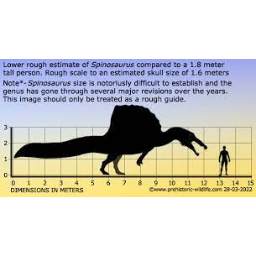
Spinosaur
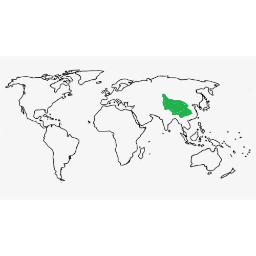
Shunosaurus was first estimated to be 11 metres (36 ft) long; later and more complete finds indicated a somewhat smaller size. In 2010 Gregory S. Paul estimated the length at 9.5 metres (31 ft), the weight at 3 metric tons (3.3 short tons).Shunosaurus was very short-necked for a sauropod, being only "surpassed" in this respect by Brachytrachelopan. The skulls found are mostly compressed or disarticulated and the interpretation of the head form has varied from broad, short and deep to extremely narrow and pointed.
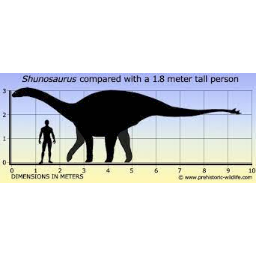
Shunosaurus
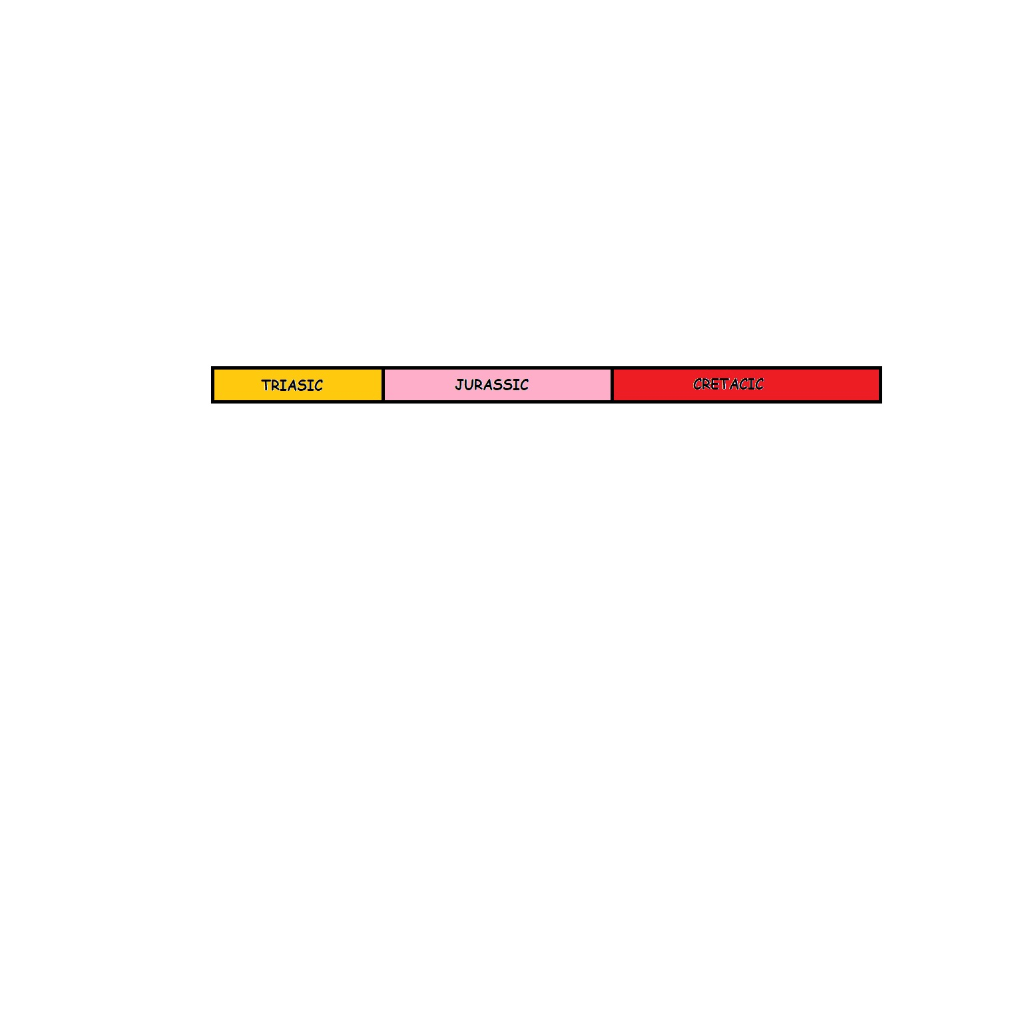
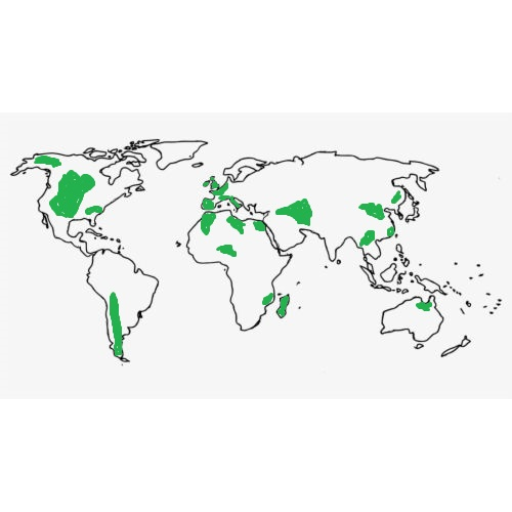
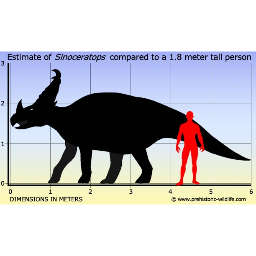
Sinoceratops was a large ceratopsian, with an estimated length of 5 metres (16 ft) and body mass of 2 tonnes (2.0 long tons; 2.2 short tons). It has a short, hooked horn on its nose (called a nasal horn), no horns above its eyes (brow horns), and a short neck frill with a series of forward-curving hornlets that gave the frill a crown-like appearance. Inside this row of hornlets there is a series of low knobs on the top of the frill, which are not seen in any other horned dinosaur.
Sinoceratops
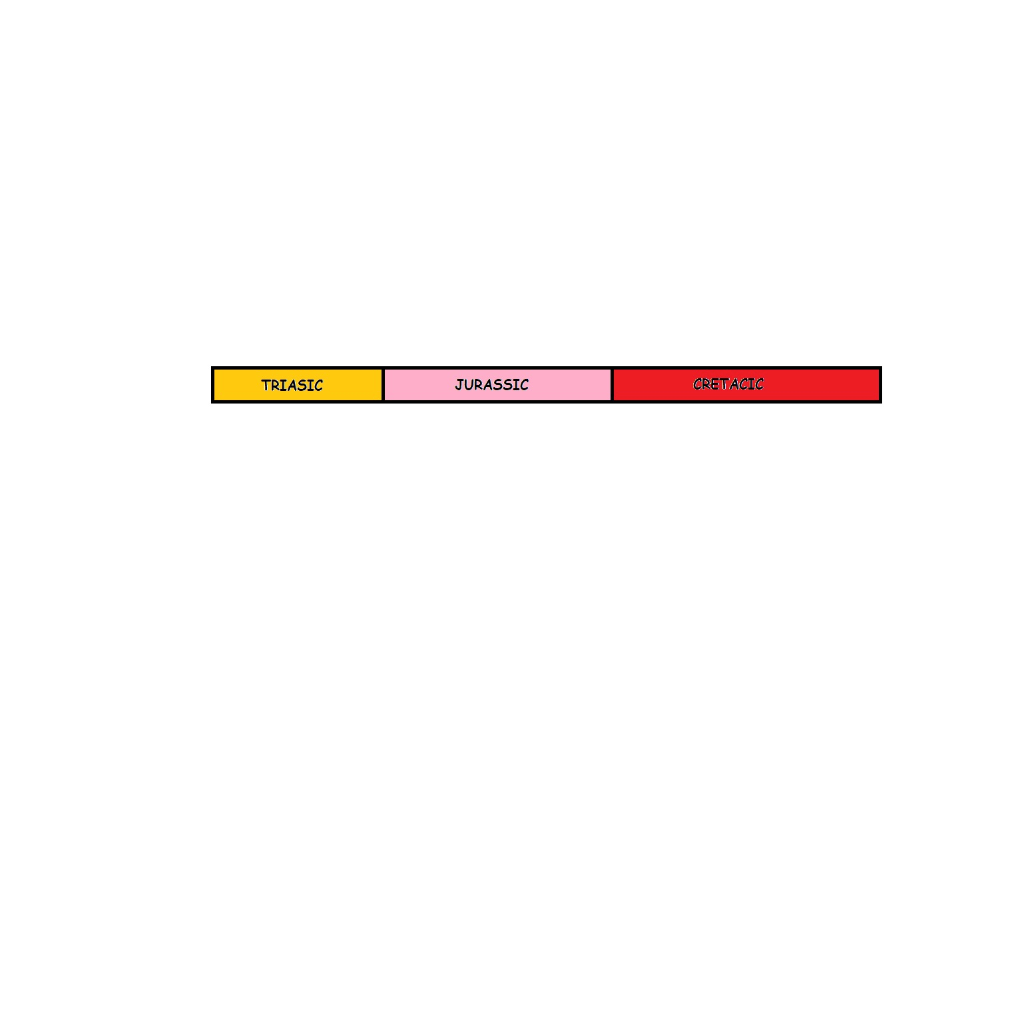
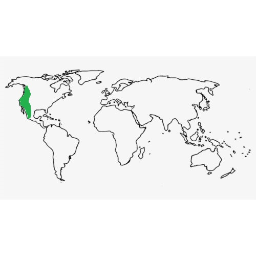
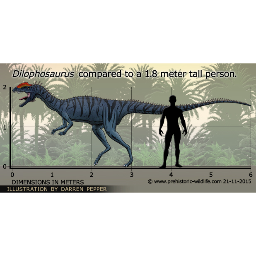
The largest known specimen weighed about 400 kilograms (880 lb), measured about 7 meters (23 ft) in length, and its skull was 590 millimeters long. The smaller holotype specimen weighed about 283 kilograms (624 lb), was 6.03 meters long, with a hip height of about 1.36 meters , and its skull was 523 millimeters long.It may have grown rapidly, attaining a growth rate of 30 to 35 kg (66 to 77 lb) per year early in life.At about 7 m (23 ft) in length, with a weight of about 400 kg (880 lb), Dilophosaurus was one of the earliest large predatory dinosaurs and the largest known land-animal in North America at the time.
Dilophosaurus
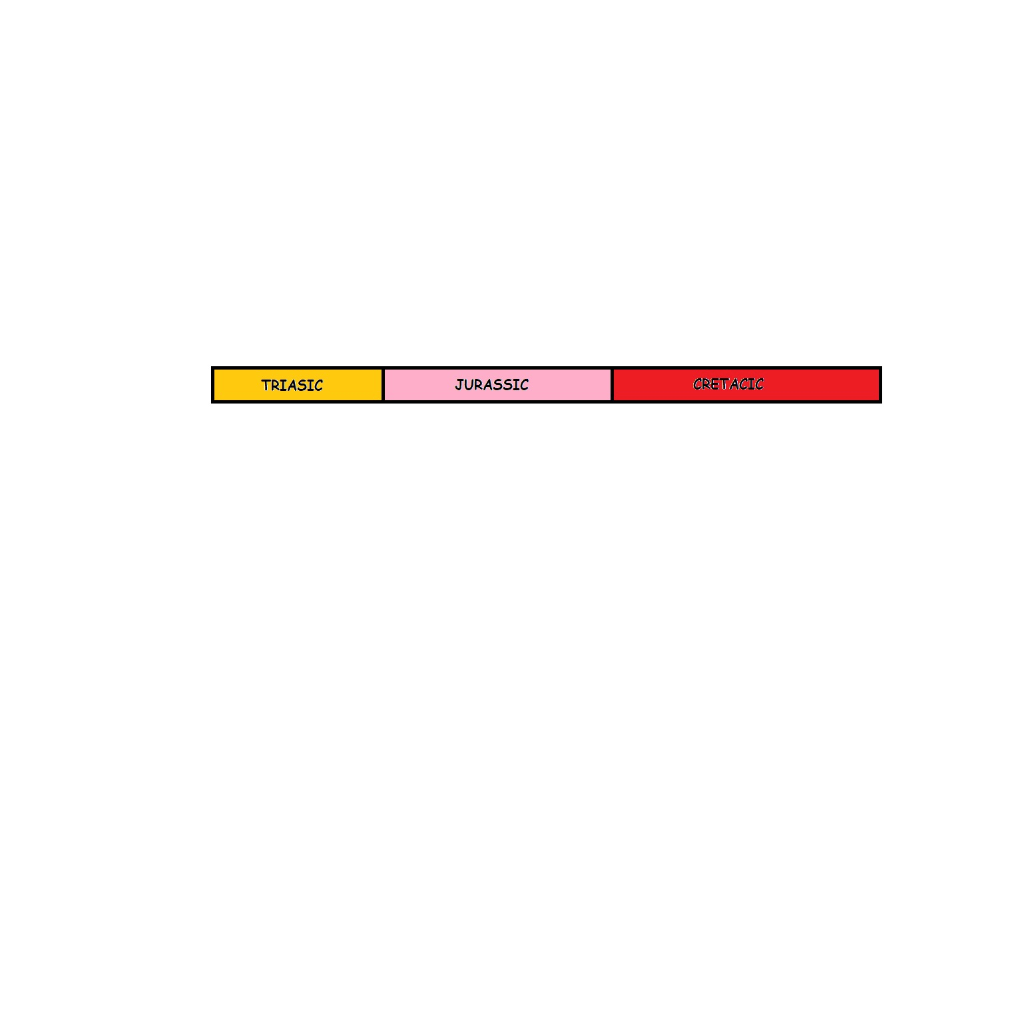
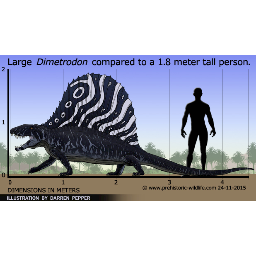
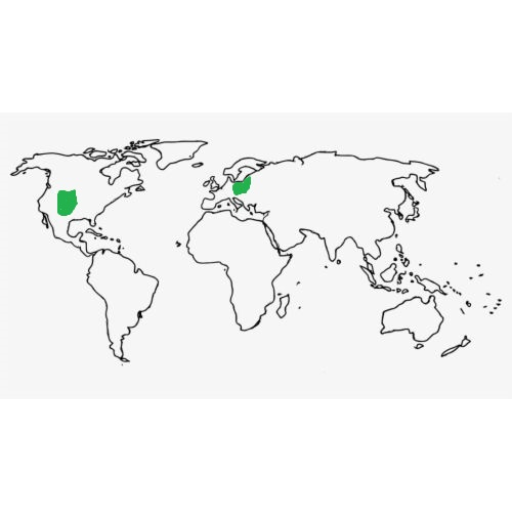
A single large opening on either side of the back of the skull links Dimetrodon with mammals and distinguishes it from most of the earliest sauropsids, which either lack openings or have two openings. Features such as ridges on the inside of the nasal cavity and a ridge at the back of the lower jaw are thought to be part of an evolutionary progression from early four-limbed land-dwelling vertebrates to mammals.
Dimetrodon
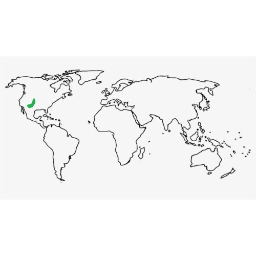
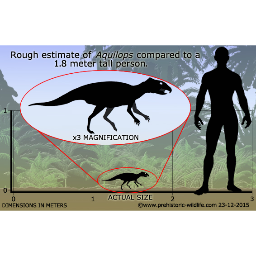
The skull is 84.2 mm long. The holotype is possibly not from a full-grown individual. A comparison with related species indicates it might have been at 60% of its adult length. Wedel estimated the total body length of Aquilops at 60 cm and its weight at 1.5 kg.
The authors established some unique traits. The rostral, the bone core of the snout beak, curves downwards and has an arched keel on its top with a bump on the front. In front of the tooth row the upper jaw rim is over its total length concave in side view. The skull opening, the antorbital fenestra, is twice as long as it is tall and has a pointed rear, below the eye socket.
Aquilops
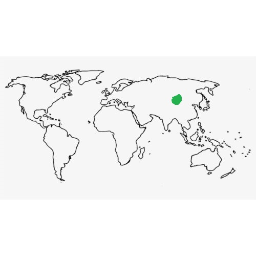
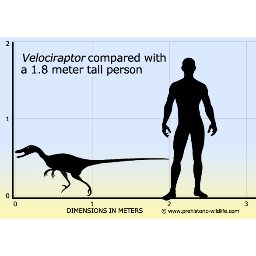
Velociraptor was a medium-sized dromaeosaurid, with adults measuring up to 2.07 m (6.8 ft) long, 0.5 m (1.6 ft) high at the hip, and weighing up to 15 kg (33 lb), though there is a higher estimate of 19.7 kg (43 lb), and an even higher estimate suggesting a length of 2.5 m (8.2 ft) and a body mass of 25 kg (55 lb). the size of the adult specimen of V. mongoliensis was estimated at 2.65 m (8.7 ft) in length, 72 cm (28 in) in hip height and 38 kg (84 lb) in body mass; V. osmolskae was estimated at 1.85 m (6.1 ft) in length, 50 cm (20 in) in hip height and 13 kg (29 lb) in body mass.
Velociraptor
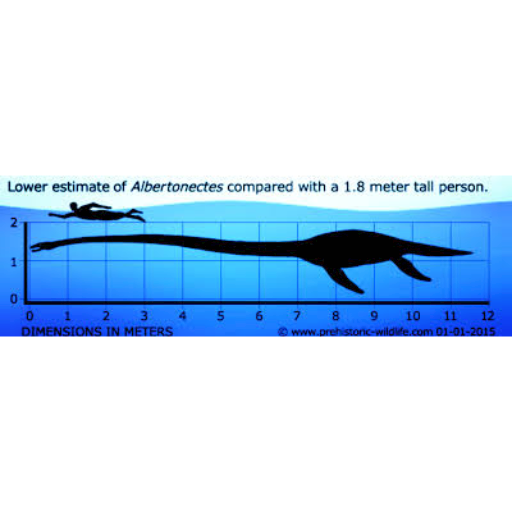
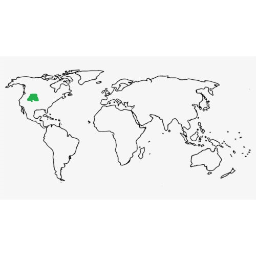
Albertonectes has the longest neck of any elasmosaur ever discovered, which reached up to 7 metres (23 ft). The holotype, missing the skull, measures at 11.2 metres (37 ft) from the atlas-axis complex to the tip of the tail, suggesting a total body length of 11.6 metres (38 ft) with the skull. An 11 metres (36 ft) long individual would have weighed 2 metric tons (2.2 short tons). Albertonectes is also unique among other elasmosaurids in having 76 neck vertebrae
Albertonectes
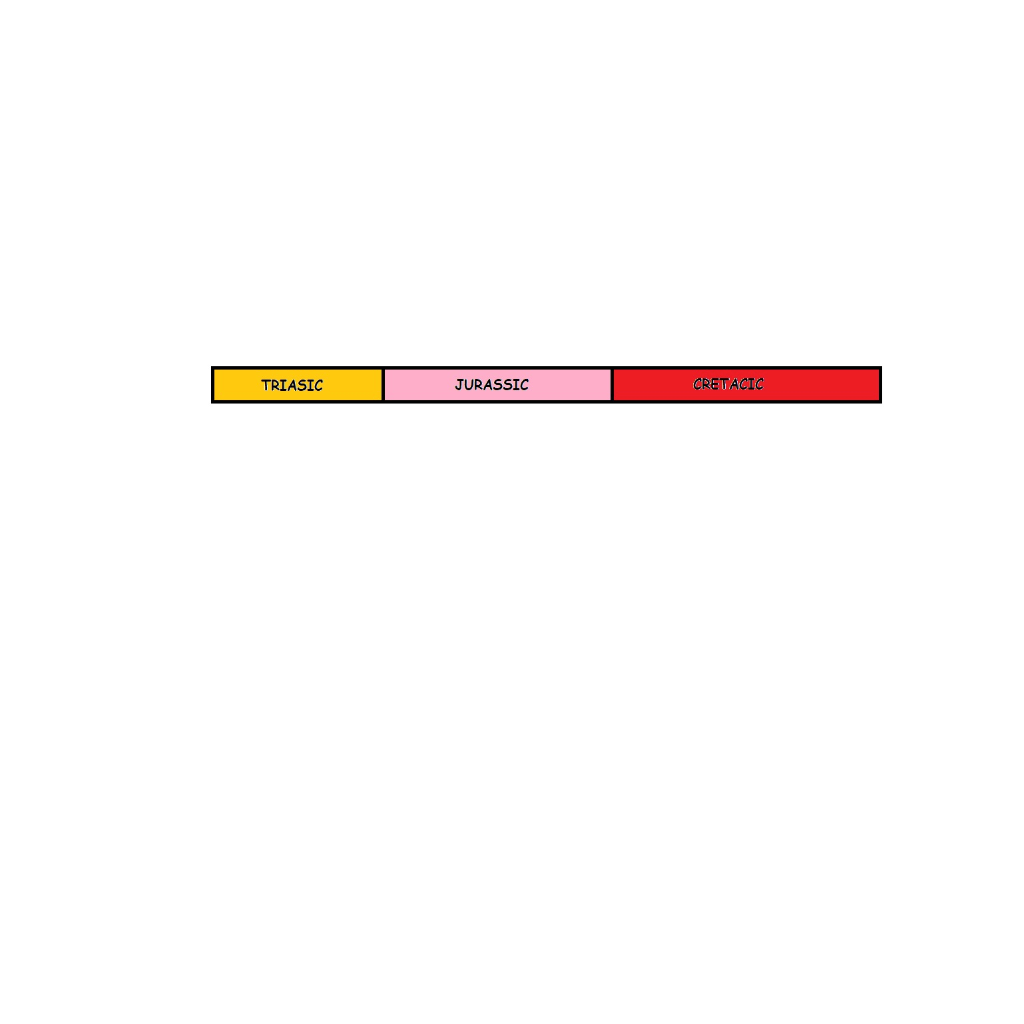
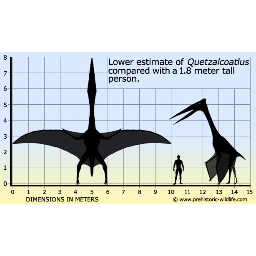
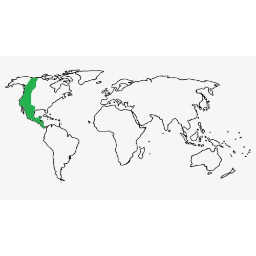
When it was first named as a new species in 1975, scientists estimated that the largest Quetzalcoatlus fossils came from an individual with a wingspan as large as 15.9 m (52 ft). Choosing the middle of three extrapolations from the proportions of other pterosaurs gave an estimate of 11 m, 15.5 m, and 21 m, respectively (36 ft, 50.85 ft, 68.9 ft). In 1981, further advanced studies lowered these estimates to 11–12 m (36–39 ft).Skull material from Q. lawsoni shows that Quetzalcoatlus had a very sharp and pointed beak.
Quetzalcoatlus
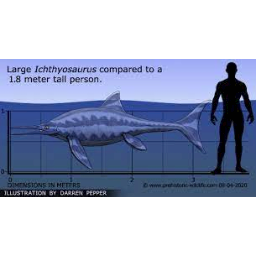
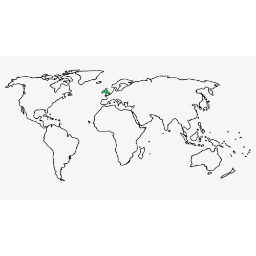
Ichthyosaur species varied from 1 to 20 metres (3 to 66 ft) in length. Ichthyosaurs resembled both modern fish and dolphins. Their limbs had been fully transformed into flippers, which sometimes contained a very large number of digits and phalanges. At least some species possessed a dorsal fin. Their heads were pointed, and the jaws often were equipped with conical teeth that could help to catch smaller prey.Some species had larger, bladed teeth with which they could attack large animals.
Ichthyosaur
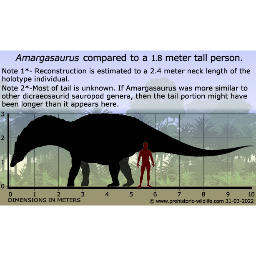
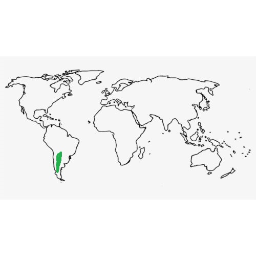
Amargasaurus probably fed at mid-height, as shown by the orientation of its inner ear and the articulation of its neck vertebrae, which suggest a habitual position of the snout 80 centimeters (31 inches) above the ground and a maximum height of 2.7 meters (8.9 feet). Within the Sauropoda, Amargasaurus is classified as a member of the family Dicraeosauridae, which differs from other sauropods in showing shorter necks and smaller body sizes.
Amargasaurus
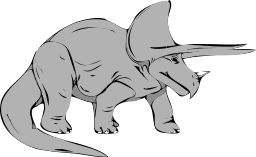
Bearing a large bony frill, three horns on the skull, and A large four-legged body, exhibiting convergent evolution with rhinoceroses and bovines, Triceratops is one of the most recognizable of all dinosaurs and the most well-known ceratopsid. It was also one of the largest, up to 8–9 metres (26–30 ft) long and 5–9 metric tons (5.5–9.9 short tons) in body mass. It shared the landscape with and was most likely preyed upon by Tyrannosaurus, though it is less certain that two adults did battle in the fanciful manner often depicted in museum displays and popular images.
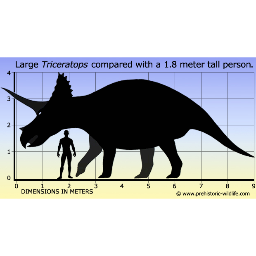
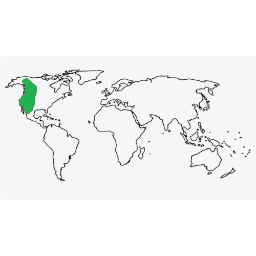
Triceratops
The most complete specimen measures up to 12.3–12.4 m (40.4–40.7 ft) in length; however, according to most modern estimates, T. rex could grow to lengths of over 12.4 m (40.7 ft), up to 3.66–3.96 m (12–13 ft) tall at the hips, and 8.87 metric tons (9.78 short tons) in body mass.Like other tyrannosaurids, Tyrannosaurus was a bipedal carnivore with a massive skull balanced by a long, heavy tail. Relative to its large and powerful hind limbs, the forelimbs of Tyrannosaurus were short but unusually powerful for their size, and they had two clawed digits.
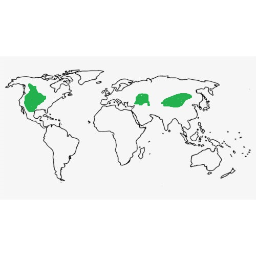
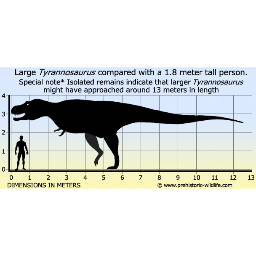
Tyranosaurus Rex
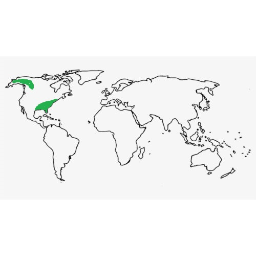
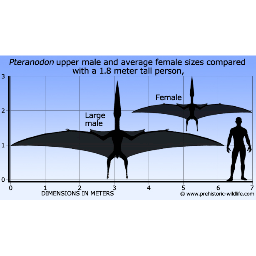
Adult male Pteranodon were among the largest pterosaurs, and were the largest flying animals known until the late 20th century, when the giant azhdarchid pterosaurs were discovered. The wingspan of an average adult male Pteranodon was 5.6 meters (18 ft). Adult females were much smaller, averaging 3.8 meters (12 ft) in wingspan. The largest specimen of Pteranodon longiceps from the Niobrara Formation had a wingspan of 6.5 meters (21 ft), body length of 2.6 m (8.5 ft) and body mass of 50 kg (110 lb).
Pteranodon
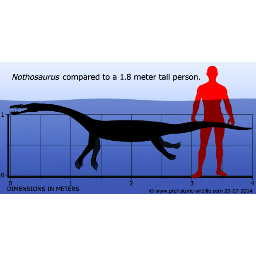
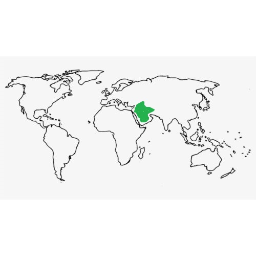
In many respects its body structure resembled that of the much later plesiosaurs, but it was not as well adapted to an aquatic environment. It is thought that one branch of the nothosaurs may have evolved into pliosaurs such as Liopleurodon, a short-necked plesiosaur that grew up to 6.4 metres (21 ft), and the long-necked Cryptoclidus, a fish eater with a neck as long as 1.3 metres (4.3 ft).However, some species such as N. zhangi and N. giganteus were larger, up to 5–7 metres (16–23 ft).
Nothosaurus
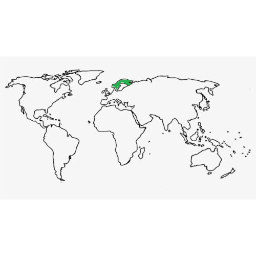
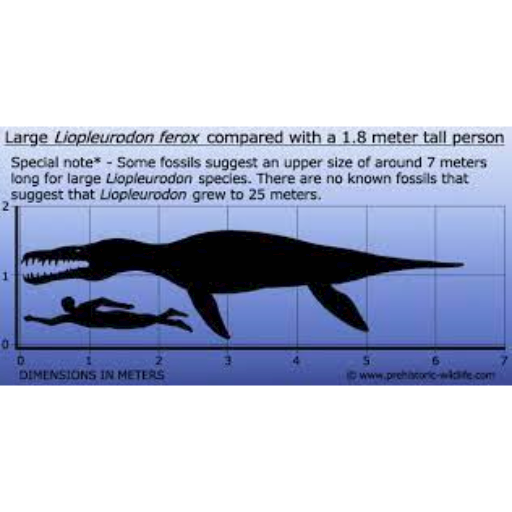
The genus name Liopleurodon was coined by Henri Émile Sauvage in 1873. Sauvage named three species which he assigned to this genus, each based on a single tooth. One tooth, its crown measuring 7.5 centimetres (3.0 in) long, was found near Boulogne-sur-Mer, France in layers dating from the Callovian, and was named Liopleurodon ferox. Another from Charly, France, measuring 7 centimetres (2.8 in) long and with a crown length of 5.5 centimetres (2.2 in), was named Liopleurodon grossouvrei.
Liopleurodon
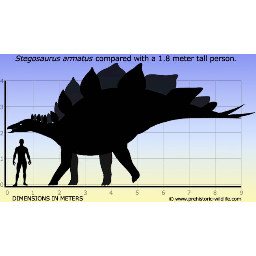
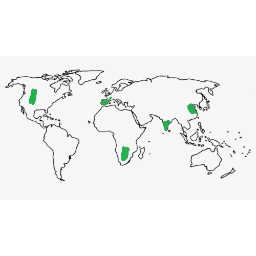
They were large, heavily built, herbivorous quadrupeds with rounded backs, short fore limbs, long hind limbs, and tails held high in the air. Due to their distinctive combination of broad, upright plates and tail tipped with spikes, Stegosaurus is one of the most recognizable kinds of dinosaurs. The function of this array of plates and spikes has been the subject of much speculation among scientists.One species, Stegosaurus ungulatus, is one of the largest known of all the stegosaurians, reaching 7 metres (23 ft) in length and 3.8 metric tons (4.2 short tons) in body mass, and some specimens indicate an even larger body size.
Stegosaur
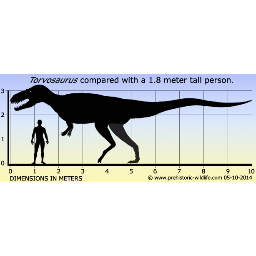
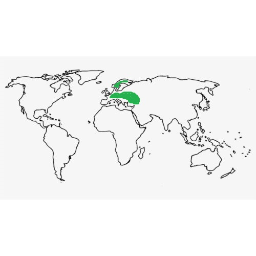
In 1979 the type species Torvosaurus tanneri was named: it is a large, heavily built, bipedal carnivore, that could grow to a length of about 9 meters (30 ft). T. tanneri was among the largest carnivores of its time, together with Epanterias and Saurophaganax (which could both be synonyms for Allosaurus). Specimens referred to Torvosaurus gurneyi were measured up to 10 meters (33 ft) long.
Torvosaur
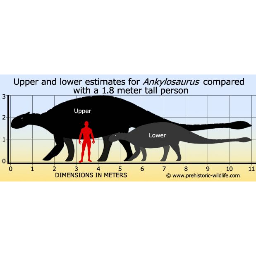
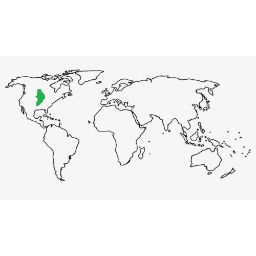
Possibly the largest known ankylosaurid, Ankylosaurus is estimated to have been between 6 and 8 meters (20 and 26 ft) long and to have weighed between 4.8 and 8 metric tons (5.3 and 8.8 short tons). It was quadrupedal, with a broad, robust body. It had a wide, low skull, with two horns pointing backward from the back of the head, and two horns below these that pointed backward and down. Unlike other ankylosaurs, its nostrils faced sideways rather than towards the front. The front part of the jaws was covered in a beak, with rows of small, leaf-shaped teeth farther behind it.
Ankilosaur
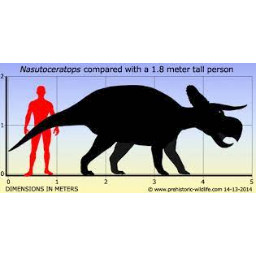
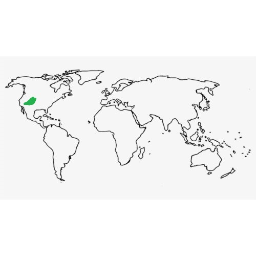
The holotype skull is approximately 1.5 metres (4.9 ft) in length. Its body length has been estimated at 4.5 metres (14.8 ft), its weight at 1.5 tonnes (1.7 short tons). Nasutoceratops has several unique derived traits or autapomorphies. The part of the snout around the nostril is strongly developed, representing about three quarters of the skull length in front of the eye sockets.The rear of each nasal bone is hollowed out by a large internal cavity.
Nastuceratops
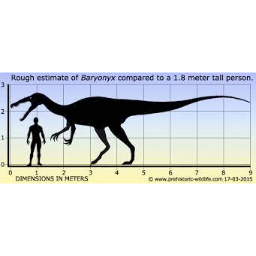
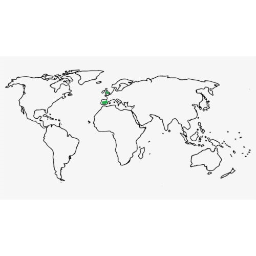
The holotype specimen, which may not have been fully grown, was estimated to have been between 7.5 and 10 metres (25 and 33 feet) long and to have weighed between 1.2 and 2 metric tons (1.3 and 2.2 short tons; 1.2 and 2.0 long tons). Baryonyx had a long, low, and narrow snout, which has been compared to that of a gharial. The tip of the snout expanded to the sides in the shape of a rosette. Behind this, the upper jaw had a notch which fitted into the lower jaw (which curved upwards in the same area).
- Full access to our public library
- Save favorite books
- Interact with authors
Cool Right
- < BEGINNING
- END >
-
DOWNLOAD
-
LIKE(1)
-
COMMENT()
-
SHARE
-
SAVE
-
BUY THIS BOOK
(from $13.59+) -
BUY THIS BOOK
(from $13.59+) - DOWNLOAD
- LIKE (1)
- COMMENT ()
- SHARE
- SAVE
- Report
-
BUY
-
LIKE(1)
-
COMMENT()
-
SHARE
- Excessive Violence
- Harassment
- Offensive Pictures
- Spelling & Grammar Errors
- Unfinished
- Other Problem






COMMENTS
Click 'X' to report any negative comments. Thanks!