This collaborative book is to be completed by 8 students(sc who come from different cultures. The goal is to discover what they have in common and to appreciate cultural differences.
Each pair of pages (2 and 3, 4 and 5, etc...) asks the same question and each student partner picks either the left or right side to complete. Customize the language and illustrations on each page, as needed.


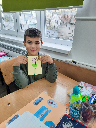
Me
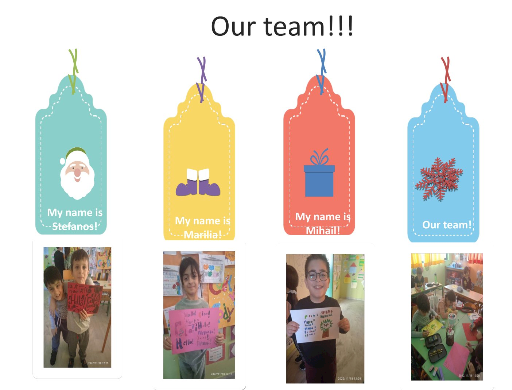
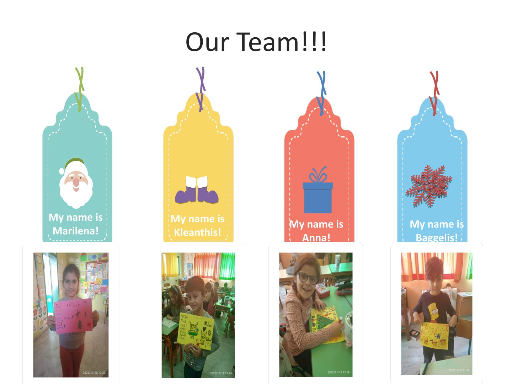
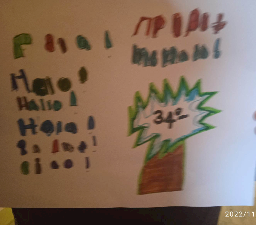
My name: We are the 34th primary school Of Heraklion,Crete, Greece
My age: 7-12
Φωτογραφία μου:

Me
Το όνομά μου: Είμαστε το Γυμνάσιο "Otilia Cazimir" Iași από το Ιάσιο της Ρουμανίας.
My age: 7-12
Picture of me:
See page 1 for directions

My name: We are primary school Dimitrije Davidović
Age: 9-14
Our team
Teacher: Snežana Jović

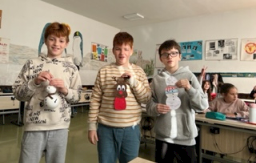
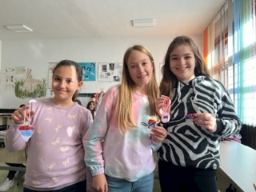
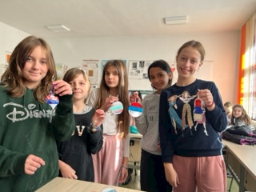
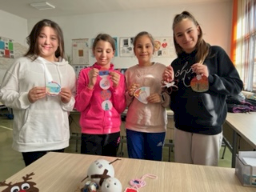
Me
Είμαστε το 2ο Δημοτικό σχολείο Αλεξανδρούπολης
Η ηλικία μου: 8-12
Φωτογραφία μου:
See page 1 for directions
ECHIPA NOASTRĂ!!!


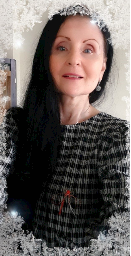

Pe mine
Numele meu: Suntem Școala Gimnazială „Nifon Bălășesu”, Tulcea din România

IA IB IIC

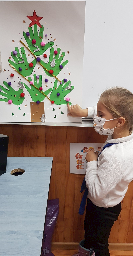
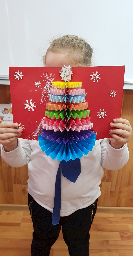
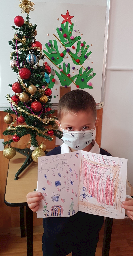
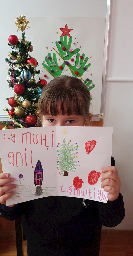
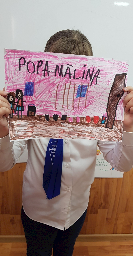
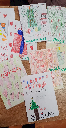
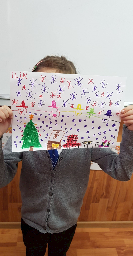
HI EVERBODY!
BUNĂ COPII!
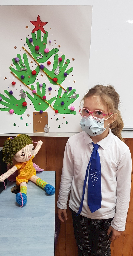
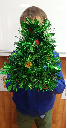
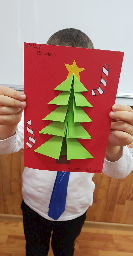
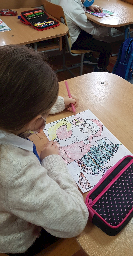
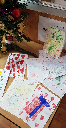
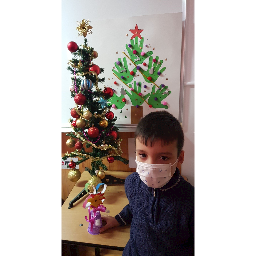
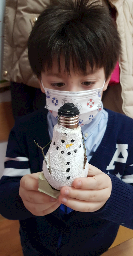
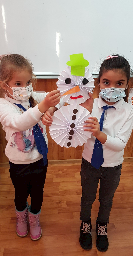
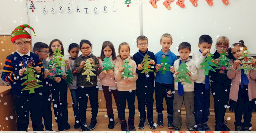
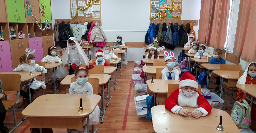
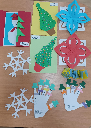
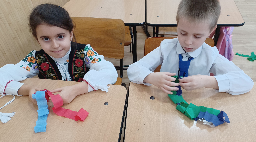
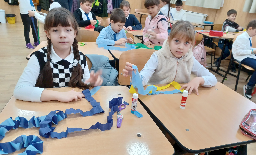
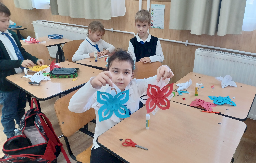
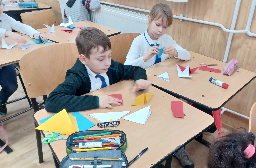
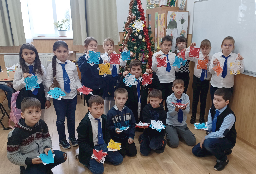
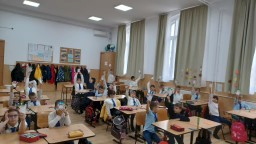
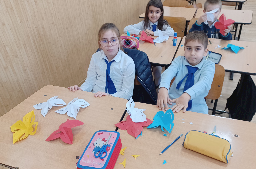
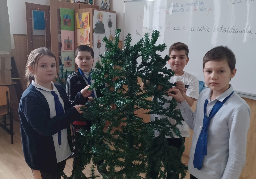
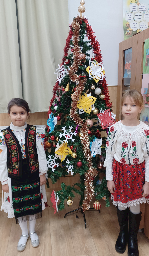
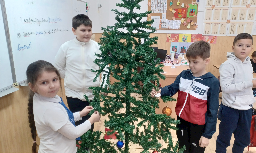
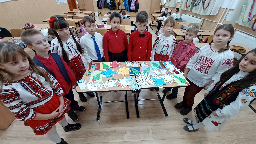
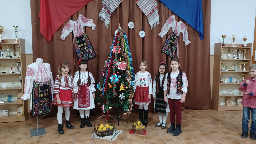
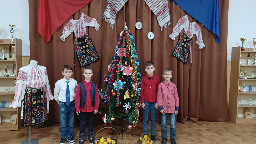
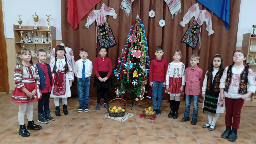
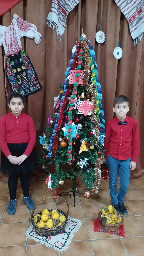
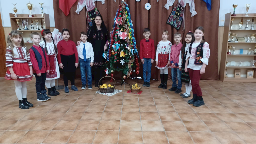
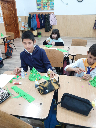
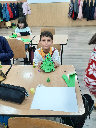
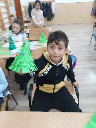
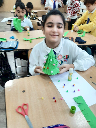
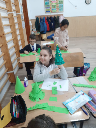
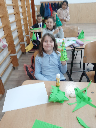
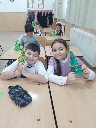
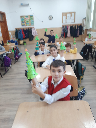
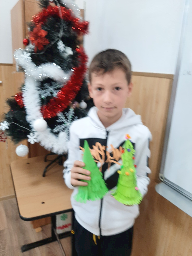
PANAIT LILIANA - III C

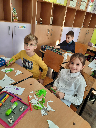
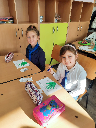
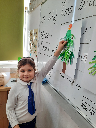
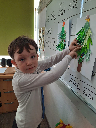
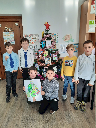
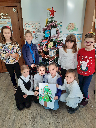
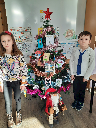
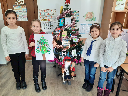
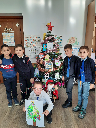
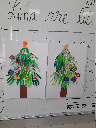
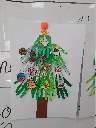

Hallo European friends!
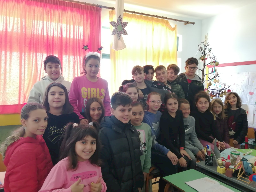
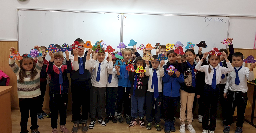
We are the 5th grade of the 34th Primary School!
We are really excited for this action !
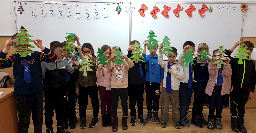
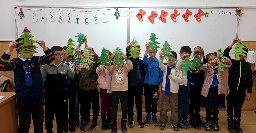
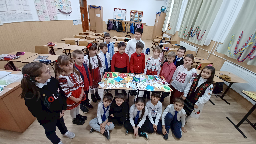
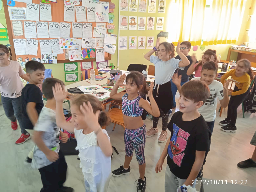
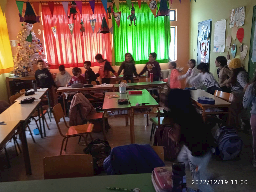
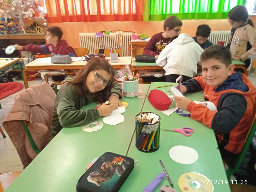
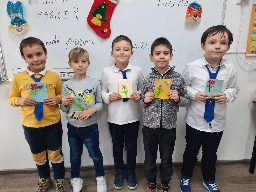
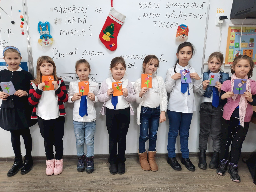
Εδώ είναι μια φωτογραφία της τάξης μας:
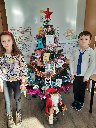
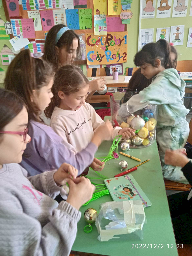
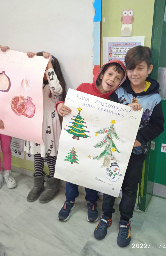
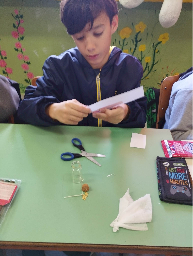
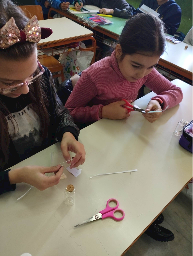
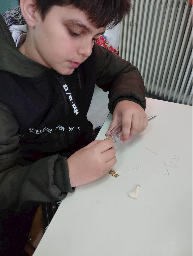
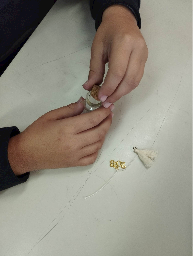
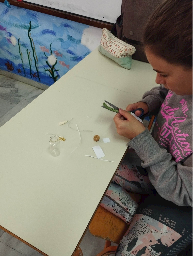
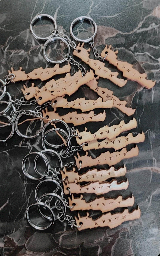
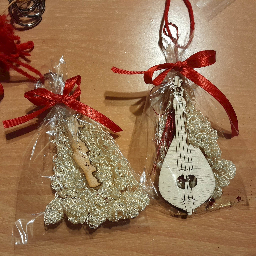
Our Christmas ornaments depict Cretan hospitality.The little Christmas bottles give off the scent of "Diktamus"- our local Cretan herb- coupled with the warmth of a "mantinada" poem.
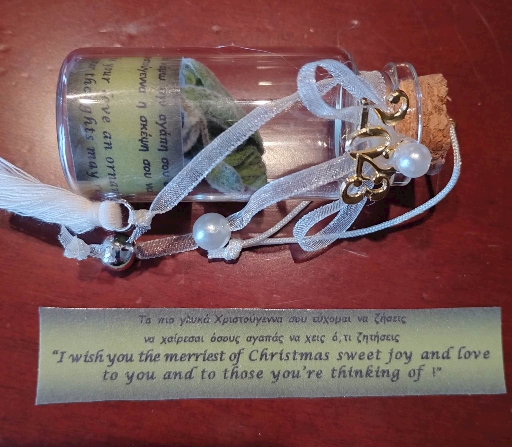
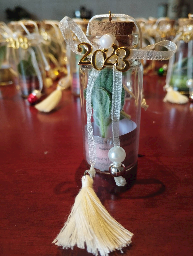
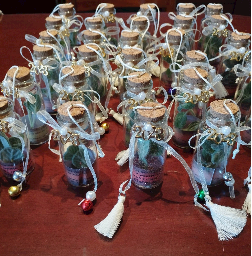
“Cretan Diktamo/Dittany”
Origanum dictamnus, the dittany of Crete, Cretan dittany or hop marjoram, is a tender perennial plant that grows 20–30 cm high. It is known in Greek as δίκταμο (díktamo) or in the Cretan dialect as έρωντας (erontas, "love"). It is a therapeutic and aromatic plant that grows wild only on the mountainsides and gorges of the Greek island of Crete. It is widely used for food flavouring and medicinal purposes, in addition to featuring as an ornamental plant in gardens. This small, lanate shrub is easily recognised by the distinctive soft, woolly covering of white-grey hair on its stems and round green leaves, giving it a velvety texture. Tiny rose-pink flowers surrounded by brighter purple-pink bracts add an exuberant splash of colour to the plant in summer and autumn.
“MANTINADES”
One characteristic aspect of Crete is that traditional culture plays an important role in contemporary life, and among all age groups. Tradition is embraced by all generations and beautifully integrated into the Cretan daily life. A benchmark of the Cretan culture and tradition known to all throughout Greece is “Mantinades”.
The term “mantinada” refers to a rhyming couplet. It is not a lyrical song, however in itself, since it has such a strong and clear rhythmic quality, and a lilting cadence that feels musical. Moreover, “mantinades” are very well-suited to the accompaniment of music,especially that of the Cretan lyra , as well as the “laouto” – stringed instrument like a lute. In practice, it is very common for a “mantinada” to be delivered as a song.
A “mantinada” is the soundtrack of Cretan life, narrating all events important or minor,both happy and sad.”Mantinades” are used to tell profound truths, and even honour the dead – many Cretan tombs have “mantinades” on them.
However, most commonly, “mantinades” serve as fine examples of spontaneous wit and wisdom, with plenty of humour but essence, too. And of course, as love plays an important role in our life, it serves as the main source of inspiration for “mantinades”.
Foods:
Τα αγαπημένα μου
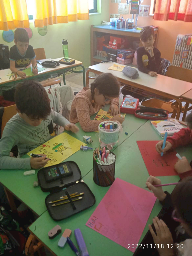
μας αρέσει να ζωγραφίζουμε και να χορεύουμε!!!

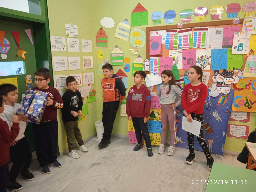
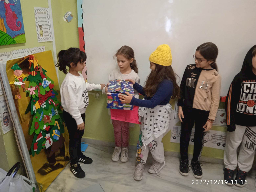
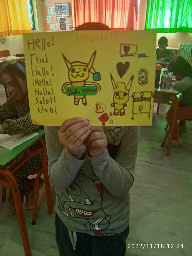
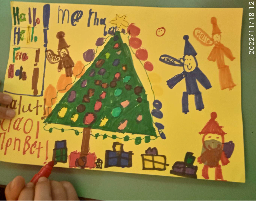
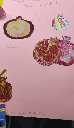
MERRY CHRISTMAS!!!
School
School activities I like to do: I like painting .
Favorite subjects: Phisical education, IT,
Maths
School
Activități școlare pe care îmi place să le fac: Îmi place pictura, muzica, excursiile și drumetiile .
Subiecte preferate: Educație fizică, Engleza, Matematica


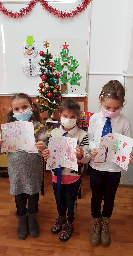
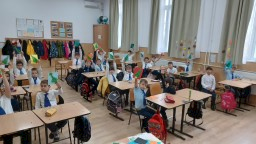
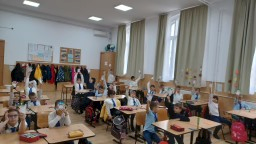
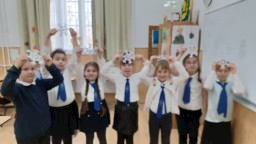
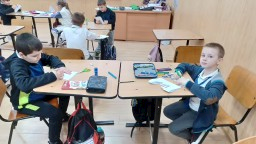
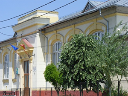
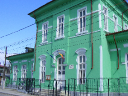
Școala mea
Suntem Școala Gimnazială „Nifon Bălășesu”, Tulcea din România
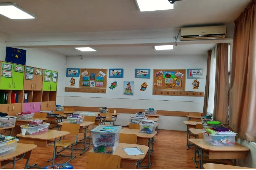
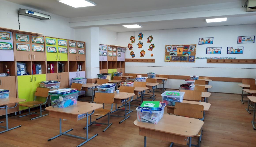
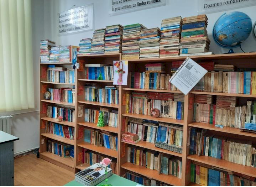
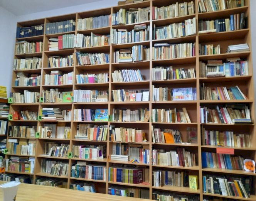
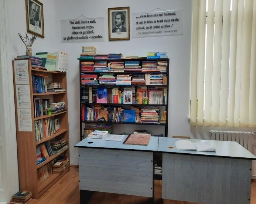
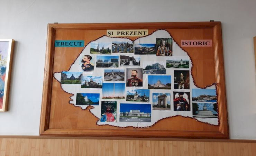
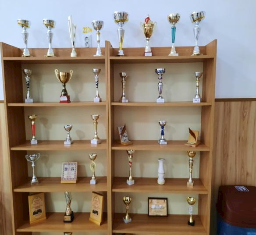
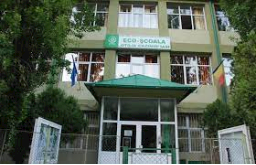
My School
We love our school and our teachers from Secondary School "Otilia Cazimir" Iași
Scoala mea
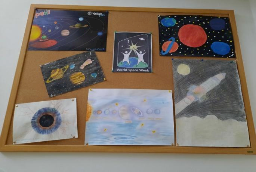
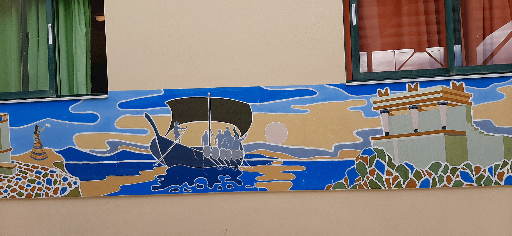
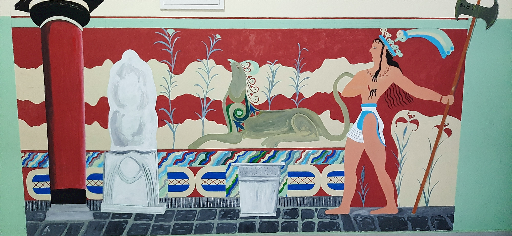
Hello from the 4rth grade of 34o Primary school!! Here are some photos of the drawings decorating the walls of our school. Some of them are related to Greek History and Mythology.
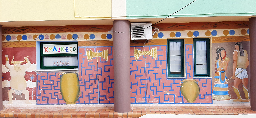
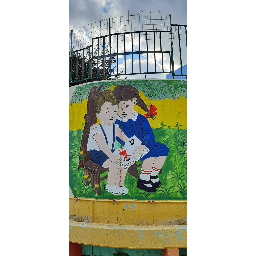
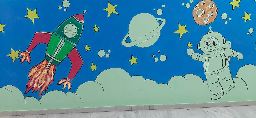
My school 34th
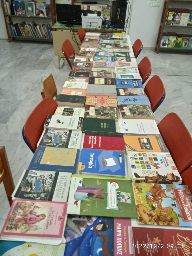
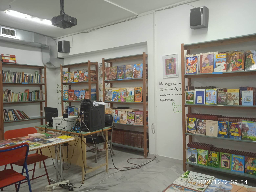
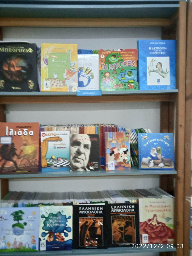
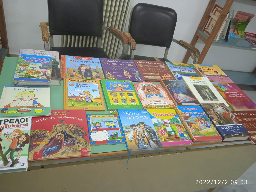
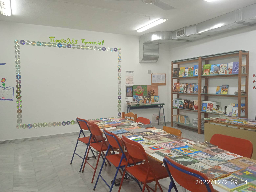
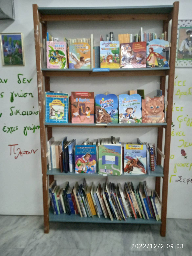
Our Library!!!
34th p.s.
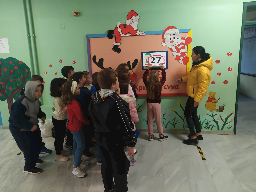
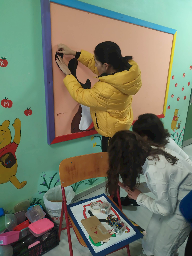
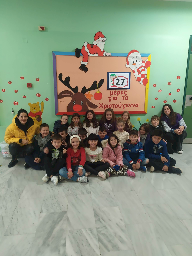
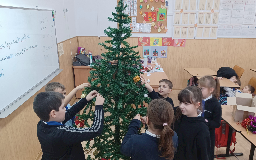
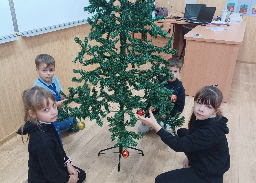
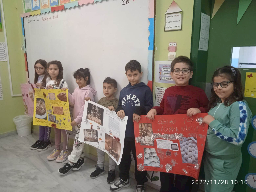
Το σχολείο μας προετοιμάζεται για τα Χριστούγεννα.
Ο Χρόνος κυλάει τόσο γρήγορα!!1
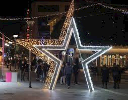
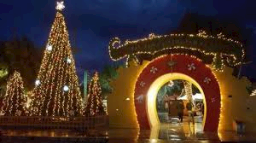
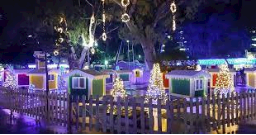
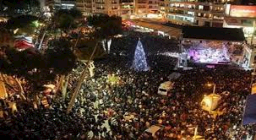
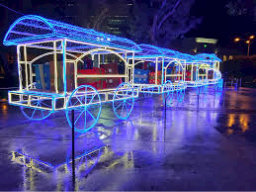
Our City at Christmas !!!
HERAKLION
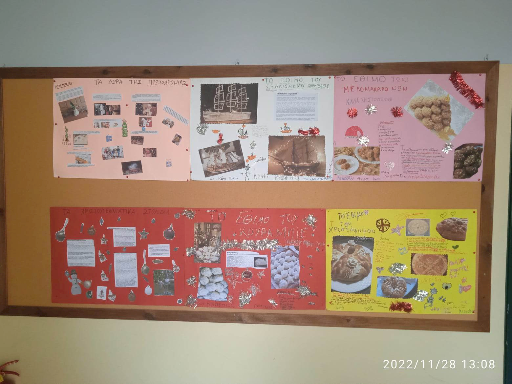
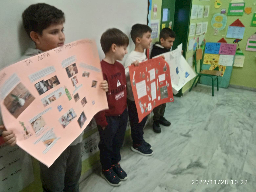
Our Customs
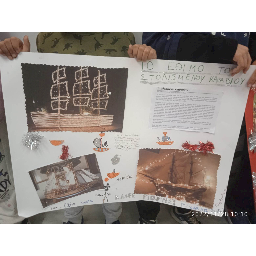
ΤΟ ΕΘΙΜΟ ΤΗΣ ΔΙΑΚΟΣΜΗΣΗΣ ΠΛΟΙΟΥ
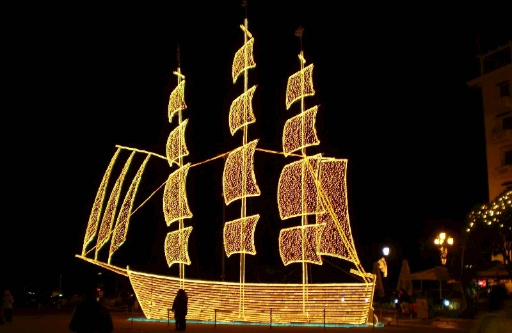
Το έθιμο της διακόσμησης ενός πλοίου
Σε όλη την ιστορία η Ελλάδα ήταν πάντα μια χώρα ναυτικών. Επομένως, η καθημερινότητα των κατοίκων της ήταν άμεσα συνδεδεμένη με το στοιχείο του νερού. Ήταν αρκετά συνηθισμένο, ιδιαίτερα τις περασμένες δεκαετίες, για τις περισσότερες οικογένειες, τόσο ο πατέρας όσο και ο γιος να λείπουν από το σπίτι στη θάλασσα, αγωνιζόμενοι να κερδίσουν τα προς το ζην και να στηρίξουν τις οικογένειές τους στο σπίτι. Οι διακοπές των Χριστουγέννων δεν θα μπορούσαν να είναι διαφορετικές.
Το πλοίο συμβολίζει τη νέα πορεία της ανθρωπότητας στη ζωή, μετά τη γέννηση του Χριστού. Αυτό το έθιμο έχει ξεθωριάσει διαχρονικά, αφού όλοι έχουν υιοθετήσει την παγκόσμια παράδοση του χριστουγεννιάτικου δέντρου. Ωστόσο, κανείς δεν φαίνεται να το έχει ξεχάσει. Το ελληνικό παραδοσιακό καραβάκι είναι μια παράδοση των παλιών χρόνων της χώρας μας, όταν τα παιδιά με την αγάπη, τη χαρά και τη δημιουργικότητά τους έφτιαχναν τα δικά τους παιχνίδια. Ωστόσο, ήταν και ένα είδος τιμής και καλωσορίσματος για τους ναυτικούς που επέστρεφαν από τα ταξίδια τους.
Στις αρχές της δεκαετίας του 1970, το χριστουγεννιάτικο δέντρο εκτόπιζε το παραδοσιακό καράβι που στόλιζαν οι Έλληνες για τις γιορτές των Χριστουγέννων. Σε ορισμένες περιοχές (κυρίως στα νησιά) εξακολουθούν να στολίζουν «βάρκες», ενώ τα τελευταία χρόνια γίνεται αξιέπαινη προσπάθεια ορισμένων δήμων να επαναφέρουν το έθιμο στην αρχική του μορφή και έτσι να στολίσουν βάρκες αντί για έλατα στις τοπικές πλατείες.
The custom of decorating a ship
Σε όλη την ιστορία η Ελλάδα ήταν πάντα μια χώρα ναυτικών. Επομένως, η καθημερινότητα των κατοίκων της ήταν άμεσα συνδεδεμένη με το στοιχείο του νερού. Ήταν αρκετά συνηθισμένο, ιδιαίτερα τις περασμένες δεκαετίες, για τις περισσότερες οικογένειες, τόσο ο πατέρας όσο και ο γιος να λείπουν από το σπίτι στη θάλασσα, αγωνιζόμενοι να κερδίσουν τα προς το ζην και να στηρίξουν τις οικογένειές τους στο σπίτι. Οι διακοπές των Χριστουγέννων δεν θα μπορούσαν να είναι διαφορετικές.
Το πλοίο συμβολίζει τη νέα πορεία της ανθρωπότητας στη ζωή, μετά τη γέννηση του Χριστού. Αυτό το έθιμο έχει ξεθωριάσει διαχρονικά, αφού όλοι έχουν υιοθετήσει την παγκόσμια παράδοση του χριστουγεννιάτικου δέντρου. Ωστόσο, κανείς δεν φαίνεται να το έχει ξεχάσει. Το ελληνικό παραδοσιακό καραβάκι είναι μια παράδοση των παλιών χρόνων της χώρας μας, όταν τα παιδιά με την αγάπη, τη χαρά και τη δημιουργικότητά τους έφτιαχναν τα δικά τους παιχνίδια. Ωστόσο, ήταν και ένα είδος τιμής και καλωσορίσματος για τους ναυτικούς που επέστρεφαν από τα ταξίδια τους.
Στις αρχές της δεκαετίας του 1970, το χριστουγεννιάτικο δέντρο εκτόπισε το παραδοσιακό καράβι που στόλιζαν οι Έλληνες για τις γιορτές των Χριστουγέννων. Σε ορισμένες περιοχές (κυρίως στα νησιά) εξακολουθούν να στολίζουν «βάρκες».
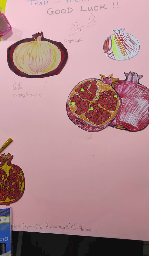
“Askeletoura”/ the “Big Onion”
The big onion or “askeletoura” as Cretans call it is a wild low-growing Cretan plant which is unique since it can still bloom and regenerate even if it is dug out the soil and hung up out in the open. On New Year’s Day, Cretans hang “askeletoura” in their homes as it is considered a symbol of wealth, invigoration and positive energy dating back to ancient times.
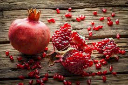
The Pomegranate custom
The pomegranate is considered a fruit-symbol of abundance, fertility, good luck and wealth. It was one of the 7 objects that Hierophant displayed to those who were to be initiated into the Eleusinian Mysteries. On New Year's morning, the family goes to church and the patron holds a pomegranate in his pocket, to be blessed.
On his way home, he has to ring the doorbell - he mustn’t open the door with his key by himself. That way he performs what we call “podariko” which means that he is the first to enter the house, with the pomegranate in hand.
The patron enters the house with his right leg first and at the same time he throws the pomegranate down with force to break it and throw its seeds everywhere. This act is accompanied by the saying: "May we have health, happiness and joy in the new year and may our pockets be filled with so many pounds as those pomegranate seeds all around".
Children gather around to look at the seeds to check if they are crisp and red. The stronger and more appealing the seeds are, the more joyful and blessed will the days be that the new year is about to bring.
“Cretan LYRA”
The Cretan Lyra belongs to the category of bow-tied instruments and has its roots in the East. It is a three-string arched instrument that holds an important place in the traditional music of Crete and other Aegean islands and the Dodecanese.
There are two types of Lyra in Crete:

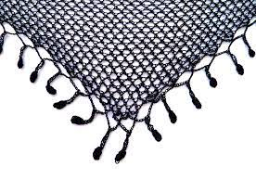
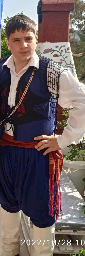
“Sariki” is called the scarf that Cretans wear on their heads. The word comes from the Turkish occupation and its root is in the Latin word “Kerasikon”, which was the overlay of Caesar’s head indicating the degree of power.
During the interwar period, Cretans wore a red feather on their head, with a long tassel, but this has nothing to do with the Turkish feast. The scarf, before being renamed “sariki,” was called the “petsa”.
According to historical findings, Cretans wore the sariki from the late 15th century, a type of sariki, which was called “tzevre”, while when colorful it was called “lahuri”. The modern type of sariki firstly appeared during the 20th century
“Sariki” is usually worn on the head, wrapped around the head with its edges falling gracefully to the side. It can be also worn on the shoulders, creating two ends that end up on the chest.
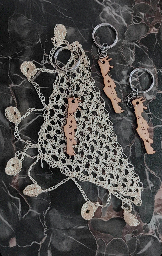
“Sariki” is a special embroidered scarf of great traditional value to Cretans. It symbolizes the possession by the Turkish yoke on Crete, as well as the holocaust of the Arkadi Monastery. It is knit in two colors, white and black. White is usually worn on cheerful occasions such as marriages whereas black is mostly worn on mournful occasions, but it also represents honesty and pride.
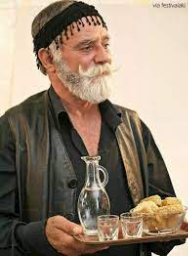
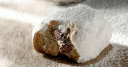
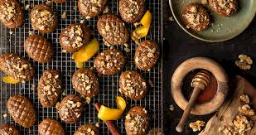
TRADITIONAL CHRISTMAS SWEETS
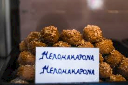
“Melomakarona” - Honey-Dipped Spiced Cookies
“Melomakarona” are traditional Christmas sweets (but also enjoyed at other times of the year). Houses all over Greece are filled with wonderful smells of these spiced and juicy cookies that adorn tables, offered as hostesses’ gifts, and eaten in huge quantities.
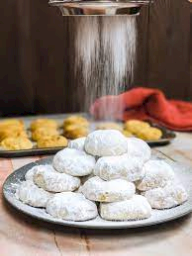
“Kourabiedes”
“Kourabiedes” (also kourambiedes) are traditional celebration cookies, served at Christmas, New Year's, weddings, and baptisms. Toasted almond shortbread-type cookies topped with a generous coating of confectioner's sugar, which symbolizes the cretan snowy mountain tops.
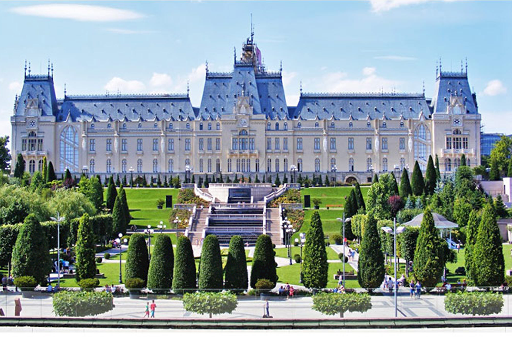
My Town
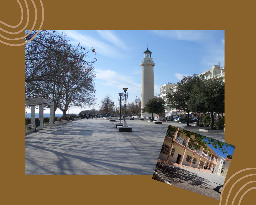
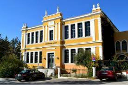
This is Palace of Culture from my beautiful town
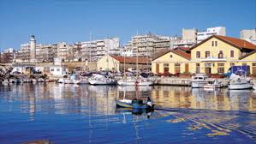
My Town
Alexandroupolis is a city in Thrace and the capital of the Prefecture of Evros. It is an important port and commercial center of northeastern Greece as it connects Europe with Asia.
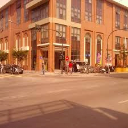
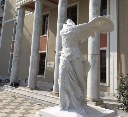
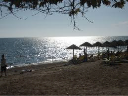
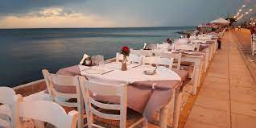
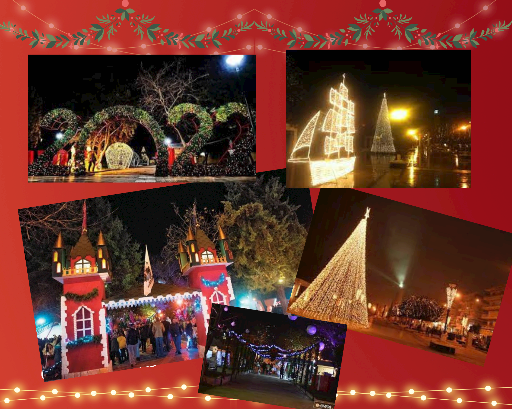
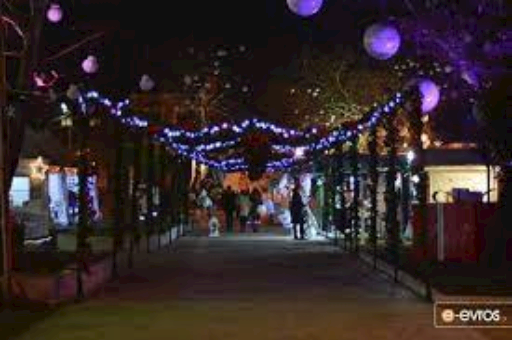
Our town at Christmas


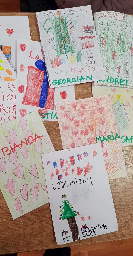
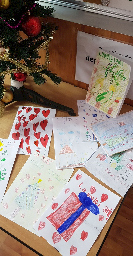
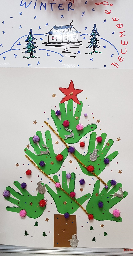
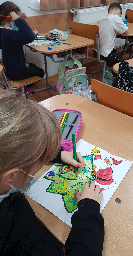
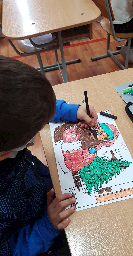
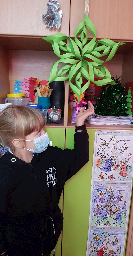
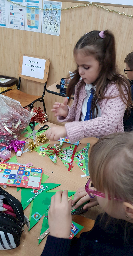
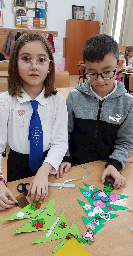
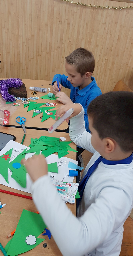
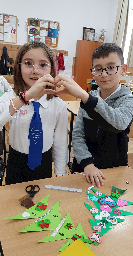
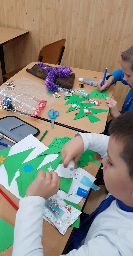
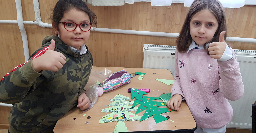
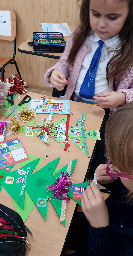
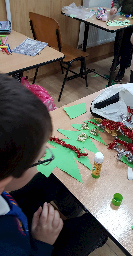
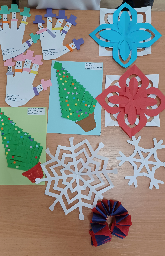
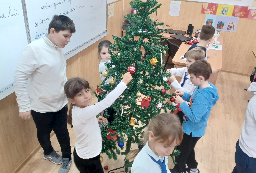
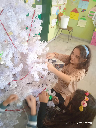
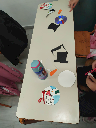
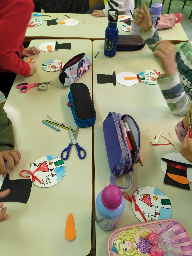
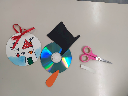
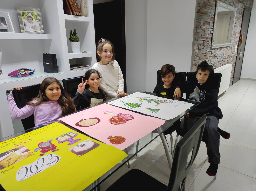
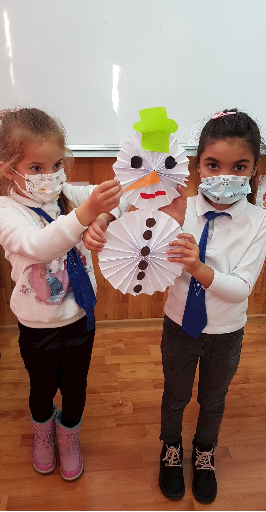
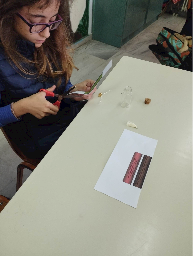
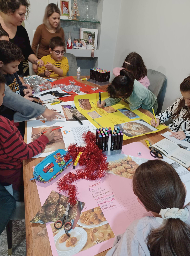
Making Christmas
ornaments !
Our Customs
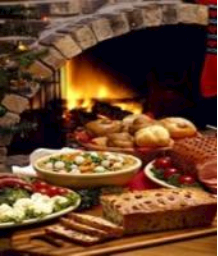
Οι 9 τροφές
Την παραμονή των Χριστουγέννων κάθε σπίτι έπρεπε να ετοιμάσει 9 φαγητά, ώστε το τραπέζι να έχει άφθονο φαγητό όλο το χρόνο. Υπάρχει επίσης η ερμηνεία ότι τα 9 φαγητά συμβολίζουν τα μέρη που επισκέφτηκαν ο Χριστός, η Παναγία και ο Ιωσήφ κατά τον διωγμό του Ηρώδη.
"Bambo" means "grandmother" or someone with great prestige in society.
On Christmas Eve in all the villages of Thrace, the slaughter of pigs began, as that was when the forty-day fast of Christmas ended and families could consume meat again.Nothing was thrown away from the pig being slaughtered. The "good" pieces of meat were salted and preserved for later, while from the entrails and livers of the pig, pieces that had to be consumed immediately, the housewives made this unique dish, Babbo, which is the pig's intestine stuffed with meat, rice and spices.
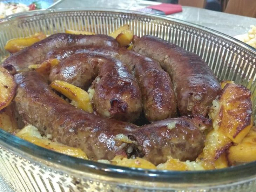
" Bambo "
The most delicious Thracian custom
My Town
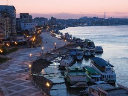
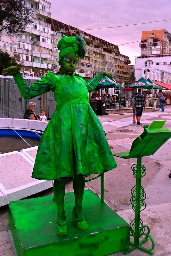
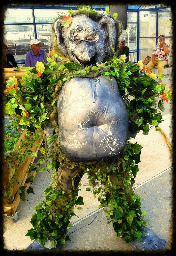
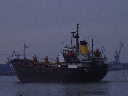
TOURIST TULCEA - ENTRANCE GATE IN THE DANUBE DELTA
The city of Tulcea is located in the northern part of the historical region Dobrogea, in a low relief area of old hills eroded over millions of years (Tulcea Hills).
Orasul meu
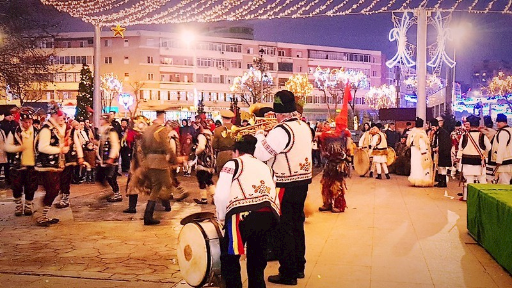
Civic square of Tulcea municipality
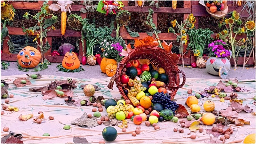
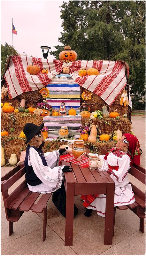

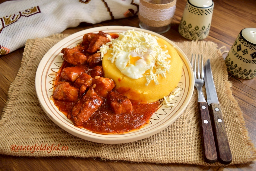
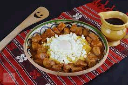
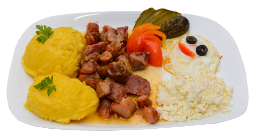
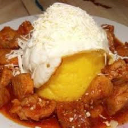
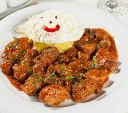
Tochitura se servește alături de un „cocoloș” de mămăligă, peste care se pune un ou ochi mai zemos și se rade brânză sau cașcaval.
Obiceiurile noastre
My Town
Personalizarea noastră

Personalizarea noastră
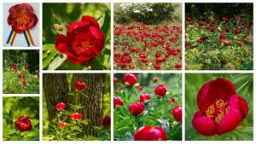
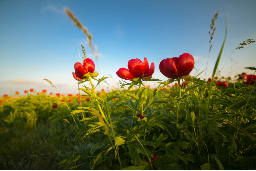
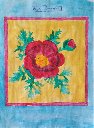
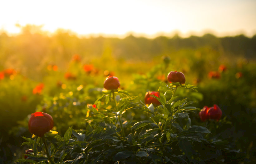
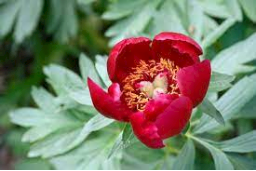
Bujorul dobrogean
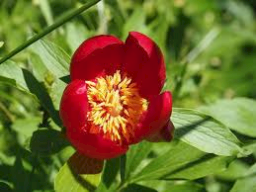
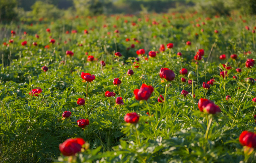
Personalizarea noastră
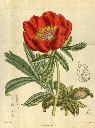
Bujorul dobrogean
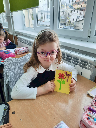
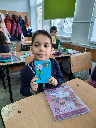
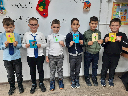
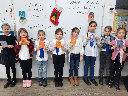
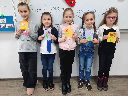
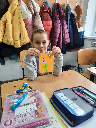
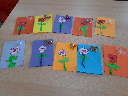
Personalizarea noastră
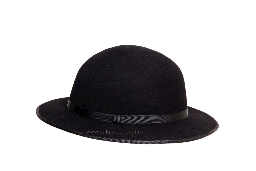
Palaria traditionala
Portul popular una dintre cele mai importante forme de cultură ale unui popor, fiind un prețios document artistic, social și istoric.




- Full access to our public library
- Save favorite books
- Interact with authors
- < BEGINNING
- END >
-
DOWNLOAD
-
LIKE(1)
-
COMMENT()
-
SHARE
-
SAVE
-
BUY THIS BOOK
(from $20.99+) -
BUY THIS BOOK
(from $20.99+) - DOWNLOAD
- LIKE (1)
- COMMENT ()
- SHARE
- SAVE
- Report
-
BUY
-
LIKE(1)
-
COMMENT()
-
SHARE
- Excessive Violence
- Harassment
- Offensive Pictures
- Spelling & Grammar Errors
- Unfinished
- Other Problem





COMMENTS
Click 'X' to report any negative comments. Thanks!