 Dedicated to my fourth period English Class
This book was created and published on StoryJumper™
©2010 StoryJumper, Inc. All rights reserved.
Publish your own children's book:
www.storyjumper.com


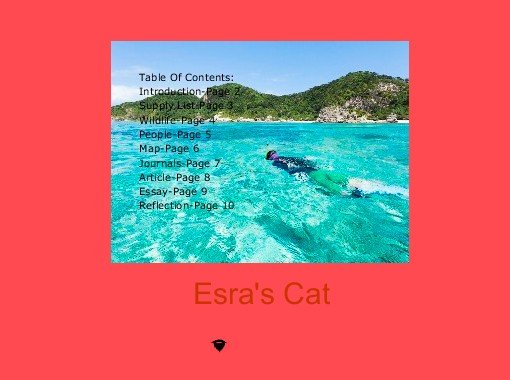
Table Of Contents:
Introduction-Page 2
Supply List-Page 3
Wildlife-Page 4
People-Page 5
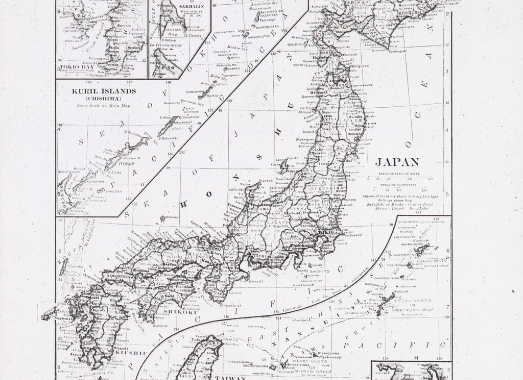
Map-Page 6
Journals-Page 7
Article-Page 8
Essay-Page 9
Reflection-Page 10
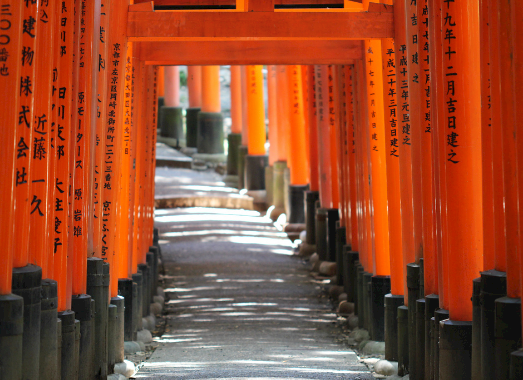
 Introduction
Japan consists of several thousand islands.
Exotic animals thrive all throughout these
islands, and the weather is warm almost year
round in the southern islands. Japan has lots
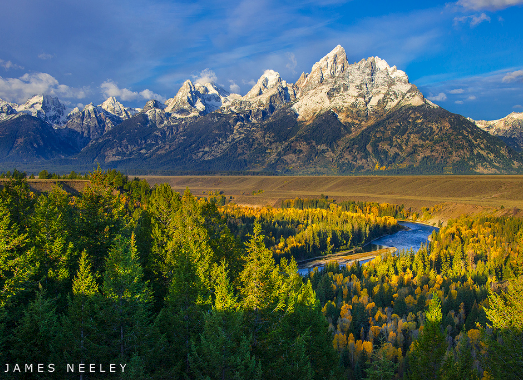
of mountains as well as dense forests, and the
ocean is extremely close no matter where you
are on any of the Japanese Islands.

 Supply List
An item to make fresh water: Japan's main
water source is the ocean, which is salty!
Band-aids: Japan is very mountainous, if you
roll down a mountain you'll need something to
cover the cut!
A Cell Phone: That way you can call people just
in case there was something on this list that you
might also need!
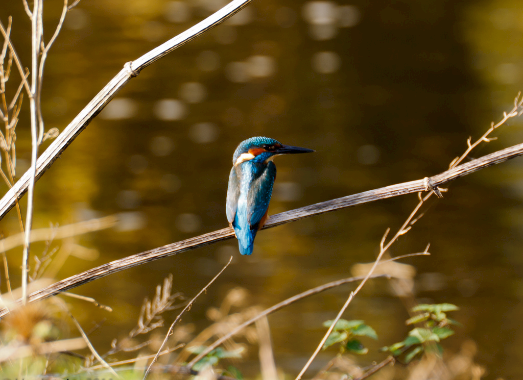
 Wildlife
-There are about 130 different species of
mammals in Japan.
-Around 5000 to 6000 different species of
plant occur in areas of Japan.
-Japan has about 600 different types of birds.

 The People
Japanese people are very polite and can be
offended very easily. They have many
different traditions such as taking your shoes
off before you enter any house or business.
 Journals
-On the way to Japan, we were crossed by a
three hundred foot long giant squid in our
submarine!!!
-Flying Fish jumped into our little sail boat
while we were out fishing and almost sunk the
boat.
-We were confronted by a giant serpent while
on our way to Hokkaido, one of the larger
islands in Japan.
 Article
April 1, 1990 | SAM JAMESON, TIMES STAFF
WRITER
"Rice is the Japanese culture that has lasted for
several thousand years. It is the Japanese people
themselves," Tomio Yamamoto, Japan's new
agriculture minister, declared as he took over his
job. Rice, however, is no longer the culture it once
was. Indeed, Japanese are eating less of it every
year. Farmers themselves are cutting consumption
even faster than city dwellers. Not even 15 years of
campaigns to promote rice consumption have halted
the decline.

 Essay
EssayThis article wasn't just representing rice. It
was also representing how the Japanese
culture is always changing. This is similar to
our culture, because we always have a new
trend coming on, and if you compared our
culture to how it was 100 years ago, it was
very different. This is also shown in the
Japanese culture, which is why I consider them
to be very similar.
Citations:Los Angeles Times, April 1, 1990 |
SAM JAMESON, TIMES STAFF WRITER
You've previewed 10 of 16 pages.
To read more:
Click Sign Up (Free)- Full access to our public library
- Save favorite books
- Interact with authors

- < BEGINNING
- END >
-
DOWNLOAD
-
LIKE(1)
-
COMMENT()
-
SHARE
-
SAVE
-
BUY THIS BOOK
(from $3.19+) -
BUY THIS BOOK
(from $3.19+) - DOWNLOAD
- LIKE (1)
- COMMENT ()
- SHARE
- SAVE
- Report
-
BUY
-
LIKE(1)
-
COMMENT()
-
SHARE
- Excessive Violence
- Harassment
- Offensive Pictures
- Spelling & Grammar Errors
- Unfinished
- Other Problem





COMMENTS
Click 'X' to report any negative comments. Thanks!