 This book is dedicated to Ms. McGhee's kindergarten class.
This book was created and published on StoryJumper™
©2010 StoryJumper, Inc. All rights reserved.
Publish your own children's book:
www.storyjumper.com

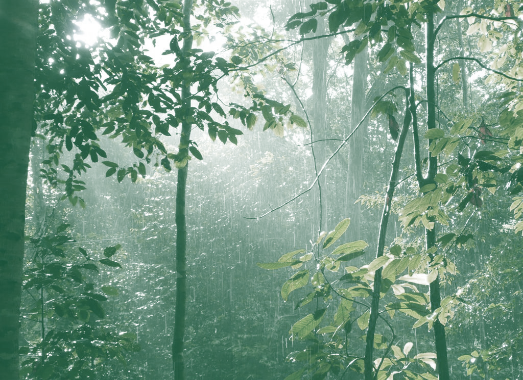
 Panda BearAuthor: Melina Amarante
Illustrator: Melina Amarante
 Table of Content
Letters A-Z Pages 2-28
Glossary Page 29-31
Index Page 32-35
References Page 36-42
Signing Page Page 43
Summary Page 44
 1
1

 Aa
Aa
Ailrupoda Melanoleuca
Ailrupoda Melanoleuca
is the scientific name
for Giant Pandas.
 2
2 Bb
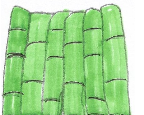
BbBamboo
Bamboo makes up 99% of
what Ailrupoda
Melanoleuca's eat
 3
3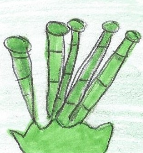
 Cc
Cc
China
Wild Ailrupoda
Melanoleuca's only live in
the cold and rainy
mountainous regions of
central China.
4 Dd
DdDiet
Ailrupoda Melanoleuca also
eat other plants and fruits
such as sugar cane,
carrots, and apples.
5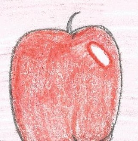
 Ee
EeEndangered
Ailrupoda Melanoleucas
are an endangered species.
There are about 1,600 left
in the wild.
6
 Ff
FfFur
Ailrupoda Melanoleucas
have been hunted for their
fur which, in Japan, could
cost up to $176,000
7
 Gg8
Gg8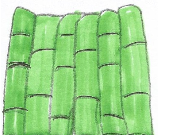
Grow Bamboo!
Humans have cleared out
entire forests to plant and
grow bamboo, but the
bamboo usually isnt the
kind eaten by the
Ailrupoda Melanoleuca
 Hh
Hh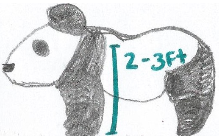
Height
Ailrupoda Melanoleuca
can to be up to two or
three feet in height up to
theirs shoulders when on
all fours.
9 Ii
Ii
Individual
Adult Ailrupoda
Melanoleucas tend to live
individually, by
themselves, only
communicating through
calls and rare meetings.
 10
10 Jj
Jj
Jaws
Ailrupoda Melanoleuca
have strong jaws and
teeth which they use to
break bamboo into pieces
for when they eat.
11Kk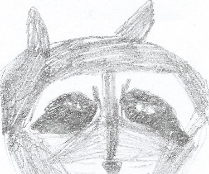
Kin
Although most people
think that Ailrupoda
Melanoleucas are more kin
to bears, they are actually
more closely related to
raccoons.
12 Ll
LlLife Span
Ailrupoda Melanoleucas
can live up to 20-30 years
in zoos.
13
 Mm
Mm
Mucus
The stomach of a
Ailrupoda Melanoleuca is
covered with mucus to
protect it from splinters
14 Nn
Nn
Nest
When Ailrupoda
Melanoleucas are born,
they are kept in a bamboo
nest.
15 Oo
Oo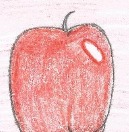
Omnivore
Although Ailrupoda
Melanoleucas almost only
eat bamboo, they are
omnivores; sometimes
they eat rodents and other
small animals.
16 Pp
PpPosture
Ailrupoda Melanoleuca's
posture, while eating, is
usually sitting down and
eating upright, making it
easier for them to use their
front paws to grab the
bamboo.
17Qq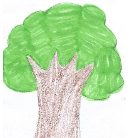
Quick to take refuge
Ailrupoda Melanoleuca's
can take refuge quickly
from other predators, by
climbing trees, and
swimming.
18 Rr
RrRole in the Ecosystem
Ailrupoda Melanoleuca's
spread seeds in Bamboo
forests, and help the
bamboo spread and grow.
19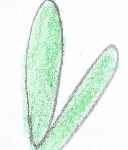
 Ss
Ss
Smell
Ailrupoda Melanoleucas
have a good sense of smell
which is used by males to
avoid one another, and find
females in the spring.
20 Tt
Tt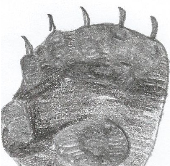
Tree Climbers
Ailrupoda Melanoleucas
have big paws, long claws,
and furry undersides
which they use when
climbing trees.
21Uu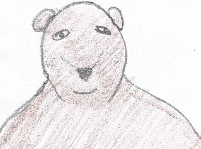
Ursidae
Ailrupoda Melanoleucas
are under the family name
of Ursidae, along with
other bears such as the
sun bear and the sloth
bear.
2223VvVoracious
Ailrupoda Melanoleucas are
very voracious, meaning
that they eat a lot, and eat
about 16-20 pounds of
bamboo a day.
 Ww
Ww
Water
Although Wild Ailrupoda
Melanoleucas get most of
the water that they need
from Bamboo, they also
get their water from rivers
and streams.
24 Xx
Xx
EXtinction
Although Ailrupoda
Melanoleucas are not yet
extinct, they are facing
possible extinction, as
there are only about 1600
left in the wild.
25 Yy
Yy
Yangtze Basin
Most Wild Ailrupoda
Melanoleucas live in the
Yangtze Basin in China,
which is a forest, home to a
lot of wildlife.
26 Zz
ZzZoo
About 100
Ailrupoda Melanoleucas are
kept in zoo's, mostly in
China.
27
You've previewed 29 of 44 pages.
To read more:
Click Sign Up (Free)- Full access to our public library
- Save favorite books
- Interact with authors


- < BEGINNING
- END >
-
DOWNLOAD
-
LIKE(1)
-
COMMENT()
-
SHARE
-
SAVE
-
BUY THIS BOOK
(from $8.79+) -
BUY THIS BOOK
(from $8.79+) - DOWNLOAD
- LIKE (1)
- COMMENT ()
- SHARE
- SAVE
- Report
-
BUY
-
LIKE(1)
-
COMMENT()
-
SHARE
- Excessive Violence
- Harassment
- Offensive Pictures
- Spelling & Grammar Errors
- Unfinished
- Other Problem





COMMENTS
Click 'X' to report any negative comments. Thanks!