 Dedicated to our teacher who helped us learn
 about the process of how a gene becomes a protein.
This book was created and published on StoryJumper™
©2010 StoryJumper, Inc. All rights reserved.
Publish your own children's book:
www.storyjumper.com

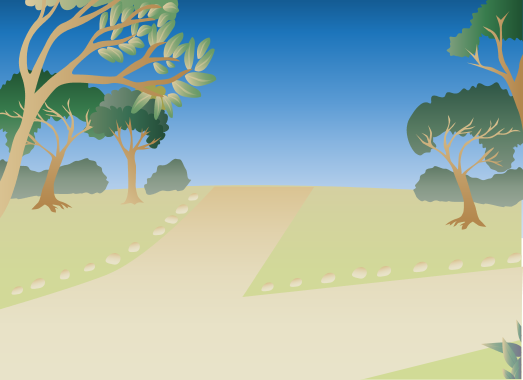

 Juan Keisuke was bored, so he
 decided to take a walk. He was
walking down a long road, and he
did not know where the road would
take him.


enter text here
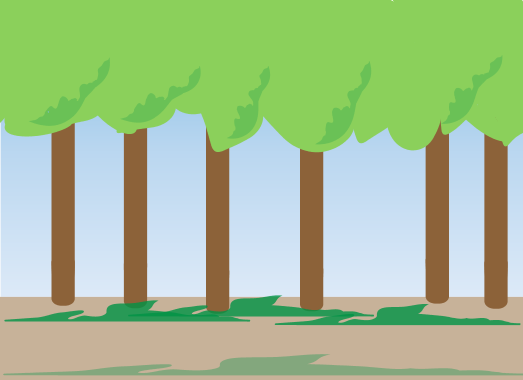
He walked over
mountains, through
forests, swam through
rivers, and rolled down
a hill.
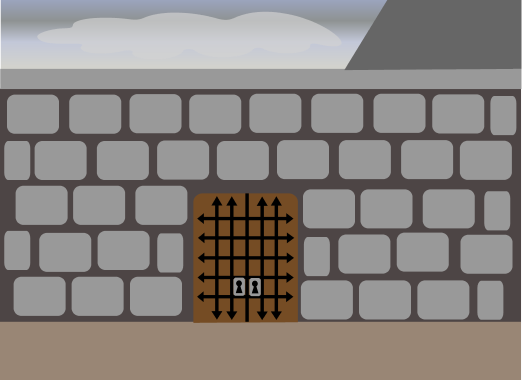

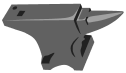
 TERMINUS
 THOSE WHO ARRIVE, SURVIVE
Juan finally came up to
a gate and was curious
to see what was inside.
He decided to go in.
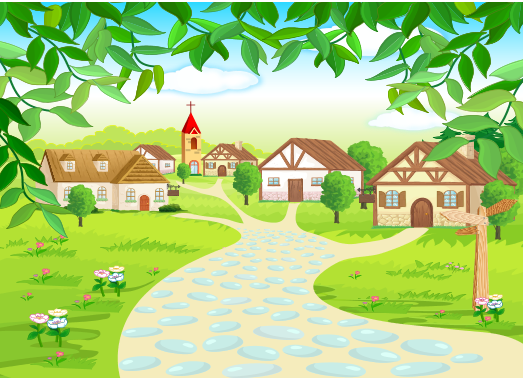


He walked into a small
village but he did not
see any people. He
thought everyone was
hiding inside.
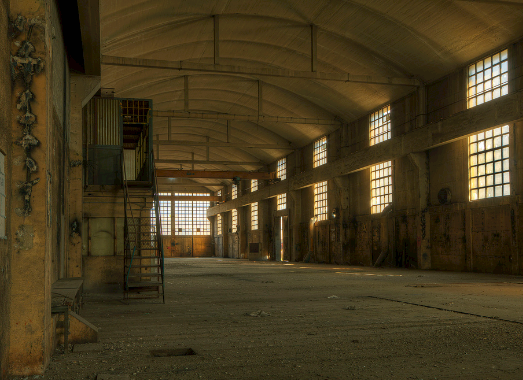


 Hi Juan!
Juan enters a house
and finds his friend Ben
in a DNA and Protein
synthesis factory.
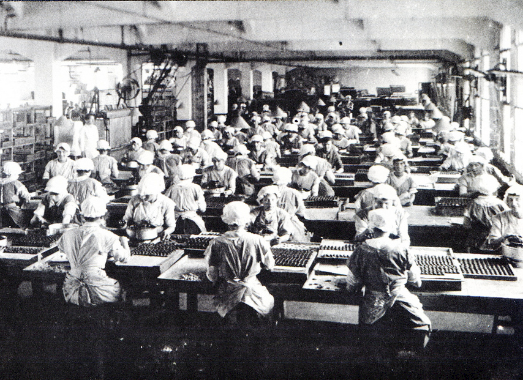
Juan asks what they
are doing. He then
finds out that they are
replicating DNA.
Juan observes and
notices the steps. They
first describe the
structure!


Ben explains to Juan
that DNA is made of
Nitrogenous bases,
Nucleotides, and
Deoxyribose Sugar.



 Everything looks so small!

As Ben continues to
explain, something
happens, and his body
begins to mutate.


 Follow me
As they continued to
mutate, Ben took Juan
through his magical
teleportation device to
show him how replication
works.
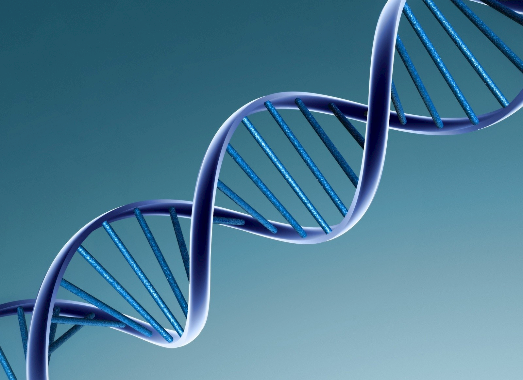



Helicase splits the DNA into two strands.
DNA is coded into four different bases.
These are adenine, thymine, cyanine,
guanine. Adenine pairs up with thymine
and guanine pairs up with cyanine. DNA
polymerase builds a second strand of
DNA for each existing strand to create two
identical copies of DNA.
Checkpoint 1
What enzyme separates the bases and what
are the names of the bases? What are the
complementary base pairs?
Answers
The helicase is the enzyme. Adenine, thymine,
guanine, cytosine. Adenine combines with
thymine, and guanine combines with cytosine.




"Oh no!," said Ben, "Our DNA was not properly
read so our RNA is mixed up! Transcription
went wrong." The RNA polymerase must have
mixed up the transcription. The mRNA delivers
the new instructions to the tRNA for
translation. The tRNA delivers the amino acids
based on the triplet codons to the nucleotide
sequence. It then matches the codons with
their triplet opposites called anticodons.
Checkpoint 2
Transcription turns DNA into what? What is
the purpose of tRna and mRna? What is the
opposite of a codon called?
Answers
DNA into RNA. The tRNA delivers the amino
acids based on the triplet codons to the
nucleotide sequence while mRNA delivers
information to the tRNA. The opposite of a
codon is called an anti-codon
Anyways, translation is the next step in the
process. The mRNA codons are matched up
with corresponding DNA anti-codons. Anti-
codons match up with existing codons. DNA
anti-codons form triplets, which translate into
amino acids. Multiple amino acids form
polypeptide chains when they come together.
Checkpoint 3
What do the mRNA codons match up with?
What do the DNA anti-codons form and what
are they translated into? What is the name of
the chain multiple amino acids form?
You've previewed 32 of 49 pages.
To read more:
Click Sign Up (Free)- Full access to our public library
- Save favorite books
- Interact with authors


- < BEGINNING
- END >
-
DOWNLOAD
-
LIKE(1)
-
COMMENT()
-
SHARE
-
SAVE
-
BUY THIS BOOK
(from $9.79+) -
BUY THIS BOOK
(from $9.79+) - DOWNLOAD
- LIKE (1)
- COMMENT ()
- SHARE
- SAVE
- Report
-
BUY
-
LIKE(1)
-
COMMENT()
-
SHARE
- Excessive Violence
- Harassment
- Offensive Pictures
- Spelling & Grammar Errors
- Unfinished
- Other Problem





COMMENTS
Click 'X' to report any negative comments. Thanks!