
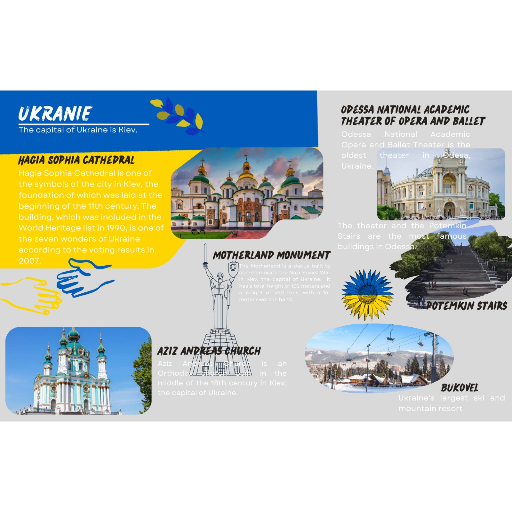
UKRAINE LANDMARKS
(by 15 Temmuz Şehitler Anatolian High School)
THE LANDMARKS OF ALBANIA
By: Şehit Abdülkadir Kılavuz Anatolian Highschool
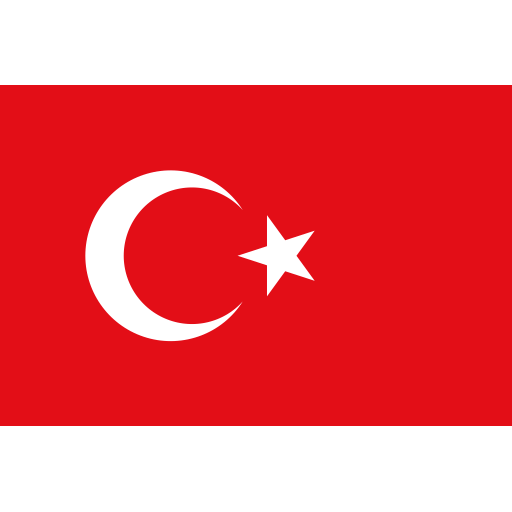
THE LANDMARKS OF TURKEY
By Zespół Placówek Oświatowych in Kadzidło, Poland.
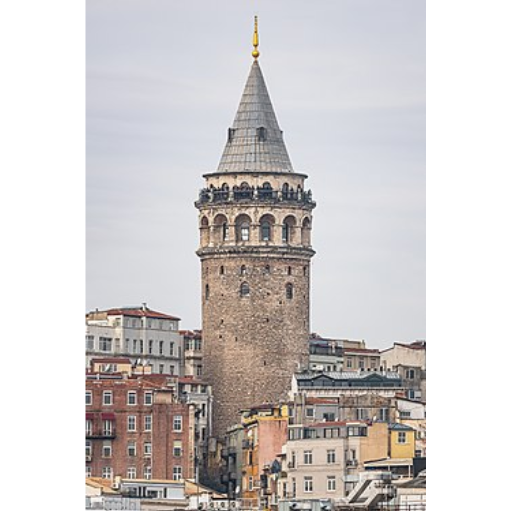
The Galata Tower (Galata Kulesi) is the most characteristic point of the panorama of the Beyoğlu district of Istanbul seen from the Galata Bridge. It has twelve floors and rises to a height of 61 meters, and including the ornament on the top it is as much as 66 meters.
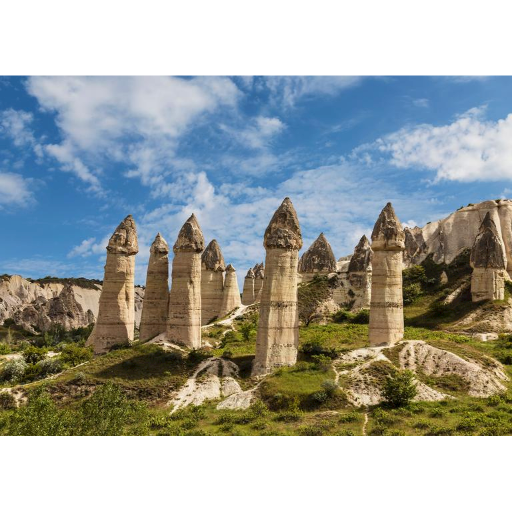
Cappadocia. This is the most unusual Turkish land, which unique landscape was created after the eruption of volcanoes. The cones were formed by rain and wind.
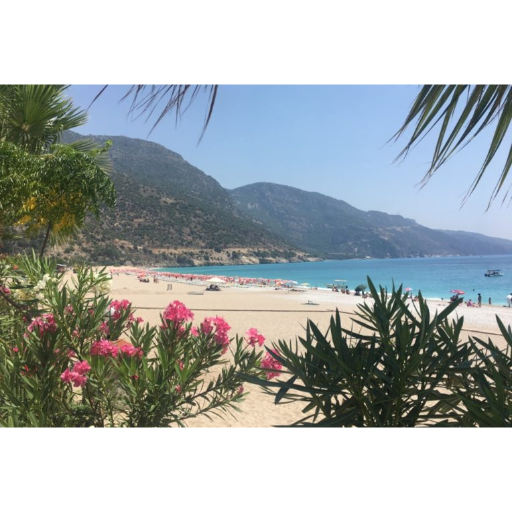
Blue Lagoon is the biggest attraction of Oludeniz, a resort located in the south of Turkey. It is located at the end of a very long pebble and rock beach. The bay is closed on three sides, thanks to which the water undulates very gently, and the surrounding trees give it a beautiful turquoise color. The entire area is under protection - admission is paid. Other restrictions also apply here, e.g. a ban on entering yachts.
The TWO MOST VISITED
LANDMARKS OF
LITHUANIA
ORTAKLAR SCIENCE HIGH SCHOOL 9-A
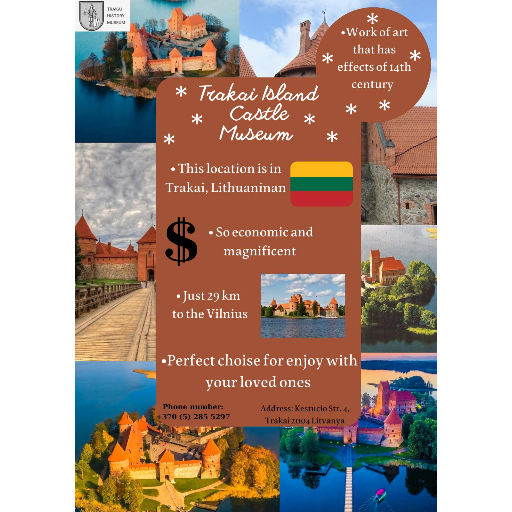
By Alytaus Adolfo Ramanausko-Vanago gymnasium, grade 9A
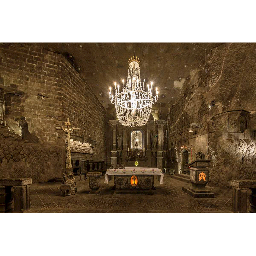
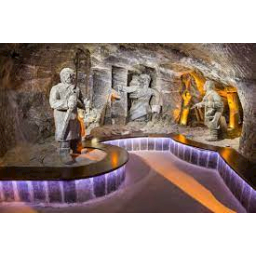
Over the last 700 years, Wieliczka Salt Mine has delved deep into the Earth to extract salt.
Only 2% of the mine is open to tourists. However, the tour route through the mine takes visitors across incredible underground saline lakes, breathtaking chambers and a labyrinth of tunnels.
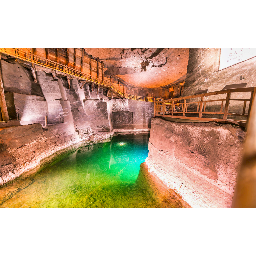
The deep mine is built over nine subterranean levels with 245km of galleries, reaching down to 327m at its deepest.

The narrow cobblestone streets of the old city of Warsaw lead you from the Royal Castle at Plac Zamkowy (castle square), through the main market square, to another castle on its other side, the Warsaw Barbican. The streets of the Old City of Warsaw, which is a UNESCO World Heritage Site, are full of restaurants, cafes, and shops. Walking in these streets and realizing the history of the place makes the experience incredibly unique.
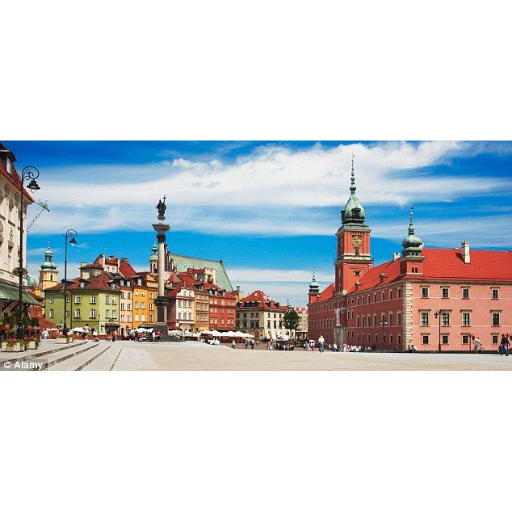

THE LANDMARKS OF PORTUGAL BY ADIL AKAN SECONDARY SCHOOL (TOLGA'S TEAM).
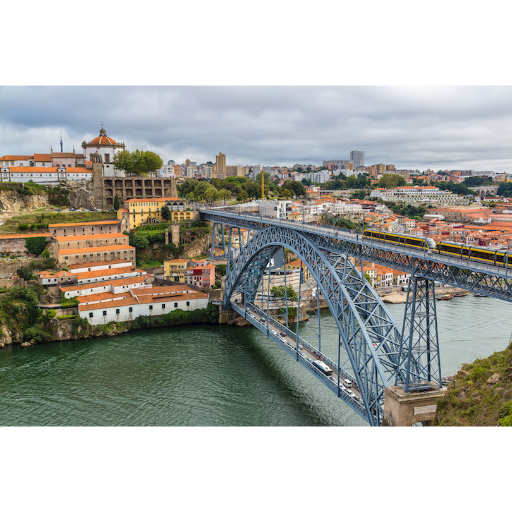
Dom Luis Bridge
An iconic landmark in the city of Porto is the Dom Luis Bridge. The bridge leads away from Porto, spanning the waters of the River Douro. The bridge was built in the late 19th century, and it is made with stunning granite pillars as well as an iron framework. It is no wonder that the Dom Luis Bridge is so stunning, since it was built by Gustave Eiffel, the man who famously designed the Eiffel Tower in Paris.
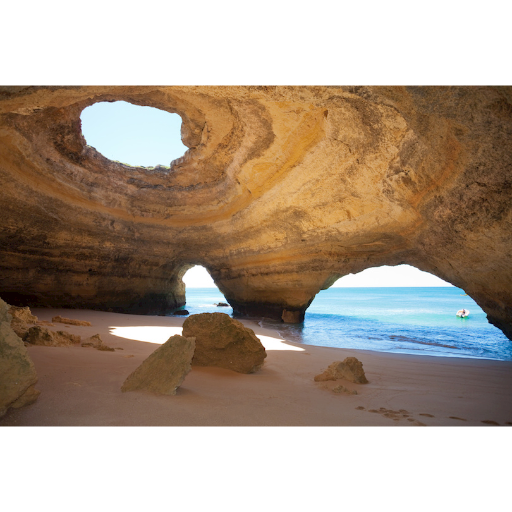
Benagil Sea Cave
One of the most breathtaking natural landmarks found in Portugal is the Benagil Sea Cave. The sea cave is actually a collection of caves found in Benagil, a small town on the Algarve. These incredible caves are on the water, but there is a natural skylight or oculus that looks up to the sky. That means you can kick back on a boat within the cave, or find a sandy cavern shore, and still get natural light streaming in.
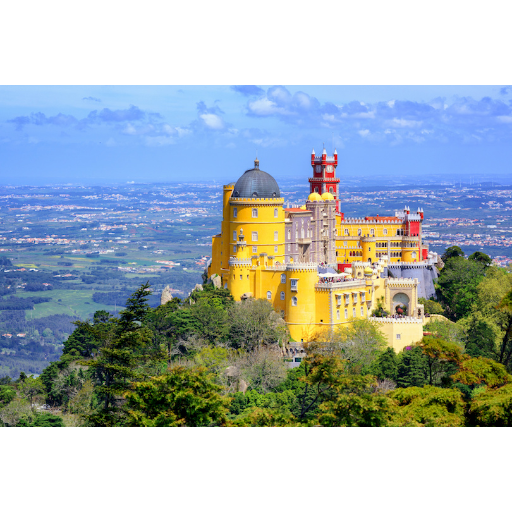
Pena Palace
Just minutes outside of Lisbon is the city of Sintra, where you’ll find the spectacular Pena Palace. The palace is the epitome of 19th century romantic design, although there are touches of Moorish architectural influence as well. Surrounded by lush green hills, Pena Palace is a place where bright yellow towers contrast with dark sculptures and decorative interiors.
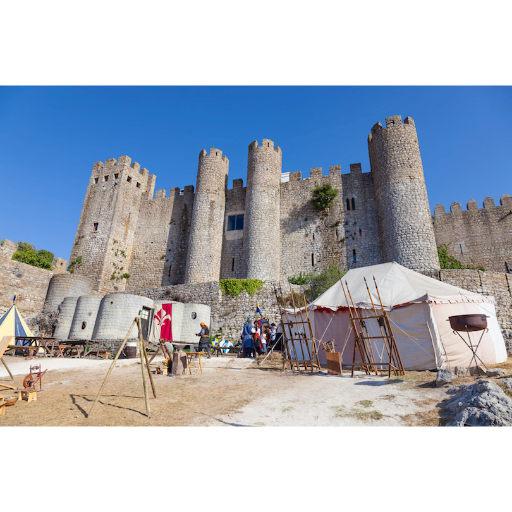
Obidos Castle
In the small town of Obidos in Eastern Portugal, the castle is the highlight. Obidos Castle and its medieval walls surround most of the old city, securing its vantage point on a hilltop. Built in the 8th century and majorly remodeled in the 13th century, this is a truly historic destination and a former Roman settlement.
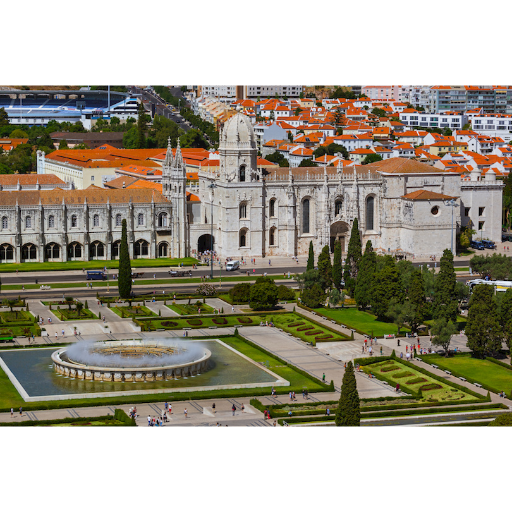
Jeronimos Monastery
Outside of Lisbon in the area known as Belem is the Jeronimos Monastery. Dating back to the Papal commission in the 15th century, this monastery replaced an even older church structure built before it. Jeronimos Monastery was originally the home for Hieronymite monks, but it later became a tomb for members of the Portuguese royal family.
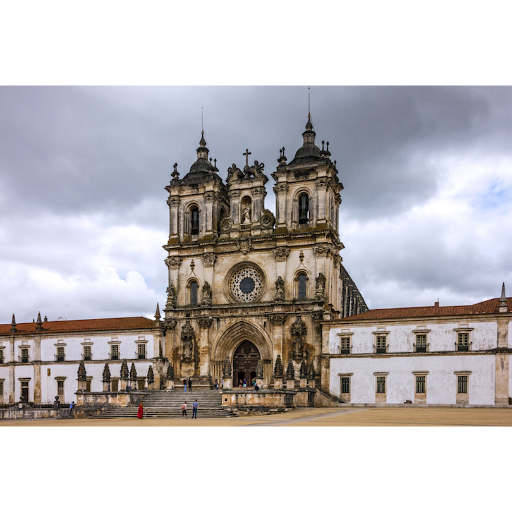
Alcobaca Monastery
The town of Alcobaça is home to the Alcobaça Monastery, an ornate Roman Catholic structure founded in the 12th century. The monastery was built on the request of King Alfonso I, and it is considered to be one of the most beautiful religious buildings in the country. The Gothic monastery has a definite French influence, although it was French troops that famously looted the building in 1810.
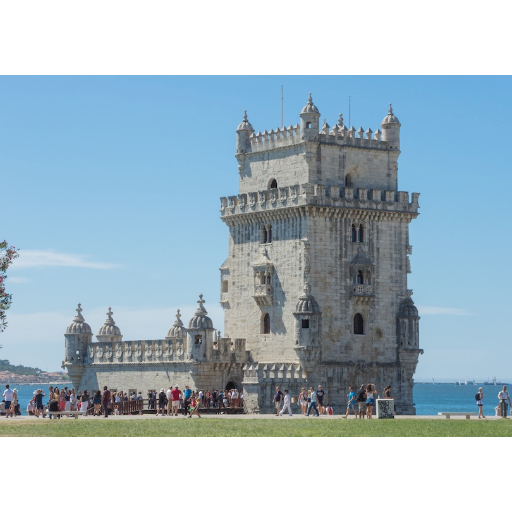
Belem Tower
Torre de Belem, or Belem Tower, is one of the most striking landmarks in the country. Constructed on the banks of the Tagus River back in the 16th century, the tower can clearly be divided into two unique sections. The first is the medieval keep, the tower that is clearly reminiscent of centuries past. There is also the more modern bulwark, where cannons could be shot by the Portuguese military.
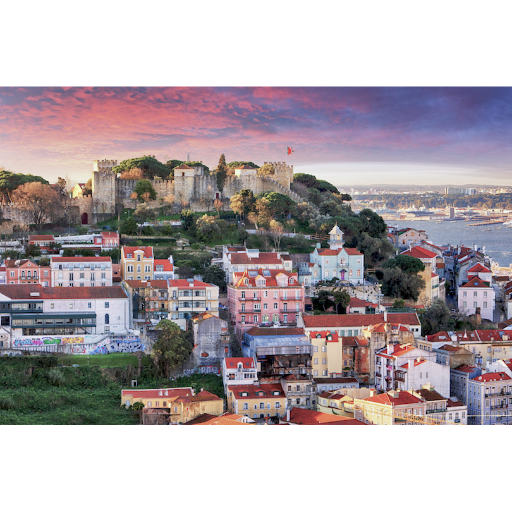
Castle of Sao Jorge
The Castle of Sao Jorge, or St. George’s Castle, is an ancient structure found on a hilltop overlooking the city of Lisbon. Parts of the castle date all the way back to the sixth century, although it wasn’t until the 12th century that it served as a royal residence. Visiting the Castle of Sao Jorge is far more than just touring ancient rooms and bedchambers. You can also climb some of the 18 towers to enjoy amazing views, or you can walk right on top of the ancient ramparts.
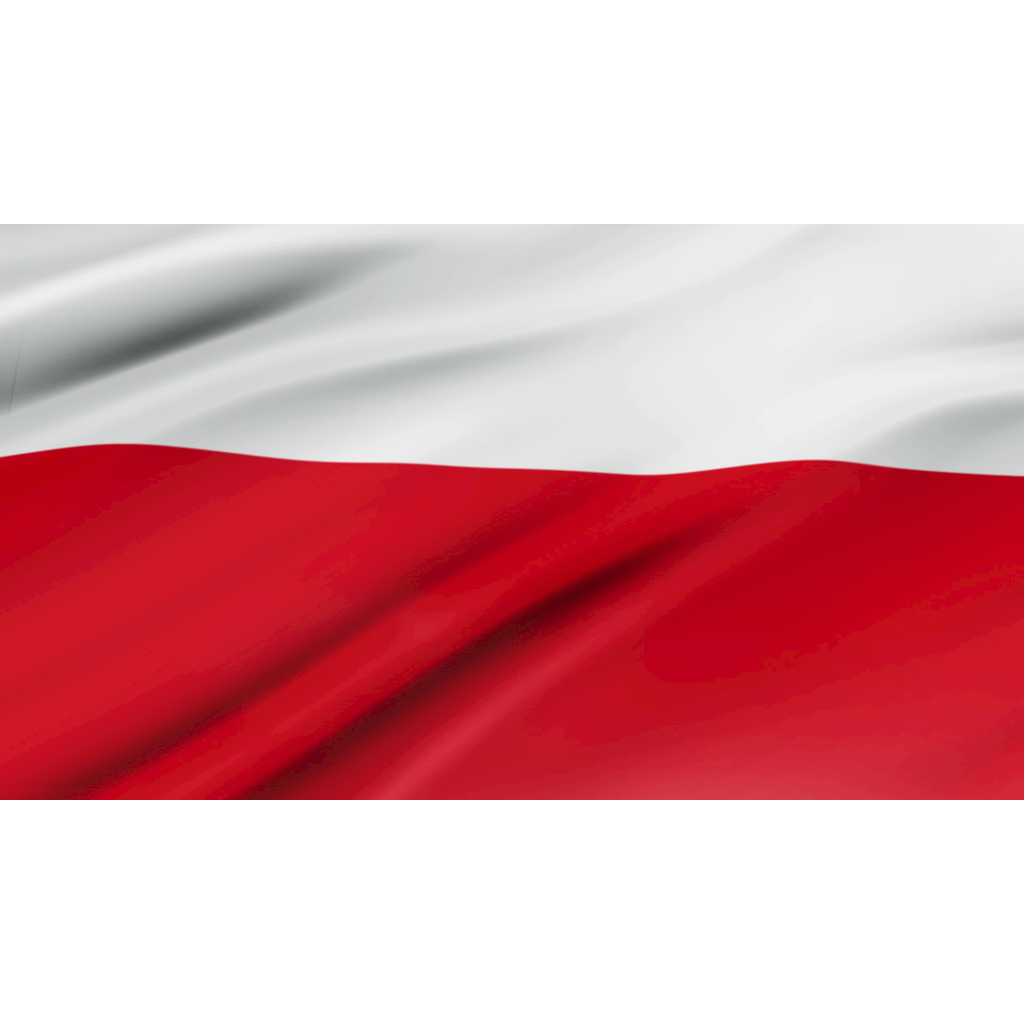
Landmarks of
POLAND
by Ortaklar Science High School, Türkiye
(Team Asil Andaç KIZILDOĞAN)
WIELICZKA SALT MINE
The deep mine is built over nine subterranean levels with 245km of galleries, reaching down to 327m at its deepest. Only 2% of the mine is open to tourists.
However, the tour route through the mine takes visitors across incredible underground saline lakes, breathtaking chambers and a labyrinth of tunnels.
A most unusual sight on the tourist tour is the St Kinga’s Chapel, which was created by three sculptor miners and filled with sculptures carved from the rock salt found in the mine.The mine also has several chambers where events and orchestral performances are held.
THE UPSIDE-DOWN HOUSE
Built in 2007 as a tourist trap, the Upside-Down House is an unusual landmark in Poland to visit.
The house was built and turned entirely on its head.
Inside, the home is fully furnished in a 1970s style reflecting the era in Poland. Visitors can wander inside the house, walking of course on the ceiling, as they look around this unusual home.
ZALIP
Started by a female resident more than a century ago, the houses are decorated with floral motifs and designs gathered from local folklore and the surrounding nature.
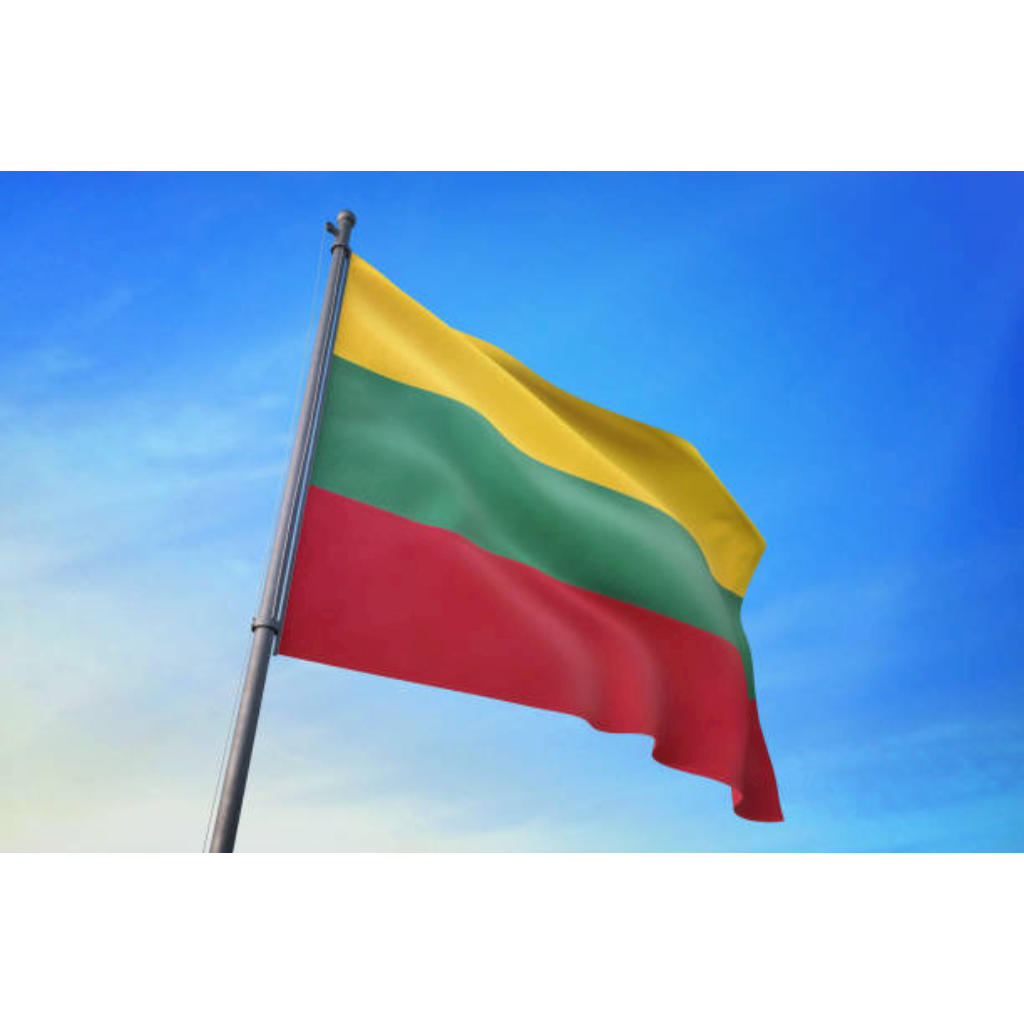
Lithvenian landmarks,
by Odesa Lyceum # 10, Ukraine
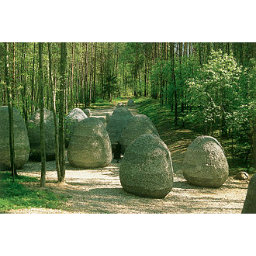
Europos Parkas or, in other words, the "Park of Europe" is a 50-hectare open-air museum located 17 km from Vilnius, the capital of Lithuania. The museum gives an artistic significance to the geographic centre of the European continent (as determined by the French National Geographic Institute in 1989) and presents Lithuanian and international modern art.
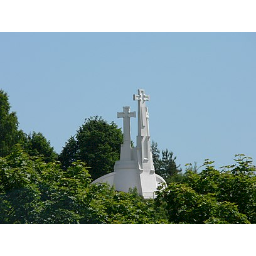
Three Crosses is a prominent monument in Vilnius, Lithuania, on the Hill of Three Crosses, originally known as the Bald Hill, in Kalnai Park. According to a legend, which finds its source in some historic events, seven Franciscan friars were beheaded on top of this hill. Wooden crosses have been sited in the location since the early 17th century, and they became a symbol of the city and an integral part of the city's skyline.
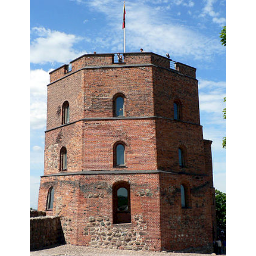
Gediminas' Tower is the remaining part of the Upper Castle on top of the Gediminas Hill in Vilnius, Lithuania.
The first wooden fortifications were built by Gediminas, Grand Duke of Lithuania ( 1275–1341). The first brick castle was completed in 1409 by Grand Duke Vytautas. The three-floor tower was rebuilt in 1933 by Polish architect Jan Borowski. Some remnants of the old castle have been restored, guided by archaeological research.
Gediminas' Tower is an important state and historic symbol of the city of Vilnius and of Lithuania itself. It was depicted on the former national currency, the litas, and is mentioned in numerous Lithuanian patriotic poems and folk songs. The flag of Lithuania was re-hoisted atop the tower on October 7, 1988, during the independence movement that was finalized by the Act of the Re-Establishment of the State of Lithuania on March 11, 1990.
- < BEGINNING
- END >
-
DOWNLOAD
-
LIKE(1)
-
COMMENT()
-
SHARE
-
BUY THIS BOOK
(from $9.59+) -
BUY THIS BOOK
(from $9.59+) - DOWNLOAD
- LIKE (1)
- COMMENT ()
- SHARE
- Report
-
BUY
-
LIKE(1)
-
COMMENT()
-
SHARE
- Excessive Violence
- Harassment
- Offensive Pictures
- Spelling & Grammar Errors
- Unfinished
- Other Problem





COMMENTS
Click 'X' to report any negative comments. Thanks!