of the eTwinning project "Eat Healthy, Stay Healthy".

All parts of the body (muscles, brain, heart, and liver) need energy to work. This energy comes from the food we eat. A food group is a collection of foods that share similar nutritional properties or biological classifications.
Nutrition guides typically divide foods into food groups and recommend daily servings of each group for a healthy diet.
- Fruit and vegetables
- Starchy food
- Dairy
- Protein
- Fat
- Sugar
You can read more about these below...
GROUP 1
Fruit and vegetables
What is the group of fruits and vegetables?
This group includes all fresh, dried, frozen or canned fruits and vegetables as well as their juices. However, potatoes and nuts are not included.
Benefits of
fruits and
vegetables
School: Padre Torres Silva (Jerez-Spain)
It can::
- low blood pressure
- reduce risk of heart problems
-prevent some types of cancers
- good for the blood sugar
- give you vitamin
- good for skin
School: LA MUNTANYETA (BARCELONA, SPAIN)
.................................
fresh fruit
School: 8th primary school of Thebes, Greece
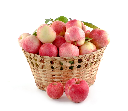
Food: apples
Apples are considered nutrient-dense fruits, meaning they provide a lot of nutrients per serving.
Apples are high in fiber and water, two qualities that make them filling.
Apples have been linked to a lower risk of heart disease (13 Trusted Source). Eating apples may also reduce your risk of type 2 diabetes.
School: Jan Twardowski Primary School in Szczytniki Duchowne
Food: pears
Pears, as one of the few fruits, contain iodine - a mineral that positively affects the functioning of the thyroid gland. In addition, they are a treasury of boron - a mineral that improves brain function. In addition, pears can prevent stroke and the development of hypertension.
School:Jan Twardowski Primary School in Szczytniki Duchowne
Food: cherry
Apricots are a source of iron, phosphorus and potassium (nearly 300 mg of the latter in 100 g of fruit), and 25 times more vitamin B2 than peaches (0.05 mg in 100 g). Thanks to this, apricots help in the formation of red blood cells, strengthen and regenerate the body.
School: Jan Twardowski Primary School in Szczytniki Duchowne
Food: apricots
School: Zeynep.tubasoyyiğit /TEV Abdullah Nezahat Erboz Primary School/Istanbul-TURKEY
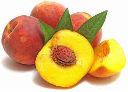
Food: peaches
As the fruit is consumed fresh, its juice is extracted and juice is made. It increases the body's resistance to diseases. It cleans the harmful bacteria in the blood. It is good for dental health. It provides a feeling of satiety in the body for a long time and stores energy. Since it has a rich structure in vitamin C, it provides muscle and bone development. Thanks to the
vitamin A in it, it benefits eye health.
School: Padre Torres Silva (Jerez- SPain)
Food: oranges
Oranges have got vitamin C. They are very good for your health.
It is also good for the cholesterol and heart diseases.
It also contains calcium


School: Jan Twardowski Primary School in Szczytniki Duchowne
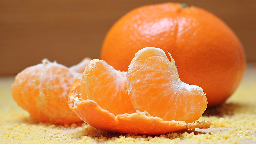
Food: tangerines
Tangerines have many healing properties. Thanks to vitamin C and vitamin A - natural antioxidants - they support the immune system, inhibit the action of free radicals responsible for the aging process, and also improve the condition of the skin and protect against eye diseases.
School: Jan Twardowski Primary School in Szczytniki Duchowne
Food: lemons
Lemons are known primarily as a rich source of vitamin C and a natural remedy to strengthen immunity. They also soothe seasonal infections and stimulate digestive processes
School: Jan Twardowski Primary School in Szczytniki Duchowne
Food: grapefruit
Eating grapefruit has a positive effect on immunity
It also strengthens the entire immune system, which is why it is so important to provide it with the right dose every day. There are also other important vitamins in grapefruit, such as vitamin A, which is an antioxidant and also supports the immune system.
School: Primary School in Pasieki (Poland)
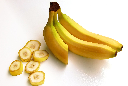
Food: banana
Bananas are a nutritious and convenient fruit.
They are also a good source of potassium, antioxidants and fiber.
As part of a healthy diet and lifestyle, bananas can help reduce the risk of chronic disease, improve gut health and more.
Medium-size bananas have about 3 grams of fiber each. Fiber is important for many reasons, including keeping bowel movements regular. Pectin, a specific type of fiber found in bananas, can help your body eliminate waste more effectively.
School: Padre Torres Silva (Jerez-Spain)
Food: pineapple
School: Primary School in Pasieki (Poland)
Food: strawberries
Strawberries are very healthy, containing many antioxidants and vitamins. They’re also low in calories, containing only about 32 calories per half a cup.
Strawberries are very healthy, containing many antioxidants and vitamins. They’re also low in calories, containing only about 32 calories per half a cup.
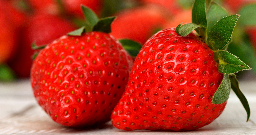
Strawberries are a good source of vitamin C, manganese, folate (vitamin B9), and potassium. They contain small amounts of several other vitamins and minerals.
School: Jan Twardoski Primary School in Szczytniki Duchowne
Food: grapes
School: Jan Twardoski Primary School in Szczytniki Duchowne
Food: berries
School: Padre Torres Silva (Jerez-Spain)
Food: watermelon
Watermelon is rich in an amino acid called citrulline that may help move blood through your body and can lower your blood pressure. Your heart also enjoys the perks of all the lycopene watermelon contains. Studies show that it may lower your risk of heart attacks.

School: Jan Twardoski Primary School in Szczytniki Duchowne
Food: melon
Melon is a fruit whose properties and nutritional values should be appreciated especially by people struggling with hypertension and atherosclerosis. Melon prevents the deposition of atherosclerotic plaque and regulates the level of pressure. In addition, melon supports the work of the eyes and allows you to keep your tan longer.
canned & frozen
fruits
School: Arwa bent abed almutlleb school
Food: canned or frozen fruits
The nutrient content is comparable to fresh. Depending on the produce item, canning and freezing may actually preserve the nutrient value and even increase the availability of some nutrients to the body.
dried fruits
School: 8th Primary School of Thebes
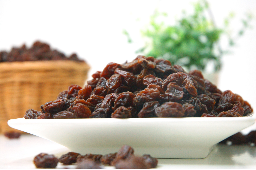
Food: Raisins
Raisins contain healthy vitamins and minerals. They are also fat-free and cholesterol-free, high in antioxidants, and an excellent source of fiber.
School: Arwa bent abed almutlleb school
Food: prunes
1. They Contain Many Nutrients
2. Prunes and Prune Juice May Relieve Constipation
3. Plums and Prunes Are Rich in Antioxidants
4. They May Help Lower Your Blood Sugar
5. Prunes May Promote Bone Health
6. Plums and Prunes May Benefit Heart Health
7. Easy to Add to Your Diet
juice
School: Jan Twardoski Primary School in Szczytniki Duchowne
Food: juice
Melon is a fruit whose properties and nutritional values should be appreciated especially by people struggling with hypertension and atherosclerosis. Melon prevents the deposition of atherosclerotic plaque and regulates the level of pressure. In addition, melon supports the work of the eyes and allows you to keep your tan longer.
What are the main types of vegetables?
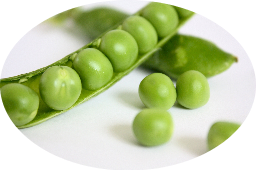
Vegetables are usually classified on the basis of the part of the plant that is used for food. There are root vegetables, stem vegetables, edible tubers (underground stems), leaf and leafstalk vegetables, bulb vegetables, head or flower vegetables, fruits commonly considered vegetables by virtue of their use (cucumbers, eggplants, sweet corn), and seed vegetables (peas, beans).
vegetables that are actually fruits
School: Jan Twardoski Primary School in Szczytniki Duchowne
Food: tomato
Tomatoes are also rich in micro- and macroelements. One of the most important is potassium, which, thanks to its diuretic effect, lowers blood pressure. But these vegetables also provide us with calcium, magnesium and iron. They also contain manganese, copper and cobalt, which are rarely found in food products.
School: Jan Twardoski Primary School in Szczytniki Duchowne
Food: cucumber
Cucumbers reduce the risk of developing cancer, regulate blood pressure, have a beneficial effect on the digestive system, cleanse the body of excess water and toxins, and support weight loss - so there are at least several reasons to include cucumbers in your diet for good.
School: Jan Twardoski Primary School in Szczytniki Duchowne
Food: pepper
Medicinal properties of paprika: improves digestion and reduces headache. Vitamins C, A and E, which are abundant in peppers, inhibit cell aging, strengthen immunity, improve the condition of blood vessels, weaken the harmful effects of bad cholesterol, protecting against atherosclerosis.
leafy green vegetables
School: Jan Twardoski Primary School in Szczytniki Duchowne
Food: lettuce
In addition to reducing the absorption of fats and sugars, lettuce contains powerful antioxidants that help protect the body from macular degeneration. In addition, lettuce strengthens the nervous system, deacidifies, improves digestion and increases immunity.
School: 8th Primary School of Thebes, Greece
Food: spinach
Spinach:
- Lncreases muscle strength and bone health
- Reduces Blood Pressure
- Improves digestion
- Makes its fair share against Diabetes Control
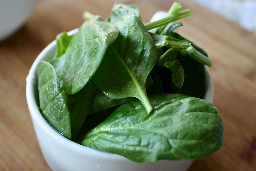
- Fights against Cancer
- Improves Hair, Nails and Skin Health
- Is Good for Eye Health and Eyesight
- Is a nutrient-rich, low-calorie plant with a high concentration in water (more than 91 gr of water per 100 gr of spinach).
head or flower vegetables
School: Jan Twardoski Primary School in Szczytniki Duchowne
Food: artichokes
Artichoke is an increasingly common ingredient in various dietary supplements in the form of tablets, capsules or juice. They can be successfully used as a support, e.g. in the case of digestive problems, gallbladder diseases, compensated liver cirrhosis or fatty liver of alcoholic origin.
School: Mehtap.tubasoyyiğit /TEV Abdullah Nezahat Erboz Primary School/Istanbul-TURKEY
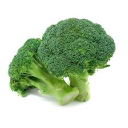
Food: broccoli
Broccoli has a very high fiber content. It is a vegetable that contains potassium as well as vitamin C. It is a rich source of vitamin B6 and A. Broccoli, which has a very high nutritional rate, is also a food that contains hosphorus, magnesium, small amounts of zinc and iron. The zeaxanthin substance contained in
broccoli provides an important protection
against the formation of cataracts in the eye.
root vegetables
School: Jan Twardoski Primary School in Szczytniki Duchowne
Food: carrots
The high content of provitamin A, i.e. beta-carotene, makes eating carrots improve the condition of our eyesight. Therefore, people who spend many hours in front of the computer on a daily basis should reach for it especially often. Carrots, rich in beta-carotene, also strengthen the immune system.
School: Jan Twardoski Primary School in Szczytniki Duchowne
Food: beets
bulb vegetables
School: Primary School in Pasieki (Poland)
Food: garlic
Current research shows that garlic may have some real health benefits, such as protection against the common cold and the ability to help lower blood pressure and cholesterol levels.
Garlic is low in calories and rich in vitamin C, vitamin B6, and manganese.
High doses of garlic appear to improve blood pressure for those with known high blood pressure.
Garlic contains antioxidants that can help protect against cell damage and aging.

School: Padre Torres Silva (Jerez- Spain)
Food: onions
stem vegetables
School: Primary School in Pasieki
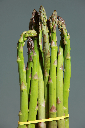
Food: asparagus
Asparagus is a low-calorie vegetable that is an excellent source of essential vitamins and minerals, especially folate and vitamins A, C and K.
Asparagus is a good source of antioxidants, including vitamins C and E, flavonoids and polyphenols. Antioxidants prevent the accumulation of harmful free radicals and may reduce your risk of chronic disease. As a good source of fiber, asparagus promotes regularity and digestive health and may help reduce your risk of heart disease, high blood pressure and diabetes.
The recommended amount of fruit and vegetables is 5 portions per day.

GROUP 2
What is the group of starchy foods?
- grains like rice, bulgur wheat, oats, barley and rye
- products made from grains like breakfast cereals, and from flour like bread and bread products as well as pasta, noodles and couscous
- potatoes and potato products (including baked, boiled and mashed potatoes, oven chips and potato gnocchi)
benefits of starchy foods
School: Padre Torres SIlva (Jerez-Spain)
starchy foods are the main source of carbohydrate and play an important role in a healthy diet. They are also a good source of energy and the main source of a range of nutrients in your diet. As well as starch, they contain fibre, calcium, iron and B vitamins.
School: LA MUNTANYETA (BARCELONA, SPAIN)
.................................
grains
School: Padre Torres Silva (Jerez-Spain)
Food: rice
Rice is a rich source of carbohydrates, the body's main fuel source. Carbohydrates can keep you energized and satisfied, and are important for fueling exercise. Brown rice, especially, is an excellent source of many nutrients, including fiber, manganese, selenium, magnesium, and B vitamins.
School: Primary School in Pasieki (Poland)
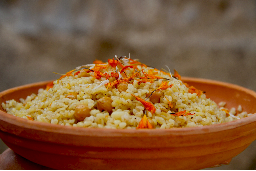
Food: bulgur wheat
School: 8th Primary School of Thebes, Greece
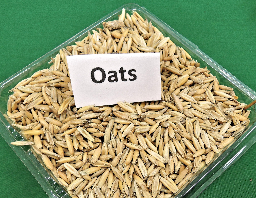
Food: oats
- A 40 gr bowl of rolled oats contains around a third of your daily fibre requirement.
- Oats are a good source of protein.
- Oats contain essential vitamins and minerals, including manganese, phosphorus, magnesium, iron, zinc, selenium and several B vitamins.
- Oats contain certain antioxidants
which are thought to have further
benefits for health.
School: Arwa bint abed almutlleb school
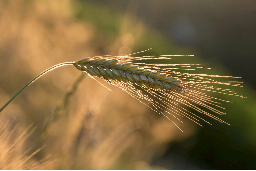
Food: barley
Pita bread (also known as Arabic bread ) is a yeast-leavened flatbread common in Mediterranean and Middle Eastern cuisines. It can be made with or without an interior pocket. Regardless of which route you take, the possibilities are endless

School: Primary School in Pasieki
Food: rye
Rye health benefits includes helping in weight loss, preventing gall stones, promoting metabolism, fight diabetes, promoting heart health, fighting inflammation, fighting asthma, preventing cancer, supporting hormones, supporting skeletal health and providing the body with needed nutrients.


products made from grains
School: Padre Torres SIlva (JErez-Spain)
Food: breakfast cereals
School: Pelin.tubasoyyiğit /TEV Abdullah Nezahat Erboz Primary School/Istanbul-TURKEY
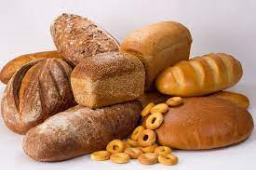
Food: bread
Bread is a food rich in protein, fiber, calcium, phosphorus and vitamins B1, B6 as well as carbohydrates it contains. In this respect, natural bread provides the protection of mental and physical health. Protecting stomach and intestinal health with fiber intake provides a serious support for the prevention of constipation. In addition, it helps diabetics to increase
their blood sugar more slowly and to control blood
sugar and cholesterol.
School: Josip Antun Ćolnić Primary School, Đakovo Croatia
Food: focaccia
Focaccia is a round, flat Italianyeast bread with a crisp crust, containing olive oil, herbs, etc.
It provides complex carbohydrates that slowly give the body energy and help better regulate blood sugar levels.
It can be served with baked eggs, vegetables, sausage or maybe cheese.

School: Josip Antun Ćolnić Primary School, Đakovo Croatia
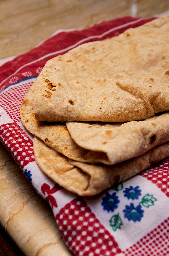
Food: chapatis
Chapatis is rich source of iron and can help in treatment od anemia. Chapatis is also rich in protein and contains a good amaunt of healthy carbohydrates. Chapatis made of whole wheat flour is an excellent option for people with diabetes. Vitamins and minerals in chapatis can help improve the quality of your skin and hair.
School: Muhsin Yazıcıoğlu Secondary School
Food: bagels
Simit is a circular bread, typically with sesame seeds or less commonly sunflower seeds, taken places across the one of the foods of Turkish cuisine. Simit's size crunch, chewiness. It's delicious, nutrias and eats at breakfast.



School:
Food: baguette
.................................
School: 8th Primary School of Thebes, Greece
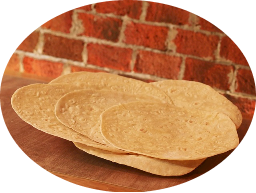
Food: tortillas
Tortilla:
- it is a great source of fiber.
- it has a large amount of folic acid . This vitamin is essential for pregnant women. And even if you're not pregnant , it provides healthier nails , hair , and skin .
- it don't make you gain weight .
- It contains vitamins that are essential for cellular metabolism , which is essential for the body. Some of these vitamins are thiamine, niacin, and pyridoxine.
- it is a great source of energy .
School: 8th Primary School of Thebes, Greece
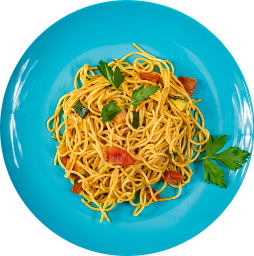
Food: noodles
Noodles can provide energy continuously. Eating noodles helps to enhance people's concentration and improve their work efficiency. Noodles contain many kinds of trace elements, such as iron and copper, which are very important for people's health.
School: Padre Torres SIlva (Jerez-Spain)
Food: couscous
potatoes and potato products
School: Jan Twardowski Primary School in Szczytnik Duchowne
Food: potatoes
School: Josip Antun Ćolnić Primary School, Đakovo, Croatia
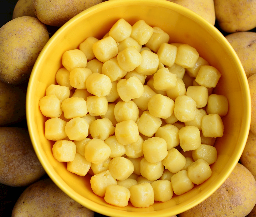
Food: patato gnocchi
Potato gnocchi is high in vitamin C and it is relatively low in cholesterol. 3.5 ouncess (100 grams) of potato gnocchi has 122 calories and 17 calories from fat.
GROUP 3
Dairy
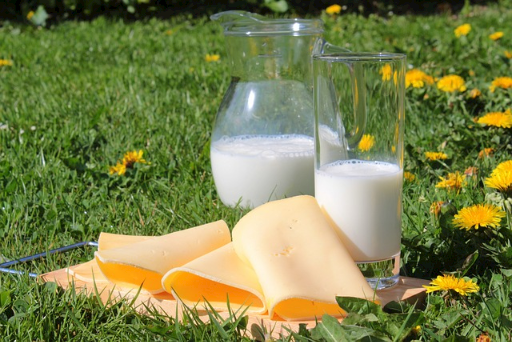
The Dairy Group includes milk, yogurt, cheese, lactose-free milk and fortified soy milk and yogurt.
The Dairy Group does not include foods made from milk that have little calcium and a high fat content. Examples of this are cream cheese, sour cream, cream, and butter.
Health Benefits
of Dairy Foods
School: Padre Torres Silva (Jerez-Spain)
Dairy Group foods provide nutrients that are vital for the health and maintenance of the body. These nutrients include calcium, potassium, vitamin D, and protein.
School: LA MUNTANYETA (BARCELONA, SPAIN)
.................................
Milk



School: Primary School in Pasieki (Poland)
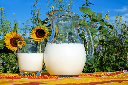
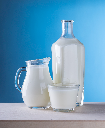
Food: milk (general)
Milk is an excellent source of vitamins and minerals. It provides potassium, B12, calcium and vitamin D, which are lacking in many diets. Milk is also a good source of vitamin A, magnesium, zinc and thiamine.
Milk is an excellent source of
protein and contains hundreds
of different fatty acids.
Milk contains a variety of nutrients
that benefit bone health, such as
calcium, vitamin D, phosphorus
and magnesium.
School: Jan Twardoski Primary School in Szczytniki Duchowne
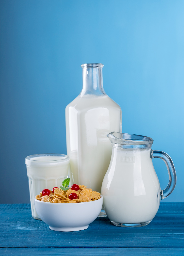
Food: cow milk
School: 8th Primary School of Thebes, Greece
Food: goat milk
It is a source of proteins, minerals, vitamins and phosphorus. It also contains high amounts of conjugated linoleic acids (CLA), which help stimulate the immune system, promote growth and prevent disease.ωIt contains less lactose compared to cow's milk making it easier to digest for people with lactose intolerance and irritable bowel syndrome. Lactose, on the other hand, is reduced even more in fermented milk products, such as cheese.
Non-dairy milk alternatives
There are several options for milk and milk alternatives, and the choice you make should reflect your own dietary preferences and any restrictions you may have.
You can read more about these below...
School: 8th Primary School of Thebes, Greece
Food: soy milk
The protein in soy milk is healthy, plant-based, and can help support healthy muscles and organs. Soy milk is rich in omega-3 fatty acids, which are “healthy” fats that your body cannot form on its own. Omega-3 fatty acids are linked to a reduced risk of dementia and Alzheimer's disease.
School: Jan Twardowski Primary School in Szczytnik Duchowne
Food: Almond milk
School: Padre Torres Silva (JErez-Spain)
Food: Coconut milk
yoghurt
School: Derin.tubasoyyiğit /TEV Abdullah Nezahat Erboz Primary School/Istanbul-TURKEY
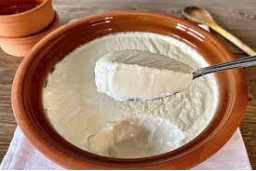
Food: yoghurt
Thanks to the probiotics in yogurt, it reduces the body's pollen and other allergen reactions and increases immunity. By regulating the digestive system, it ensures less constipation and diarrhea. It is a complete protein store. It contains all the amino acids necessary for the healthy formation and growth of muscles and bones in the body.
It is a source of phosphorus, supports the production of energy necessary for the body and is very important
for DNA, RNA.
cheese
School: Jan Twardoski Primary School in Szczytniki Duchowne
Food: cheese
cheeses from
around the world
School: 8th Primary School of Thebes, Greece
Food: Greek Feta - Greece
Feta is a white, salty and crumbly Greek cheese which is traditionally made from sheep's and goat's milk.
Feta, like other dairy foods, is rich in calcium, a mineral we need for muscle and nerve function as well as for strong healthy bones and teeth.
Being high in protein, feta makes a valuable dietary inclusion, especially for those following a lacto-vegetarian diet.
Feta cheese contains beneficial microbes including yeasts and bacteria, such as Lactobacillus plantarum, which may help support gut health.
Being rich in protein and fat, and full-on flavour, cheese like feta may help keep us fuller and more satisfied for longer.
School: Josip Antun Ćolnić Primary School, Croatia
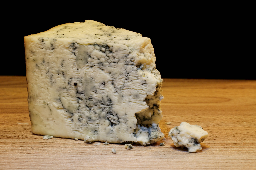
Food: Roquefort, France
Roquefort cheese could help to prevent cardiovascular disease due to its anti-inflammatory properties. It is also great for gut health and slowing down ageing. It is a French dish and it is full of vitamine A.
School: Padre Torres Silva (Jerez- Spain)
Food: Manchego, Spain
It is high in calcium and protein.
It also has vitamin A, D and E.
It is recommended for seniours.

School: Josip Antun Ćolnić Primary School, Đakovo Croatia
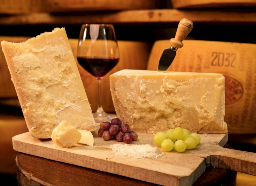
Food: Parmigiano - Reggiano, Italy
Parmigiano Reggiano helps improve the efficieny of our immune system. It is rich in vitamin, B iron and zinc ,all of which participate in the production of antibodies and lymphocytes.
We can put it in pasta and rice courses, soups and vegetable creams.
School: Arwa bent abed almutlleb school
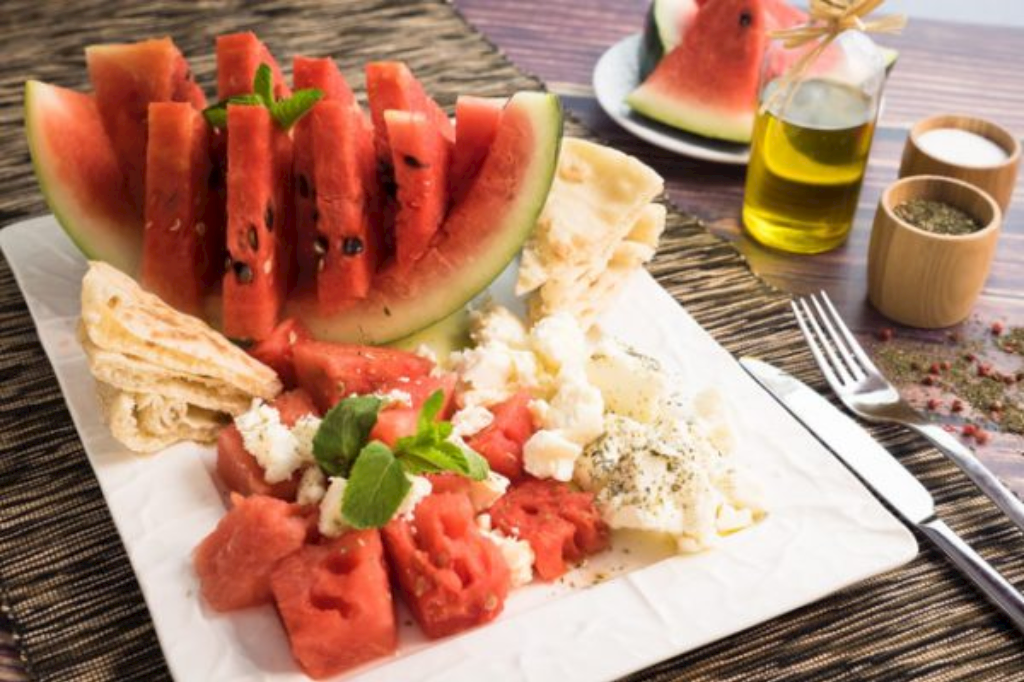
Food:white cheese, Middle East
soft white cheese produced traditionally in Jordan>
. This food is high in calcium, fat, and protein, as well as high in vitamins A and B12. It also contains zinc, phosphorus, and riboflavin. Furthermore, it contains a variety of other nutrients, including fat and protein.
Bottom line: Although cheese is high in saturated fat and sodium, it is also rich in calcium and protein, and some fermented types contain probiotics. One can enjoy a modest amount of cheese as part of a healthful diet, but how it is eaten is key
white cheese and watermelon Are lovely to gathe
School: Arwa bent abed almutlleb school
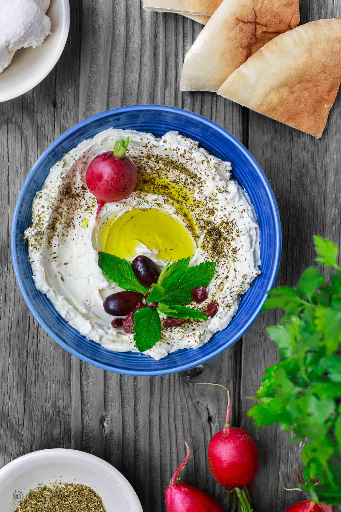
Food: Labne, Middle East
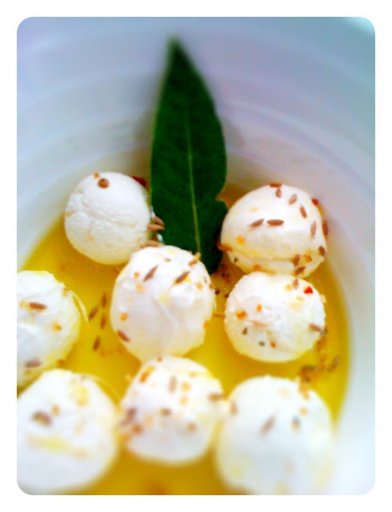
what Is Labneh and Labneh balls?
Labneh, also spelled labne, is a Middle Eastern strained yogurt. Labneh is spreadable like cream cheese and tangy like sour cream
Labneh balls, or fresh shanklish, are a Levantine staple, very popular in Middle Eastern cuisine. This yogurt-based cheese is made by straining Greek yogurt until thickened, then rolling into balls and coating with herbs and spices. They're delicious as a snack
School: Josip A. Ćolnić Primary School, Đakovo Croatia
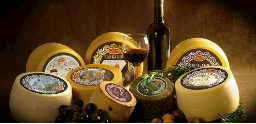
Food: Pag cheese(Paski Sir), Croatia
The most highly acclaimed cheese in Croatia is Paški sir, the cheese from the island of Pag.
The milk that these sheep give is naturally salty and needs no additional salt.
It is the cheese flavoured by wind called "bura".
Pag cheese has a lot of vitamins.
It tastes herby and salty.
It can be served with wine, with Dalmatian ham on even salty white bread.
School: Bora.tubasoyyiğit /TEV Abdullah Nezahat Erboz Primary School/Istanbul-TURKEY
Food: Tulum, Turkey
Tulum cheese is one of the delicious breakfast foods with high protein and vitamin value. Milk obtained from bovine and ovine animals fed from the fertile lands of Turkey is used in healing cheeses. These cheeses are beneficial from child development to adult health. It is prepared in different ways from region to region. It strengthens bones, protects oral health, eliminates anemia, is a protein store, is a strong source of calcium, facilitates digestion, strengthens the immune system
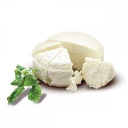
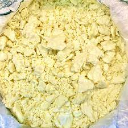

School: Jan Twardoski Primary School in Szczytniki Duchowne
Food: Polish cheese, Poland
Polish cheese, called oscypek (sheep cheese),
is a very good source of protein and calcium, and is traditionally credited with the ability to strengthen the condition of the body.
School: Dimotiko Sxolio Agion Paraskion
Food: Greek cheese mizithra, Greece
Myzithra is a traditional cheese made from sheep and goat milk. Myzithra is a low-fat cheese, so it’s a great choice for those who stick to a healthy diet. Its unique taste, however, can be appreciated by everyone and especially by those who love pasta, with which they pair wonderfully, offering a delectable experience.
How to choose your dairy products?
School: Primary School in Pasieki (Poland)
Full-fat dairy is a rich source of nutrients beside fat. It is not only not bad for your health, it comes with a lot of other benefits: It makes you feel full so you’re not snacking on empty calories later in the day, and the fat allows for certain nutrient absorption, like vitamins A, D, E, and K. Dairy is also an excellent source of protein, to help your muscles recover, and calcium, phosphorous, and vitamin D to help strengthen your bones.

GROUP 4
Protein
What foods are in the Protein Food Group?
Meats, like red meat and poultry are part of Protein Food Group. And so do fish and seafood in all forms, i.e. fresh, frozen and canned, but also breaded or fish croquettes. Eggs, made any way you like belong to this group. But not all members of this group come from animals. Other foods like beans and soy beans are full of protein. Nuts and seeds are also proud members of the protein group.
Why is Protein important
in your diet?
School: Padre Torres Silva (Jerez -Spain)
Why Is Protein Important In Your Diet?
Protein is an important part of a healthy diet. Proteins are made up of chemical 'building blocks' called amino acids. Your body uses amino acids to build and repair muscles and bones and to make hormones and enzymes. They can also be used as an energy source.
School: LA MUNTANYETA (BARCELONA, SPAIN)
.................................
Poultry, Eggs & Meat
School: Egemen.tubasoyyiğit /TEV Abdullah Nezahat Erboz Primary School/Istanbul-TURKEY
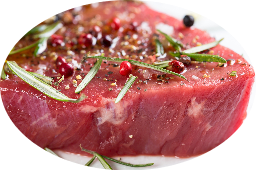
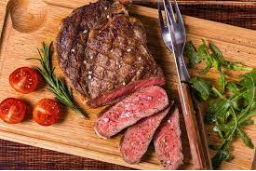
Food: beef
It is an important source of vitamins and minerals. It is an iron store and an important source of zinc. It is rich in protein, iron and zinc. It helps digest iron from food. It is a rich source of B group vitamins.
School: Primary School in Pasieki (Poland)
Food: goat
Goat meat is a lean, high quality protein providing several important nutrients, including riboflavin, iron, vitamin B12, zinc, and potassium.
Goat meat is a great source of protein, which is essential for the growth and repair of tissues and muscles.
Goat meat is highly nutritious and a great source of animal protein that’s lower in calories and saturated fat. Goat meat may help with weight loss goals, and it supplies iron and vitamin B12.
School: 8th Primary School of Thebes, Greece
Food: lamb
Lamb is a type of red meat that comes from young sheep. Not only is it a rich source of high-quality protein, but it is also an outstanding source of many vitamins and minerals, including iron, zinc, and vitamin B12. Because of this, regular consumption of lamb may promote muscle growth, maintenance, and performance.

School:Padre Torres Silva (Jerez- Spain)
Food: pork
Pork is a source of zinc, selenium and vitamins B12 and B6 that help the immune system to work normally. Pork is a source of vitamins B12, B6, Niacin and Riboflavin – vitamins that help reduce tiredness and fatigue as part of a healthy balanced diet and lifestyle.
School: Jan Twardoski Primary School in Szczytniki Duchowne
Food: chicken
School: Muhsin Yazıcıoğlu Secondary School
What happens if you eat a lot of red meat?
Red meat (such as beef, lamb) can form part of a healthy diet. But eating a lot of red and processed meat probably increases your risk of bowel (colorectal) cancer. Processed meat refers to meat that has been preserved by smoking, curing, salting or adding preservatives
School:Padre Torres Silva (Jerez- Spain)
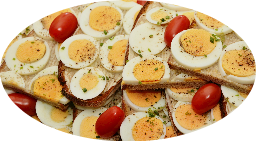
Food: eggs
One large boiled egg has about 77 calories and contains:

3-4 eggs per week are recommended
in healthy individuals
fish & seafood
School: Jan Twardowski Primary School in Szczytniki Duchowne
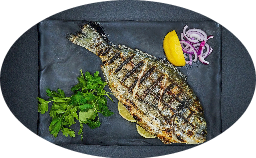
Food: salmon
Salmon is a good source of protein, which is important for maintaining bone health, preventing muscle loss and helping the body heal and repair. Its rich astaxanthin content may help maintain skin elasticity, reduce the signs of aging and protect the skin against UV damage.
School: Muhsin Yazıcıoğlu Secondary School
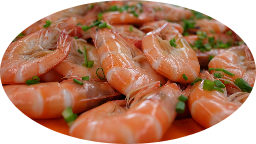
Food: shrimp
Shrimp is a commonly eaten seafood and a lean source of protein. While the amount of calories in shrimp is low, the number of key nutrients is high. These nutrients include vitamin B12, which helps form red blood cells and maintain nervous system function, and selenium, a mineral that helps protect cells from damage
School: 8th Primary School of Thebes, Greece
Food: tuna
Tuna is a healthful food rich in protein and contains many vitamins and minerals such as B-Complex vitamins, Vitamins A and D as well as iron, selenium and phosphorus. Tuna also contains healthy omega 3 essential fatty acids.
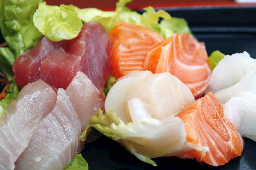
Eat fish every week!
School: Jan Twardowski Primary School in Szczytniki Duchowne
Why Is fish Important In Your Diet?
Fish is filled with omega-3 fatty acids and vitamins such as D and B2. Fish is rich in calcium and phosphorus and a great source of minerals, such as iron, zinc, iodine, magnesium, and potassium. It is recommended to eat fish at least two times per week as part of a healthy diet.
legumes
School: Padre Torres Silva (Jerez- Spain)
Food: lentils
Studies suggest that regularly eating lentils promotes good health and reduces your risk of chronic diseases such as diabetes, obesity, heart disease and cancer, including breast cancer
School: Dimotiko Sxolio Agion Paraskion
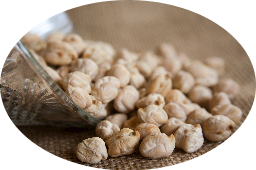
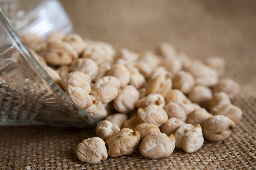
Food: chickpeas
- They help with digestion. Chickpeas are high in dietary fiber, especially a soluble fiber called raffinose.
- They can help lower cholesterol.
- They may lower your cancer risk.
- They give you stronger bones.
- They could boost your mental health.
School: Josipa Antuna Ćolnića Primary School, Đakovo Croatia
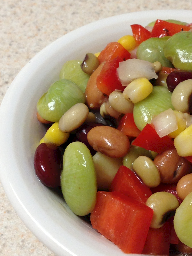
Food: lima bean
Lima bean is also called butter bean.
They are packed with protein B vitamins and iron, they are a particulary great choice for vegetarians.
They can be served with cornbread or buttermilk biscuits, maybe even a fresh green salad.
School:
Food: fava beans
.................................
School: 8th Primary School of Thebes, Greece
Food: black-eyed beans
Like other beans, black-eyed peas are an excellent source of magnesium, which plays a role in over 300 biochemical reactions in the body, including energy production, muscle and nerve function, blood sugar control, and blood pressure management
School: Jan Twardowski Primary School in Szczytniki Duchowne
Food: soybeans
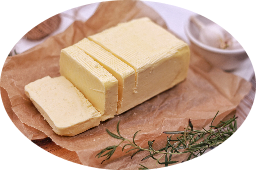
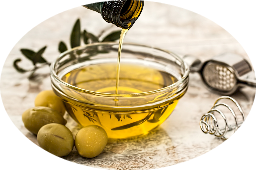
GROUP 5
Fat
Do you know what fat is and which food contains it? Did you know that not all high fat foods are healthy?
We are going to tell you all about them!
School: 8th primary school of Thebes, Greece
What are fats? Why do we need to eat some fats?
Fats, also called lipids are nutrients that provide us with energy and help with the absorption of vitamins, that's why they are essential for our body.
School: LA MUNTANYETA (BARCELONA, SPAIN)
What do you know about fats?
Any fat that's not used by your body's cells or turned into energy is converted into body fat. Likewise, unused carbohydrates and proteins are also converted into body fat.
School: 8th primary school of Thebes, Greece
Types of Fats
Fats are divided into three different groups depending on their chemical structure.

Saturated
Fats


Monounsaturated
Fats
Polyunsaturated
Fats
School: Deniz.tubasoyyiğit /TEV Abdullah Nezahat Erboz Primary School/Istanbul-TURKEY
Saturated fats
Saturated fats are found in foods like:
Cheese, cream, butter and yogurt prepared using whole milk, and egg yolk are also sources of saturated fat. In addition to these, palm oil, coconut oil, olive oil, lard, palm oil and cocoa butter are among the foods containing plant-derived saturated fat.


School: Primary School in Pasieki (Poland)
Monounsaturated fats
Monounsaturated fats are found in foods like:
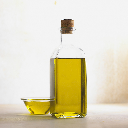
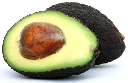
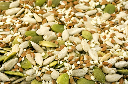
Olive, peanut, and canola oils , avocados, nuts such as almonds, hazelnuts, and pecans, seeds such as pumpkin and sesame seeds.
Monounsaturated fats, also known as monounsaturated fatty acids or MUFAs, are dietary fats that come from plant sources and can provide health benefits
School: Dimotiko Sxolio Agion Paraskion
Trans fats
Trans fats are an unhealthy type of fat found in some foods. While trans fats can be found naturally in some products from ruminant animals such as cows, most trans fats in recent decades have come from industrially produced partially hydrogenated oils (PHOs). PHOs have been widely used in products such as margarine, spreads, and vegetable shortening.
Trans fats raise your LDL (bad) cholesterol. They lower your HDL (good) cholesterol. High LDL along with low HDL levels can cause cholesterol to build up in your arteries (blood vessels). This increases your risk for heart disease and stroke.
School: 8th Primary School of Thebes, Greece
Polyunsaturated fats
Polyunsaturated fats are found in foods like:
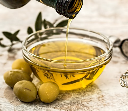
Chemically speaking, polyunsaturated fats are simple fat molecules that have more than one unsaturated carbon bond. Oils containing polyunsaturated fats are usually liquid, starting to solidify when cooled. Olive oil is an example of a type of oil that contains polyunsaturated fats.
a
We all need some fats in our diet to stay healthy. They provide energy and some vitamins. Eating too much or the wrong types of fat can be unhealthy.
School: 8th Primary School of Thebes, Greece
Healthy fats
Healthy fats come from plant-based foods like:
-
The "Good" unsaturated fats are monounsaturated and polyunsaturated fats help lower the risk of disease. Foods high in good fats include mainly vegetable oils (such as olive, canola, sunflower, soybean, and corn), and nuts, seeds, and fish.
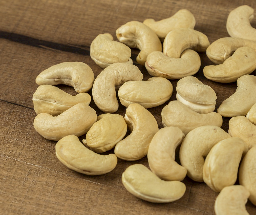
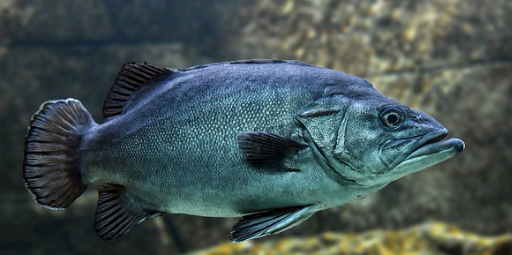
School: Dimotiko Sxolio Agion Paraskion
Less Healthy fats
Less healthy fats that are consumed in large amounts can be harmful to our health. These fats are found in meats, packaged pastries and some dairy products like butter.

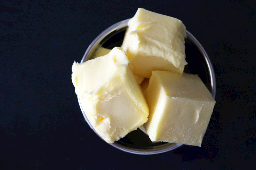
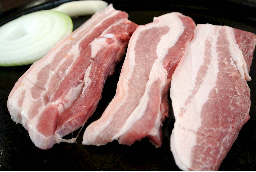
School: Padre Torres Silva (Jerez- Spain)
How much fat should I eat?
NO MUCH!!!

School: Padre Torres Silva (Jerez- Spain)
Easy tips to help you reduce unhealthy fats
choose lower-fat or reduced-fat dairy products or dairy alternatives. grill, bake, poach or steam food rather than frying or roasting. measure oil with a teaspoon to control the amount you use, or use an oil spray. trim visible fat and take the skin off meat and poultry before cooking it.
GROUP 6
Sugar
School: 8th Primary School of Thebes, Greece
Types of Sugars
All green plants produce sugar (sucrose) through photosynthesis. Table sugar is obtained from sugar cane and sugar beets due to their high sucrose content.
The process of extracting and purifying sugars from sugar cane and sugar beet allows for the production of a large variety of sugars (granulated sugar, coarse sugar, superfine sugar, pearl sugar, liquid sugar, brown sugar, icing sugar, Demerara-style sugar, Muscovado sugar, Turbinado-style sugar, organic sugar, golden syrup, and molasses) .
School: LA MUNTANYETA (BARCELONA, SPAIN)
..............
School: 8th Primary School of Thebes, Greece
Sources of sugar
School: 8th Primary School of Thebes, Greece
Sugar Cane - Sugar Beets
The sugars that plants produce are stored in the root, leaf, seed, or fruit of the plant. Sugar cane and sugar beets contain higher proportions of sucrose compared to other plants and are therefore harvested to produce sugar for use at home and in food products.
- Sugar Cane: The sugar is in the very tall stem
- Sugar Beet: The sugar is in the big fat root
School: 8th Primary School of Thebes, Greece
Added sugars
"Added sugars" refer to sugars and syrups that are added to foods or beverages when they are processed and prepared.

School: Padre Torres Silva (Jerez- Spain)
What are examples of "Sugary" foods?
..............


School: Muhsin Yazıcıoğlu Secondary School
What are examples of "Sugary" beverages?


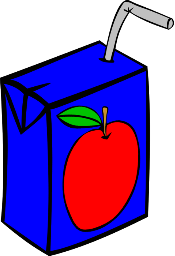


School: Primary School in Pasieki (Poland)
How much sugar is in a can of coke?
A 12-ounce can of Coke contains 39 grams of sugar (about 10 teaspoons), which is more than 80% of the recommended daily intake for a healthy diet.


School: 8th Primary School of Thebes (Greece)
Hidden Sugar
Sugar isn't just ice cream or candy. It can be in foods where you least expect it, like ketchup, barbeque sauce, salad dressings.
Read nutritions label is necessary!
School: Dora.tubasoyyiğit /TEV Abdullah Nezahat Erboz Primary School/Istanbul-TURKEY
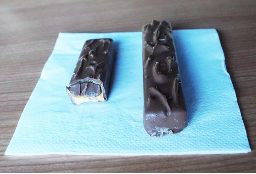
How much sugar should you eat daily?
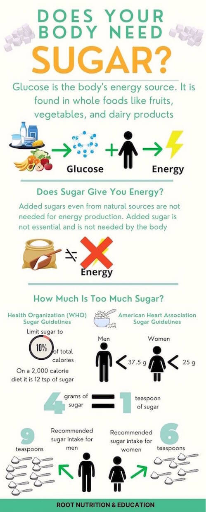
The World Health Organization (WHO) recommended that no more than 50 grams of simple sugar should be consumed per day. We compared this amount, which corresponds to about 12 teaspoons of sugar, with other products we encounter in our daily life.



The effects of sugar
School: Josip A. Ćolnić Primary School Đakovo, Croatia
Do you need sugar for energy?
Sugars are carbohydrates.
The body breaks down carbohydrates
into simple sugars such as glucose,
that can be readily used in the body.
Like all carbohydrates, they provide
a source of energy in our diet.
Glucose is essential to the function
of our central nervous system.
School: Jan Twardowski Primary School in Szczytniki Duchowne
Sugar and tooth decay
It is not sugar that damages teeth. These are bacteria in our mouths. Because of sugar they start to form acid that damages teeth.
School:
Sugar and obesity
..............
School: Josip Antun Ćolnić Primary School Đakovo Croatia
Sugar and diabetes
Too much sugar in the blood becomes a problem when the body becomes insulin resistant. This means the body can no longer move glucose out of the blood. As a result blood sugar will become too high.
When the body stops responding to insulin and blood glucose cannot get into cells is when diabetes sets in.
Some research shows an association between diets high in sugar and hyperglycemia. In this respect, there is the potential that eating too much sugar can cause diabetes. However, there are other factors involved that lead to diabetes.
School:
Sugar and other serious health problems are caused by sugar
..............
School: 8th Primary School of Thebes, Greece
Is sugar addiction real?
Here's why it's so hard to resist sweet treats
When we consume sugar or any food containing sugar (not necessarily only sweets), the release of a substance, dopamine, is stimulated in the body, which affects the brain giving us a feeling of fullness, joy and immense satisfaction.
When the brain begins to perceive that the source of joy is the consumption of sugar and sweets, in order to remain in this state, it asks for even more sugar.
You can never eat just one!

School: 8th Primary School of Thebes, Greeece
What happens if people stop eating sugar?
Reducing sugar intake has clear health benefits, including reduced calorie intake, which can help with weight loss, and improved dental health. But people sometimes report experiencing negative side effects when they try to eat less sugar. Headaches, fatigue or mood changes, which are , are among the symptoms.
School: Josip Antun Ćolnić Primary School Đakovo, Craotia
Tips on reducing sugar intake
1 Eat fresh, dried or fruit canned in natural juice.
2 Swap out soda. Water is the best. You can flavour it with lemon, lime or strawberries.
3 Try extracts. Instead adding sugar to recipes, use
extracts like almond, vanilla, orange or lemon.
4 Snack sensibly and avoid baked food, sweet
desserts, chocolate and candies.
5 Compare food labels and choose the products
with the lowest amounts of added sugars.
- < BEGINNING
- END >
-
DOWNLOAD
-
LIKE(1)
-
SHARE
-
BUY THIS BOOK
(from $34.39+) -
BUY THIS BOOK
(from $34.39+) - DOWNLOAD
- LIKE (1)
- SHARE
- Report
-
BUY
-
LIKE(1)
-
SHARE
- Excessive Violence
- Harassment
- Offensive Pictures
- Spelling & Grammar Errors
- Unfinished
- Other Problem





COMMENTS