
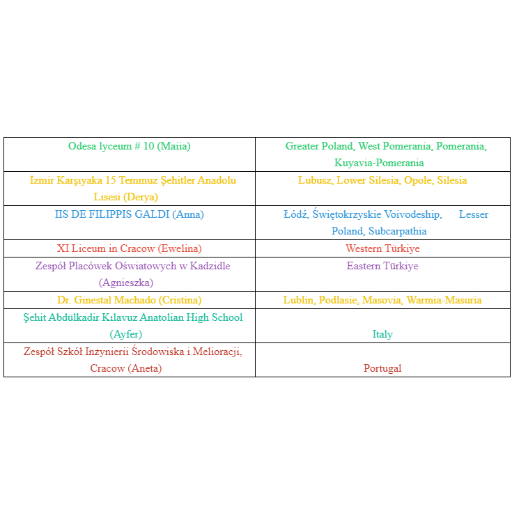
TABLE OF CONTENTS
QUINTA DE REGALERIA -Portugal
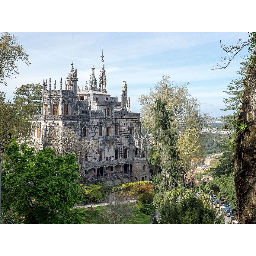
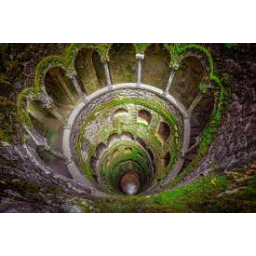
Residence and park located near the historic center of Sintra, Portugal. It is inscribed on the UNESCO World Heritage List.
The complex consists of a romantic palace and chapel and a vast park located on the slopes of the Sintra mountains, where there are glories, artificial grottoes with mysterious passages, wells, benches, fountains and many other buildings of unique shapes.
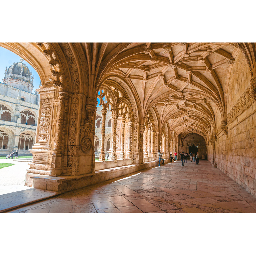
MOSTEIRO DOS JERÓNIMOS-Portugal
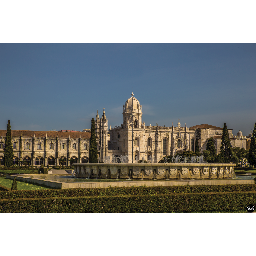
A large monastery complex in Portugal, in the Lisbon district of Belém. Built in the first half of the 16th century, it is considered to be the pearl and quintessence of Manueline style, which is a combination of Gothic and Renaissance styles specific to Portugal. It was declared a UNESCO World Heritage Site in 1983, and on 7 July 2007 it was declared one of the Seven Wonders of Portugal.
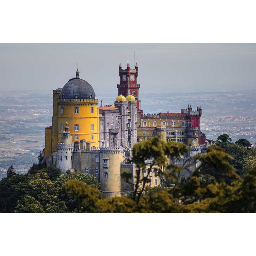
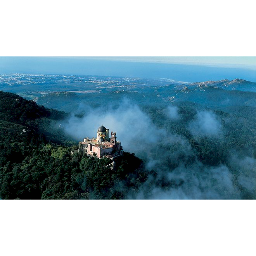
PALACIO DE PENA SINTRA -Portugal
In July 2007, it was named one of the Seven Wonders of Portugal. It is occasionally used for representational purposes by the President of the Portuguese Republic and other senior government officials.
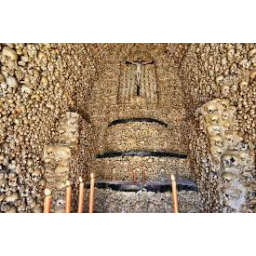
CAPELA DOS OSSOS-Portugal
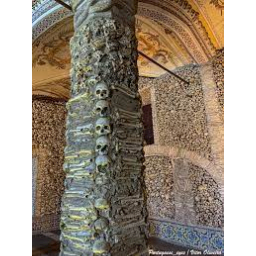
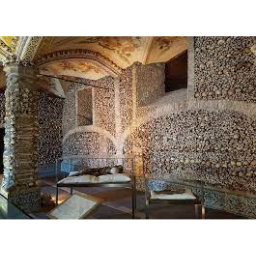
It is one of the best-known monuments in Évora, Portugal. It is a small interior chapel located next to the entrance of the Church of St. Francis. The Chapel gets its name because the interior walls are covered and decorated with human skulls and bones.
POLAND
(Lubuaz, Lower Silesia, Opole, Silesia)
by 15 TEMMUZ ŞEHİTLER ANATOLIAN HIGH SCHOOL, İZMİR- TURKEY
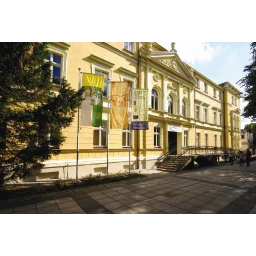
Museum of the Lubuska Land in Zielona Góra – collects and protects the material and spiritual cultural heritage of the lands on the middle Oder River , which after World War II was given the name “Lubuska Land”. An important task of the museum is also to disseminate knowledge about the history, culture, traditions and monuments of the region.
Museum of Lubusz Land

The most valuable exhibits
Olga Boznańska, Girl with Sunflowers, 1891
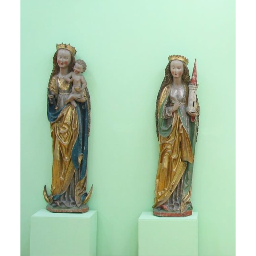
Mary with Child and St. Barbara, early 16th century
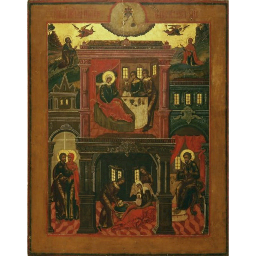
Icon. Birth of the Mother of God, early 19th century
Christ the King , (‘Monument of Christ the King’) is a statue of Jesus Christ in Świebodzin, western Poland, completed on 6 November 2010. The figure is 33 metres (108 ft) tall, the crown is 3 metres (9.8 ft) tall, and along with its mound, it reaches 52.5 metres (172 ft) overall. It took five years in total to construct and cost around $1.5 million to build, which was collected from donations of the 21,000 residents of the town. The project was conceived and led by Sylwester Zawadzki, a retired Polish priest.
Christ the King
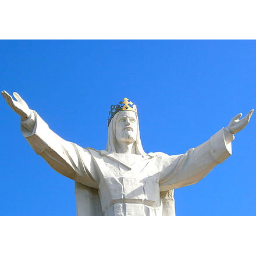
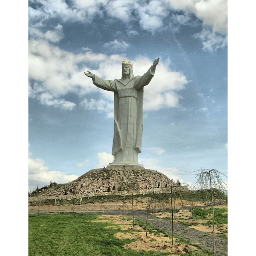
Since its completion in 2010, the statue has been featured in 10 Most Today’s, “Ten Most Famous Jesus Statues in the World” in 2013 and SpiritualRay’s “Fourteen Most Famous Statues of Jesus Around the World” in 2018. The world’s tallest Jesus statue also became the only Jesus statue with its own antennae and WiFi connection. It remains the tallest Jesus statue in the world according to the Guinness Book of World Records
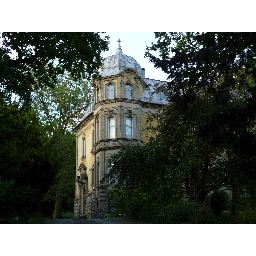
Lubuskie museum openede in 1945. It was the first museum to open in liberated lands after the Second World War. this museum is in villa schroder. this museum has granary, the mill farm, santok town museum, villa and garden complex.
Lubuskie Museum
Międzyrzecz Fortified Region
Contrary to the prohibition in the Treaty of Versailles, Germany began preparations to strengthen its eastern border in 1927. In 1935, the position was completed with 13 bunkers equipped with armored domes. After the war, the fortifications were temporarily occupied by Soviet and Polish troops. Many objects were blown up to obtain the material, especially the valuable armor steel.
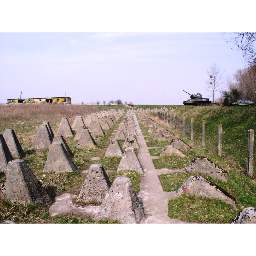
Then they were targeted by looters and abandoned. Currently, most of the buildings are abandoned. .
January 15 In the 2011 census, the bodies of 204 bats were found. It is unclear whether they were killed or died of disease
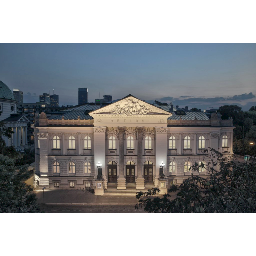
Zachęta National Gallery of Art
The Zachęta National Gallery of Art is a contemporary art museum in the center of Warsaw, Poland. The Gallery's chief purpose is to present and support Polish contemporary art and artists. With numerous temporary exhibitions of well-known foreign artists, the gallery has also established itself internationally.
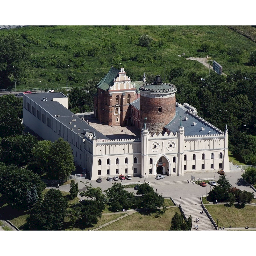
Lublin Castle
Lublin Castle is a medieval fortress located in Poland. Built in the 14th century, it served as a defense against invaders and was later used as a prison. Today, it is a popular tourist attraction and features impressive Gothic architecture, including a towering keep and defensive walls.
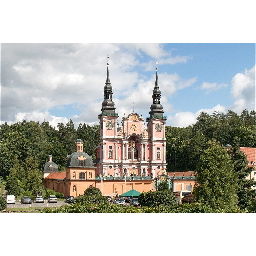
Święta Lipka
Święta Lipka is a small village in the administrative district of Gmina Reszel, within Kętrzyn County, Warmian-Masurian Voivodeship, in northeastern Poland. The origins of the Marian shrine date back to the 14th century. According to the legend, the name Heiligelinde and Święta Lipka, Holy Linden (lime tree), referred to a tree with a wooden statue of Mary under which miracles took place.
Święta Góra Grabarka
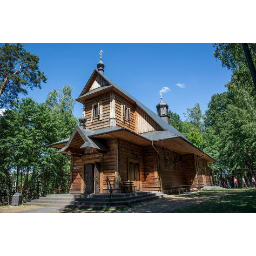
The Holy Mountain of Grabarka is also known as the Mountain of Crosses. On the top of the hill, there is an Orthodox church surrounded by thousands of votive crosses. They come in different forms and sizes, from small ones made of sticks, through bigger wooden crosses to few concrete ones. Some of them are already rotten, some brand new, often with epitaphs engraved in Cyrillic alphabet. All of them, however, were brought for personal intention by diseased, distressed and those seeking hope.
EASTERN TURKEY
by ZESPÓŁ PLACÓWEK OŚWIATOWYCH IN KADZIDŁO, POLAND.
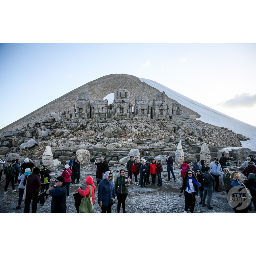
Hiding many secrets, Mount Nemrut annually attracts hundreds of thousands of visitors to its peak, who want to admire the amazing sunrises and sunsets from its top. In this spectacle, travelers are accompanied by mysterious huge statues of ancient deities - including Zeus-Ormuzd, Hercules, Tyche and Apollo-Mithras. Weighing 6 tons and 10 meters high, the monuments allow you to imagine the superhuman effort that centuries ago was put into their construction on the top of the mountain. In addition to the stone figures, you can also admire the mound, which is 50 meters high. According to one of the theories, inside it isthe tomb of King Antiochus I himself, on whose order intriguing statues appeared on Mount Nemrut.
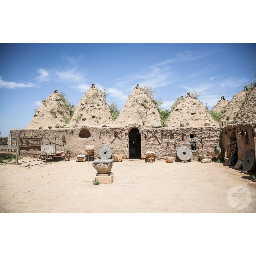
The beginnings of settlement in Harran, located only 20 kilometers from the Syrian border, date back to the Early Bronze Age, making it one of the oldest settlements in the world. The city is mentioned in the Bible, according to which the prophet Abraham himself was born here. The biggest attraction of this unique place are the so-called houses-beehives, with characteristic conical domes with openings in the roof. These structures usually form a group of buildings with adjoining walls. These distinctive houses were created using traditional methods by old local masters. Their walls are about 2 meters high, and their facade is usually covered with mud plaster. Interestingly, these real historical gems are still inhabited by the indigenous people of the region! A stay in Harran is not only an opportunity to admire the artistry of historical settlement architecture, but also to admire the sight of local women - dressed in characteristic long dresses with expressive colors, which additionally shimmer with gold, the inhabitants of Harran make a great impression!
HOUSES-HIVES N ANCIENT HARRAN
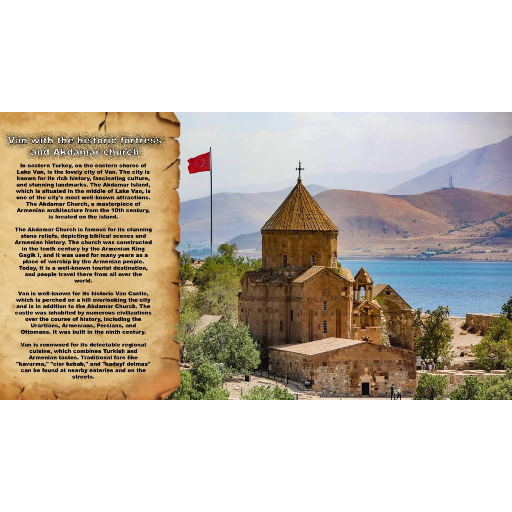
The City of Van
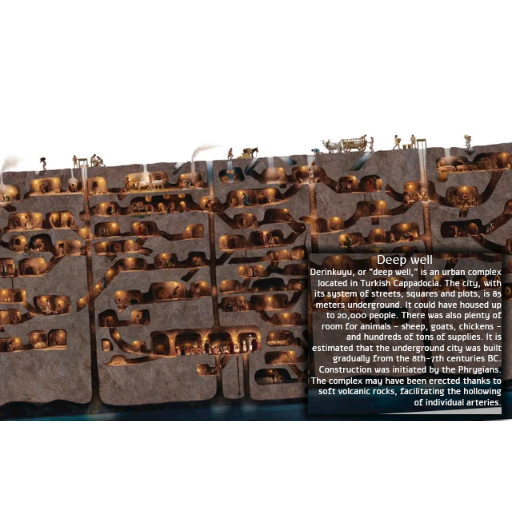
Derinkuyu
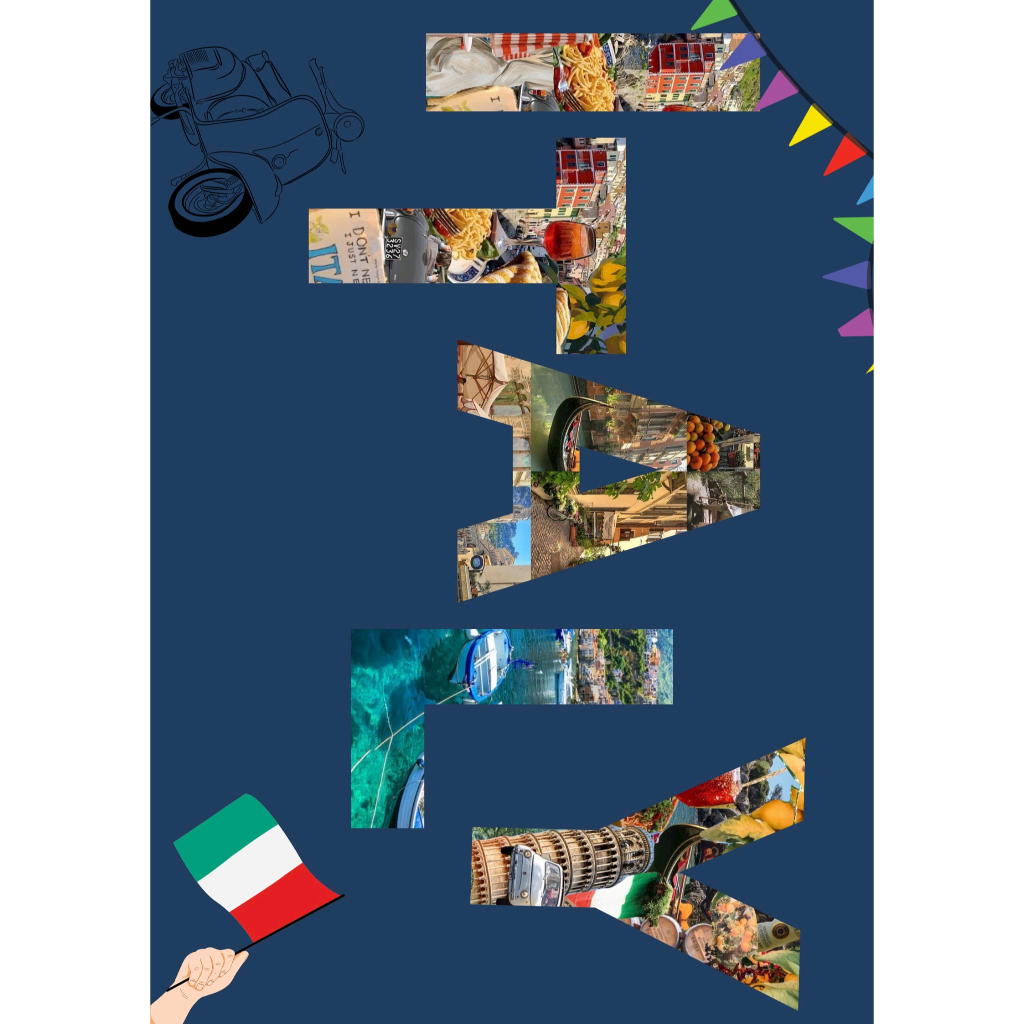
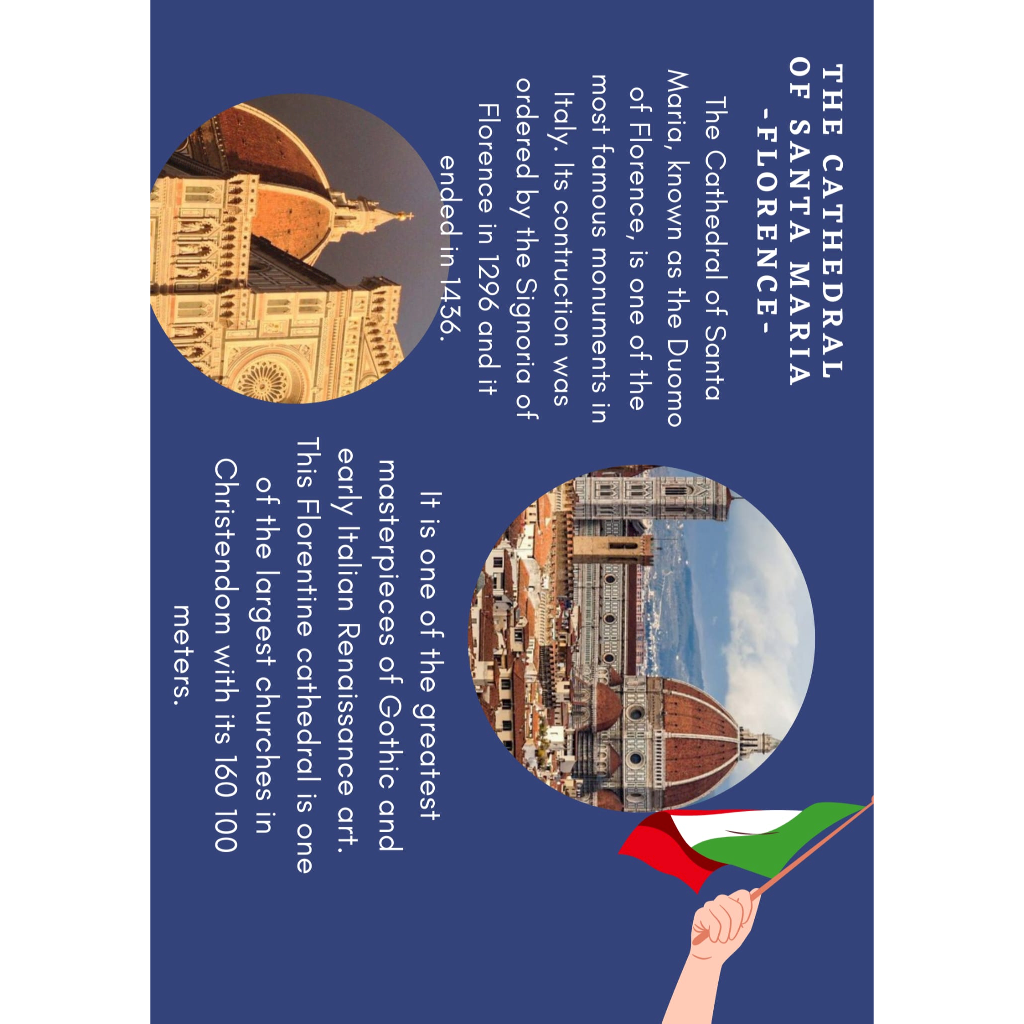
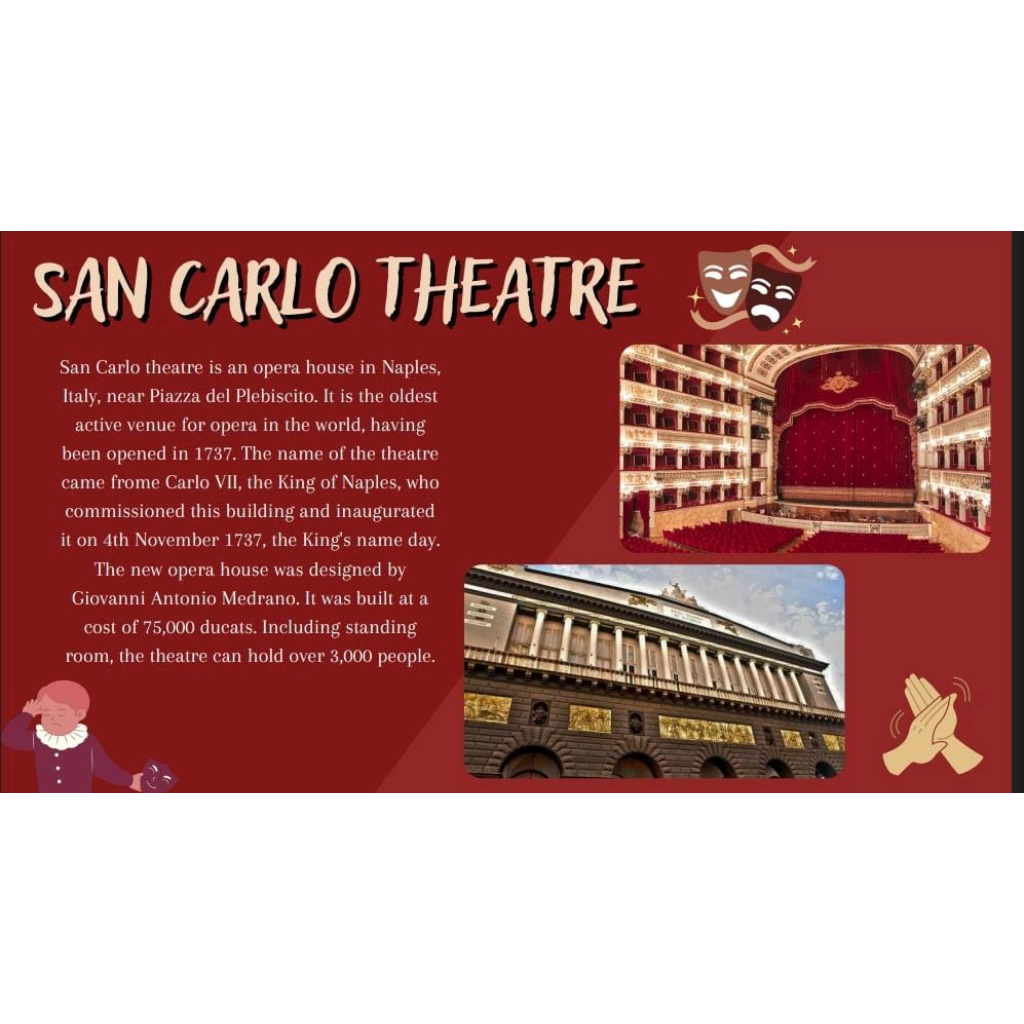
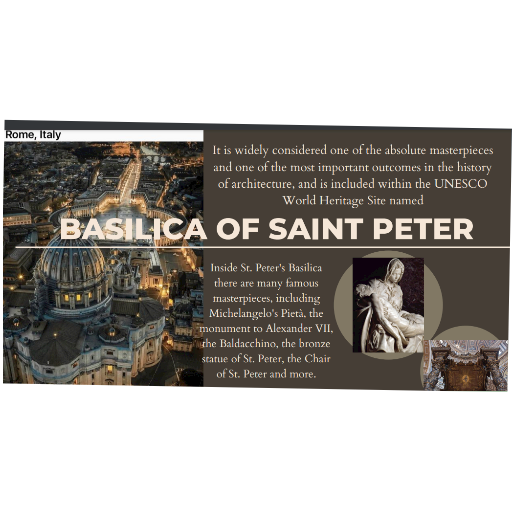
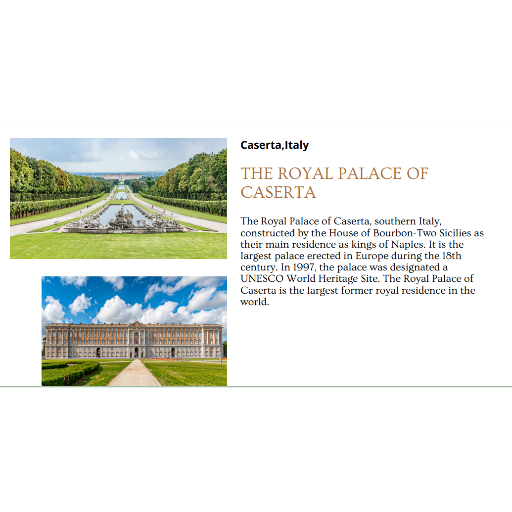
NAPLES


Western Türkyie
Karol Tytuła, Franciszek Maksyjan, Maksymilian Wróbel XI LO Kraków
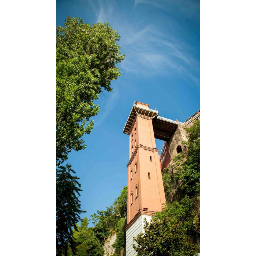
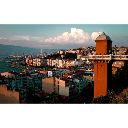
The Historical Elevator (Tower)
The Elevator was built by Nesim Levi, a Jewish businessman, in 1907 to over come the topographic barrier between the districts of Mithatpasa Street (at sea level) and Halil Rifat Pasa Street (at hill top).
At the beginning of the 20th century, before the construction of the Elevator, to move up and down in the area one had to choose between a long way to walk and 155 stairs to climb. This public street elevator tower, with originally water driven two lift cabins, was an innovative way of transportation facilitating pedestrian traffic, as well as contributing to the progress of the city.
With its upper promenade, the historical Elevator is the best structure to get an unparalleled view of the Gulf of Izmir. Also, a charming old street exists at the foot of the Elevator, named after Dario Moreno, an international singer and a native of Izmir.
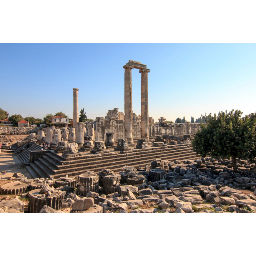
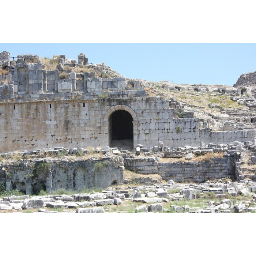
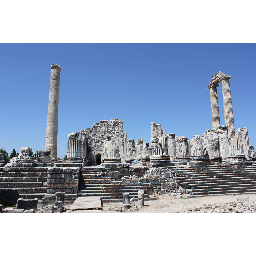
Didyma and Milet
Didyma
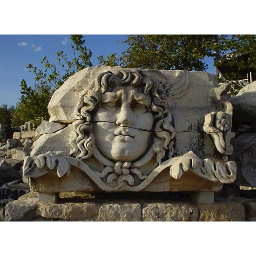
Milet
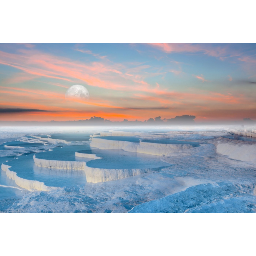
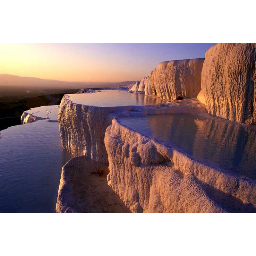
PAMUKKALE - The turkish ice town!
Pamukkale, which means “cotton castle” in Turkish, is a natural site in Denizli in southwestern Turkey.
The area is famous for a carbonate mineral left by the flowing water.
Over the course of thousands of years, this mineral has formed white water pools famous around the whole world for their healing properties.

Pamukkale was formed when a spring with a high content of dissolved calcium bicarbonate cascaded over the edge of the cliff, which cooled and hardened leaving calcium deposits.
- < BEGINNING
- END >
-
DOWNLOAD
-
LIKE
-
COMMENT()
-
SHARE
-
BUY THIS BOOK
(from $8.19+) -
BUY THIS BOOK
(from $8.19+) - DOWNLOAD
- LIKE
- COMMENT ()
- SHARE
- Report
-
BUY
-
LIKE
-
COMMENT()
-
SHARE
- Excessive Violence
- Harassment
- Offensive Pictures
- Spelling & Grammar Errors
- Unfinished
- Other Problem





COMMENTS
Click 'X' to report any negative comments. Thanks!