 Mrs.Moore's Class
2014
This book was created and published on StoryJumper™
©2014 StoryJumper, Inc. All rights reserved.
Publish your own children's book:
www.storyjumper.com

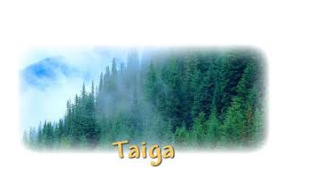
Taiga
(Coniferous Forest)

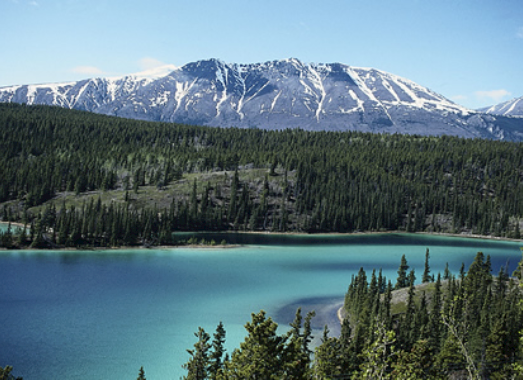

Abiotic Factors:
Climate- During the summer, it is cool and dry and during
the winter, it is extremely cold. This biome receives
abundant rainfall during the fall, winter, and spring.
Precipitation averages 20 inches per year.
Soil- The soil is very rocky and acidic. The soil is also
generally thin and it is poorly drained.
Landforms- muskeg -type of bog or marsh with layers of
decaying plants., Hummocks & Marsh covered Hollows
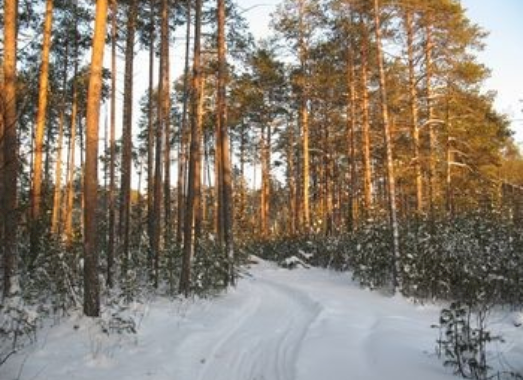

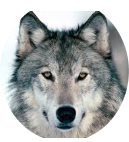


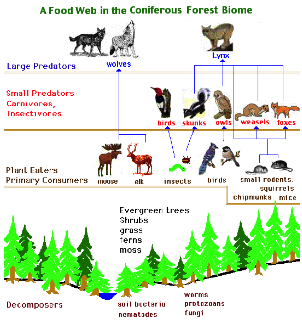
Taiga Animals Include
Wolf
Tucaroo
Weasel

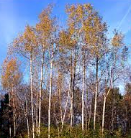
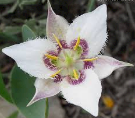
Taiga Plants
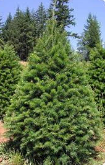
Douglas Fir
Trembling Aspen
Lyall's Mariposa Lily
Human Impact
In the taiga biomes, logging is probably the main source of
destruction. Replanting after logging leads to single-species
conifer mono-cultures. Also, fur-bearing animals are
important, and high-intensity hunting a trapping has reduced
the number of the many of them. On the other hand,
humans also have a positive impact on the taiga. Some people
are trying to reduce the amount of hunting so animals will
proceed to live in the taiga.Scientists believe the best
possible solution to save the forests in the Taiga biome is to
protect what forest we have left.

Location
Latitude:
61°20'19.34"N
Longitude:
108°28'21.91"W
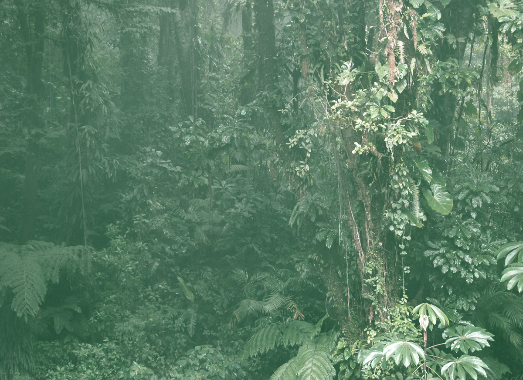
Tropical Rain Forest




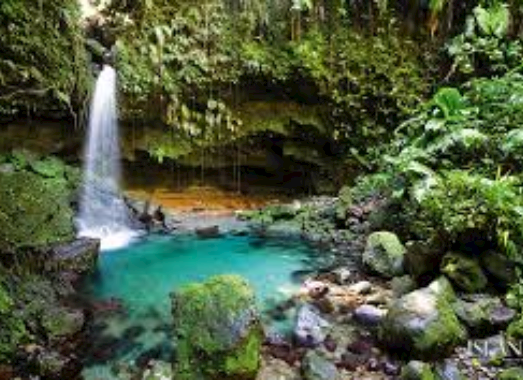
Abiotic Factors
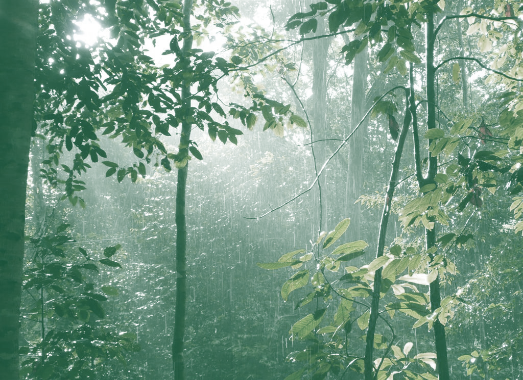
Climate- Rain forests belong to the tropical wet climate group.
The temperature in a rain forest rarely gets higher than 93 °F
(34 °C) or drops below 68 °F (20 °C); average humidity is
between 77 and 88%; rainfall is often more than 100 inches a
year. There is usually a brief season of less rain. In monsoonal
areas, there is a real dry season. Almost all rain forests lie near
the equator.
Sunlight- The tropical Rainforest gets about 12 hours of sunlight
daily.
Water- Some of the largest rivers are the Amazon, Madeira,
Mekong, Negro, Orinoco, and Congo (Zaire).
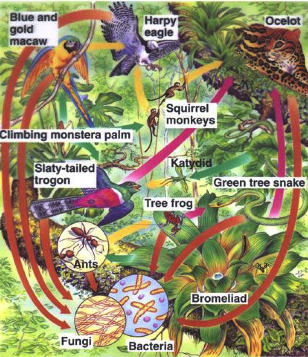
Animals
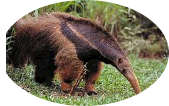
Anteater

Sloth
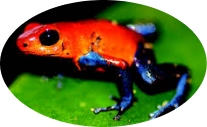
Poison Dart Frog
Plants
Rubber Tree
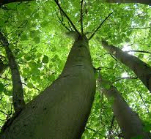
Canopy Tree
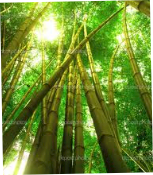
Bamboo Tree
Human Impact
Human Activity in the Rainforest Biome has allowed for the discovery and
implementation of many different medicines, nearly 120 prescription medications
today are derived from plants in the tropical rainforest, nearly ⅔ of these drugs
are known to have cancer fighting properties, not only are the drugs used to
combat cancer, they are key in fighting malaria, heart disease, hypertension,
bronchitis, diabetes, arthritis, and other medications. Human exploration of the
rainforest has yielded important medical progress for mankind, the tropical
rainforest’s diverse climate has allowed for an extremely diverse biome, the
diversity has allowed for it to be called “Nature’s medicine cabinet.” With the
effective natural remedies that it possesses to cure many human illnesses and
diseases, human exploration of the rainforest has unlocked an extremely vital
source of medicine.
Location
20° north and 16° south, and longitude 95°
to 105° east-Longest chain of rain forests
Tundra



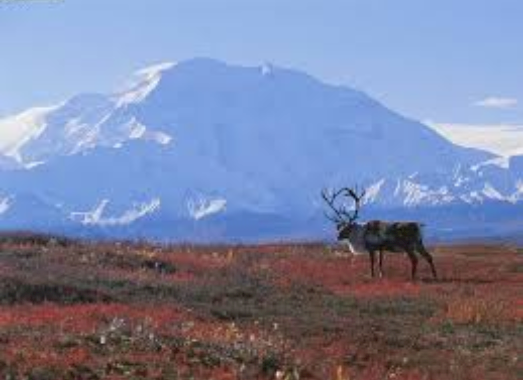
Abiotic Factors:
Climate-The main seasons are winter and summer. Spring and fall are only short
periods between winter and summer. The tundra is the world's coldest and driest
biomes. The average annual temperature is -18° F (-28° C). Nights can last for weeks
when the sun barely rises during some months in the winter, and the temperature can
drop to -94° F (-70° C). During the summer the sun shines almost 24 hours a day,
which is why the Arctic is also called the Land of the Midnight Sun. Summer are
usually warm. Temperatures can get up to 54° F (12° C), but it can get as cold as 37° F
(3° C). Average summer temperatures range from 37° to 60°F (3° to 16°C).
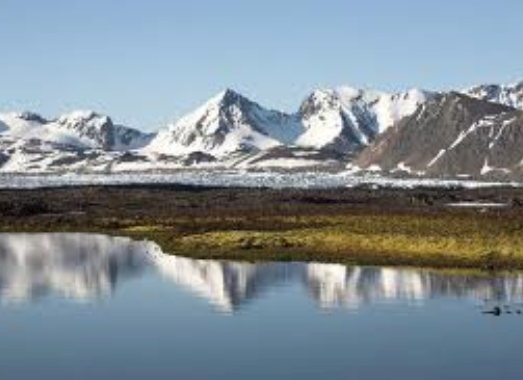
Soil- The ground is permanently frozen 10 inches to 3 feet (25 to 100 cm) down so
that trees can't grow there. The bare and sometimes rocky ground can only support
low growing plants.
Precipitation- Only about 6 - 10 inches of precipitation (mostly snow) fall each year.
Below the soil is the tundra's permafrost, a permanently frozen layer of earth.
During the short summers the top layer of soil may thaw just long enough to let
plants grow and reproduce. Since it can't sink into the ground, water from melting
permafrost and snow forms lakes and marshes each summer.
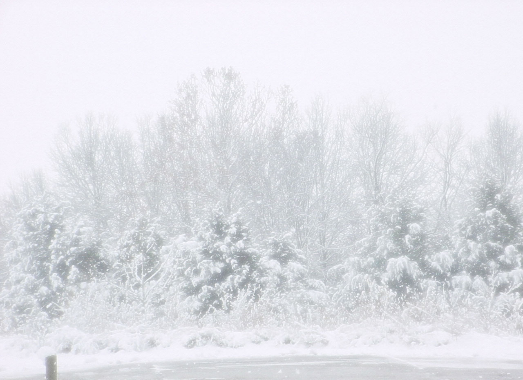
Animals
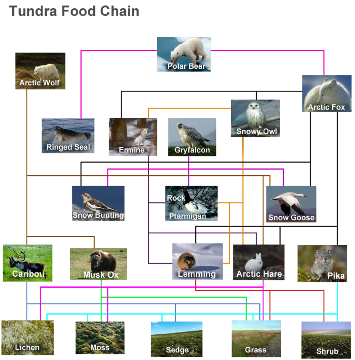
Caribou
Lemmings
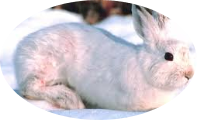
Snowshoe Rabbit
Plants
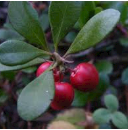
Bearberry
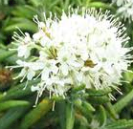
Labrador Tea
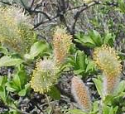
Diamond Leaf
Willow
Human Impacts
The human impact on the Tundra has been extremely
negative. The reason for this involves hunting and global
warming. The tundra has a very fragile environment and very
small changes puts it in immediate danger and threatens the
entire biome. Rising temperatures, in which is affected by
global warming, causes the glaciers to melt resulting in floods
killing plants and species. Human activity has severely harmed
the habitat and the local wildlife through pollution and over
development.
Location
71.2* N; 156*W
The Desert


Abiotic Factors:
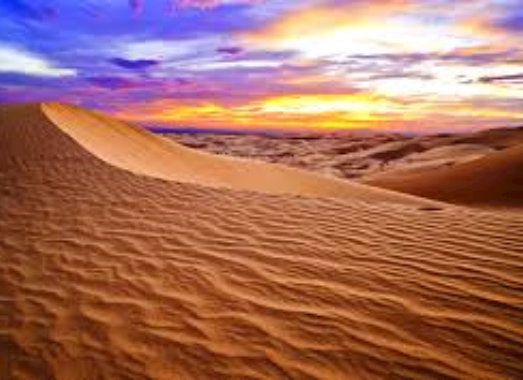
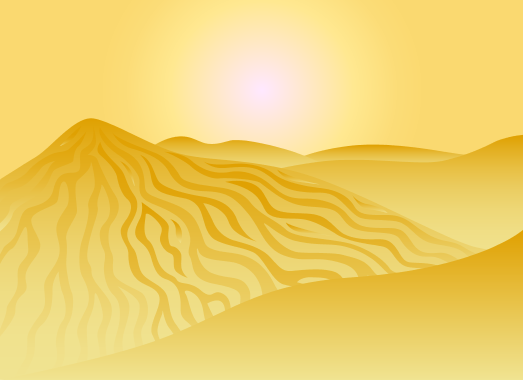
Climate- All months of the desert have average temperatures over
64° F (18° C). The desert is hot and dry. Deserts have very little
rainfall in a year, usually less than 10 inches.
Soil- Desert soils form in areas where the demand for water by the
atmosphere (evaporation) and plants (transpiration) is much greater
than precipitation.
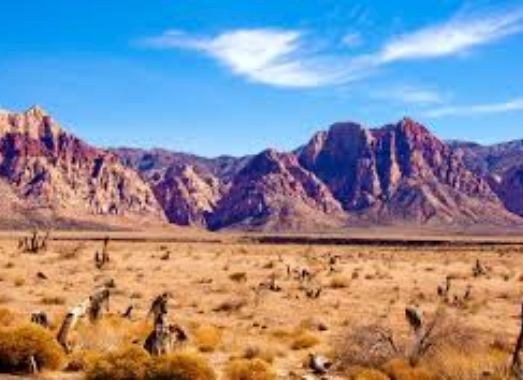
Landforms- The majority of the desert, 10 to 20 percent, is
covered by sand. Other landforms may include alluvial fan, butte,
dunes, mesas, oasis, plateau, canyons, gravel, boulders, mountains,
clay, and various types of soil.
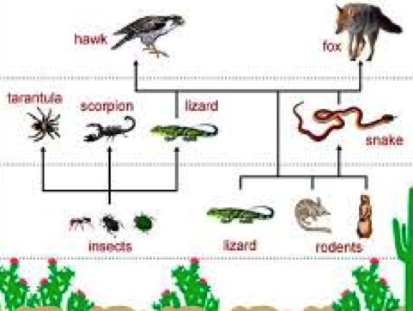
Animals
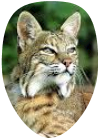
Bobcat
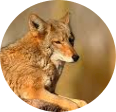
Coyote
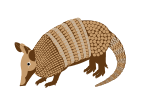
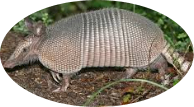
Armadillo
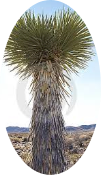
Soaptree Yucca
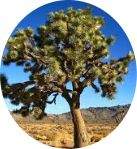
Joshua tree
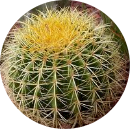
Barrel cactus
Plants
Human Effects
Many human actions affect the desert biome. Off roading, when
we run our vehicles over the desert soil and carve the tracks into
the soil that will scar the land for many years, is a very good
example. These tracks can kill off vegetation in the desert. When
the vegetation is hurt so are the animals. Animals that rely on the
sandy desert floor for camouflage can also be harmed greatly.
Little water moves through the desert. When we remove fossil
water, we are basically mining for water. Burning and overgrazing
the land on the desert may irreversibly damage some plants that
holds the soil together. Desertification can be caused.
Location
Between 15° and 35° latitude (North and South of
the equator); examples are Mojave, Sonoran,
Chihuahua, and Great Basin (North America);
Sahara (Africa); Negev (Middle East); and Gobi
(Asia)
The
Grasslands/Prairie



You've previewed 41 of 63 pages.
To read more:
Click Sign Up (Free)- Full access to our public library
- Save favorite books
- Interact with authors


- < BEGINNING
- END >
-
DOWNLOAD
-
LIKE(1)
-
COMMENT()
-
SHARE
-
SAVE
-
BUY THIS BOOK
(from $12.59+) -
BUY THIS BOOK
(from $12.59+) - DOWNLOAD
- LIKE (1)
- COMMENT ()
- SHARE
- SAVE
- Report
-
BUY
-
LIKE(1)
-
COMMENT()
-
SHARE
- Excessive Violence
- Harassment
- Offensive Pictures
- Spelling & Grammar Errors
- Unfinished
- Other Problem





COMMENTS
Click 'X' to report any negative comments. Thanks!