 For stage 3 assignment
This book was created and published on StoryJumper™
©2014 StoryJumper, Inc. All rights reserved.
Publish your own children's book:
www.storyjumper.com


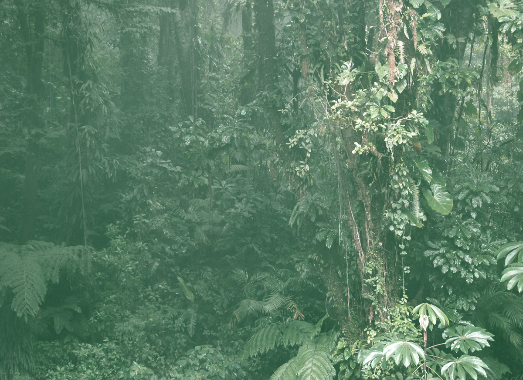

Description
Boa constrictors are pinkish or tan in color, with
dark crossbands. Typically, they range in
lengths from 20 inches (50 cm) as neonates to
13 feet (3.9 m) as adults. Larger members of
the Boidae family have heat-sensitive pits on
its head, but this snake has more simple heat-
sensitive scales. These snakes are solitary and
nocturnal.

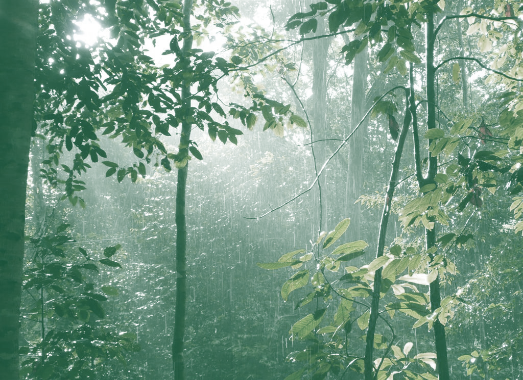
Habitat
Boa constrictors occupy a variety of habitats. Primary
habitat is rainforest clearings or edges. However, they
are also found in woodlands, grasslands, dry tropical
forest, thorn scrub, and semi-desert. Boa constrictors
are also common near human settlements and often
found in agricultural areas. Boa constrictors are
commonly seen in or along streams and rivers in
appropriate habitats. Boa constrictors are semi-
arboreal, although juveniles tend to be more arboreal
than adults. They also move well on the ground and
can be found occupying the burrows of medium-sized
mammals.


Predation
When threatened, boa constrictors will
bite to defend themselves. Though there
are few references to predation on boa
constrictors in nature, they are certainly
killed and consumed by numerous
reptilian, avian, and mammalian
predators. Young boas are especially
vulnerable.


Physical Description
Boa constrictor has long been famous as one
of the largest species of snake. In reality, boa
constrictors are fairly modest-sized boids and
are dwarfed by the other competitors for this
title. The maximum length reported in B.
constrictor was slightly over 4 meters.
Individuals are generally between 2 and 3
meters in length, although island forms are
commonly below 2 meters.
Food Habits
Boa constrictors are carnivorous generalists. The
main bulk of their diet consists of small mammals,
including bats, and birds. However, they will eat
any animal they can capture and fit in their
mouths. Boa constrictors capture prey through
ambush hunting, although occasionally they
actively hunt. They can rapidly strike at an animal
that passes by a branch that they are suspended
from, for example.
You've previewed 10 of 16 pages.
To read more:
Click Sign Up (Free)- Full access to our public library
- Save favorite books
- Interact with authors


- < BEGINNING
- END >
-
DOWNLOAD
-
LIKE(6)
-
COMMENT()
-
SHARE
-
SAVE
-
BUY THIS BOOK
(from $3.19+) -
BUY THIS BOOK
(from $3.19+) - DOWNLOAD
- LIKE (6)
- COMMENT ()
- SHARE
- SAVE
- Report
-
BUY
-
LIKE(6)
-
COMMENT()
-
SHARE
- Excessive Violence
- Harassment
- Offensive Pictures
- Spelling & Grammar Errors
- Unfinished
- Other Problem





COMMENTS
Click 'X' to report any negative comments. Thanks!