

mentors: Stergioula Panagiota and Martin


Dear Mayor,
we face huge food waste problem nowadays and mostly at catering institutions (supermarket, grocery, hotels, restaurants, school etc.) So, today we would like to recommend a solution on this problem:
Composting is an easy and cost-effective way to reduce waste and improve soil health. It also helps reduce greenhouse gas emissions by diverting organic waste from landfills, where it would otherwise decompose and release methane gas into the atmosphere.
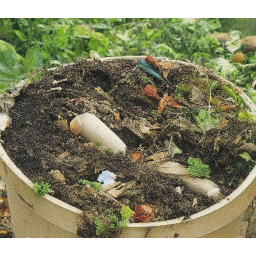
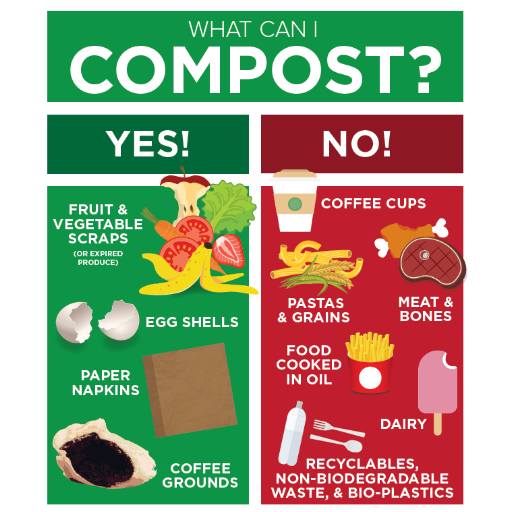
We can compost fruits and veggies, but can't compost meat and oils...
What can we do with them?
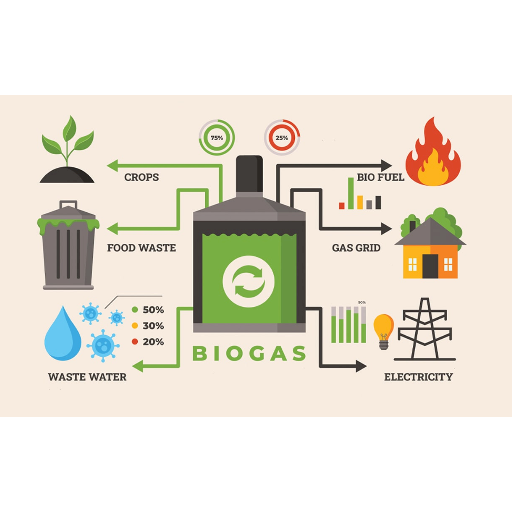
A very good idea is BIO GAS!!!
What is BIO GAS?
Biogas is a type of renewable energy that is produced through the anaerobic digestion of organic matter such as animal manure, agricultural waste, sewage sludge, and food waste.
The process of anaerobic digestion involves the breakdown of organic matter by bacteria in the absence of oxygen, which produces a gas mixture primarily composed of methane (CH4) and carbon dioxide (CO2).

The Ecological Committee of our School decided to study terrestrial biodiversity, its benefits, as well as the factors that threaten it. The Ecological Committee has prepared an action plan:
1. Gather the food waste from catering institutions
2. Place the food into special brown bins
3. Transport to the bio gas plants
4. Production of bio gas
Biogas can be used in various ways, depending on the specific needs and resources of the user. Here are some common ways to use biogas:
Electricity generation: Biogas can be used to generate electricity by burning it in a generator. This electricity can then be used to power homes, businesses, and even entire communities.
Heating: Biogas can also be used as a source of heat, such as for cooking and space heating. It can be used in stoves, ovens, and furnaces.
Vehicle fuel: Biogas can be used as a fuel for vehicles that run on compressed natural gas (CNG). This is a more environmentally friendly alternative to traditional gasoline or diesel fuel.
Fertilizer: The residues from the biogas production process can be used as a nutrient-rich fertilizer for crops. This helps to improve soil fertility and reduce the need for chemical fertilizers.
Biogas upgrading: Biogas can also be upgraded to biomethane, which is a purified form of biogas that can be used in natural gas pipelines and as a transportation fuel.
BUDGET:
1. Capital costs: from $500 to $5,000 per kW
2. Feedstock costs: from $20 to $100 per ton
3. Operating costs: from $0.05 to $0.20 per kWh
4. Financing costs
Overall, the total cost of building and operating a biogas plant can range from $500 to $10,000 per kW of installed capacity, depending on the size of the plant, the feedstock used, and the technology employed.


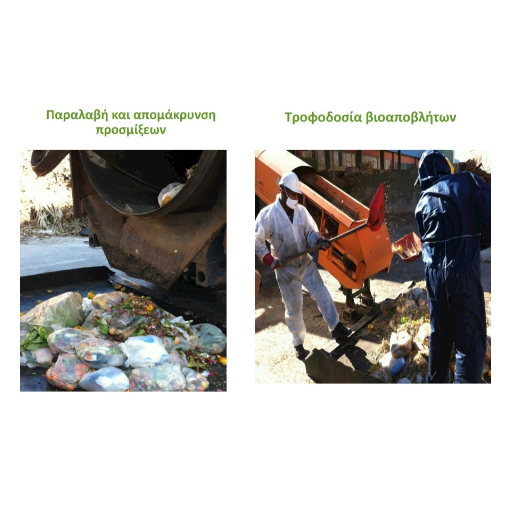
Receipt and removal of impurities
Waste feed
The cost is big but the benefits are very useful for the nature and us people:
- financial benefits
- environmental benefits
- geopolitical benefits
- reducing waste
We appreciate your time and we hope you find our idea affordable.
Sincerely,
Green team
- < BEGINNING
- END >
-
DOWNLOAD
-
LIKE
-
COMMENT()
-
SHARE
-
BUY THIS BOOK
(from $2.99+) -
BUY THIS BOOK
(from $2.99+) - DOWNLOAD
- LIKE
- COMMENT ()
- SHARE
- Report
-
BUY
-
LIKE
-
COMMENT()
-
SHARE
- Excessive Violence
- Harassment
- Offensive Pictures
- Spelling & Grammar Errors
- Unfinished
- Other Problem






COMMENTS
Click 'X' to report any negative comments. Thanks!