
is for ALMOND
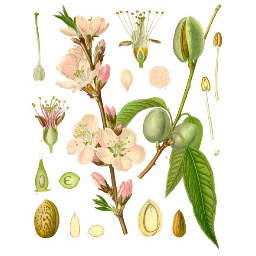
The almond (Prunus amygdalus, syn. Prunus dulcis) is a species of tree native to Iran and surrounding countries, including the Levant. The almond is also the name of the edible and widely cultivated seed of this tree. Within the genus Prunus, it is classified with the peach in the subgenus Amygdalus, distinguished from the other subgenera by corrugations on the shell (endocarp) surrounding the seed.

demet.figeniseri
is for Basil seed
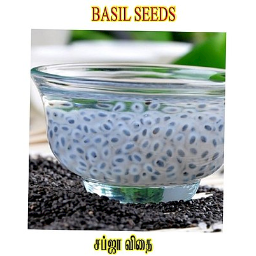
The Basil seed (Ocimum basilicum or Ocimum tenuiflorum, aka Ocimum sanctum) is an herb plant that produces small, black seeds with a mild, nutty flavor and gel-like texture when soaked in water for 15 minutes. They are also known as Sabja seeds or Tulsi seeds or Falooda seeds, based on their type and medicinal properties. These seeds are commonly used in freshly prepared fruit drinks

bilge.figeniseri
is for Coconut
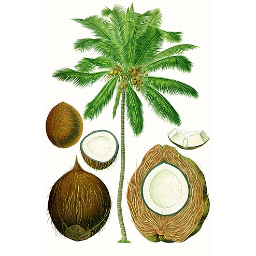
The coconut tree (Cocos nucifera) is a member of the palm tree family (Arecaceae) and the only living species of the genus Cocos. The term "coconut" (or the archaic "cocoanut") can refer to the whole coconut palm, the seed, or the fruit, which botanically is a drupe, not a nut. The name comes from the old Portuguese word coco, meaning "head" or "skull", after the three indentations on the coconut shell that resemble facial features. They are ubiquitous in coastal tropical regions and are a cultural icon of the tropics.

Aysu elnarajavadova
is for Drupe
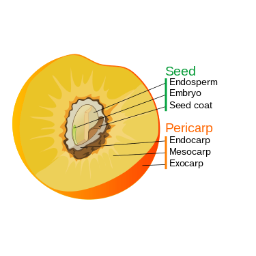
In botany, a drupe (or stone fruit) is an indehiscent fruit in which an outer fleshy part (exocarp, or skin, and mesocarp, or flesh) surrounds a single shell (the pit, stone, or pyrena) of hardened endocarp with a seed (kernel) inside. These fruits usually develop from a single carpel, and mostly from flowers with superior ovaries (polypyrenous drupes are exceptions).

Rashad elnarajavadova
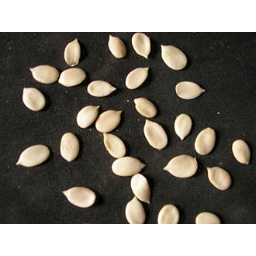
is for Egusi
Egusi melon seeds are large and white in appearance; sometimes they look brownish in color but the main egusi color is white.

alya.nadire
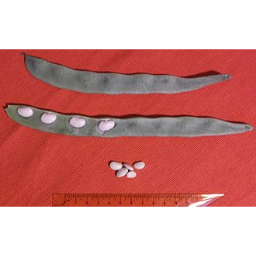
is for Flat bean
Flat beans, also known as helda beans, romano beans (not to be confused with the borlotti bean) and "sem fhali" in some Indian states, are a variety of Phaseolus coccineus, known as runner bean with edible pods that have a characteristic wide and flat shape. Flat beans are normally cooked, and served as the whole pods, the same way as other green beans. Like many other types of bean (see broad bean for example) they can also be dehusked or shelled, and the whitish seeds dried and stored, but there is no incentive to grow them for this purpose as higher-yielding bean varieties are available.

zeynep.nadire
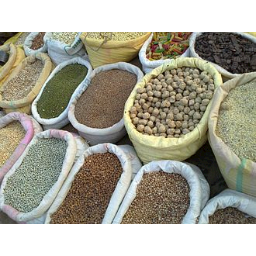
is for Grain
A grain is a small, hard, dry fruit (caryopsis) – with or without an attached hull layer – harvested for human or animal consumption. A grain crop is a grain-producing plant. The two main types of commercial grain crops are cereals and legumes.

Siba.Seydaates
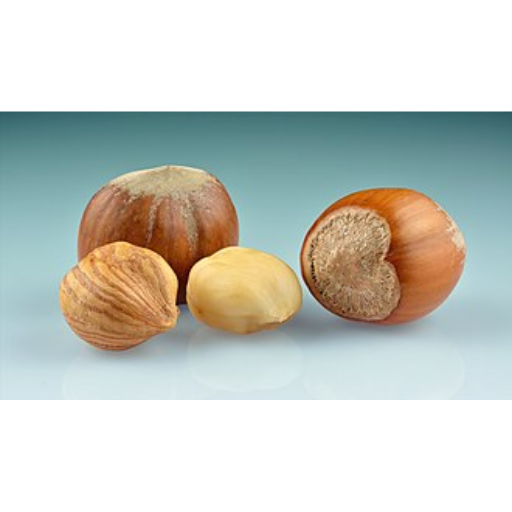
is for Hazelnut
The hazelnut is the fruit of the hazel tree and therefore includes any of the nuts deriving from species of the genus Corylus, especially the nuts of the species Corylus avellana. They are also known as cobnuts or filberts according to species.

Suheda.Seydaates
is for Irvingia gabonensis
Irvingia gabonensis is a species of African trees in the genus Irvingia, sometimes known by the common names wild mango, African mango, or bush mango. They bear edible mango-like fruits, and are especially valued for their fat- and protein-rich nuts.

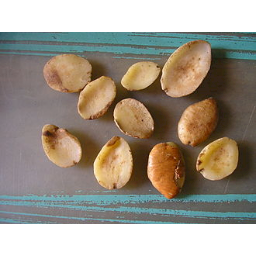
is for Jakhya
Jakhya (Garhwali: जख्या; Urdu: زخیا) (also called dog mustard or wild mustard) is the seed of the Cleome viscosa plant used for tempering on culinary dishes. It is mostly grown and consumed in Uttarakhand and in the Terai regions of India and Nepal.
The seeds are dark brown in color, and crackles on being heated in oil. It is used in the Garhwali and Kumaoni styles of cuisines.

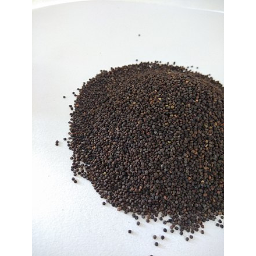
is for Kola nut
The term kola nut usually refers to the seeds of certain species of plant of the genus Cola, placed formerly in the cocoa family Sterculiaceae and now usually subsumed in the mallow family Malvaceae (as subfamily Sterculioideae). These cola species are trees native to the tropical rainforests of Africa. Their caffeine-containing seeds are about 5 centimetres (2.0 in) across and are used as flavoring ingredients in beverages applied to various carbonated soft drinks, from which the name cola originates.

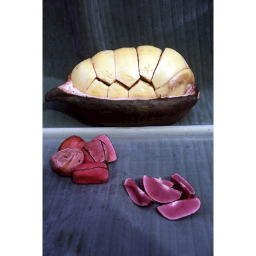
is for Lotus seed
A lotus seed or lotus nut is the seed of plants in the genus Nelumbo, particularly the species Nelumbo nucifera. The seeds are used in Asian cuisine and traditional medicine. Mostly sold in dried, shelled form, the seeds are rich in protein, B vitamins, and dietary minerals.

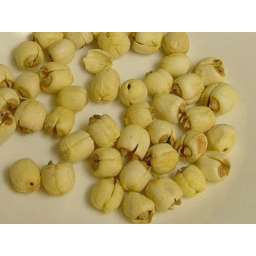
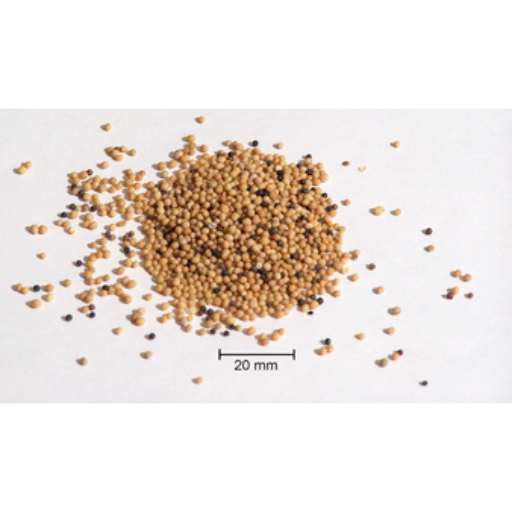
is for Mustard seed
Mustard seeds are the small round seeds of various mustard plants. The seeds are usually about 1 to 2 millimetres (0.039 to 0.079 in) in diameter and may be colored from yellowish white to black. They are an important spice in many regional foods and may come from one of three different plants: black mustard (Brassica nigra), brown mustard (B. juncea), or white mustard (Sinapis alba).
Grinding and mixing the seeds with water, vinegar or other liquids creates the yellow condiment known as prepared mustard.

Betül.Ayerdem
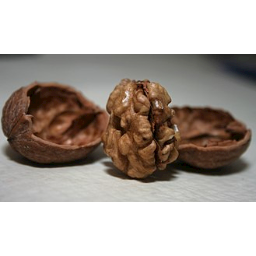
is for Nutshell
A nutshell is the outer shell of a nut. Most nutshells are inedible and are removed before eating the nut meat inside. It covers and protects the kernel, which may be edible.

Miraçnur.Ayerdem
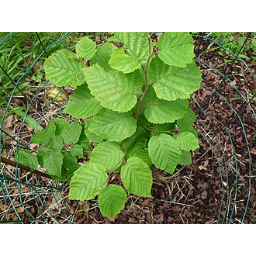
is for Ostryopsis
Ostryopsis is a small genus of deciduous shrubs belonging to the birch family Betulaceae. The species have no common English name, though hazel-hornbeam has been suggested, reflecting their similarities to the closely related hazels and hop-hornbeams.

Tuana.SerminKovan
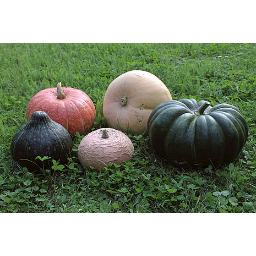
is for Pumpkin
A pumpkin is a vernacular term for mature winter squash of species and varieties in the genus Cucurbita that has culinary and cultural significance but no agreed upon botanical or scientific meaning.

Nurşen.SerminKovan
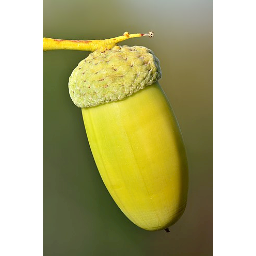
is for Quercus michauxii
Quercus michauxii, the swamp chestnut oak, is a species of oak in the white oak section Quercus section Quercus in the beech family. It is native to bottomlands and wetlands in the southeastern and midwestern United States, in coastal states from New Jersey to Texas, inland primarily in the Mississippi–Ohio Valley as far as Oklahoma, Missouri, Illinois, and Indiana.

- Full access to our public library
- Save favorite books
- Interact with authors
- < BEGINNING
- END >
-
DOWNLOAD
-
LIKE(1)
-
COMMENT()
-
SHARE
-
SAVE
-
BUY THIS BOOK
(from $5.59+) -
BUY THIS BOOK
(from $5.59+) - DOWNLOAD
- LIKE (1)
- COMMENT ()
- SHARE
- SAVE
- Report
-
BUY
-
LIKE(1)
-
COMMENT()
-
SHARE
- Excessive Violence
- Harassment
- Offensive Pictures
- Spelling & Grammar Errors
- Unfinished
- Other Problem






COMMENTS
Click 'X' to report any negative comments. Thanks!